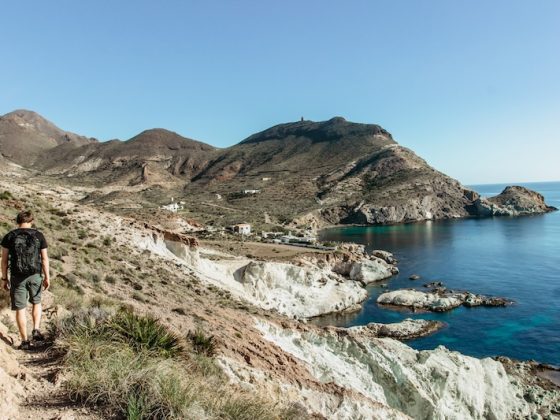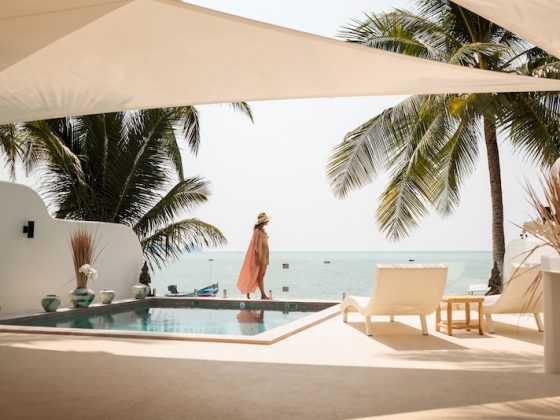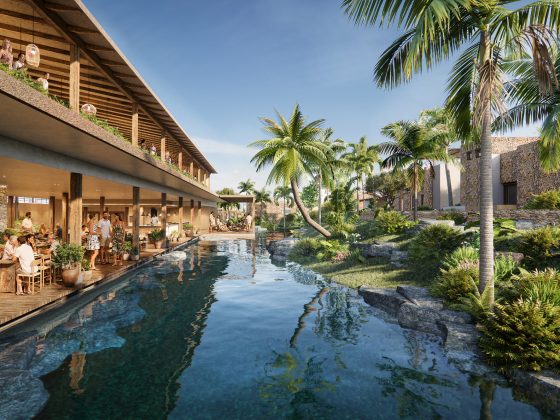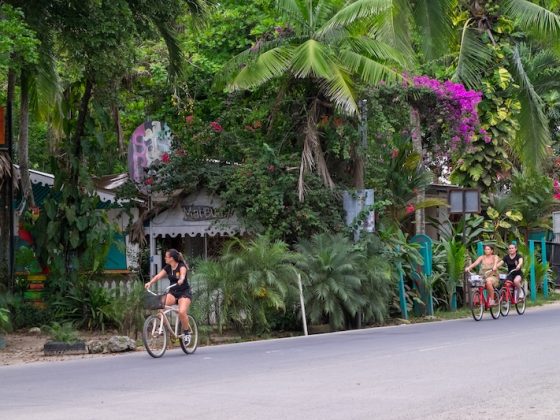
Summer in 2026 is arriving at a particular moment. The world is more mobile than it has ever been, flight networks have expanded substantially post-pandemic, and the appetite for going somewhere meaningful rather than somewhere familiar has shifted an entire generation of travellers toward destinations they would not have considered five years ago.
For the Escape Artist reader, the question is always more specific than a generic best of list. It is not simply where is warm and where is beautiful. It is where does the cost make sense, where does daily life have real texture, where will the time spent feel like investment rather than consumption. This summer, a handful of destinations are answering that question more convincingly than others. These are the ones worth putting in the diary.
Read More Like This: How Living Abroad for a Lower Cost of Living Can Help You Retire Early
1. Lisbon, Portugal
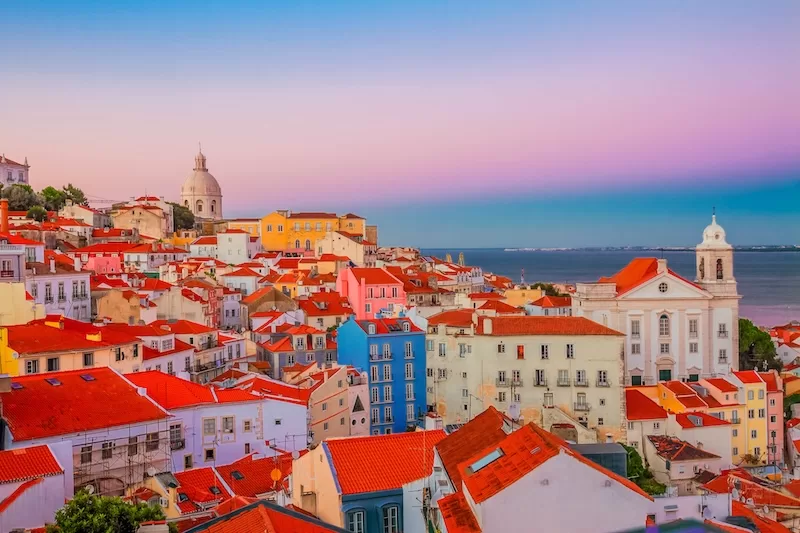
Lisbon in summer operates on a different schedule to the rest of the year. The evenings lengthen considerably, outdoor tables appear on every street, and the city’s relationship with its hills and its river becomes the central fact of daily life rather than a backdrop to it. The Atlantic keeps temperatures more moderate than the Spanish interior, which is part of why Lisbon’s summers are not merely survivable but genuinely excellent.
The case for Lisbon goes beyond climate. It is one of the few western European capitals where the ratio of quality to cost still makes sense, where a long dinner with good wine does not require financial planning, and where the city itself, its architecture, its music, its neighbourhoods, feels genuinely earned rather than performed for visitors. Bairro Alto, Alfama, Mouraria and LX Factory each have their own character and reward walking rather than touring.
The Atlantic coast south and west of the city, Cascais, Setubal, the Alentejo coast, adds a dimension that cities like Barcelona and Athens cannot match at the same proximity. An hour from Lisbon and you are on coastline that has not been overwhelmed by the demand that has reshaped the Algarve.
For those considering longer stays, Portugal’s D8 digital nomad visa and the NHR tax regime make Lisbon one of Europe’s most structurally attractive bases for internationally mobile professionals.
Read More Like This: Cost of Living in Portugal: What It Really Takes to Live Well
2. Athens, Greece
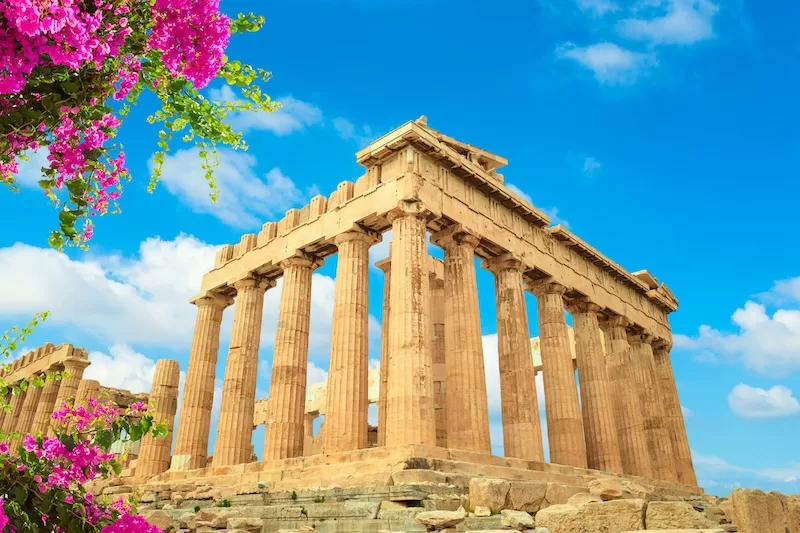
Athens is having a moment, and summer is when the city makes its most persuasive argument. The Acropolis at golden hour, the rooftop bars of Monastiraki with the ancient city as an unrepeatable backdrop, the seafood eaten at tables directly above the Saronic Gulf, the particular quality of Attic light that has been written about for centuries without ever being adequately described. All of it is real.
What has changed in Athens over the past five years is the restaurant and bar scene. The post-crisis generation of Athenian chefs and creative professionals built something genuinely world-class in the city’s leaner years, and it has now reached a level of international recognition that is starting to bring the attention it deserves. Koukaki, Psyrri, and Exarcheia are the neighbourhoods driving this, each with a different energy and a different price point.
Average asking rents in Athens sit at approximately 11 euros per square metre, compared with 22.6 in Barcelona. That differential shapes everything from where you stay to how freely you move through the city. Athens is genuinely affordable by western European standards, and at the moment it is still early enough in its international rediscovery that it does not feel overrun.
The Athenian Riviera south of the city, and the Saronic islands reachable by ferry from Piraeus in one to two hours, extend the Athens summer considerably beyond the city itself.
Read More Like This: Why Athens Is Having Its Most Compelling Moment in Decades
3. Nosara, Costa Rica
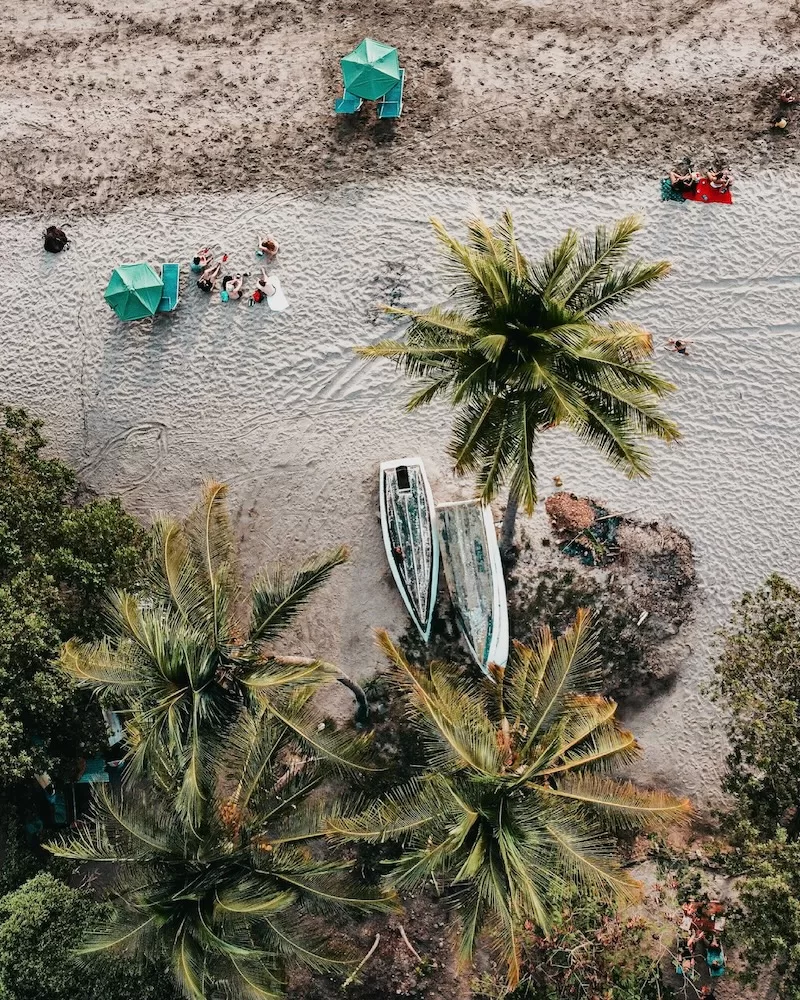
Nosara sits on Costa Rica’s Nicoya Peninsula, a Pacific coastline that has attracted a specific kind of international community: surfers, yoga practitioners, wellness entrepreneurs, and remote workers who made a calculation about what daily life should feel like and arrived here as the answer. The result is a small town with an unusually high concentration of people who have thought seriously about how to live, and a physical environment of beaches, jungle, and Pacific swell that supports the ambition.
The Nicoya Peninsula is one of the world’s designated Blue Zones, an area associated with exceptional longevity, and the lifestyle infrastructure reflects this: the food is clean and local, outdoor activity is built into daily rhythm rather than treated as recreation, and the pace is set by the tides rather than a calendar. For those considering Central America as either a summer destination or a longer term base, Nosara offers a more considered version of the regional proposition than the more developed resort towns. Direct flights from major US cities make it significantly more accessible than its remoteness on a map might suggest.
Read More Like This: Costa Rica or Bali? A Tale Between Two Paradises
4. Mexico City, Mexico
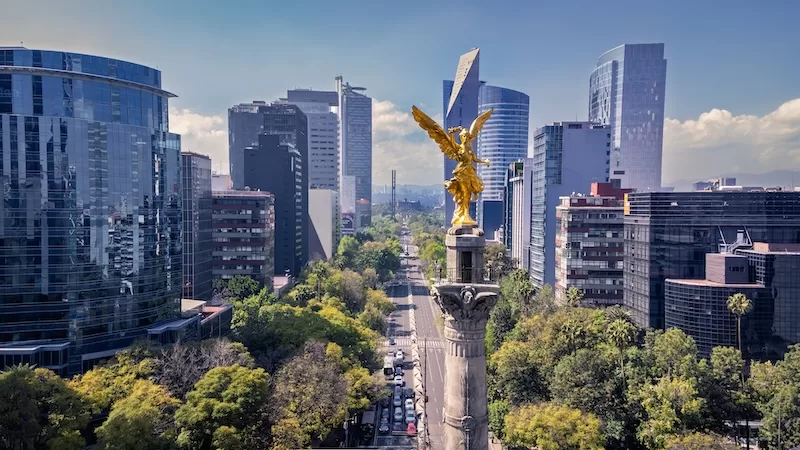
Mexico City in summer is the rainy season, and that is not a reason to avoid it. The rain comes in the afternoons, hard and brief, and the city cools and washes itself and by evening is back to the particular state it does so well: warm, loud, extremely alive. At 2,240 metres elevation, CDMX never gets genuinely hot, and the rains keep everything green in a way that the drier months cannot.
The case for Mexico City does not require seasonal qualification. It is one of the world’s great cities for food, culture, architecture, and neighbourhood life, and it offers all of this at a cost that makes comparable cities in the US or Europe feel unjustifiable. Roma Norte, Condesa, Coyoacan, and Juarez are the neighbourhoods most associated with the city’s international community, each with distinct characters and price points.
Direct flights connect Mexico City to virtually every major US city in two to four hours. For those with US connections maintaining a Mexico City presence, the combination of proximity and cost efficiency is hard to argue against. The city’s food scene, now widely considered one of the world’s best, continues to develop in ways that reward those who are paying attention.
Read More Like This: Could Xalapa Be Mexico’s Best-Kept Cultural Secret?
5. Tbilisi, Georgia
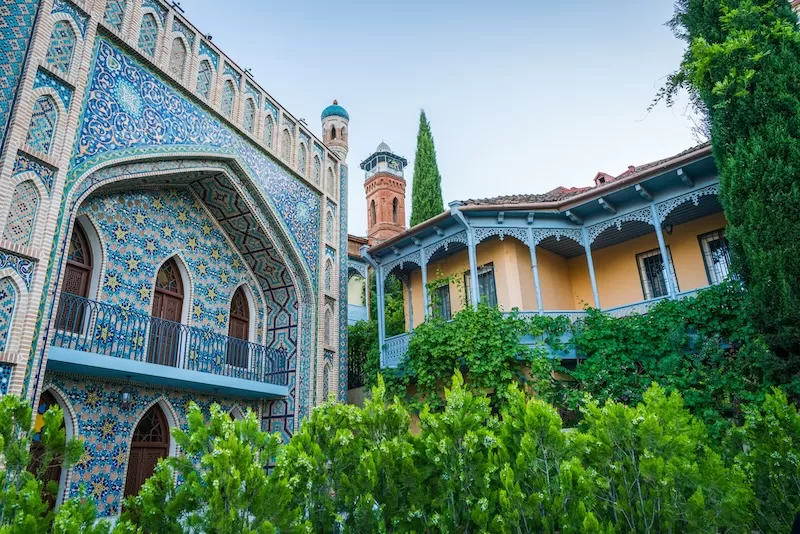
Tbilisi in summer is warm, lively, and still startling to many people on first encounter. The city that was largely unknown outside specialist travel circles five years ago is now firmly part of the serious international living conversation, driven partly by its extraordinary affordability, partly by the 365-day visa-free access available to most Western nationals, and partly by the city itself, which turns out to be genuinely captivating.
The old town, with its distinctive wooden balconies and Persian-influenced sulphur bath district, is unlike any other European or Middle Eastern city. Georgian cuisine, built around walnut, pomegranate, herbs, and an ancient wine tradition that predates most of what the rest of the world considers wine culture, has attracted serious international food attention. The natural wine movement has roots here that go back eight thousand years.
Monthly living costs for a comfortable life in Tbilisi run to 500 to 800 euros all in. For those with western European or dollar-denominated income, the purchasing power is significant. The digital nomad community that has built up in the city, particularly in the Vera and Vake neighbourhoods, provides social infrastructure that makes arrival considerably easier than the city’s geographic position might suggest.
Read More Like This: Certified Translations in Georgia: Requirements, Nuances, and Tips
6. Milos, Greece
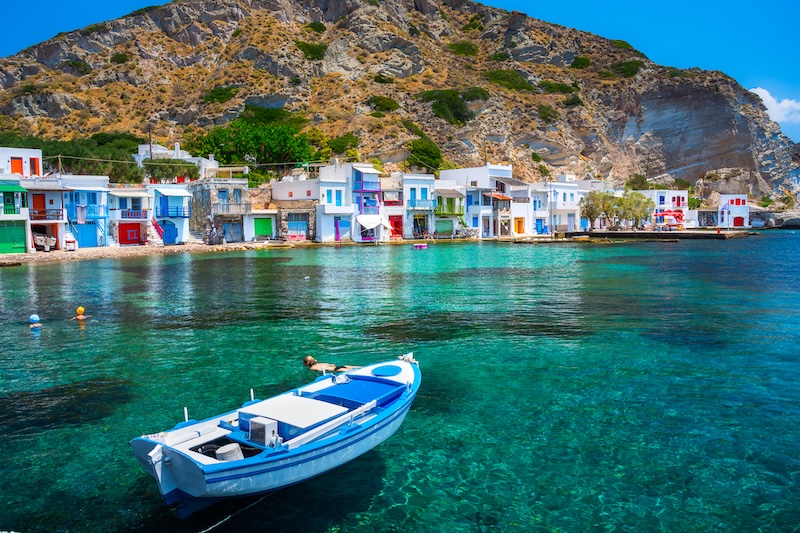
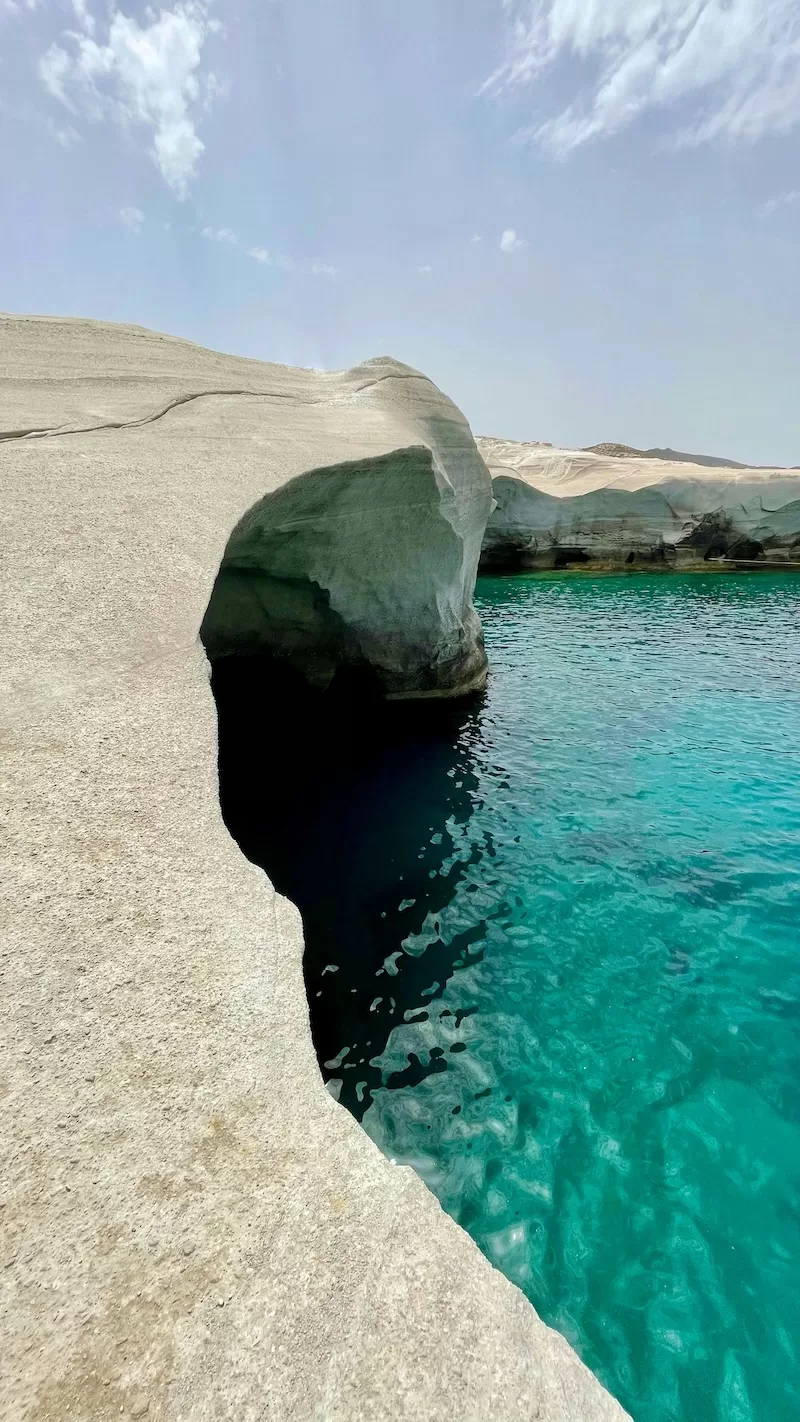
Greece has islands that everyone knows and islands that people who know Greece actually go to. Milos is firmly in the second category. A volcanic island in the Cyclades with a coastline that produces some of the most dramatic and varied beaches in the Mediterranean, Sarakiniko’s white lunar rock formations, Kleftiko’s sea caves, Tsigrado’s hidden cove accessible only by rope, Milos offers a physical environment that is genuinely unlike anywhere else in the Aegean.
It has not yet been overwhelmed. Santorini and Mykonos carry a level of summer saturation that has transformed them into something closer to luxury theme parks than islands. Milos is still a place where the fishing boats are real, the tavernas are family-run, and the late August evenings over the caldera feel earned rather than curated. Ferry connections from Athens take around three hours. Go before the conversation catches up with the reality.
Read More Like This: Gateway to the Mediterranean: A Comprehensive Guide to the Greece Golden Visa Program
7. Chiang Mai, Thailand
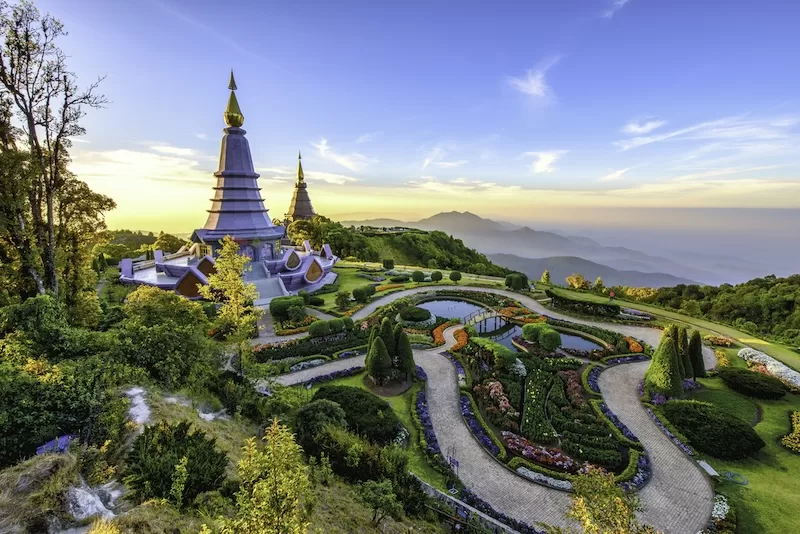
Chiang Mai in summer is the rainy season, which keeps the city green, the prices lower, and the crowds manageable. The northern Thai capital has been the reference point for digital nomad living for longer than almost anywhere else, and it retains the characteristics that made it famous: very low cost, an established international community, good connectivity, excellent food, and mountains close enough to make the heat bearable.
The moat-surrounded old city, the temple circuit, the Saturday and Sunday walking markets, the cafe culture along Nimmanhaemin Road, and the trekking available in the surrounding hills combine to make Chiang Mai genuinely layered for a city of its size. Unlike many destinations that age quickly on repeated visits, Chiang Mai rewards sustained time.
Monthly living costs run from 600 to 1,000 euros for a comfortable lifestyle. Thailand’s Long Term Resident visa and the Thailand Elite programme provide stable longer-stay frameworks for those considering Chiang Mai as more than a summer visit.
Read More Like This: The Ultimate Guide for Future Expats in Thailand
8. Medellin, Colombia
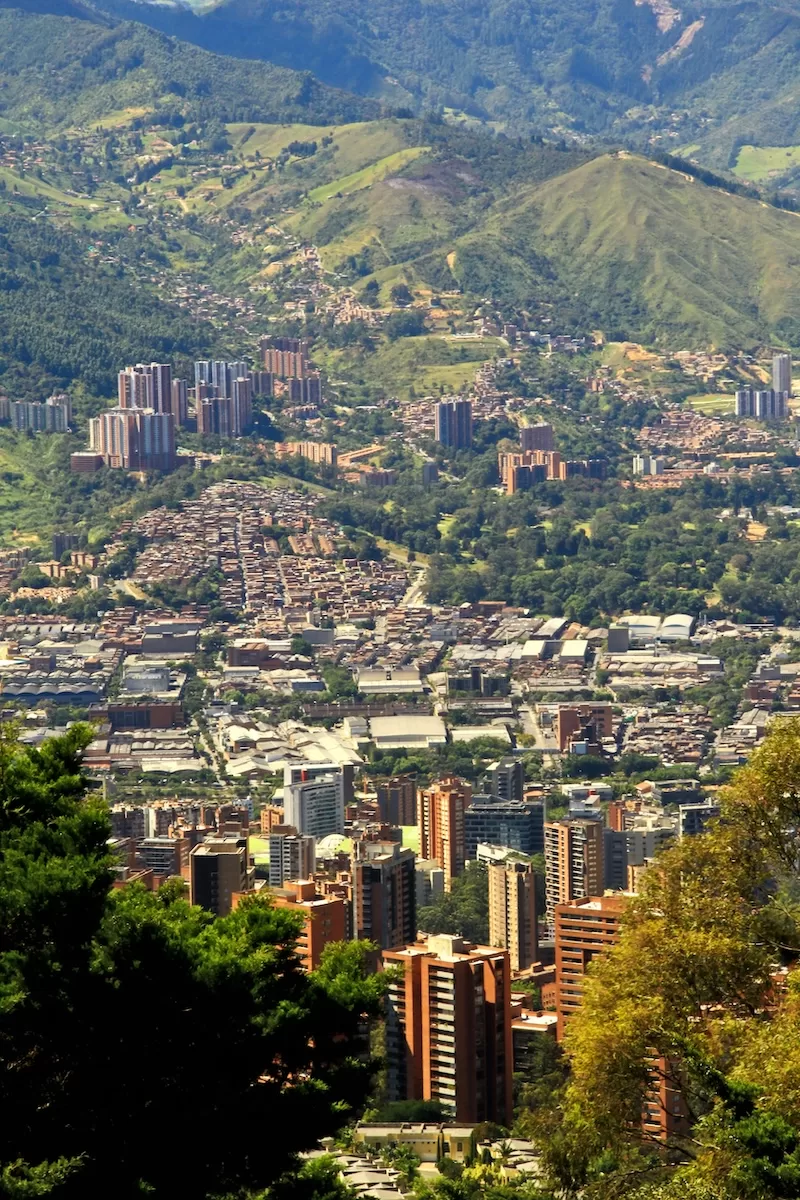
Medellin’s nickname, the City of Eternal Spring, is accurate. At 1,495 metres elevation in the Andean interior, the temperature holds between 17 and 28 degrees year-round. There is no bad season in Medellin in the way there is a bad season in Bangkok or Lisbon. Summer in the northern hemisphere is simply another good month in a city that does not have bad ones.
The transformation narrative around Medellin has been written extensively and is real. The city that the world defined by its most difficult decades has built something genuinely remarkable in the years since: urban cable cars connecting hillside communities to the metro, a public library network that has become a global model for civic investment, and a restaurant and cafe culture in El Poblado and Laureles that operates at a quality level well above what the price point would suggest.
Colombia’s digital nomad visa, introduced in 2022, provides a two-year residency framework for remote workers with qualifying income. For those considering Latin America as a summer base or longer term option, Medellin consistently delivers on the combination of cost, climate, community, and quality of life that the conversation around it promises.
Read More Like This: Inside the Heart of Family Life in Colombia
9. Lombok and the Gili Islands, Indonesia
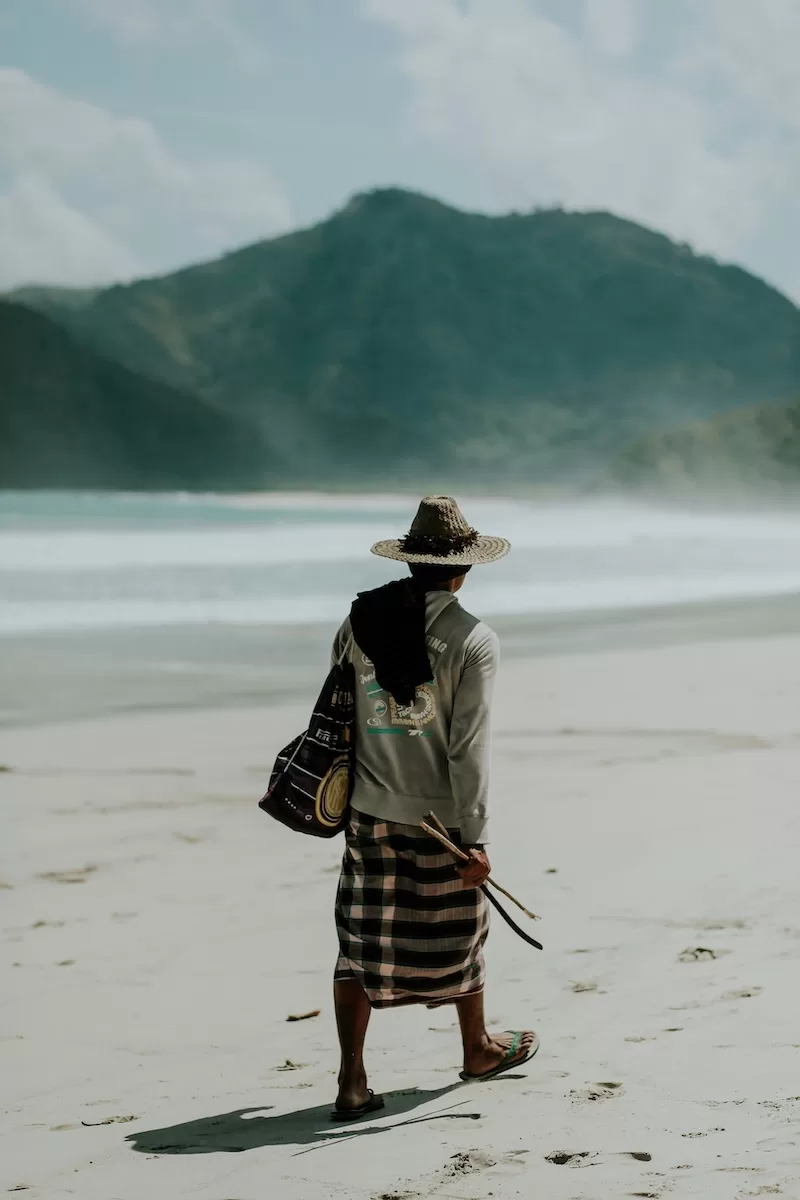
Bali gets the attention. Lombok, thirty minutes east by fast boat, gets the water. The Gili Islands, three small coral-fringed islands off Lombok’s northwest coast, have no motorised vehicles, no traffic, and a clarity of sea that ranks among the best in Southeast Asia. Gili Trawangan is the most developed and most social. Gili Meno is the quietest. Gili Air sits between them in character and is, for many people who have spent time across all three, the one worth returning to.
Lombok itself offers more than a departure point for the Gilis. The interior, including the volcanic Rinjani mountain and the traditional Sasak villages of the south, rewards those who look beyond the coast. Pricing across the island remains well below Bali’s now-considerable costs, and the infrastructure, while less developed, has improved substantially. For a summer trip willing to travel twelve to fourteen hours from Europe with a connection, the reward in water quality, landscape, and value is significant. Indonesia’s digital nomad visa, introduced in 2023, provides a cleaner legal framework for those wanting to extend the stay beyond a holiday.
Read More Like This: How Southeast Asia Is Redefining the Modern Plan B
10. Split, Croatia
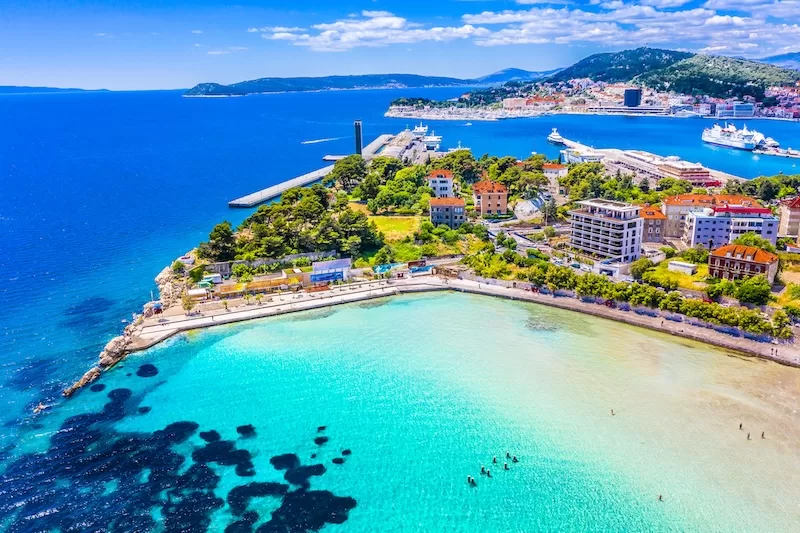
Split is one of the more underused summer arguments in Europe. It sits on the Dalmatian coast, it has a Roman emperor’s palace as its literal city centre, the islands of Brac, Hvar, and Vis are reachable by ferry in under an hour, and it remains meaningfully cheaper than comparable Adriatic and Mediterranean alternatives. The fact that it is not Dubrovnik is, for those who have been to both, a point significantly in its favour.
Diocletian’s Palace, built in the fourth century and continuously inhabited ever since, is not a museum or a tourist attraction. It is a living part of the city where people hang laundry, run restaurants, and live in apartments that are two thousand years old at the foundations. That relationship between daily life and extraordinary history is what makes Split distinct within a Mediterranean coastline that is full of beautiful but ultimately interchangeable towns.
Croatia introduced a digital nomad visa in 2021, one of Europe’s first, and Split has developed genuine coworking infrastructure around it. For a European summer with real coastal access, historical depth, and costs below western Mediterranean equivalents, Split is the answer that fewer people are giving and more people should be.
Read More Like This: Croatia’s Journey to Wonder
The Common Thread
What connects these destinations is not that they are the most famous or the most photographed. It is that they offer something that is becoming increasingly hard to find at the same time: genuine quality of experience at a cost that does not require compromise on the rest of life.
Summer in 2026 is a good moment to go somewhere that earns your time rather than merely occupies it. The destinations above are doing that. The question is simply which one belongs in your calendar.
Read More Like This: The New Middle East Alternatives for Global Expats
Key Takeaways
What makes Lisbon an attractive base for digital nomads and remote workers?
Lisbon is highly attractive due to its excellent balance of quality and cost, offering a western European capital experience where dining and living do not require massive financial planning. Structurally, Portugal supports internationally mobile professionals through specific long-term stay incentives, namely the D8 digital nomad visa and the NHR tax regime. Additionally, its moderate summer climate and proximity to unspoiled coastlines like Cascais and the Alentejo coast add a major lifestyle advantage.
Is Athens, Greece, an affordable destination compared to other European cities?
Yes, Athens is genuinely affordable by western European standards. For instance, average asking rents in Athens sit at approximately 11 euros per square metre, which is less than half of Barcelona’s average of 22.6 euros per square metre. This rental differential significantly lowers the overall cost of accommodation and daily movement throughout the city.
What is the average monthly cost of living for digital nomads in Tbilisi and Chiang Mai?
Both destinations offer significant purchasing power for those with Western or dollar-denominated incomes:
- Tbilisi, Georgia: A comfortable, all-inclusive lifestyle runs between 500 to 800 euros per month.
- Chiang Mai, Thailand: Monthly living costs for a comfortable lifestyle range from 600 to 1,000 euros.
Why is summer considered a good time to visit rainy season destinations like Mexico City and Chiang Mai?
Visiting during the rainy season offers distinct strategic advantages:
- Mexico City: The rain typically arrives in brief, heavy afternoon bursts, which cools and refreshes the city, keeping the environment lush and green while avoiding extreme heat.
- Chiang Mai: The summer rains keep the landscape vibrant and green, but more importantly, it results in lower prices and far more manageable crowds.
Which destinations offer official digital nomad visas for extended stays?
Several countries have implemented formal legal frameworks to accommodate remote workers looking to extend their stay beyond a standard holiday:
- Portugal (Lisbon): Offers the D8 digital nomad visa.
- Colombia (Medellin): Introduced a digital nomad visa providing a two-year residency framework.
- Indonesia (Lombok/Gili Islands): Features a digital nomad visa to cleanly extend stays.
- Croatia (Split): Introduced a digital nomad visa and has developed supporting coworking infrastructure.
About the Author
Contact Author
"*" indicates required fields
Stay Ahead on Every Adventure!
Stay updated with the World News on Escape Artist. Get all the travel news, international destinations, expat living, moving abroad, Lifestyle Tips, and digital nomad opportunities. Your next journey starts here—don’t miss a moment! Subscribe Now !
Summer in 2026 is arriving at a particular moment. The world is more mobile than it has ever been, flight networks have expanded substantially post-pandemic, and the appetite for going somewhere meaningful rather than somewhere familiar has shifted an entire generation of travellers toward destinations they would not have considered five years ago.
For the Escape Artist reader, the question is always more specific than a generic best of list. It is not simply where is warm and where is beautiful. It is where does the cost make sense, where does daily life have real texture, where will the time spent feel like investment rather than consumption. This summer, a handful of destinations are answering that question more convincingly than others. These are the ones worth putting in the diary.
If you'd like to read the full story, simply enter your email to subscribe to our newsletter.
For even more expert insights, unmissable resources, and exclusive invites, explore our premium subscription offers here.
OR
Already a Subscriber? Click here to login
Subscription required
You've reached your limit of free articles. For full access to Escape Artist, and all of our insights on travel, moving abroad, and the digital nomad life, click here to Subscribe.
Already a Subscriber? Log in here