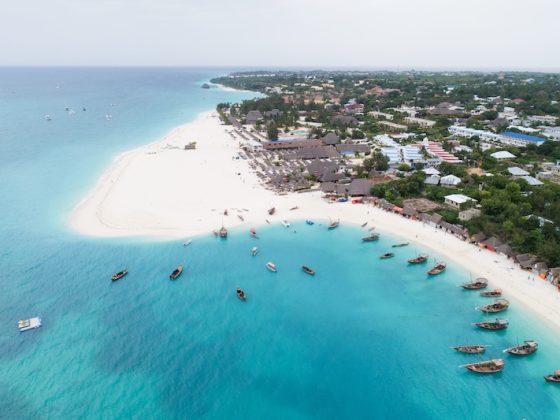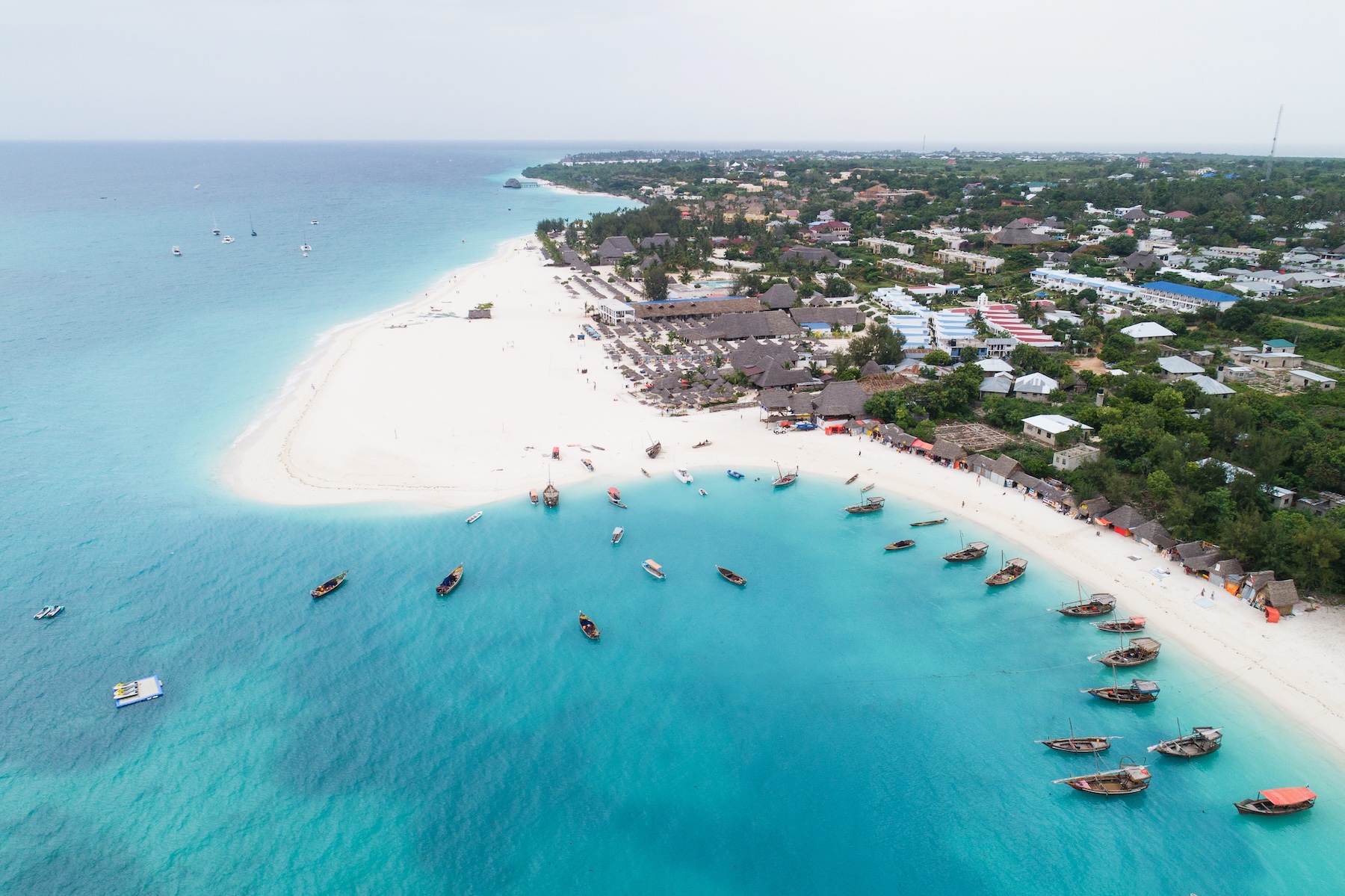
The first thing you notice about Zanzibar is the light. Not the harsh, blinding kind that flattens a landscape, but something softer and more cinematic. In the early mornings, it spills silver-blue across the Indian Ocean before warming slowly into gold. By late afternoon, it settles over the island’s palm-fringed coastline in long amber streaks, catching fishing boats as they drift back toward shore and illuminating the whitewashed walls of old Swahili homes.
There are places in the world that impress you instantly, and then there are places that settle into you gradually, becoming more meaningful with each return. Zanzibar belongs firmly in the second category.
For years, the island was largely framed as a tropical add-on to an East African safari itinerary, somewhere travellers passed through briefly before returning home. But something has shifted. Increasingly, Zanzibar is becoming the destination itself, particularly for a growing wave of international travellers who are not necessarily looking to relocate permanently, but who want a place they can return to every year. Somewhere warm in winter. Somewhere grounding between long stretches of work and urban intensity. Somewhere that still feels connected to culture, nature, and human rhythm.
It is becoming the kind of place people quietly build into their lives, returning year after year for the slower rhythm, warm waters, and sense of distance from modern urgency.
Living by the Rhythm of the Tide
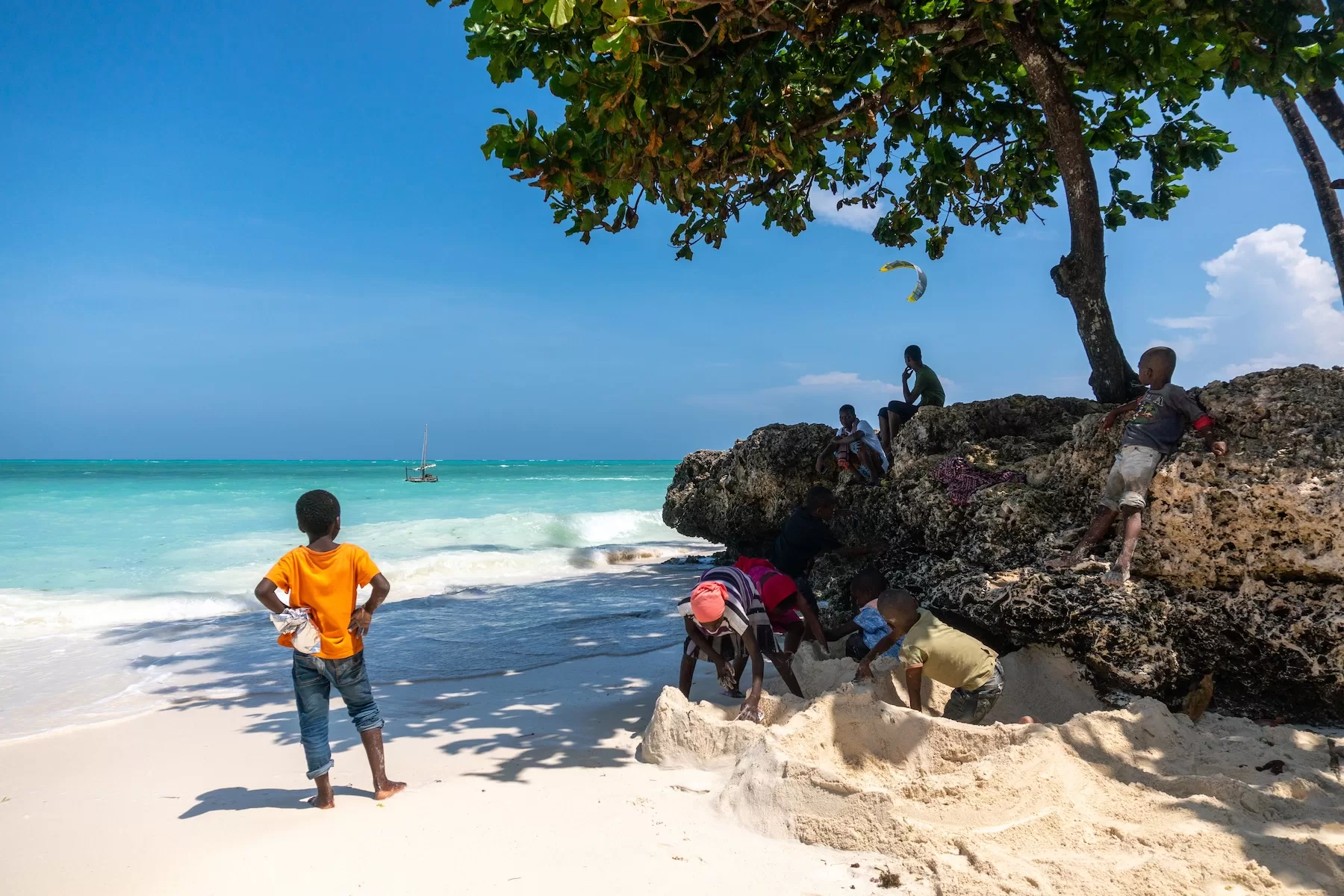
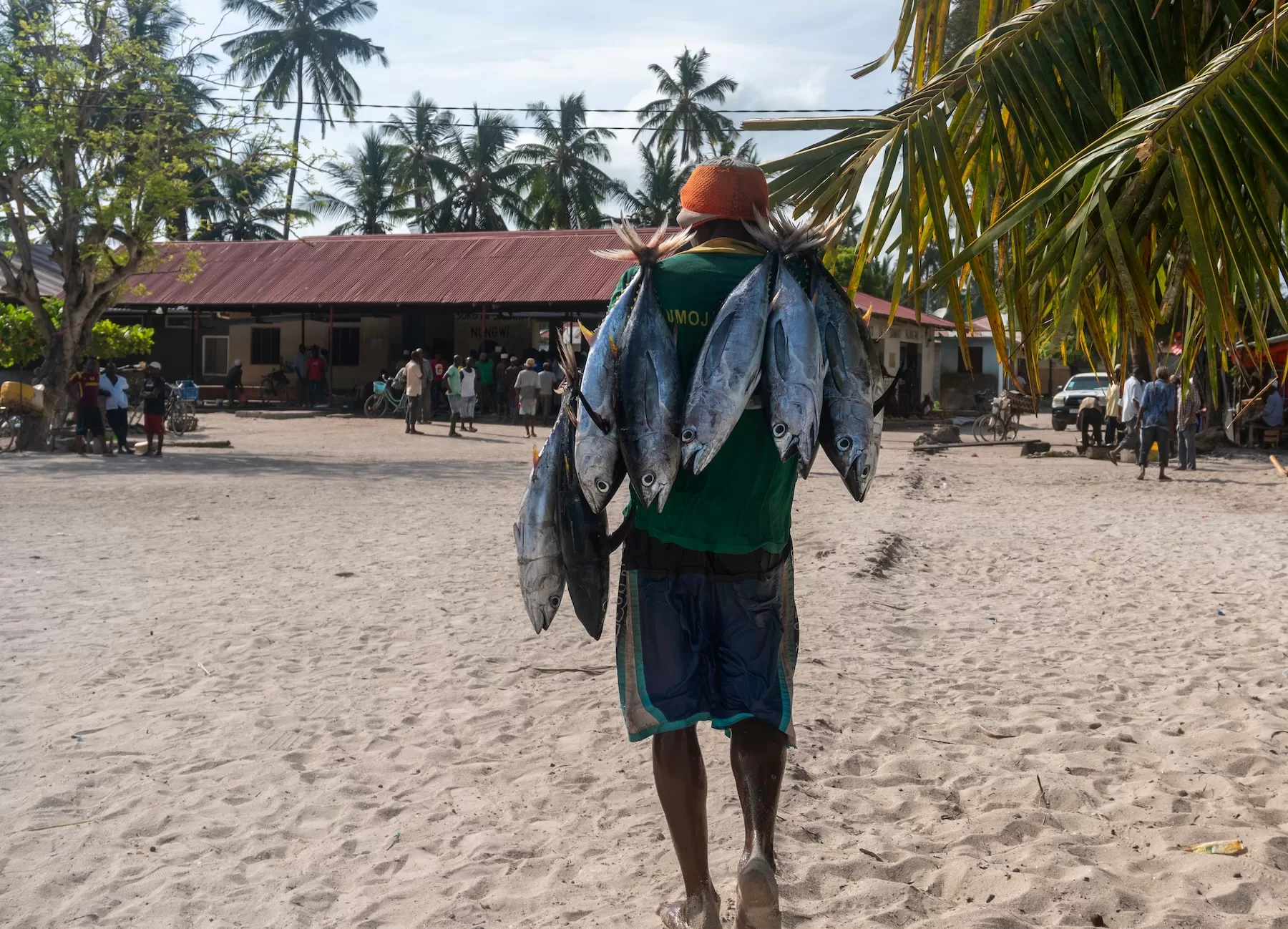
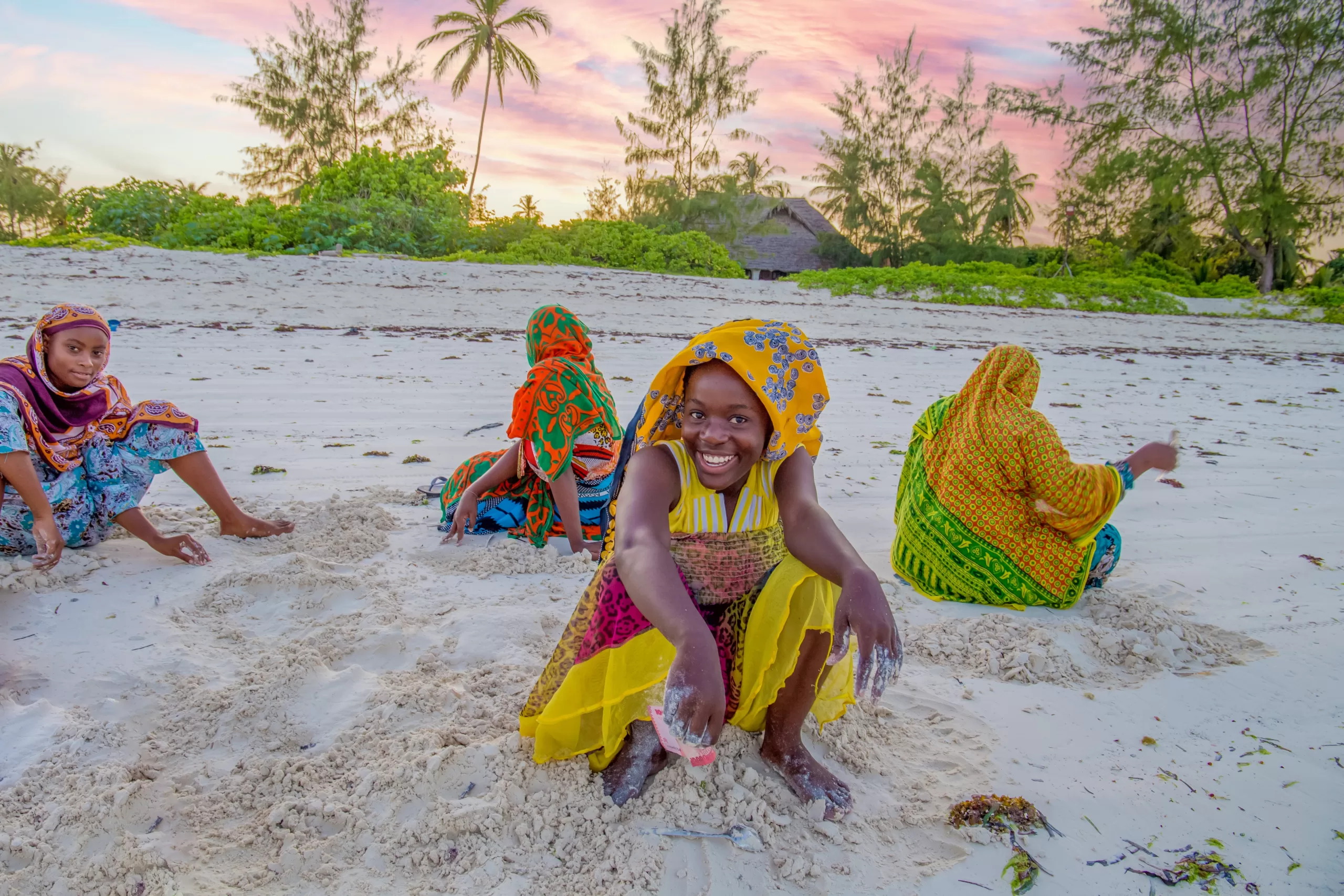
Zanzibar does not move at the pace of most modern destinations. Life here unfolds according to tides, weather, prayer calls, and community rhythms rather than urgency. Fishermen leave before dawn in traditional wooden dhow boats while the coastline is still wrapped in soft blue light. Women gather in village markets balancing baskets of spices and fresh fruit. Evenings stretch slowly, with conversations unfolding beneath palms as the ocean breeze cuts through the lingering heat of the day.
For travellers arriving from London, Dubai, New York, or other cities built around acceleration, the contrast can feel almost disorientating at first. There is less performance here. Less obsession with productivity disguised as lifestyle. Zanzibar invites you to slow down naturally, not because wellness culture tells you to, but because the island itself leaves little room for rushing. That slower pace is increasingly part of its appeal.
In a world where luxury often feels overly polished and emotionally empty, Zanzibar offers something more textured. It still feels alive in an uncurated way. You are not insulated from local life here. You move through it. The scent of clove and cardamom drifts from roadside stalls. Music spills from courtyards in Stone Town. Children play football on the beach at sunset while fishermen untangle their nets nearby.
The island’s beauty is undeniable, but it is the atmosphere that lingers long after you leave.
Read More Like This: The Ultimate Guide to Becoming a Successful Digital Nomad
The Beaches That Keep People Returning
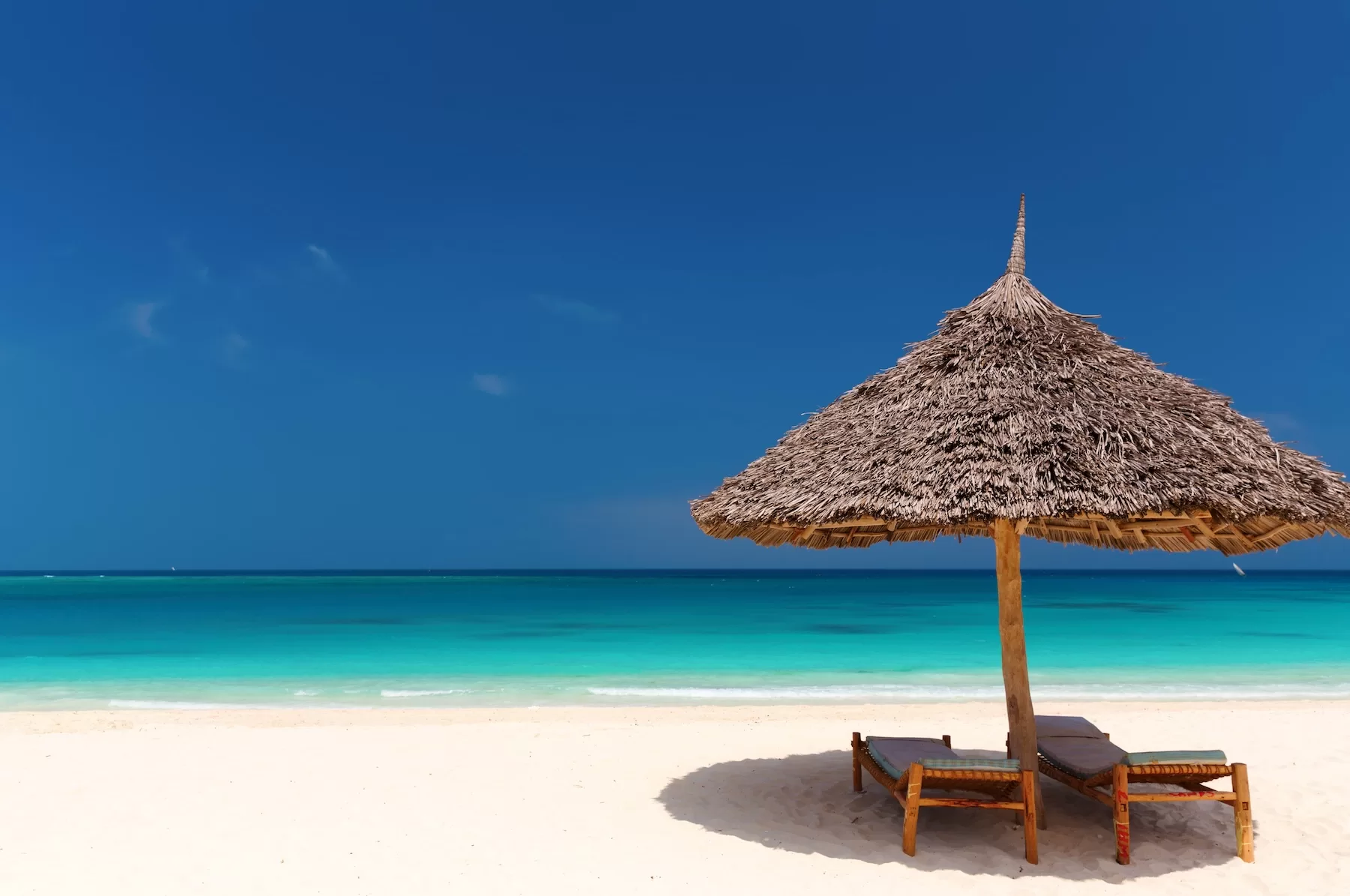
The beaches themselves are extraordinary, although even that word feels insufficient at times. The water shifts constantly throughout the day, moving from pale aquamarine to deep sapphire depending on the light. In some places, it is so clear that boats appear suspended above the ocean floor.
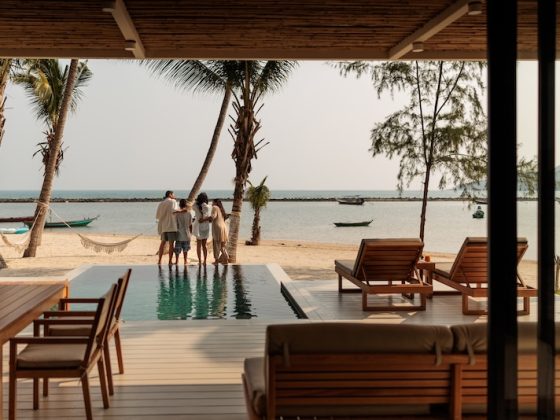
What makes Zanzibar particularly appealing for longer seasonal stays is the variety across the coastline. The north-west coast around Kendwa and Nungwi has become especially popular among repeat visitors because of its calm swimming conditions and more consistent tides. Unlike parts of the east coast, where the ocean recedes dramatically throughout the day, Kendwa remains swimmable almost constantly, making daily life easier for people staying for extended periods.
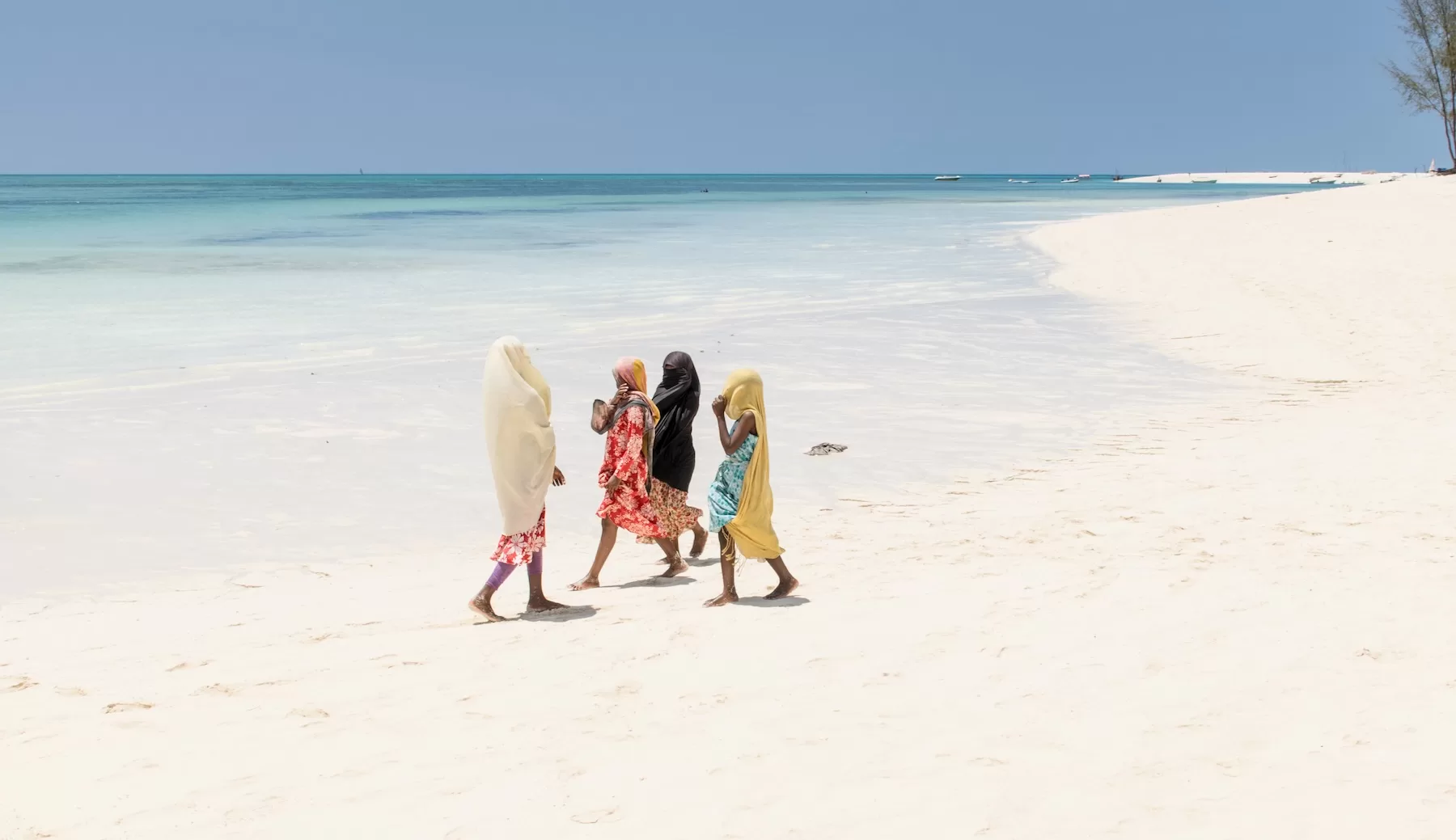
Mornings here often begin with long walks along powder-soft sand while traditional dhow boats drift across the horizon. By afternoon, the beaches hum gently with life without ever feeling overwhelmingly crowded. There are beach cafés serving grilled lobster and octopus curry, small local bars playing taarab music, and stretches of coastline where the only sound is the movement of water against the shore.
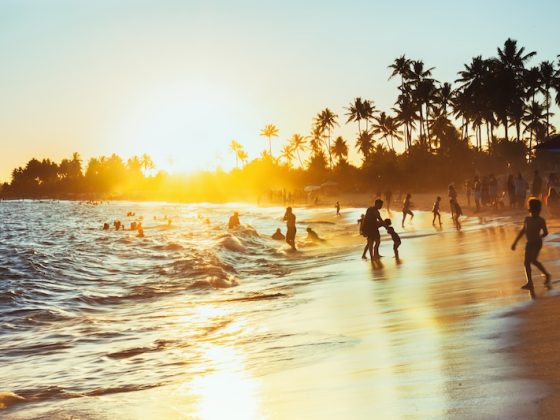
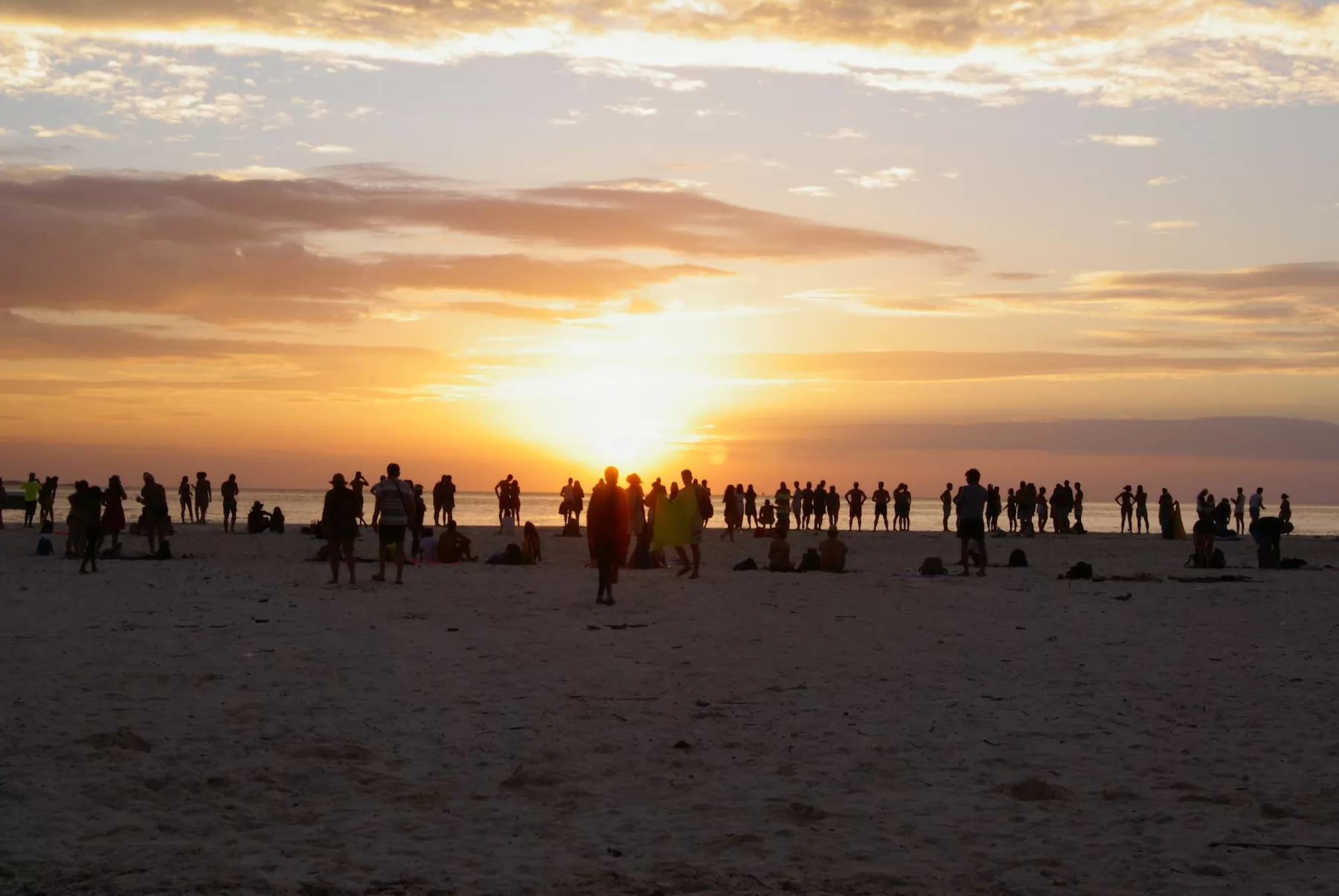
Sunsets in Zanzibar have become almost ritualistic. Entire beaches seem to collectively pause for them. Conversations stop mid-sentence. Staff emerge from restaurants. Locals and visitors alike gather silently along the sand as the sky shifts through impossible shades of orange, coral, and violet before disappearing into darkness. After a while, you begin structuring your evenings around them too.
Read More Like This: Looking Up: How One Entrepreneur Is Reimagining Tourism in Zanzibar
Beyond the Beach
Part of Zanzibar’s growing appeal lies in the fact that it offers far more than a beautiful coastline. The island sits within reach of some of Africa’s most extraordinary landscapes and wildlife experiences, allowing travellers to combine radically different worlds within a single trip.
Within a relatively short flight, you can move from the warm waters of the Indian Ocean to the vast plains of the Serengeti or the Ngorongoro Crater. One week might involve diving alongside dolphins and sea turtles, while the next begins with sunrise game drives watching elephants move across golden grasslands.
Few destinations offer that level of contrast so seamlessly.
This proximity to mainland Tanzania has made Zanzibar particularly attractive to travellers looking for layered experiences rather than one-dimensional beach escapes. It is possible to spend weeks on the island without feeling confined. The ocean provides one rhythm, while the mainland offers another entirely.
And then there is the cultural depth of Zanzibar itself.
Stone Town and the Soul of the Island
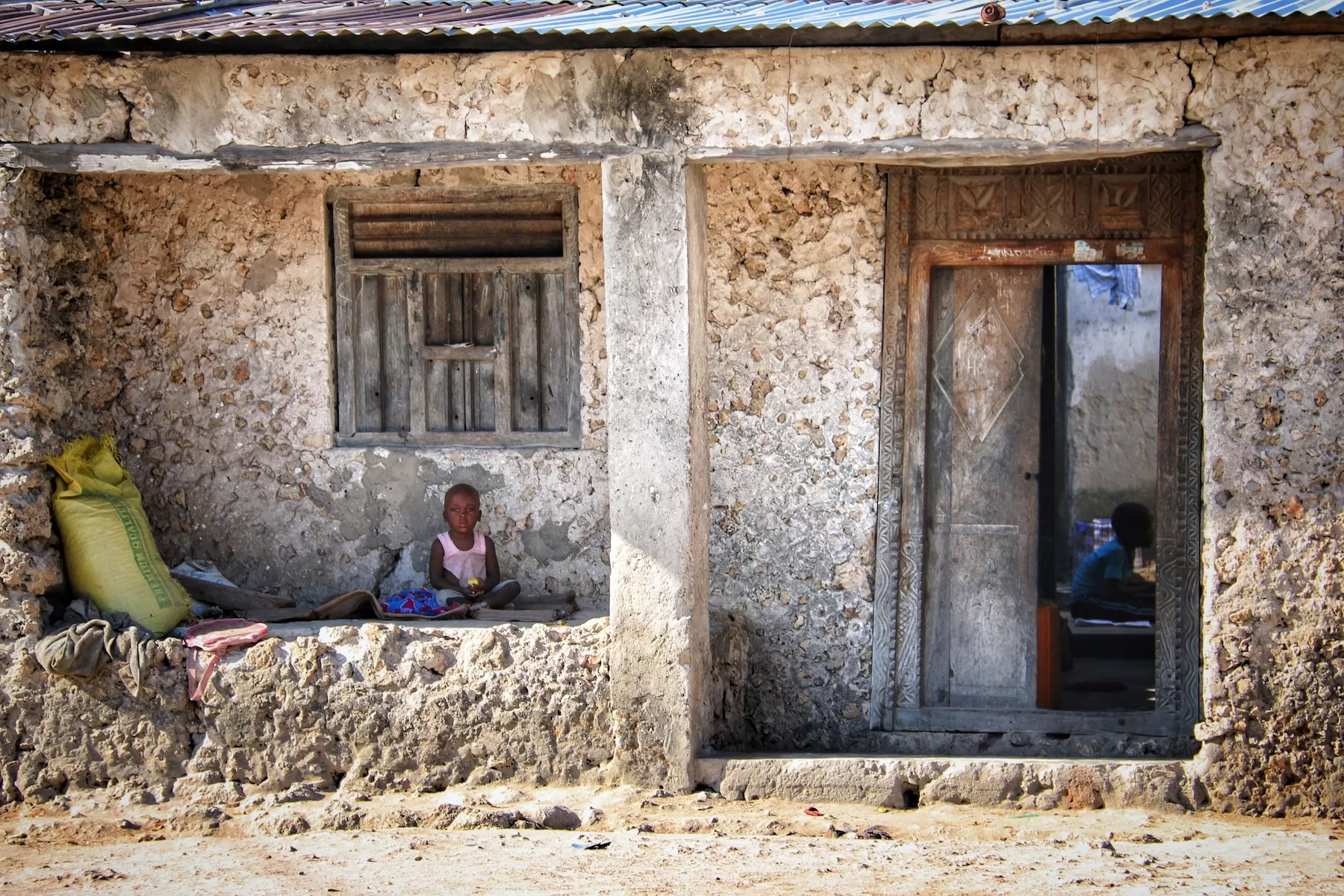
Stone Town remains one of the most fascinating cultural centres in East Africa. Walking through its narrow winding streets feels like moving through centuries simultaneously. Arab, Persian, Indian, African, and European influences all collide here in architecture, food, language, and atmosphere.
Massive carved wooden doors stand beside crumbling coral stone buildings. Tiny cafés spill onto alleyways scented with coffee, cloves, and grilled seafood. Mosques rise above the rooftops while market traders negotiate prices beneath strings of hanging lanterns.
Unlike many historical destinations that feel preserved purely for tourism, Stone Town still functions as a living, breathing place. People live here. Children race through the streets after school. Elderly men gather beneath shaded archways to play board games and exchange stories. That authenticity matters, particularly for travellers seeking destinations that still retain a strong sense of identity.
Zanzibar’s Swahili culture is not presented as performance. It exists naturally within everyday life. Hospitality feels instinctive rather than transactional. Conversations stretch longer than expected. Meals become communal events rather than scheduled obligations.
Over time, this creates a different relationship with the island. Visitors begin returning not simply for weather or scenery, but for familiarity. Favourite cafés emerge. Local staff remember names and routines. The island slowly becomes part of personal memory and ritual.
Read More Like This: Inside the Life of a Solo Mother Traveling the World
Why Seasonal Living Is Replacing Permanent Relocation
Interestingly, many people drawn to Zanzibar now are not necessarily looking to move abroad full time. Instead, they are creating more fluid lifestyles built around recurring stays in places that offer emotional balance and quality of life.

The pandemic accelerated this shift globally. People began reassessing not only where they worked, but how they wanted to live. For many, the answer was not permanent relocation, but seasonal migration. Spending part of the year somewhere warmer, slower, and more connected to nature without completely uprooting their lives elsewhere. Zanzibar fits naturally into that model.
The island remains accessible through major European and Middle Eastern hubs, making it practical for travellers from London, Barcelona, Dubai, and beyond. English is widely spoken, infrastructure continues to improve, and the north coast in particular has developed enough hospitality infrastructure to support longer stays comfortably while still retaining much of its original atmosphere.
Importantly, Zanzibar still feels emotionally undiscovered compared to many global lifestyle destinations. It has not yet been flattened into sameness. There are still moments of unpredictability and spontaneity that make daily life feel textured rather than curated. That balance is increasingly rare.

A Different Kind of Luxury
As Zanzibar evolves, a new generation of hospitality projects is beginning to reflect this shift toward slower, more grounded travel. Rather than replicating generic luxury resort models, some developments are focusing more carefully on architecture, cultural integration, and connection to place.
One example is Liyongo, a new residential hospitality concept in Kendwa on Zanzibar’s north-west coast. What immediately distinguishes the project is its approach. Rather than positioning itself as an isolated beachfront compound, Liyongo has been designed as what its creators describe as “a village within a village.” Located just a short walk from the shoreline in the coastal canopy of Kendwa, the development draws heavily from Swahili coastal architecture and village planning traditions.
The emphasis is not on excessive spectacle, but on atmosphere and spatial experience. Courtyards designed to catch the breeze. Coral stone walls and lime render. Shaded terraces. Shared gathering spaces intended to encourage interaction between guests, residents, and the surrounding community.
According to the project’s media materials, the masterplan prioritises walkability, natural ventilation, human scale, and intentional social infrastructure over density or overt luxury performance. There are plans for artisan market spaces, communal dining areas, rooftop gathering points, and partnerships with local craftspeople and village leadership.
That approach feels particularly aligned with what many travellers are now searching for in Zanzibar itself. Not escapism detached from reality, but immersion within a place that still possesses cultural texture and rhythm.
Liyongo’s own language reflects this understanding. “Built from shade and light.” “Homes that breathe with breeze.” “Where coastal rhythm meets village soul.” Rather than selling fantasy, the project seems more interested in responding to the island’s natural pace and architectural traditions. And perhaps that is ultimately what makes Zanzibar so compelling in the first place.
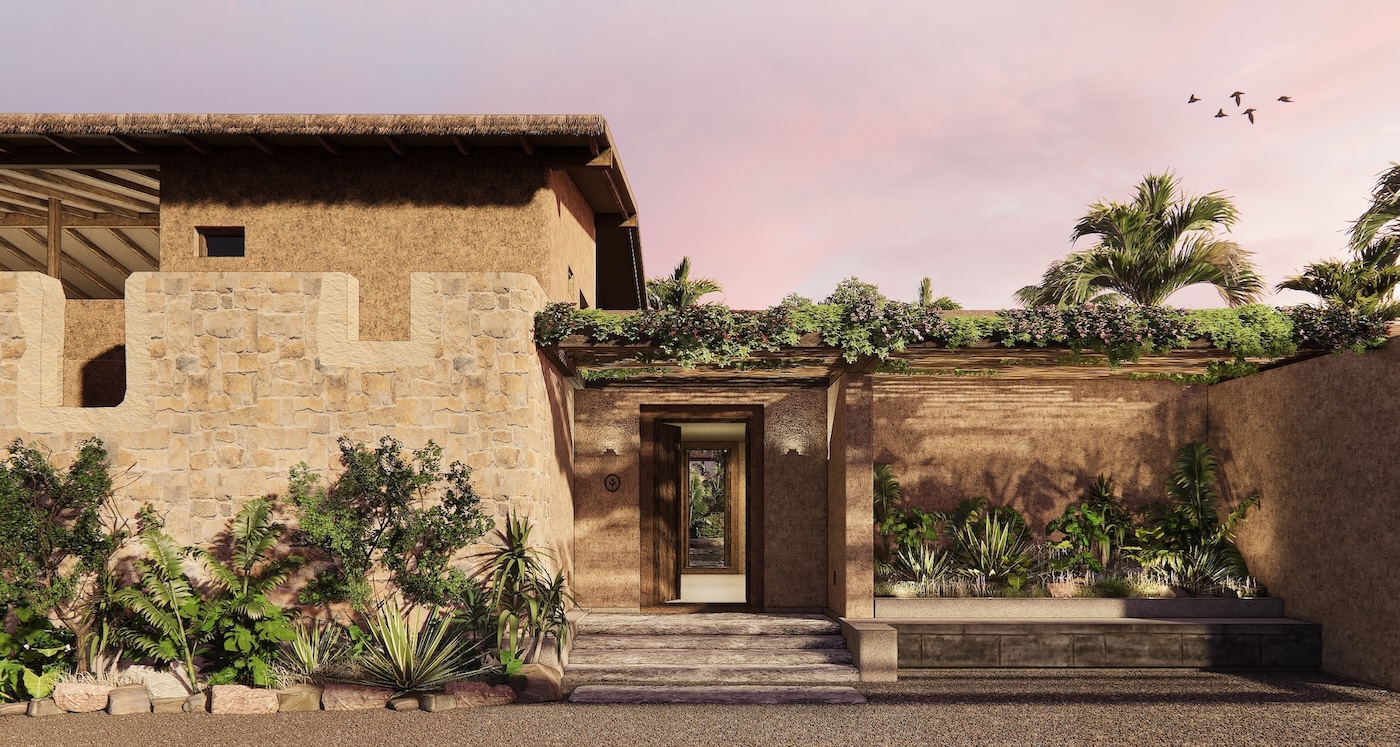
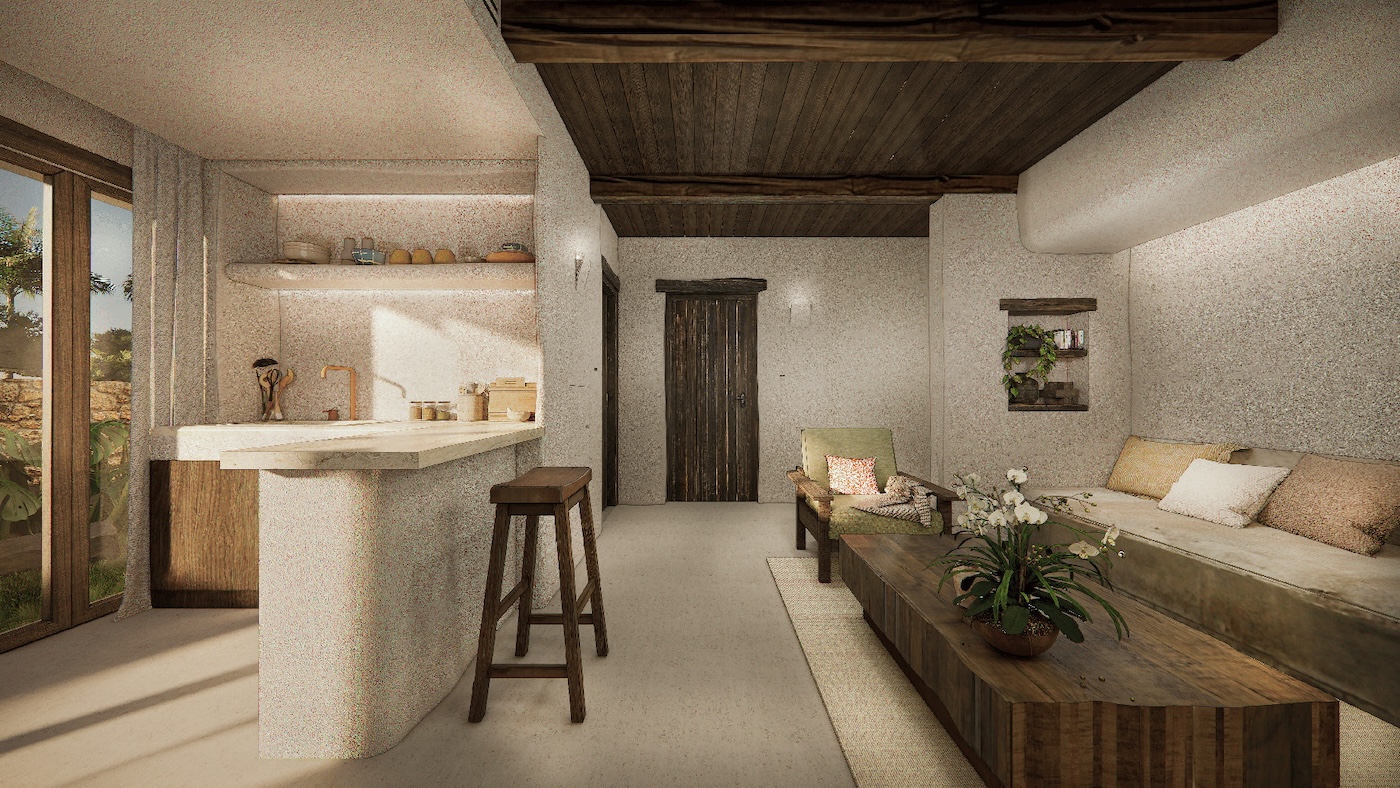
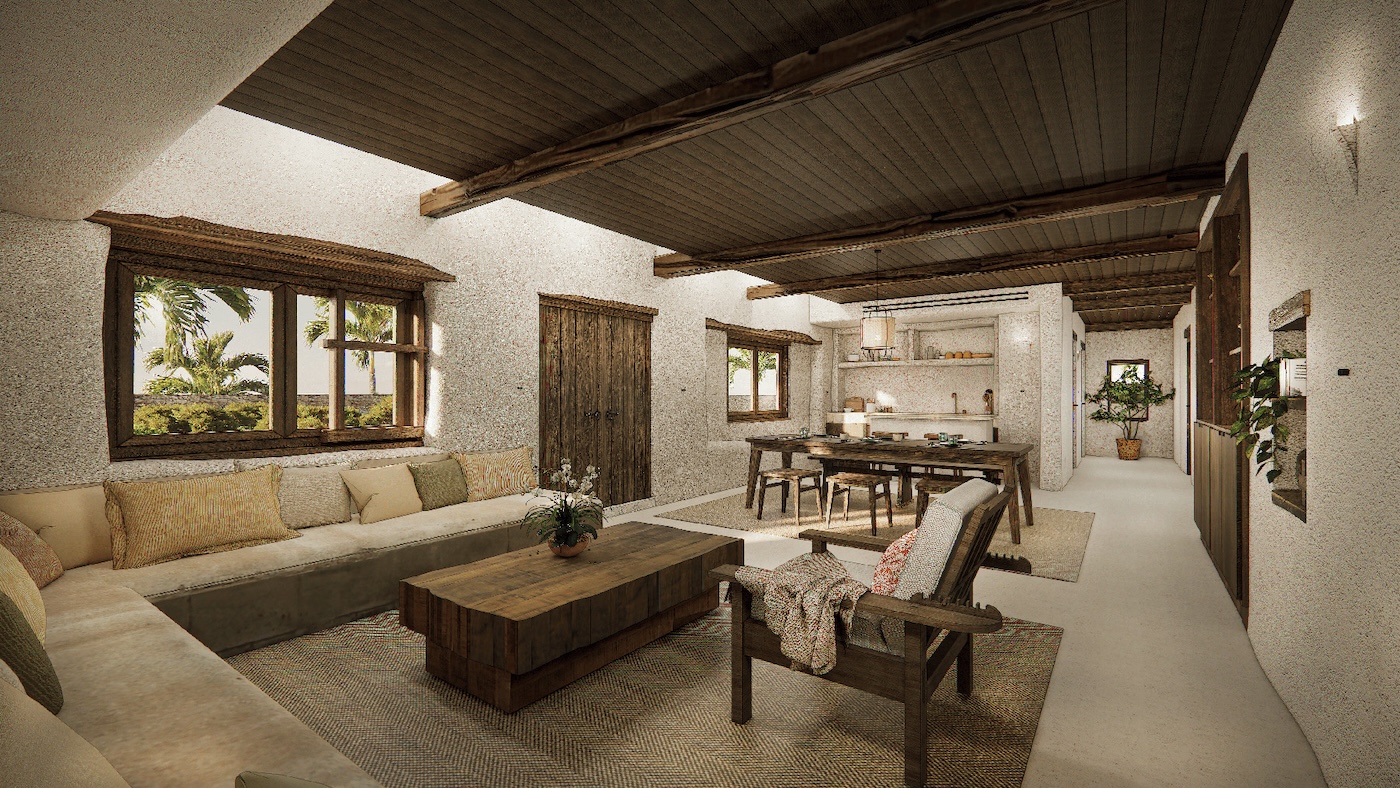
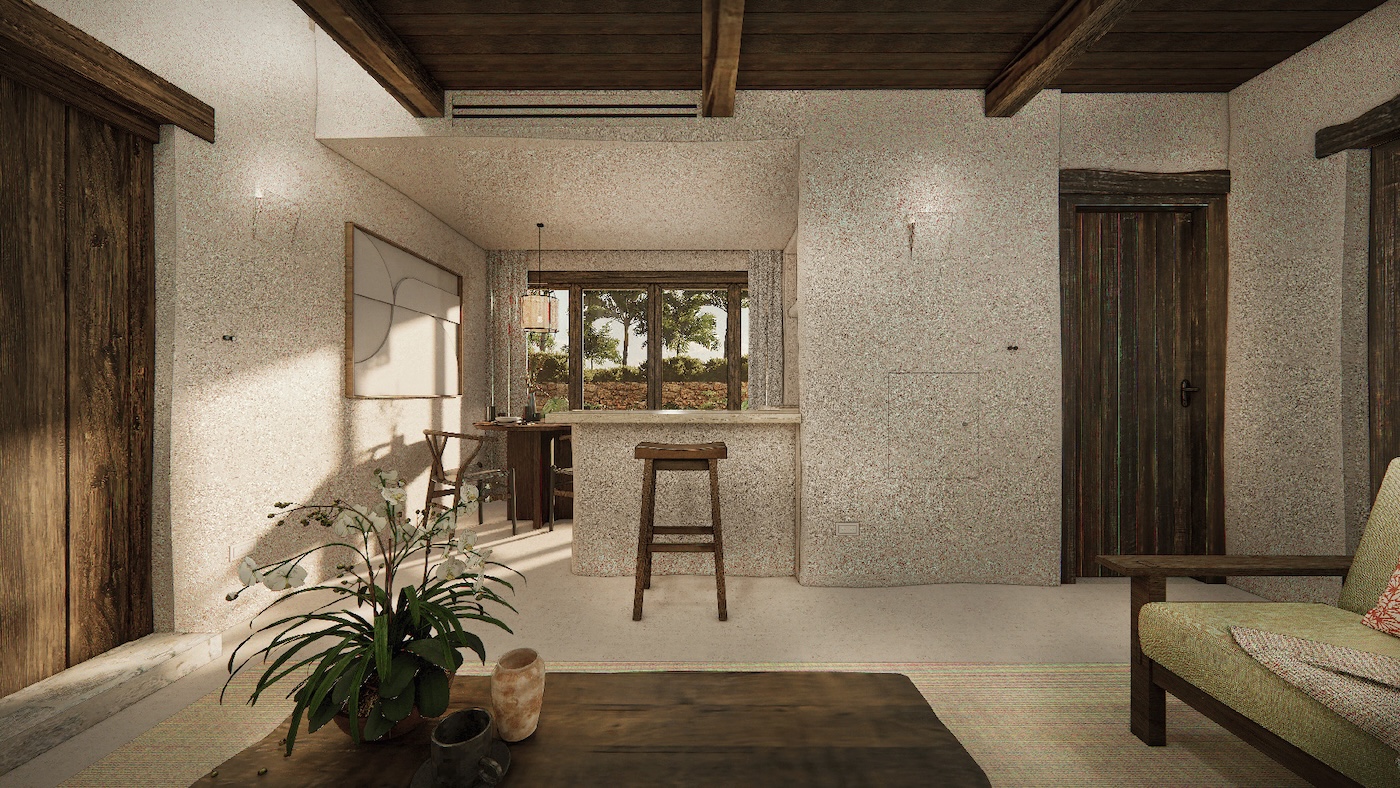
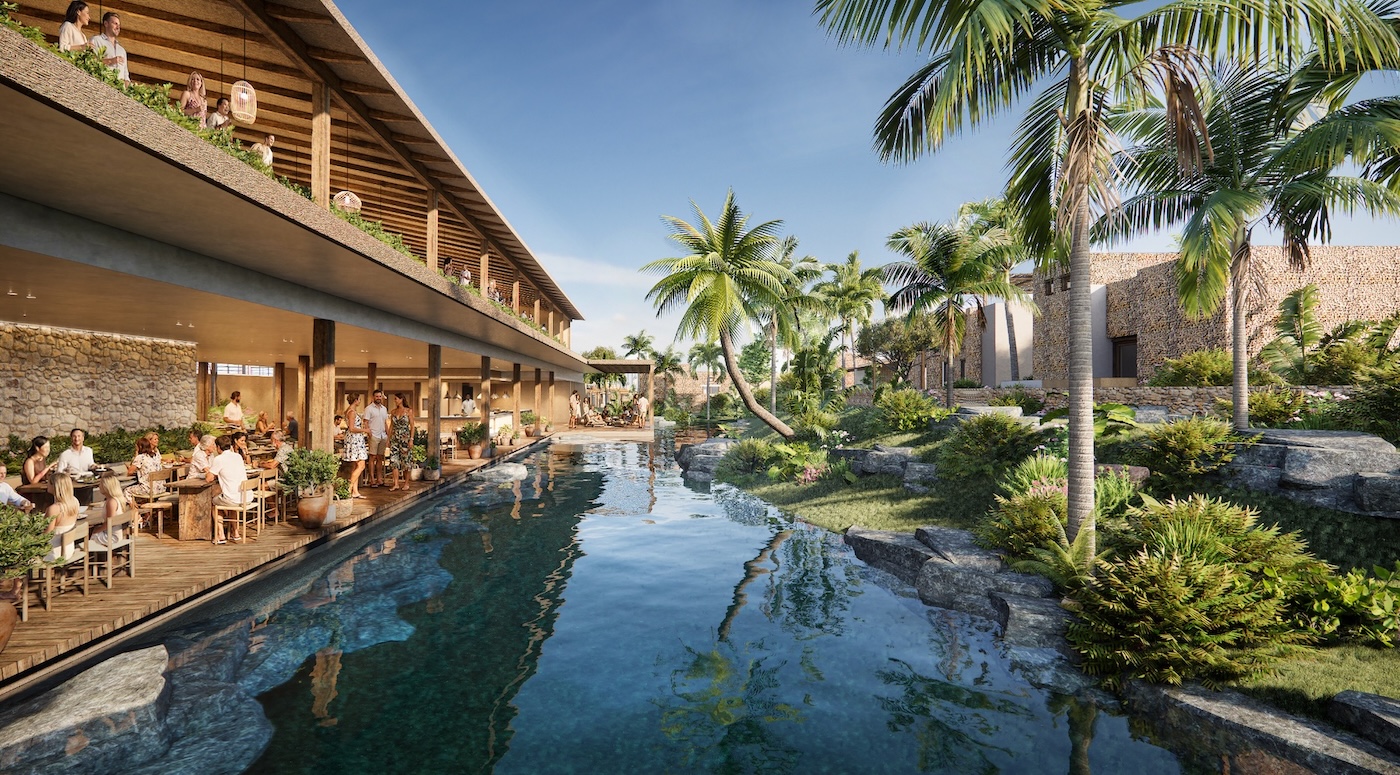
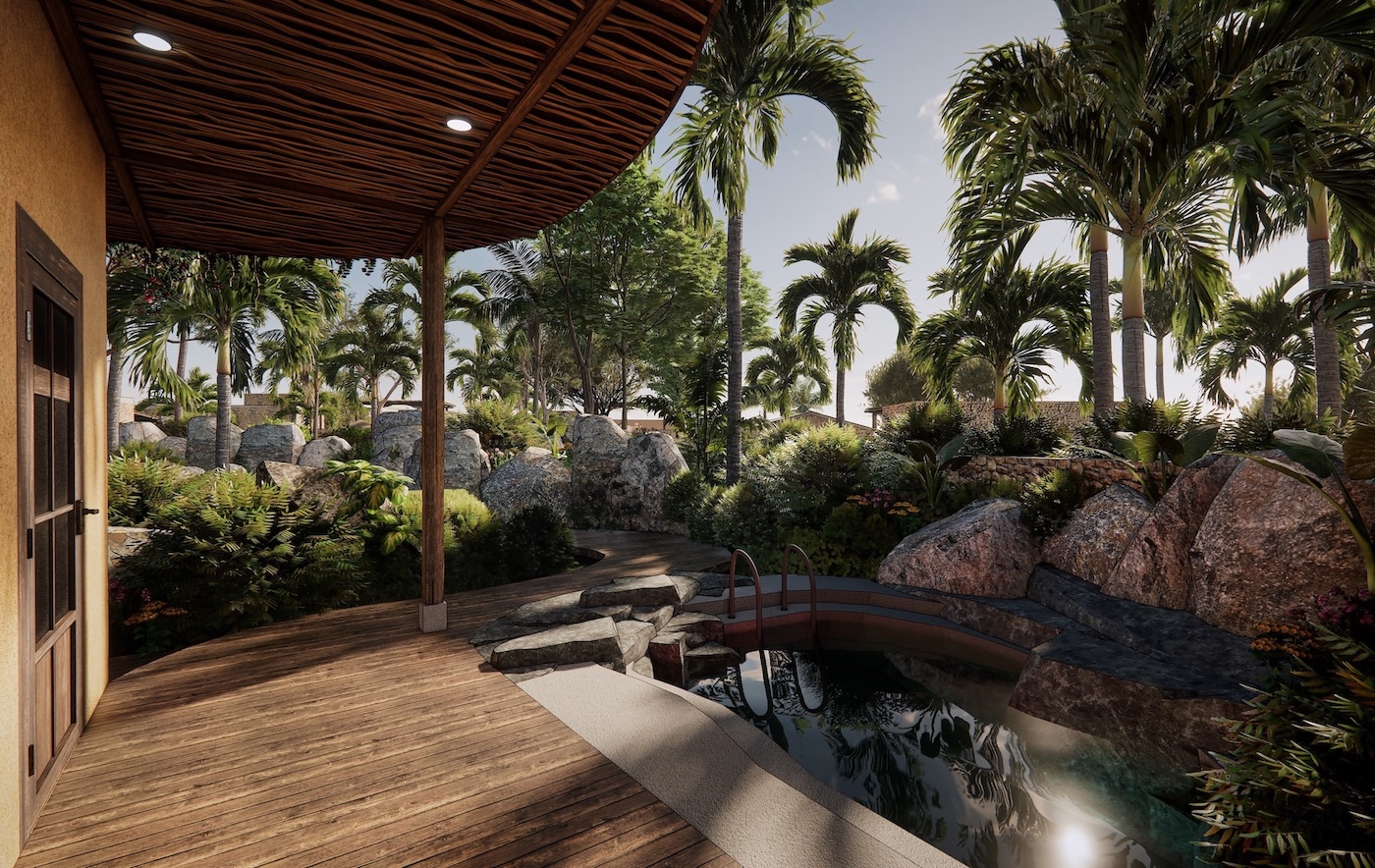
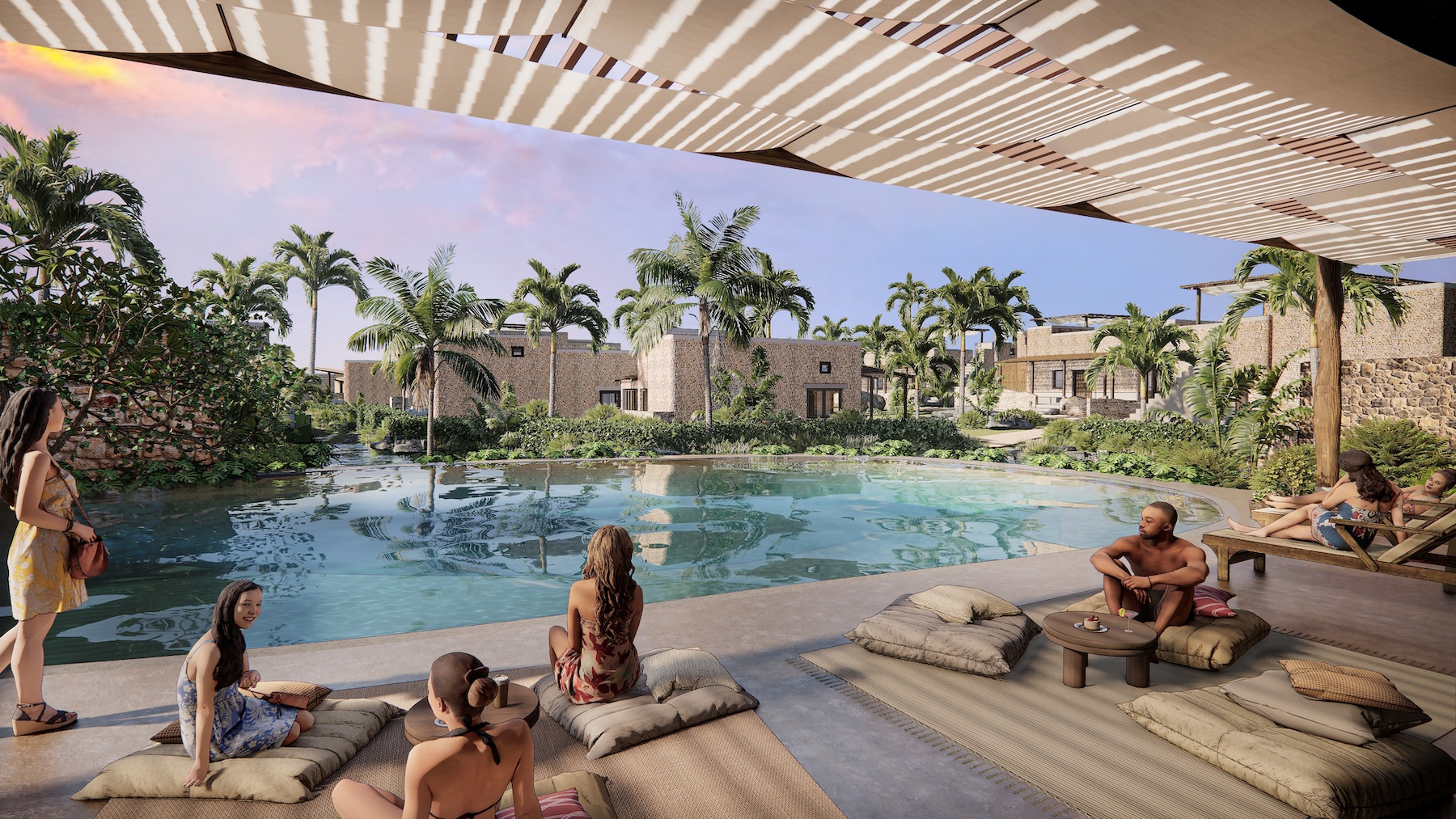
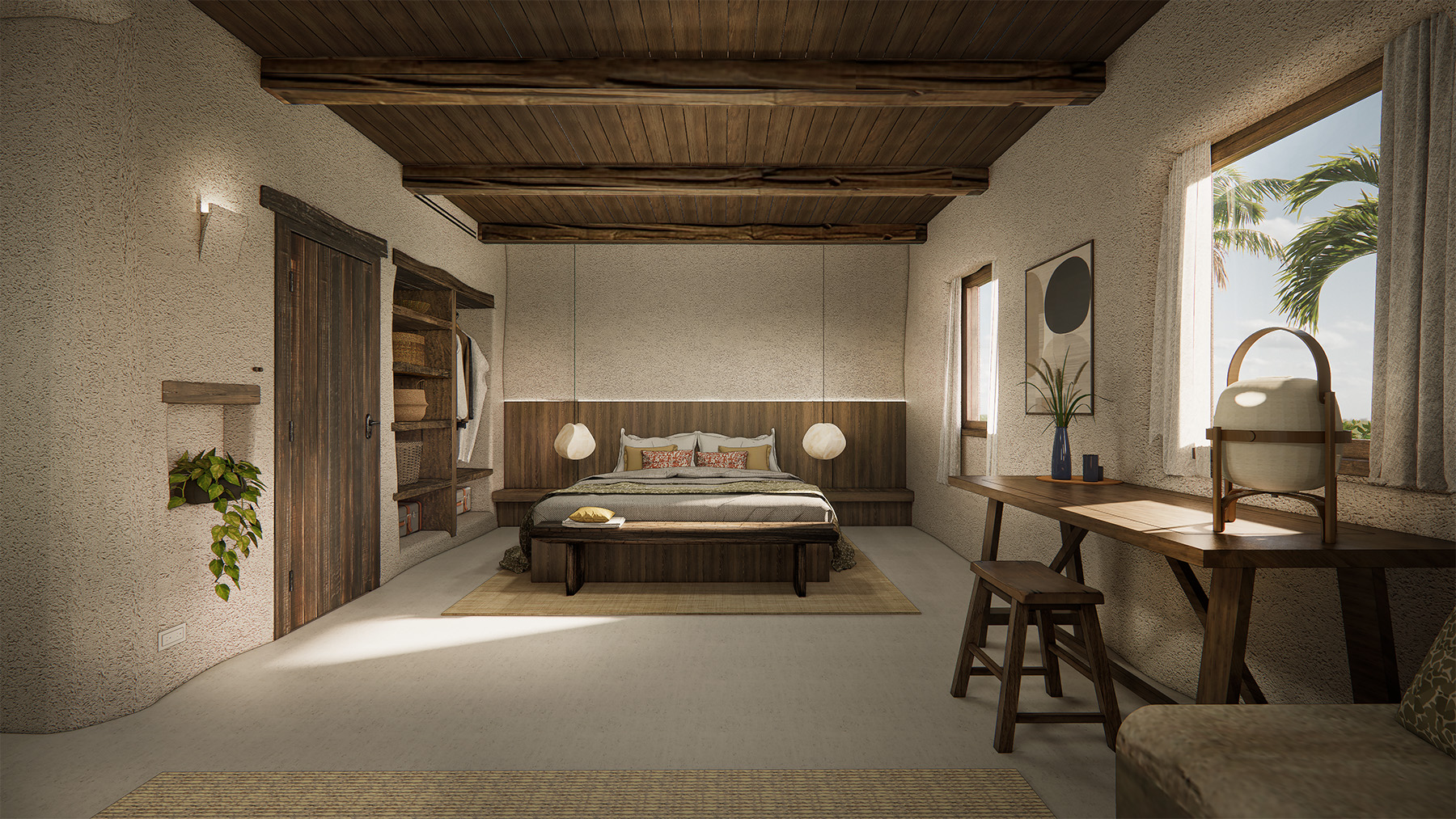
Rooted in Zanzibar’s coastal rhythm, Liyongo has been designed as a contemporary interpretation of a Swahili village rather than a conventional resort.
Read More Like This: Why Every Investor Needs a Plan B Abroad
A Place That Invites Return
There are destinations that people tick off lists, photograph excessively, and move on from quickly. Zanzibar tends to create a different instinct. People return because the island begins attaching itself to memory in subtle ways. Morning swims in water warm enough to feel almost unreal. Late dinners beneath palms while taarab music drifts through the air. Watching fishermen pull their boats ashore at sunrise while the village slowly wakes around them.
The island offers beauty, certainly, but also something increasingly difficult to find elsewhere: emotional spaciousness.
It allows people to step briefly outside the machinery of modern life without feeling disconnected from the world entirely. Days become slower but fuller. Time stretches differently. You begin noticing things again. Weather. Conversation. Silence. Light.
Perhaps that is why Zanzibar is becoming less of a holiday destination and more of a recurring chapter in people’s lives.
Not somewhere they escape to once, but somewhere they return to deliberately, year after year, whenever the rest of the world begins to feel too fast.
————————————
Liyongo is a new village-style residential retreat in Kendwa, designed as a contemporary interpretation of Zanzibar’s Swahili coastal architecture and slower rhythm of life. Set within the island’s north-west coastline, the project blends barefoot living, cultural authenticity, and community-centred design with the atmosphere of modern East African hospitality.
Read More Like This: Why Serious Investors Are Looking at Zanzibar’s North Coast
Contact the team using the form below to find out more about Liyongo.
Contact the team at Liyongo
"*" indicates required fields
Stay Ahead on Every Adventure!
Stay updated with the World News on Escape Artist. Get all the travel news, international destinations, expat living, moving abroad, Lifestyle Tips, and digital nomad opportunities. Your next journey starts here—don’t miss a moment! Subscribe Now !
The first thing you notice about Zanzibar is the light. Not the harsh, blinding kind that flattens a landscape, but something softer and more cinematic. In the early mornings, it spills silver-blue across the Indian Ocean before warming slowly into gold. By late afternoon, it settles over the island’s palm-fringed coastline in long amber streaks, catching fishing boats as they drift back toward shore and illuminating the whitewashed walls of old Swahili homes.
There are places in the world that impress you instantly, and then there are places that settle into you gradually, becoming more meaningful with each return. Zanzibar belongs firmly in the second category.
For years, the island was largely framed as a tropical add-on to an East African safari itinerary, somewhere travellers passed through briefly before returning home. But something has shifted. Increasingly, Zanzibar is becoming the destination itself, particularly for a growing wave of international travellers who are not necessarily looking to relocate permanently, but who want a place they can return to every year. Somewhere warm in winter. Somewhere grounding between long stretches of work and urban intensity. Somewhere that still feels connected to culture, nature, and human rhythm.
If you'd like to read the full story, simply enter your email to subscribe to our newsletter.
For even more expert insights, unmissable resources, and exclusive invites, explore our premium subscription offers here.
OR
Already a Subscriber? Click here to login
Subscription required
You've reached your limit of free articles. For full access to Escape Artist, and all of our insights on travel, moving abroad, and the digital nomad life, click here to Subscribe.
Already a Subscriber? Log in here