North Macedonia declared its independence from Yugoslavia in 1991 at a time when the rest of the country was disintegrating and at war. Macedonia was able to quietly and peacefully slip out of the union and establish itself as its own country. Macedonia now had a state, a territory, and a people but not a fully formed national identity.
In the decades since, this Balkan country has been engaged in an effort to define who it is in a way that is not simply shaped by its neighbors.
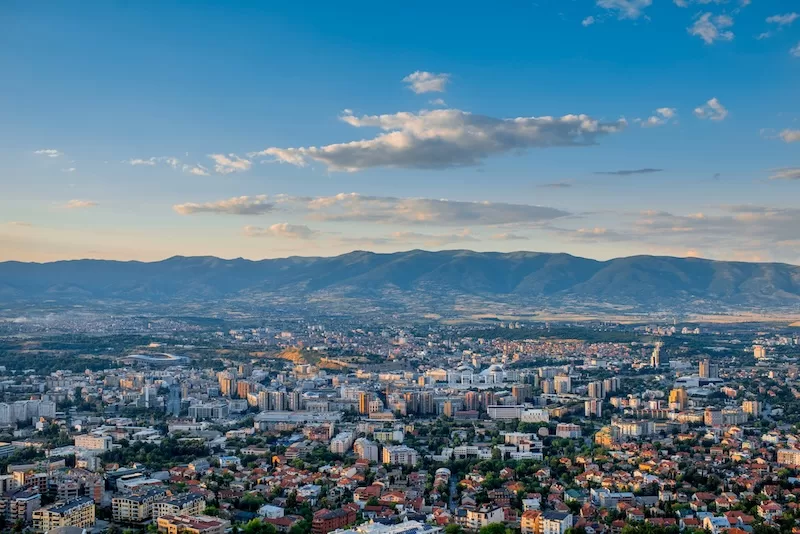
When you visit North Macedonia today, you will find that national identity is not a relic of the past but an ongoing project that is being built every day. Skopje, the nation’s capital, with its riverside promenade and its seemingly never-ending army of national statues, has become the stage for North Macedonia to showcase its identity.
A Country Named, Renamed, and Renegotiated
Since Macedonia declared independence, it has been in a diplomatic dispute with its neighbor Greece. For 30 years, Greece objected to its neighbor calling itself the “Republic of Macedonia,” arguing that the name implied historical ownership and territorial claims over the Greek region also named Macedonia. The dispute led to a bitter relationship that shaped both countries’ foreign policy and even delayed North Macedonia’s EU membership.
In 2018, the Prespa Agreement was signed, bringing about a form of resolution. The Republic of Macedonia renamed itself North Macedonia. This compromise convinced Greece to support NATO and EU membership for the country. However, the name change did not resolve the deeper cultural tensions behind the dispute.
A sense persists in Greece that the history and mythology of Macedonia belong to Greece rather than North Macedonia. A central point of contention has long been the legacy of Alexander the Great, whom North Macedonians see as a national hero, while Greeks claim him as part of their own historical identity.
Skopje and the Reinvention of a Capital
As part of efforts to build and assert a distinct national identity, the Skopje 2014 project was launched. This ambitious and controversial urban renewal initiative aimed to transform the capital into a grand European city infused with visible references to the country’s past.
Led by the then-ruling VMRO-DPMNE party, the project invested hundreds of millions of euros into reshaping the city center. The result was a striking and often surreal mix of baroque facades, monumental statues, ornate bridges, and vast museums that appeared almost overnight.
For visitors, the experience can be overwhelming. Skopje is filled with statues and monuments dedicated to national figures such as Alexander the Great, many of which have been erected within the past decade.
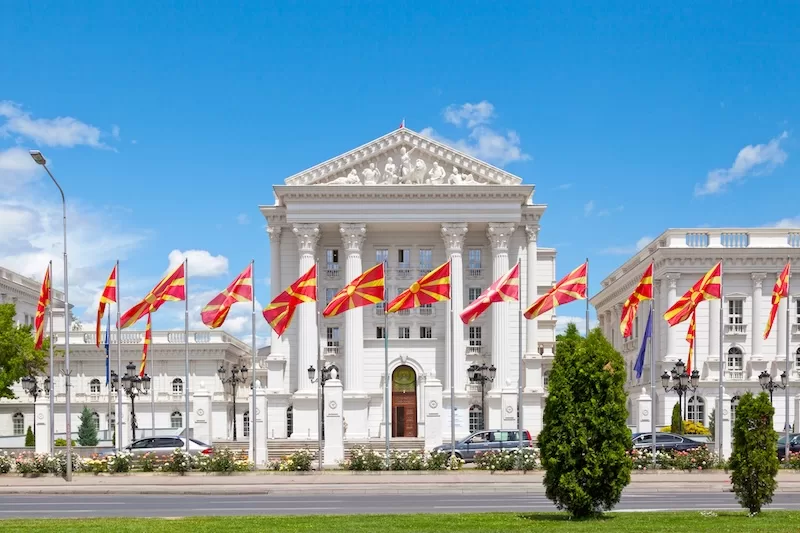
The intention, according to official messaging at the time, was to create a visual narrative of the country’s ancient lineage. Government buildings were redesigned with classical columns. Public squares filled with sculptures, including the towering “Warrior on Horseback,” widely understood to represent Alexander the Great, even if not explicitly named.
There are triumphal arches, fountains, lions, marble balustrades, and heroic figures captured mid-battle. For a first-time visitor, the city can feel almost theatrical. Some compare it to a film set or a theme park. Regardless of opinion, it is undeniably memorable and communicates a sense of a country actively shaping its identity.
Read More Like This: Leaving the U.S. to Build a New Life in Greece
Kitsch, Pride, and a City Divided
Skopje 2014 quickly became one of Europe’s most debated urban projects. Supporters viewed it as a long-overdue effort to elevate a city that had been largely rebuilt in stark modernist style after a devastating earthquake in 1963.
They argued that Skopje deserved grandeur, and that monumental architecture could help unify a country without a long history of sovereign statehood.
Critics, however, saw the project as imposed rather than organic, a form of political messaging disguised as cultural expression. Many believed it overshadowed the city’s Ottoman and socialist heritage with an artificial sense of antiquity. Others criticized the scale of spending at a time when public services were underfunded.
Despite the criticism, Skopje’s transformation has drawn global curiosity. Travelers increasingly visit to experience a city that has reinvented itself as a living expression of national mythology.
The Colourful Revolution and a Shift in Direction
In 2016 and 2017, mass protests known as the Colourful Revolution erupted in Skopje. Demonstrators threw paint at many of the most prominent monuments as a form of protest.
Following a change in government, further construction was halted. Authorities reassessed the project’s costs and legality and introduced plaques to clarify the historical background of certain figures, particularly those with Greek associations.
Despite discussions about removing some of the more controversial monuments, doing so proved costly and politically sensitive. As a result, most remain in place, some repainted, others recontextualized.
Today, Skopje 2014 stands not only as a political project but as a record of a nation actively constructing its identity.
Read More Like This: Ready to Leave the US? These Countries Might Trump the American Dream
A City of Layers and a Nation of Many Stories
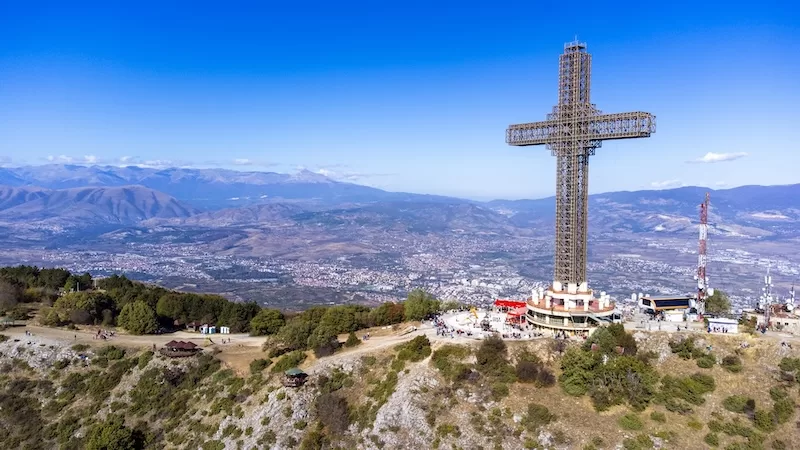
Identity in North Macedonia is not built solely from marble and bronze. The country is home to a diverse population, including Macedonians, Albanians, Roma, Turks, Serbs, Bosniaks, and Aromanians. Each group contributes its own traditions, architecture, and cultural identity.
Religious diversity is also a defining feature. Orthodox churches stand near mosques, Ottoman bazaars sit alongside brutalist buildings, and traditional customs exist alongside a growing contemporary arts scene.
For expats and long-term visitors, this cultural layering is one of the country’s most compelling qualities.
Read More Like This: Why Europe is Winning the Relocation Race
Why People Are Taking Notice
In recent years, North Macedonia has started to attract more international attention from those seeking an affordable and culturally rich European destination.
Skopje offers low living costs, improving infrastructure, and a vibrant café culture set against a backdrop of unusual and often striking architecture. As living costs continue to rise across much of the European Union, more people are exploring alternatives.

The city’s walkability, access to nature, and welcoming atmosphere make it appealing to remote workers and retirees alike.
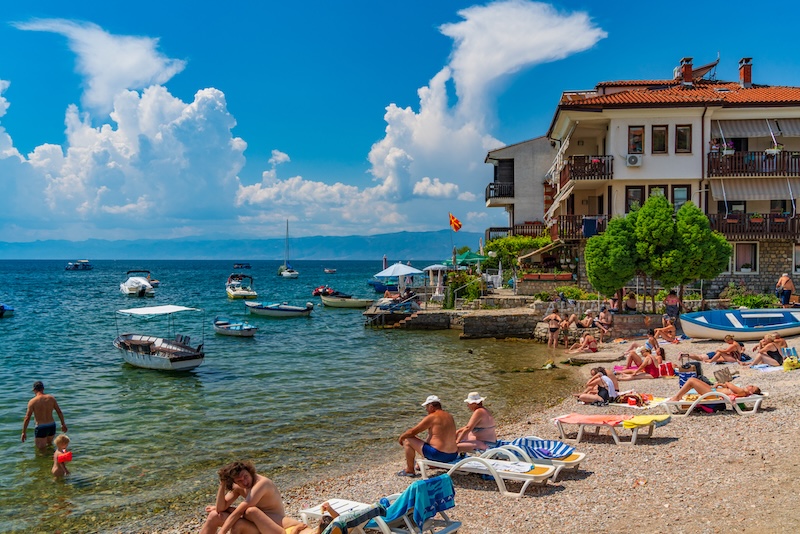
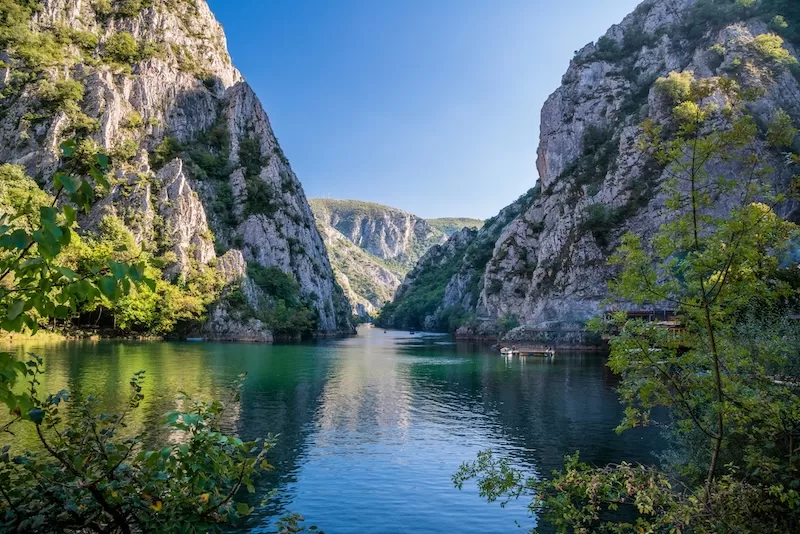
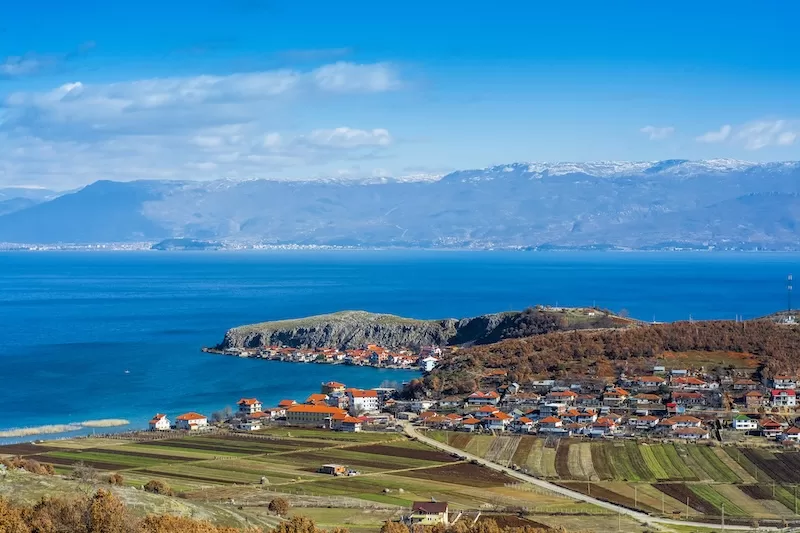
Beyond the capital, the country offers a diverse landscape of lakes, mountains, and historic towns. Ohrid, with its clear waters and medieval churches, remains one of the Balkans’ most treasured destinations. Bitola offers Ottoman-era architecture and a lively pedestrian scene. Wine regions are expanding, rural areas remain peaceful, and there is a strong sense of discovery throughout the country.
Read More Like This: Cost of Living in Portugal: What It Really Takes to Live Well
An Identity Still in Progress
North Macedonia’s identity-building process is ongoing. While the naming dispute has been formally resolved, it continues to surface in political and cultural conversations. The country’s path toward EU membership remains complex, and domestic politics continue to evolve.
Skopje’s statues, admired by some and criticized by others, have become enduring symbols of this process.
For travelers and expats, Skopje offers a rare opportunity to observe a nation in transition. North Macedonia is not simply a destination but a story unfolding in real time. And Skopje, with all its contradictions, stands as a vivid expression of that journey.
Key Takeaways
What makes North Macedonia different from other European destinations?
North Macedonia stands out because it is still actively shaping its national identity, and that process is visible in its politics, public spaces, and daily life.
Why is the country’s name such a big deal?
The shift from Macedonia to North Macedonia was part of a major agreement with Greece, resolving a long-running dispute but not fully ending the deeper cultural tensions behind it.
Why does Skopje feel so unusual to visitors?
Skopje has been dramatically reshaped with statues, monuments, bridges, and classical-style buildings that were designed to visually reinforce the country’s story and identity.
Why do people debate the Skopje 2014 project so much?
Some see it as a bold attempt to create pride and unity, while others view it as artificial, politically driven, and too expensive for a country with more urgent needs.
What does everyday life in North Macedonia reveal about the country?
Beyond the monuments, the country is layered with different ethnic groups, religions, architectural influences, and traditions, giving it a much more complex identity than the capital alone suggests.
Why are expats and remote workers starting to pay attention?
Lower living costs, improving infrastructure, walkability, café culture, and access to nature are making North Macedonia more appealing as people look beyond Europe’s more crowded and expensive destinations.
Is North Macedonia finished defining itself?
Not at all. The country is still evolving politically, culturally, and internationally, which makes it one of the more interesting places in Europe to observe and experience in real time.
About the Author
Ethan Rooney is an Irish journalist covering global communities, culture, and niche movements. You can find more of his work here.
Contact Author
"*" indicates required fields
Stay Ahead on Every Adventure!
Stay updated with the World News on Escape Artist. Get all the travel news, international destinations, expat living, moving abroad, Lifestyle Tips, and digital nomad opportunities. Your next journey starts here—don’t miss a moment! Subscribe Now !
North Macedonia declared its independence from Yugoslavia in 1991 at a time when the rest of the country was disintegrating and at war. Macedonia was able to quietly and peacefully slip out of the union and establish itself as its own country. Macedonia now had a state, a territory, and a people but not a fully formed national identity.
In the decades since, this Balkan country has been engaged in an effort to define who it is in a way that is not simply shaped by its neighbors.
When you visit North Macedonia today, you will find that national identity is not a relic of the past but an ongoing project that is being built every day. Skopje, the nation’s capital, with its riverside promenade and its seemingly never-ending army of national statues, has become the stage for North Macedonia to showcase its identity.
If you'd like to read the full story, simply enter your email to subscribe to our newsletter.
For even more expert insights, unmissable resources, and exclusive invites, explore our premium subscription offers here.
OR
Already a Subscriber? Click here to login
Subscription required
You've reached your limit of free articles. For full access to Escape Artist, and all of our insights on travel, moving abroad, and the digital nomad life, click here to Subscribe.
Already a Subscriber? Log in here