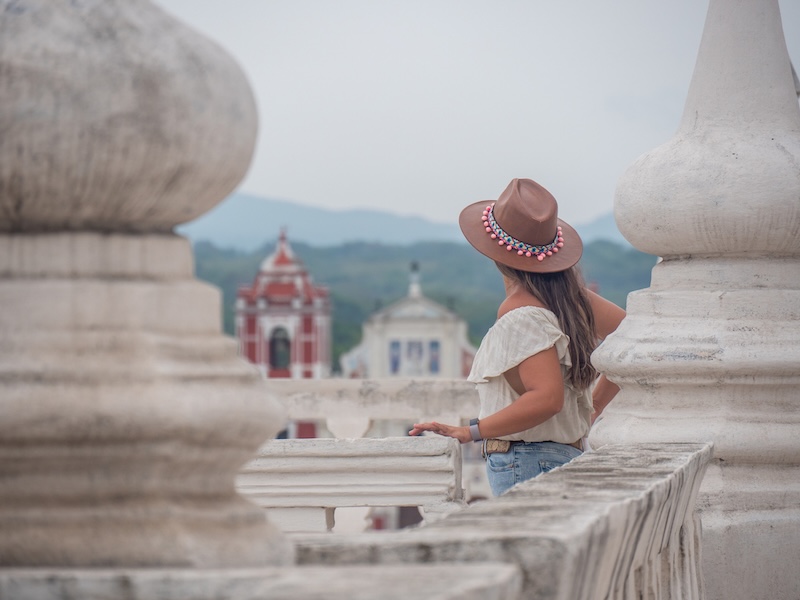
There is a particular kind of country that the Plan B conversation keeps returning to. Not the obvious ones, where the infrastructure is polished and the expat community is already saturated. Not the ones where the Golden Visa threshold has climbed to a level that makes it a tool for the very wealthy rather than the seriously planning. The ones that keep coming back are the ones that have the fundamentals right, but have not yet been fully discovered by the people who would otherwise be there. Nicaragua is one of those countries.
It has been on the serious Plan B radar for longer than most people realise. The combination of accessible residency, very low cost of living, Pacific coastline of genuine quality, agricultural fertility, and a government that has actively positioned itself as welcoming to foreign investment creates a profile that, on paper, competes with destinations that command far more international attention.
The reason Nicaragua does not get the same coverage as Panama, Costa Rica, or Belize is partly geopolitical, partly reputational, and partly the enduring effect of a narrative that is significantly out of step with the reality on the ground. Those who have spent time there, lived there, or invested there tend to tell a different story. It is worth listening to that story before dismissing a country on the basis of headlines that are more than a decade old.
Read More Like This: Residency in Nicaragua
The Plan B Case, Built from the Ground Up
A genuine Plan B is not just a second passport or an offshore account. It is a place where you can actually live, or where your family can live, in a way that is sustainable, comfortable, and meaningfully better than simply staying where you are. It requires land you can legally own. Healthcare you can access. A cost of living that does not require you to liquidate assets to sustain. A natural environment you want to spend time in. Nicaragua meets these criteria in ways that deserve serious examination.
The residency pathway is one of Central America’s most straightforward. Nicaragua’s Law 628, the Law of Residents and Foreign Investors, provides multiple categories for legal residency including the Rentista (passive income), Pensionado (retirees), and Investor categories. The income requirements are low by international standards: approximately $600 per month for the Rentista category, and $1,000 per month for the Pensionado. These thresholds are achievable for a wide range of people who would be priced out of the equivalent programmes in Panama or Costa Rica.
Foreign nationals can own property in Nicaragua with the same rights as citizens. There are no restrictions on foreign ownership of coastal property, agricultural land, or urban real estate. This is a meaningful distinction from countries where foreigners are restricted to leasehold arrangements or face bureaucratic barriers to freehold ownership.
The Cost Structure That Changes the Calculation
Nicaragua is the second poorest country in the Western Hemisphere by GDP per capita. This is a sobering fact, and it matters for understanding the country’s development trajectory. But for someone arriving with a dollar or euro-denominated income, it also means that the purchasing power differential is extraordinary.
A comfortable family life in Nicaragua, in a well-situated property with reliable utilities, household help, good food, and regular travel, is achievable on a monthly budget that would not cover rent alone in London, Sydney, or San Francisco. Estimates from long-term expat residents consistently place the all-in monthly cost of a comfortable lifestyle for a couple at $1,500 to $2,500. A more modest lifestyle runs considerably below that.
Healthcare is the variable that surprises most people. Nicaragua has both public and private healthcare systems. Private hospitals in Managua, including Hospital Vivian Pellas, have earned regional recognition for the quality of care they provide and the standards they maintain. The cost of private healthcare in Nicaragua is a fraction of comparable care in the United States. Dental work, specialist consultations, and elective procedures all run at prices that make medical tourism to Nicaragua a growing phenomenon.
Nicaragua also has no capital gains tax on property and a range of tax incentives for foreign investors under Law 344, the Law of Promotion of Foreign Investment. For those building a Plan B that includes a real estate investment component, the tax environment is one of the most investor-friendly in the region.
Read More Like This: The Hidden Gem of Central America: Luxury Beachfront Homes in Nicaragua
The Pacific Coast: What the Land Actually Offers
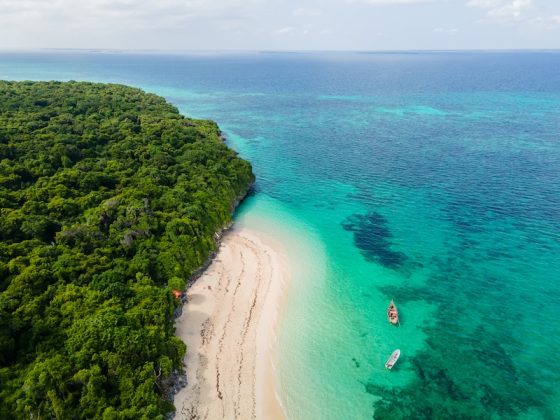
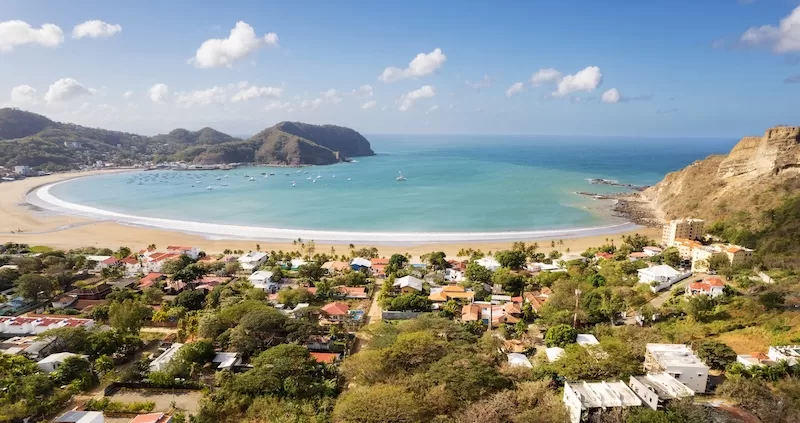
Nicaragua’s Pacific coast is the part of the country that most Plan B thinkers are drawn to, and with good reason. The coastline runs for hundreds of kilometres, largely undeveloped, with consistent Pacific swells, black sand beaches backed by tropical vegetation, and a climate that is warm year-round with a distinct dry season from November through April.
The surf is world-class. Nicaragua has been a surf destination for decades, drawing those who find Costa Rica’s better-known breaks too crowded and overpriced. The Pacific coast breaks at Popoyo, Playa Maderas, and the breaks surrounding the Tola region are internationally recognised. For those who surf, this is not a secondary consideration.
Beyond the surf, the Pacific coast offers something that is genuinely difficult to find in the region: large parcels of land at prices that make meaningful ownership possible. This is not Guanacaste, where beachfront prices now rival parts of Europe. This is a market where significant land positions are still available at prices that make long-term thinking viable.
Gran Pacifica, the master-planned community in the Tola region, represents the most developed version of what Pacific coast living in Nicaragua looks like. Built around the principle that international residents should not have to sacrifice infrastructure for affordability, it offers roads, utilities, security, and a real estate ecosystem within the broader natural context of the Pacific coast. It is the kind of development that makes the Plan B conversation specific rather than theoretical.
The Honest Conversation About Risk
An honest assessment of Nicaragua as a Plan B destination requires engaging with the political reality. The Ortega government has governed the country since 2007, and the political environment following the 2018 protests and their aftermath is a context that any serious investor or prospective resident must understand and weigh for themselves.
What this guide will not do is pretend the political context does not exist, or dismiss it as irrelevant to the decision. It is relevant. Nicaragua is not Panama, which has a stable democratic framework and a long track record of foreign investor protection. The risk profile is different, and every person considering Nicaragua as a Plan B needs to assess it personally.
What is also true is that the foreign investor community in Nicaragua has operated without the property confiscations or investment losses that have characterised other politically complicated Latin American markets. The government has consistently maintained the foreign investment framework, the property rights protections, and the residency programme that underpin the Plan B case. That track record does not guarantee the future, but it is the actual data point available.
For those who approach Nicaragua as a diversification tool rather than a primary residence, the risk calculus often looks more manageable. A beachfront property held as a second asset in a diversified portfolio, combined with residency rights that provide optionality, is a different kind of position than a single-country all-in bet. Plan B thinking, done properly, is about diversification. Nicaragua fits that frame.
Read More Like This: Buying a Property in Nicaragua Guide and FAQ
Why the Timing Matters
The markets that generate the strongest long-term returns for Plan B investors are consistently the ones that were entered before they became obvious. Costa Rica was a frontier market when the first wave of Americans began buying property in Guanacaste in the 1990s. Panama was underpriced when Casco Viejo was being restored in the 2000s. Belize and Colombia had windows that those who moved early captured and those who moved late paid a significant premium to access.
Nicaragua is still early. The Pacific coast development is real but not complete. The infrastructure is improving but not finished. The international attention is growing but not yet dominant. The prices reflect a market that has not been fully discovered, which is precisely the condition that creates opportunity.
The question is never whether a market will eventually be priced more accurately. It usually is. The question is whether you are positioned before or after that repricing. For Nicaragua, in 2026, that window is still open. It will not remain open indefinitely.
What Living in Nicaragua Actually Looks Like
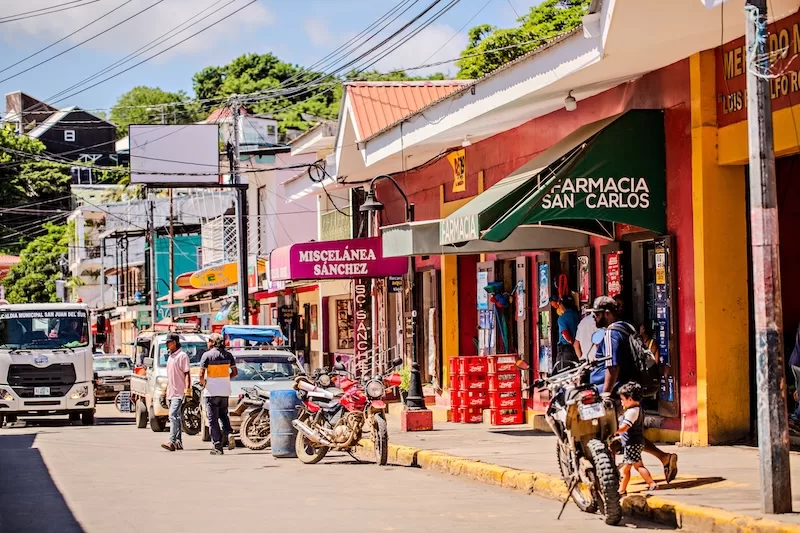
The practical texture of daily life in Nicaragua on the Pacific coast is something that resists easy summary, because it is genuinely different from the experience of living in Europe, North America, or East Asia. The pace is different. The relationship with the natural environment is different. The relationship with time is different.
Mornings on the Pacific coast tend to start early and well. The heat builds through the day, which changes how activity is structured: outdoor work and exercise in the morning, the middle hours managed with shade and slower pace, evenings that extend naturally as the temperature drops and the light changes. It is a rhythm that many people, arriving from lives organised around offices and commutes, find surprisingly restorative.
The food is fresh, local, and excellent in its own tradition. The seafood pulled from the Pacific daily is extraordinary. The produce, grown in one of Central America’s most fertile agricultural regions, is abundant and cheap. The coffee is among the best in the world, grown in the northern highlands and available locally at prices that make the specialty coffee culture of western cities feel slightly absurd.
The expat community that has established itself on the Pacific coast is, by most accounts, a self-selecting group of people who have made considered decisions. These are not accidental tourists who stayed. They are people who researched, visited, and decided. That quality of community matters enormously for day-to-day life.
Read More Like This: 7 Great Reasons to Move to Nicaragua
The Practical Takeaway
Nicaragua is not the right Plan B for everyone. It requires a tolerance for political uncertainty that some people cannot accept regardless of the upside. It requires genuine engagement with a country rather than passive residence in a gated environment. And it requires the intellectual honesty to assess it on the basis of what it actually is in 2026, rather than what the headlines said it was in 2018.
For those who can meet those terms, what Nicaragua offers is remarkable: an accessible residency framework, freehold property ownership, a Pacific coastline of extraordinary quality, a cost of living that makes a genuinely good life achievable, and a timing window that still favours those who move now over those who move later.
The serious Plan B conversation is not about finding a perfect country. It is about finding the right combination of opportunity, lifestyle, and risk for your specific situation. Nicaragua, for the right person, is one of the most compelling combinations available in Central America today.
See It for Yourself
Nicaragua is one of the most undervalued markets in Central America. The best way to understand why is to be there.
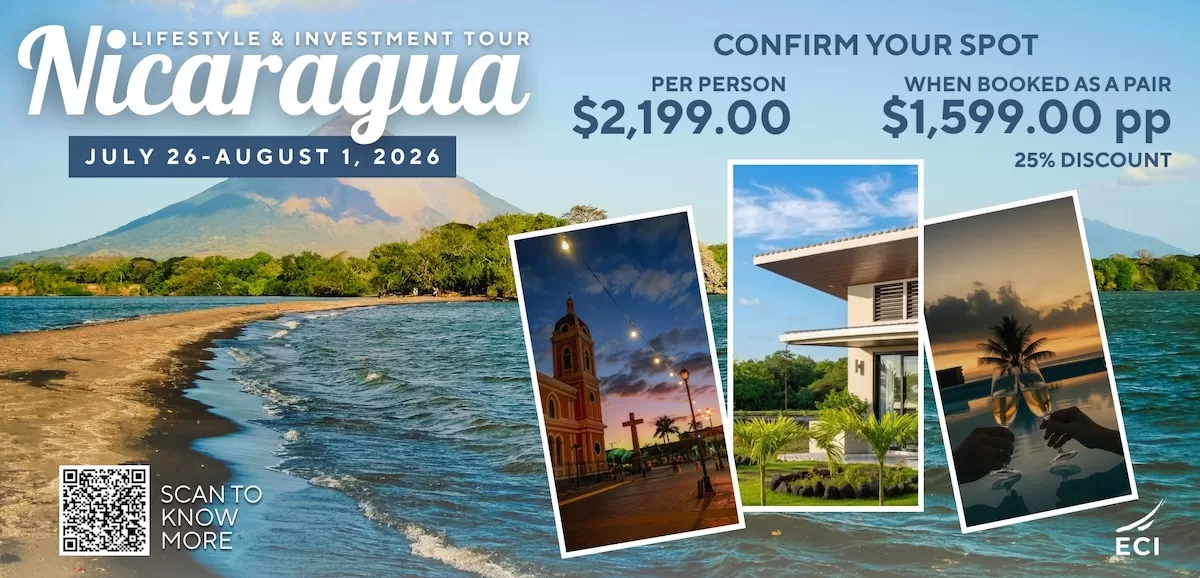
ECI Development’s Nicaragua Lifestyle and Investment Tour runs July 26 to August 1, 2026. Seven days on the Pacific coast: real estate tours, a residency presentation with a local attorney, and time to experience Gran Pacifica firsthand. This is not a sales trip. It is a discovery trip, built around real information and genuine time on the ground.
Only 15 spots are available. Use code NICAREF100 at checkout to save $100 per person.
Reserve your spot here.
Read More Like This: Discover the Ultimate Nicaragua Handbook
About the Author
Contact Author
"*" indicates required fields
Stay Ahead on Every Adventure!
Stay updated with the World News on Escape Artist. Get all the travel news, international destinations, expat living, moving abroad, Lifestyle Tips, and digital nomad opportunities. Your next journey starts here—don’t miss a moment! Subscribe Now !
There is a particular kind of country that the Plan B conversation keeps returning to. Not the obvious ones, where the infrastructure is polished and the expat community is already saturated. Not the ones where the Golden Visa threshold has climbed to a level that makes it a tool for the very wealthy rather than the seriously planning. The ones that keep coming back are the ones that have the fundamentals right, but have not yet been fully discovered by the people who would otherwise be there. Nicaragua is one of those countries.
It has been on the serious Plan B radar for longer than most people realise. The combination of accessible residency, very low cost of living, Pacific coastline of genuine quality, agricultural fertility, and a government that has actively positioned itself as welcoming to foreign investment creates a profile that, on paper, competes with destinations that command far more international attention.
The reason Nicaragua does not get the same coverage as Panama, Costa Rica, or Belize is partly geopolitical, partly reputational, and partly the enduring effect of a narrative that is significantly out of step with the reality on the ground. Those who have spent time there, lived there, or invested there tend to tell a different story. It is worth listening to that story before dismissing a country on the basis of headlines that are more than a decade old.
If you'd like to read the full story, simply enter your email to subscribe to our newsletter.
For even more expert insights, unmissable resources, and exclusive invites, explore our premium subscription offers here.
OR
Already a Subscriber? Click here to login
Subscription required
You've reached your limit of free articles. For full access to Escape Artist, and all of our insights on travel, moving abroad, and the digital nomad life, click here to Subscribe.
Already a Subscriber? Log in here