Checked and current, 10 September 2026. Nothing to correct. The 800 to 1,100 euros a month excluding rent quoted below measures at about 847. The 14 euros a square metre rent works out at roughly 980 euros for a typical 70 square metre flat, which matches: a one-bedroom in Valencia measures about 926 euros outside the centre and about 1,252 central. Basic utilities are about 140 euros, internet about 30, a monthly transport pass 35, and average take-home pay about 1,697 euros.
One thing the article gets right that most do not. Valencia has moved. Rents here are no longer the bargain they were three years ago, and a central one-bedroom at 1,252 euros is now within reach of Porto and above Sofia or Bucharest. Cheaper than Barcelona, yes. Cheap, no longer.
Figures crowd-sourced from residents, 1,035 submissions by 141 contributors, via Numbeo, last updated 8 September 2026. The population and airport passenger figures below have not been re-checked.
There is a certain kind of city that does not need to market itself too aggressively. It does not announce its value in the way some places do, nor does it rely on spectacle to secure affection. Instead, it works more subtly, drawing people in over time until they find themselves browsing apartments, studying neighbourhoods, and wondering whether the life they want might, in fact, be possible there.
That city is Valencia.
For years, the conversation around relocating to Spain followed a familiar pattern. Barcelona held its place as the cosmopolitan dream, Madrid as the professional capital, and Málaga as the easy coastal option. Valencia, though admired, often sat slightly outside the centre of that discussion. That is changing rapidly. What was once regarded as an attractive alternative is now becoming, for many, the first choice.
I understand that appeal well. When I chose Spain, I chose Barcelona specifically. It was the city that called to me, and it still does. Yet Valencia was always on my radar. It had the Mediterranean light, the beauty, the cultural confidence, and the promise of a slower, more expansive life. What it also had, however, was something increasingly rare in Europe’s most desirable cities: room to breathe. More affordability. Less pressure. Less performance. And today, that combination is proving irresistible not only to expats and remote workers, but also to Spaniards themselves, many of whom are searching for a city where quality of life still feels within reach.
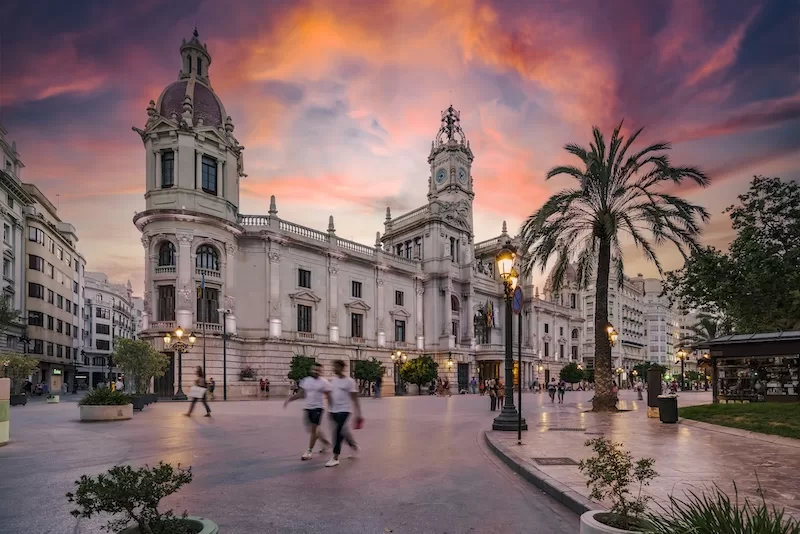
A New Calculation For Life In Spain
The figures support what lived experience is already beginning to confirm. In recent global expat surveys, Valencia has ranked at the very top, scoring exceptionally high for both quality of life and financial ease among international residents. At the beginning of 2025, the city’s official padrón showed the population had reached 844,424, with foreign residents accounting for 19.61% of the total. This is no longer a city admired from afar. It is a city people are actively choosing.
Yet statistics, useful as they are, only tell one part of the story. Valencia’s rise is not simply about rankings or economics. It reflects a broader shift in what people are looking for when they move abroad, and even when they move within their own country. The appeal lies in the texture of daily life; in the sea being part of the week rather than reserved for escape, in the city’s manageable scale, in the enduring strength of its food culture, and in the fact that the pleasures that define good living remain, at least for now, more accessible than in many of Spain’s bigger urban stars.
A City That Still Feels Livable
One of Valencia’s greatest strengths is that it still feels like a place designed for living rather than display. That distinction is becoming increasingly important.
Across Europe, many desirable cities have become overburdened by their own popularity. They are reshaped around tourism, hollowed out by short-term rentals, or inflated by speculative demand until ordinary life begins to feel strangely secondary. Valencia has not escaped pressure altogether, and any serious account of the city must acknowledge that. Rents have risen. Competition has intensified. Local authorities have responded by tightening restrictions on tourist accommodation, approving measures to cap tourist lodgings at 2% by neighbourhood, district, and block. It is a clear sign that the city understands what is at stake.
Yet Valencia still retains something that many larger cities have begun to lose: balance. Its neighbourhoods feel inhabited. Its public spaces feel used rather than merely admired. Its scale allows for ease. One does not spend hours trying to cross it, nor does daily life feel as though it takes place in the shadow of a city designed primarily for outsiders. That coherence matters. People relocating are not merely seeking beauty. They are seeking sustainability. They want a place that works on a grey Tuesday morning, not only on a postcard-perfect evening in June.
Valencia offers precisely that kind of steadier pleasure. There is beauty here, certainly, but it is not purely ornamental. The city does not seem trapped in the business of performing itself. It feels assured enough not to need constant reinvention, and there is something deeply attractive about that. It possesses old-world elegance, but it also carries a groundedness that makes ordinary life feel both possible and desirable.
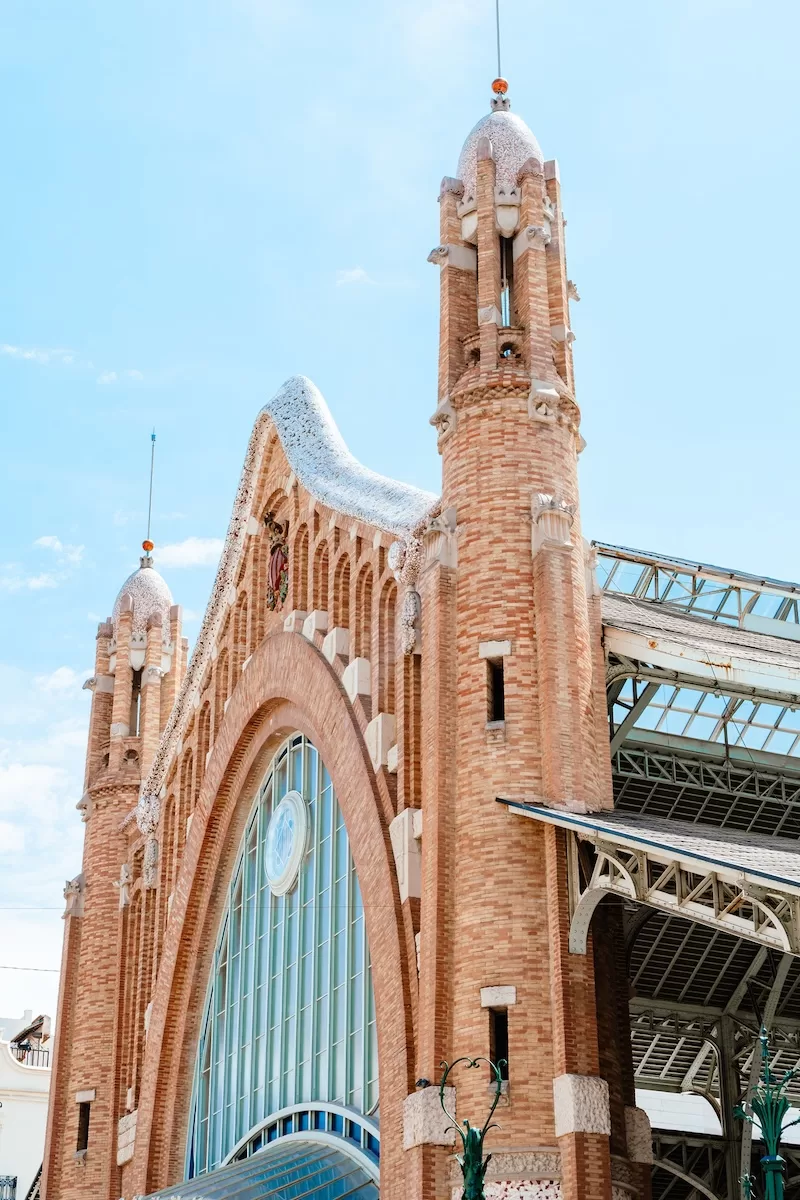
The Affordability Factor
Affordability remains central to Valencia’s growing appeal, though it deserves to be discussed with care rather than cliché.
Valencia is no longer cheap. That would be too simple, and no longer true. Spain’s housing pressures have touched cities once considered uncomplicated bargains, and Valencia is very much part of that wider story. Still, relative affordability remains one of its clearest advantages, especially when compared with Barcelona and Madrid.
As of March 2026, Idealista placed average asking rents in Valencia city at €14.0 per square metre, compared with €22.6 in Barcelona. That is not a marginal difference. It is a substantial shift in what daily life can look like, particularly for renters trying to build something long-term rather than simply survive month to month.
What this translates to in practice is not merely lower housing costs, but more flexibility in the shape of life itself. It can mean a larger flat, a better neighbourhood, less financial strain, or the ability to enjoy the city instead of constantly calculating what participation in it will cost. It can mean the difference between living in a place and merely enduring it.
This is one of the reasons Valencia is increasingly attracting Spaniards from other parts of the country as well. For younger professionals, families, and those working remotely, the premium attached to cities like Barcelona or Madrid no longer feels automatically justified. If a city asks too much in return for its glamour, people begin to question whether the equation still makes sense. Valencia offers many of the same things people move to Spain for in the first place, climate, culture, walkability, food, social life, and access to the sea, while reducing some of the financial compression.
The economics extend beyond rent. A city becomes genuinely attractive when everyday life remains accessible. In Valencia, public transport is still considered affordable, social life is not built exclusively around expense, and some of the most meaningful pleasures the city offers are public rather than private. The beach belongs to everyone. The parks belong to everyone. The city’s beauty has not yet been entirely gated behind constant consumption. That, in itself, is a form of wealth.
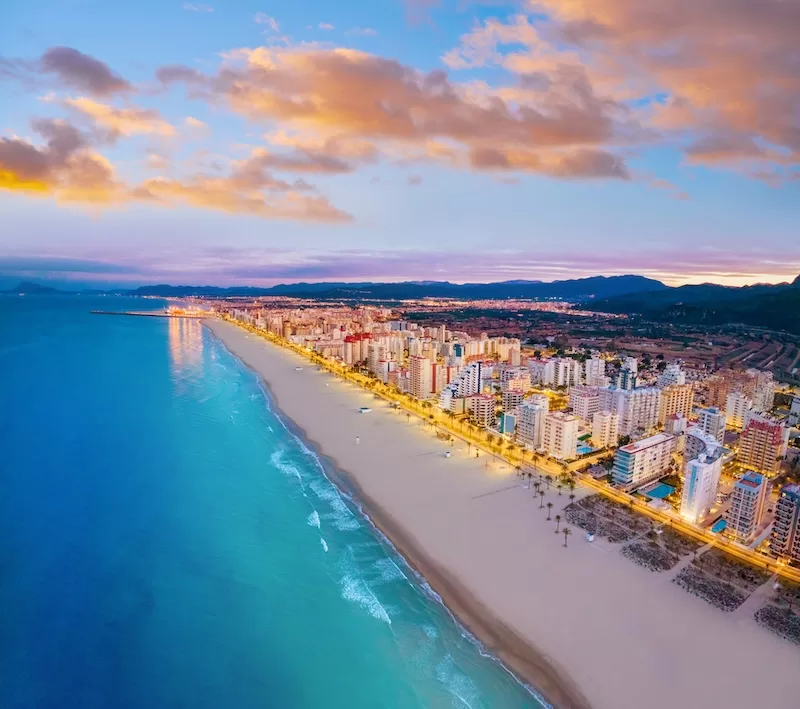
Ease As A Daily Luxury
One of Valencia’s most understated attractions is how physically easy it is to inhabit. It is a flat city, and that changes the mood of everyday life more than many people expect. Cycling becomes practical rather than aspirational. Walking is easier. Movement does not feel like a chore.
According to Visit Valencia, the city has an extensive network of cycle paths connecting all neighbourhoods, along with bicycle-priority streets and the vast green corridor of the Turia Gardens running through its centre. The effect is not simply logistical. It shapes the emotional tempo of the place.
A city that is easy to move through is often a city that is easier to love. One can cycle to work, walk to the market, cross neighbourhoods without feeling defeated by traffic, and reach the sea without turning the day into an operation. Daily life feels less encumbered, less adversarial. There is a softness to that kind of urbanism, and it makes a profound difference over time.
Valencia is also increasingly well connected to the wider world. Valencia Airport handled a record 11.85 million passengers in 2025, with international traffic making up roughly three-quarters of that figure. This matters because modern relocation is rarely about disappearance. Many expats, entrepreneurs, and international families live with one foot in more than one place. They want local ease without forfeiting international access. Valencia offers both with growing confidence.
Why Expats Are Choosing It
Expats are rarely looking for one thing alone. The decision to relocate usually rests on a combination of factors: quality of life, affordability, administrative feasibility, climate, infrastructure, and the possibility of feeling socially at ease. Most cities excel in one or two categories and falter elsewhere. Valencia’s reputation is growing because it performs well across nearly all of them.
Spain’s digital nomad visa has only strengthened that appeal. The official scheme provides a route for non-EU nationals who wish to reside in Spain while working remotely for foreign employers or clients. While the visa is not specific to Valencia, cities like Valencia benefit enormously from it because they offer the kind of environment remote workers can imagine inhabiting for years rather than months.
That distinction matters. There are places that are exciting for a season, and there are places that can hold a life. Valencia increasingly belongs to the latter category. It has sufficient scale to offer cultural depth, strong healthcare, serious infrastructure, and a varied food scene, yet it remains manageable enough that daily life does not collapse under its own ambition. There is a social ease to it, a rhythm that allows for work and pleasure to coexist without constant friction.
Word of mouth, too, has played a role. Expats talk to one another, compare notes, share warnings, and recommend cities where reality has proved gentler than expected. Rankings such as the InterNations survey matter because they reflect that collective experience. When Valencia ranks first globally for expats and leads on both quality of life and personal finance, it confirms that the city is delivering something many people feel is increasingly difficult to find elsewhere.
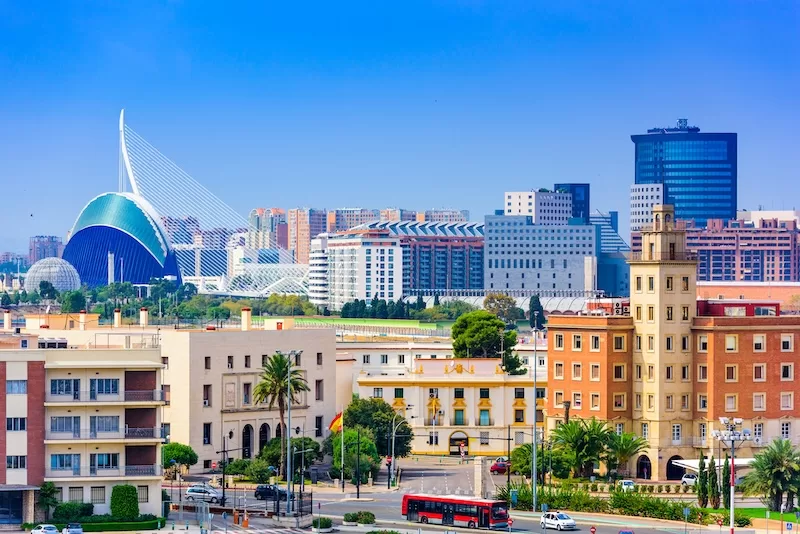
Why Spaniards Are Looking Again
Perhaps the strongest sign of Valencia’s momentum is that its appeal is not limited to foreigners.
Spaniards themselves are looking again at Valencia, and that says a great deal. International fascination can be driven by image. Local and domestic migration tends to be more exacting. People moving from elsewhere in Spain usually know what they want a city to provide, and they know when the promise of urban life has drifted too far from its practical reality.
Valencia is increasingly attractive because it still appears to offer a workable version of Spanish urban life. It provides access to culture, infrastructure, education, healthcare, and the sea, while avoiding some of the harsher costs and pressures associated with larger or more globally saturated markets. That combination is proving persuasive.
Recent population figures underline that broader pull. Valencia added 18,476 residents in a year, surpassing 840,000 inhabitants, while the wider Valencian Community was among Spain’s fastest-growing regions in 2025. This points to something bigger than a passing trend. It suggests that people are making deliberate choices in favour of places where climate, affordability, and quality of life still align in a convincing way.

The Emotional Logic Of Valencia
Still, no city rises in the imagination on economics alone. There is also something less tangible at work in Valencia’s ascent, and it may be the most important part of the story. Valencia feels good to people.
That is not a frivolous measure. It is one of the reasons cities endure in memory and in desire. Some places sharpen you. Some exhaust you. Some impress you while asking too much in return. Valencia seems, for many, to return life to a more proportionate scale.
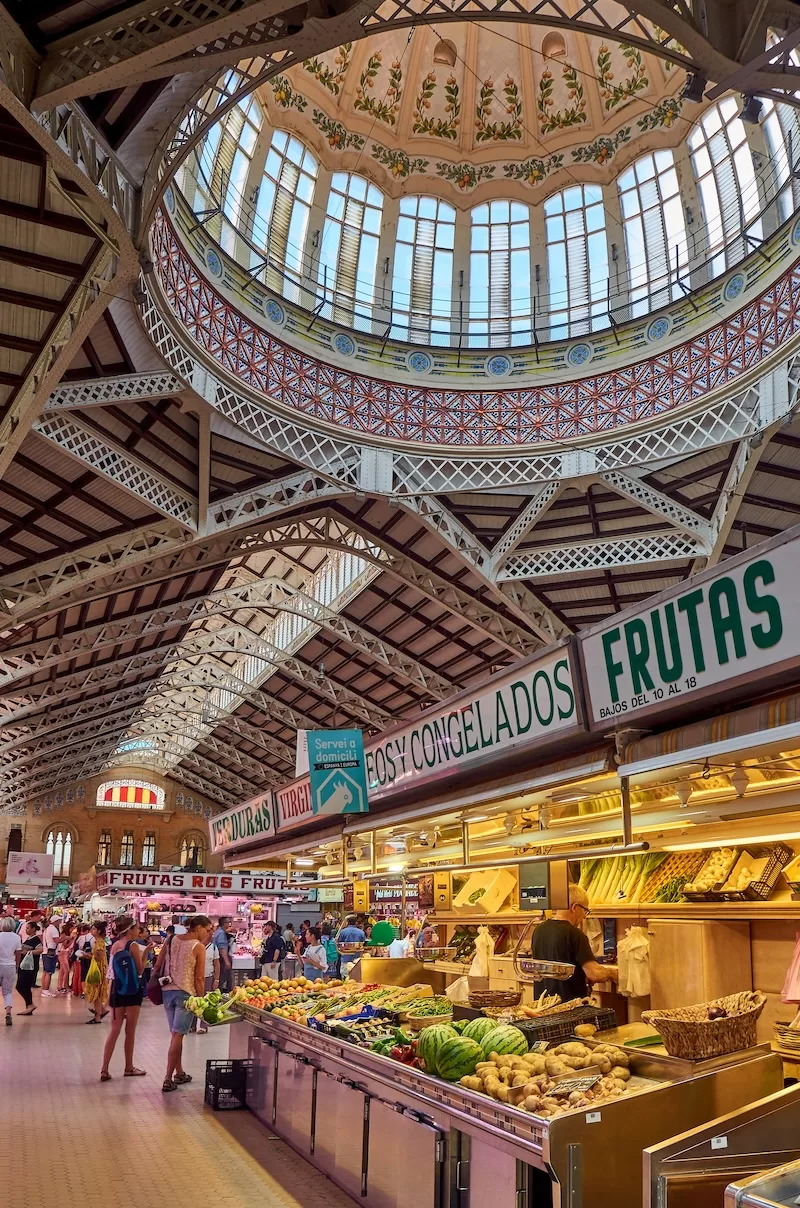
Part of that is visual. The Mediterranean light is generous and flattering. The architecture carries history without feeling trapped by it. The sea is woven into the city’s identity. The Turia Gardens create space and air in a way that many cities would envy. Food remains profoundly tied to place, from local markets to long lunches to the city’s enduring relationship with rice, seasonality, and sociability.
Part of it is psychological. Valencia has energy, but it does not weaponise it. It is active without becoming frantic. It is social without feeling performative. One can be productive there, but also restful. In an era where many people are moving not simply for work but in search of a less punishing way of living, that balance is compelling.
When I think about Valencia’s growing pull, I return to that point again and again. Barcelona was my choice, and I understand why it was. It gave me exactly what I needed. Yet Valencia has always seemed to embody another version of the Spanish ideal, one that now feels especially relevant. Not a fantasy, and not a downgrade, but a more sustainable arrangement for real life.
The Challenge Of Popularity
Of course, no city remains untouched once enough people begin calling it ideal. Valencia’s popularity is already bringing pressures that cannot be ignored. Housing demand has intensified. Prices have risen. The qualities that make the city desirable are precisely the ones that place it at risk of becoming more difficult to access over time. This is the paradox of modern relocation: the more a place is praised for being livable, the more that livability can come under threat.
That does not diminish Valencia’s appeal, but it does require honesty. The city remains more affordable than Barcelona, but it is not frozen in time. It is not immune to inflation, housing shortages, or the distortions that accompany international attention. Anyone considering a move there should do so with admiration tempered by realism.
Still, Valencia appears more aware than some cities were, earlier in their own transformation, of what is at stake. Measures to limit tourist accommodation suggest an attempt, however imperfect, to preserve residential balance. The question now is whether that awareness can translate into long-term protection of the very qualities that made the city so magnetic in the first place.
Why Valencia Is On Everyone’s Radar
Valencia has entered the relocation conversation so forcefully because it offers something that now feels increasingly rare: a version of European city life that remains both desirable and, for many, still attainable.
It is beautiful without being entirely prohibitive. International without becoming anonymous. Mediterranean without collapsing into cliché. Its appeal is practical as much as emotional. More and more people are discovering that the ideal city is not always the one with the loudest reputation, but the one that allows daily life to feel expansive, coherent, and sustainable.
That is why Valencia is on everyone’s radar. It sits at the meeting point of the things modern movers value most: climate, culture, infrastructure, affordability, and ease. It offers a persuasive answer to the question so many people are quietly asking now: where can I still build a good life without spending all my energy trying to hold it together?
For expats, it increasingly makes the numbers work. For remote workers, it offers connectivity without chaos. For Spaniards, it is becoming the alternative that feels less like compromise and more like common sense. And for those who once assumed the choice had to be Barcelona or Madrid, Valencia is emerging as the city that makes its case with particular grace.
Not noisily, but simply by offering a way of life that more and more people are beginning to recognise as the one they were looking for all along.
Valencia At A Glance
For those considering the move, the numbers help ground the feeling. Valencia’s appeal is not only emotional; it is practical, measurable, and increasingly competitive within Europe.
| Category | Valencia (2026 Estimate) | Barcelona (Comparison) | Why It Matters |
| Average Rent (City Avg.) | €14.0/m² | €22.6/m² | Lower housing pressure allows for better quality of life |
| Monthly Living Costs (Excl. Rent) | €800–€1,100 | €1,000–€1,400 | More flexibility in daily spending |
| Expat Ranking (InterNations) | #1 globally | Top 10 | High satisfaction across lifestyle and finance |
| Foreign Population | ~19.6% | ~30% | Growing international community, but less saturated |
| Population Growth (YoY) | +18,000 residents | Slower growth | Indicates rising demand and internal migration |
| Airport Traffic (2025) | 11.85 million passengers | 52+ million | Strong connectivity without overwhelming scale |
| Climate | ~300 sunny days/year | ~300 sunny days/year | Mediterranean lifestyle remains consistent |
| Bike Infrastructure | Extensive citywide network | Improving but denser traffic | Easier, more human-scale mobility |
| Beach Access | Integrated into city life | Accessible but busier | Daily lifestyle vs. weekend escape |
| Healthcare Ranking (Spain) | Among Europe’s best | Same system | High-quality, accessible public healthcare |
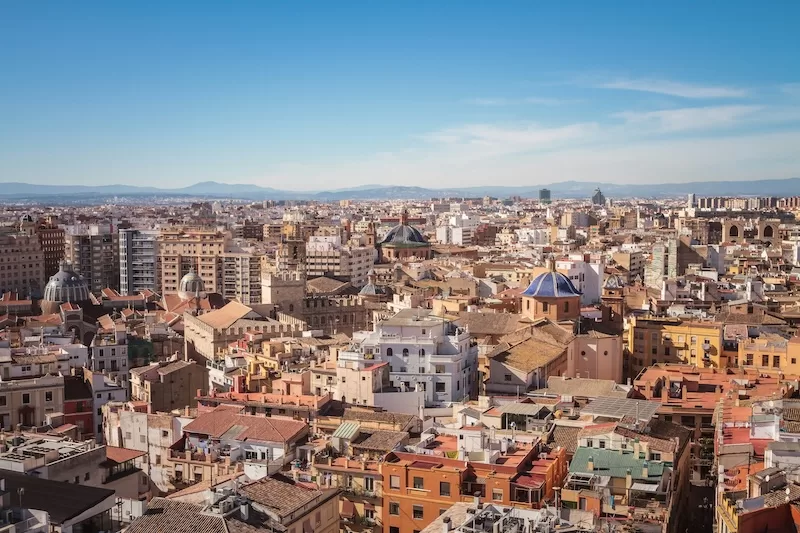
The Practical Takeaway
Valencia’s strength lies in its balance. It offers much of what draws people to Spain in the first place, climate, culture, connectivity, and a deeply social way of life, while still maintaining a degree of financial and spatial ease that has become harder to find elsewhere.
The margins are narrowing, as they inevitably do when a city gains this level of attention. But for now, Valencia remains in that rare position: established enough to trust, yet still open enough to enter without feeling late to the story.
Key Takeaways
Why is Valencia getting so much attention right now?
Valencia is becoming a standout choice because it offers something many people now want from a European city: good weather, strong infrastructure, beach access, culture, and a high quality of life without the same intensity or cost as places like Barcelona and Madrid.
Is Valencia still affordable?
It is no longer cheap, but it is still meaningfully more affordable than Barcelona, especially when it comes to rent. That difference can translate into more space, less financial pressure, and a lifestyle that feels easier to sustain long term.
Why are expats choosing Valencia?
Valencia appeals to expats because it works across the board. It combines livability, walkability, climate, healthcare, social ease, and international connectivity in a way that feels practical for real life, not just attractive on paper.
Why are Spaniards paying more attention to Valencia too?
Its appeal goes beyond international interest. More Spaniards are also looking to Valencia as a city that still offers a workable version of urban life, with access to culture, the sea, and essential services without the same level of pressure found in larger markets.
What makes daily life in Valencia feel different?
The city is easy to move through, easy to enjoy, and easier to live in than many high-demand European cities. Its flat layout, bike infrastructure, public spaces, and manageable scale all contribute to a calmer, more balanced everyday experience.
Is Valencia just another trendy relocation hotspot?
Not quite. Its popularity is rising, and that does bring pressure, especially around housing, but the city still feels more balanced and more livable than many places that have already been overwhelmed by their own success.
What is the main reason Valencia is on everyone’s radar?
It offers a version of life in Spain that feels both desirable and attainable. For many people, Valencia is not a compromise between lifestyle and practicality. It is increasingly the place where both can still exist together.
About the Author
Contact Author
"*" indicates required fields
Stay Ahead on Every Adventure!
Stay updated with the World News on Escape Artist. Get all the travel news, international destinations, expat living, moving abroad, Lifestyle Tips, and digital nomad opportunities. Your next journey starts here—don’t miss a moment! Subscribe Now !
Checked and current, 10 September 2026. Nothing to correct. The 800 to 1,100 euros a month excluding rent quoted below measures at about 847. The 14 euros a square metre rent works out at roughly 980 euros for a typical 70 square metre flat, which matches: a one-bedroom in Valencia measures about 926 euros outside the centre and about 1,252 central. Basic utilities are about 140 euros, internet about 30, a monthly transport pass 35, and average take-home pay about 1,697 euros.
One thing the article gets right that most do not. Valencia has moved. Rents here are no longer the bargain they were three years ago, and a central one-bedroom at 1,252 euros is now within reach of Porto and above Sofia or Bucharest. Cheaper than Barcelona, yes. Cheap, no longer.
Figures crowd-sourced from residents, 1,035 submissions by 141 contributors, via Numbeo, last updated 8 September 2026. The population and airport passenger figures below have not been re-checked.
If you'd like to read the full story, simply enter your email to subscribe to our newsletter.
For even more expert insights, unmissable resources, and exclusive invites, explore our premium subscription offers here.
OR
Already a Subscriber? Click here to login
Subscription required
You've reached your limit of free articles. For full access to Escape Artist, and all of our insights on travel, moving abroad, and the digital nomad life, click here to Subscribe.
Already a Subscriber? Log in here