There is a particular kind of Friday afternoon feeling. The week loosens its grip, the inbox starts to blur, and something older than ambition stirs underneath. A pull toward somewhere quieter. Somewhere the light falls differently. Somewhere you could, if you chose, disappear for a while.
Going off grid used to mean sacrifice. Cold showers, unreliable power, the nagging sense that you had traded comfort for principle. But the world has shifted. Renewable energy has matured. Remote work has normalised a life untethered from a single city. And a new generation of intentional communities, eco-retreats, and simply beautiful forgotten places has made it possible to live with real freedom without giving up the things that matter.
What follows is not a list of the loudest destinations. It is a collection of places that reward patience, curiosity, and the willingness to go a little further than the tourist trail allows. These are the hidden gems. The places where off-grid living feels less like deprivation and more like the life you always suspected was possible.
Read More Like This: A Digital Nomad’s Complete Guide to the Philippines
The Azores, Portugal: Atlantic Solitude with a Soft Landing
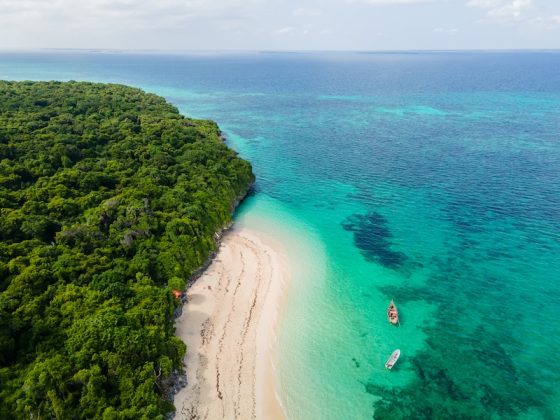
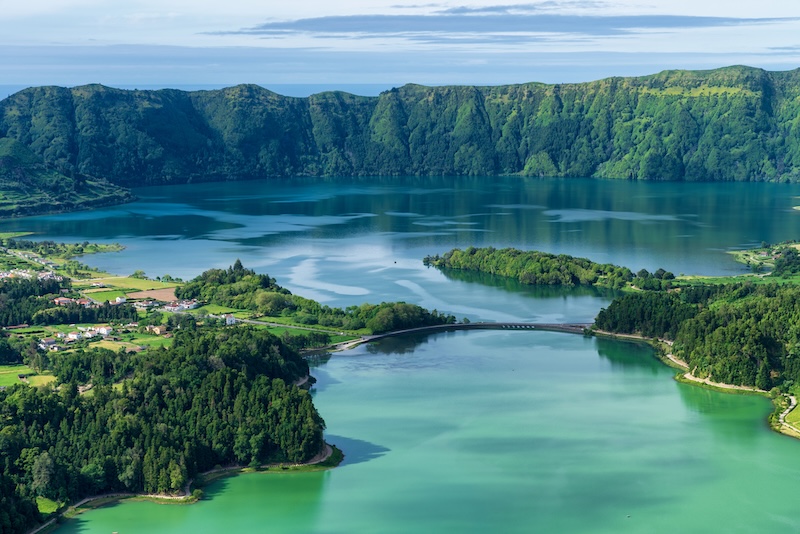
Nine volcanic islands rising from the middle of the Atlantic Ocean, the Azores are among the most geologically spectacular places on earth. Thermal springs emerge from the ground. Crater lakes sit in vivid blues and greens at the tops of hills that were, not so long ago in geological terms, still forming. The air smells of sulphur and the sea simultaneously. It is a place that reminds you the planet is still alive.
But the Azores are also, quietly, one of the most practical off-grid destinations available to Europeans and North Americans. Land prices on the less-visited islands, particularly Graciosa, Flores, and Corvo, remain low by any European standard. The Portuguese government has actively encouraged sustainable development and remote working relocations. Residency is accessible through Portugal’s existing pathways, and the EU citizenship angle gives long-term planners a compelling reason to put down roots.
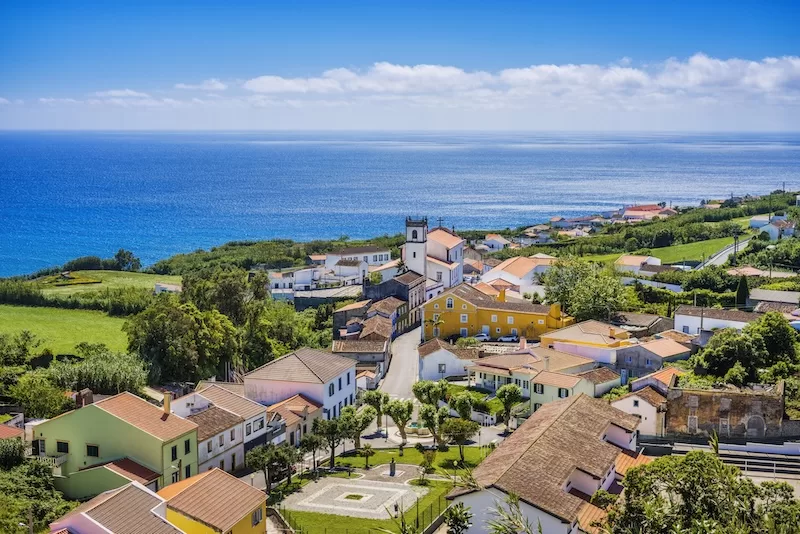
Solar and wind infrastructure has expanded dramatically across the islands, with Flores already generating close to one hundred percent of its energy needs from renewables. A small property with land, a vegetable garden, and a rainwater collection system is not a fantasy here. It is something people are actually doing, quietly, without much fanfare. The ocean is everywhere. The pace is slow. And on a clear evening, standing on the western edge of Flores, you are looking at open Atlantic all the way to Newfoundland. There are very few places in the world where you can feel that honestly at the edge of something.
Read More Like This: Residency Abroad: How To Work And Live In Portugal
The Calakmul Biosphere, Mexico: Deep Jungle, Ancient Ground
Most people who visit Mexico’s Yucatan Peninsula go to Cancun, or perhaps Tulum. A smaller number make it to Merida or Valladolid. Almost nobody continues south through the state of Campeche to the biosphere reserve at Calakmul, which is precisely what makes it one of the most extraordinary places on the continent.
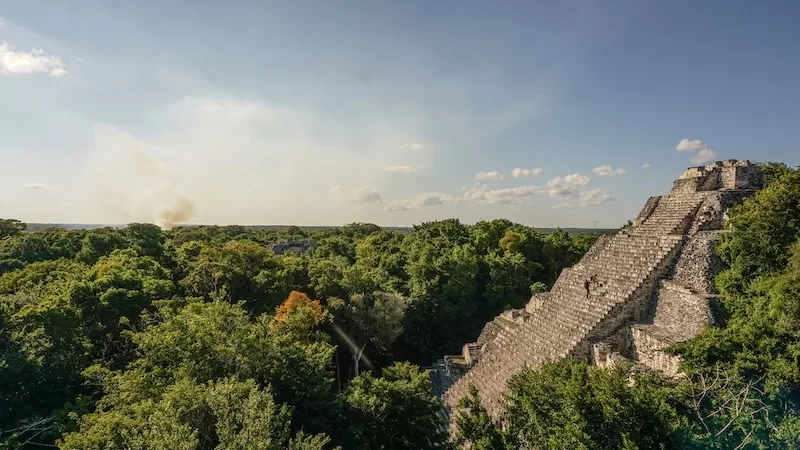
The Calakmul Biosphere Reserve is the largest tropical forest in Mexico and one of the largest in the Americas. Within it, and on its edges, small communities live at a pace that has not changed dramatically in generations. Ejido land structures allow foreigners to negotiate long-term agreements for land use and habitation in ways that are not available in more developed areas. The cost of living is among the lowest in Mexico. A local diet of corn, beans, squash, and fresh tropical fruit costs almost nothing to maintain.
This is not a destination for those who want good Wi-Fi and a coworking space around the corner. It is a destination for those who want to understand what it actually means to live from land and community. The Maya communities of this region have been doing exactly that for thousands of years. For those willing to learn rather than simply arrive, there is an education available here that no programme or retreat can manufacture. The jungle is cathedral-tall. The ruins at Calakmul itself rival Tikal in scale and surpass it in solitude. This is living at the edge of the ancient world, and it costs almost nothing.
Read More Like This: 7 Best Cities to Live in Mexico for Safety, Cost, and Lifestyle
Northern Sardinia’s Interior, Italy: The Land Time Keeps Missing
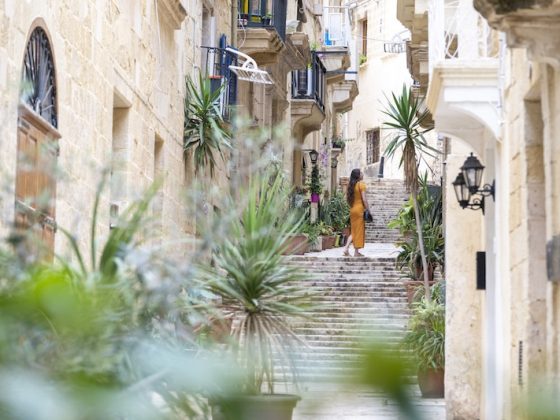
Most visitors to Sardinia arrive on the Costa Smeralda and leave from it, having seen the yachts, the turquoise water, and very little else. The interior of the island is an entirely different country. The Barbagia region, a rough and mountainous heart of ancient Sardinia, is one of the original Blue Zones identified by longevity researchers. The people who live here are among the longest-lived on earth. They tend to attribute this to red wine, sheep’s cheese, family dinners, and the fact that they have never seen much point in rushing.
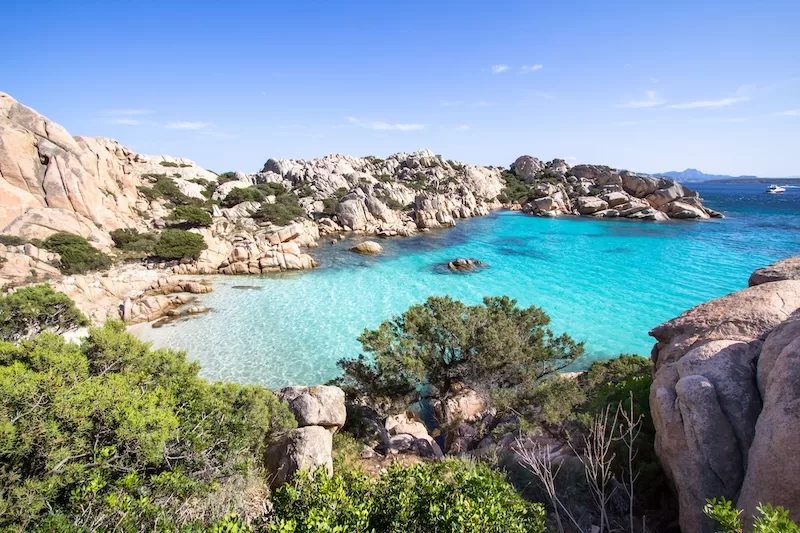
Villages in the Barbagia sell properties for figures that seem like typos. The Italian government and the Sardinian regional authority have both run schemes offering dramatically reduced prices or even symbolic payments for properties in depopulating villages, in exchange for commitments to restore and inhabit them. The landscape is wild in a way that the Italian mainland rarely manages: granite peaks, cork oak forests, rivers that run cold and clear through gorges, and a sky at night that rewards the effort of getting there.
Building a life here requires Italian residency, some language, and the willingness to become part of a community rather than a visitor within it. That is not a small ask. But for those who can make it work, the Barbagia offers something close to the platonic ideal of the off-grid Mediterranean life. Quiet. Seasonal. Deeply nourishing. And watched over by the kind of elderly neighbours who will teach you things about the land, the weather, and the proper way to make bread that no amount of searching online will ever find.
Read More Like This: Cost of Living in Italy: What You’ll Spend (and What You Can Save)
The Transylvania Highlands, Romania: Europe’s Forgotten Interior
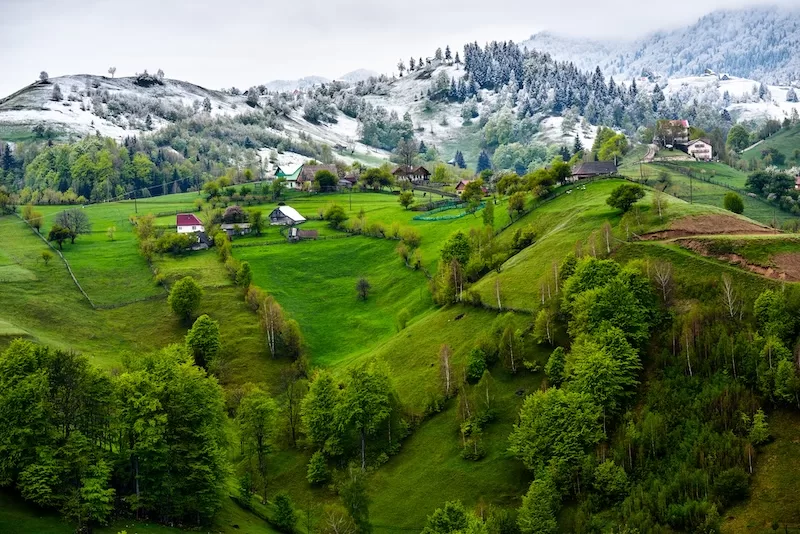
Romania is the great underrated country of Europe. It is larger than the United Kingdom, extraordinarily beautiful across its entire length, and home to a rural culture that in many parts has remained intact in ways that the rest of the continent long ago lost. The Transylvania highlands, and in particular the region around the Apuseni Mountains and the cluster of medieval Saxon villages to the east, represent something that is becoming genuinely rare: a European landscape that still has room for you.
Property prices in rural Transylvania are startling. Stone farmhouses with outbuildings and significant land can be found for sums that would not cover a parking space in Lisbon. The EU membership means that purchasing and residency processes follow familiar legal structures for European buyers, and the country’s flat tax rate and low cost of living make financial planning straightforward. Internet infrastructure, driven by years of EU investment and a young, tech-oriented population, is surprisingly strong even in small villages.
The off-grid appeal here is tied to something more than economics. Transylvania’s forests are the last place in Europe where bears, wolves, and lynx roam in meaningful numbers. The dark sky quality in the highlands is exceptional. Medieval walled churches sit in villages where a couple of dozen families are the only inhabitants. King Charles III famously has a home and conservation project in the village of Viscri, which tells you something about the quality of the landscape and the character of the place. For those who want Europe but not the crowds, not the prices, and not the sense that every beautiful corner has already been curated and commodified, Romania offers something close to a genuine answer.
Read More Like This: Is Montenegro Still Europe’s Best-Kept Secret Before the EU Door Closes?
The Siwa Oasis, Egypt: The Desert at the Edge of Everything
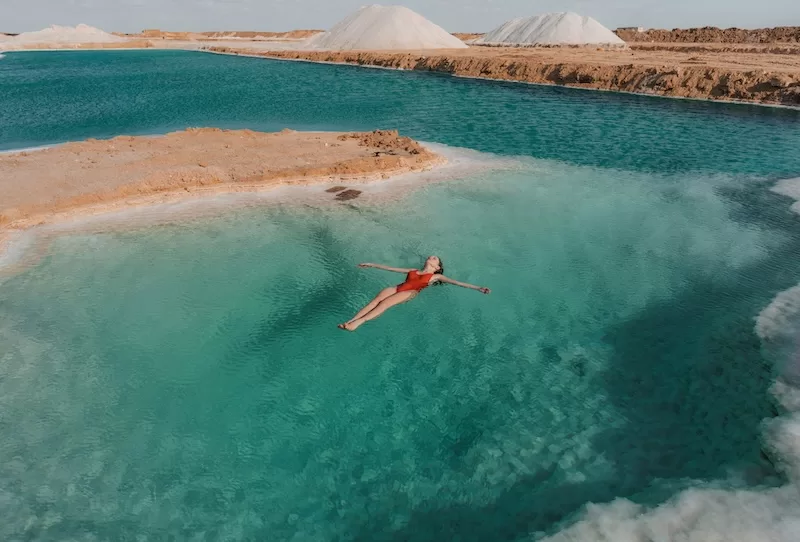
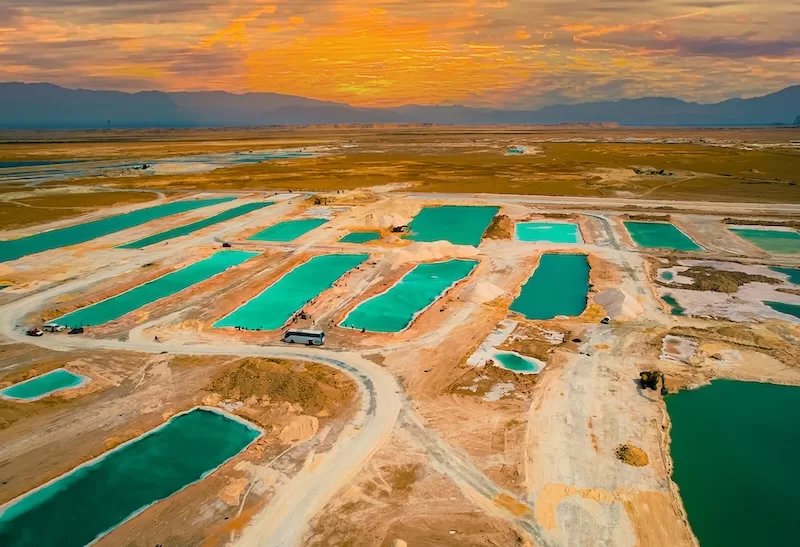
Egypt conjures the Pyramids, the Nile, the organised chaos of Cairo. It does not typically conjure a remote desert oasis twelve hours west of the capital, close to the Libyan border, where the mud-brick ruins of an ancient oracle temple overlook a salt lake and date palms grow in the thousands from the flat desert floor. But Siwa is exactly that, and it is extraordinary.
The Siwa Oasis is home to around thirty thousand Berber inhabitants, a culture and language distinct from mainstream Egyptian Arab culture, and a way of life built around dates, olives, and the thermal springs that have fed the oasis since antiquity. Tourism exists here, but lightly. The distance from Cairo, the absence of beach culture, and the quiet intensity of the place keep the crowds thin. Those who come tend to come deliberately.
For those drawn to deep desert landscapes and ancient culture, Siwa operates at a frequency that is hard to describe and harder to forget. The silence in the desert outside the oasis is complete in a way that has become almost impossible to find. The night sky is among the best on earth. Properties can be rented for very little, and long-term arrangements are possible for those willing to navigate local relationships carefully and with patience. This is not a destination for the faint-hearted or the impatient. It is a destination for the rare traveller who has run out of places that feel genuinely remote, and is looking for somewhere that the word still applies.
Read More Like This: Egypt Is Building an Ultra-Modern Capital Outside Cairo: Will It Work?
The Common Thread
What these places share is not remoteness for its own sake. They are not destinations that reward suffering or celebrate disconnection as a performance. They are places where the human pace and the natural pace have not yet fully separated. Where the cost of living reflects the actual cost of things. Where the land is still available and the communities are still intact. Where it is possible, with intention and some patience, to build a life that belongs to you.
The algorithm will find all of them eventually. It finds everything. But right now, on a Friday afternoon, with the week loosening its grip and the inbox beginning to blur, these places still exist. The crater lakes are still that colour. The Sardinian grandmothers are still making bread in the old way. The desert outside Siwa is still completely silent at four in the morning.
The only question is how much longer you are willing to wait before you go.
Read More Like This: Summer Is Calling: Our Top 10 Destination Picks
Key Takeaways
What makes a destination good for off-grid living?
A good off-grid destination gives you space, access to land, natural resources, lower costs, and enough basic infrastructure to live without feeling cut off from the world entirely.
Why are the Azores a strong off-grid option?
The Azores offer island solitude, renewable energy potential, EU access through Portugal, and a slower pace of life without forcing people into complete isolation.
Why does Calakmul appeal to serious off-grid seekers?
Calakmul is remote, low-cost, community-based, and surrounded by deep jungle. It is better suited to people who want land-based living than people looking for polished expat convenience.
What makes Sardinia’s interior different from coastal Italy?
The interior of Sardinia is quieter, cheaper, older, and more community-driven than the tourist-heavy coast. It offers Mediterranean life without the inflated price tag of better-known coastal areas.
Why is Transylvania worth considering?
Transylvania combines rural European life, affordable property, strong natural landscapes, and better infrastructure than many people expect. It is one of Europe’s strongest under-the-radar options for remote living.
Who is Siwa Oasis best suited for?
Siwa is best for people who want real remoteness, desert silence, ancient culture, and a lifestyle far removed from mainstream tourism or standard expat routes.
Is off-grid living abroad still realistic?
Yes, but it depends on choosing the right place. The best options are not necessarily the cheapest or most remote. They are the places where land, community, infrastructure, and lifestyle still work together.
About the Author
Contact Author
"*" indicates required fields
Stay Ahead on Every Adventure!
Stay updated with the World News on Escape Artist. Get all the travel news, international destinations, expat living, moving abroad, Lifestyle Tips, and digital nomad opportunities. Your next journey starts here—don’t miss a moment! Subscribe Now !
There is a particular kind of Friday afternoon feeling. The week loosens its grip, the inbox starts to blur, and something older than ambition stirs underneath. A pull toward somewhere quieter. Somewhere the light falls differently. Somewhere you could, if you chose, disappear for a while.
Going off grid used to mean sacrifice. Cold showers, unreliable power, the nagging sense that you had traded comfort for principle. But the world has shifted. Renewable energy has matured. Remote work has normalised a life untethered from a single city. And a new generation of intentional communities, eco-retreats, and simply beautiful forgotten places has made it possible to live with real freedom without giving up the things that matter.
What follows is not a list of the loudest destinations. It is a collection of places that reward patience, curiosity, and the willingness to go a little further than the tourist trail allows. These are the hidden gems. The places where off-grid living feels less like deprivation and more like the life you always suspected was possible.
If you'd like to read the full story, simply enter your email to subscribe to our newsletter.
For even more expert insights, unmissable resources, and exclusive invites, explore our premium subscription offers here.
OR
Already a Subscriber? Click here to login
Subscription required
You've reached your limit of free articles. For full access to Escape Artist, and all of our insights on travel, moving abroad, and the digital nomad life, click here to Subscribe.
Already a Subscriber? Log in here