The killing of cartel kingpin Nemesio Rubén Oseguera Cervantes, better known as “El Mencho,” has sparked a wave of backlash across parts of Mexico, setting off violence, government response, and global media attention.
El Mencho, the leader of the Jalisco New Generation Cartel (CJNG), was killed on February 22 during a joint Mexican military and intelligence operation. One of the most powerful and violent figures in Mexico’s modern drug war, his death reverberated immediately across social media, diplomatic circles, and international news outlets. The consequences are still unfolding.
According to Mexican authorities, El Mencho was located at a rural property near Tapalpa, Jalisco. A violent confrontation followed, resulting in his death along with several bodyguards. In the hours that followed, CJNG members began retaliating.
Cartels in Mexico are heavily armed and highly organized. In certain regions, they possess military-grade weapons, armored vehicles, and logistical capabilities that allow them to operate at levels comparable to state forces. Following the operation, cartel members set up roadblocks across parts of western Mexico, burned vehicles, clashed with security forces, and temporarily disrupted transportation routes. More than 70 people were killed during the surge in violence, including civilians and members of the Mexican military. Widespread acts of arson and vandalism followed.
The Mexican government responded by deploying thousands of additional troops to areas where CJNG traditionally maintains influence, particularly in Jalisco and neighboring Nayarit, anticipating possible continued retaliation.
The Role of Misinformation
Mexico remains one of the most visited countries in the world, welcoming approximately 45 million international visitors last year. Tourism accounts for roughly 8 percent of the nation’s GDP. This popularity persists despite the country’s long association with cartel violence and high homicide rates in certain regions.
In the immediate aftermath of El Mencho’s death, videos circulated widely online showing alleged cartel gunmen storming airports and engaging in widespread attacks. Research from Mexico’s Tecnológico de Monterrey later suggested that many of the most alarming videos were AI-generated or digitally manipulated. Analysts believe that elements within CJNG may have amplified misinformation as a form of psychological warfare, reinforcing a perception of omnipotence and reach.
Regardless of origin, the imagery spread rapidly and shaped international perception. For many observers abroad, the viral footage reinforced the idea that the violence was nationwide and indiscriminate.
The U.S. State Department initially issued shelter-in-place advisories for Americans in several states, including Jalisco, Tamaulipas, Michoacán, Guerrero, and Baja California. Embassy staff were instructed to remain in place, and travelers were urged to limit unnecessary movement. Many of these advisories have since been eased, with current guidance focused on exercising caution.
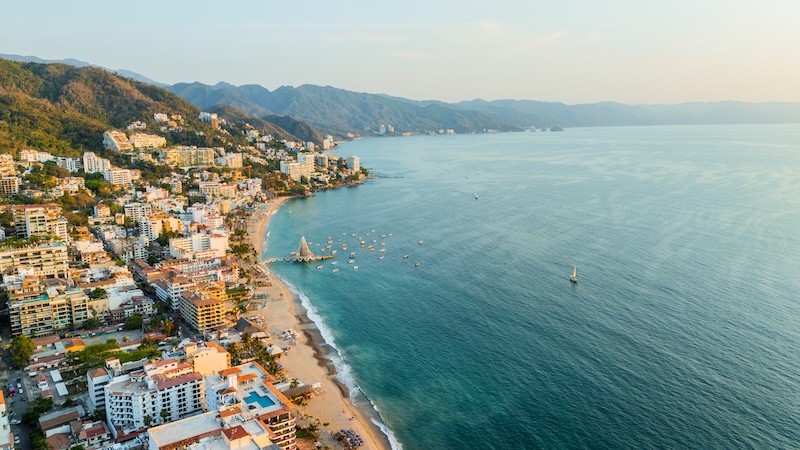
Within 72 hours, most roadblocks had been cleared and transportation services restored. Airports in Puerto Vallarta and Guadalajara resumed operations, and international carriers reinstated flights, in some cases with minor schedule adjustments. Reports from expat communities confirmed that businesses and restaurants in major tourist destinations reopened quickly as immediate tensions subsided.
What Has Actually Changed
The death of El Mencho represents two simultaneous realities. First, it marks a significant operational success for Mexican law enforcement. As Mexico prepares to co-host the 2026 World Cup, the removal of a cartel leader with a 15 million dollar U.S. bounty and a long record of violence signals state capacity and resolve.
Second, history suggests that eliminating a cartel leader rarely dismantles the organization itself.
When Joaquín “El Chapo” Guzmán was captured, the Sinaloa Cartel fractured into competing factions, leading to prolonged internal conflict rather than immediate peace. Leadership removals often create power vacuums that trigger short-term spikes in violence as rival lieutenants compete for control.
The CJNG may now face similar internal fragmentation. As leadership transitions unfold, violence can become less centralized and more unpredictable. Street-level instability may intensify in areas where CJNG maintains a strong presence.
For long-time observers of Mexico’s security landscape, this pattern is familiar. Past high-profile arrests and killings have frequently resulted in temporary surges in violence followed by gradual stabilization. In 2015, a major confrontation in Tanhuato involving CJNG demonstrated the cartel’s willingness to confront state forces directly with heavy weaponry. Similar cycles have repeated over the decades.
Academic research also indicates that leadership decapitation strategies alone rarely reduce long-term violence. Cartels often replenish their ranks quickly, driven by entrenched economic and social factors.
Is Mexico Still Safe to Visit
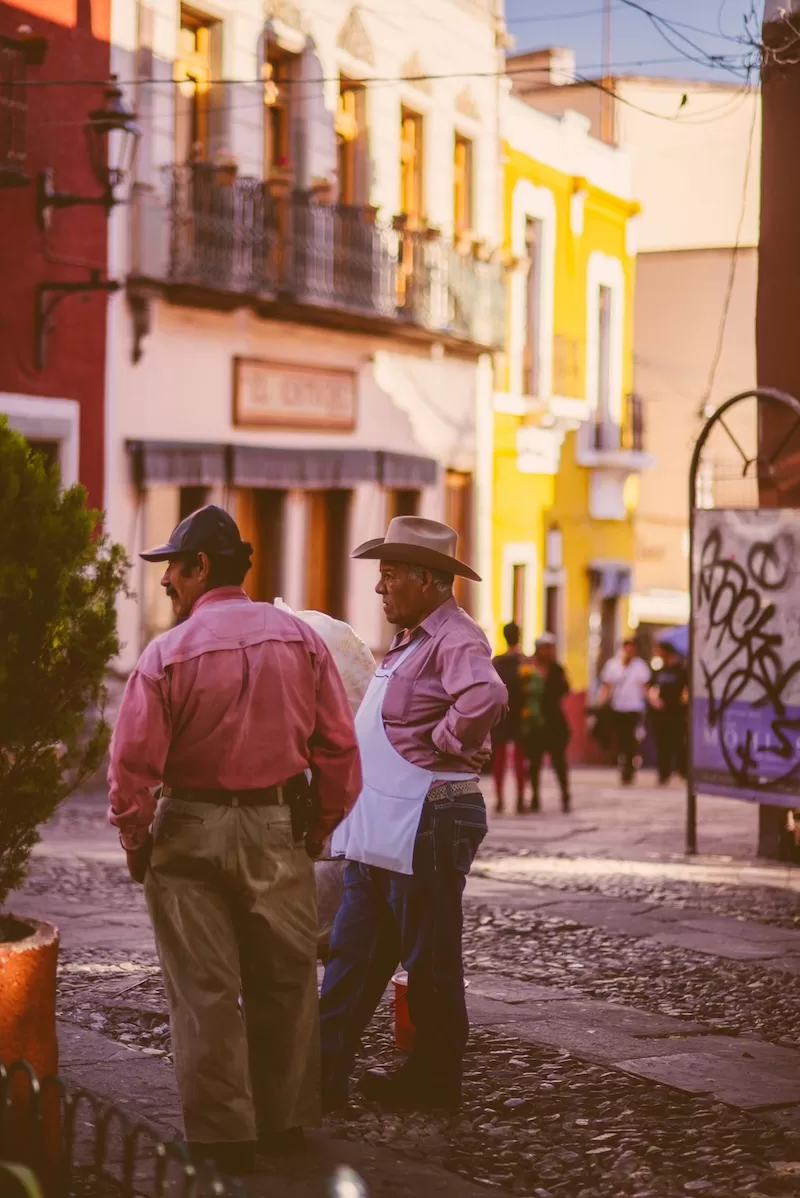
In practical terms, for most visitors, little has changed. The recent violence was concentrated primarily in interior states already known for cartel activity, particularly Jalisco and Michoacán. Many of Mexico’s most popular tourism corridors were unaffected. Cities such as Cancún, Oaxaca, and Mexico City remained stable.
Major international events, including the 2026 World Cup, continue to move forward. FIFA President Gianni Infantino has publicly expressed confidence in Mexico’s ability to host a safe and successful tournament.
Official advisories emphasize awareness and caution rather than widespread restriction. As spring break approaches, some U.S. universities have discouraged travel to specific regions, but there has been no blanket suspension of travel nationwide.
Mexico has long required situational awareness from travelers. This moment reinforces that reality rather than fundamentally altering it.
What It Means for Expats Already Living There
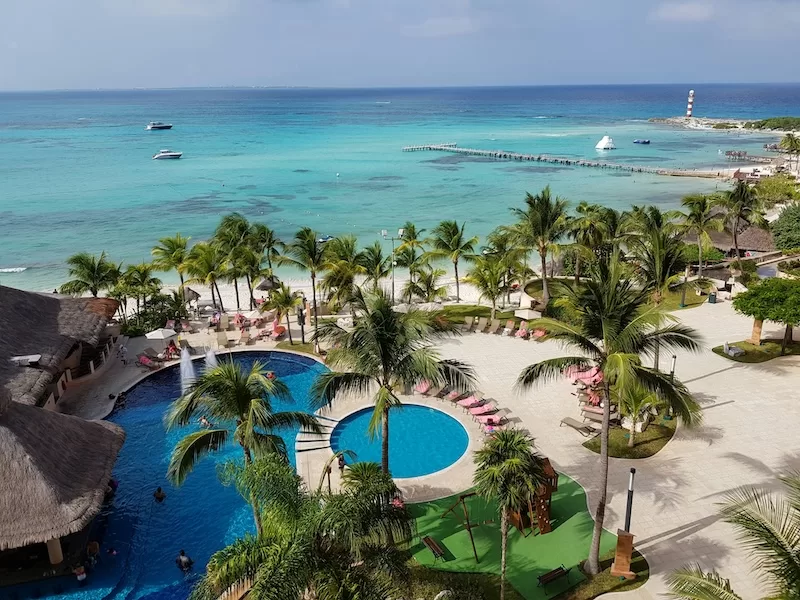
For long-term residents, including retirees, remote workers, and entrepreneurs, the situation is more nuanced than international headlines suggest.

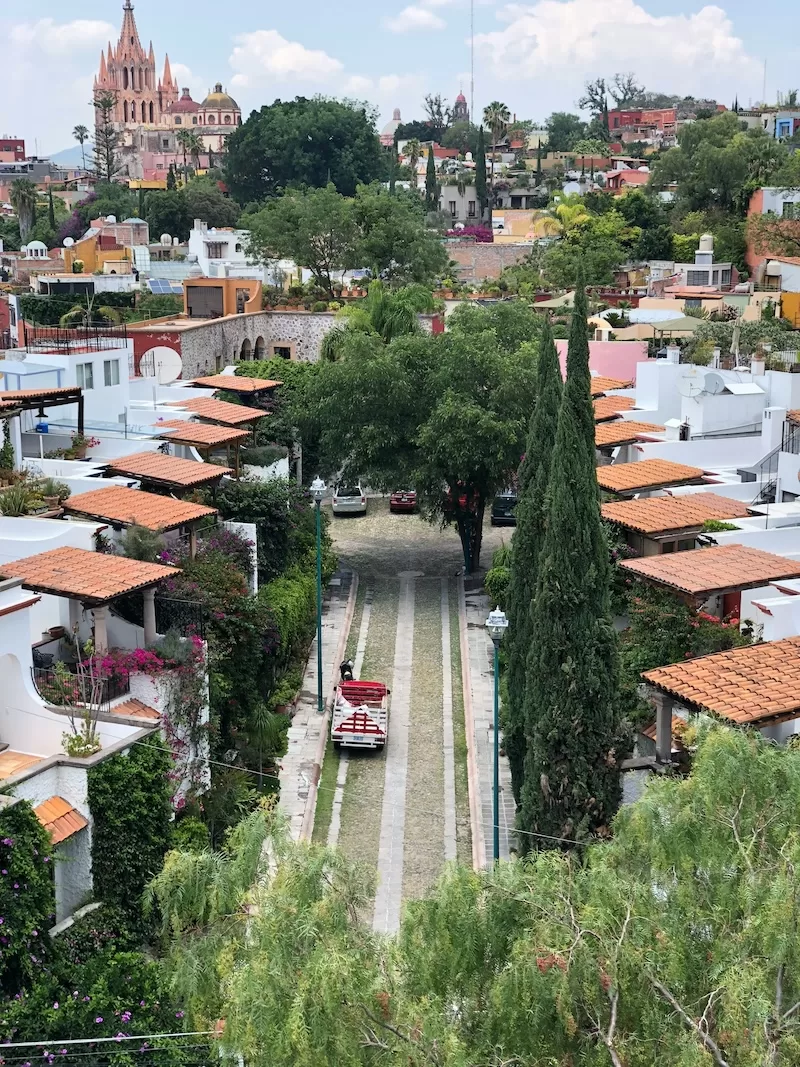
Those living in Mexico are accustomed to fluctuating security conditions and regional variation. In communities such as Puerto Vallarta, Guadalajara, and San Miguel de Allende, residents reported temporary disruptions followed by a relatively quick return to normal routines.
That said, the events serve as a reminder that security considerations are part of life in Mexico in ways that differ from many other popular expat destinations. Access to reliable local information and cautious travel through certain interior corridors remain prudent practices.
Mexico is not homogeneous. It is geographically vast and regionally diverse. Safety conditions vary significantly from state to state. Some areas experience minimal cartel presence, while others contend with entrenched criminal influence. Governance capacity and enforcement strength differ widely across the country.
Long-term stability tends to be shaped by systemic factors rather than isolated incidents. Economic opportunity, recruitment dynamics, and institutional strength evolve over years, not days. Regions considered relatively stable are unlikely to descend into chaos without broader structural deterioration.
Where This Leaves Mexico
The death of El Mencho marks a significant chapter in Mexico’s decades-long struggle against organized crime. It demonstrates the state’s willingness and ability to target high-profile cartel leadership while also revealing the volatility that can accompany such operations.
Order was largely restored within days despite the scale of retaliation. The event is unlikely to represent a dramatic turning point in Mexico’s broader security landscape. Instead, it reflects the continuing complexity of a long-running conflict.
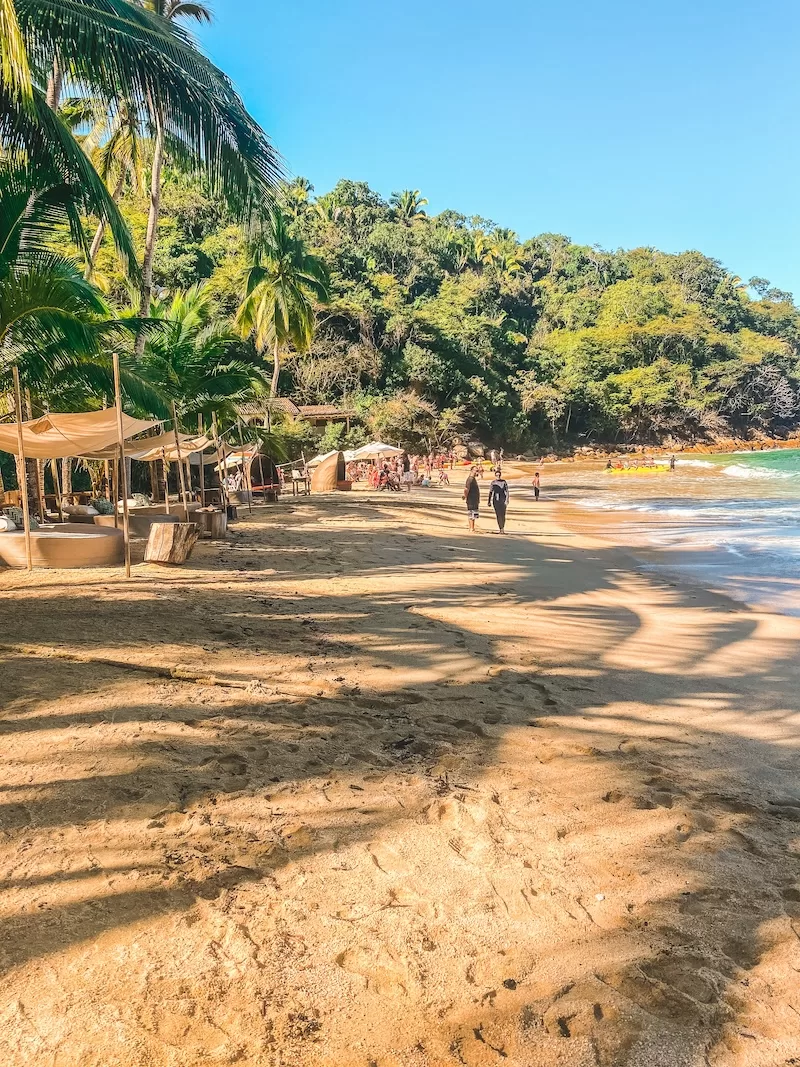
Mexico remains culturally rich, economically significant, and deeply layered. It continues to attract millions of visitors and a substantial expat population each year.
Understanding the country requires nuance. Recognizing where caution is warranted, where fear is amplified, and where long-term realities differ from viral moments is essential.
Navigating that complexity with informed judgment and regional awareness remains the most balanced path forward.
Key Takeaways
Q1: Is Mexico Safe to Visit After El Mencho’s Death?
A: For most visitors, little has changed. The recent violence was concentrated primarily in interior states already known for cartel activity, particularly Jalisco and Michoacán. Many of Mexico’s most popular tourism corridors remained unaffected, and cities such as Cancún, Oaxaca, and Mexico City remained stable. Within 72 hours, most roadblocks had been cleared, transportation services were restored, and airports resumed operations. Official advisories emphasize awareness and caution rather than widespread restriction.
Q2: How Does El Mencho’s Death Affect Long-Term Expats and Residents?
A: For long-term residents, including retirees, remote workers, and entrepreneurs, the situation is more nuanced than international headlines suggest. Those living in Mexico are accustomed to fluctuating security conditions and regional variation. In communities such as Puerto Vallarta, Guadalajara, and San Miguel de Allende, residents reported temporary disruptions followed by a relatively quick return to normal routines. The events serve as a reminder that security considerations are part of life in Mexico, though this reinforces existing realities rather than fundamentally altering them.
Q3: What Role Did Misinformation Play in the Public Perception of the Violence?
A: In the immediate aftermath of El Mencho’s death, videos circulated widely online showing alleged cartel gunmen storming airports and engaging in widespread attacks. Research from Mexico’s Tecnológico de Monterrey later suggested that many of the most alarming videos were AI-generated or digitally manipulated. Analysts believe that elements within CJNG may have amplified misinformation as a form of psychological warfare. Regardless of origin, the imagery spread rapidly and shaped international perception, with many observers abroad reinforcing the idea that violence was nationwide and indiscriminate.
Q4: Will El Mencho’s Death Create Long-Term Stability or More Violence?
A: History suggests that eliminating a cartel leader rarely dismantles the organization itself. When Joaquín “El Chapo” Guzmán was captured, the Sinaloa Cartel fractured into competing factions, leading to prolonged internal conflict rather than immediate peace. Leadership removals often create power vacuums that trigger short-term spikes in violence as rival lieutenants compete for control. The CJNG may now face similar internal fragmentation, potentially leading to less centralized and more unpredictable violence in the short term. Academic research indicates that leadership decapitation strategies alone rarely reduce long-term violence.
Q5: What Does This Event Mean for Mexico’s Future as a Tourism and Expat Destination?
A: Mexico remains culturally rich, economically significant, and deeply layered. It continues to attract millions of visitors and a substantial expat population each year. The death of El Mencho marks a significant chapter in Mexico’s decades-long struggle against organized crime, demonstrating the state’s willingness and ability to target high-profile cartel leadership. Major international events, including the 2026 World Cup, continue to move forward with FIFA President Gianni Infantino publicly expressing confidence in Mexico’s ability to host a safe and successful tournament. Understanding the country requires nuance: recognizing where caution is warranted, where fear is amplified, and where long-term realities differ from viral moments is essential.
About the Author
Ethan Rooney is an Irish journalist covering global communities, culture, and niche movements. You can find more of his work here.
Contact Author
"*" indicates required fields
Stay Ahead on Every Adventure!
Stay updated with the World News on Escape Artist. Get all the travel news, international destinations, expat living, moving abroad, Lifestyle Tips, and digital nomad opportunities. Your next journey starts here—don’t miss a moment! Subscribe Now !
The killing of cartel kingpin Nemesio Rubén Oseguera Cervantes, better known as “El Mencho,” has sparked a wave of backlash across parts of Mexico, setting off violence, government response, and global media attention.
El Mencho, the leader of the Jalisco New Generation Cartel (CJNG), was killed on February 22 during a joint Mexican military and intelligence operation. One of the most powerful and violent figures in Mexico’s modern drug war, his death reverberated immediately across social media, diplomatic circles, and international news outlets. The consequences are still unfolding.
According to Mexican authorities, El Mencho was located at a rural property near Tapalpa, Jalisco. A violent confrontation followed, resulting in his death along with several bodyguards. In the hours that followed, CJNG members began retaliating.
If you'd like to read the full story, simply enter your email to subscribe to our newsletter.
For even more expert insights, unmissable resources, and exclusive invites, explore our premium subscription offers here.
OR
Already a Subscriber? Click here to login
Subscription required
You've reached your limit of free articles. For full access to Escape Artist, and all of our insights on travel, moving abroad, and the digital nomad life, click here to Subscribe.
Already a Subscriber? Log in here