There are very few moments in any emerging market when the timing, the product, the team, and the price point all align in the same place at the same time, and Zanzibar’s north coast is having one of those moments right now. Liyongo, the boutique village resort being developed in Kendwa by British entrepreneur Christopher Nash, is sitting at the centre of it, with prices finalised and made public last week, the contractor identified, and site preparations are now underway.
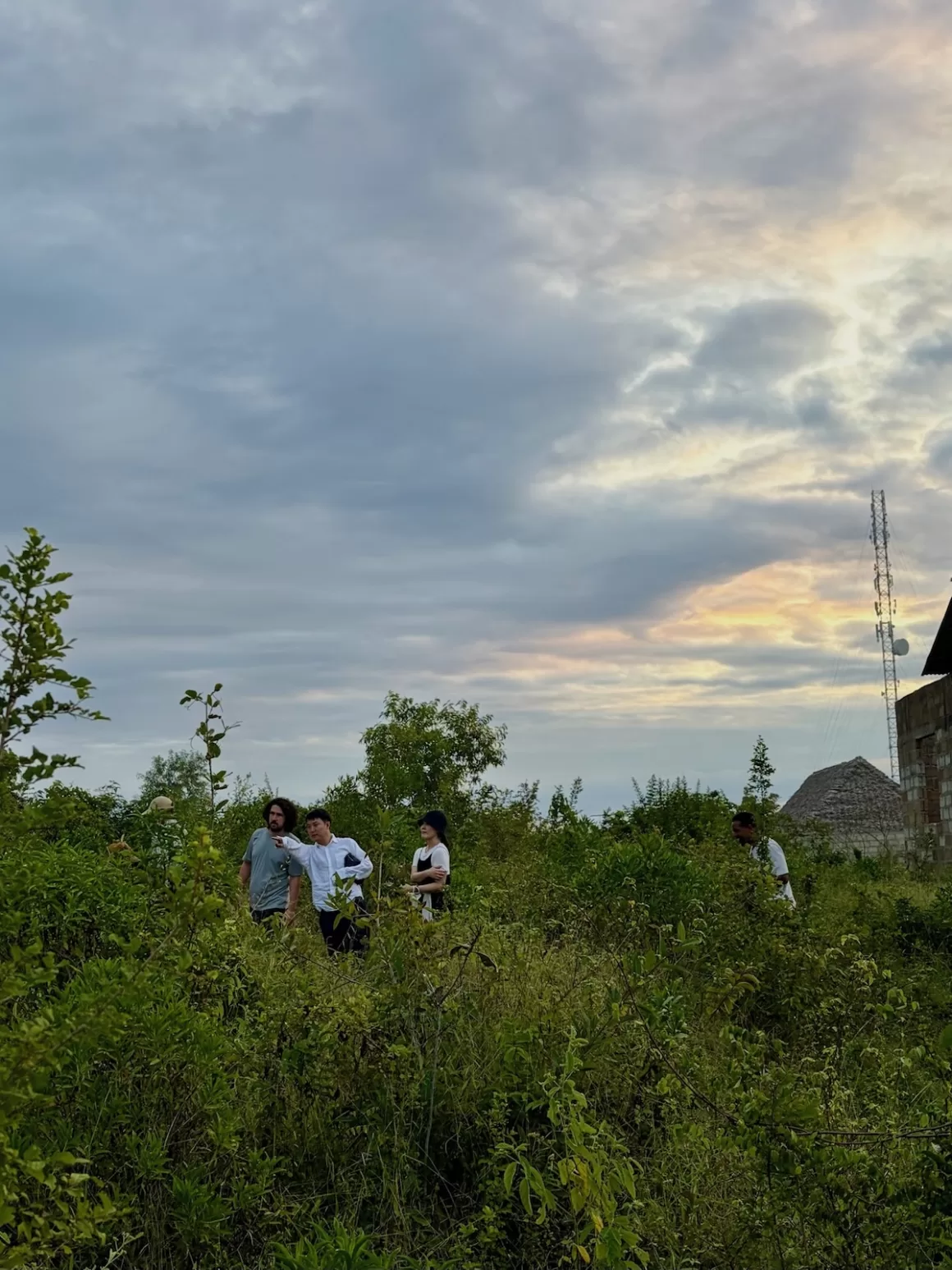
On the ground in Kendwa, the fencing is going up, the well is being drilled, and the land is being cleared, all of which marks a meaningful shift from a project that existed primarily on paper to one that is visibly and irreversibly underway. This is precisely the point at which the best available price and the clearest investment case coincide, and for anyone who has been watching Liyongo from a distance and wondering when the right moment to engage might be, that moment is now.
The Island the Market Has Been Underestimating
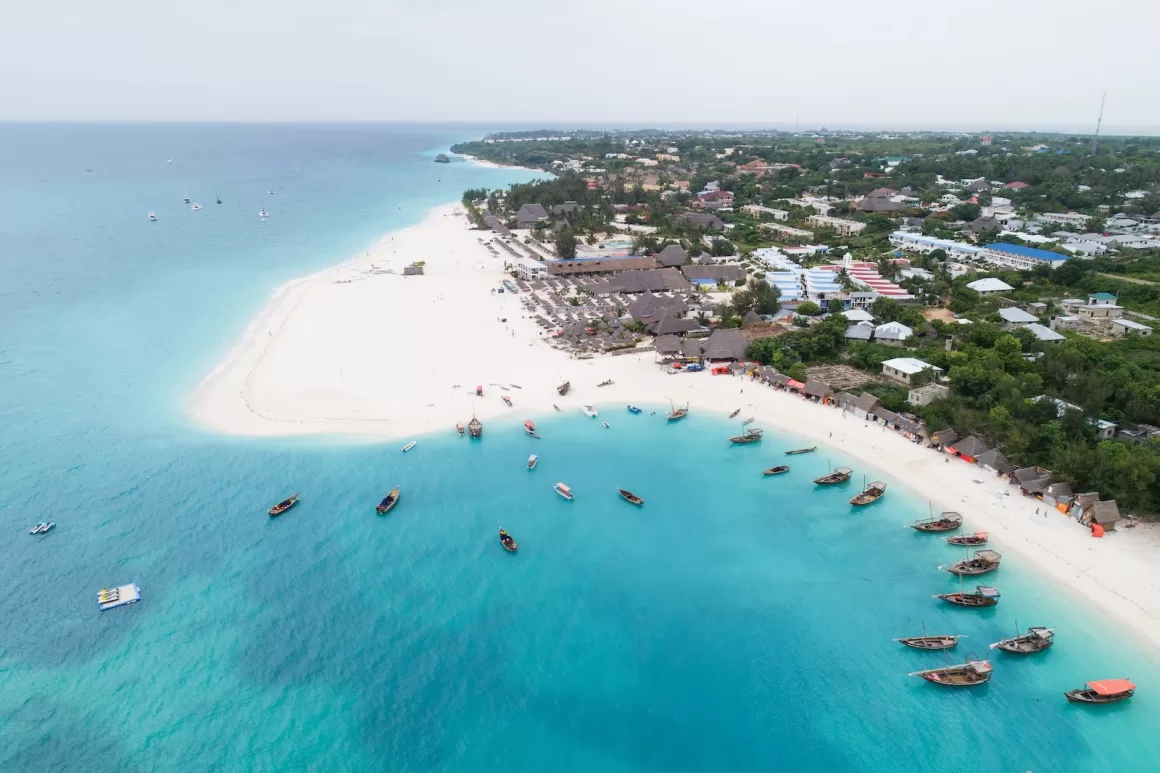
Zanzibar is one of those places that has spent decades being slightly underestimated by the international investment community, which is partly what makes it interesting right now. The island sits off the coast of Tanzania in the Indian Ocean, close enough to the mainland to be easily accessible and far enough away to feel genuinely removed from it, and it has been drawing a steadily wealthier and more discerning traveller over the past decade as word has spread about the quality of its coastline, its food, its culture, and the particular unhurried rhythm of daily life that the north coast in particular seems to produce in people who spend any real time there.
The hospitality market has not kept pace with the quality of demand, which is the central fact that makes a well-built, well-managed boutique resort in the right location such a compelling proposition at this moment.
Sixty Villas and a Different Kind of Resort
Liyongo sits on a landscaped plateau above Kendwa’s shoreline on Zanzibar’s north-west coast, close enough to the beach to reach it easily but set back far enough to feel genuinely removed from the activity of the coast, which is precisely the combination that the most discerning segment of the hospitality market is increasingly seeking out.
The development comprises sixty villas across five typologies, each designed in the Swahili coastal tradition by Julian Huang of Cottelier, an architectural firm based in Chiang Mai whose work across Southeast Asia and the Indian Ocean has built a reputation for sustainable, community-driven design that sits unusually well with what Liyongo is trying to achieve. Every villa is fully furnished, with the furniture pack included in the list price rather than charged as a separate addition, and every villa enters the Liyongo rental pool on handover, managed centrally with revenues distributed to owners on a quarterly basis.
Nash has spent his career building community-focused hospitality businesses, and Liyongo is the most ambitious expression of that work to date, informed by the years he spent at Accenture and Publicis Sapient managing complex transformation projects and by the community hospitality background he brought with him before that. The project is structured as a genuine British-Tanzanian partnership, with co-founder Victor Delo, whose family roots are in Kendwa and whose brother Jerry has spent more than twenty years building relationships with the village leadership in the north of the island, providing the community depth and local network that make the project’s relationship with Kendwa real rather than performative.
Designed to Feel Like It Has Always Been There
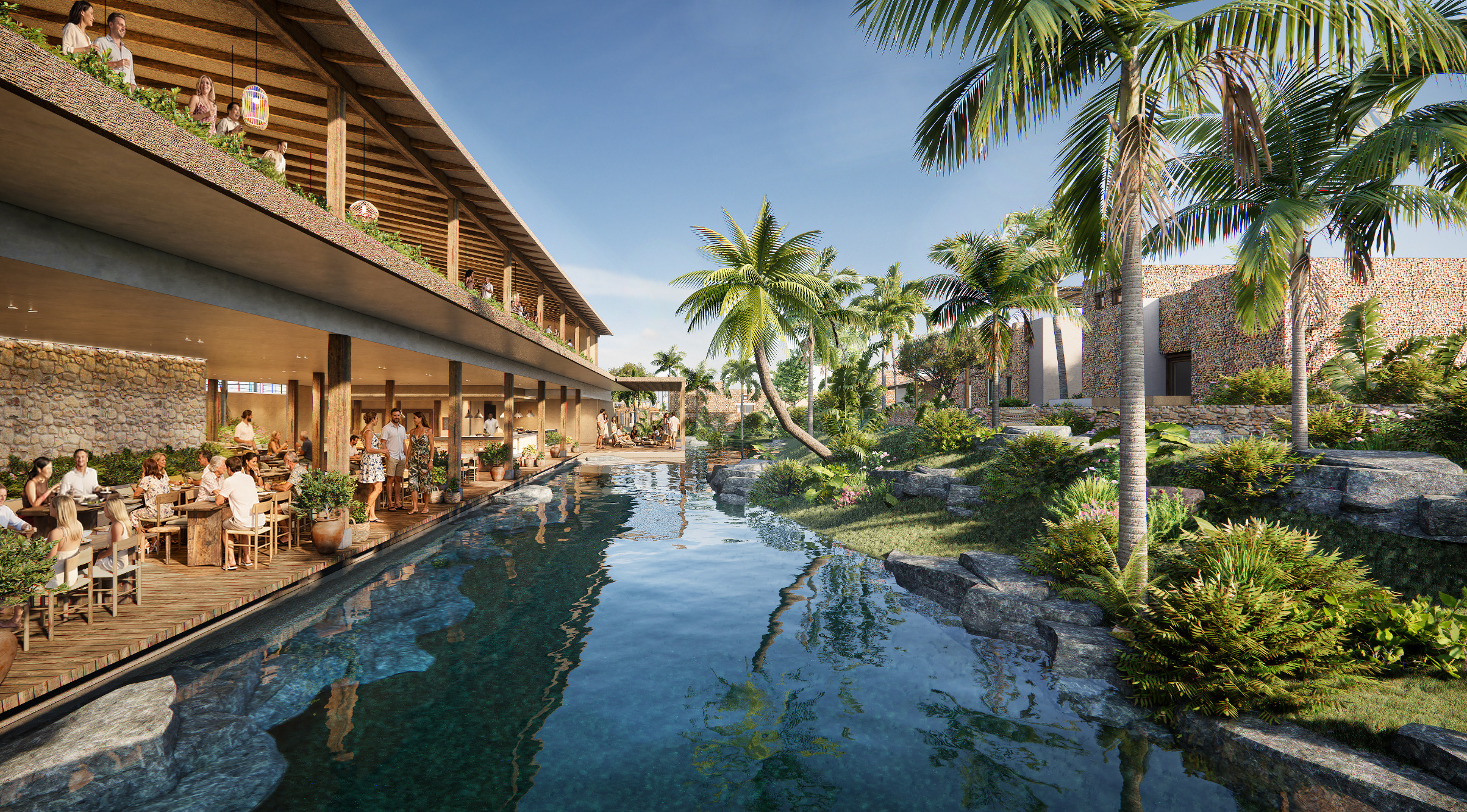
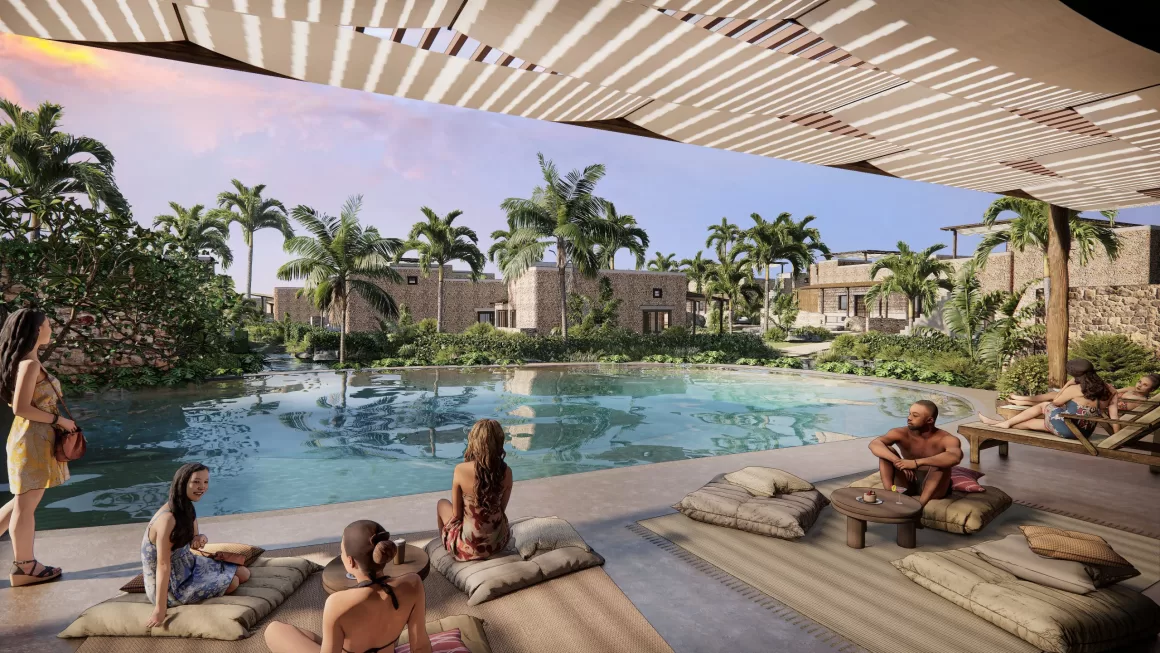
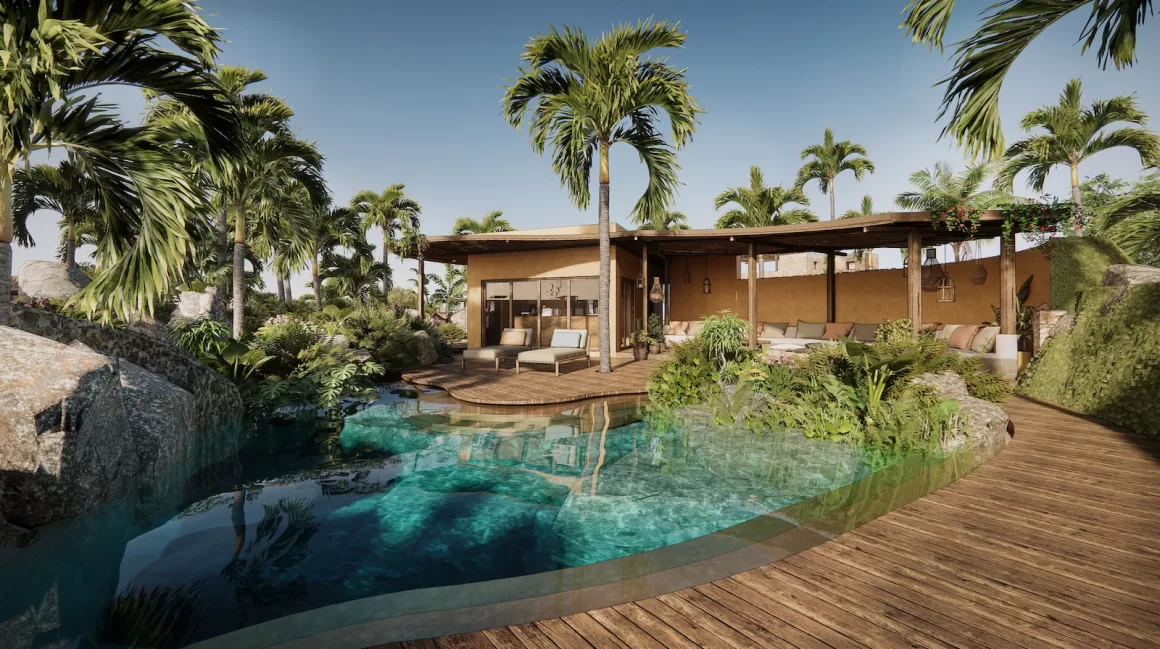
The architecture draws from Swahili coastal village tradition rather than the generic luxury resort vocabulary that has flattened so many beachside destinations around the world into interchangeable versions of the same compound. Coral stone, lime render, shaded terraces designed to catch the breeze, courtyards that create intimacy without sacrificing privacy, and a saltwater lagoon running through the heart of the estate, all of it designed to feel as though it has always belonged to this particular piece of land rather than been imposed upon it.
Interiors merge into gardens, spaces breathe with the breeze, and the overall effect is of somewhere that has been built with genuine care for where it sits and for the people who will eventually move through it.
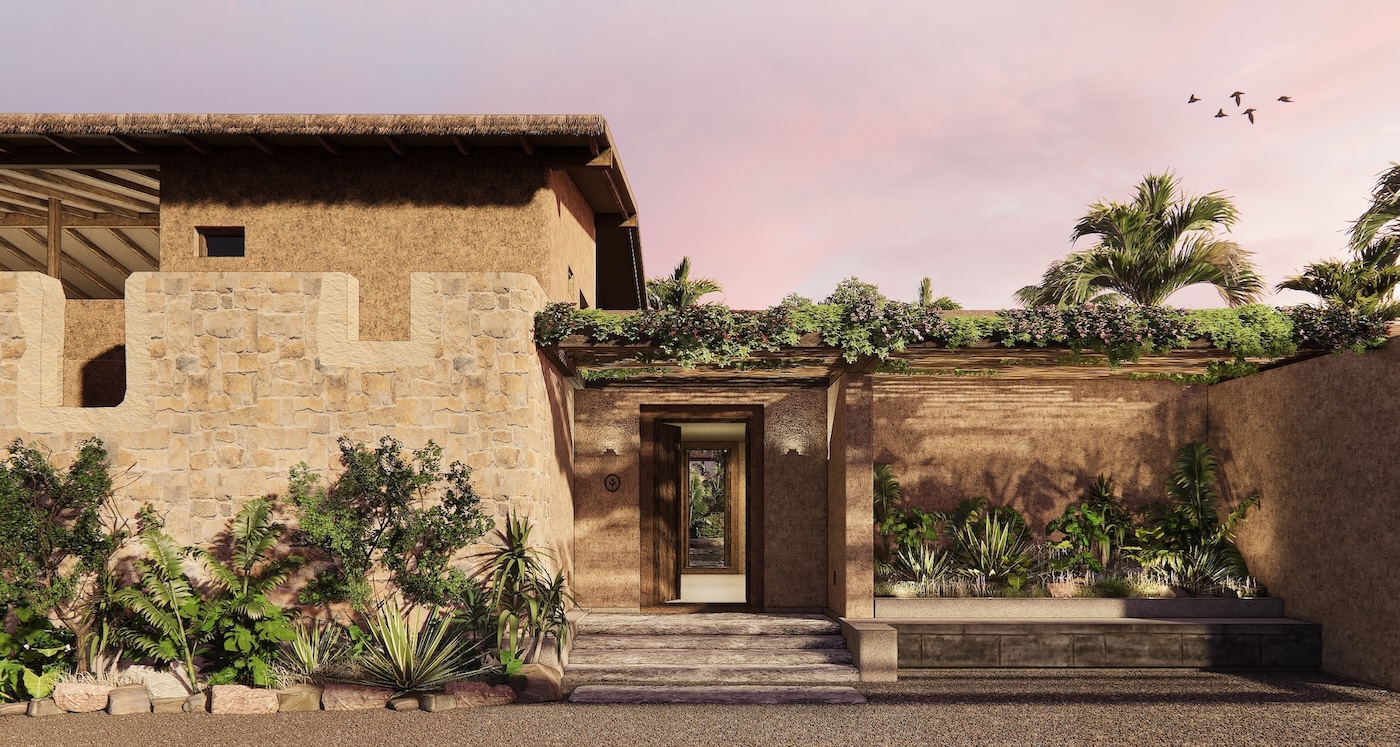
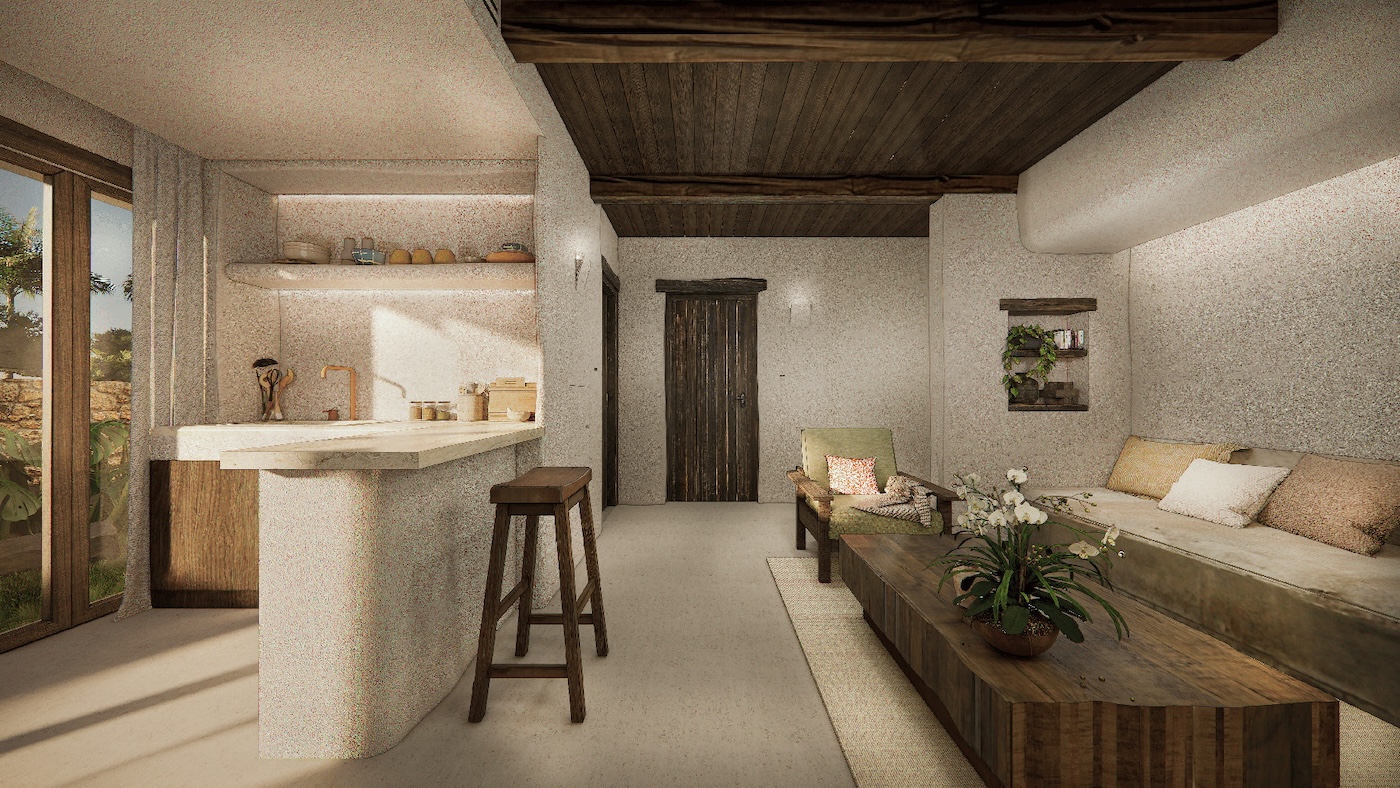
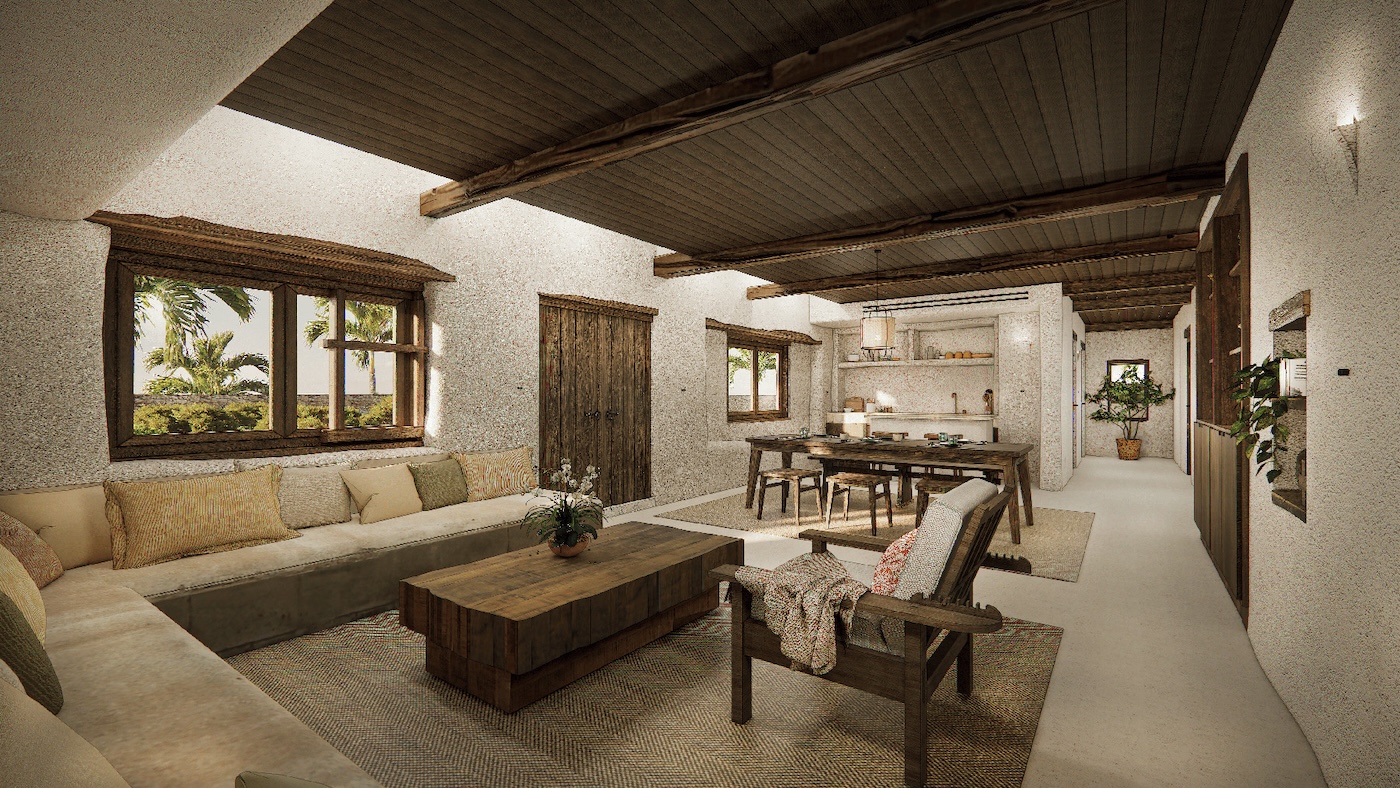
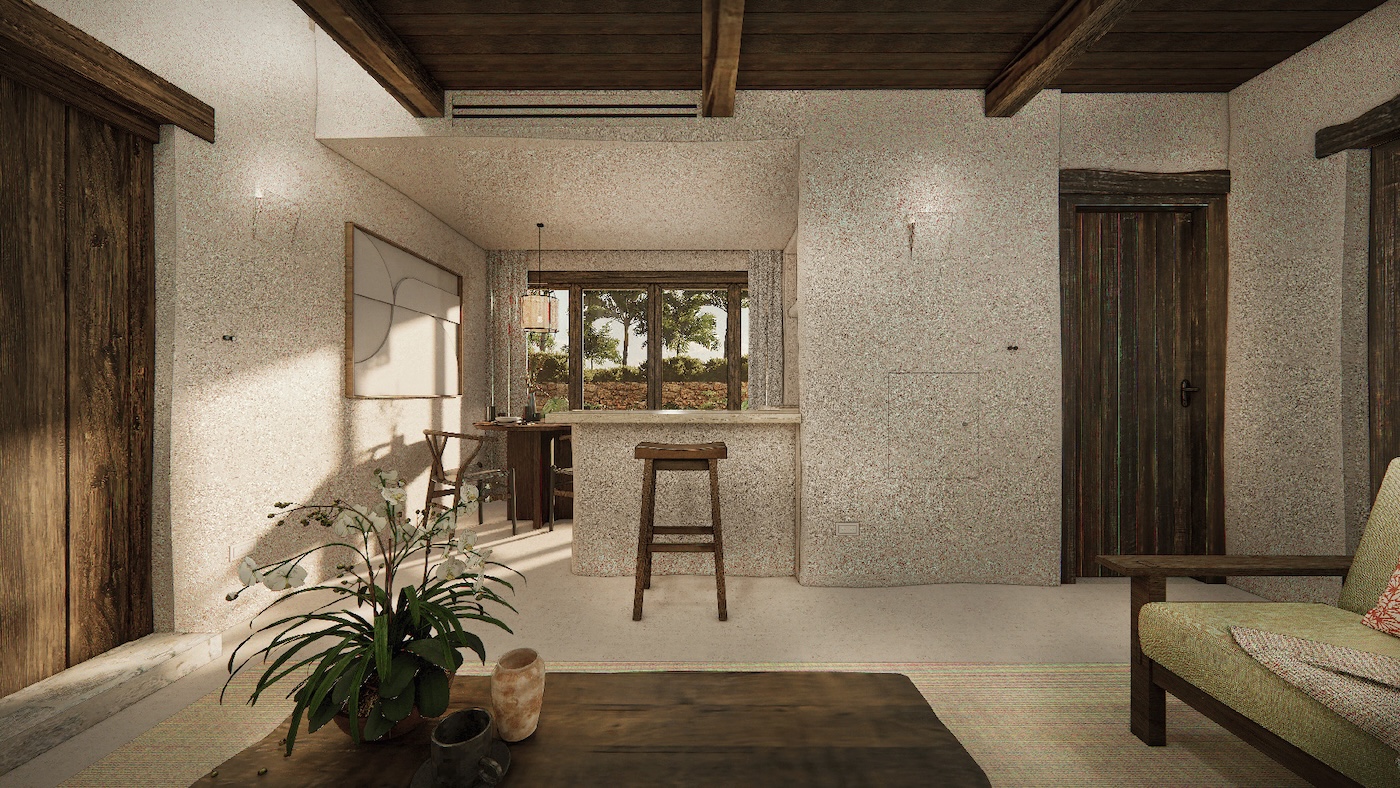
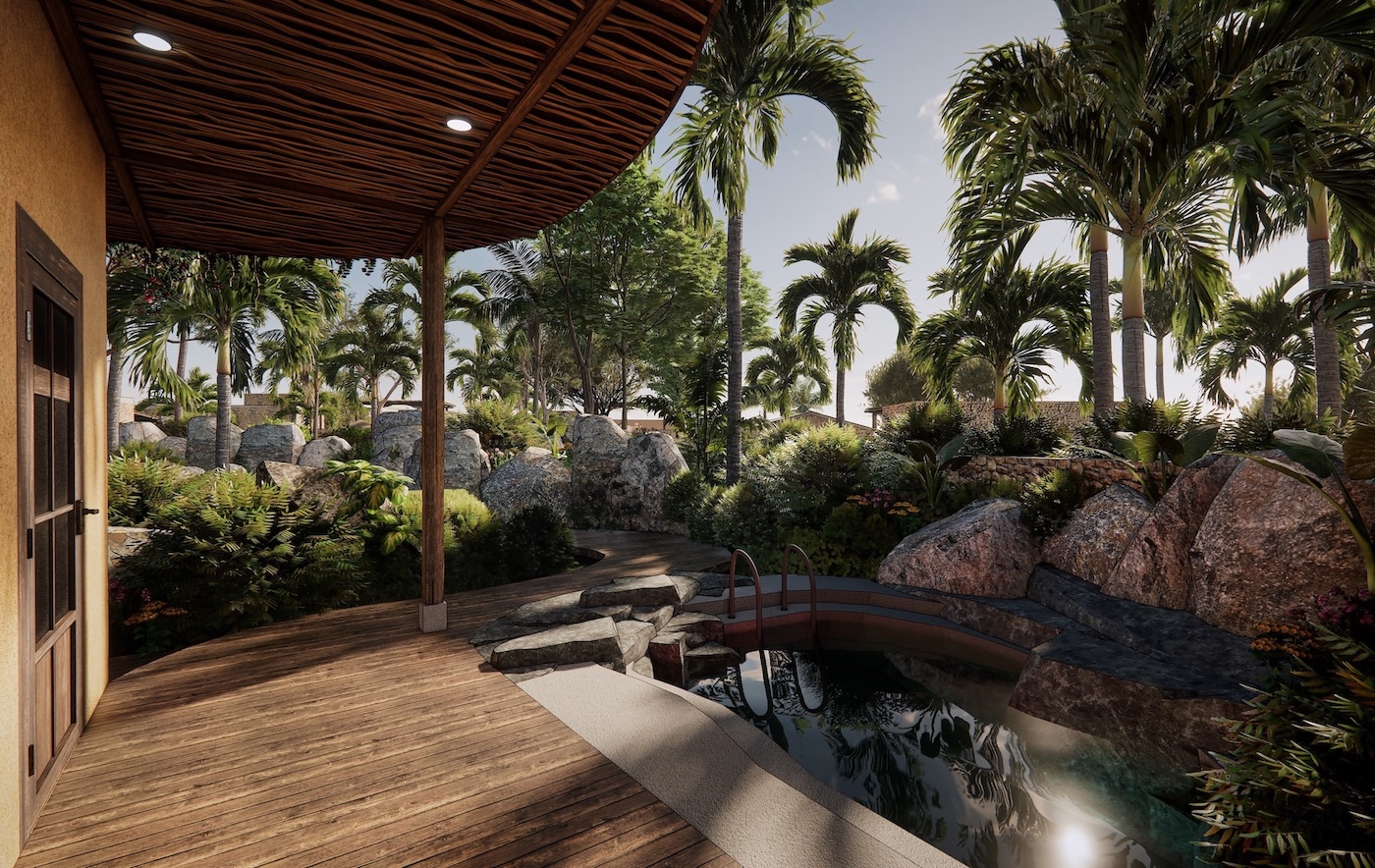
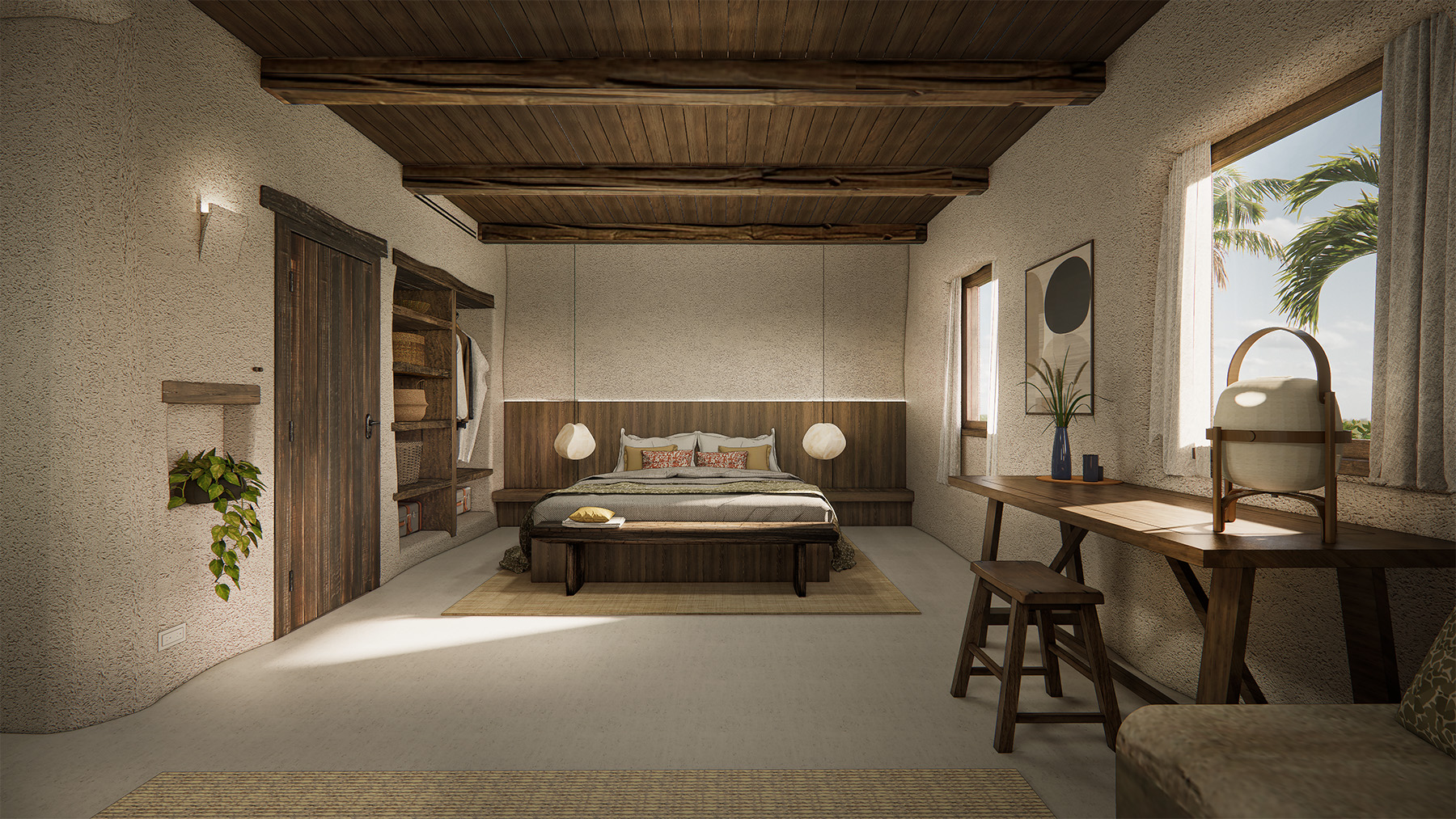
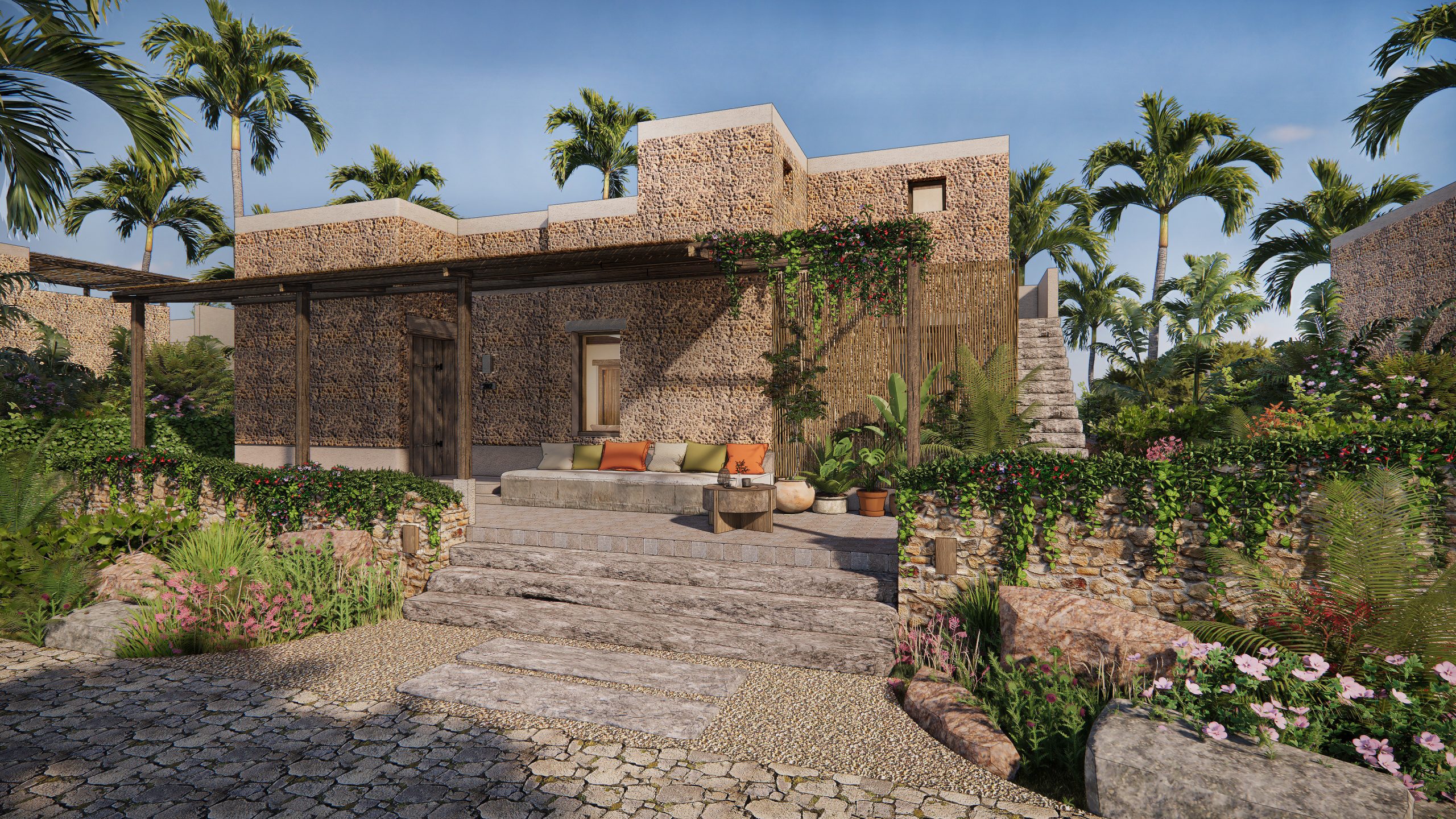
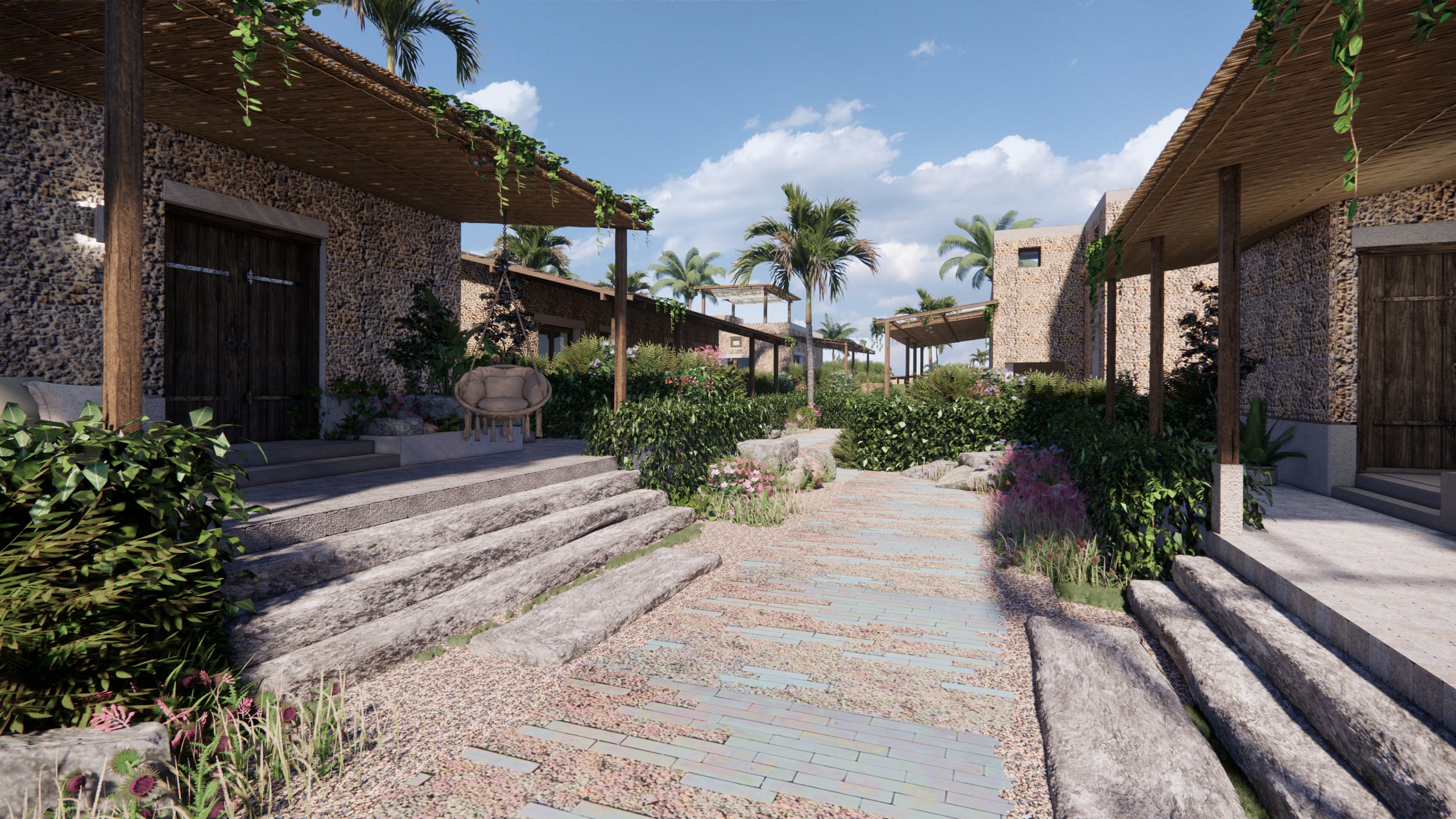
Villa typologies, each fully furnished and entering the rental pool on handover.
Read More Like This: Zanzibar as the New Ritual Escape
The Numbers Behind the Decision
The five villa typologies range from Kwetu, a one-bedroom studio starting from $145,000, through Makao, a one-bedroom detached villa from $195,000, Kaya, a one-bedroom plunge pool villa from $245,000, and Pamoja, a two-bedroom gathering house from $395,000, up to Jumba, the three-bedroom grand house starting at $525,000.
Every villa is held on a 99-year leasehold title structured as a 33-year renewable term under Zanzibar’s Condominium Act, which is the standard framework for property ownership on the island and applies equally to every development in this market, since Zanzibar does not offer freehold to foreign investors. What buyers are acquiring is not merely a property interest but a revenue-generating stake in a professionally managed boutique resort, with title deed, quarterly distributions, and a clear operational structure.
The payment schedule is staged in line with construction milestones, releasing funds as the project progresses through identifiable and verifiable stages rather than requiring the full purchase price upfront. A five percent reservation fee is payable on signing, followed by a 25 percent initial deposit on signing the legal purchase agreement, then three further payments of 20 percent each tied to the start of foundations, the start of interiors, and the completion of interiors, with the final ten percent due at handover, which is targeted for Autumn 2028.
Villas available in Phase One, the Founder’s Release, are Kwetu and Makao, which represent the entry points into the project at the best available price, before construction commences and before the premium that attaches to visible momentum is reflected in the asking price.
Phase One is the Founder’s Release. These are the best available prices, before construction commences and before the premium that attaches to visible momentum is priced in.
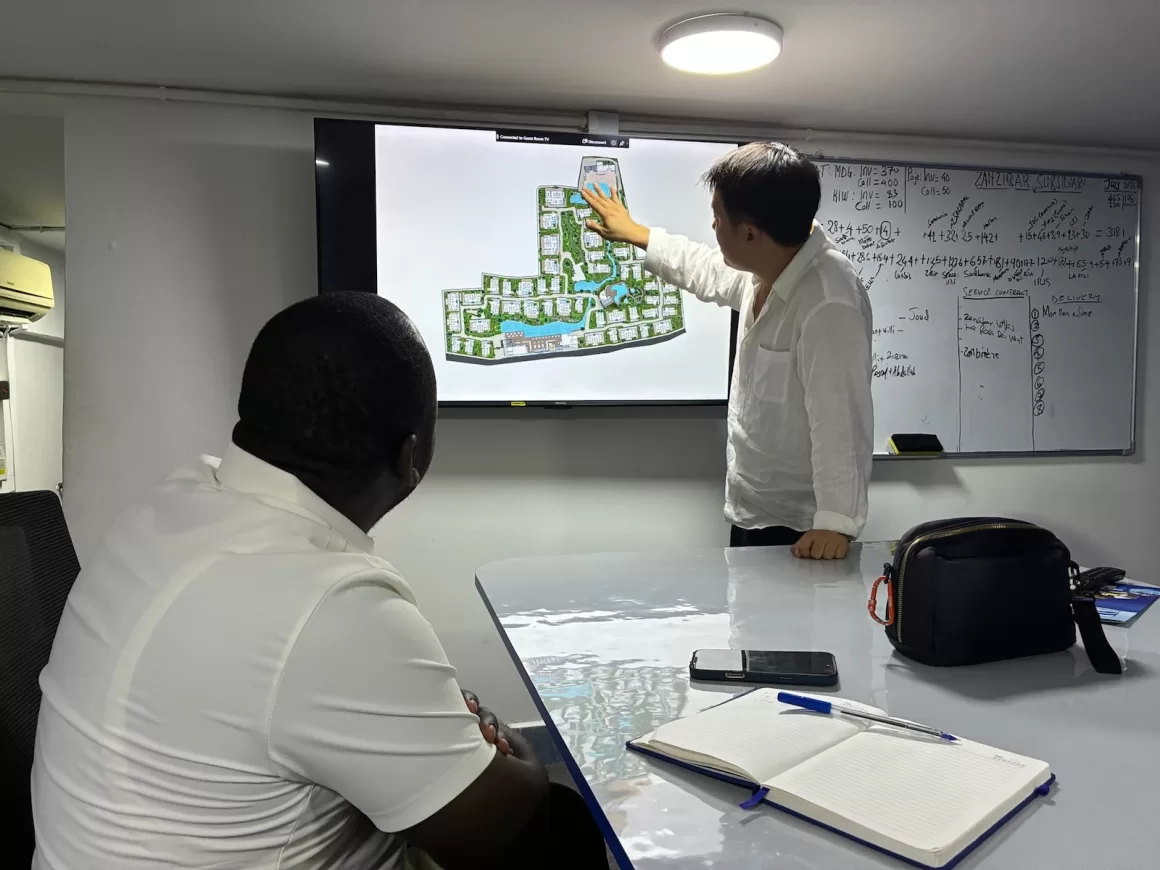
Why the Returns Are Worth Taking Seriously
The Finance Pack includes a worked example for Makao that illustrates how the rental income flows from a guest booking through to the owner’s annual return. Projected against an average daily rate of $250 at an average occupancy of 62 percent, Makao generates projected gross income of $56,699, from which all operating deductions are made, including VAT at 15 percent on the room rate, online tour operator commission of 15 percent on applicable bookings, the annual service charge, direct consumables, insurance, furniture fixture and equipment replacement, utilities, and a management fee of 35 percent that covers on-site operations, reservations, maintenance, and guest coordination, leaving the owner with an annual income of $23,309 against a purchase price of $195,000, which is a net yield of approaching 12 percent in the first year of operation alone.
Across the full range of villa typologies, the ROI modelling calculated over a five-year period from handover shows an average annual return of between 13 and 14 percent, with a payback period across the range of between 7.24 and 7.61 years. These figures are grounded in third-party market analysis of comparable properties already operating on Zanzibar’s north coast, where occupancy rates of between 65 and 75 percent are being achieved in established operations and nightly rates range from $180 to $450 depending on villa size and configuration. It is worth noting that the projections are deliberately conservative: average occupancy across comparable properties in Kendwa currently sits at 77.5 percent, while Liyongo’s modelling works from an anticipated average of 62 to 64 percent over the first five years, meaning real-world returns for owners are likely to exceed the figures presented here.
Experience Where It Counts
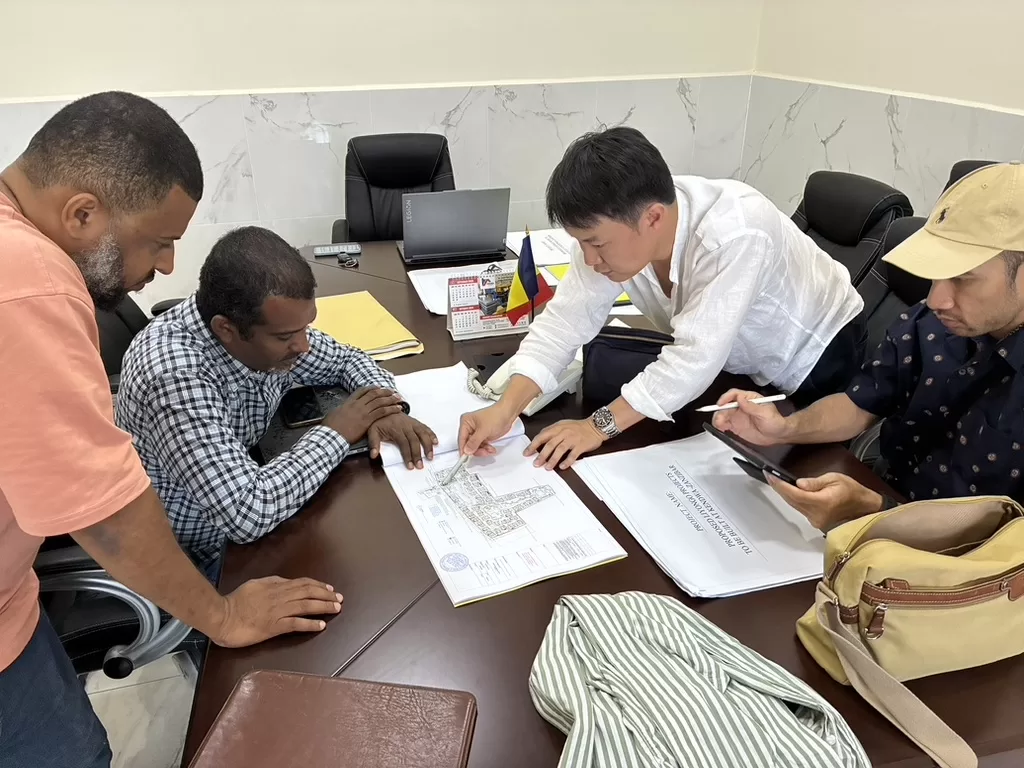
The strength of any hospitality investment ultimately rests on the quality of the people operating it, and Liyongo’s team addresses the primary failure points of this kind of development from a position of genuine experience. Roberto Pelliccia, the COO, brings over thirty years in international hotel management, having launched and repositioned resorts across Southeast Asia, the Indian Ocean, Africa, and the Caribbean, with specific expertise in operations, asset management, food and beverage, and resort development that goes well beyond what most off-plan hospitality projects can draw on at this stage. Bobby McKenna, the development lead, has spent more than three decades in East Africa working on design-led, sustainable hospitality developments and advising on award-winning resorts and residential projects across the region, and crucially, Liyongo is both developer and operator, meaning the team responsible for building the villas is the same team on the hook for delivering the returns, an alignment of incentives that is not common in off-plan hospitality investment.
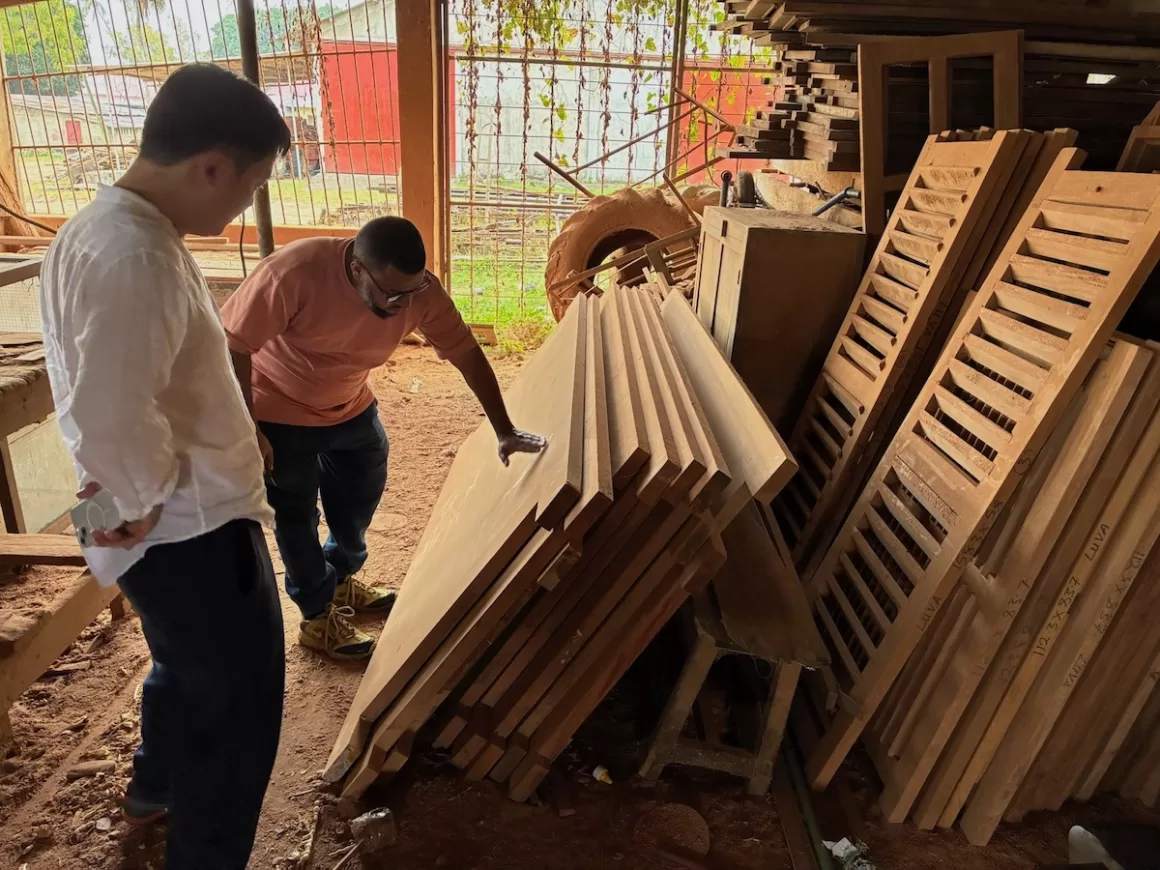
The lead contractor, Ahmed Nassor of Mazrui Building Contractors, has been based in Zanzibar since 1953 and brings a depth of island-specific building knowledge and resort construction experience that cannot be replicated by a firm brought in from outside, which matters considerably in a jurisdiction where the regulatory environment, the supply chains, and the construction realities are specific enough to catch out developers who underestimate them. David Kasten, the chief finance advisor, is a former CFO of Interstate China and brings nearly three decades at Marriott across the Caribbean, Latin America, and Asia Pacific, alongside a career in travel and hospitality finance that gives the project’s financial structure a level of rigour that investor confidence depends on.
Liyongo is not a project I describe as mine alone. It is a British-Tanzanian partnership in the deepest sense, and that is what makes it different.
The Next Step
The full Financial Information Pack, including detailed pricing across all villa typologies, the complete payment schedule, the rental pool mechanics, and the full ROI modelling, is available on request and provides the level of detail that any serious investor will want to look at before making a decision. The broker network being assembled around the project already includes one partner bringing a group of thirty-five prospective investors to visit the site in October, which gives a reasonable indication of the level of interest the project is generating among people who have already had a proper look at it, and sales discussions with prospective buyers are open now for anyone ready to explore what ownership at Liyongo looks like.
The window to engage at Phase One pricing is open right now and will not remain open indefinitely, and for anyone who has been considering Liyongo seriously, the combination of a credible team, a transparent financial structure, and a market that is consistently delivering the kind of returns being projected here is genuinely difficult to find elsewhere in East Africa at this moment in time.
For the Liyongo Financial Information Pack or any other enquiries, please get in touch using the contact form below.
————————————-
Liyongo is a new village-style residential retreat in Kendwa, designed as a contemporary interpretation of Zanzibar’s Swahili coastal architecture and slower rhythm of life. Set within the island’s north-west coastline, the project blends barefoot living, cultural authenticity, and community-centred design with the atmosphere of modern East African hospitality.
Read More Like This: Looking Up: How One Entrepreneur Is Reimagining Tourism in Zanzibar
About the Author
Contact Author
"*" indicates required fields
Stay Ahead on Every Adventure!
Stay updated with the World News on Escape Artist. Get all the travel news, international destinations, expat living, moving abroad, Lifestyle Tips, and digital nomad opportunities. Your next journey starts here—don’t miss a moment! Subscribe Now !
There are very few moments in any emerging market when the timing, the product, the team, and the price point all align in the same place at the same time, and Zanzibar’s north coast is having one of those moments right now. Liyongo, the boutique village resort being developed in Kendwa by British entrepreneur Christopher Nash, is sitting at the centre of it, with prices finalised and made public last week, the contractor identified, and site preparations are now underway.
On the ground in Kendwa, the fencing is going up, the well is being drilled, and the land is being cleared, all of which marks a meaningful shift from a project that existed primarily on paper to one that is visibly and irreversibly underway. This is precisely the point at which the best available price and the clearest investment case coincide, and for anyone who has been watching Liyongo from a distance and wondering when the right moment to engage might be, that moment is now.
If you'd like to read the full story, simply enter your email to subscribe to our newsletter.
For even more expert insights, unmissable resources, and exclusive invites, explore our premium subscription offers here.
OR
Already a Subscriber? Click here to login
Subscription required
You've reached your limit of free articles. For full access to Escape Artist, and all of our insights on travel, moving abroad, and the digital nomad life, click here to Subscribe.
Already a Subscriber? Log in here