Introduction
Italy pulls people in for the obvious reasons: the art, the food, the way a simple espresso at a street bar can feel like a small ceremony. But beauty doesn’t always mean cheap, and living costs shift dramatically depending on where and how you live. Knowing what daily life really costs helps you land with your eyes open.
In this guide, you’ll find a clear look at everyday expenses, including housing, food, transport, healthcare, and more. We’ll compare prices across major hubs and smaller towns, explore regional contrasts, and offer tips to stretch your euros without sacrificing the good life.
What Determines the Cost of Living in Italy
Italy’s cost of living is as varied as its landscapes. A month in Milan doesn’t feel like a month in Palermo, and your budget tells that story. What you spend depends on math but also on the kind of life you choose to build here.
- Location: Milan and Rome are the priciest. Smaller cities like Bologna and coastal or southern cities like Palermo and Naples are often more affordable.
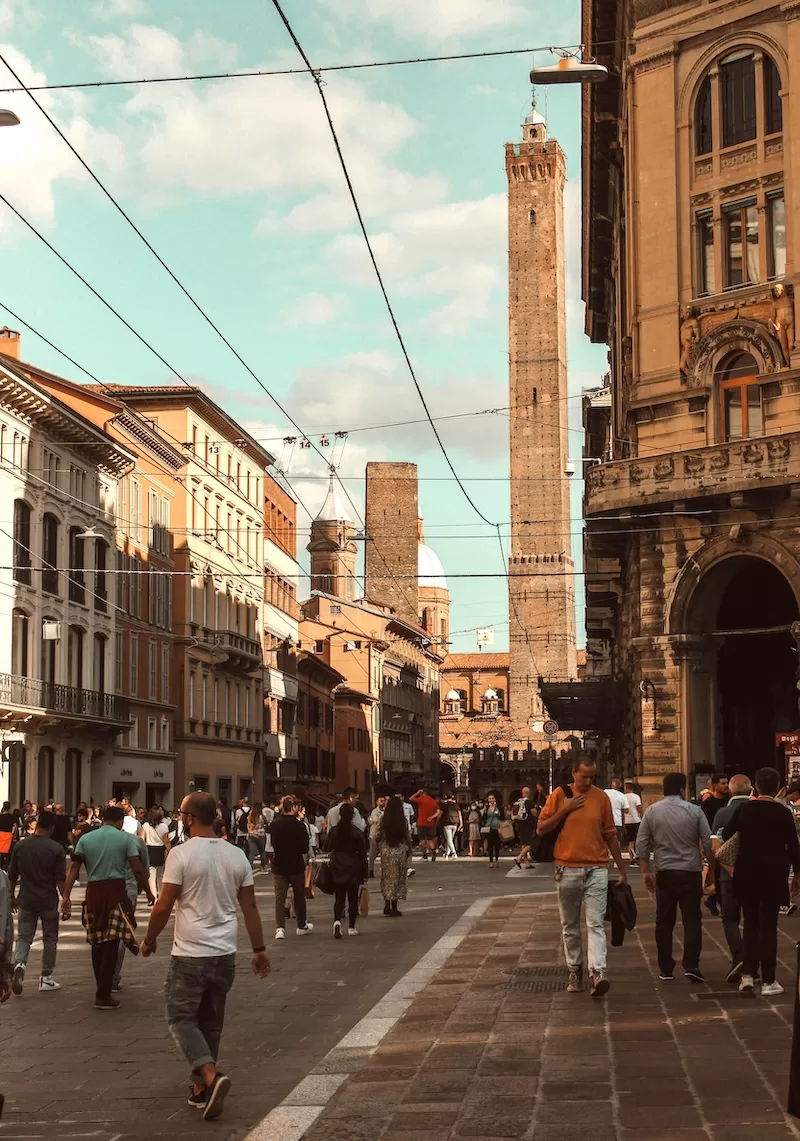
- Housing type and amenities: A modern flat with an elevator and terrace in a city center will drain your wallet faster than an older apartment up a few flights of stairs. Character is free in Italy, but convenience never is.
- Lifestyle: Eating out, specialty imports, private schools, and frequent travel move the needle.
- Utility dependence: Heating in winter in the north and air-con in some areas raise bills. Electricity price levels and regulated tariffs shift through the year.
- Family size and dependents: More mouths, more rooms, more pasta. Groceries, transport, and utility bills rise with company, though family life here is often less expensive than in other Western countries thanks to shared meals and public schooling.
- Health, schooling, and insurance choices: Public SSN keeps most medical expenses low. Private insurance and international schools are available but add to the total. Families who blend both public and private options usually find a comfortable middle ground.
Typical Monthly Costs (2025 Estimates)
Big picture indicators:
- Consumer prices in Italy are roughly 10–12% lower than in the U.S., while monthly leases are about 50% lower on average. Keep in mind, this is directional only. Your city and choices matter.
- Year-over-year inflation is running in the 1.6–1.8% range in late 2025. Plan a small buffer.
Directional monthly ranges (EUR):
- Single person, excluding rent: ~€700–€1,000 in many cities for groceries, transport, utilities, and basics. Based on basket prices and city snapshots.
- Single person including rent in Rome or Milan (1-bed, central): ~€1,700–€2,400. Rome and Milan 1-beds often €1,600–€2,000+ in central areas.
- Family of four, excluding rent: ~€2,500–€3,500 depending on city and lifestyle. Basket proxies.
- Household including rent in a mid-tier city or non-prime area: roughly €1,600–€2,800, scale up for Milan or Rome.
These assume a moderate lifestyle with some dining out, basic entertainment, and occasional trips.
Single Person Budget
- With rent (central, big city): ~€1,700–€2,400
- Without rent: ~€700–€1,000
- Outside prime areas or in smaller cities: ~€1,200–€1,700 including rent
Milan and central Rome sit at the top for rent; Bologna, Naples, and Palermo help your euros stretch further.
Couple or Family Budget
- Couple: ~€2,300–€3,500 including rent, city dependent
- Family of four: ~€3,200–€4,800 including rent, schooling choices can push higher.
- Retirement couples, modest lifestyle: ~€1,900–€3,000 depending on location and rent
Breakdowns by Expense Category
Housing & Rent
In Italy, housing is a mood board of micro-neighborhoods. Each one tells its own story: laundry fluttering above a cobblestoned alley in Palermo, sunlight spilling through tall windows in a Milanese loft, a Vespa purring outside a Roman courtyard. Prices rise and fall with these small details: the view from your balcony, the age of the palazzo, the distance to your favorite café.
- Rome: Central one-beds hover near the “pay-for-the-piazza” premium. You can count on ~€1,700–€1,900 in the historic core, lower once you trade cobblestones for tram lines farther out.
- Milan: Studios punch above their size thanks to fashion, finance, and design weeks. Recent snapshots place studios around €1,000–€1,500 a month, with 1-beds in prime zones climbing past that.
- Bologna: University rhythm, porticoes for days, and gentler averages than Rome or Milan. Prices round ~€1,300–€1,600 for full apartments, with studios and non-central spots below that.
- Florence: 1-bed in the Renaissance center averages €1,300–€1,600, rising closer to €1,800 near the Duomo or the Arno. Move across the river to Oltrarno or out toward Campo di Marte, and monthly leases often settle between €1,000 and €1,200. It’s a compact, walkable town where charm costs extra, but daily life stays manageable once you live like a local.
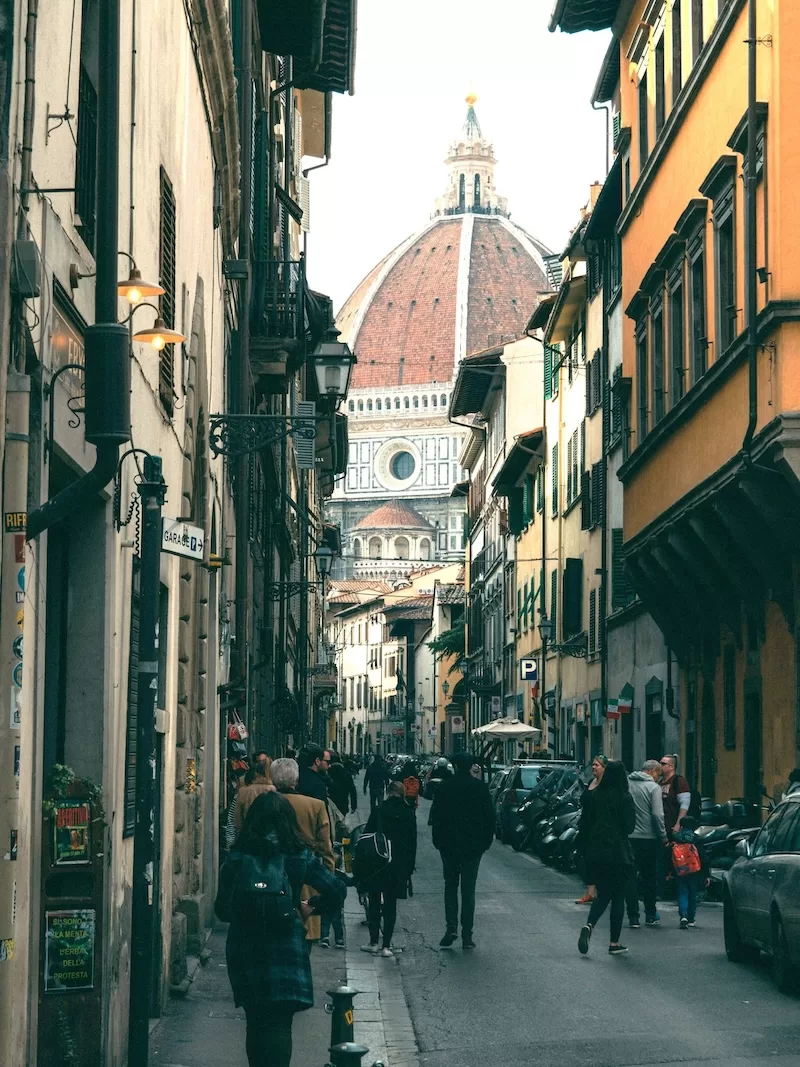
- Turin: Elegant, orderly, and often underestimated. Central one-beds average around €1,000–€1,300, while outer districts like San Salvario or Aurora drop closer to €800. The city’s strong transport links and lower southern-Alps cost of living make it one of northern Italy’s most balanced options: refined without Milan’s price tag.
- Naples: Espresso strong, rents softer. A central 1-bed often sits ~€900–€1,000; outside the center, ~€500–€650.
- Palermo: Old-town nostalgia with pragmatic pricing. Central 1-beds around ~€600–€650, and under €500 beyond the ring roads.
Save vs. Splurge: Save by moving a few blocks off the postcard streets, as prices fall sharply once the tourists fade. Splurge if morning cappuccinos with a piazza view feel worth every euro.
Utilities & Internet
Winter in the north calls for radiators and good windows. Summer in the south is about shade and smart AC habits. What you pay follows your thermostat.
- Electricity. A broad retail reference was ~€0.366/kWh in March 2025, taxes and fees included. Regulated “tutela” components shift quarterly, with single-rate energy pieces recently ~€0.11–€0.15/kWh before other items.
- ARERA reference. For Q4 2025 the authority’s all-in reference for a “cliente tipo” is ~€0.2875/kWh; quarterly updates drive your actual bill along with VAT, network, and usage.
- Home fiber. Competitive deals routinely sit ~€20–€30 per month, with some promos dipping below €20 in late 2025.
- Mobile. Users commonly budget ~€10–€20 for basic data plans; promos vary by operator.
Save vs. Splurge: Save by finding a naturally ventilated flat or one with solid insulation. Your utility bills will thank you. Splurge on fast fiber if you work remotely; Italian Wi-Fi can test your patience outside major urban hubs.
Food & Groceries
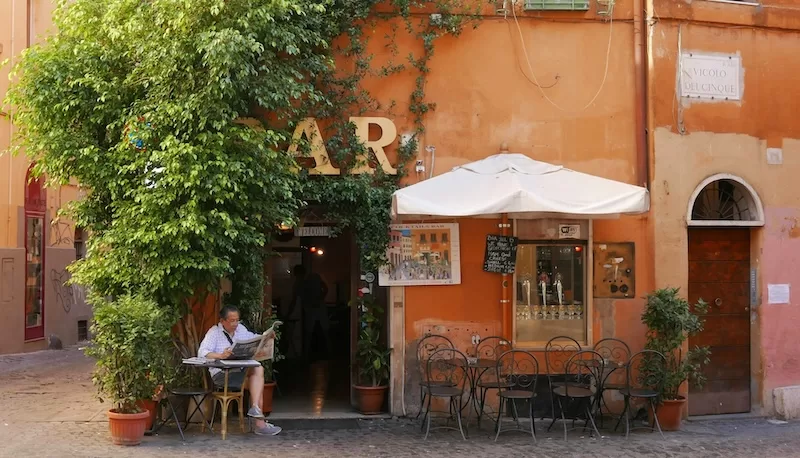
Italy rewards seasonal shopping. Artichokes piled high in spring, tomatoes bursting in summer, chestnuts roasting come autumn. The air outside a bakery still smells of pane sfornato, warm enough to burn your fingertips if you’re impatient. Building your meals around what’s in season keeps both flavor and finances in check. A local market basket (lemons from Sorrento, zucchini blossoms from a Tuscan stall, a wedge of pecorino cut fresh) is a fraction of the shrink-wrapped imports at supermarket chains.
- Groceries for basics track sensibly; market produce undercuts supermarket plastic.
- Eating out ranges from a €12–€18 pranzo fisso to a mid-range dinner for two in the €60–€90 pocket in big urban centers. Order the house wine, skip dessert for a gelato on the walk home, and you’ll stretch your euros without ever feeling deprived.
Save vs. Splurge: Save at neighborhood markets where vendors toss in an extra tomato “per la bella faccia.” Splurge on dinner in a trattoria that’s been making the same pasta for 80 years: that’s culture, not expense.
Transportation
Rome and Milan run on passes and patience. Intercity travel runs on sales and planning.
- Rome (ATAC). The 24-hour ticket is €8.50; 48- and 72-hour options rose in 2025. Monthly passes are available to residents. Tap&Go applies best fare logic if you tap often in a day.
- Milan (ATM). The standard urban monthly pass is €39, with annual and age-based concessions published by ATM.
- Fuel. Italy’s gasoline sits around €1.70 per liter in October 2025, with week-to-week ripples and a predictable “autostrada markup.”
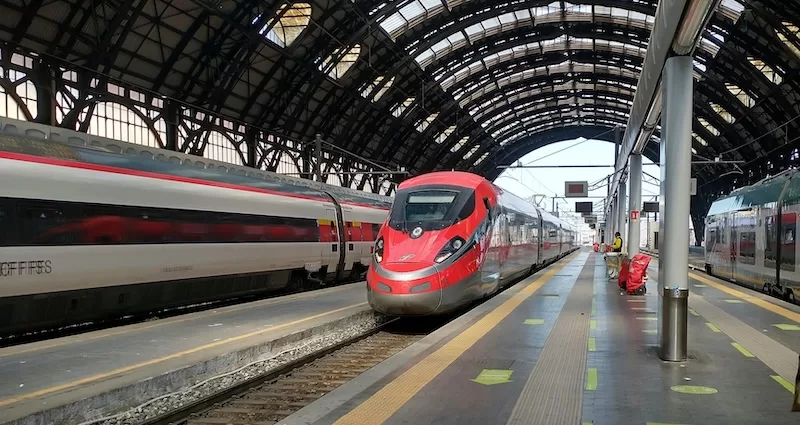
A car adds insurance, parking, and ZTL headaches. For longer hops, keep an eye on Italo and Frecciarossa promos and use Regionale trains for low-drama day trips.
Save vs. Splurge: Save with public transit — the metro systems in Rome and Milan are far easier on the wallet than parking fines. Splurge on a high-speed train for weekend getaways; Italy’s Frecciarossa seats turn even regional travel into a small luxury.
Read More Like This: Don’t Miss These Central Italy Day Trips from Rome
Healthcare & Insurance
Enrolling in the SSN feels like getting your library card for the whole country. You pick a family doctor, pay modest co-pays called ticket, and layer private coverage if you want speed or English-speaking specialists. Newcomers start with private insurance, then register once resident.
- SSN is universal for citizens and legal residents, with regional flavor and co-pays on some services. Many expats keep a modest private plan as a top-up for faster appointments.
Save vs. Splurge: Save by using SSN doctors for regular care, since quality is high and costs are low. Splurge on private coverage if you prefer English-speaking specialists or shorter waits.
Leisure, Lifestyle & Extras
Gyms range from budget chains near €20–€30 per month to full-service clubs €50–€80+. Cinema tickets typically €7–€12 depending on city and chain. A casual night out with friends can sit around €40–€80.
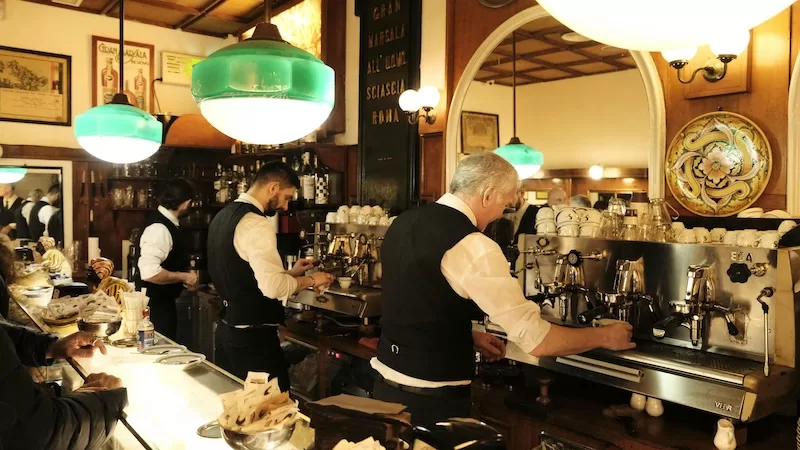
Save vs. Splurge: Save by making the piazza your living room (conversation is free and espresso only costs €1.20, and prices only jump once you sit down at a terrazza facing the Duomo). Splurge on those once-in-a-while concerts, dinners, or train rides that remind you why you came.
Education & Childcare
Public schools are free aside from books and extras. International schools carry wide fee bands based on curriculum and region.
- As a range, international school tuition runs roughly €6,000–€25,000 per year, with Rome and Milan at the upper end. Examples: AOSR posts €12,500–€27,700 by grade; Marymount lists €13,500–€27,000.
Save vs. Splurge: Save with local schools. Kids learn Italian faster and you integrate into the community. Splurge on international programs if continuity and bilingual education matter more than budget.

Sample Monthly Budgets in Italy (2025)
| Category | Milan (Urban Lifestyle) | Rome (Capital City) | Bologna (Mid-size) | Naples (Southern City) |
| Housing, 1–2 bed apt | €1,600–€2,200 | €1,600–€2,000 | €1,100–€1,600 | €800–€1,100 |
| Utilities (electricity, water, gas, internet) | €180–€260 | €170–€240 | €150–€220 | €140–€200 |
| Groceries & home supplies | €300–€450 | €280–€420 | €260–€380 | €240–€360 |
| Dining out & coffee | €200–€320 | €180–€300 | €160–€260 | €150–€240 |
| Transportation | €60–€120 (pass) | €60–€120 (pass) | €50–€100 | €50–€100 |
| Health insurance / medical | €80–€200 | €80–€200 | €80–€200 | €80–€200 |
| Leisure, fitness & entertainment | €90–€170 | €90–€170 | €80–€150 | €70–€140 |
| Miscellaneous / personal items | €80–€140 | €80–€140 | €70–€120 | €70–€120 |
| Estimated monthly total (single) | €2,590–€3,860 | €2,440–€3,690 | €1,950–€2,970 | €1,660–€2,460 |
| Estimated monthly total (couple) | €3,200–€4,400 | €3,000–€4,200 | €2,600–€3,600 | €2,200–€3,100 |
Rationale for ranges: 2025 rent snapshots by city and typical pass and utility references. Your actual mix will vary by neighborhood, building age, and energy use.
Quick Takeaways
- Milan is a hub that runs on ambition and caffeine, where style and business blur together and salaries can essentially keep up with accommodation costs. Living here means paying more, but the energy is contagious and hard to trade for comfort elsewhere.
- Rome moves to its own beat. You can grab a coffee and brush against centuries of history before lunch. The center asks a premium for that daily backdrop, but beyond the ring road, rents soften and life unfolds at a slower, more local pace.
- Bologna is home to endless porticoes where people linger, talk, and finish their meals. Costs are slightly gentler than in Milan or Rome, yet the town buzzes with life, ideas, and excellent food.
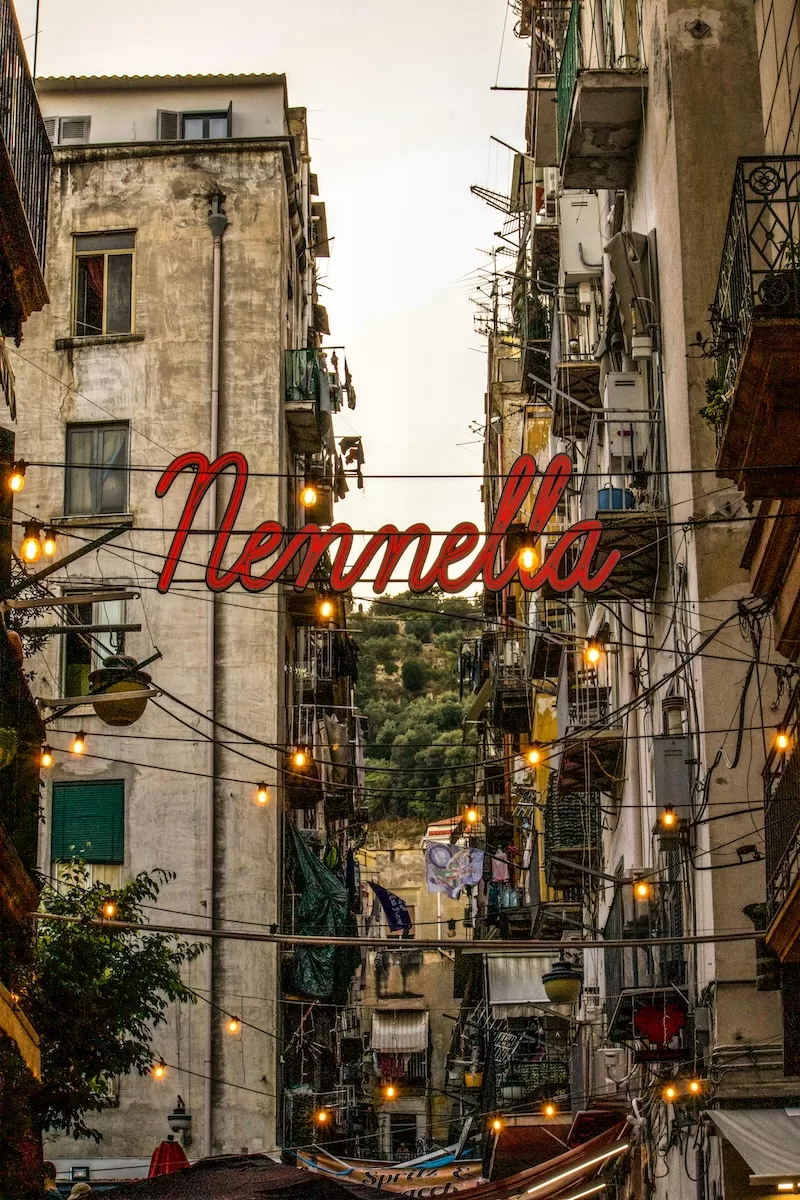
- Naples and Palermo reward those who live by instinct. They are louder, warmer, and less polished, but that’s part of the charm. Housing prices are lower than in more popular cities in Italy, food is plentiful, and there’s a sort of charming, organized chaos that keeps things moving. Once you learn to flow with it, you realize these cities give you more life for less money.
Budget Tip: Add a small buffer for energy price moves or seasonal spikes. Inflation has been in the 1.6–1.8% band in 2025, but utilities can swing, and transport expenses follow fuel.
Read More Like This: What You Need To Know To Move To Italy
Comparison: Italy vs Other Countries
- Compared to major U.S. cities, Italy still feels gentler on the wallet. Rent, groceries, and public transport can cost less, though the gap narrows once you factor in smaller living spaces and the price of imported goods. In Italy, life trades square footage for atmosphere, and many find that to be a fair exchange.
- Earning or saving in euros keeps things steady, free from the currency swings that complicate life abroad. If your income comes from elsewhere, the exchange rate can either turn into an ally or an unexpected leak in your budget.
- Within Europe, Milan and Rome sit below the likes of Paris, Zurich, or Amsterdam, but the difference fades in their historic centers. Italy’s advantage lies more in daily living than in luxury living: affordable coffee, cheap train travel, and a culture that treats leisure as a necessity, not a luxury.
Tips to Reduce Your Cost of Living in Italy
- Look just beyond the postcode.
In Rome or Milan, moving a few metro stops out can slash accommodation costs without losing convenience. Neighborhoods like Garbatella in Rome or Lambrate in Milan stay well connected but feel more local and far cheaper than the tourist-core postcodes. - Buy where nonnas buy.
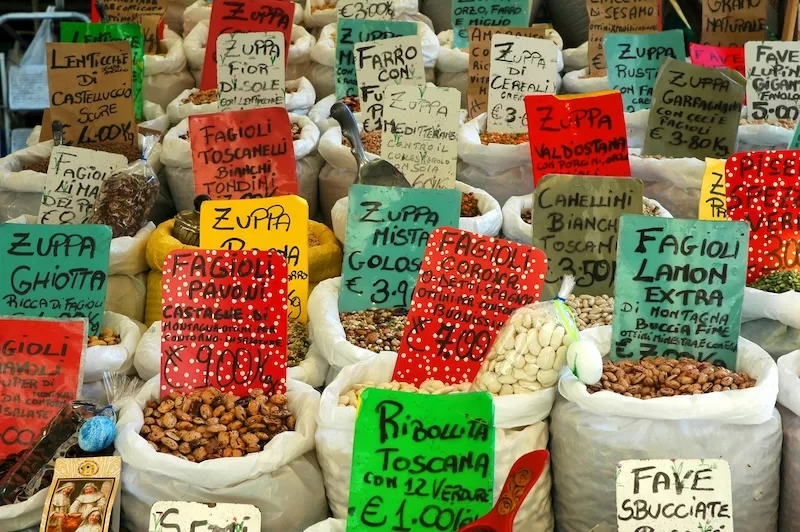
Skip the chain supermarkets for markets like Mercato Testaccio in Rome, Mercato delle Erbe in Bologna, or Ballarò in Palermo. Vendors remember faces and often round prices in your favor. Bring cash, go early, and you’ll eat better for less.
- Mind the meter and the season.
In the north, heating bills spike between November and March. In the south, air-conditioning pushes bills up through August. Ask about insulation before renting and check the building’s classe energetica rating: it tells you how energy-efficient the place is. - Use Italy’s transport passes to their full potential.
A monthly ATM pass in Milan (€39) or ATAC card in Rome pays off quickly if you commute. For weekend escapes, regional train tickets (treni regionali) and high-speed promo fares often beat the cost of driving and parking. - Play the long game with landlords.
Landlords value steady tenants. Offer a longer lease or help with minor maintenance and you might shave a little off the rent. In smaller towns, paying a few months upfront often seals the deal. - Double-check what “spese condominiali” means.
Condo fees, garbage tax (TARI), and water bills aren’t always bundled into monthly leases. Clarify before signing so you don’t get surprised by quarterly extras. - Mix public and private healthcare smartly.
Use the Servizio Sanitario Nazionale (SSN) for regular checkups and prescriptions, and a modest private plan for faster appointments or English-speaking doctors. Most pharmacies (farmacie) can also handle small consultations for a few euros. - Cook with the calendar.
Stick to what’s in season and local: tomatoes and basil in summer, artichokes in spring, chestnuts in autumn. Imported blueberries and avocados will double your bill. Learn to love the rhythm of the Italian table and your budget will follow. - Live like the locals do.
Air-dry clothes on your balcony, shop with your own bags, and walk those five-minute errands. Regional trains are reliable and scenic, so weekend getaways don’t need a car. - Keep a small “bolletta buffer.”
Fuel, electricity, and groceries can swing with inflation or seasonal demand. A 10–15% cushion smooths out those months when your heating or grocery bill suddenly creeps up.
FAQs
Q1. How much does it cost to live in Italy for a single person?
In a major urban center like Rome or Milan, plan around €1,700–€2,400 monthly including a central 1-bed rent. In smaller cities and non-central zones, totals drop.
Q2. What is typical rent in Rome?
A 1-bedroom apartment in the center is often around €1,700–€1,900, with neighborhood variation.
Q3. Are utilities expensive?
They vary by use. Electricity components and retail rates change during the year. Expect higher bills in winter in the north.
Q4. How does Italy’s cost compare to the U.S. or Northern Europe?
Italy is generally cheaper on accommodation and many other daily expenses than the U.S. average while also being overall less expensive than several Northern European capitals.
Q5. Can I live in Italy on €1,200 per month?
Only in very modest conditions in cheaper regions or non-central zones, often with shared housing and strict budgeting. Central Milan or Rome will exceed that.
Q6. Is healthcare affordable and reliable?
Yes. SSN access is subsidized with co-pays called “ticket,” and private options exist for speed and language comfort.
Q7. How much does it cost to eat out in Italy?
A simple lunch can be €12–€18. A mid-range dinner for two often lands around €60–€90 in big urban centers.

Q8. Which cities are easier on the wallet?
Among larger urban centers, Naples and Palermo typically show lower costs of accomodation than Rome or Milan.
Q9. How reliable is the internet?
Coverage and speeds have improved, with many fiber offers at 1 Gbps for €20–€30 monthly. Check local availability by address.
Q10. What are some realistic rent snapshots in 2025?
Milan studio €1,000–€1,500; Rome 1-bed central ~€1,800; Bologna apartments lower than Rome and Milan; Naples and Palermo with 1-beds in the €600–€1,000 band depending on area.
Italy offers a clean tradeoff. You pay a little more in the top postcodes for energy and access, or you settle into smaller cities and southern towns where time stretches longer and money lasts further. Either way, the numbers on a spreadsheet turn into something tangible: the barista who remembers your name, evenings that spill out into the piazza, a train ride that turns a weekend into a story.
If you are serious about the move, follow the tips on this article, research real quotes from listings, confirm what utilities include, and test different neighborhoods. With smart choices, Italy can feel both comfortable and financially sound.
Want regular insights like this? Subscribe to our newsletter for cost updates, expat guides, and on-the-ground advice.
Contact Author
"*" indicates required fields
Stay Ahead on Every Adventure!
Stay updated with the World News on Escape Artist. Get all the travel news, international destinations, expat living, moving abroad, Lifestyle Tips, and digital nomad opportunities. Your next journey starts here—don’t miss a moment! Subscribe Now !
Introduction
Italy pulls people in for the obvious reasons: the art, the food, the way a simple espresso at a street bar can feel like a small ceremony. But beauty doesn’t always mean cheap, and living costs shift dramatically depending on where and how you live. Knowing what daily life really costs helps you land with your eyes open.
In this guide, you’ll find a clear look at everyday expenses, including housing, food, transport, healthcare, and more. We’ll compare prices across major hubs and smaller towns, explore regional contrasts, and offer tips to stretch your euros without sacrificing the good life.
If you'd like to read the full story, simply enter your email to subscribe to our newsletter.
For even more expert insights, unmissable resources, and exclusive invites, explore our premium subscription offers here.
OR
Already a Subscriber? Click here to login
Subscription required
You've reached your limit of free articles. For full access to Escape Artist, and all of our insights on travel, moving abroad, and the digital nomad life, click here to Subscribe.
Already a Subscriber? Log in here