Checked and current, 10 September 2026. One figure below is too high, and it is the one that would put you off.
- Utilities run about 105 to 143 euros a month, not 135 to 280. Podgorica measures about 105, Kotor about 112, Budva about 143. The article’s ceiling is nearly double what anyone reports paying.
The rents are right. Podgorica measures about 575 euros in the centre and 443 outside, inside the 400 to 600 quoted. Kotor runs about 600 central and 583 outside, and Budva about 703 and 512, all inside the 450 to 800 range given for the coast. The single-person budget of 1,200 to 1,500 euros a month also holds: Podgorica works out at about 1,289 all in and Budva about 1,424.
Figures crowd-sourced from residents via Numbeo: Podgorica (875 submissions, 63 contributors, updated 5 September 2026), Budva (168 by 23, 17 August) and Kotor (22 contributors, 19 June, flagged as thin by Numbeo itself). The 150,000 euro property investment threshold and the 9 to 15 percent tax rates below have not been verified against Montenegrin government sources. Confirm both before acting on them.
There is a pattern that repeats itself in European Plan B history with enough regularity that it deserves to be taken seriously as a planning framework rather than dismissed as hindsight.
A small country sits at the edge of the EU’s expanding perimeter. It uses the euro or pegs its currency to it. Its tax rates are low, its property is affordable, and its residency pathways are accessible. Then accession approaches, prices rise, the regulatory environment tightens, and the people who moved early find themselves holding assets and rights that the next wave of arrivals will pay a significant premium to access.
Croatia followed this pattern. So did Estonia, Latvia, and Lithuania. Portugal followed a version of it. In each case, the opportunity was visible before it closed, and the people who recognised it early were the ones who benefited most.
Montenegro is following the same pattern in 2026, and the window is narrowing. The country has been an official EU candidate since 2010, making it one of the longest-standing accession candidates on the continent. It already uses the euro as its official currency despite not yet being a member, which is a rare and practically significant advantage. It has some of the lowest income and corporate tax rates in Europe, and its residency pathways remain among the most accessible in the region for internationally minded investors paying attention.

Read More Like This: 17 Best Places to Visit in Montenegro
Why Montenegro Has Stayed Underpriced
Montenegro’s reputation in the broader expat and investor community has historically been overshadowed by its larger and better-marketed neighbours. Croatia captured the lifestyle market. Serbia captured the digital nomad market. Albania captured the ultra-budget market. Montenegro, sitting between all of them on the Adriatic coast, has attracted a quieter, more deliberate kind of international resident.
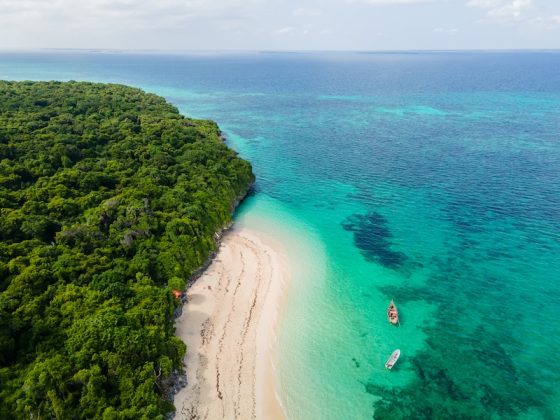
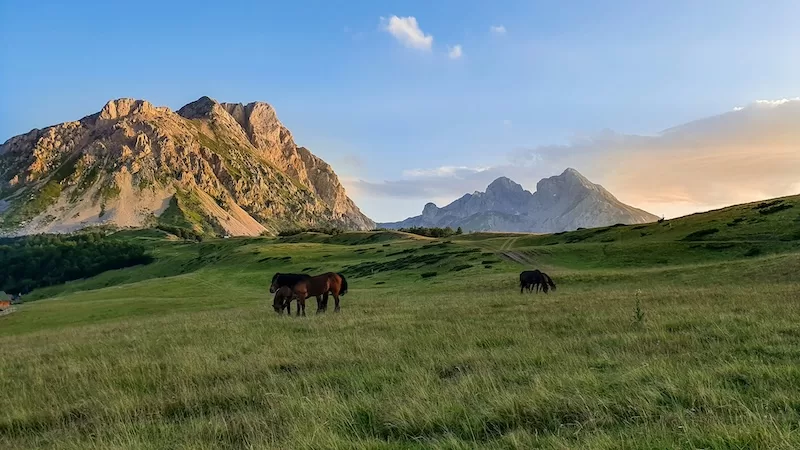
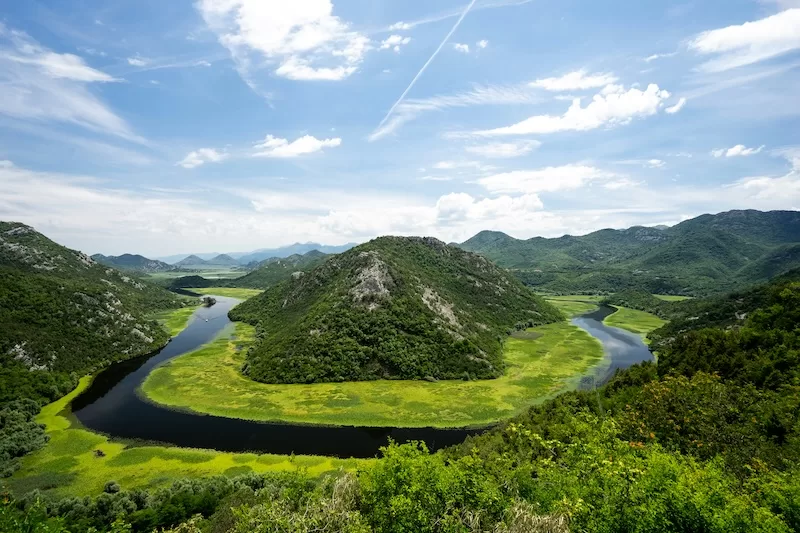
The country’s geography is part of what makes it distinctive. In a land area smaller than Connecticut, Montenegro packs together a 182-mile Adriatic coastline with medieval walled towns, dramatic fjord-like bays, ski resorts, and national parks covering nearly a third of the country’s territory.
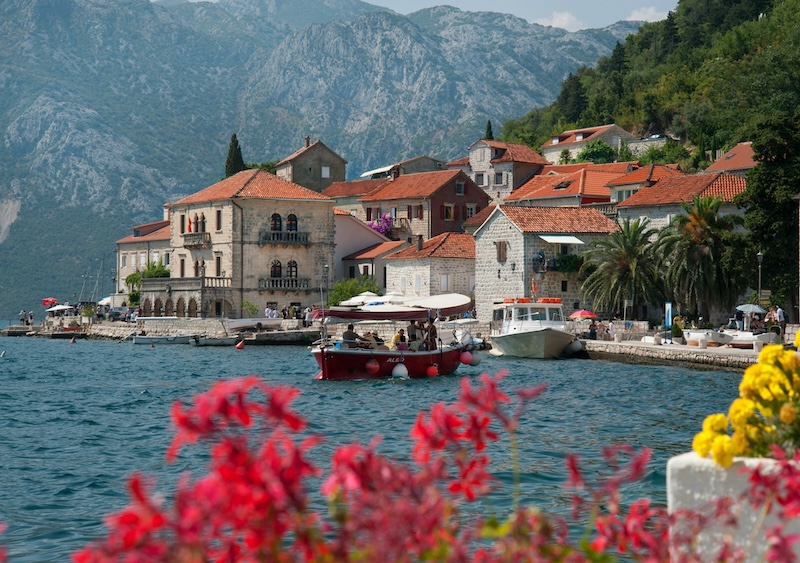
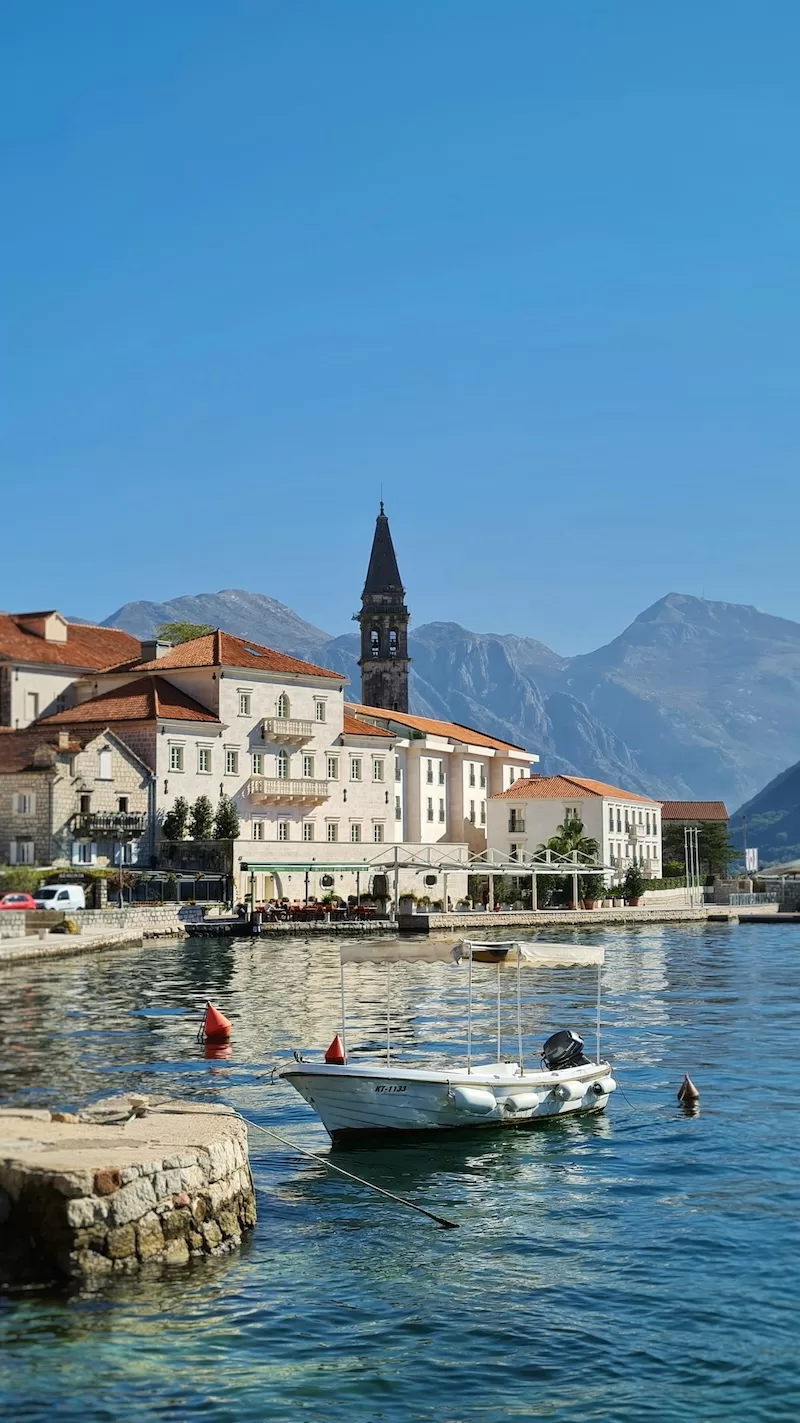
The Bay of Kotor, a UNESCO World Heritage Site, is the kind of place that stops visitors mid-sentence. Budva, with its old town and beaches, has been compared to a more affordable, less crowded version of the Croatian coast as it was a decade ago. Tivat, home to the Porto Montenegro superyacht marina, has attracted a wealthier international set without losing the affordable infrastructure that surrounds it.
The practical infrastructure for daily life is more developed than most people expect. Fibre internet is widely available in the major towns. Private healthcare is accessible and inexpensive, with a doctor’s visit typically costing around 25 euros. English is widely spoken in business and tourist contexts across the country.
Read More Like This: The Countries Where Your Dollar Goes Furthest
The Residency Framework in 2026
Montenegro updated its residency law at the very end of 2025, with amendments taking effect in January 2026. The changes formalised what had previously been a loosely regulated process.
Third-country nationals, which includes Americans, Canadians, Australians, and British citizens, must now purchase property with a taxable value of at least 150,000 euros, as assessed by the official Tax Authority, to qualify for temporary residency. The permit is issued for one year and is renewable annually as long as the ownership and compliance requirements continue to be met.
The 150,000 euro threshold deserves context. It is not a fee or a donation. It is the minimum value of an asset you own and can sell. Montenegro’s coastal property market, particularly around Kotor, Budva, and Tivat, has been appreciating steadily, and properties meeting or exceeding this threshold are readily available at prices that remain substantially below comparable assets anywhere else on the Mediterranean.
A second route to residency exists through company formation, which involves establishing a Montenegrin entity and appointing yourself as director. A third route, simpler for those who qualify, is employment-based residency tied to a formal work relationship with a Montenegrin company. Qualified immigration advisers familiar with the local system are the appropriate first call for anyone determining which pathway best fits their situation.
The Tax Picture
Montenegro’s tax structure is one of the most competitive in Europe and deserves more attention than it typically receives in international planning conversations.
Personal income tax operates on a progressive scale of 9% on income up to a monthly threshold, rising to 15% above it, with the first 700 euros of monthly salary entirely exempt. That non-taxable floor is the highest of any European country. Corporate tax runs at 9% on profits up to 100,000 euros, 12% on the portion between 100,000 and 1.5 million, and 15% above that.
Foreign pension income is not taxed in Montenegro, which has made it a genuine draw for retirees who want European living conditions without the tax burden that comes with residency in most Western European countries. The country uses the euro, which eliminates currency conversion friction for those holding euro-denominated assets.
Montenegro participates in the Common Reporting Standard, which means proper cross-border tax advice and full compliance reporting are non-negotiable requirements for any internationally structured individual establishing residency here.
Read More Like This: Why Montenegro Is the New Nomad & Expat Hotspot
The Cost of Living in Practice
A single person living comfortably in Montenegro in 2026 can expect to spend between 1,200 and 1,500 euros a month. That covers a one-bedroom apartment in a good location, food, transport, utilities, and a reasonable social life.
For couples, that figure rises to somewhere between 1,600 and 2,100 euros depending on lifestyle and location. Housing is the dominant variable. On the coast, a one-bedroom apartment in Kotor or Budva runs between 450 and 800 euros a month on a year-round lease. Podgorica, the capital, is meaningfully cheaper, with comparable apartments available for 400 to 600 euros.
Coastal prices rise sharply during summer high season from June through August. Many long-term residents negotiate year-round leases at off-season rates to avoid seasonal volatility. Utilities for a standard apartment run between 135 and 280 euros a month including electricity, water, and internet.
Property purchase prices remain low by any Mediterranean comparison. Buyers with a budget in the 150,000 to 300,000 euro range have access to a meaningful selection of apartments in good coastal locations. The combination of low entry prices, euro denomination, and an accession trajectory that has historically driven property appreciation in comparable markets makes the investment case here more straightforward than in most destinations that receive more attention in Plan B circles.
Read More Like This: The Rise of Smaller Countries as Expat Hotspots
The EU Accession Timeline and Why It Matters
Montenegro has been negotiating EU accession since 2012, making it the most advanced of any current candidate country in terms of formal progress through the accession chapters. No firm accession date exists as of 2026, but the directional commitment on both sides is clear.
The Croatian comparison is instructive. In the years leading up to Croatia’s EU accession in 2013, coastal property prices on the Dalmatian coast rose substantially as international buyers positioned themselves ahead of the event. Those who had purchased in the late 2000s captured the largest gains.
Montenegro’s trajectory today resembles Croatia’s in that pre-accession period, with the additional advantage that Montenegro already uses the euro. That removes the currency risk that accompanied Croatian property investment before the kuna’s eventual replacement.
Residency established now, before accession, also carries strategic value worth considering explicitly. Long-term residency, established and maintained through the accession period, creates an optionality that is genuinely valuable for anyone who wants a foothold in what will eventually be an EU member state, without the upfront cost that established EU Golden Visa programs now require.
An Honest Assessment
Montenegro is not without its complications. The healthcare system, while affordable, is not at Western European standards, and serious medical conditions may require travel to Serbia, Italy, or another European country.
International flight connections are limited, with most routes requiring a connection through Belgrade, Istanbul, or Vienna. The tourist season brings significant crowds and higher prices to the coastal towns between June and August.
What Montenegro offers in return for those variables is a package that is becoming increasingly difficult to find at this price point in this part of the world. Adriatic coastline. Euro currency. Low tax rates. A residency pathway accessible for 150,000 euros in property. And a quality of daily life that surprises most people who arrive with modest expectations.
The January 2026 reforms, which formalised the residency thresholds and tightened the company formation requirements, are the first clear signal that the era of entirely frictionless entry into Montenegro is giving way to a more structured and eventually more expensive framework. The people who act now will have options that the people who wait will not. That is not a sales pitch. It is the pattern that European accession history has repeated, consistently, for twenty years.
Read More Like This: retirement visas and how to qualify
Key Takeaways
Why is Montenegro being looked at as a Plan B option?
Montenegro gives international residents a rare mix of European lifestyle, euro currency, low taxes, affordable property, and accessible residency. The bigger opportunity is timing. Montenegro is not yet in the EU, which means the cost of entry is still lower than many comparable European destinations.
What makes Montenegro different from Croatia or Portugal?
Croatia and Portugal are already more mature, more expensive, and more regulated markets. Montenegro still sits in the earlier stage of that cycle. It has the Adriatic lifestyle and European positioning, but without the same property prices or residency competition seen in better-known destinations.
How does Montenegro’s property residency route work?
Montenegro allows qualifying foreign buyers to pursue temporary residency through property ownership, provided the property meets the required taxable value and compliance conditions. The permit is generally renewed annually as long as the owner continues to meet the requirements.
Is Montenegro cheap compared to the rest of Europe?
Yes, especially compared to Western Europe and established Mediterranean markets. A single person can live comfortably on a modest monthly budget, while property prices in coastal areas remain well below comparable locations in Croatia, Italy, France, Spain, or Portugal.
Why does EU accession matter for Montenegro?
EU accession matters because it can change the value of residency, property, and long-term optionality. Countries often become more expensive and more regulated as accession approaches. That is why early movers often benefit before the opportunity becomes obvious to the broader market.
Who is Montenegro best suited for?
Montenegro is best suited to investors, retirees, remote earners, and internationally mobile families who want a European base without paying established EU prices. It works best for people who are comfortable entering a market before it becomes fully mainstream.
Who should be cautious about Montenegro?
Anyone expecting Western European healthcare, year-round international flight access, or a fully polished administrative system should be cautious. Montenegro is attractive because it is still early, but that also means it comes with infrastructure gaps and seasonal volatility.
About the Author
Contact Author
"*" indicates required fields
Stay Ahead on Every Adventure!
Stay updated with the World News on Escape Artist. Get all the travel news, international destinations, expat living, moving abroad, Lifestyle Tips, and digital nomad opportunities. Your next journey starts here—don’t miss a moment! Subscribe Now !
Checked and current, 10 September 2026. One figure below is too high, and it is the one that would put you off.
- Utilities run about 105 to 143 euros a month, not 135 to 280. Podgorica measures about 105, Kotor about 112, Budva about 143. The article’s ceiling is nearly double what anyone reports paying.
The rents are right. Podgorica measures about 575 euros in the centre and 443 outside, inside the 400 to 600 quoted. Kotor runs about 600 central and 583 outside, and Budva about 703 and 512, all inside the 450 to 800 range given for the coast. The single-person budget of 1,200 to 1,500 euros a month also holds: Podgorica works out at about 1,289 all in and Budva about 1,424.
If you'd like to read the full story, simply enter your email to subscribe to our newsletter.
For even more expert insights, unmissable resources, and exclusive invites, explore our premium subscription offers here.
OR
Already a Subscriber? Click here to login
Subscription required
You've reached your limit of free articles. For full access to Escape Artist, and all of our insights on travel, moving abroad, and the digital nomad life, click here to Subscribe.
Already a Subscriber? Log in here