There was a time when holding a second passport was the exclusive domain of oligarchs, celebrities, and geopolitical insiders. Something whispered about at private banking dinners, not discussed at kitchen tables. That time is over. The past decade has produced a global marketplace for citizenship and residency, and the options have never been more varied or more accessible to the determined, well-informed individual.
But here’s what nobody tells you upfront: not all routes are equal. Some are fast and expensive. Some are slow and cheap. Some are legally bulletproof. Others are quietly under legal review by international bodies and could evaporate overnight. Choosing the right path isn’t just a matter of budget it’s a matter of understanding trade-offs that could affect your freedom, your finances, and your family for generations.
What follows is an honest ranking of the fastest and most viable paths to a second passport, sorted by the three variables that matter most: cost, time, and risk.

Read More Like This: Obtaining a Second Passport
Citizenship by Investment: The Express Lane
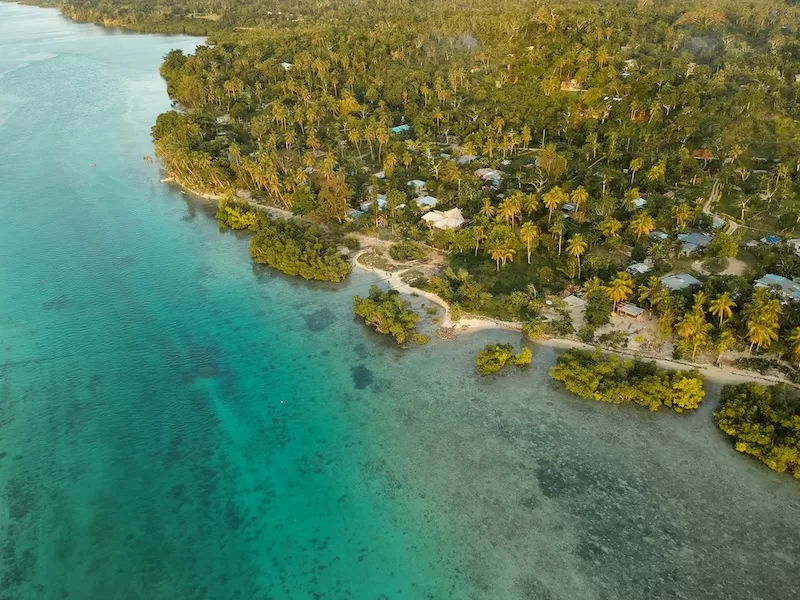
If speed is your priority and capital isn’t a constraint, Citizenship by Investment (CBI) programs are the most direct route available. Countries like St. Kitts and Nevis, Dominica, Grenada, Antigua and Barbuda, and Vanuatu have built formal programs that allow applicants to obtain full citizenship and a passport within three to six months in exchange for a qualifying donation or real estate investment.
St. Kitts and Nevis is often cited as the gold standard. The program has operated since 1984, giving it a legitimacy and legal track record that newer programs can’t match. Donations start around USD $250,000, with real estate options available at higher thresholds. The resulting passport grants visa-free access to over 150 countries, including the UK and Schengen Area.
Vanuatu is the fastest in the world, with approvals possible in as little as 30 days and a contribution starting at roughly USD $130,000. The trade-off is passport strength: Vanuatu’s travel document opens fewer doors than Caribbean alternatives. Grenada stands out for one specific reason: it’s the only CBI program that includes an E-2 Treaty Investor visa pathway to the United States, making it particularly compelling for those with business interests across the Atlantic.
Cost: High ($130,000 to $500,000+). Time: 1 to 6 months. Risk: Low for established programs; moderate for newer or less regulated ones.

Read More Like This: Why Caribbean Citizenship by Investment Is a Wise Move
Residency-by-Investment: The Slower Build
Not every path to a second passport requires a one-time payment into a government fund. Residency-by-investment programs, sometimes called golden visa programs, offer a more measured approach. You obtain legal residency through qualifying investment (real estate, business, government bonds), live in the country for a specified period, and eventually naturalise as a citizen.
Portugal’s Golden Visa program became one of the most popular routes in Europe for over a decade, allowing investors to gain residency and a pathway to citizenship after five years through real estate or capital transfers. Though the government has since restricted real estate purchases in high-density areas, fund investments and business creation remain qualifying routes. The appeal is profound: EU residency, Schengen travel, and an eventual Portuguese passport. One of the most powerful travel documents on earth.
Spain, Greece, Italy, and Malta operate comparable programs with varying investment thresholds and timelines. Greece’s Golden Visa, requiring a minimum EUR 250,000 real estate investment, has attracted significant attention for its low physical presence requirement. You do not have to live in Greece full-time to maintain residency. Panama’s Friendly Nations Visa and various investor visas offer a different flavour entirely: efficient processing, low cost, and a pathway to permanent residency that can eventually lead to citizenship.
Cost: Medium to high ($250,000 to $1M+ depending on country and structure). Time: 2 to 7 years to citizenship. Risk: Moderate. Program rules can change, as Portugal and Spain have demonstrated.
Read More Like This: Golden Visas vs. Golden Passports: What You Need to Know
Ancestry and Heritage Citizenship: The Forgotten Path
One of the most underutilised routes to a second passport is also the most elegant: you may already be entitled to citizenship through descent, and simply don’t know it. Ireland, Italy, Poland, Hungary, Germany, and a growing number of other countries maintain laws that allow citizenship to be passed across generations, sometimes two, three, or even more, without limitation.
Italy’s policy of jure sanguinis (citizenship by blood) is famously generous, in theory. If you can trace an unbroken line of Italian ancestry and demonstrate that citizenship was never formally renounced, you may qualify regardless of how many generations removed you are. The practical challenge is the paperwork: Italian bureaucracy moves at its own pace, and wait times at Italian consulates have stretched to years in some jurisdictions. However, a recently launched process for judicial applications in Italian courts has created a faster, if more expensive, alternative for those with documented ancestry.
Ireland’s citizenship through grandparents is similarly accessible, and the Foreign Births Register, while sometimes slow, is a well-trodden path. Hungarian citizenship through ancestry has become more streamlined in recent years. For those who qualify, these routes are essentially free. The main costs are document retrieval, translation, and legal assistance. The resulting passports are EU documents, which is an extraordinary return on investment for what is often a few thousand dollars in professional fees.
Cost: Low ($500 to $5,000 in fees and legal costs). Time: 1 to 5 years depending on country and consulate. Risk: Low, though bureaucratic delays and shifting political environments are real considerations.
Read More Like This: The 12 Best Countries to Gain Citizenship by Descent
Naturalisation: The Long Game
For those without ancestry connections and without the capital for investment programs, naturalisation through genuine residency remains a viable, if patient, strategy. It requires committing to a country, establishing legal residency, meeting physical presence requirements, and eventually applying for citizenship.
The timelines vary dramatically. Panama and Brazil can offer naturalisation in as few as two to three years for those who meet residency conditions. Paraguay allows naturalisation after just three years, and its low cost of living and ease of residency have made it a favourite among a particular strain of internationally mobile professional. Colombia, similarly, offers pathways within five years.
At the other end of the spectrum, Switzerland requires twelve years of residency before most applicants are eligible to apply, though cantonal rules can complicate things further. The United States offers a five-year path that, in practice, can stretch to seven or more when accounting for administrative delays. Japan requires five years of residency but mandates renunciation of prior citizenship, making it a defining rather than supplementary choice.
The calculus here is different. Naturalisation demands genuine life investment: time, presence, often language proficiency. But what it produces is typically the most legitimate, most durable form of citizenship available. Governments don’t revoke it easily, and it comes without the scrutiny that investment programs increasingly attract from the OECD and EU regulators.
Cost: Low to medium (ongoing living costs, legal fees). Time: 2 to 12 years. Risk: Low legally, but high in terms of life commitment.

Read More Like This: The Ancestral Hedge for a Second Passport
The Risk Landscape: What They Don’t Put in the Brochure
There is a dimension to this conversation that deserves more attention than it typically receives in the citizenship industry: risk. Not the risk of fraud, though that exists. The institutional risk of programs being withdrawn, restructured, or delegitimised after you’ve committed to them.
The EU has spent years pressuring member states to restrict or eliminate investor citizenship schemes, arguing they create security and tax transparency vulnerabilities. Malta’s programme has faced formal EU legal proceedings. Portugal’s Golden Visa has been substantially narrowed. These are well-established, respectable programmes, and even they have shifted under political pressure. The lesson is not to avoid these routes, but to build redundancy into your planning and act with a clear understanding that the landscape can change.
Vanuatu passports, despite their speed and affordability, have faced scrutiny from Schengen authorities and have periodically lost or risked losing visa-free access to parts of Europe. What you pay for today may not perform identically in five years. Caribbean passports have been broadly stable, but they too are not immune to geopolitical shifts. The safest long-term bets are EU citizenship through ancestry or naturalisation, because these are grounded in law rather than policy programs that can be discontinued.
The fundamental rule: the faster and cheaper a program sounds, the more carefully you need to examine its durability, its international recognition, and its legal standing.
Choosing the Right Path for Your Plan B
There is no universal answer to which passport route is best. There is only the route that is best for you, in your specific circumstances, with your specific goals. A retired couple with Italian grandparents and the patience to navigate consular paperwork faces a completely different equation than a 40-year-old entrepreneur who needs a Schengen gateway within a year.
What every serious applicant should do, before committing to anything, is map their full situation against the four pathways described here. Do you have ancestry? Explore it before spending a dollar on anything else. Do you have capital and a timeline shorter than two years? CBI programs are likely your best route. Choose programs with established track records, not the newest entrant to the market. Are you planning to relocate anyway? Build naturalisation into your timeline from day one and let it work in the background.
And in every case: get qualified legal advice from professionals who work exclusively in this space. Citizenship planning is not an area for general immigration attorneys who handle it as a sideline. The rules are specific, the stakes are high, and the difference between a correctly filed application and an incorrectly filed one can mean years of delay. Or worse.

Read More Like This: European Second Passport Programs
More Than a Document
A second passport is easy to describe in practical terms: more visa-free travel, access to additional banking, a legal fall-back if your home country’s political or economic environment deteriorates. But those who have gone through the process will tell you it represents something less easily quantified as well.
It is the knowledge that your options are not limited by the accident of your birth. That your family’s future is not contingent on the stability of a single government’s decisions. That the world is, in fact, larger and more accessible than the borders you were handed at the start.
Whatever route you choose, whether through ancestry, investment, residency, or the long patience of naturalisation, a second passport is one of the most durable assets you will ever acquire. Unlike real estate, it doesn’t depreciate. Unlike stocks, it doesn’t fluctuate with market sentiment. And unlike most things of real value, it tends to appreciate with age, becoming more useful, not less, the longer you hold it.
The only mistake, ultimately, is waiting too long to begin.
Read More Like This: The Rise of the Plan B Portfolio
Contact Author
"*" indicates required fields
Stay Ahead on Every Adventure!
Stay updated with the World News on Escape Artist. Get all the travel news, international destinations, expat living, moving abroad, Lifestyle Tips, and digital nomad opportunities. Your next journey starts here—don’t miss a moment! Subscribe Now !
There was a time when holding a second passport was the exclusive domain of oligarchs, celebrities, and geopolitical insiders. Something whispered about at private banking dinners, not discussed at kitchen tables. That time is over. The past decade has produced a global marketplace for citizenship and residency, and the options have never been more varied or more accessible to the determined, well-informed individual.
But here’s what nobody tells you upfront: not all routes are equal. Some are fast and expensive. Some are slow and cheap. Some are legally bulletproof. Others are quietly under legal review by international bodies and could evaporate overnight. Choosing the right path isn’t just a matter of budget it’s a matter of understanding trade-offs that could affect your freedom, your finances, and your family for generations.
What follows is an honest ranking of the fastest and most viable paths to a second passport, sorted by the three variables that matter most: cost, time, and risk.
If you'd like to read the full story, simply enter your email to subscribe to our newsletter.
For even more expert insights, unmissable resources, and exclusive invites, explore our premium subscription offers here.
OR
Already a Subscriber? Click here to login
Subscription required
You've reached your limit of free articles. For full access to Escape Artist, and all of our insights on travel, moving abroad, and the digital nomad life, click here to Subscribe.
Already a Subscriber? Log in here