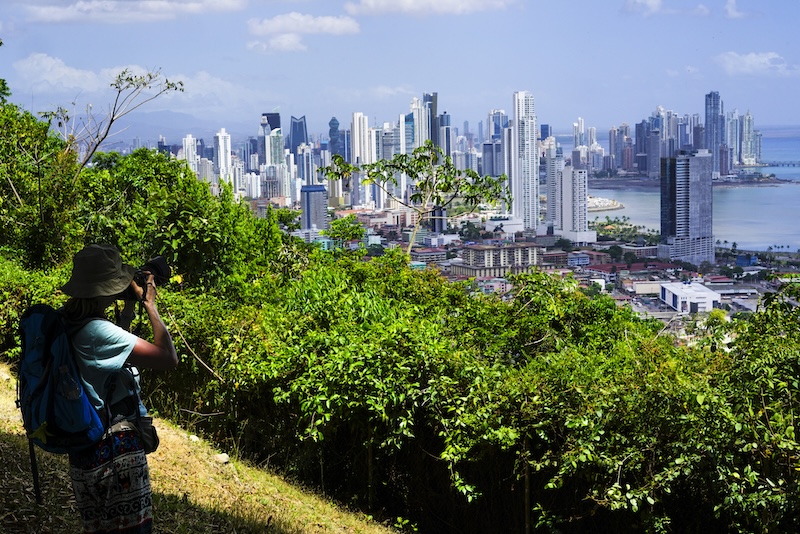
I like to say that my husband and I are “experienced travelers,” though “seniors with itchy feet” might be more accurate. Travel has always been woven into our lives. He grew up as an Army brat, constantly on the move. My parents were travel agents, which meant I spent my childhood seeing more of the world than most kids my age. By the time we reached our late seventies and late sixties, respectively, wanderlust wasn’t something we wanted to retire from.
For the past three years, we lived as modern nomads aboard our 40-foot Leopard catamaran, Sweet Escape, cruising the Caribbean and then making our way up the U.S. East Coast. Eventually, though, we reached a pivot point. We sold the boat, not because we were done exploring, but because we wanted to explore differently. We were ready to ask a bigger question: where did we want to land?
We seriously considered Spain. It checked many boxes culturally and emotionally, but when we ran the numbers, the tax implications for our situation made it clear that it wasn’t the right fit. That process narrowed our focus to Panama, a country we already knew and loved. Years earlier, during our first long cruise from San Francisco Bay to Florida aboard our Alberg 35, SAGA, we had spent time exploring Panama and filed it away as a place we could imagine calling home someday. That “someday” finally arrived.
Read More Like This: Discover the Ultimate Panama Handbook
From Cruisers to Jubilados
Starting over later in life isn’t about bravery so much as alignment. At this stage, you want systems that make sense, predictable governments, and a daily life that doesn’t drain your energy with unnecessary friction. Panama turned out to be one of those rare countries where reinvention feels possible rather than punishing.
Panama functions at a human scale. The rules are not always simple, but they are knowable. Processes tend to be consistent, and changes are incremental. That matters when you’re rebuilding routines, finances, and community. You want your effort to be met with proportionate reward, not constant resistance.
We are far from alone in this thinking. More Americans than ever are choosing to live abroad. Some are motivated by politics or personal safety, others by healthcare costs or the desire for a slower pace of life. For many retirees, it’s about stretching fixed incomes without sacrificing quality. Panama sits at the intersection of all three.
Cost of Living Without Compromise
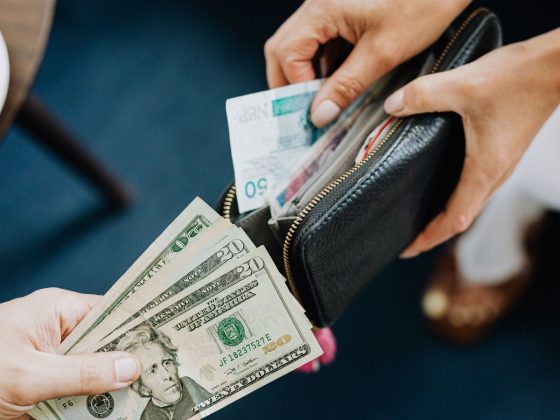
One of the most immediate lifestyle shifts we noticed was how far our money goes. Panama uses the U.S. dollar, which eliminates exchange-rate anxiety entirely. Day-to-day expenses feel lighter, whether that’s dining out, hiring help, or managing household costs.
In places like Boquete, where we settled, many expats live comfortably on monthly budgets that would feel restrictive in the U.S. Housecleaners and gardeners often charge around six dollars an hour. Dining out is affordable enough to make it a regular pleasure rather than an occasional splurge. Spa treatments, vet care, and personal services routinely cost a fraction of what we were used to paying back home.
This affordability isn’t about deprivation. It’s about choice. Panama allows you to outsource tasks you no longer want to do yourself and spend your time on things that actually matter to you.
Read More Like This: A Magical Life in Panama
Taxes That Make Sense
Taxation was one of the deciding factors in our move. Panama operates on a territorial tax system, meaning only Panama-source income is taxed. U.S. Social Security, pensions, and other foreign income are not taxed locally. You still file U.S. returns, of course, but Panama does not double-dip.
Sales tax is a modest seven percent on most goods and services. Property taxes, if you choose to buy, are structured to favor primary residences, with generous exemptions at the lower end. Compared with many European options, the financial clarity here feels refreshingly straightforward.
Healthcare: Accessible and Affordable
Healthcare deserves special attention, especially later in life. Panama offers both public and private options. Many expats choose private care, paying cash for routine visits that often cost between twenty and forty dollars in the interior. Private hospitals in Panama City are modern and well-regarded, and the country attracts doctors trained in the U.S. and Europe.
Insurance is available, though costs rise with age and pre-existing conditions. Some residents opt into Panama’s public system once they have legal residency, while others self-insure for routine care and reserve insurance for major events. Regular office visits can cost as little as $30, and you’re never rushed. Doctors spend time with patients, getting to know them and allowing time to explore care. The hospitals closest to us are located in the City of David, Panama’s second-largest city. It’s good to know that plans like Medicare Advantage are actually accepted in case of emergencies. The key point is flexibility. You can build a healthcare strategy that fits your health profile and budget.
Read More Like This: Residency In Panama
The Pensionado Advantage
Panama has been actively welcoming retirees for decades, and it shows. The Pensionado visa is one of the most generous retiree residency programs in the world. With a qualifying lifetime pension of at least $1,000 per month, couples included, you can apply for permanent residency.
The real headline, though, is the discounts. As a jubilado, you receive legally mandated reductions on airfare, transportation, hotels, utilities, entertainment, medications, and medical services. These benefits aren’t symbolic. They are used daily and add up quickly.
The residency process itself is bureaucratic but manageable, especially with a good local attorney. It requires patience, paperwork, and a willingness to show up early and wait your turn. That’s part of the cultural adjustment, and once you accept it, the process becomes far less stressful.
Lifestyle Pivots and Small-Town Living
We chose Boquete because it felt familiar in the best way. Our last U.S. home was in a town of about 4,500 people, and Boquete’s size and rhythm felt instantly comfortable. The climate is cool, the community is welcoming, and the pace of life encourages you to slow down without feeling stuck.
Social life here is easy if you’re open. Cafes, markets, and casual gatherings create natural opportunities to meet people. There’s a strong expat presence, which helps with the transition, but we’ve found that integrating locally matters just as much.
Read More Like This: Building Blocks for Your Panama Escape Plan
A simple “Hola” goes a long way
Learning Spanish has been one of the smartest investments we’ve made. Even basic effort changes how you’re treated and how much you pay for everyday things. Private lessons are inexpensive (as little as $10/hr for private tutoring), and progress comes quickly if you practice.
No Regrets
We’ve only been in Panama a short time, and just over a month in Boquete, but the sense of rightness is unmistakable. This move wasn’t about escape. It was about intention. About choosing a place where our resources, values, and desired lifestyle finally align.
For us, Panama offered what we were looking for: a lower cost of living without lowering our standards, a tax system that respects foreign retirees, and a lifestyle that encourages connection, curiosity, and ease. After years of movement, it feels good to be home again.
Read More Like This: Top 16 Reasons to Move To Panama
About the Author
Nancy Birnbaum is a Maryland-born mariner, travel writer, nomad, and business strategist who has spent her career bridging the gap between innovative ideas and market success. After decades as an entrepreneur, specializing in PR and marketing in the San Francisco Bay Area, helping startups find funding and strategic partners. Nancy transitioned to a life of global adventure as a digital nomad.
A USCG Licensed Captain and veteran travel writer for publications like SpinSheet and Blue Water Sailing, Nancy recently expanded her repertoire with her book, AI for Entrepreneurs: A Roadmap for Success. Her work focuses on demystifying emerging technology for fellow business owners, demonstrating that it is always possible to master new tools while living a non-traditional lifestyle.
In June 2025, after a successful multi-year cruising chapter, Nancy and her husband Jann sold their catamaran, Sweet Escape, in Miami. Their journey then took them to Spain to scout for a new home base. However, the trip took an unexpected turn when a fall resulted in a broken foot just days into their visit. Following a period of recovery and family time, housesitting for Nancy’s sisters in Santa Fe, New Mexico, the couple officially relocated to Panama in November 2025. Today, Nancy lives in the Highland region of Boquete, Chiriqui, where she continues to write and consult from her home in Volcancito, enjoying a commanding view that stretches all the way to the Pacific Ocean.
Contact Author
"*" indicates required fields
Stay Ahead on Every Adventure!
Stay updated with the World News on Escape Artist. Get all the travel news, international destinations, expat living, moving abroad, Lifestyle Tips, and digital nomad opportunities. Your next journey starts here—don’t miss a moment! Subscribe Now !
I like to say that my husband and I are “experienced travelers,” though “seniors with itchy feet” might be more accurate. Travel has always been woven into our lives. He grew up as an Army brat, constantly on the move. My parents were travel agents, which meant I spent my childhood seeing more of the world than most kids my age. By the time we reached our late seventies and late sixties, respectively, wanderlust wasn’t something we wanted to retire from.
For the past three years, we lived as modern nomads aboard our 40-foot Leopard catamaran, Sweet Escape, cruising the Caribbean and then making our way up the U.S. East Coast. Eventually, though, we reached a pivot point. We sold the boat, not because we were done exploring, but because we wanted to explore differently. We were ready to ask a bigger question: where did we want to land?
We seriously considered Spain. It checked many boxes culturally and emotionally, but when we ran the numbers, the tax implications for our situation made it clear that it wasn’t the right fit. That process narrowed our focus to Panama, a country we already knew and loved. Years earlier, during our first long cruise from San Francisco Bay to Florida aboard our Alberg 35, SAGA, we had spent time exploring Panama and filed it away as a place we could imagine calling home someday. That “someday” finally arrived.
If you'd like to read the full story, simply enter your email to subscribe to our newsletter.
For even more expert insights, unmissable resources, and exclusive invites, explore our premium subscription offers here.
OR
Already a Subscriber? Click here to login
Subscription required
You've reached your limit of free articles. For full access to Escape Artist, and all of our insights on travel, moving abroad, and the digital nomad life, click here to Subscribe.
Already a Subscriber? Log in here