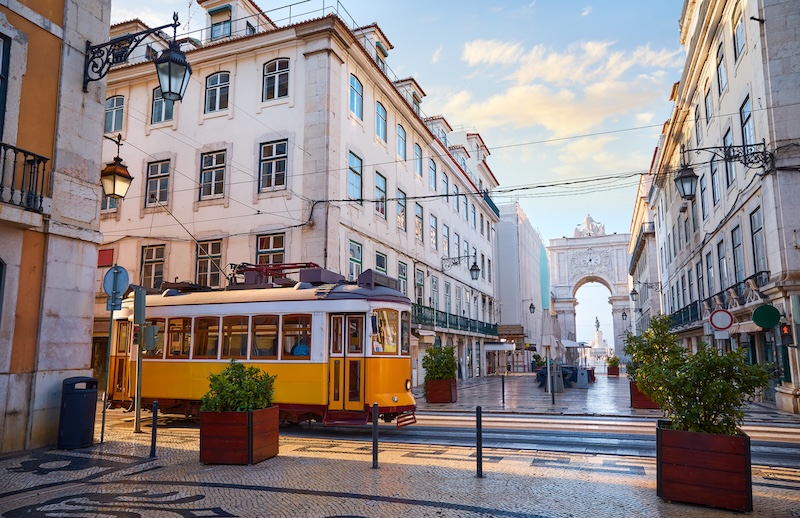
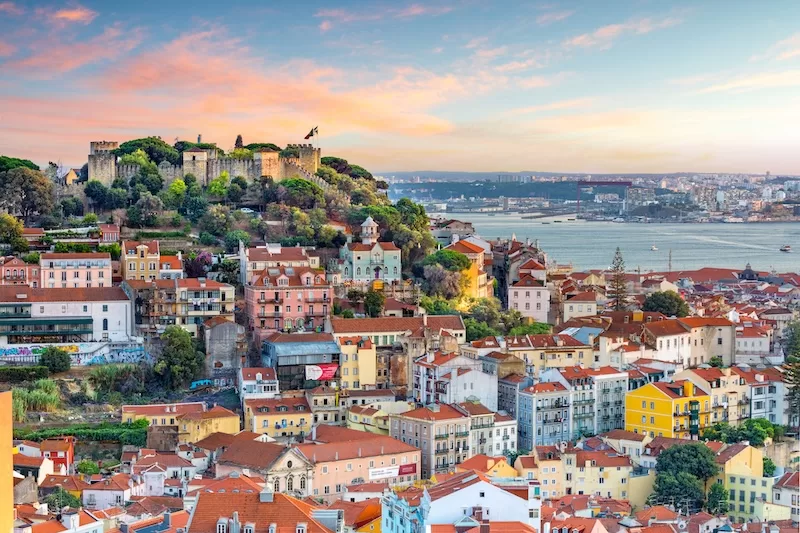
Lisbon has a problem that most cities would kill for. Everyone already wants to go there.
The trouble is that wanting and knowing are not the same thing. Lisbon reveals itself slowly, and never on the first visit. It happens somewhere in the middle of an ordinary week. A Tuesday, perhaps. The light arriving in a particular way through a particular window. A meal that costs almost nothing and tastes like it should cost considerably more. The sound of the city at a volume that does not require you to raise your own voice to exist inside it. That is the moment Lisbon takes hold.
It is a city that does not advertise itself aggressively. It does not need to. It works instead through accumulation, through small things repeated at a quality that does not diminish with familiarity, until one day the idea of living anywhere else requires more justification than the idea of staying.
For years, Lisbon sat at the edge of the European relocation conversation, admired but somewhat overlooked. Then the world caught up with what a smaller community of writers, artists, and internationally mobile professionals had understood for some time. The city that Portugal built on the edge of the Atlantic, facing outward toward a sea that once carried its ships to every corner of the world, turns out to be an exceptional place to build a life.
Read More Like This: Why Europe is Winning the Relocation Race
A City With a Longer Story Than Its Recent Reputation
It is worth saying clearly: Lisbon is not a new discovery. The tendency to discuss it as though it emerged recently from obscurity misses something important about the city’s character and its history.
This is a capital that was, in the fifteenth and sixteenth centuries, one of the most globally connected cities on earth. The Age of Discovery launched from these hills and this estuary. Vasco da Gama, Magellan, Cabral; the names attached to Portugal’s extraordinary outward reach belong to a city that understood, long before most of Europe, that the world was larger and more connected than the prevailing imagination could hold.
That history is not incidental to Lisbon’s present character. It is woven into the city’s architecture, its food, its language, its particular relationship with loss and longing that finds its most famous expression in fado. A culture that has spent centuries in conversation with the wider world develops a quality of openness that is not performance. It is simply how the place is built.
What has changed in recent years is not the city, but the audience paying attention to it.
The Numbers That Frame the Feeling
The data that surrounds Lisbon’s recent rise as a relocation destination is by now well known, though it deserves to be read carefully rather than simply cited.
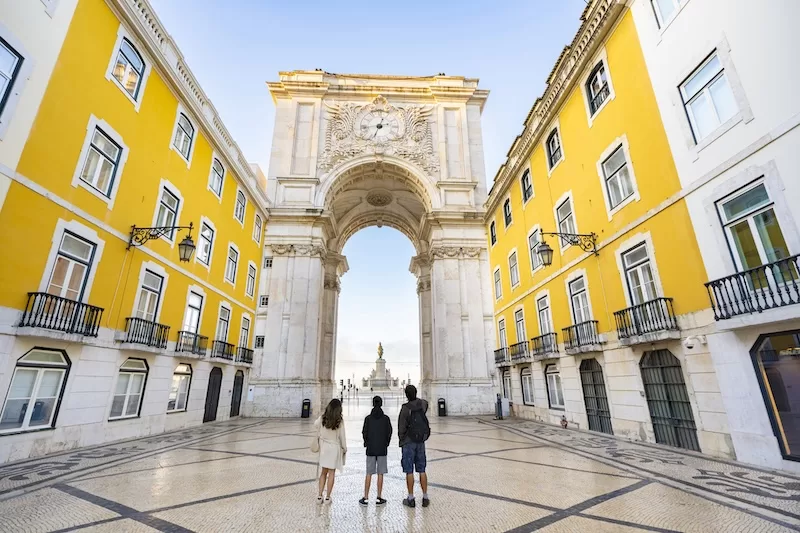
Housing costs in Lisbon remain significantly below the European capitals it is most often compared with, though the gap has narrowed in ways that matter. Average asking rents in the city sit at approximately $19.50 per square metre as of early 2026. That is higher than Athens, higher than Budapest, higher than it was five years ago. It is also notably lower than Barcelona at $23.80 per square metre, and dramatically lower than Amsterdam or Paris.
The more useful comparison is not the number itself but what it translates to in lived terms. In Lisbon, the rent you pay in a central neighbourhood still tends to buy you space, light, and architectural quality that would be considerably more expensive elsewhere. The high-ceilinged apartments of Príncipe Real and Mouraria, with their original tile details and wooden floors and long windows onto streets that have looked roughly the same for a century, exist at price points that their equivalents in comparable European cities left behind some years ago.
The climate makes a parallel case. Lisbon averages close to 300 sunny days per year, with winters mild enough that outdoor life continues through them. The Atlantic coast begins twenty minutes from the city centre and does not behave like a seasonal amenity. Cascais, Sintra, and the beaches of the Estoril line are within easy reach by train. The sea is part of the city’s geography in a way that affects how people live and move through their weeks, not simply how they spend their holidays.
Read More Like This: Summer Is Calling: Our Top 10 Destination Picks
What the NHR Years Left Behind
Any honest account of Lisbon’s recent transformation has to reckon with the Non-Habitual Resident tax regime, which closed to new applicants at the end of 2023. The NHR was a ten-year preferential tax arrangement that attracted a significant wave of high-income international arrivals, particularly from the technology industry and from countries with higher personal tax burdens.
Its effects on the city were substantial and not uniformly positive. Rents rose in the most desirable neighbourhoods. The character of some areas shifted with the density of new arrivals. Resentment built among long-term Lisbon residents who watched the city they had grown up in become materially less accessible. These are real costs, and they belong in the account alongside the cultural and economic energy the regime helped generate.
What is also true is that the layer the NHR years deposited, restaurants, creative businesses, professional networks, the infrastructure of a genuinely international city, did not disappear when the regime ended.
Lisbon in 2026 has the depth and the services of a city that has absorbed a decade of serious international attention, without all of the distortion that comes with a tax incentive still actively drawing arrivals.
For those considering relocation now, this may actually represent a better moment than the peak years. The city is more established, the community more rooted, and the conditions less overheated than they were in 2021 or 2022. The IFICI regime, the NHR’s successor, targeted at qualifying professionals in research and innovation, provides a formal tax pathway for those who meet its criteria. And the D8 Digital Nomad Visa, which requires a monthly income of approximately €3,480 from non-Portuguese sources, offers a legal route to residency for remote workers that is more structured than many European alternatives.

Read More Like This: Ready to Leave the US? These Countries Might Trump the American Dream
The Neighbourhood Question
One of the things that makes Lisbon interesting as a relocation destination is that the city does not resolve easily into a single recommendation. Different people land in different places, and the differences matter.
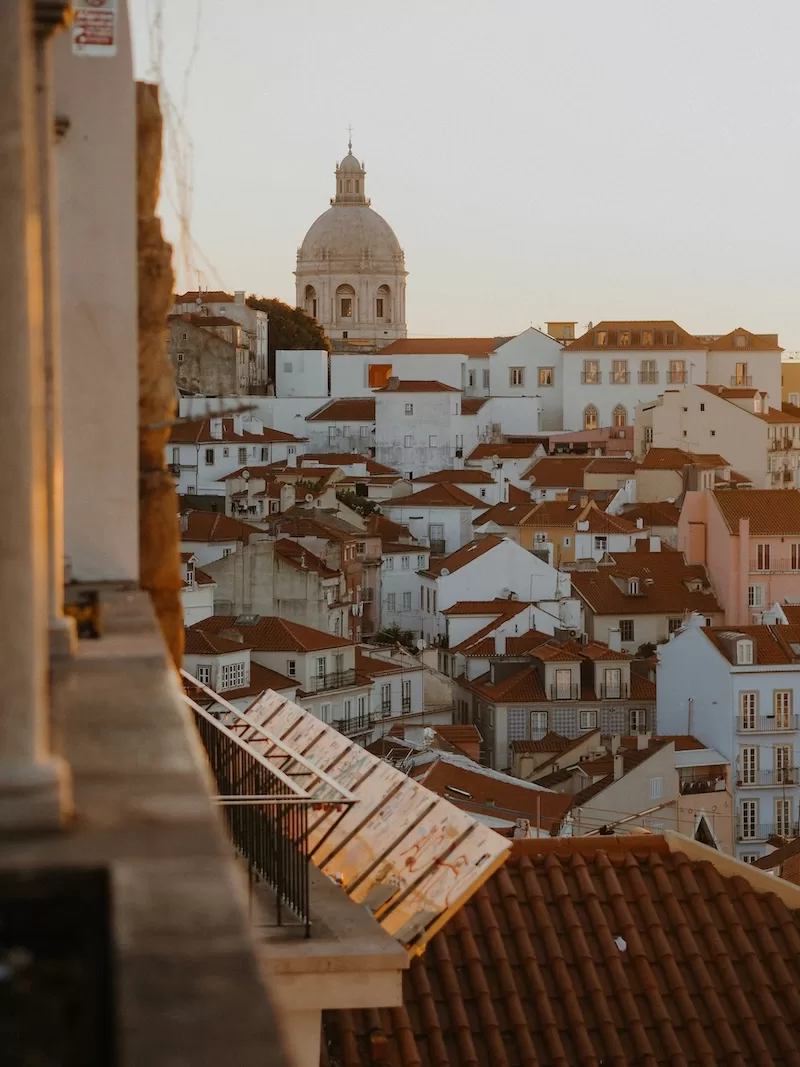
Príncipe Real is, for many, the instinctive choice. It sits on a hill above Chiado with a garden at its centre, streets of nineteenth-century palaces that have been given new lives as restaurants and shops, and a density of good cooking and natural wine that would make any European neighbourhood envious. It is expensive, by Lisbon standards. It is also genuinely beautiful, and the beauty is not purely decorative. It is a neighbourhood that functions.
Alfama is the city’s oldest quarter, cascading down the hillside from the castle in a tangle of narrow streets that have resisted the grid. Fado emerged here, and the music still belongs to the neighbourhood in a way that feels earned rather than performed. Living in Alfama means accepting its complications, the cobbles, the tourists at certain hours, the physical demands of a hillside neighbourhood, in exchange for an atmosphere that has no real equivalent.
Mouraria, adjacent to Alfama and technically its continuation, has transformed more rapidly and more recently. It carries a multicultural density that reflects centuries of the city’s history, and it now adds to that a restaurant and café culture of real quality. For those who want to be close to the energy of the city’s change rather than its more established pleasures, Mouraria repays attention.
Further afield, the riverside neighbourhoods of Alcântara and Belém offer a different pace. Wider streets, more breathing room, the Tejo closer and more present. Belém carries the weight of Portugal’s imperial history in its extraordinary architecture, and it wears that weight lightly. The original pastéis de nata bakery is here, and the queue to enter it on a Saturday morning is a reasonable price for the experience.
Parque das Nações, built for the 1998 World Exposition on what had been industrial land in the east of the city, is the answer for those who want modern construction, riverside access, and a more suburban pace without leaving Lisbon proper. It is popular with families and with international arrivals who want clear building standards and manageable infrastructure.
Read More Like This: Living in Portugal as an American: What to Know Before You Move
What Lisbon Asks of You
There is a version of the Lisbon story that omits the difficulties, and it is not the useful version. The housing market is under real pressure. Properties in the most desirable central neighbourhoods move quickly and the competition for them is genuine. Arriving with documentation prepared, proof of income, references, bank statements, and a willingness to act on the same day as a viewing is not excessive caution. It is the practical reality of a market where demand consistently exceeds supply. Those who have moved to Lisbon from cities with even more pressured rental markets will find this manageable. Those who have moved from smaller or less contested cities may find it requires adjustment.
The Portuguese bureaucratic environment is more demanding than the city’s relaxed atmosphere suggests. Residency applications, tax registration, and anything involving official institutions require patience, professional support, and a willingness to navigate systems that do not always move at the pace one might wish. A good immigration lawyer and a reliable accountant are not luxuries in Lisbon. They are the practical infrastructure of a functioning life there.
The language question is more nuanced than it first appears. English is widely spoken in the central neighbourhoods, in services oriented toward international residents, and in the professional contexts most expats inhabit. Portuguese, however, is not a courtesy. It is the language the city thinks in. Learning it changes the quality of daily life in ways that are difficult to quantify but easy to feel once they happen.
Neighbours become available. Conversations become possible. The city opens in increments with each piece of the language acquired. None of these are reasons not to come. They are the honest shape of what coming requires.
The Emotional Register of the Place
Cities affect people in different ways, and the reasons are not always fully rational. Lisbon has a particular emotional register that its residents return to often when trying to explain why they stayed or why they came back.
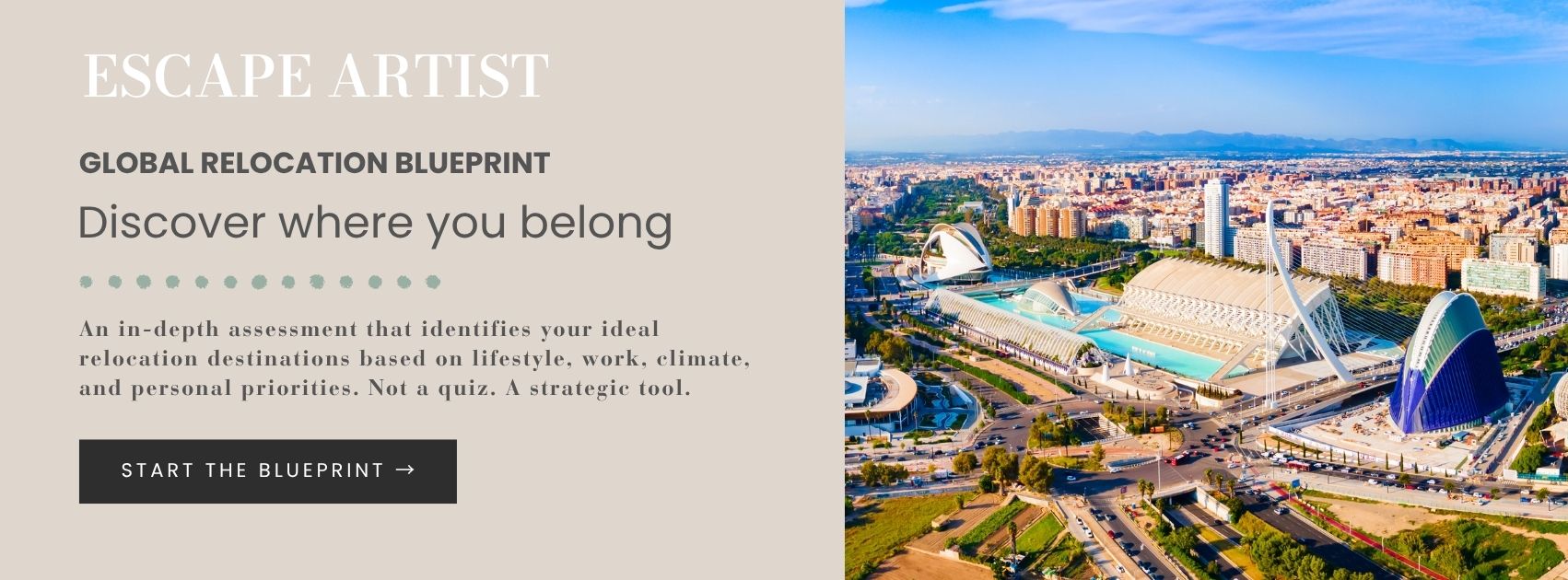
Part of it is the light. The quality of light in Lisbon is not simply a function of the latitude or the proximity to the sea, though both contribute. There is something in the way it arrives in the city, through the blue and white tiles that line the walls of old buildings, reflecting off the river, softened by the frequent Atlantic haze, that makes the visual experience of being there feel different from other cities at comparable latitudes. Painters noticed this long before the rest of us did.
Part of it is the scale. Lisbon is a capital that does not behave like one in its daily rhythms. It is possible to walk most of what matters. It is possible to know a neighbourhood well enough that the café owner knows your order, that the market vendor knows which vegetables you prefer, that the daily texture of life accumulates the particular richness that comes from repeated contact with the same small geography. That intimacy of scale is increasingly rare in cities people actually want to live in.
Part of it is fado. This is not a claim that everyone who moves to Lisbon will develop a meaningful relationship with Portugal’s music of melancholy and longing. Many do not. But the existence of fado says something about the city’s temperament that matters. Saudade, the Portuguese concept of a pleasurable melancholy, a longing for things present and past simultaneously, is not merely a folk etymology. It describes something real about how this city relates to time and beauty and loss. Living inside that sensibility, even at a remove, changes something in how a place feels.
And part of it is the sea. Not as background, not as weekend destination, but as constant. The Atlantic is always there, at the end of the estuary, beyond the bridge, present in the quality of the air and the quality of the light and the fact that this city has always looked outward. For those who have spent years in landlocked cities or in cities where the water is incidental, the constancy of the sea in Lisbon is not a small thing.

Why Lisbon Still Makes the Case
The window of easy entry to Lisbon has narrowed from what it was a decade ago, and honesty requires saying so. The city that offered post-crisis bargains in 2013 is not that city in 2026. Prices have risen, competition has increased, and the quality of life that was once quietly available to anyone who had the imagination to look for it now carries a higher price of admission.
And yet.
Lisbon continues to make a case that its more expensive European counterparts struggle to match. Not because it is cheap, it is not, but because what it offers at its current price point remains compelling. A Mediterranean-adjacent climate in a European Union capital. A food culture of extraordinary depth and genuine affordability relative to the quality it delivers. A physical environment of unusual beauty. A residency framework, through the D8 visa and the IFICI regime, that provides formal pathways for remote workers and qualifying professionals. Healthcare that is accessible and, in the private sector, excellent. A community of international residents that is large enough to offer support and varied enough to resist homogeneity.
The cities it competes most directly with; Barcelona, Berlin, Amsterdam, have their own arguments, and some of them are strong. But each of those cities also carries costs and complications that Lisbon does not. Barcelona’s housing market is under more extreme pressure. Berlin’s tax and bureaucratic environment is significantly more demanding. Amsterdam’s cost of living has moved beyond what most people can manage without exceptional income.
Lisbon is not the answer for everyone. It is a specific kind of place, with a specific kind of character, and the people it suits are the ones who are willing to engage with it on its own terms rather than as a backdrop for a life they had already imagined elsewhere.
For those people, and there are more of them every year, it remains one of the most persuasive cities in Europe.
Lisbon At A Glance
For those considering the move, the numbers help ground the feeling.
| Category | Lisbon (2026 Estimate) | Barcelona (Comparison) | Why It Matters |
| Average Rent (City Avg.) | €18.50/m² | €22.60/m² | Lower housing cost for comparable neighbourhood quality |
| Monthly Living Costs (Excl. Rent) | €750–€1,050 | €900–€1,300 | Greater financial ease in daily life |
| Sunny Days Per Year | ~290–300 | ~300 | Year-round outdoor living; mild winters |
| D8 Digital Nomad Visa | Available; €3,480/mo minimum | No equivalent | Formal legal route for remote workers |
| IFICI Tax Regime | 20% flat rate; qualifying sectors | No equivalent | Tax incentive for qualifying professionals |
| Atlantic Coast Access | 20 min by train | 20 min to Mediterranean | Sea integrated into daily life |
| Foreign Population | ~17.5% | ~30% | International community; not yet saturated |
| Private Healthcare Quality | Excellent; CUF, Lusíadas networks | Strong public and private | High quality; private insurance recommended |
| Freehold Property Purchase | No restrictions for foreigners | No restrictions | Accessible market for international buyers |
| English Accessibility | High in central neighbourhoods | High | Functional daily life without Portuguese |
| Path to Citizenship | 5 years legal residence | 10 years | Among Europe’s more accessible naturalisation routes |
Read More Like This: Europe’s Residency Thresholds Are Changing
The Practical Takeaway
Lisbon is not the bargain it once was, and those arriving with that expectation will need to adjust. It is, however, still one of Europe’s most compelling cities for those building a life outside their home country.
The combination of climate, culture, formal residency pathways, architectural beauty, and a food scene that punches considerably above its price point continues to place it near the top of the European relocation conversation. The pressures are real and deserve to be understood. But so does what lies on the other side of them.
For those willing to do the work of arriving somewhere properly, learning the language incrementally, navigating the bureaucracy with professional support, engaging with the city rather than simply consuming it, Lisbon offers something that is increasingly difficult to find at this latitude and at this price: a place that improves the longer you are in it.
Read More Like This: The Most Affordable European Cities to Live in 2026
Key Takeaways
Is Lisbon still worth moving to in 2026?
Yes, but not for the same reasons it was ten years ago. Lisbon is no longer a hidden bargain, and anyone arriving expecting cheap rent and easy access to central neighbourhoods may be disappointed. The stronger argument now is value, not cheapness. Lisbon still offers a rare mix of climate, architecture, food, coastal access, residency pathways, and daily quality of life that remains difficult to match in other major European cities.
Is Lisbon still affordable compared with other European cities?
Lisbon has become more expensive, especially in popular central neighbourhoods, but it still compares favourably with cities like Barcelona, Amsterdam, Paris, and Berlin. The article makes the point that Lisbon’s value is not only about rent. It is also about what that rent buys: light, space, walkability, beauty, access to the Atlantic, and a lifestyle that still feels more human-scaled than many competing European capitals.
Which Lisbon neighbourhoods should expats consider?
The answer depends on the type of life someone wants. Príncipe Real suits people who want beauty, restaurants, cafés, and an established international feel. Alfama offers history and atmosphere, but with hills, tourists, and older housing stock. Mouraria feels more multicultural and energetic. Alcântara and Belém offer more space and a riverside pace, while Parque das Nações is better suited to people who want modern buildings, infrastructure, and a more family-friendly rhythm.
What should people know before relocating to Lisbon?
The main thing is that Lisbon requires preparation. Housing moves quickly, bureaucracy can be slow, and professional help with immigration, tax, and residency is often worth the cost. English may be widely spoken in central areas, but Portuguese still matters if someone wants a deeper life in the city. Lisbon rewards people who arrive with patience and a willingness to engage properly, not just consume the city as a lifestyle backdrop.
What happened after Portugal’s NHR tax regime ended?
The end of the NHR regime did not remove Lisbon’s appeal. It changed the type of opportunity available. The city is no longer being driven by the same tax incentive that helped fuel its international boom, but the infrastructure created during those years remains. Lisbon now has a more established international community, better services, stronger professional networks, and alternative pathways such as the D8 Digital Nomad Visa and the IFICI regime for qualifying professionals.
Is Lisbon better than Barcelona, Berlin, or Amsterdam for relocation?
Lisbon is not automatically better, but it does offer a different balance. Barcelona has stronger Mediterranean energy but more severe housing pressure. Berlin has depth and opportunity but more bureaucracy and a heavier tax environment. Amsterdam is highly functional but increasingly expensive. Lisbon’s advantage is that it still offers European capital-city benefits with a softer pace, coastal access, formal residency pathways, and a lifestyle that feels less compressed.
Who is Lisbon best suited for?
Lisbon is best suited for people who want a European base with coastal access, mild weather, strong food culture, walkable neighbourhoods, and an international community that is large but not yet overwhelming. It works especially well for remote workers, mobile professionals, semi-retirees, creatives, and people who want to test life in Portugal before committing more permanently.
What is the practical takeaway for someone considering Lisbon?
Lisbon remains one of Europe’s most persuasive relocation cities, but the easy-entry version of the story is over. The better approach is to treat Lisbon as a serious relocation choice, not a fantasy escape. Visit for longer than a holiday, test neighbourhoods, understand rental realities, get proper tax and immigration advice, and begin learning Portuguese early. The city still makes a strong case, but it asks more of newcomers than it used to.
About the Author
Contact Author
"*" indicates required fields
Stay Ahead on Every Adventure!
Stay updated with the World News on Escape Artist. Get all the travel news, international destinations, expat living, moving abroad, Lifestyle Tips, and digital nomad opportunities. Your next journey starts here—don’t miss a moment! Subscribe Now !
Lisbon has a problem that most cities would kill for. Everyone already wants to go there.
The trouble is that wanting and knowing are not the same thing. Lisbon reveals itself slowly, and never on the first visit. It happens somewhere in the middle of an ordinary week. A Tuesday, perhaps. The light arriving in a particular way through a particular window. A meal that costs almost nothing and tastes like it should cost considerably more. The sound of the city at a volume that does not require you to raise your own voice to exist inside it. That is the moment Lisbon takes hold.
It is a city that does not advertise itself aggressively. It does not need to. It works instead through accumulation, through small things repeated at a quality that does not diminish with familiarity, until one day the idea of living anywhere else requires more justification than the idea of staying.
If you'd like to read the full story, simply enter your email to subscribe to our newsletter.
For even more expert insights, unmissable resources, and exclusive invites, explore our premium subscription offers here.
OR
Already a Subscriber? Click here to login
Subscription required
You've reached your limit of free articles. For full access to Escape Artist, and all of our insights on travel, moving abroad, and the digital nomad life, click here to Subscribe.
Already a Subscriber? Log in here