
The global financial landscape of 2026 is defined by a stark divergence between nations that view decentralized wealth as a threat and those that recognize it as the cornerstone of future economic sovereignty. For the global citizen, the primary challenge has shifted from the simple acquisition of digital assets to the sophisticated task of situating those assets within a legal and physical jurisdiction that offers genuine protection.
Sovereign risk is no longer a theoretical concern for institutional bondholders; it is a daily reality for every individual holding significant digital wealth. As major economies struggle with mounting debt and the temptation to impose aggressive wealth taxes or restrictive capital controls, the choice of a crypto-friendly haven has become the single most important decision for long-term wealth preservation.
Asset protection in the current era requires a fundamental departure from the traditional offshore models of the past. The days of secret bank accounts and opaque corporate shells have largely been replaced by a global regime of transparency and information exchange. However, a new frontier has emerged in jurisdictions that have integrated blockchain technology into their very legal and economic fabric.
These modern havens offer more than just low tax rates; they provide a robust, institutional-grade framework that recognizes digital property rights, offers clear paths to residency for investors, and maintains a stable political environment that respects individual autonomy. To find the ideal jurisdiction, one must look beyond the initial hype of early adopters like El Salvador and identify the nations that are building sustainable, rule-of-law-based ecosystems for the digital age.
The Evolution of Crypto Jurisdictions Beyond El Salvador
While El Salvador deserves credit for its pioneering role in making Bitcoin legal tender, the landscape has matured significantly since that initial move. For many high-net-worth individuals and family offices, the volatility of the Salvadoran political scene and the lack of a long-standing institutional tradition present risks that outweigh the benefits of its pro-crypto stance.
In 2026, the focus has shifted toward jurisdictions that combine a welcoming attitude toward digital assets with the stability and sophistication of a major financial hub. These nations are not just “crypto-friendly” in name; they have enacted comprehensive legislation that addresses the unique challenges of digital asset ownership, from inheritance and custody to the legal standing of decentralized autonomous organizations.
The United Arab Emirates, particularly Dubai and Abu Dhabi, has emerged as a dominant force in this space. The UAE has not merely tolerated crypto; it has made the digital economy a central pillar of its national vision. Through the establishment of the Virtual Assets Regulatory Authority in Dubai and the sophisticated legal framework of the Abu Dhabi Global Market, the UAE offers a level of regulatory clarity that is virtually unmatched globally. For the expat investor, this translates into a secure environment where digital assets can be held through foundations or corporate structures that are recognized by the traditional banking system. The absence of personal income or capital gains taxes on crypto transactions is a significant draw, but the true value lies in the institutional security and the government’s unwavering commitment to becoming the global capital of digital finance.
The UAE’s approach is characterized by a “regulation-first” mentality that seeks to provide a safe harbor for legitimate innovation while weeding out bad actors. This has led to a flourishing ecosystem of custodians, exchanges, and legal experts who specialize in the nuances of digital wealth. For an expat, living in a society that views your financial choices as a contribution to national growth rather than a target for extraction provides a profound sense of security. The physical safety and world-class infrastructure of cities like Dubai further enhance the appeal, creating a holistic environment where one can manage their digital legacy with peace of mind.

Switzerland and the Alpine Standard of Security
In Europe, Switzerland remains the gold standard for those who prioritize institutional stability and a long tradition of financial privacy. The “Crypto Valley” in Zug has evolved from a small cluster of startups into a mature, world-class hub for blockchain innovation. Switzerland’s strength lies in its decentralized political system and its deep-rooted respect for private property. Unlike many of its neighbors, Switzerland has avoided the knee-jerk reaction to over-regulate digital assets, instead opting for a principled approach that treats crypto assets as private property under existing civil law.
The Swiss legal framework provides a level of predictability that is highly valued by long-term investors. The recognition of digital assets as a distinct asset class, combined with the ability to obtain formal tax rulings from cantonal authorities, allows for precise and compliant wealth planning. For asset protection, the use of Swiss foundations is particularly compelling. These entities can be structured to hold digital assets for the benefit of future generations, protected by the country’s robust legal system and its history of neutrality.
While Switzerland is not a zero-tax jurisdiction, its system is fair, transparent, and designed to reward long-term capital preservation. The presence of specialized crypto banks that are fully integrated into the Swiss financial system ensures that the bridge between digital and fiat wealth remains open and secure.

Singapore and the Institutional Fortress of Asia
Across the globe, Singapore continues to serve as the primary gateway for crypto wealth in Asia. While the Monetary Authority of Singapore has taken a more cautious approach toward retail trading, it has been exceptionally supportive of institutional-grade asset management and custody. Singapore’s strategy is built on the belief that the future of finance is digital, but that this future must be built on a foundation of trust and rigorous oversight. For the sophisticated expat, Singapore offers a highly organized and incorruptible environment where complex family offices can be structured to include significant digital asset holdings.
The strength of Singapore lies in its extensive network of double taxation treaties and its reputation for being one of the most business-friendly environments in the world. The legal system, based on English common law, provides a familiar and reliable framework for international investors. While the cost of living and the regulatory requirements are high, the trade-off is a level of security and global legitimacy that few other jurisdictions can match. Singapore is the destination for those who view their crypto holdings not as a speculative play, but as a core component of a multi-generational wealth strategy that requires the highest level of institutional protection.
Emerging Havens and the Importance of Legal Infrastructure
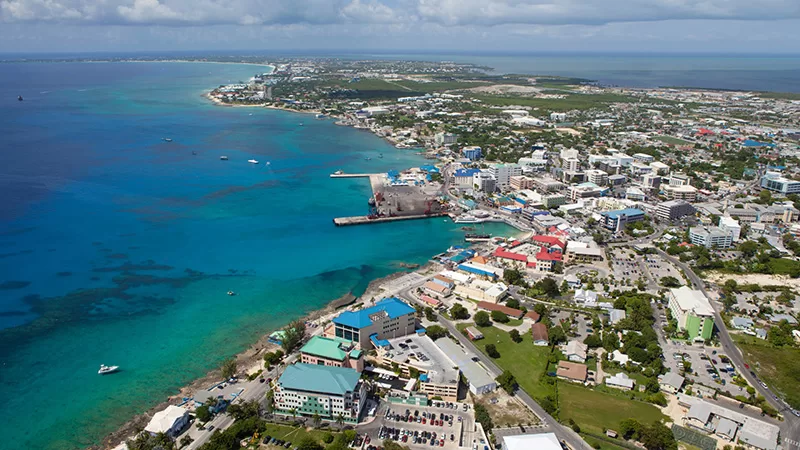
Beyond these major hubs, several other jurisdictions are making significant strides in attracting digital wealth. Bermuda and the Cayman Islands, long-standing leaders in the traditional offshore world, have enacted dedicated digital asset legislation designed to provide a secure and tax-neutral environment for crypto businesses and investment funds. These jurisdictions are particularly attractive for those who require a high degree of flexibility in their corporate structures while still benefiting from a sophisticated legal and professional services ecosystem.
The common thread among all successful crypto havens in 2026 is the presence of a clear and enforceable legal infrastructure. A jurisdiction that offers low taxes but lacks a specialized court system or a clear definition of digital property rights is a high-risk environment. For the expat, the goal is to find a location where the legal system is capable of handling the unique complexities of blockchain technology, such as the recovery of lost keys, the resolution of smart contract disputes, and the seamless transfer of assets upon death. This “legal liquidity” is just as important as the financial liquidity of the assets themselves.

Technical Strategies for Enhanced Asset Protection
Choosing the right jurisdiction is only the first step in a comprehensive asset protection strategy. In 2026, the most successful global citizens are those who combine jurisdictional advantages with advanced technical security measures. This involves moving beyond simple hardware wallets to implement multi-signature governance and decentralized custody solutions. By requiring multiple keys held in different jurisdictions to authorize a transaction, an investor can create a powerful defense against both physical theft and legal overreach.

For example, a common strategy involves holding the primary digital assets in a Swiss foundation, with the governance keys distributed among trusted advisors in Singapore and the UAE. This multi-jurisdictional approach ensures that no single government can unilaterally seize or freeze the assets. It also provides a layer of protection against personal coercion, as the individual does not have the sole power to move the funds. This technical “sovereignty” is the ultimate goal of the modern expat, creating a system where wealth is protected by both the laws of men and the immutable laws of mathematics.
The Psychological Shift Toward Financial Autonomy
The transition to a crypto-centric wealth strategy also requires a significant psychological shift. For decades, individuals have relied on centralized institutions to safeguard their wealth and manage their risks. In the digital age, that responsibility has shifted back to the individual. This new level of autonomy is both empowering and demanding. It requires a commitment to continuous education, a high degree of personal discipline, and a willingness to take a proactive role in one’s financial planning.
The expat who thrives in 2026 is the one who views their digital wealth not just as a financial asset, but as a tool for personal freedom. This means being prepared to move if a jurisdiction’s risk profile changes, maintaining a liquid “exit fund” in a stable currency, and always having a “Plan B” residency or citizenship. The world is becoming increasingly fragmented, and the ability to move your wealth and your family across borders with minimal friction is the ultimate competitive advantage.

Investing in the Philosophy of Freedom
Ultimately, the 2026 guide to crypto-friendly jurisdictions is about more than just finding a place to park your private keys. It is about choosing a partner in your journey toward financial sovereignty. The world is bifurcating into nations that fear the decentralization of wealth and those that see it as the future of human prosperity. By aligning yourself with the latter, you are not just protecting your assets; you are investing in a philosophy of freedom that will define the next century of global mobility.
The jurisdictions we have discussed, including the UAE, Switzerland, Singapore, and others, are not just tax havens; they are the architects of a new global financial order. They understand that in a world of digital assets, capital is more mobile than ever before, and it will naturally flow to where it is treated with the most respect and provided with the most security. For the global citizen, the opportunity is to participate in this new order, building a secure and prosperous future that is independent of the failings of any single nation-state. The path to financial sovereignty is open to those who have the vision to see it and the courage to act upon it.
Read More Like This: Countries Leading the Way in Crypto
Key Takeaways
What makes a jurisdiction “crypto-friendly” for asset protection in 2026?
A truly friendly jurisdiction offers a combination of legal clarity regarding digital property rights, a favorable tax environment (low or zero capital gains), and a stable political system that respects individual financial privacy and autonomy.
Why is the UAE considered a top choice for crypto expats?
The UAE, particularly Dubai and Abu Dhabi, has established dedicated regulatory bodies like VARA and ADGM that provide institutional-grade legal frameworks. Combined with zero personal income tax on crypto, it offers a premier environment for digital wealth.
Is Switzerland still relevant for crypto investors in 2026?
Yes, Switzerland remains a “gold standard” due to its long history of financial privacy, the rule of law, and the mature ecosystem in Zug’s Crypto Valley. It is ideal for those prioritizing long-term institutional security and political neutrality.
What are the risks of choosing a less regulated crypto-haven?
While less regulated markets may offer more freedom, they often lack the legal infrastructure to protect you in case of disputes or institutional failures. They may also face greater pressure from global financial watchdogs, leading to sudden changes in policy.
How should I structure my crypto assets for maximum protection?
In 2026, the most effective strategy often involves a multi-jurisdictional approach, using foundations or trusts in crypto-friendly nations to hold assets, combined with a residency in a country that respects your financial sovereignty.
Contact Author
"*" indicates required fields
Stay Ahead on Every Adventure!
Stay updated with the World News on Escape Artist. Get all the travel news, international destinations, expat living, moving abroad, Lifestyle Tips, and digital nomad opportunities. Your next journey starts here—don’t miss a moment! Subscribe Now !
The global financial landscape of 2026 is defined by a stark divergence between nations that view decentralized wealth as a threat and those that recognize it as the cornerstone of future economic sovereignty. For the global citizen, the primary challenge has shifted from the simple acquisition of digital assets to the sophisticated task of situating those assets within a legal and physical jurisdiction that offers genuine protection.
Sovereign risk is no longer a theoretical concern for institutional bondholders; it is a daily reality for every individual holding significant digital wealth. As major economies struggle with mounting debt and the temptation to impose aggressive wealth taxes or restrictive capital controls, the choice of a crypto-friendly haven has become the single most important decision for long-term wealth preservation.
Asset protection in the current era requires a fundamental departure from the traditional offshore models of the past. The days of secret bank accounts and opaque corporate shells have largely been replaced by a global regime of transparency and information exchange. However, a new frontier has emerged in jurisdictions that have integrated blockchain technology into their very legal and economic fabric.
If you'd like to read the full story, simply enter your email to subscribe to our newsletter.
For even more expert insights, unmissable resources, and exclusive invites, explore our premium subscription offers here.
OR
Already a Subscriber? Click here to login
Subscription required
You've reached your limit of free articles. For full access to Escape Artist, and all of our insights on travel, moving abroad, and the digital nomad life, click here to Subscribe.
Already a Subscriber? Log in here