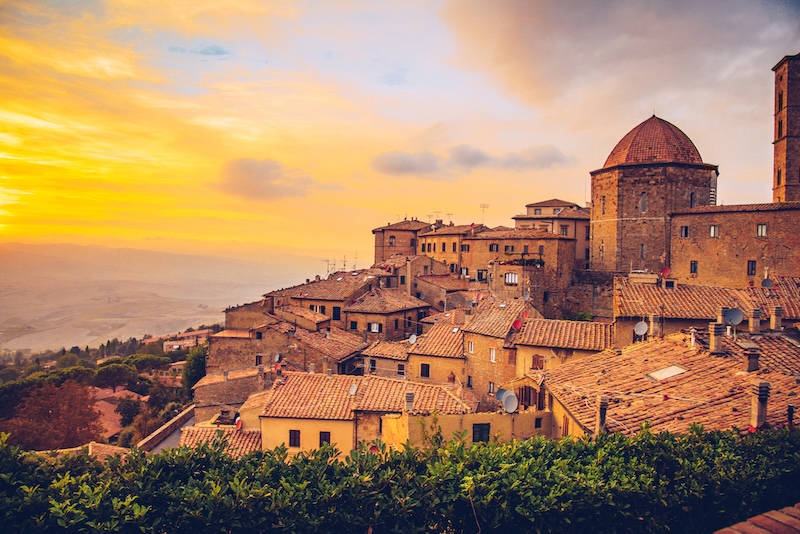
Italy is a country that is renowned for its stunning scenery and beautiful architecture. Its towns and cities are filled with narrow, cobblestoned alleys that are soaked with history. Italy is one of the most captivating destinations on earth. For those of us lucky enough to have visited, we’ve all thought at some point on our trip, “Oh man, I wish I could live here.” Well, what if you could buy a house in Italy for a single euro?
For more than a decade, the “€1 house” schemes in Italy have promised exactly that: a symbolic price, a fixer-upper, a second chance. But for many, what sounds like a fairy tale ends up as a sobering reality. On paper, the initiative is about repopulating dying villages; in practice, it often becomes a long, costly, bureaucratic labor of love.
From Empty Streets to Global Headlines
The idea of selling houses for €1 in Italy wasn’t born from investors or speculators, but from local mayors and municipalities facing a demographic time bomb. Italy’s small villages, particularly in the south and on the islands, have been bleeding residents for decades. The south of Italy has significantly fewer opportunities than the north and much higher levels of poverty. Younger generations migrate to cities like Milan and Turin seeking jobs, while older inhabitants pass away. This left Italy with a huge problem of dereliction, as once-historic and vibrant places have become ghost towns. Many towns are now filled with empty streets, closed shops, and seem to be rotting into decay.
The first wave of publicized €1-house sales began around 2008. Since then, the scheme has spread. As of 2025, more than 70 municipalities across Italy, from Sicily to Sardinia, Calabria to Abruzzo, have launched some version of the program. Towns like Sambuca di Sicilia and Mussomeli in Sicily became poster children of this trend, with media outlets such as The New York Times, CNN, and the BBC broadcasting the dream worldwide.
But with global attention came an unexpected transformation. The program evolved from a policy tool for cultural preservation into a marketing phenomenon and cultural curiosity in its own right. It would be hard to attract young Italians back to the small villages in which they were raised, but for many non-Italians, buying these houses provided a dream opportunity to own a home in a sun-drenched stone village. It seems too good to be true, right?
The True Cost of a Symbolic Price
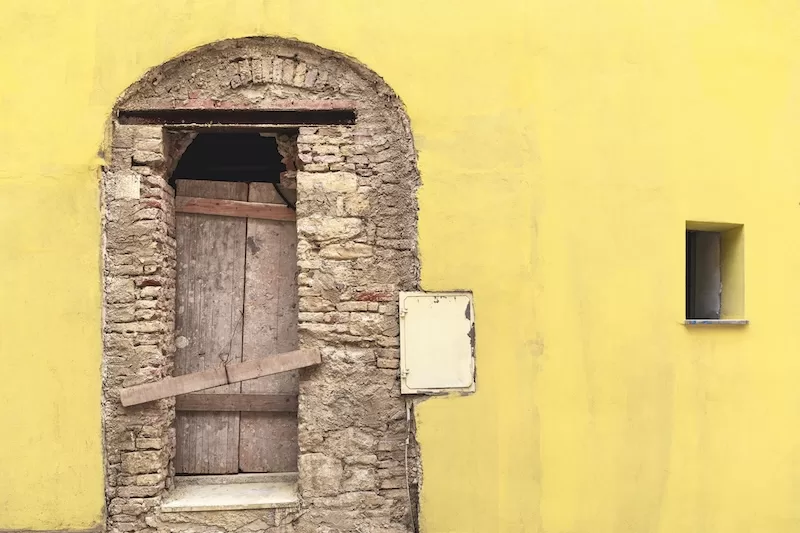
The process can vary from town to town. The reality is the price is more symbolic, and you are not buying a home ready to live in. You are essentially buying the right to renovate a ruin. Most municipalities demand a formal application before you can purchase, in which you need to present your plan for renovation and a guarantee (often in the form of a deposit) that you are committed to restoring the property. The deposits range from around €1,000 to €5,000 and in some cases higher.
Once the deal is signed and the €1 payment is made, the buyer typically has to submit a renovation plan within a defined timeframe and then begin and complete the work. Many towns impose deadlines. The renovation generally must start within one year and finish within two to three years.
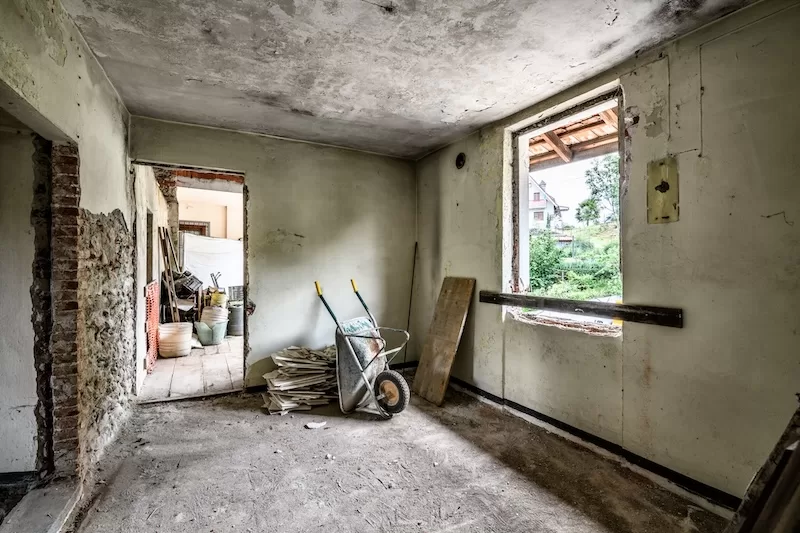
The renovation costs are where the too-good-to-be-true affordability aspect starts to vanish slightly. The cost of making many of these houses habitable is substantial. Conservative estimates start at around €20,000–€25,000 for a small village house. Commonly, the final bill for a regular-sized house tends to hover between €50,000 and €100,000. Some independent analyses even suggest that the total cost may exceed €120,000 once you factor in taxes, professional fees, building permits, and utilities.
On top of renovation, there are notary fees, registration taxes, local duties, and the recurring costs of maintaining an old property: yearly property taxes, utilities, maintenance. In short, the €1 entry point is only the beginning. Yet many would argue that to own your own property in a small Italian village, even for €100,001, is still a bargain.
Outsiders, Dreamers, and the Local Reality
The majority of the interest in this scheme comes from abroad. Buyers from the U.S., Europe, and Asia are often drawn by the romance of it all and the possibility of a cheap holiday home. These make up the biggest chunk of participants. In some towns, over 70% of successful applicants are foreign nationals.
Many local Italians seem to be less enticed by the deal. Renovation commitments, bureaucracy, and the heavy lift required make the scheme unappealing. Locals can look at the scheme without a romantic lens. No one ever thinks their hometown is that special. While many are happy to see their towns and villages get a new lease on life, the trade-off—time, money, legal work—isn’t really worth it for many Italians.
Local mayors often make no secret that foreigners are their preferred demographic. Individuals with savings, time, and a financial cushion to renovate and maintain—people whose first home isn’t at stake, but who are drawn to Italy as a lifestyle investment.
Revival or Illusion?
Proponents of the initiative argue that the €1 houses have saved entire towns from dying. By bringing in new residents, old village centers revive, businesses gain more revenue, and tourists start to arrive. In towns like Sambuca, Mussomeli, and Troina, entire neighborhoods have reportedly been revitalized because of renewed occupancy and renovation.
Critics argue that what’s being revived is less the town’s traditional soul and more a curated aesthetic for outsiders. As a reporter noted in a 2025 article for The Guardian, the scheme can amount to a “marketing gimmick.”
For every story of restored stonework and cozy family homes, there are more complicated tales of failed renovations, structural hazards, properties abandoned again because owners underestimated the scope, or simply lost interest after the romantic honeymoon ended. Many houses remain unsold, even at €1, because local laws require the consent of all previous owners or heirs—a hurdle that in many cases proves insurmountable.
One striking quote from a critic captures the tension: a village is not just a cluster of houses; it’s “architecture, streets, alleys, and houses, combined with a web of relationships, experiences, and interrelated social practices.” Replace local people with outsiders, and you risk erasing that identity entirely.
And economically, the numbers don’t always add up. The real estate markets in many of these towns are thin. Even after investing tens of thousands into renovation, there’s often little chance of recouping that investment on resale, especially given that demand remains limited by remoteness, local infrastructure, and the fact that these homes rarely appeal to Italians themselves anymore—though there have certainly been people who have seen significant returns.
Who This Gamble Is Really For
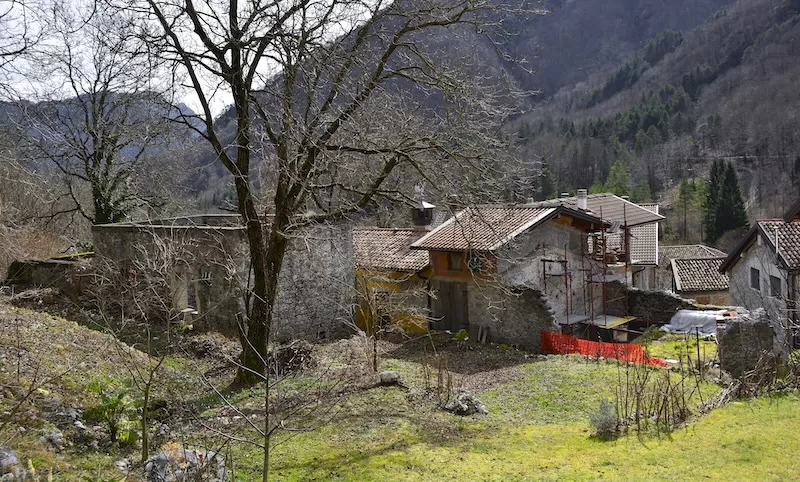
The €1 houses initiative is not for everyone. It demands a certain kind of buyer: someone with enough capital to weather the renovation, enough patience to navigate Italian bureaucracy, and enough passion to embrace a fixer-upper that might take years before it becomes livable. In practical terms, many experts say you should only consider going in if you have between €60,000 and €100,000 in spare funds.
Many of the so-called €1 homes are in a state of serious disrepair. Some have collapsed roofs, water damage, or crumbling foundations. Buyers are effectively purchasing a renovation project rather than a house. Many people have been drawn in by the idea of a cheap second home or a quick flip with passive rental income. This is rarely the reality. The scheme works best for those who value restoration over return.
Still Standing in 2025
As of 2025, the €1 house scheme remains active in many Italian municipalities. Some newer entries include inland and remote towns in Sardinia, such as Nulvi (province of Sassari) and Ollolai (province of Nuoro). Some municipalities now combine the €1 offer with additional incentives such as renovation subsidies, energy-efficiency grants, or bonuses for establishing permanent residence.
The €1 house remains less a get-rich-quick property hack than a social experiment—a gamble and a long-term commitment. The romantic marketing remains strong, but the reality is far heavier, built from stone, scaffolding, permits, and occasional heartbreak.
The Italian €1 house scheme is a fascinating blend of idealism and pragmatism, marketing and social policy, nostalgia and necessity. It offers a rare opportunity to resurrect buildings and villages long abandoned and to bring personal dreams into stone walls that have stood for centuries.
The one-euro entry point is often just a symbolic invitation. The real story unfolds afterward, in hard work and uncertainty, with no guarantee of financial return or even a finished house. Whether that gamble brings life back to empty alleys—or simply light and dust—depends entirely on the buyer.
Key Takeaways
Is the €1 House in Italy Really Free?
No. The €1 price tag is a symbolic entry point designed to attract foreign investment and combat depopulation in rural Italian towns. The real cost lies in mandatory renovations, which typically range from €60,000 to €100,000. Buyers are purchasing a renovation project, not a finished home.
What Are the Hidden Costs Beyond Renovation?
Beyond renovation expenses, buyers must account for renovation permits, property taxes, residency requirements, and often, tracking down multiple heirs to a single property. Legal fees, travel costs, and the time investment required to navigate Italian bureaucracy can add thousands to the total cost.
How Long Does It Take to Complete a €1 House Renovation?
Most €1 houses require extensive structural work, including new roofs, complete interior renovations, and foundation repairs. The timeline typically ranges from 2-5 years, depending on the severity of the property’s condition and the complexity of local permitting requirements. This is a multi-year commitment, not a quick fixer-upper.
Can You Make Money on a €1 House Investment?
While some buyers have seen returns, the scheme is designed to revitalize dying towns, not to create profitable real estate flips. The real estate markets in these towns are thin, and even after investing tens of thousands into renovation, there is often little chance of recouping the investment on resale. The primary value is in the lifestyle and the satisfaction of restoration, not financial gain.
Who Is the Ideal Buyer for a €1 House?
The ideal candidate is someone with significant savings (€60,000-€100,000+), a flexible timeline, a passion for restoration, and a deep appreciation for Italian culture. They must be prepared for bureaucratic challenges, unexpected structural issues, and the possibility that the romantic dream may not materialize as expected. It is a high-risk, high-reward venture that demands more than just a €1 investment.
Is the €1 House Scheme Still Active in 2025?
Yes. As of 2025, the €1 house scheme remains active in many Italian municipalities. Some newer entries include inland and remote towns in Sardinia, such as Nulvi and Ollolai. Many municipalities now combine the €1 offer with additional incentives such as renovation subsidies, energy-efficiency grants, or bonuses for establishing permanent residence.
What’s the Real Purpose of the €1 House Scheme?
The scheme is a social and economic policy designed to reverse depopulation in rural Italian villages. By bringing in new residents with capital to invest, local towns hope to revive village centers, increase business revenue, and attract tourism. However, critics argue that what’s being revived is less the town’s traditional soul and more a curated aesthetic for outsiders.
About the Author
Ethan Rooney is an Irish journalist covering global communities, culture, and niche movements. You can find more of his work here.
Contact Author
"*" indicates required fields
Stay Ahead on Every Adventure!
Stay updated with the World News on Escape Artist. Get all the travel news, international destinations, expat living, moving abroad, Lifestyle Tips, and digital nomad opportunities. Your next journey starts here—don’t miss a moment! Subscribe Now!
Italy is a country that is renowned for its stunning scenery and beautiful architecture. Its towns and cities are filled with narrow, cobblestoned alleys that are soaked with history. Italy is one of the most captivating destinations on earth. For those of us lucky enough to have visited, we’ve all thought at some point on our trip, “Oh man, I wish I could live here.” Well, what if you could buy a house in Italy for a single euro?
For more than a decade, the “€1 house” schemes in Italy have promised exactly that: a symbolic price, a fixer-upper, a second chance. But for many, what sounds like a fairy tale ends up as a sobering reality. On paper, the initiative is about repopulating dying villages; in practice, it often becomes a long, costly, bureaucratic labor of love.
From Empty Streets to Global Headlines
The idea of selling houses for €1 in Italy wasn’t born from investors or speculators, but from local mayors and municipalities facing a demographic time bomb. Italy’s small villages, particularly in the south and on the islands, have been bleeding residents for decades. The south of Italy has significantly fewer opportunities than the north and much higher levels of poverty. Younger generations migrate to cities like Milan and Turin seeking jobs, while older inhabitants pass away. This left Italy with a huge problem of dereliction, as once-historic and vibrant places have become ghost towns. Many towns are now filled with empty streets, closed shops, and seem to be rotting into decay.
If you'd like to read the full story, simply enter your email to subscribe to our newsletter.
For even more expert insights, unmissable resources, and exclusive invites, explore our premium subscription offers here.
OR
Already a Subscriber? Click here to login
Subscription required
You've reached your limit of free articles. For full access to Escape Artist, and all of our insights on travel, moving abroad, and the digital nomad life, click here to Subscribe.
Already a Subscriber? Log in here


