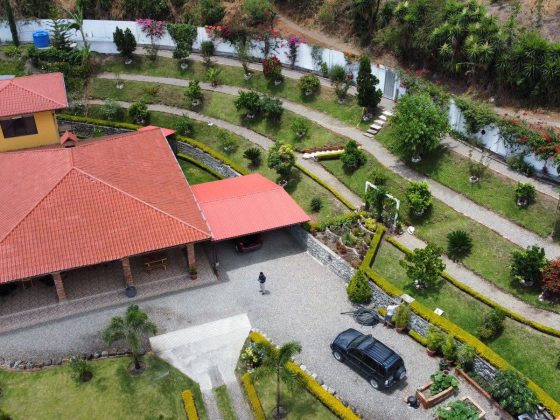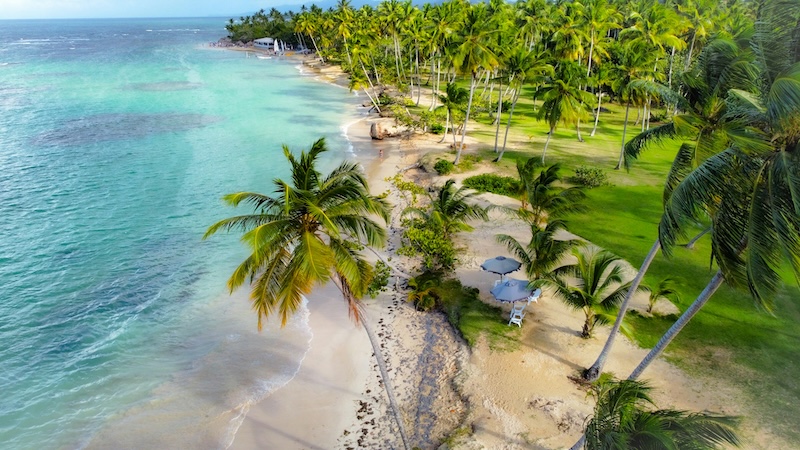
I’ve been living in the Dominican Republic for the past eight months. My visa was valid for 30 days. I haven’t renewed it, and I haven’t left the country since I arrived. Still, I’ve been able to rent a home in my name, set up utilities, and build a life here without much friction. On paper, none of this should work. But in practice, this is a reality many foreigners find themselves in, living in a kind of in-between, where residency is available, but not always necessary. That flexibility, I’ve learned, is not experienced in the same way by everyone.
In many countries, overstaying a visa comes with immediate penalties or restrictions. The Dominican Republic operates a bit differently.

Read More Like This: Getting Residency In the Dominican Republic
What Happens If You Don’t Get Residency
This is where the conversation around residency in the Dominican Republic becomes less straightforward than it first appears. Officially, foreigners are expected to either renew their stay or begin the residency process if they plan to remain in the country long term. In practice, many people take a different approach.
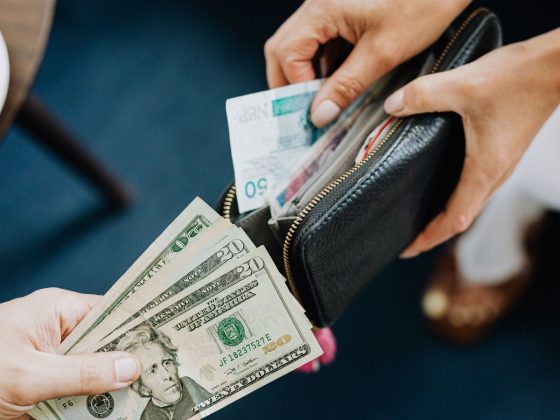
Instead of applying for residency right away, they remain in the country beyond the 30-day visa period and pay an overstay fee when they leave. In expat communities, this is often summed up in a simple phrase: “You just pay if you overstay.” While informal, it reflects a widely understood reality.
The fee is calculated based on how long a person has remained in the country past their initial entry period and is typically paid at the airport upon departure. There are no ongoing penalties built into daily life for overstaying. Instead, the fee increases based on how long a person remains in the country, with higher amounts applied after extended periods of overstay. For many foreigners, especially those coming from North America, this becomes part of the cost of staying longer without formal residency. The exact amounts can be checked using the official fee calculator provided by the Dirección General de Migración.
For those living in the country, this creates a kind of in-between status. It is possible to rent a home, set up utilities, and build a routine without immediately formalizing residency. In expat communities, it is common to hear from individuals and families who have spent years living this way while still purchasing property, enrolling their children in international schools, and managing day-to-day life without major disruption.
At the same time, these experiences are often shaped by access, location, and individual circumstances. Some people emphasize the importance of understanding the country beyond tourist areas and doing independent research before making long-term decisions. While the system can feel flexible, it is not always predictable.
Read More Like This: Work in the Dominican Republic
When Residency Starts to Matter
That flexibility has its limits. While it is possible to live in the Dominican Republic without residency for a period of time, there are certain areas of life where legal status begins to matter more.
Banking is often one of the first considerations, although it is not always as restrictive as it may seem. While residency can make the process more straightforward, some institutions will accept alternative documentation, such as an employment letter from a local employer. In my case, my school has indicated that they will provide the necessary paperwork to help me open an account. This reflects a broader pattern in the Dominican Republic, where formal requirements exist, but practical workarounds are not uncommon.
Employment is another factor, though the requirements can vary depending on the type of work. Some international employers allow individuals to begin working without immediate residency or while their application is in progress, particularly in structured environments like international schools. In my case, my employer offers to reimburse the costs associated with obtaining residency. That shifts the decision from something optional to something more practical, especially as I plan to apply for both myself and my daughter.
Residency also becomes more relevant when you begin thinking about building something more permanent. This can include purchasing property, registering a business, or creating long-term financial stability within the country. While there are ways people navigate these systems without formal residency, those approaches do not always offer the same level of consistency or ease.
There is also a shift that happens over time. Living without residency can feel manageable at first, especially when daily life continues without interruption. But as your plans expand, questions around access, legality, and long-term stability start to surface. What begins as a flexible arrangement can start to feel temporary.
For many foreigners, residency is not urgent. But it becomes relevant the moment your life here moves beyond the basics.
Read More Like This: Residency Options in the Dominican Republic
What the Process Looks Like on Paper
For those who decide to move forward with residency, the official process follows a structured path. It typically begins with applying for temporary residency, which can later lead to permanent status after a set period of time.
The requirements are fairly standard. Applicants are generally asked to provide a valid passport, a birth certificate, a police background check from their country of origin, and proof of financial solvency or income. These documents usually need to be apostilled and translated into Spanish before they are accepted. Depending on the application, the process may also include a medical exam conducted in the Dominican Republic.
Some applicants begin the process from their home country through a Dominican consulate, while others start after arriving in the country. In terms of timing, the process is often described as taking a few months from start to finish, although actual timelines can vary.
On paper, it is a clear sequence of steps. Submit the required documents, complete the necessary checks, and wait for approval. For someone researching the process from the outside, it can appear relatively straightforward. More detailed information, including the different residency categories, can be found through the official residency section of the Dirección General de Migración.
While it is possible to navigate the process independently, many applicants choose to work with a lawyer to help manage documentation, timing, and communication with government offices. Given the nuances of the system, professional guidance is often recommended.
Read More Like This: Gaining Residency in the Dominican Republic
Where the System Gets Complicated
In practice, the residency process does not always move as cleanly as it appears on paper. Timelines can extend beyond what is initially expected, and small details can slow things down in ways that are difficult to anticipate.
Documentation is one of the most common points of friction. Background checks and birth certificates must be recent, which means delays can lead to documents expiring before the process is complete. When that happens, applicants may need to request, apostille, and translate them again, adding both time and cost.
There is also the question of clarity. Information is not always centralized, and requirements can feel inconsistent depending on where you go or who you speak to. Because of this, many people rely on lawyers or legal representatives to guide them through the process. While this can make things smoother, it also introduces an additional expense that is not always reflected in official guidelines.
Even the in-country steps can require flexibility. Appointments for document submission, follow-ups, or required checks may involve multiple visits, rescheduling, or longer wait times than expected. For those balancing work, travel, or family responsibilities, this can make the process feel more demanding than it first appears.
For some, these challenges are manageable. For others, they can become a barrier. And this is where the experience of residency in the Dominican Republic begins to diverge in more noticeable ways.
Residency Isn’t the Same for Everyone
By this point, it becomes clear that the residency process in the Dominican Republic is not experienced in the same way by everyone who goes through it.
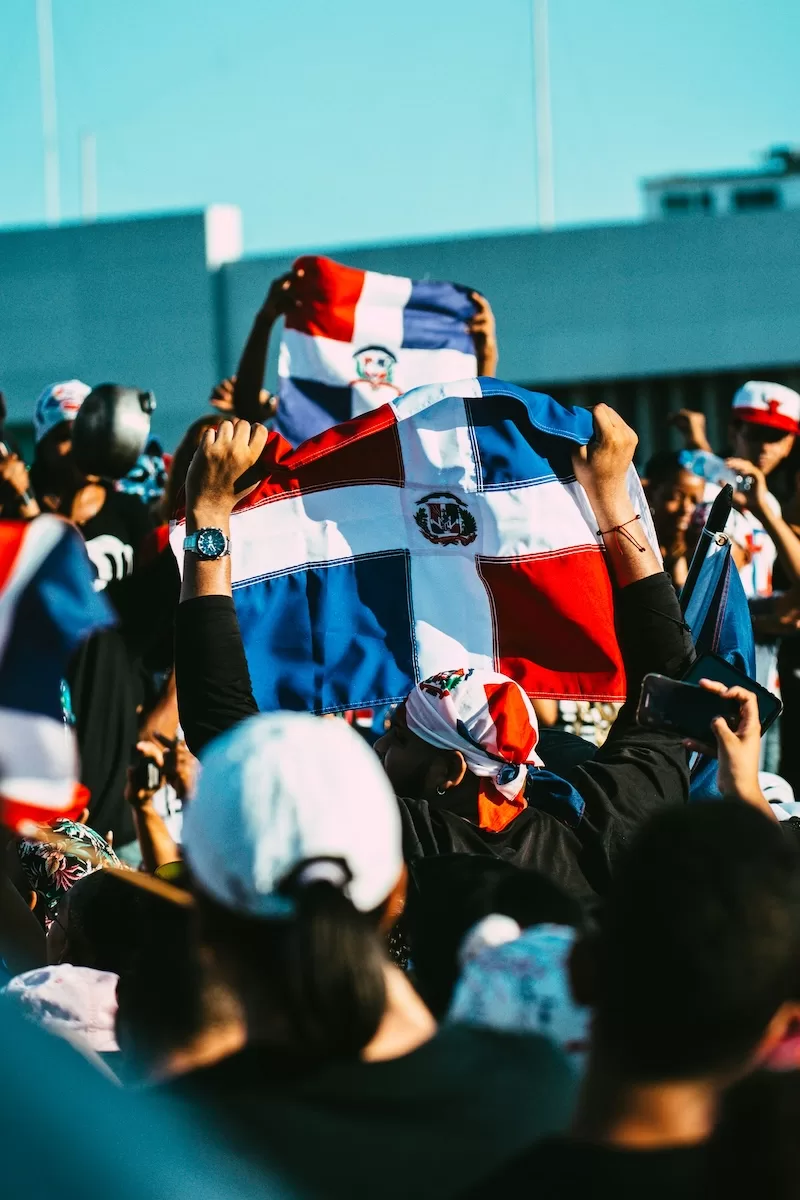
For many foreigners, particularly from the United States and Canada, residency often feels flexible. It is something you can choose to pursue based on your long-term plans rather than something you are immediately required to secure. People live in the country for extended periods, pay an overstay fee when leaving, and continue daily life without major disruption. In this context, residency becomes a matter of convenience. It can make certain things easier, but it is not always urgent.
That experience is not universal.
For Haitians living in the Dominican Republic, the process tends to look very different. The financial barrier alone can be significant, with costs that can reach several thousand dollars. In many cases, residency must be renewed on a regular basis, adding an ongoing layer of responsibility and expense. Changes in visa policies in recent years have also made it more difficult to enter or remain in the country through formal channels, contributing to a growing number of people living without legal status.
For those who do have residency, there is often a greater need to carry documentation and be prepared to present it if stopped by authorities. The process is not just administrative. It can shape how freely a person moves through daily life.
I exist somewhere in between these realities. On paper, I am an American citizen, which places me in a category that is often given more flexibility within the system. At the same time, I am Haitian-American, and I am aware of how identity can be read and interpreted in different contexts. It is part of why I choose to carry my passport with me. Not because I am in the middle of the residency process, but because I understand how quickly assumptions can shift.
This is the part of the conversation that is often left out. Residency is usually presented as a checklist of documents and steps. In practice, it is also shaped by perception, policy, and access. What feels optional for one person can feel necessary for another.

Read More Like This: Residency or Citizenship: Which One Do You Actually Need?
So, Do You Actually Need Residency?
The answer depends on what you want your life in the Dominican Republic to look like.
If you are staying short term or keeping your setup relatively simple, it is possible to live here without immediately going through the residency process. Many people do. They build routines, find housing, and move through daily life without much interruption, choosing to pay an overstay fee when they leave instead of formalizing their status right away.
But the moment your plans begin to expand, residency starts to carry more weight.
If you want to work within a more formal structure, open a local bank account, invest, or build something more permanent, having residency can make those steps more straightforward. It can reduce friction, create access, and offer a greater sense of stability over time.
At the same time, not everyone has the same relationship to that choice. For some, residency is a strategic decision they can delay or approach on their own terms. For others, it is something that directly affects their safety, mobility, and ability to remain in the country at all.
I have not started the residency process yet. For now, I exist in that in-between space where life is functioning, but still technically temporary. That will likely change soon, especially as I begin working in a more formal setting and consider the long-term structure I want for myself and my daughter.
What I have come to understand is this. Residency in the Dominican Republic is not just a legal process. It reflects how access, identity, and structure shape everyday life in ways that are not always visible on paper.
For some, it is a formality. For others, it is a barrier. And for many, it becomes part of the long-term decision to stay.
Key Takeaways (FAQs)
Do you need residency to live in the Dominican Republic?
Not always right away. Many foreigners stay past the 30-day visa period and pay an overstay fee when they leave, a practice locals describe as “you just pay if you overstay.”
How is the overstay fee calculated?
It increases based on how long a person remains past their entry period, and is typically paid at the airport upon departure. Exact amounts can be checked with the official fee calculator from the Dirección General de Migración.
When does residency actually start to matter?
Mainly around banking, employment, and long-term stability — including purchasing property, registering a business, or building consistent financial infrastructure.
What documents does the formal residency process require?
A valid passport, birth certificate, police background check, and proof of financial solvency or income, typically apostilled and translated into Spanish, sometimes alongside a medical exam.
How long does the residency process take?
It’s often described as taking a few months from start to finish, though actual timelines can vary and documents can expire before the process is complete.
Is the residency experience the same for everyone?
No. For many US and Canadian foreigners, residency is flexible and optional. For Haitians living in the Dominican Republic, the process is more costly, must often be renewed regularly, and carries a greater need to carry documentation.
Why might carrying a passport matter even without an active residency application?
Identity can shape how someone is treated day to day, so some choose to carry documentation as a precaution against assumptions, not because they’re mid-process.
How do you decide if you need residency?
It depends on your plans. Staying short-term or keeping things simple may not require it, but working formally, opening a bank account, investing, or building something permanent all make residency more relevant.
About the Author
Tarra Lu is a Haitian-American artist, educator, and writer living in the Dominican Republic. She has lived in Canada and Haiti, and studied abroad in Costa Rica.
Contact Author
"*" indicates required fields
Stay Ahead on Every Adventure!
Stay updated with the World News on Escape Artist. Get all the travel news, international destinations, expat living, moving abroad, Lifestyle Tips, and digital nomad opportunities. Your next journey starts here—don’t miss a moment! Subscribe Now !
I’ve been living in the Dominican Republic for the past eight months. My visa was valid for 30 days. I haven’t renewed it, and I haven’t left the country since I arrived. Still, I’ve been able to rent a home in my name, set up utilities, and build a life here without much friction. On paper, none of this should work. But in practice, this is a reality many foreigners find themselves in, living in a kind of in-between, where residency is available, but not always necessary. That flexibility, I’ve learned, is not experienced in the same way by everyone.
In many countries, overstaying a visa comes with immediate penalties or restrictions. The Dominican Republic operates a bit differently.
If you'd like to read the full story, simply enter your email to subscribe to our newsletter.
For even more expert insights, unmissable resources, and exclusive invites, explore our premium subscription offers here.
OR
Already a Subscriber? Click here to login
Subscription required
You've reached your limit of free articles. For full access to Escape Artist, and all of our insights on travel, moving abroad, and the digital nomad life, click here to Subscribe.
Already a Subscriber? Log in here