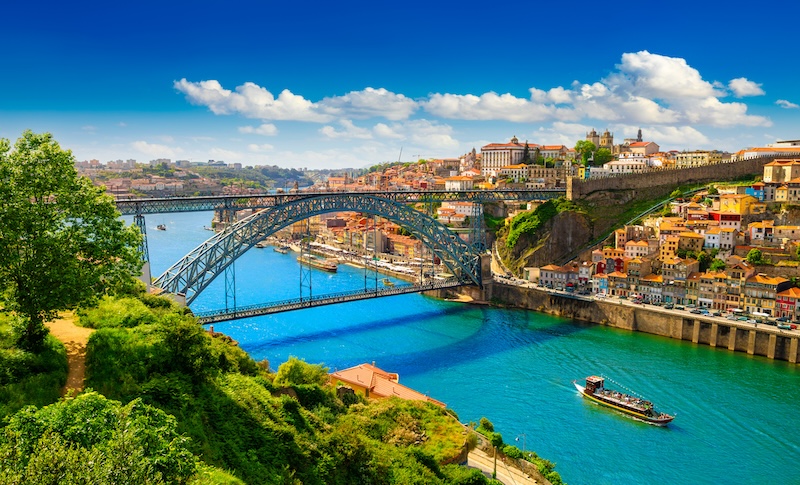
At first glance, calling Porto an “It” destination might feel slightly off. In the early 2000s, the city drew relatively little tourism, despite being Portugal’s second-largest urban center. At the time, Portugal barely registered on the international travel radar beyond Lisbon and the Algarve. Still, Portuenses (the city’s residents) knew they had a gem on their hands. What the city lacked wasn’t character, but a stronger connection to the outside world.
That changed once low-cost airlines began flying into Porto. The shift was quick. Curious travelers arrived with modest expectations and left surprised by the city’s history, the particular warmth of its people, the everyday authenticity of its older neighborhoods, and the striking view of colorful houses cascading toward the Douro river. Tourism climbed exponentially, but something more lasting followed. For many visitors, short stays turned into longer considerations, and eventually into permanent moves.
Over time, Porto began appearing on lists of Europe’s most appealing places to live, not because it reinvented itself, but because more people finally noticed what was already there: a beautiful, charming, affordable city, with everything within grasp at a realistic price point. So why does it resonate so strongly with those who make the move? A closer look at daily life in Porto helps explain the appeal.
Why Porto is catching attention now
As Lisbon absorbs the pressures of global demand, Porto has emerged as a natural counterbalance. Smaller in scale and steadier in pace, it appeals to people looking for something a bit less flashy, while still offering all the appeal of an international city. High-level gastronomy, efficient public transport, museums, galleries, cinemas, and theaters clustered around the city center, plus a nightlife scene that ranges from cozy neighborhood bars to late-night clubs. Porto delivers on all fronts, just at a more manageable size.
The city is confident in itself and its character. It doesn’t try to change for anyone, but it welcomes everyone with open arms. Not speaking Portuguese rarely becomes a barrier. Locals instinctively try to meet visitors halfway, switching to English, French, Spanish, or German when possible. And when language falls short, expressiveness and gesture usually fill the gap. There’s a strong desire to be helpful, or at the very least, not to appear indifferent.
Tourism and incoming investment have also brought visible improvements. Infrastructure, housing stock, accommodations, and transportation have all benefited. The near-constant cycle of construction can feel draining, but it’s generally accepted as part of the city’s evolution. There’s an understanding that disruption is temporary and tied to long-term improvement.
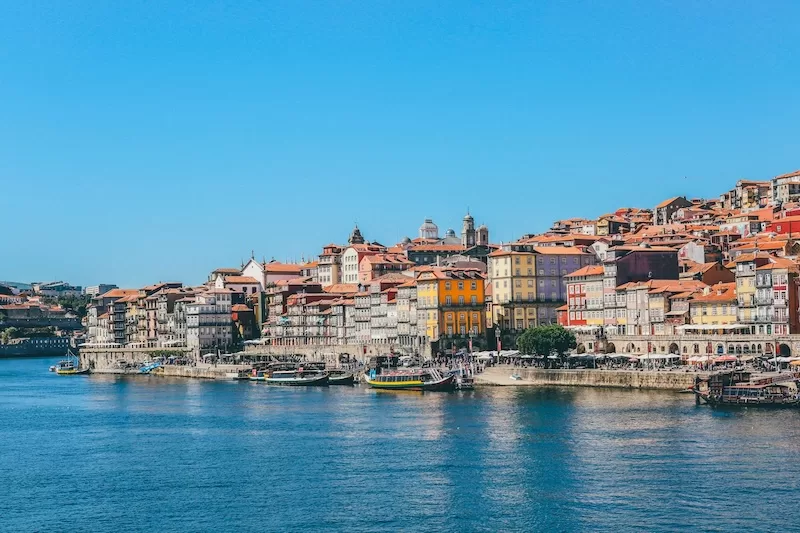
The Douro River, the city’s main icon and the route through which barrels of Port wine still arrive at the cellars, is part of life and the daily backdrop for people still living in the Ribeira neighborhood.
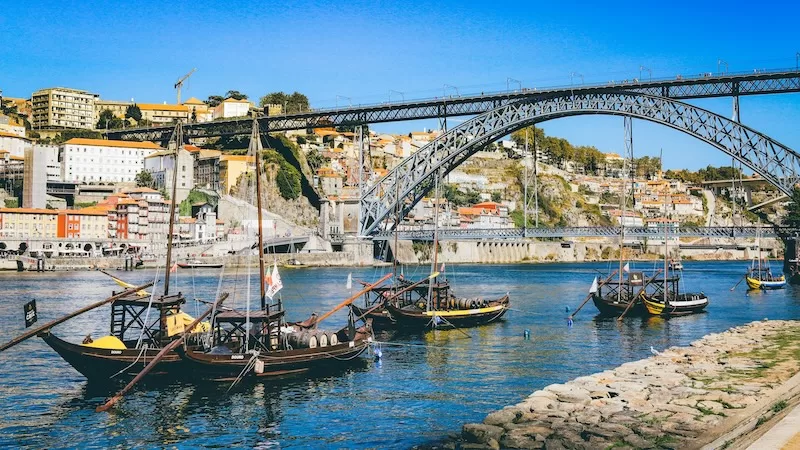
Traditions persist without explanation and, for expats, that signals longevity. Porto existed long before international interest and continues to operate on its own terms. This is what’s pushing Porto into the spotlight. Not because it changed dramatically, but because priorities elsewhere have.
A pace that resets expectations
Life in Porto doesn’t run on urgency. Yes, people still get stuck in traffic like in any other city, but the day is filled with little rewards that make up for it. Maybe you’re inching along the Ponte da Arrábida over the Douro River and catch that exact angle of sunlight hitting Ribeira, when the water really does take on a golden hue. “Rio Douro” is popularly associated with its translation as “River of Gold,” a name many link to that fleeting color shift when the light hits just right.
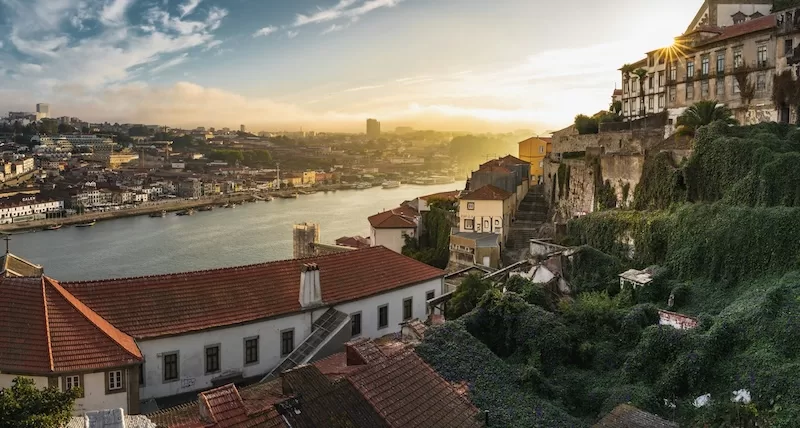
Or maybe the traffic fades from memory after a sweet, flaky pastel de nata eaten standing at a café counter post-lunch. Perhaps it’s finally giving in to that traditional lunch spot still serving regional dishes for under €10 a menu. Or stopping by a café after work and ending the day with a glass of Port, from just across the river, warming you up from the inside.
For people used to always running around, this shift can feel a bit disorienting. Over time, it becomes liberating. Extra time isn’t wasted but turned into moments of connection and leisure. A tree’s shadow becomes the perfect place to read; errands turn into conversations; familiar faces start appearing in familiar places. Porto isn’t that big, and daily life has a way of looping back on itself in the best of ways.
Read More Like This: Living in Porto as an Expat
The city’s beating heart: its neighborhoods
For those who weigh culture heavily when considering a move, Porto’s Historic Centre holds an added distinction, having been classified as a UNESCO World Heritage site. But the city’s character doesn’t stop there. It extends outward through a series of neighborhoods, each carrying a distinct feel without becoming isolated pockets.
Miragaia belongs to the original core of the city that once sat inside the Fernandine Wall, and many of its buildings still feel like extensions of those heavy stone fortifications. The neighborhood was first settled by fishermen, and later reshaped by the presence of the customs house just across the way. When the Alfândega do Porto became operational, Miragaia filled with freight agents, accountants, and workers tied to the movement of goods along the river. As transport systems evolved and the customs house ceased its original function, much of that activity faded. What remains today is a peculiar and very Porto-specific mix of abandoned buildings and lived-in homes, side by side. Miragaia feels suspended between eras. Its residents are rooted, its customs intact, and its streets resistant to reinvention, which reward wandering. Narrow, winding streets open onto glimpses of the Douro, colorful façades carry the wear of centuries. For visitors who want to understand how a city actually lives, Miragaia offers something rare. One of Porto’s oldest neighborhoods, it still carries the imprint of its past as a commercial heart.
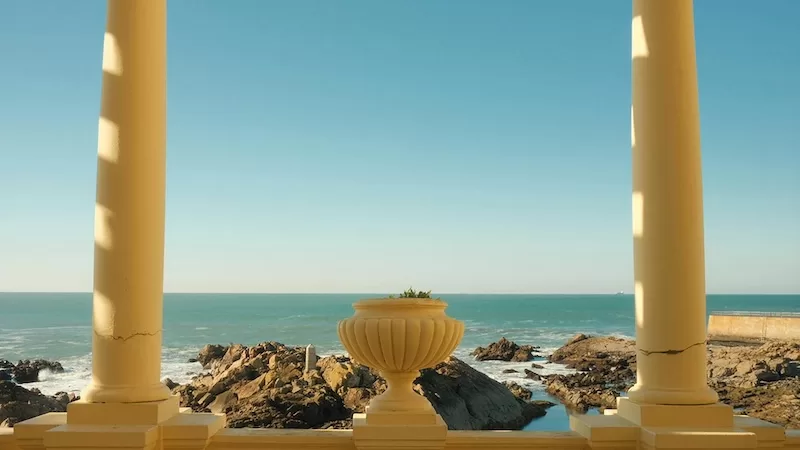
Foz, long associated with some of the city’s wealthiest residents, opens toward the Atlantic, where the air cools and the beach greets you first thing in the morning (fog permitting).
Cedofeita draws creatives and younger locals, anchored by galleries, independent shops, and an informal social life that extends throughout the day. It’s one of the city’s most central and cosmopolitan areas, where Portuenses and visitors alike move through the streets and hop from café to co-working space side by side. Cafés, snack bars, and restaurants fill the neighborhood at every hour, covering all tastes and budgets, from quick counter lunches to places that invite longer stays (and fatter wallets). For expats, Cedofeita offers a front-row seat to contemporary Porto, at once dynamic and firmly rooted in everyday use.
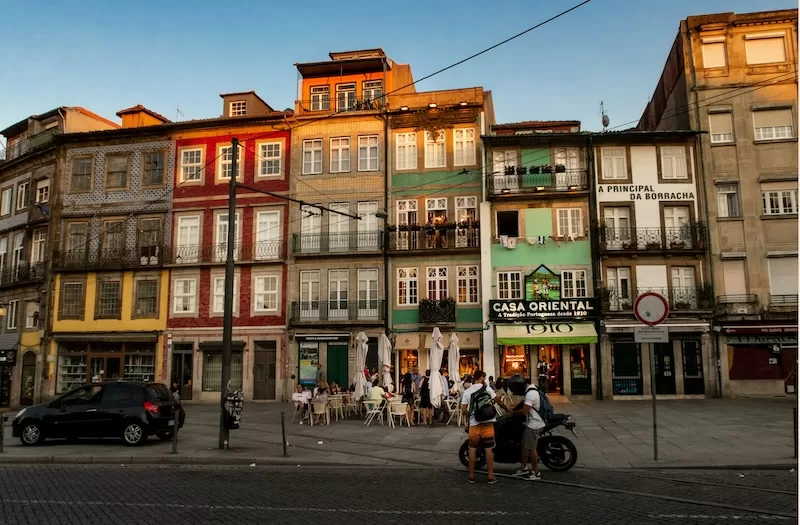
Ribeira remains one of Porto’s most historically significant and visitor-friendly areas. Lined with colorful 18th-century townhouses cascading toward the river, it carries a sense of permanence that’s hard to replicate elsewhere. Living here can feel cinematic, especially for those drawn to color, character and constant proximity to the Douro.
For families, Boavista often stands out as a practical choice. This area is known for its broad avenues, green spaces, and cultural anchors like the Casa da Música and its diverse musical programme, alongside an excellent restaurant scene.
Bonfim has become irresistibly charming. With a growing collection of trendy bars and the presence of local Portuguese seniors peering out from windows, Bonfim is a hidden gem that isn’t typically overrun by tourists. What sets Bonfim apart is its ability to retain a genuinely local character. It has largely avoided the runaway tourism and aggressive gentrification reshaping so many European cities. There’s space to move, to eat well, to linger, to relax, and to raise a glass. Geographically, Bonfim also offers a lot of character and some of the best views in the city. The Ponte de São João, Ponte Maria Pia, and Ponte do Infante, three of the six crossings between Porto and Vila Nova de Gaia, all begin here. From the Alameda das Fontainhas, it’s possible to take them in at once, along with the iconic Ponte Luís I, the hillside houses of Gaia, and the Mosteiro da Serra do Pilar. It’s a view that asks for time, and you’re advised to devote it.
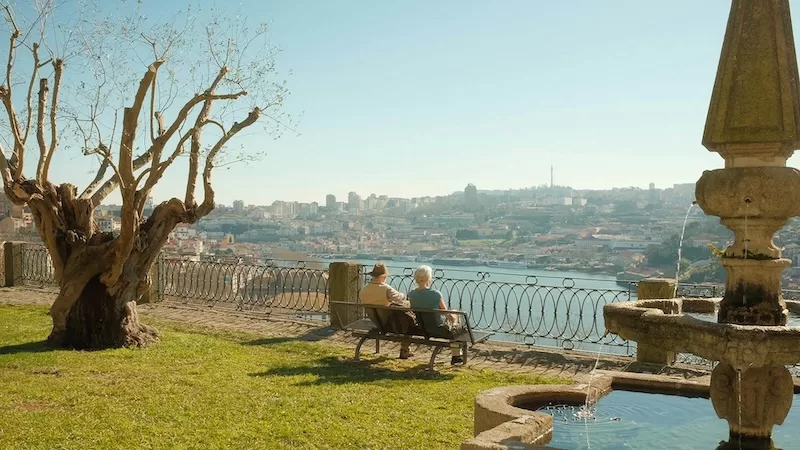
Massarelos, home to the botanical gardens and the Jardim do Palácio de Cristal, attracts university students and nature lovers alike. Its viewpoints offer some of the city’s most expansive panoramas, and its green spaces provide a rare sense of openness within the urban fabric
The best place to live in Porto usually has less to do with prestige and more to do with routine. Many expats find their footing by prioritizing how a neighborhood feels on an ordinary weekday and not just how Instagrammable it is.
Life around a table: Porto’s food scene
Portuenses take particular pride in two local dishes: francesinhas and tripas à moda do Porto. Together, they say a lot about the city itself. Hearty, resilient, occasionally rough around the edges, but always capable of offering comfort, especially on days when the Atlantic air turns heavy and the sky settles into its familiar grey.
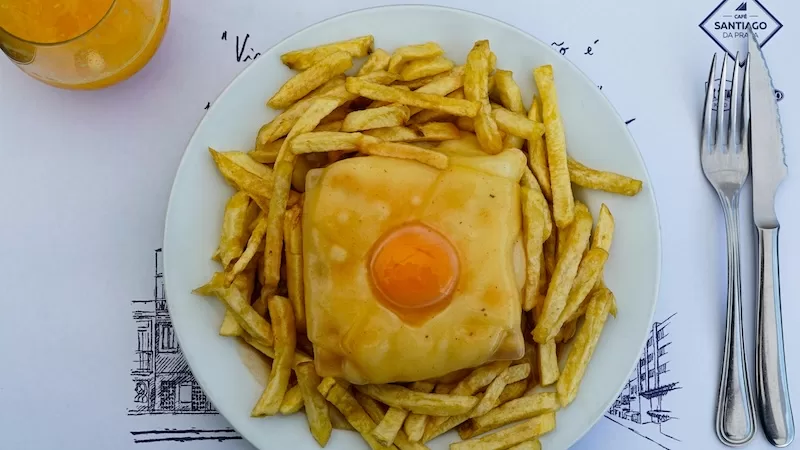
The francesinhais often described as a sandwich, though anyone who has ordered one knows that label barely applies. Yes, it arrives between two slices of bread, but you will need three things to battle it: a knife, a fork and a healthy appetite. Attempting it as a casual starter quickly proves optimistic. The bread’s real purpose is structural: holding together layers of Portuguese sausage, cured ham, steak, and sometimes additional meats. On top comes cheese, melted to perfection with a thick, near-boiling tomato and beer sauce that is perfect to dip your French fries. It’s generous and unapologetic. The advice is simple: go in hungry.
Tripas à moda do Porto challenges in a different way. Its centerpiece is tripe, a cut that rarely inspires affection elsewhere, transformed here into a slow-cooked stew with white beans, rice, carrots, and assorted meats or sausages. The dish is inseparable from the city’s history and earned Portuenses their enduring nickname:tripeiros. The story traces back to the 15th century, when ships built in Porto set sail for Ceuta, marking the beginning of the Portuguese Discoveries. Answering a call from Infante D. Henrique, the city’s inhabitants provisioned the fleets with all the best meat they had, leaving themselves with only the entrails. Out of necessity, they turned those leftovers into something rich and sustaining. The dish remains a symbol of sacrifice and endurance.
But Porto’s food culture extends far beyond these two icons. Daily eating here is still shaped by markets (Mercado do Bolhão, an historic market smack dab in the city center, is a mandatory visit filled with specialties to try), neighborhood tascas, and fixed lunch menus that get you well fed with generous portions of heartwarming food for under 10€. Lunch is treated as a time to really pause before launching yourself into another afternoon of work.
At the same time, Porto’s dining scene has grown more layered. Fine dining, along with a new generation of chefs who take pride in reinterpreting regional ingredients, has found its place here too, with 10 restaurants proudly boasting a Michelin star. The same change can be felt in the breakfast scene, with brunch places serving up soft pancakes, eggs benedict and waffles right next to the humble working man cafés that have served torradas and galão for decades.
And while Lisbon may claim the original pastel de nata fame through Pastéis de Belém, Porto has no shortage of places serving them warm, flaky, and dangerously easy to order twice.
For those with a sweet tooth still unsatisfied, Leitaria da Quinta do Paço remains something of a local institution, known for éclairs that have achieved near-legendary status in the north. Consider this fair warning: restraint is rarely practiced.
Cost of living, with realistic expectations
Porto remains more affordable than many major US cities, particularly coastal ones, and it still compares favorably to other European urban centers. Day-to-day costs tend to run lower than in Lisbon, with the gap becoming more noticeable once rent enters the equation. Housing in Porto is generally less expensive, even if that margin has narrowed in recent years.
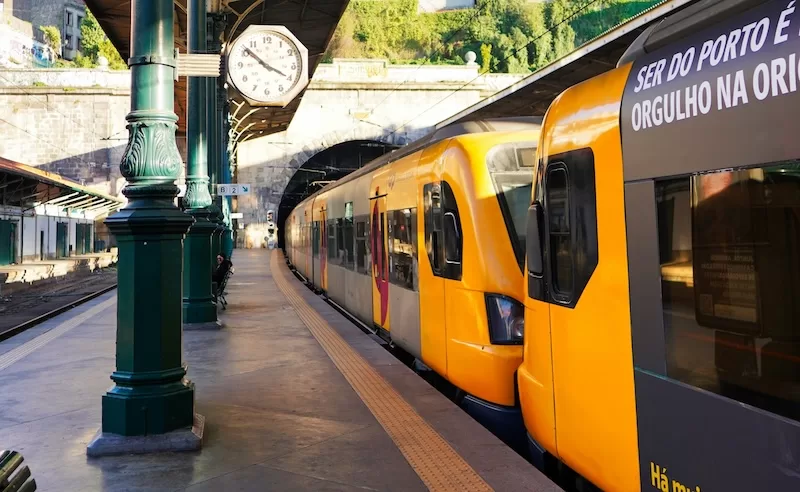
Part of what keeps costs manageable is the city’s scale. Porto carries an almost small-town logic within a city framework. Distances are short, neighborhoods connect naturally, public transport is reliable and widely used, extending well beyond the city center. Walking is often the easiest option, and when it isn’t, the metro, buses, yellow trams, and regional trains are there to help out. A monthly public transport pass costs around €40, a figure that quickly puts private car ownership into perspective.
Healthcare is one of the areas where Porto also feels solid. Healthcare in Portugal is fundamentally public. The country operates under the Serviço Nacional de Saúde (SNS), a nationwide system that provides healthcare access to residents through public hospitals, health centers, and specialists. Once legally registered, residents are assigned a local health center and gain access to care at highly subsidized rates, with many services either low-cost or free at the point of use. In Porto, the public system is anchored by major institutions such as Hospital de São João, one of the largest hospitals in northern Portugal and a key teaching and research center, and Hospital de Santo António, part of the historic Centro Hospitalar Universitário do Porto. These hospitals serve both routine and specialized care and are deeply embedded in the city’s healthcare network. Healthcare becomes part of public infrastructure, like transport or utilities, instead of a separate, market-driven concern.
Alongside the public system, private healthcare options are widely available. Facilities such as CUF Porto and other private clinics offer shorter waiting times and broader appointment flexibility, often at costs that feel accessible by US standards. Many residents use a combination of public and private care, depending on needs and timing.
That said, Porto is no longer flying under the radar. Housing demand has increased, particularly in central neighborhoods, and competition can be stiff (a one-bedroom apartment in the city center can easily run you near 1000€ per month). Prices have climbed steadily over the past decade, narrowing the gap between Porto and other European cities that once felt out of reach.
As a result, the city tends to work best for expats with income sourced from abroad or remote professionals. Local wages remain modest, which shapes both the city’s economy and the realities newcomers need to understand. Porto still offers value, but it rewards clear-eyed expectations more than idealized scenarios.
Read More Like This: The Most Affordable European Cities to Live in 2026
Remote work, language, and settling in
These days, remote work is a natural fit for Porto, with its ever-growing landscape of digital nomads, expats and even locals who managed to trade the office walls for something less tied down. Internet connections are generally great throughout the city, and the growth of coworking spaces has been steady. Many of these spaces blur the line between café and office, offering strong Wi-Fi, generous tables, and a balance between privacy and a social atmosphere that can make anyone feel at home. Whatever scale or vibe you’re looking for, you’re sure to find it. They tend to appear where people already spend time, tucked into residential neighborhoods as much as in central areas, making remote work feel integrated into daily life.
You’ll find everything from more traditional setups like Work Wise Co‑Working & Offices or Facts Coworking, which offer structured desks and meeting rooms, to spaces that feel softer and social, like Outsite Cowork Café Porto, which mixes café seating with dedicated workspace, booths, and even lounges. Almada Ponto is a space that brings a lot of character and nostalgia to the co-working game, with a work area that feels closer to a classroom from the 1950s or 60s than a modern office, with large shared desks lined along a long corridor, decorated with old globes and simple, functional details.
Daily passes are common and flexible, with options running between €10–€20 per day for a drop-in desk with Wi-Fi and a seat for the day, but longer options are also available in most places. Full-time desks or hot-desk plans usually fall between €120–€300 per month. The variation depends on the type of access (open desk vs dedicated workspace), the vibe of the space, and extras like meeting room credits, phone booths or printing access.
If a full coworking membership feels too formal, Porto’s café culture fills the gap. A long list of laptop-friendly coffee houses (from Combi Coffee Roasters in Bonfim to Temporada Cowork Café in Cedofeita, and others like SO Coffee Roasters to C’alma Coffee Room, Bicho Porto, and Café Passaporte) offer free Wi-Fi, comfortable seating, and coffee that can carry you through a good block of work. Many locals and remote workers rotate between these spots, treating them like informal outposts of office life.
Because Porto is so compact, it’s common to see people switch from a café session to a coworking desk in the same afternoon or base their week around different corners of the city that match their mood and tasks.
The time zone works in Porto’s favor. It aligns comfortably with much of Europe and still allows overlap with the US East Coast, making full workdays possible without extreme hours. For many remote professionals, that balance removes the sense of operating at the margins of someone else’s schedule.
English is widely spoken, and day-to-day life isn’t really stopped or made difficult because of language. Still, Portuguese matters for long-term ease. Even a basic grasp helps with the small interactions that make life feel less provisional.
Portugal does retain an old-world relationship with process. Bureaucracy is slow, paperwork takes time. Standing in lines is part of the experience, and meetings are sometimes required to happen in person when they could just have been an e-mail. Offices close for lunch, and patience is expected. For those used to streamlined systems, this can be frustrating at first. Over time, many come to see it less as inefficiency and more as a lesson in patience.
Climate as part of the experience
Porto’s Atlantic climate shapes life more than many newcomers expect. Winters arrive cooler and wetter than in southern Portugal, and many homes are built with summer in mind rather than prolonged cold. Heating and insulation are something to be planned ahead of time. You’ll definitely need a heater for winter, and one or two dehumidifiers, depending on where you’re settled.
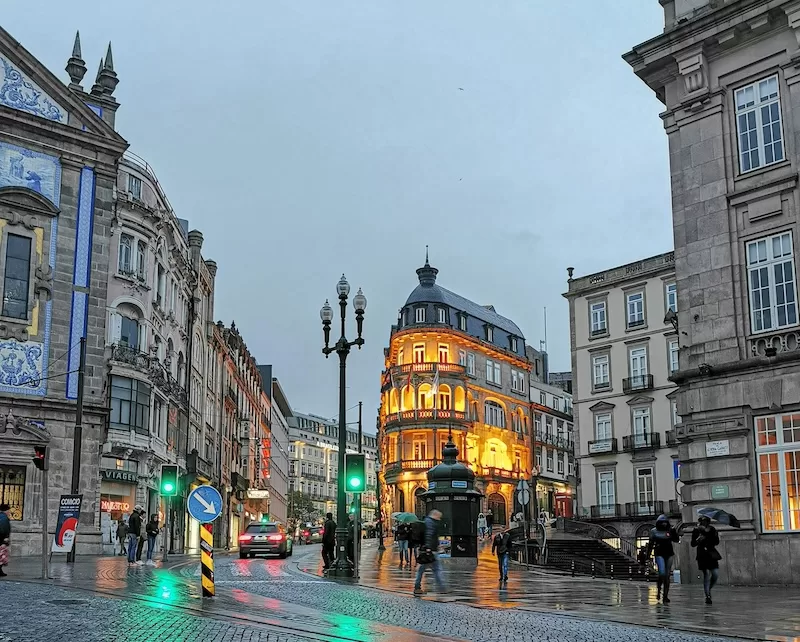
Rain is a frequent visitor, sometimes for days. Streets turn slick and the familiar granite takes on a deeper grey. Fog rolls in from the river or the sea, blurring the skyline and covering the city with an aura of mystery. The city feels inward then. It can all sound a bit dire, but to Portuenses, or expats who are already blended with the city, it can be quite beautiful. There’s a special kind of melancholy to it, and melancholy is something the Portuguese understand well. The city slows down, cafés fill, friends are welcomed at each other’s’ homes instead of meeting at a restaurant. Chestnut roasters keep working through the rain, so during the colder months the streets fill with smoke rising from their carts, the smell of roasted chestnuts hanging in the air. Yes, your shoes get wet, and the traffic goes a bit off the rails. But with a cone of warm chestnuts in your hand, even heavy rain can feel like a caress.
On the other hand, summers are relatively mild, especially closer to the coast. A steady wind, known locally as the nortada, often sweeps through. It might ruin a beach day or two, but it keeps the heat in check for those going about their daily lives. While hotter days have become more common, as is true a bit all over the world, evenings still tend to bring relief. Locals gravitate toward shaded terraces, cooling down with local beer served in a tall, slender glass, known simply as a fino. As night falls, windows open and a long walk in the cooler air gives you respite from the heat.
For expats, the lesson is simple. Roll with the punches. Some seasonal melancholy is part of the deal. Cities built on perpetual sunshine usually attract short-term attachment. Porto’s fog, rain, and light seasonal blues filter people. Those who stay commit more deeply, creating stronger communities and fewer transient social dynamics. With time, if you open yourself to it, you will learn to see the beauty in Porto’s greyness, and in letting the city meet you where you are.
Who Porto is best suited for
For travelers passing through, Porto is difficult to skip. The city offers something for almost everyone. Architecture layered across centuries, a food culture that moves between humble and refined, riverfront walks that shift with the light, beaches minutes away, and a cultural calendar that fills the week. It works as a short stay because it delivers quickly.
What’s more interesting is how that appeal holds up for those who stay longer.
Porto aligns well with remote workers, younger residents, and creative types looking for a more permanent base. For people working remotely, Porto offers reliable infrastructure, a growing network of coworking spaces and laptop-friendly cafés, and a pace that leaves room for life outside work. Days can be structured around walking between neighborhoods, working in different settings, and still feeling anchored.
Younger residents often gravitate toward the city’s cultural density. Galleries, independent exhibition spaces, small theaters, and informal music venues are woven into everyday life rather than concentrated into a single district. Institutions like the Faculdade de Belas Artes da Universidade do Porto feed directly into the local arts ecosystem, sustaining a steady flow of students, artists, and ideas. That presence keeps the city visually and intellectually active.
Porto’s texture plays a role as well. Worn stone, shifting light, and a sense of continuity encourage observation, contemplation. Creative work often benefits from that restraint. At the same time, the city’s walkability comes with a physical reality. Hills are part of the daily equation, invigorating for some and demanding for others. Porto rewards mobility, curiosity, and engagement with its terrain.
Some expats keep Porto as a flexible base, traveling frequently while maintaining a sense of home. Others put down deeper roots, drawn by the predictability of everyday life and the absence of emotional extremes. In a broader Plan B context, Porto offers geographic flexibility without whiplash. It allows for movement without instability, and change without the feeling of starting over each time.
Why Porto’s moment feels different
Porto’s rise is being driven by alignment. At a moment when more people are recalibrating what they want from a place, less spectacle, more substance, the city’s qualities come into focus almost effortlessly.
It’s a city that doesn’t really announce itself. It doesn’t optimize for attention or bend to outside expectations. Its beauty is cumulative, revealed through repetition: the same walk taken at different hours, the same café visited through changing seasons, the same streets holding steady while life shifts around them.
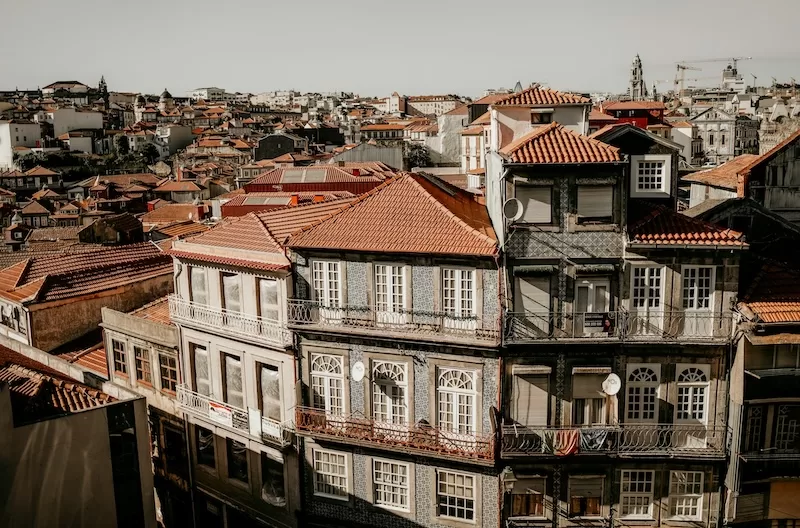
This is what makes Porto resonate right now. A game of contrasts that flows towards balance. It offers culture without pretense, human warmth even when it rains, history without being stuck in time, business districts and nature parks side by side, humble tascas sharing streets with fine dining places, classical concerts coexisting with late-night clubs, black clad university students performing on the street as they did years ago, houses from the 14th century sit a block away from modern architecture staples.
The city moves forward by allowing layers to accumulate instead of competing. It works for travelers passing through, and it holds for those who decide to stay. It supports movement without instability and routine without stagnation.
Porto doesn’t try to be an “It” destination. It never has. But for those ready to trade intensity for proportion, performance for participation, it offers something increasingly rare: a city that meets people where they are, and allows them to build from there.
That’s why Porto feels like it’s having a moment. Not because it changed, but because expectations finally did.
Key Takeaways
Why is Porto more affordable than Lisbon?
Porto remains more affordable than Lisbon because it’s smaller in scale and steadier in pace. While both cities have seen housing demand increase in recent years, the gap between Porto and Lisbon is still noticeable once rent enters the equation. Housing in Porto is generally less expensive, and day-to-day costs tend to run lower. Part of what keeps costs manageable is the city’s scale—Porto carries an almost small-town logic within a city framework. Distances are short, neighborhoods connect naturally, public transport is reliable and widely used, and walking is often the easiest option. A monthly public transport pass costs around €40, which quickly puts private car ownership into perspective.
What neighborhoods in Porto are best for expats?
The best neighborhood depends on your lifestyle. Ribeira remains one of Porto’s most historically significant areas, lined with colorful 18th-century townhouses cascading toward the river. For families, Boavista often stands out as a practical choice with broad avenues, green spaces, and cultural anchors like the Casa da Música. Cedofeita draws creatives and younger locals, anchored by galleries, independent shops, and an informal social life. Bonfim has become irresistibly charming with a growing collection of trendy bars and the presence of local Portuguese seniors, retaining a genuinely local character. For those who weigh culture heavily, the Historic Centre holds the distinction of being a UNESCO World Heritage site. The best place to live usually has less to do with prestige and more to do with routine—prioritize how a neighborhood feels on an ordinary weekday, not just how Instagrammable it is.
Is Porto good for remote workers?
Porto is an excellent fit for remote workers. The city has reliable internet connections throughout, and the growth of coworking spaces has been steady. Many of these spaces blur the line between café and office, offering strong Wi-Fi, generous tables, and a balance between privacy and social atmosphere. Daily passes are common and flexible, running between €10–€20 per day for a drop-in desk, while full-time desks or hot-desk plans usually fall between €120–€300 per month. If a full coworking membership feels too formal, Porto’s café culture fills the gap with a long list of laptop-friendly coffee houses offering free Wi-Fi and comfortable seating. The time zone works in Porto’s favor, aligning comfortably with much of Europe and still allowing overlap with the US East Coast, making full workdays possible without extreme hours.
What food should I try in Porto?
Portuenses take particular pride in two local dishes: francesinhas and tripas à moda do Porto. The francesinha is often described as a sandwich, though anyone who has ordered one knows that label barely applies. It arrives between two slices of bread but requires a knife, a fork, and a healthy appetite. The bread’s real purpose is structural—holding together layers of Portuguese sausage, cured ham, steak, and sometimes additional meats, topped with cheese melted to perfection with a thick, near-boiling tomato and beer sauce perfect for dipping French fries. Tripas à moda do Porto challenges in a different way, with tripe as its centerpiece, transformed into a slow-cooked stew with white beans, rice, carrots, and assorted meats or sausages. Beyond these icons, daily eating is shaped by markets like Mercado do Bolhão, neighborhood tascas, and fixed lunch menus that get you well fed with generous portions for under 10€. Porto’s dining scene has also grown more layered, with fine dining and a new generation of chefs reinterpreting regional ingredients, and 10 restaurants proudly boasting a Michelin star.
How does Porto’s climate affect daily life?
Porto’s Atlantic climate shapes life more than many newcomers expect. Winters arrive cooler and wetter than in southern Portugal, and many homes are built with summer in mind rather than prolonged cold. Rain is a frequent visitor, sometimes for days. Streets turn slick and the familiar granite takes on a deeper grey. Fog rolls in from the river or the sea, blurring the skyline and covering the city with an aura of mystery. The city feels inward then. But to Portuenses and expats who are already blended with the city, it can be quite beautiful. There’s a special kind of melancholy to it, and melancholy is something the Portuguese understand well. The city slows down, cafés fill, friends are welcomed at each other’s homes instead of meeting at a restaurant. Chestnut roasters keep working through the rain, so during the colder months the streets fill with smoke rising from their carts, the smell of roasted chestnuts hanging in the air. On the other hand, summers are relatively mild, especially closer to the coast. A steady wind, known locally as the nortada, often sweeps through, keeping the heat in check. With time, if you open yourself to it, you will learn to see the beauty in Porto’s greyness.
Contact Author
"*" indicates required fields
Stay Ahead on Every Adventure!
Stay updated with the World News on Escape Artist. Get all the travel news, international destinations, expat living, moving abroad, Lifestyle Tips, and digital nomad opportunities. Your next journey starts here—don’t miss a moment! Subscribe Now!