Even if you’ve visited a country many times before moving there, the experience shifts once you live there. Vacations offer a curated glimpse, but living somewhere reveals the unedited version.
Costa Rica is no exception.
What feels charming and quirky on a brief visit can be surprising, confusing, or downright annoying once it becomes your everyday reality. You’ll soon see—from driving habits to greetings—that “different” doesn’t equal “wrong”; it’s simply part of the culture.
Here are ten cultural shocks you’re likely to notice when you move to Costa Rica, and why they slowly start to feel like part of the magic.
1. Driving Is a Social Event, Not a Race
Driving in Costa Rica is less about strict rules and more about embracing the adventure. The first time you hear a horn, you’ll assume someone’s angry. They’re not. Honking means “hello.” It might be for you, another car, a guy eating lunch in a restaurant, or someone minding their business on the sidewalk. It’s not road rage; it’s road etiquette.
One of my regular drivers seems to be on a first-name basis with everyone within a 50-mile radius. He honks, hoots, and waves with such enthusiasm that it looks less like driving and more like a Broadway dance number.
Traffic may come to a complete stop in the middle of the road because someone decided this was the perfect moment to chat, greet a neighbor, or pick someone up. Cars stack up behind them. No one honks in protest. No one seems bothered. There’s no urgency, no apologies, and no sense that traffic should interfere with a friendly conversation.
The road is shared with dogs, goats, cows, chickens, and sometimes people sitting in the street as if it’s a park bench. If an accident happens, the cars stay where they land, becoming roadside landmarks. Traffic backs up. Spectators gather. Life continues.
That said, watch out for tourists—they don’t know these unspoken rules. You’ll soon be embarrassed by the cultural missteps you committed as a newbie.
2. Everything Takes Longer… and You’ll Survive
Appointments run late. Projects take longer than promised. And mañana doesn’t always mean tomorrow; it means not today, but someday… probably. This can be frustrating if you’re accustomed to efficiency, but it will all work out—probably.
You’ll notice that even small things take their time, like getting the check at a restaurant. You sit there glancing around, wondering if the server has forgotten you. I once started to think Costa Rican servers were committed to avoiding payment. It turns out they’re not being inattentive at all—they’re being courteous. They don’t want to rush you out. The table is yours for as long as you want it.
When I moved to Costa Rica, I was a dedicated multitasker. I’d run my own business for twelve years and lived with my phone in one hand and my computer in the other. I measured success in emails answered and tasks completed. Now, I don’t take my phone with me unless I want to take photos or use Waze. I look people in the eye. I have real, unhurried conversations. Somewhere along the way, I didn’t just slow down—I started living in the present.
3. Mail, Shopping, and Addresses Require Imagination
If you’re attached to two-day shipping, prepare to grieve. Online shopping as you know it doesn’t exist. Finding something as simple as paper clips can feel like winning a small personal victory. If you visit the U.S. often, you learn to pack with intention—bringing back supplies not just for yourself, but for friends who will return the favor.
Over time, you adapt to living without the extras and discover that you don’t need as much as you once thought. And if you’re desperate, there are ways to ship items from the U.S., but by the time they arrive, you’ll have forgotten you ordered them and learned to live without them.
Addresses are a whole different adventure—if they exist at all. Instead of numbers and street names, directions sound like short stories: “Two hundred meters west of the restaurant that closed three years ago.” You will get lost. Often. But you’ll also stumble upon beaches, waterfalls, and neighborhoods you never meant to find.
There’s no home mail delivery. You won’t have a mailbox waiting outside, and while there is a postal system, I’ve been warned to avoid it at all costs. Many people use mail services that scan and email documents from the U.S., but the simplest solution is going paperless and asking your great-aunt Sally to hold onto anything important.
4. Grocery Stores Will Test Your Creativity
You won’t always find the exact ingredients you’re used to. That special spice or familiar brand may not exist here. At first, this feels limiting. Over time, it feels freeing. I still haven’t found plain Cheerios—although coconut and pineapple versions occasionally appear, which I continue to refuse.
Thanksgiving brings its own lesson in adaptation. Canned pumpkin is nowhere to be found, but sweet potatoes are plentiful. You adjust, roast and mash them, add spices, and end up with a pie that tastes just as comforting. It looks different, but the spirit remains the same.
5. Politeness Is Essential
Greetings matter. I may be a Southern belle, but I still have to remind myself to greet the store clerk and ask how they’re doing before asking a question. Skipping this step often earns a surprised look—and embarrassment on my part.
People greet one another everywhere: on the street, in shops, in waiting rooms. At first, you may wonder if you know them. Soon you realize it’s normal to greet total strangers. You’ll encounter the occasional rude Tico, but it’s rare—and usually a sign of a very bad day.
6. Less Is Better
There are fewer conveniences, fewer choices, and fewer things to buy. What replaces them is more peace, more time, and more connection to the natural world.
Some friends arrived with shipping containers full of belongings they thought were essential. Within a year, most of it was given away, sold, or left on the curb. I arrived with three suitcases and still pared down. The climate, pace, and culture reshape your priorities.
Dress is simple and practical. Clothes are chosen for comfort over style. Makeup doesn’t stand a chance in the heat and humidity, so many women abandon it altogether. Flip-flops rule. No one cares what brand you wear or how new it looks.
7. WhatsApp Is a Must
In Costa Rica, WhatsApp isn’t optional—it’s how life functions. When I got my Costa Rican number, they called it my WhatsApp number, not my phone number. Friends, neighbors, service providers, and even strangers expect to reach you there.
Doctors send reminders. Contractors share updates and invoices. Restaurants confirm reservations. Even utilities communicate through WhatsApp. It blurs personal and professional lines, but it also makes life simpler and more direct.
8. Life Runs From Sunup to Sundown
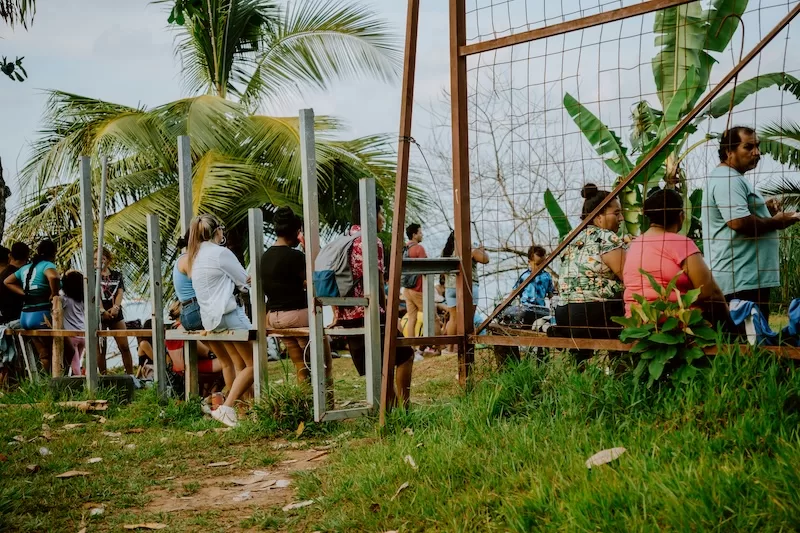
The sun rises around 5:30 a.m. and sets around 5:30 p.m., almost year-round. Life follows that rhythm. Days begin early and end early. Once the sun goes down, most things slow or stop.
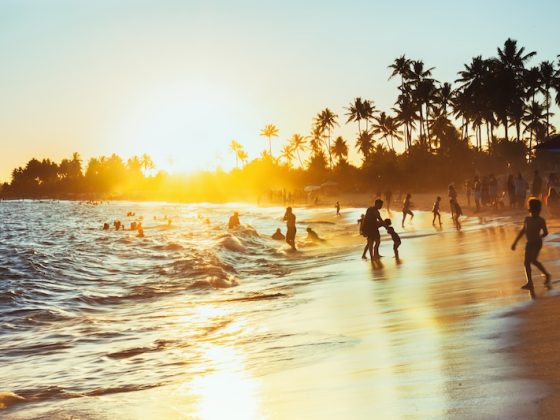
On the Pacific coast, watching the sunset before dinner is practically mandatory. Families bring chairs, kids play in the sand, couples sit quietly, and neighbors catch up. It’s not an event—it’s daily life.
9. Nature Is Not a Background. It’s a Neighbor.
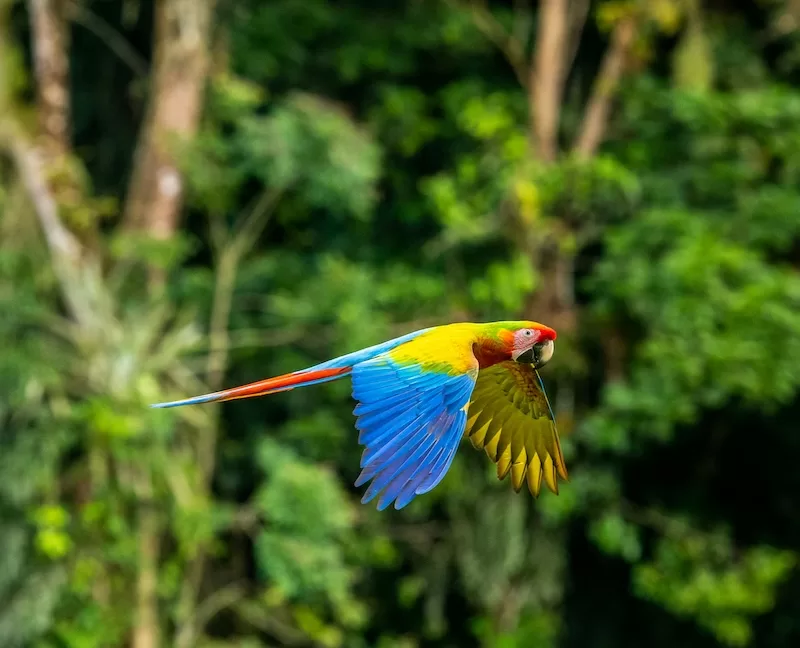
In Costa Rica, nature isn’t something you visit; it’s something you live with. Monkeys may use your roof as a highway. Geckos claim your walls. Even scorpions, unsettling at first, are respected.
Wildlife has the right of way—always. If you cut the wrong tree or waste water, people notice. Respect isn’t optional; it’s expected.
10. Community Matters More Than Convenience
Family is central to life in Costa Rica. Extended families are close, and elderly relatives are cared for at home. Showing up for family isn’t optional—it’s a given.
People may ask how you could leave your family behind to live elsewhere. The question is sincere. Distance from family is hard to understand in a culture where togetherness defines daily life.
A Different Rhythm of Life
Moving to Costa Rica requires adjustment. Culture shock is inevitable, but it softens with time, turning early frustrations into reasons to stay.
Life may run less efficiently, but it feels fuller—shaped by connection, patience, and presence rather than speed, and redefining what a good life looks like.
Key Takeaways
What is the biggest adjustment when driving in Costa Rica?
Driving is more social than competitive. Honking is usually a friendly greeting rather than a sign of anger, and traffic often stops for casual conversations or to let wildlife pass.
How does the concept of time differ in Costa Rica?
The “mañana” culture means things move slower. Appointments may run late and projects take longer, but this encourages a more present, unhurried lifestyle known as Pura Vida.
Is online shopping and mail delivery available?
Traditional online shopping and home mail delivery are almost non-existent. Expats often use specialized shipping services or rely on friends traveling from the U.S. for supplies.
How do people find locations without formal addresses?
Costa Rica rarely uses street numbers. Directions are given using local landmarks, such as “200 meters west of the old church,” which often leads to unexpected discoveries.
Why is WhatsApp so important for expats in Costa Rica?
WhatsApp is the primary tool for all communication, including booking doctors, receiving utility updates, and chatting with contractors. It is considered essential for daily life.
What is the daily rhythm of life like?
Life follows the sun, starting around 5:30 a.m. and slowing down after sunset at 5:30 p.m. Community and family time, especially watching the sunset, are daily priorities.
How should I prepare for the change in lifestyle?
Expect to pare down your belongings. The tropical climate and slower pace prioritize comfort, practicality, and connection to nature over material possessions and convenience.
About the Author
Semi-retired teacher and theater professional Tam Matthews moved to Costa Rica in January of 2023 with her two dogs. She writes about expat life on Substack.
Contact Author
"*" indicates required fields
Stay Ahead on Every Adventure!
Stay updated with the World News on Escape Artist. Get all the travel news, international destinations, expat living, moving abroad, Lifestyle Tips, and digital nomad opportunities. Your next journey starts here—don’t miss a moment! Subscribe Now !
Even if you’ve visited a country many times before moving there, the experience shifts once you live there. Vacations offer a curated glimpse, but living somewhere reveals the unedited version.
Costa Rica is no exception.
What feels charming and quirky on a brief visit can be surprising, confusing, or downright annoying once it becomes your everyday reality. You’ll soon see—from driving habits to greetings—that “different” doesn’t equal “wrong”; it’s simply part of the culture.
If you'd like to read the full story, simply enter your email to subscribe to our newsletter.
For even more expert insights, unmissable resources, and exclusive invites, explore our premium subscription offers here.
OR
Already a Subscriber? Click here to login
Subscription required
You've reached your limit of free articles. For full access to Escape Artist, and all of our insights on travel, moving abroad, and the digital nomad life, click here to Subscribe.
Already a Subscriber? Log in here