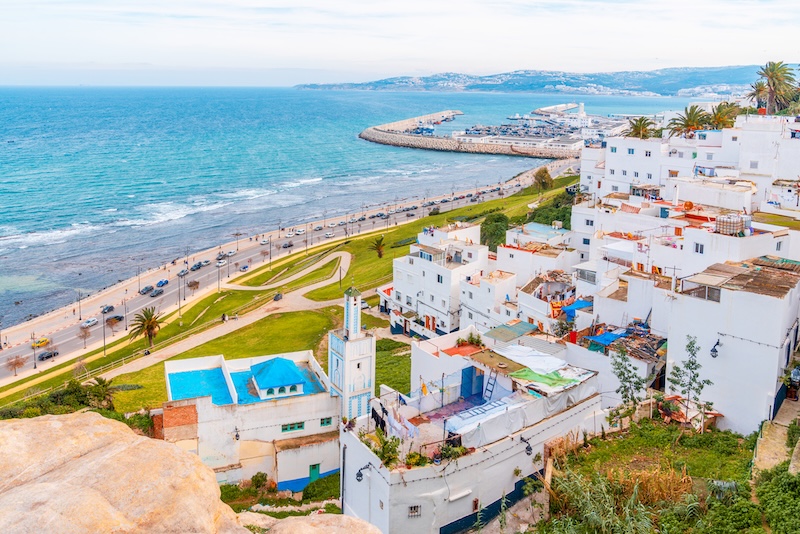
Something shifted in the way globally mobile people think about where to live. It was already happening before 2020, but the years since have accelerated it considerably. Retirees, remote workers, investors, and internationally minded families are no longer just asking where to spend two weeks a year. They are asking a different question: where could I actually build a life, or at least a solid backup plan, if I needed to?
This is the Plan B conversation, and it is growing. Countries across Southern Europe, Latin America, Southeast Asia, and the Middle East have all entered the frame at different points. In 2026, Morocco is earning more serious attention than it has in previous years, and not without reason.
I came to this conversation from lived experience rather than theory. Born in Italy, I spent years moving across Europe, including five years in Budapest and two in Wroclaw, Poland, before eventually landing in Marrakech in 2023. I have bought four properties in Marrakech since then, navigated agents who were not always careful, reviewed paperwork that needed serious scrutiny, and nearly made purchases I would have regretted. That history shapes everything I am about to say.
Morocco can genuinely work as a Plan B destination for the right person. But like any market worth taking seriously, it rewards patience and punishes rushed decisions. The goal of this article is to give you an honest, grounded picture of what Morocco actually offers, where the real risks sit, and what any serious buyer or relocator should understand before committing.
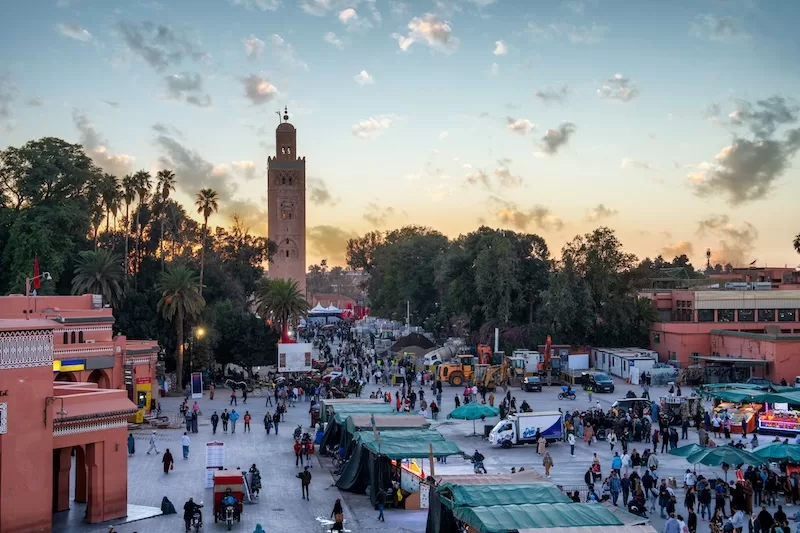
Read More Like This: Lisbon: The Relocation Capital That Refuses to Fade
Morocco at a Glance
Best for
Lifestyle buyers, retirees, remote workers, internationally minded families, and Europe-adjacent expats seeking optionality.
Main cities
Marrakech, Tangier, Rabat, Casablanca, Essaouira, and Agadir. Each is a different market with different trade-offs.
Can foreigners buy?
Generally yes for residential property, but agricultural land, title status, and specific restrictions require careful verification.
Biggest risks
Weak paperwork, unclear title, rushed deposits, and over-relying on agents without independent legal advice.
Best first step
Visit Morocco, spend time in the cities being considered, and speak with an independent Moroccan notary before committing to anything.
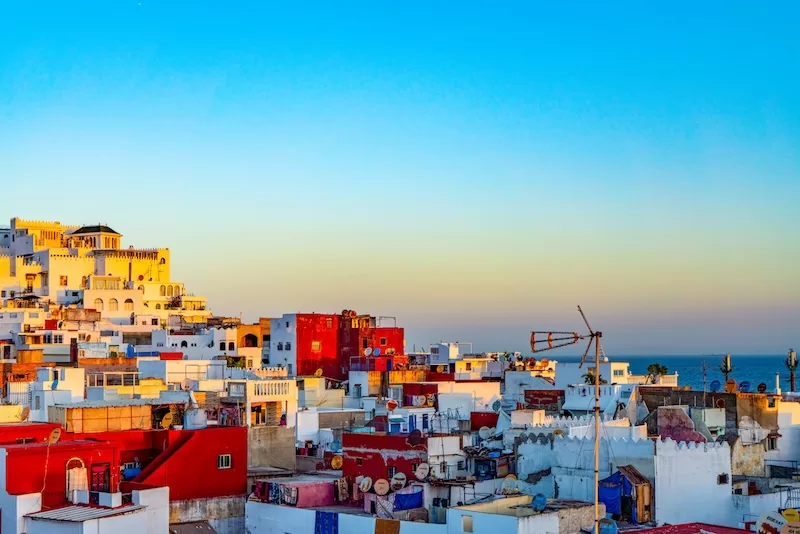
Read More Like This: The Most Affordable European Cities to Live in 2026
What Makes Morocco Interesting as a Plan B in 2026?
The Plan B mindset is not about panic or pessimism. It is about optionality. Internationally mobile people increasingly want a second base, a backup residency, or a place they could genuinely live if circumstances changed. Morocco has entered that conversation more seriously in 2026 for a combination of reasons that are worth looking at honestly, advantages and limitations together.
Proximity to Europe
Morocco sits at the northwest corner of Africa, separated from Spain by roughly 14 kilometres of water at the Strait of Gibraltar. Direct flights from London, Paris, Madrid, Amsterdam, and several other European cities take between two and four hours. For anyone building a backup base near Europe without paying European prices, that access matters considerably.
Climate and Lifestyle
Many parts of Morocco enjoy long sunny seasons, with cities like Marrakech and Agadir attracting people partly because of the climate. Coastal cities like Essaouira stay temperate year-round. Inland, Marrakech offers warm springs and autumns, hot summers, and cool evenings in the Atlas foothills. The food, the medinas, the hospitality, and the pace of daily life here have a quality that is genuinely hard to replicate.
Cost of Living
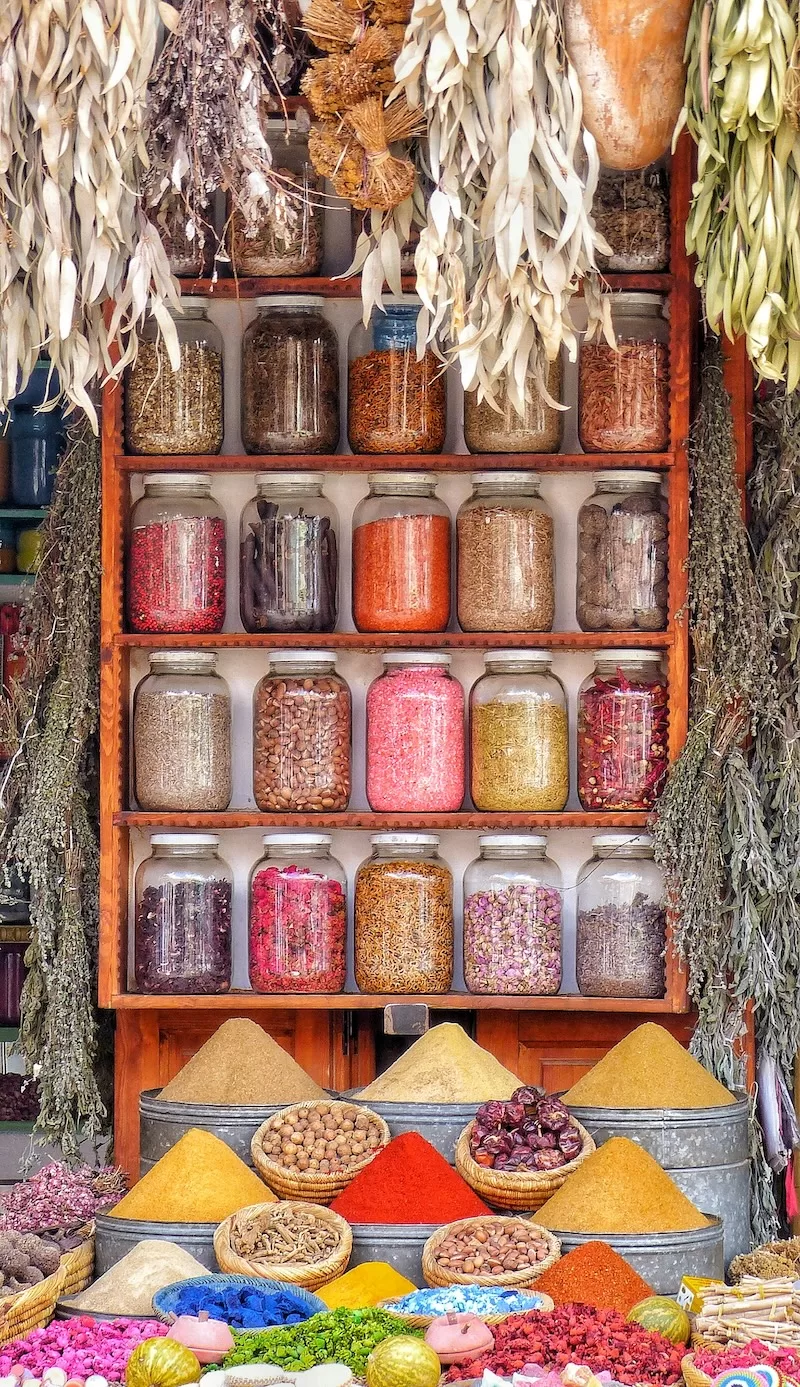
The cost of living remains meaningfully lower than most Western European or North American cities, though this varies by neighbourhood, city, and lifestyle. Dining out, domestic help, local produce, and traditional accommodation can be very affordable. Imported goods, international schools, and premium property in established expat areas will cost more. The overall picture is still favourable for many arrivals from higher-cost countries.
A Growing International Community
The English-speaking expat and digital nomad community has grown noticeably in cities like Marrakech and Tangier. Arabic, Amazigh (Berber), and French remain the languages of daily life, but Morocco is increasingly navigable for people who do not speak any of them, particularly in larger cities and established neighbourhoods.
What Morocco Is Not
Morocco is not a frictionless destination. Bureaucracy can be slow. Banking for non-residents involves its own process. Administrative tasks that take an hour in many Western countries can take considerably longer here. The rhythm is different, and the legal and regulatory environment requires more patience and professional guidance than buyers from some other markets might expect.
None of that disqualifies Morocco as a Plan B destination. It simply means that the people who do best here are those who arrive with realistic expectations, enough patience to let things move at their own pace, and the discipline to get proper professional support rather than trying to shortcut the process.
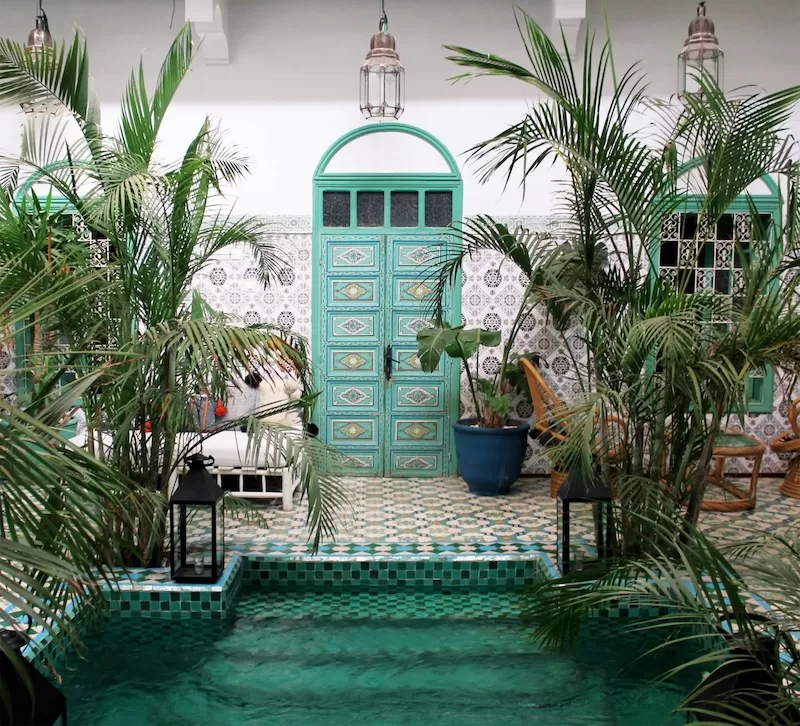
Read More Like This: Summer Is Calling: Our Top 10 Destination Picks
Visiting Is One Thing. Living Long-Term Is Another.
Many nationalities can enter Morocco without a visa for short stays, which makes initial visits and research trips straightforward. But living in Morocco long-term, whether as a retiree, a remote worker, or a family relocating, involves a different set of questions around residency, banking, and administrative registration.
The rules around visas, long-stay permits, and residency in Morocco can vary by nationality and personal circumstances, and they can change. Before making any plan to live in Morocco for an extended period, readers should verify the current requirements directly with the relevant Moroccan authorities or a qualified professional who understands the up-to-date position. Do not rely on older online information without checking whether the rules still apply.
Opening a bank account in Morocco as a non-resident is possible but has its own requirements and procedures. If you plan to buy property, your banking setup matters both for how funds enter the country and for any future repatriation of sale proceeds. Getting this right from the start is significantly easier than trying to correct it later.
Morocco Is Not One Market
One of the most common mistakes people make when researching Morocco for expats is treating the country as a single market. It is not. The cities are genuinely different from one another, and the right choice depends heavily on what you are trying to do.
Marrakech
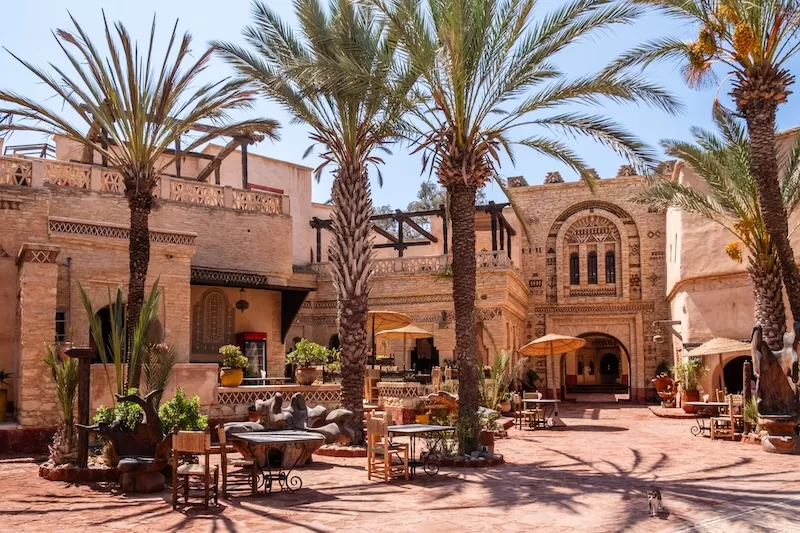
The most internationally recognisable Moroccan city. Marrakech attracts tourists, remote workers, investors, and lifestyle buyers in large numbers. The medina riads, the Palmeraie villas, and the newer apartment developments in Gueliz and Hivernage all draw foreign attention. Short-term rental interest is significant here, though buyers should verify current rules and practical realities carefully before assuming any property will generate income. Marrakech has strong international appeal but also its own set of property market complexities.
Casablanca
The economic capital. Casablanca is a larger, faster-paced city with a corporate energy that suits business-focused relocators. It has solid infrastructure, an established international community, and more of a metropolitan feel than other Moroccan cities.
Rabat
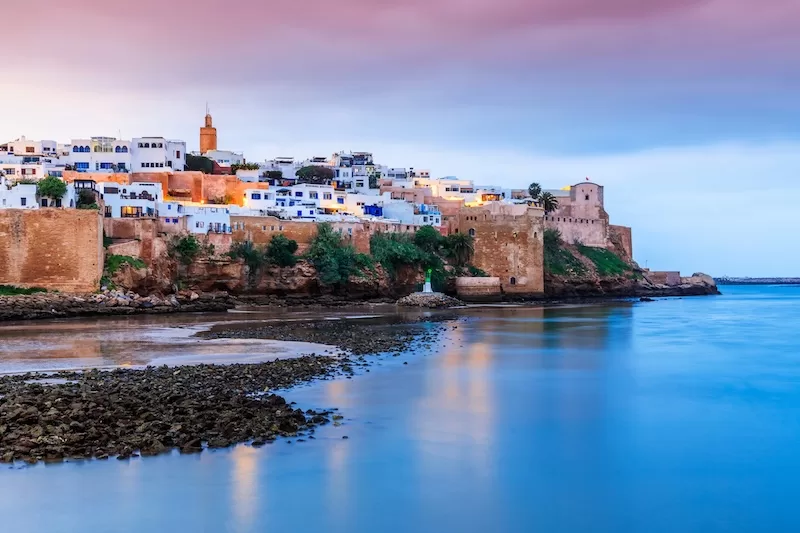
The administrative capital. Rabat is calmer, greener, and often preferred by diplomatic families and those who want a quieter version of city life. It has a well-regarded quality of life and a more relaxed pace than Casablanca.
Tangier
Europe-facing in every sense. Tangier has been growing quickly and drawing more attention from buyers who want proximity to Spain and Portugal without the European price tag. Its coastal position, improving infrastructure, and international connectivity make it one of the more dynamic markets in the country right now.
Essaouira and Agadir
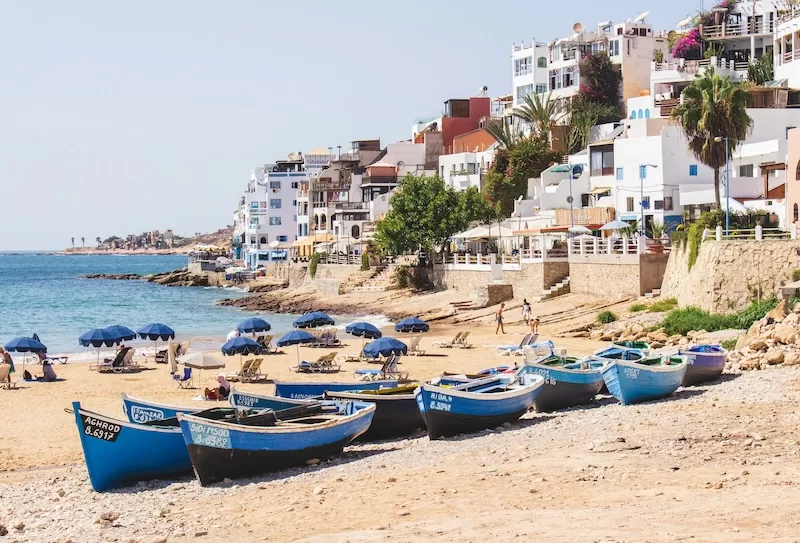
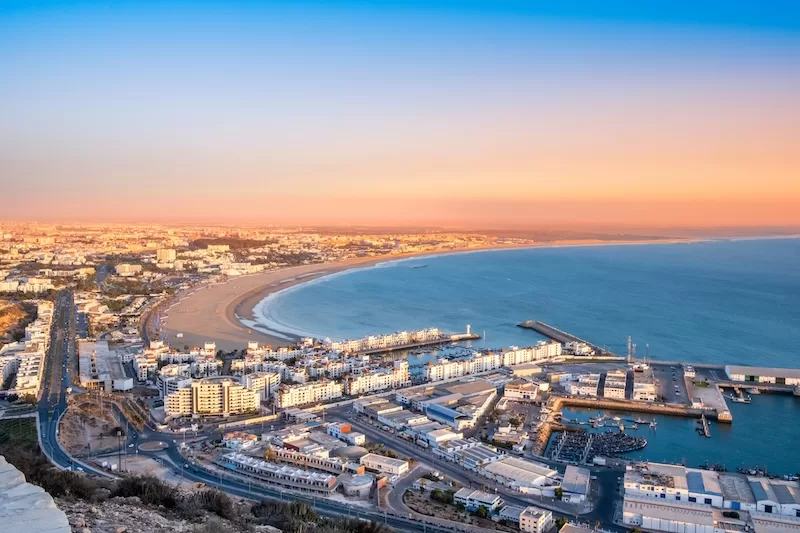
Both are coastal. Essaouira has an artistic, windswept character that draws creatives and people who want a slower, more bohemian pace. Agadir is more developed for beach tourism and retirement living, with a warmer climate and easier infrastructure for those arriving later in life.
Understanding which city fits your actual goals is the first real question to answer. The Morocco real estate market for foreigners looks very different depending on which city you are considering.
Read More Like This: Exploring Beautiful Destinations As An Expat In Morocco
Can Foreigners Buy Property in Morocco?
In many cases, yes. Buying property in Morocco as a foreigner is possible, and many people have done it successfully. Non-residents can generally purchase residential and commercial property in Morocco, subject to proper legal process and certain restrictions.
The main restrictions to be aware of involve agricultural land, which is subject to separate rules and is generally not available for purchase by foreigners. Some areas near certain borders or military zones may also have restrictions. Title type matters too, which I will address below.
The honest answer is that whether you can buy a specific property in Morocco depends on the property itself, your nationality, how the transaction is structured, and how funds are transferred. Before making any commitment, buyers should verify their specific situation with a qualified Moroccan notary. This is not a theoretical caution. It is practical advice that applies to every purchase.
The Real Risk Is Not Morocco, It Is Buying Blind
Morocco is not an unusually risky real estate market in absolute terms. But it is a market that can punish buyers who move too quickly, rely too heavily on agents they have only just met, and treat a deposit as a formality rather than a serious legal commitment.
I learned this the hard way across several transactions in Marrakech. The issues I encountered were not always dramatic, but they were real:
• Agents who could not clearly explain a property’s title status
• Sellers who turned out not to have full authority to sell
• Properties presented as straightforward that had inheritance complications underneath
• Pressure to pay a deposit quickly before another buyer appeared
• Deals that looked clean on WhatsApp photos and fell apart in due diligence
None of this makes Morocco a bad market. It makes it a market you need to understand. Medina properties in particular can carry complexity around traditional ownership structures, undivided inheritance shares, and older documentation. Riads that look beautiful in photos may have paperwork that needs careful review before any money changes hands.
The buyers who do well in Morocco tend to share a few traits. They visit before buying. They take their time. They use professionals they trust rather than the first agent who contacts them online.
Read More Like This: Western Sahara. Africa’s Last Colony
Title, Notary, and Paperwork Matter More Than the View
A beautiful riad, a light-filled apartment, or a villa with mountain views means relatively little if the underlying paperwork is weak. This is true in any real estate market, but it is worth stating plainly for Morocco, where the range of title situations is broader than buyers from some other countries might expect.
The titre foncier is generally considered the clearest and most straightforward registered title in Morocco. It is a formally registered land title and provides a good level of legal clarity for buyers. If you are looking at a property with a titre foncier, that is a positive starting point, though full due diligence is still required.
Melkia refers to a more traditional form of property ownership that predates the modern title registration system. Melkia properties require more careful review, as the documentation can be more complex and the ownership chain less straightforward to verify. This does not mean they cannot be purchased, but buyers should approach them with extra care and get qualified legal advice before proceeding.
On the notary side, buyers should consider using their own notary or one they have independently verified, rather than relying solely on the seller’s recommendation. A fresh title search conducted before signing anything is essential. Any deposit paid during the process should be handled through a proper legal structure, not informally to an agent or directly to a seller without documentation.
If you cannot clearly explain what you are signing before you pay any money, that is a reason to pause, not to proceed. This sounds obvious. It is astonishing how often it needs to be said.
Money, Taxes, and Repatriation Should Be Planned Early
The financial side of buying property in Morocco deserves as much attention as the legal side, and it is an area where buyers sometimes leave important questions unaddressed until they are further into a transaction than they should be.
Foreign buyers should think carefully about how funds enter Morocco, what documentation they keep, and whether their investment is registered in a way that allows for future repatriation if they sell and want to take proceeds out of the country. Morocco has foreign exchange regulations, and the rules around repatriating sale proceeds can depend significantly on how the original purchase was funded and documented. Buyers should verify the current rules with their bank, their notary, and the relevant
Moroccan authorities before proceeding, as these regulations can change and the specifics depend on individual circumstances.
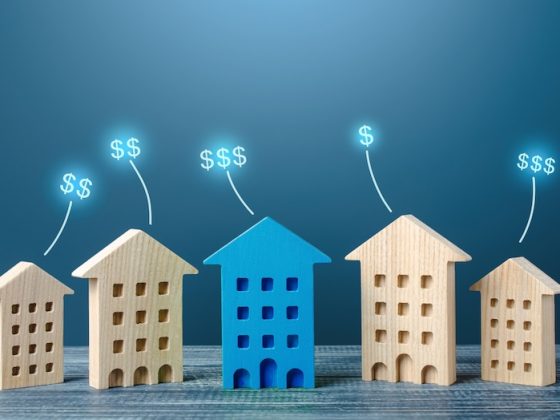
On the cost side, buyers should plan for acquisition costs beyond the asking price. These typically include notary fees, registration fees, agency commission where applicable, and potentially other costs depending on the property and transaction structure. There are also tax considerations when selling, which should be discussed with a qualified tax adviser before making an offer. Exact figures can vary and should be confirmed before any commitment is made.
Think about the exit before you enter. The question of how you will eventually repatriate funds, sell the property, or otherwise exit the investment is not a detail to work out later. It should be part of your planning from the beginning.
Read More Like This: How to Work in Morocco
Renting, Living, or Investing: Know Your Real Goal
One of the clearest patterns I have observed among foreign buyers in Morocco is that many of them are not entirely sure what they are trying to achieve. This matters because the right property, city, neighbourhood, and price point all change depending on your actual goal.
Before going further in your research, be honest about which of the following best describes your situation:
• A retirement home you will live in full-time or seasonally
• A holiday apartment for personal use with occasional rental income
• A short-term rental investment targeting tourism demand
• A long-term rental property for local or expat tenants
• A family relocation base for full-time living
• A capital appreciation play over a medium or long horizon
Each of these goals calls for a different approach. A medina riad may suit a lifestyle buyer or boutique rental investor but might not be right for a family that needs proximity to international schools. An apartment in Gueliz might suit a remote worker but generate different rental dynamics than a villa in the Palmeraie. Conflating these goals leads to decisions that do not serve any of them particularly well.
Read More Like This: Renting vs. Buying Abroad: Which is right for you?
What I Would Check Before Buying Property in Morocco
After four purchases in Marrakech and the due diligence that preceded each of them, here is what I consider the minimum reasonable checklist for any foreign buyer:
• Confirm the title status of the property and understand what type of title it is
• Appoint a notary you trust independently, not one you were handed
• Verify the seller’s identity and their legal authority to sell the property
• Understand the full cost of acquisition before making an offer, not after
• Avoid paying any deposit directly to an agent or informally to a seller without proper legal structure
• Check zoning and permitted use where relevant to your plans
• Assess the building condition carefully, including structure and utilities
• Visit the property and neighbourhood at different times of day and on different days
• Keep clear records of all money transferred and how it entered Morocco
• Have any documents you do not fully understand translated before signing
• Resist any pressure to decide quickly because of another supposed buyer
Who Morocco May Be Right For
Morocco as a Plan B destination tends to work best for people who bring certain qualities to the decision:
• People who genuinely appreciate cultural difference and want to live within it, not just observe it from behind a gate
• People who can navigate bureaucracy without it becoming a daily source of frustration
• People who want long sunny seasons, proximity to Europe and Africa, and a slower rhythm of life
• People who approach property purchase as a serious financial and legal decision, not a lifestyle impulse
• Retirees, remote workers, and families who have done their research and are willing to invest the time to do it properly
• People who are interested in building real local relationships and understanding the market from the inside
Read More Like This: A Different Way to Raise a Family Abroad
Who Should Be Careful
Morocco is not the right environment for everyone. Buyers and relocators who may struggle here include:
• People who expect the administrative and service environment to function like Northern Europe or North America
• People who find ambiguity in legal or bureaucratic processes genuinely intolerable
• People who want to buy a property entirely remotely, based on photos and video calls, without visiting or conducting proper due diligence in person
• People who are attracted primarily by low prices without understanding why certain properties are priced as they are
• People who assume every property can become a profitable short-term rental without verifying the realities of the specific location and local regulations
• People who are not prepared to verify paperwork thoroughly and trust that a deal will work out
Read More Like This: The Hot New Tech Simplifying Buying Property Abroad
Final Thoughts: Morocco Can Be a Plan B, But Not a Shortcut
Morocco deserves genuine attention in the Plan B conversation for global expats. The proximity to Europe, the quality of life, the climate, the culture, and the relative affordability compared with many Western cities all add up to a serious case. For retiring in Morocco, relocating as a family, or building a base for remote work, the country has real and practical advantages.
But Morocco also requires patience, proper process, and a realistic understanding of what moving to Morocco or buying property here actually involves. The best outcomes I have seen in this market, and the four properties I now own in Marrakech, came from taking time, asking hard questions, and treating every step in the process as something that mattered.
If you are seriously considering Morocco, visit first. Spend time in the cities that interest you. Talk to people who have been through the purchase process. And when you are ready to engage with the property market, build a team of professionals you trust before you fall in love with a riad.
Morocco can be a genuinely rewarding place to live, invest, and build a life. It will not reward those who treat it as a shortcut.
Read More Like This: Global Property as a Pathway to Long-Term Independence
About the Author
Anis Chity is the founder of Buy Property Morocco, an English-language resource for foreign buyers navigating the Moroccan property market. Born in Italy and shaped by years living across Europe and beyond, he has lived in Marrakech since 2023 and has personally bought four properties in the city. Through Buy Property Morocco, he shares practical buyer-side guidance on due diligence, title checks, notaries, taxes, deposits, and common mistakes foreign buyers should avoid.
Contact Author
"*" indicates required fields
Stay Ahead on Every Adventure!
Stay updated with the World News on Escape Artist. Get all the travel news, international destinations, expat living, moving abroad, Lifestyle Tips, and digital nomad opportunities. Your next journey starts here—don’t miss a moment! Subscribe Now !
Something shifted in the way globally mobile people think about where to live. It was already happening before 2020, but the years since have accelerated it considerably. Retirees, remote workers, investors, and internationally minded families are no longer just asking where to spend two weeks a year. They are asking a different question: where could I actually build a life, or at least a solid backup plan, if I needed to?
This is the Plan B conversation, and it is growing. Countries across Southern Europe, Latin America, Southeast Asia, and the Middle East have all entered the frame at different points. In 2026, Morocco is earning more serious attention than it has in previous years, and not without reason.
I came to this conversation from lived experience rather than theory. Born in Italy, I spent years moving across Europe, including five years in Budapest and two in Wroclaw, Poland, before eventually landing in Marrakech in 2023. I have bought four properties in Marrakech since then, navigated agents who were not always careful, reviewed paperwork that needed serious scrutiny, and nearly made purchases I would have regretted. That history shapes everything I am about to say.
If you'd like to read the full story, simply enter your email to subscribe to our newsletter.
For even more expert insights, unmissable resources, and exclusive invites, explore our premium subscription offers here.
OR
Already a Subscriber? Click here to login
Subscription required
You've reached your limit of free articles. For full access to Escape Artist, and all of our insights on travel, moving abroad, and the digital nomad life, click here to Subscribe.
Already a Subscriber? Log in here