Quantitative Easing Around the World—The Impacts on Currency Values and Alternative Investments
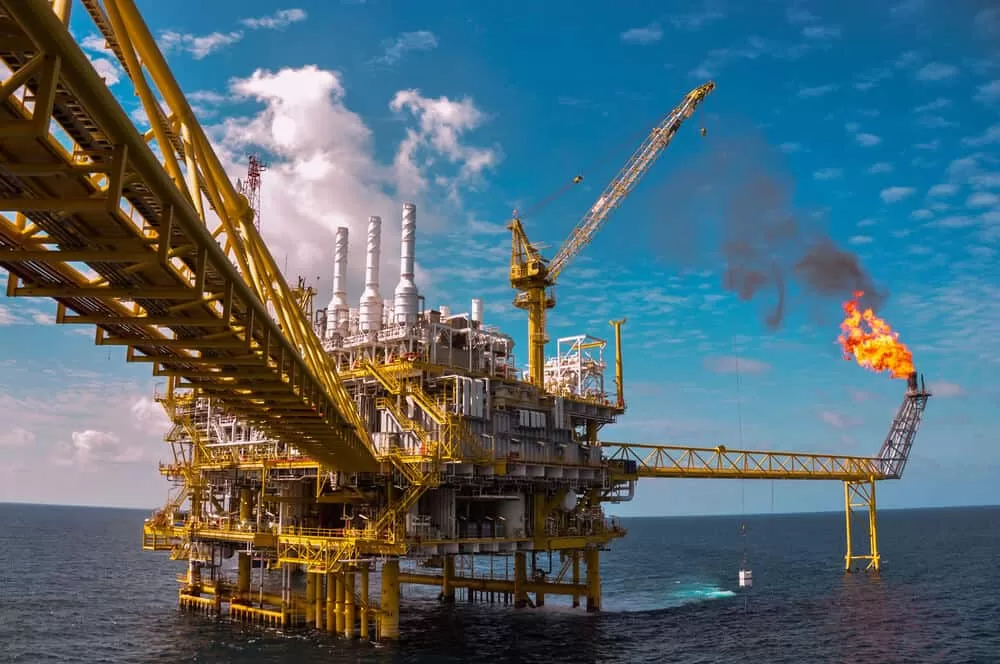
The economic effects of the Coronavirus haven’t been pretty so far. As unemployment in the US reaches record highs, oil prices hit record lows to negative valuations and global demand falls across the board, central banks are introducing quantitative easing measures to stem the tide. Reports indicate that all of the world’s central banks have bought $1.4 trillion in assets in March alone due to the economic impacts of Covid-19. These measures have had little effect so far, possibly because they were introduced far too late until a global recession was absolutely certain.
Make no mistakes about it though, releasing funds into the economy is a textbook economic response to ensure liquidity in the market at a time when demand and revenues fall. Injecting funds into the market through asset purchases by the government and slashing interest rates is theorized to stimulate and induce higher demand for loans to stimulate investment. The idea is to make loans so affordable that everyone takes them on to fund their purchases or investment decisions. With cheaper loans, you can raise demand, improve investments and create a cycle of events that jump start the economy.
But it’s also important to remember that expansionary monetary policies like quantitative easing can be pretty damaging to the economy as well. Central banks can cause immense inflation, significantly devalue currency and create trade imbalances that can cripple the economy for years to come. These events also often signify shifts in the alternative investment markets because of the numerous negative relationships that exist between the economy and these markets. Many of these effects have already become apparent, something I feel that we should consider while we reflect on the best response to the financial crises brought about by the Covid-19 outbreak.
Making Sense of the Repercussions of Quantitative Easing
The Covid-19 outbreak is novel in more ways than just the fact that we haven’t seen this virus out there before. The effects of the Covid-19 pandemic on the global economy are also unprecedented—I mean, how do you continue running a market when people can’t even leave their houses? When one of the financial centers of the world has seen 12,000 people die of the disease? The virus has structurally changed the economy to force businesses to reconsider their production processes, their supply chains and forced the consumer to rethink their consumption patterns.
The question that I’m trying to pose here is this—expansionary monetary policies rely on the existing economic channels to function normally to succeed, but is it even possible for the economy to function normally right now? Let’s think about this for a second—businesses have shut down, industrial production has been stopped, financial markets are crashing and it’s not because of some housing bubble or bad lending practices, we are physically incapable of continuing production since 81% of the global labor has been forced into their homes. Right now, it’s not a question of the abstract market not functioning properly—it’s a question of whether a market even exists in the way that existed before? So, I think, we should all wonder whether these textbook responses will really work out for us because the situation we’re in is not very textbook.
In any case, it’s always useful to trace out the new developments in the market to see what events have unfolded that can assist us with our financial plans. While covid-19 represents a lot of uncertainty and risk, we can’t fall victim to the psychological impacts of the disease if we can help it. We must power through, use our minds to make sure that we can grow and protect our wealth at what will be the worst financial era of our lives.
Havoc in Foreign Exchange Markets
Whenever an economy goes under, one of the first indicators of an impending crisis is the effect on currency values. There are multiple factors that determine the demand for a currency—including preference by foreign investors, the state of stock markets and the valuation of alternative investments. So far, the quantitative easing measures on part of the US government have worked out and the dollar has remained steady—but we don’t know how long this will last because a lot of this had to do with luck and the crash of the oil markets.
There is news around the corner that the fed might pull out of the US treasury bonds market to drive down prices for long-term bonds. This vacuum is expected to create a demand shortfall that no one will be able to meet at this time. The Fed is becoming increasingly concerned as government debt levels reach 101% of the total GDP and we don’t really know what the impacts of this will be on FX markets.
Gold Prices
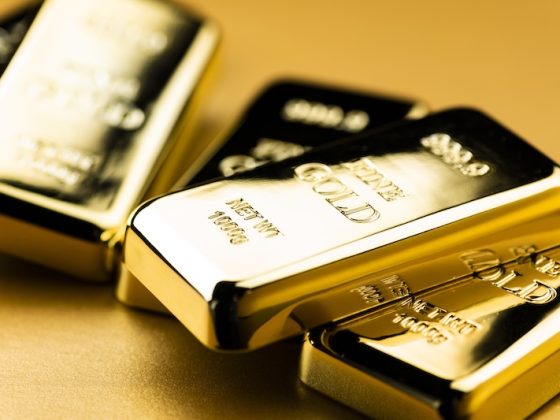
Over the past four months alone, the US economy has shrunk by 4.1%. These figures are reflective of all economies in the world—whether we’re looking at Europe, Japan, China or other major markets. As these economies plan to collectively release funds, a lot of people are expecting gold prices to shoot higher in response to this sudden influx of currency into the market.
Increasing the supply of currency in the markets drives down its exchange rates, which forces investors into alternative investments to minimizes the losses from falling exchange rates. Even now, gold markets have maintained their high values since mid-late 2019 from the time that the economic crisis began raising its head.
Conclusion
This is just the tip of the iceberg really and I think that a lot of economic research in the future is going to be dedicated to the effects of pandemics on the economy. It’s a difficult time for everyone all around because it’s the first time we’ve ever witnessed a protracted pandemic that is influencing our economic frameworks and possibly transforming us forever. Whatever the future holds for us, we have yet to see—what we can say for sure is that we’re standing at the cusp of a new economic era that all of us should prepare for.
I hope you got value from reading this article: Quantitative Easing Around the World—The Impacts on Currency Values and Alternative Investments .Please contact our office for any information on Second Residency, Offshore Structures, or International Real Estate. I’ve also included a few articles I’m pretty sure you will love!
What the Covid-19 Epidemic Teaches about the Need for a Plan-B
Increased Surveillance of Individuals During COVID-19—Necessary Precaution? Or The Groundwork of an…
What Does the Coronavirus Epidemic Tell Us About the Failures of Modern Government?
Flag Theory: Optimizing Your Tax Strategy
Using an Offshore Structure to Purchase Property – Case Study
Contact Author
"*" indicates required fields
Stay Ahead on Every Adventure!
Stay updated with the World News on Escape Artist. Get all the travel news, international destinations, expat living, moving abroad, Lifestyle Tips, and digital nomad opportunities. Your next journey starts here—don’t miss a moment! Subscribe Now !
Quantitative Easing Around the World—The Impacts on Currency Values and Alternative Investments
The economic effects of the Coronavirus haven’t been pretty so far. As unemployment in the US reaches record highs, oil prices hit record lows to negative valuations and global demand falls across the board, central banks are introducing quantitative easing measures to stem the tide. Reports indicate that all of the world’s central banks have bought $1.4 trillion in assets in March alone due to the economic impacts of Covid-19. These measures have had little effect so far, possibly because they were introduced far too late until a global recession was absolutely certain.
Make no mistakes about it though, releasing funds into the economy is a textbook economic response to ensure liquidity in the market at a time when demand and revenues fall. Injecting funds into the market through asset purchases by the government and slashing interest rates is theorized to stimulate and induce higher demand for loans to stimulate investment. The idea is to make loans so affordable that everyone takes them on to fund their purchases or investment decisions. With cheaper loans, you can raise demand, improve investments and create a cycle of events that jump start the economy.
If you'd like to read the full story, simply enter your email to subscribe to our newsletter.
For even more expert insights, unmissable resources, and exclusive invites, explore our premium subscription offers here.
OR
Already a Subscriber? Click here to login
Subscription required
You've reached your limit of free articles. For full access to Escape Artist, and all of our insights on travel, moving abroad, and the digital nomad life, click here to Subscribe.
Already a Subscriber? Log in here