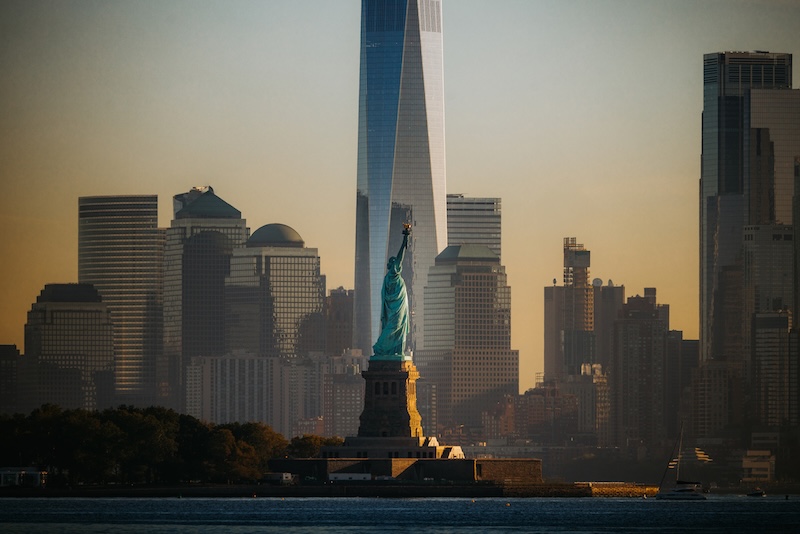
The United States has occupied a unique place in the global imagination. It was the world’s most visited destination for years. It feels as if most of the planet grew up hearing stories of the American Dream and looking at iconic cities such as New York, Chicago and Los Angeles on our television screens.
America has been attracting everyone from tourists to students to entrepreneurs and remote workers, but recent political developments have flipped much of this on its head and could change how the USA is viewed on the international stage for a long time to come.
Donald Trump, currently in his second presidential term, has changed the experience of traveling and moving to the United States. The crackdown on undocumented migration, which has been a huge part of Trump’s messaging, is well known and has received widespread condemnation, but the USA’s new border policy doesn’t end there. The entire visa and entry system in the US has been overturned and it affects everyone including tourists, international students, temporary workers, visa holders and prospective immigrants. There is an array of new restrictions as well as heightened security at borders. The sudden overhaul in the country’s border system has created uncertainty for millions of people who were considering the US as a destination.
There are signs that some international travelers are choosing alternative destinations, while digital nomads and globally mobile professionals are increasingly looking toward countries with more predictable immigration systems. The United States remains one of the world’s most attractive destinations but for many would-be visitors, the calculation is becoming more complicated.
Read More Like This: Ready to Leave the US? These Countries Might Trump the American Dream
A New Era of Immigration Enforcement
Immigration has been a defining issue of Trump’s political career. Since returning to the White House in January 2025 his administration has pursued one of the most extensive immigration crackdowns in modern American history. While much attention has focused on deportations and border enforcement, legal immigration has also been affected.
According to the Migration Policy Institute, visa issuance slowed significantly during 2025 as the administration introduced a series of restrictions affecting both temporary and permanent immigration pathways. Student visa approvals have fallen dramatically. Employment and family-based immigration categories also experienced declines. The institute warned that legal immigration could fall by hundreds of thousands of arrivals annually as a result of the new policies. While the US administration would argue that these measures are necessary for national security, it does create uncertainty for employers and international talent which could in turn make the US less competitive globally.
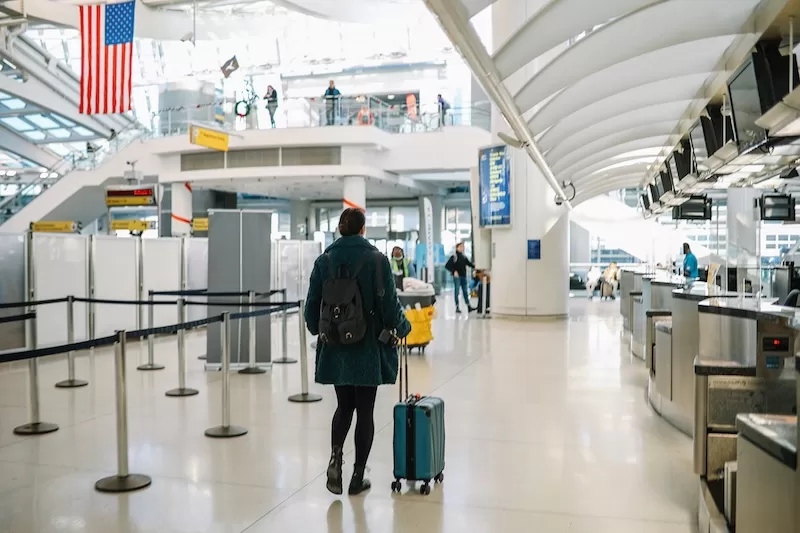
The United States welcomed almost 80 million international visitors annually before the pandemic. Tourism took a sharp hit globally during Covid-19 but in most of the world it has largely recovered, and in many cases it is now booming. America is one of the few exceptions. American tourism numbers are lagging behind many competitors.
Several tourism industry reports have documented declines in overseas visitor numbers since Trump’s return to office. International visitor numbers to the US have fallen while global tourism has grown. Some have dubbed the phenomenon the “Trump Slump”. This seems to be caused by a combination of immigration policies, border concerns and negative perceptions abroad which have contributed to weaker demand.
International Trade Administration data showed foreign visitor arrivals fell by more than 4% in 2025, the first annual decline since the pandemic period, while global international travel increased by approximately 4%. The vast majority of tourism coming into America is from Canada, and this Canada-USA tourism has seen a sharp decline. New York City tourism officials reported notable reductions in Canadian visitors during 2025, while several travel companies reported weaker demand from Europe and Australia.
Some travelers cite concerns about tougher border questioning. The checks are reported to be a lot more stringent and invasive than they previously were. A story went viral last year of a Norwegian student being denied entry into the US due to having a JD Vance meme on their phone. The Department of Homeland Security denied that the meme was the reason he was refused entry and whether the story is true or not, the fact that it spread so quickly and was believed says a lot about the general zeitgeist toward American border patrol. Some would-be visitors are reacting to broader political rhetoric. For many the issue is simply uncertainty. Tourism experts frequently note that travelers prefer destinations where entry requirements feel straightforward and predictable, and at the moment the United States does not feel this way.
Read More Like This: 10 Digital Nomad Havens Offering a Path to Citizenship
Visa Rules Are Becoming More Complex
Perhaps the most significant changes have affected people seeking longer-term stays. In May 2026 the Trump administration announced a major policy shift for temporary visa holders seeking permanent residency. Many applicants who previously could adjust their status from within the United States will now instead be required to return to their home countries and complete the process through American consulates abroad, a headache that will turn many people off.
The change affects a process known as “adjustment of status” which has long allowed eligible visa holders to apply for green cards without leaving the country. According to NBC News roughly one million people apply for green cards each year and around half have generally done so from within the United States. The increased costs and uncertainty attached to this is bound to make many think that the gamble just isn’t worth it. There are also additional vetting measures and extensive reviews of people’s social media profiles. For prospective immigrants, America remains accessible but the pathway is becoming more administratively demanding.
Read More Like This: Best Countries for Second Residency: The Ultimate Guide!
What Does This Mean for People Setting Up in the USA?
Unlike many countries that have introduced dedicated digital nomad visas in recent years, the US has never created a formal visa specifically designed for location-independent remote workers. Traditionally many foreign freelancers and remote workers spent limited periods in the US under tourist or business travel arrangements, provided they were not working directly for American employers. Many remote workers are feeling more cautious now about setting up a base in the USA. Digital nomads are not being directly targeted but the broader tightening of immigration procedures creates uncertainty around what is permissible and how regulations may evolve. For entrepreneurs and freelancers seeking long-term stability, predictability matters almost as much as opportunity and as a result, many digital nomads are increasingly looking elsewhere.
The United States has long benefited from attracting international talent. Immigrants actually account for a disproportionate share of American entrepreneurs, researchers and technology founders. Many of Silicon Valley’s most successful companies were founded or co-founded by immigrants. The Migration Policy Institute has reported substantial declines in student visa issuance and warned that ongoing restrictions could reduce population growth and economic dynamism over the coming years. The organization noted that immigration has become the primary driver of US population growth as birth rates decline and the population ages. International students contribute tens of billions of dollars annually to the US economy and also supply critical talent to sectors including engineering, medicine and technology.
Cultural Perceptions
The perception and reputation that has been built around the Trump administration also plays an important role in all of this. Throughout 2025 and 2026 media coverage highlighted concerns among many immigrant communities regarding enforcement actions and high-profile immigration raids. Several cultural festivals and community events were reportedly cancelled or scaled back amid concerns about attendance and enforcement activity. There are reports that diaspora community events such as football games, which attract a huge amount of America’s Latino community, are way down in attendance due to fears of raids.
These events affect only a small portion of the overall tourism market but they contribute to broader international perceptions about the country’s climate toward foreign visitors and immigrants. The United States is a remarkably diverse nation that welcomes millions of international travelers every year but slowly in popular opinion it is starting to feel like an unwelcoming place.
In recent years Portugal, Spain and Greece have become major hubs for digital nomads through dedicated visa programs and relatively straightforward residency pathways. Canada continues to attract highly skilled workers through points-based immigration systems. The United Arab Emirates has made Dubai a global base for remote workers and entrepreneurs. Singapore remains one of Asia’s most attractive destinations for international professionals. Many travelers who might once have chosen the United States are increasingly exploring alternatives that offer simpler entry requirements and fewer perceived complications.
The US remains the world’s largest economy, hosts many of its best universities and offers unmatched diversity of landscapes and experiences. One presidency term is not enough to change that altogether, but massive damage is being done.
Read More Like This: Residency or Citizenship: Which One Do You Actually Need?
Will These Changes Last?
The key question is whether the current environment represents a temporary political phase or a more permanent shift. American immigration policy has historically swung between periods of expansion and restriction depending on the administration in power. Some of the Trump administration’s policies are already facing legal challenges. In June 2026 a federal judge struck down several immigration restrictions affecting applicants from dozens of countries, highlighting the ongoing legal battles surrounding immigration policy. Future administrations could reverse some measures but others may become embedded within the system.
The United States still remains one of the world’s great travel destinations. Its cities, landscapes, business opportunities and cultural influence remain unmatched in many respects. Millions of tourists continue to visit each year, and many immigrants still view America as a land of opportunity. However under Trump’s second presidency, international mobility has become a lot more complicated. The nature of travel to the United States is evolving. The question for travelers is no longer simply whether they want to visit America but whether America remains the easiest place to build a global life.
Key Takeaways (FAQs)
Has the US seen fewer international visitors under Trump’s second term?
Yes. International Trade Administration data showed foreign visitor arrivals fell by more than 4% in 2025, the first annual decline since the pandemic, while global international travel grew by roughly 4% over the same period.
What’s driving the drop in tourism, dubbed the “Trump Slump”?
A combination of immigration policy changes, tougher border questioning, and negative perceptions abroad, with Canadian, European, and Australian visitor numbers all showing notable declines.
Has legal immigration slowed as well?
Yes. The Migration Policy Institute reported significant declines in visa issuance during 2025, with student visa approvals falling sharply and warnings that legal immigration could drop by hundreds of thousands of arrivals annually.
What changed for green card applicants in 2026?
As of May 2026, many temporary visa holders who previously could adjust their status from within the US must now return to their home countries and complete the process through American consulates abroad.
Is there a dedicated US visa for digital nomads?
No. The US has never created a formal visa for location-independent remote workers, and tightening immigration procedures are making some digital nomads more cautious about basing themselves there.
Which countries are digital nomads and remote professionals increasingly choosing instead?
Portugal, Spain, and Greece through dedicated visa programs, along with Canada, the UAE, and Singapore, are cited as destinations offering simpler entry and clearer long-term pathways.
Are these policy changes permanent?
Uncertain. Some restrictions are already facing legal challenges, including a June 2026 federal court ruling that struck down several immigration restrictions affecting applicants from dozens of countries.
Does this mean the US is no longer a major destination?
Not entirely. It remains one of the world’s largest economies and most visited countries, but the article frames the core question as whether it’s still the easiest place to build a global life, not whether people still want to visit.
About the Author
Ethan Rooney is an Irish journalist covering global communities, culture, and niche movements. You can find more of his work here.
Contact Author
"*" indicates required fields
Stay Ahead on Every Adventure!
Stay updated with the World News on Escape Artist. Get all the travel news, international destinations, expat living, moving abroad, Lifestyle Tips, and digital nomad opportunities. Your next journey starts here—don’t miss a moment! Subscribe Now !
The United States has occupied a unique place in the global imagination. It was the world’s most visited destination for years. It feels as if most of the planet grew up hearing stories of the American Dream and looking at iconic cities such as New York, Chicago and Los Angeles on our television screens.
America has been attracting everyone from tourists to students to entrepreneurs and remote workers, but recent political developments have flipped much of this on its head and could change how the USA is viewed on the international stage for a long time to come.
Donald Trump, currently in his second presidential term, has changed the experience of traveling and moving to the United States. The crackdown on undocumented migration, which has been a huge part of Trump’s messaging, is well known and has received widespread condemnation, but the USA’s new border policy doesn’t end there. The entire visa and entry system in the US has been overturned and it affects everyone including tourists, international students, temporary workers, visa holders and prospective immigrants. There is an array of new restrictions as well as heightened security at borders. The sudden overhaul in the country’s border system has created uncertainty for millions of people who were considering the US as a destination.
If you'd like to read the full story, simply enter your email to subscribe to our newsletter.
For even more expert insights, unmissable resources, and exclusive invites, explore our premium subscription offers here.
OR
Already a Subscriber? Click here to login
Subscription required
You've reached your limit of free articles. For full access to Escape Artist, and all of our insights on travel, moving abroad, and the digital nomad life, click here to Subscribe.
Already a Subscriber? Log in here