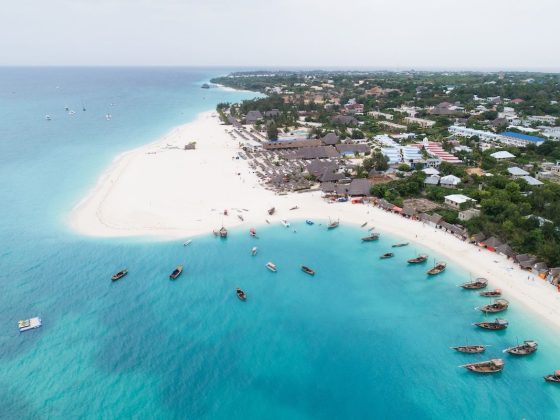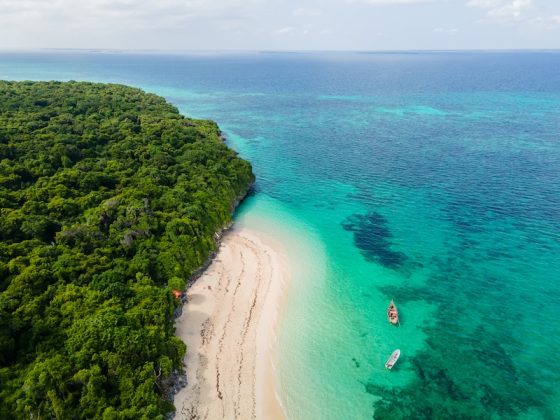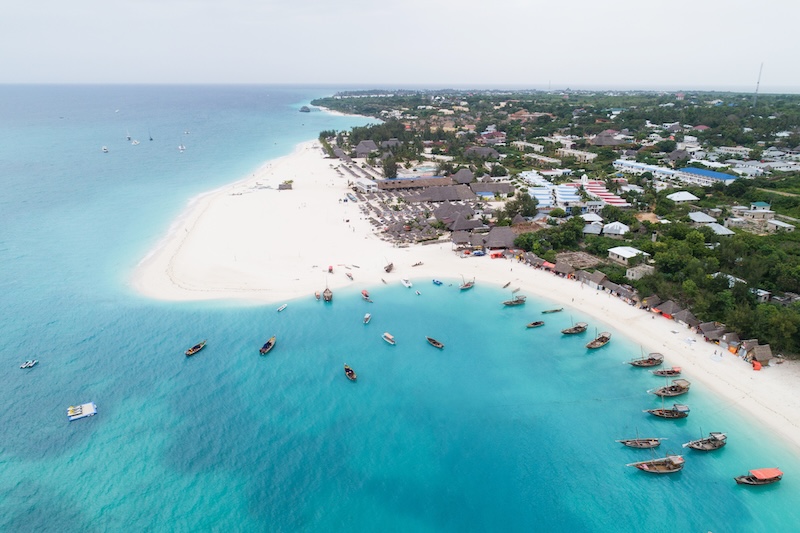
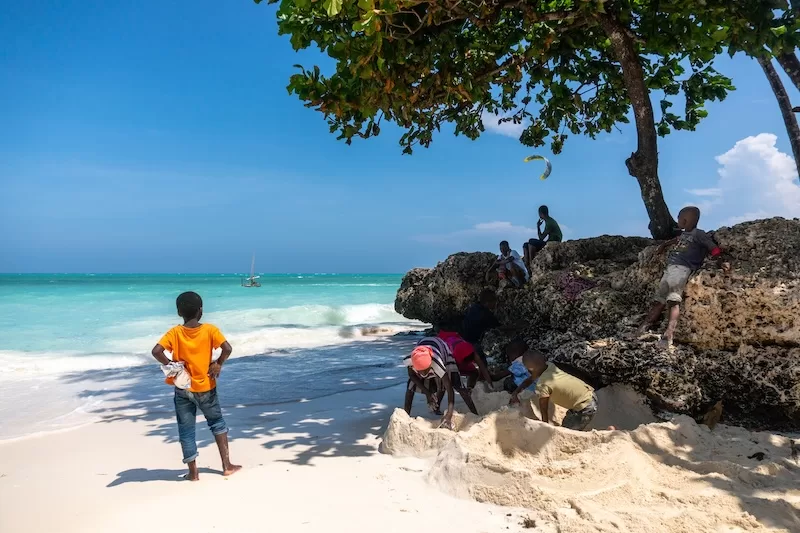
Kendwa has spent years being known primarily for its beach, which is understandable when the beach in question is one of the best in Zanzibar. The sand is extraordinarily soft, the water remains calm and swimmable for most of the day, and unlike much of the island’s eastern coastline, the tide does not disappear hundreds of meters toward the horizon every few hours. Mornings begin with fishermen moving slowly across the water in wooden dhow boats, afternoons stretch easily into the sea, and by early evening the entire beach faces west as the sun drops directly into the Indian Ocean.
But Kendwa is becoming interesting for reasons that extend well beyond the quality of its coastline. Over the past few years, this small village on Zanzibar’s northwest coast has found itself at the meeting point of several changes happening across the island at once. Tourism is growing, the hospitality market is moving steadily upmarket, infrastructure is improving, and Zanzibar is becoming easier to reach from Europe, the Middle East and the rest of Africa. Kendwa, already home to some of the island’s most established high-end hospitality, is increasingly emerging as the place where those changes make the most sense.
Kendwa Beach and the Tide That Stays In
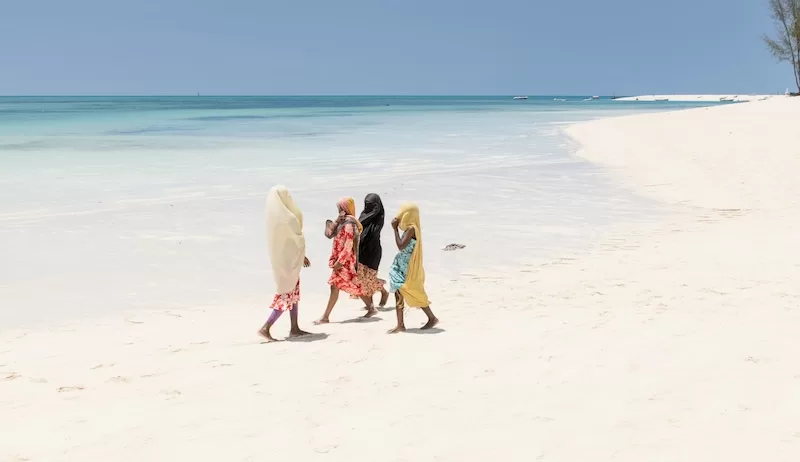
The geography matters more than it initially appears. Zanzibar has no shortage of spectacular beaches, but the experience of living beside them changes considerably depending on which part of the island you are on. Along much of the east coast, the Indian Ocean retreats dramatically at low tide, exposing enormous stretches of reef and sand before returning several hours later. It creates an extraordinary landscape, but it also means that swimming, sailing and much of daily life around the water inevitably follow the rhythm of the tide.
Kendwa behaves differently. The deeper water along this part of the northwest coast means swimming remains possible through most of the tidal cycle, which gives the beach a completely different relationship with the people living beside it. You can swim early in the morning, return after lunch, walk down again before sunset and rarely need to think about whether the ocean will actually be there. For a short holiday, that might feel like a small convenience. For anyone spending several weeks or returning repeatedly, it becomes one of the defining advantages of being here.
There is also something unusually generous about the beach itself. It is wide enough to absorb the hotels and visitors along it without immediately feeling overwhelmed, while traditional fishing boats, local vendors and village life remain visible throughout the day. Kendwa has developed, certainly, but it has not yet become a coastline that exists purely for tourism. That balance between comfort and reality is increasingly difficult to find in the world’s most desirable beach destinations.
Read More Like This: Zanzibar as the New Ritual Escape
A More Grown-Up Kind of Zanzibar
Zanzibar’s hospitality market has changed considerably from the days when the island was largely treated as a few nights of beach after safari. The people arriving now are increasingly well traveled and discerning, and many are comparing Zanzibar not simply with other East African destinations, but with the Maldives, Mauritius, the Seychelles and other established Indian Ocean escapes. They want excellent food, beautiful design, privacy and service, but they also want to feel that traveling somewhere has actually taken them somewhere.
Kendwa is particularly well placed for that shift. Some of the island’s more established luxury hotels and resorts are already concentrated around the northwest coast, creating a hospitality ecosystem that feels noticeably more sophisticated than it did a decade ago, while nearby Nungwi provides restaurants, diving, nightlife and a larger concentration of activity for anyone who wants it. Kendwa itself remains quieter, allowing people to move easily between the two without having to live permanently inside the busier version of the island.
What is particularly appealing is that the luxury here still feels relatively informal. Shoes disappear quickly. Lunch can stretch for several hours. People walk between places along the beach rather than arranging cars, and even some of the most expensive hotels still exist within sight of fishermen bringing their boats back to shore. There is comfort without the strange sense of separation that can make luxury resorts feel almost interchangeable, regardless of which country they happen to occupy.
The Village Behind the Beach
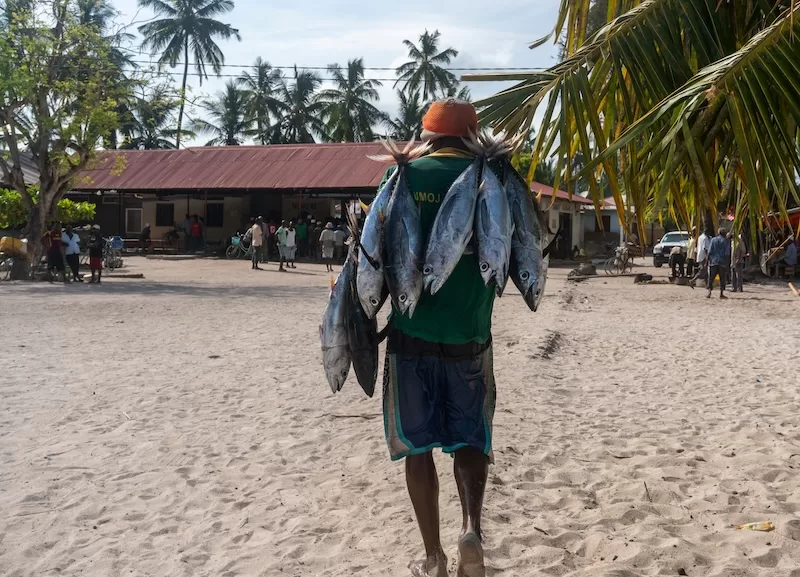
Walk a few minutes inland and the version of Kendwa presented in hotel photographs gives way to something much more important. This is still a functioning village, with families who have lived here for generations, children walking to school, small shops, mosques, homes, workshops and the informal social networks that shape daily life across Zanzibar. Tourism exists alongside that community rather than having completely replaced it.
That distinction is part of what makes the area feel unusually grounded. People greet one another here. Conversations begin easily and often last longer than expected. Staff remember returning guests, drivers become familiar faces, and the separation between visitor and resident is less absolute than it is in destinations designed entirely around transient tourism. There is a strong sense of community, and with it a feeling of ease that becomes increasingly noticeable the longer you stay.
Safety is part of that experience too, although perhaps not in the way the word is usually used in travel writing. Kendwa feels comfortable because it is small, social and known. People recognize one another. The village has its own rhythms and relationships, and visitors staying for longer periods begin to understand them too. Familiarity accumulates quickly, which is one reason the north coast works particularly well for people who want more than a resort they rarely leave.
It is also what Kendwa needs to protect as development accelerates. Some of the world’s most beautiful coastal destinations have discovered too late that luxury becomes considerably less interesting once the community, architecture and culture that made a place distinctive have been pushed out of sight. Kendwa still has the opportunity to grow differently.
Read More Like This: Inside Stone Town, Zanzibar’s Cultural Heart
Getting to Kendwa Is No Longer Difficult
The other major shift is happening before visitors even arrive at the beach. Zanzibar is becoming considerably easier to reach, and the expansion of its aviation infrastructure is one of the clearest signals of where the island sees its future. The opening of the modern international terminal at Abeid Amani Karume International Airport significantly increased the island’s ability to receive international passengers, while further airport works continue to improve capacity and the movement of travelers through Zanzibar.
The significance of that goes beyond tourism numbers. Connectivity changes what a place can become. An island that requires a complicated chain of regional flights remains somewhere people visit occasionally, however beautiful it might be. An island connected through major African and Middle Eastern aviation hubs can become somewhere people return to repeatedly, spend longer periods, own property, work remotely or use as a base for exploring an entire region.
Zanzibar is increasingly moving toward the second model. Connections through cities including Dubai, Doha, Nairobi, Addis Ababa and Dar es Salaam place the island within relatively easy reach of much of Europe, Africa, Asia and the Middle East, while mainland Tanzania sits only a short flight or ferry journey away. The psychological distance between Zanzibar and the rest of the world is becoming much smaller, even while the experience of being on the island still feels wonderfully removed from it.
Kendwa as a Base for East Africa
This is where Zanzibar becomes difficult to compare with most other tropical islands. The beach is only one part of the geography.
From the north coast, it is entirely possible to build a life or an extended trip that moves between radically different versions of Africa without ever feeling logistically exhausting. A few quiet weeks in Kendwa can be interrupted by several days in the Serengeti or Ngorongoro Crater, a trip through Arusha, time in Dar es Salaam or a longer journey elsewhere in East Africa. You can leave the Indian Ocean in the morning and find yourself surrounded by some of the most extraordinary wildlife landscapes on earth remarkably quickly.
That proximity gives Kendwa a different kind of value for people who travel frequently. It can provide the calm, familiarity and ease of a home base without the sense of confinement that sometimes accompanies island living. The world beyond it remains unusually accessible. Friends can arrive for a week, safari can become a long weekend rather than a once-in-a-lifetime expedition, and the island can sit within a much broader relationship with Africa rather than existing separately from it.
Few luxury destinations offer that combination convincingly. The Maldives has extraordinary water. The Seychelles has remarkable natural beauty. Mauritius has mature infrastructure. Zanzibar brings its own Indian Ocean coastline together with Swahili culture, a living local community and immediate proximity to mainland Africa. It is that layering, rather than any single feature, that makes the island increasingly compelling.
Read More Like This: Looking Up: How One Entrepreneur Is Reimagining Tourism in Zanzibar
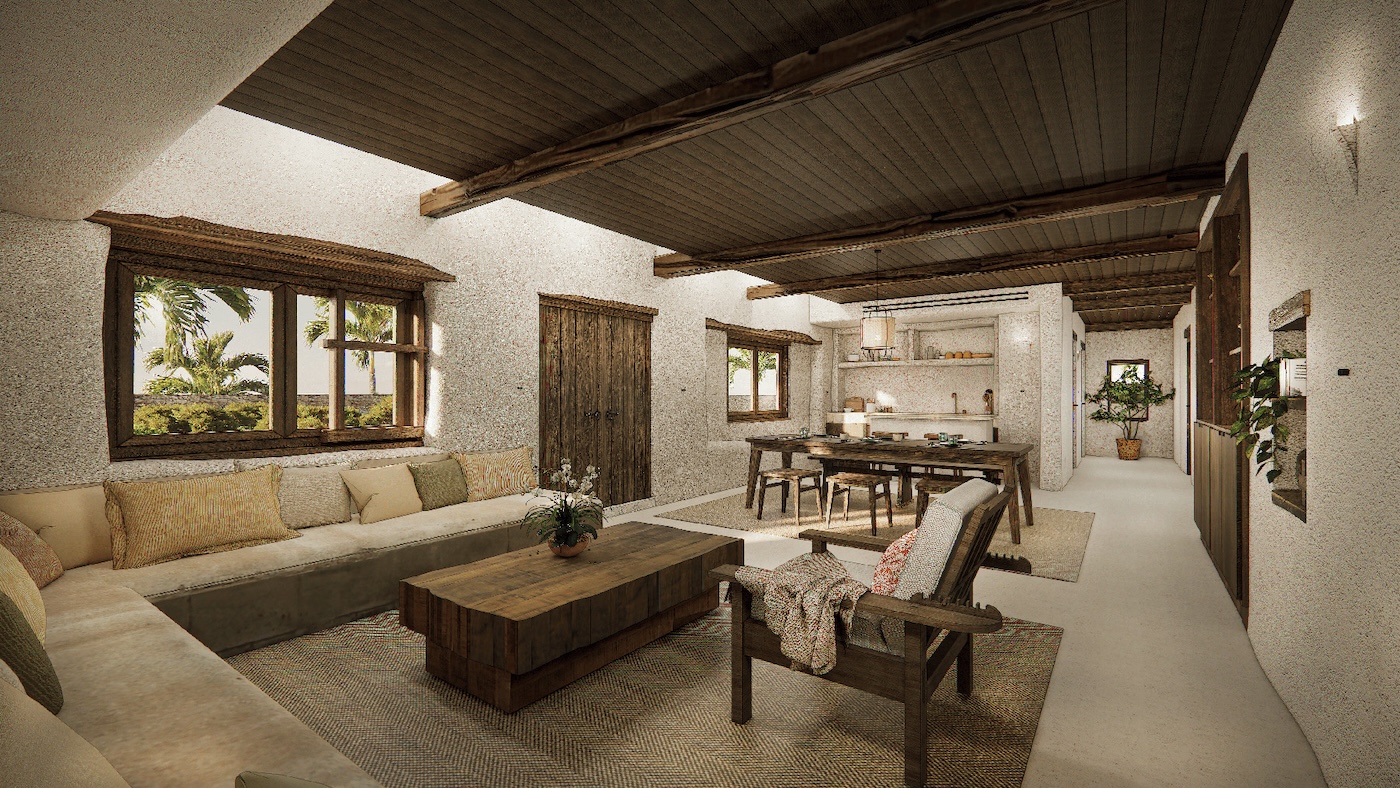
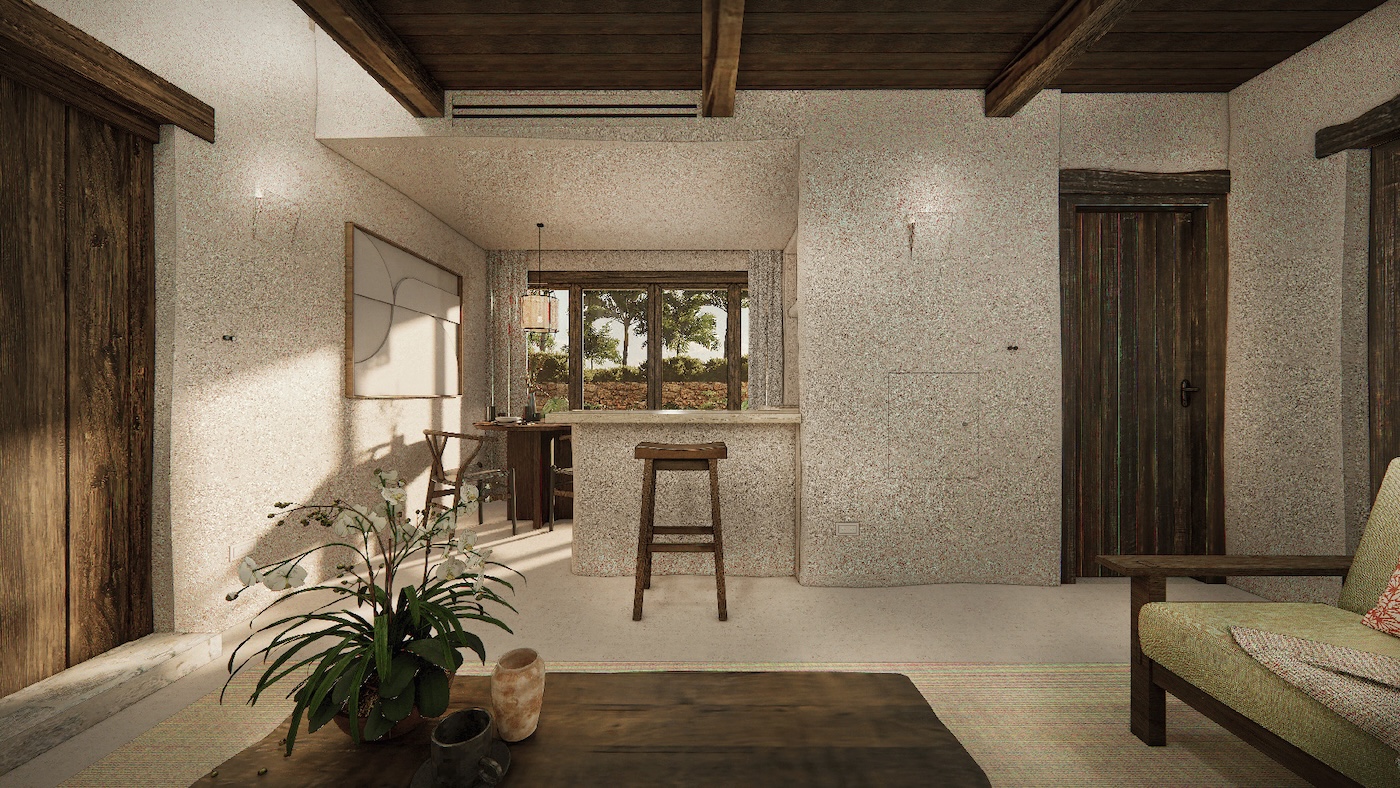
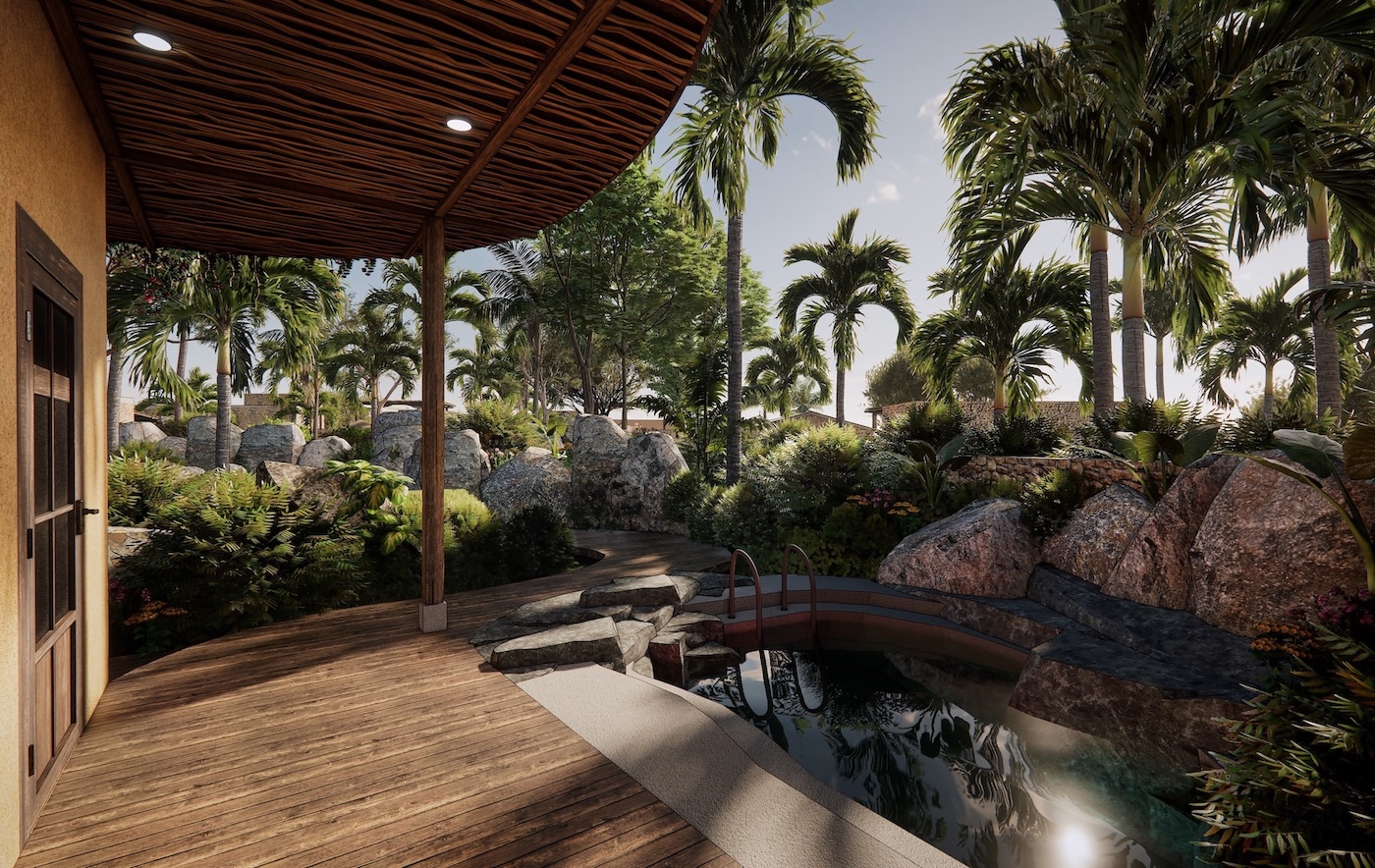
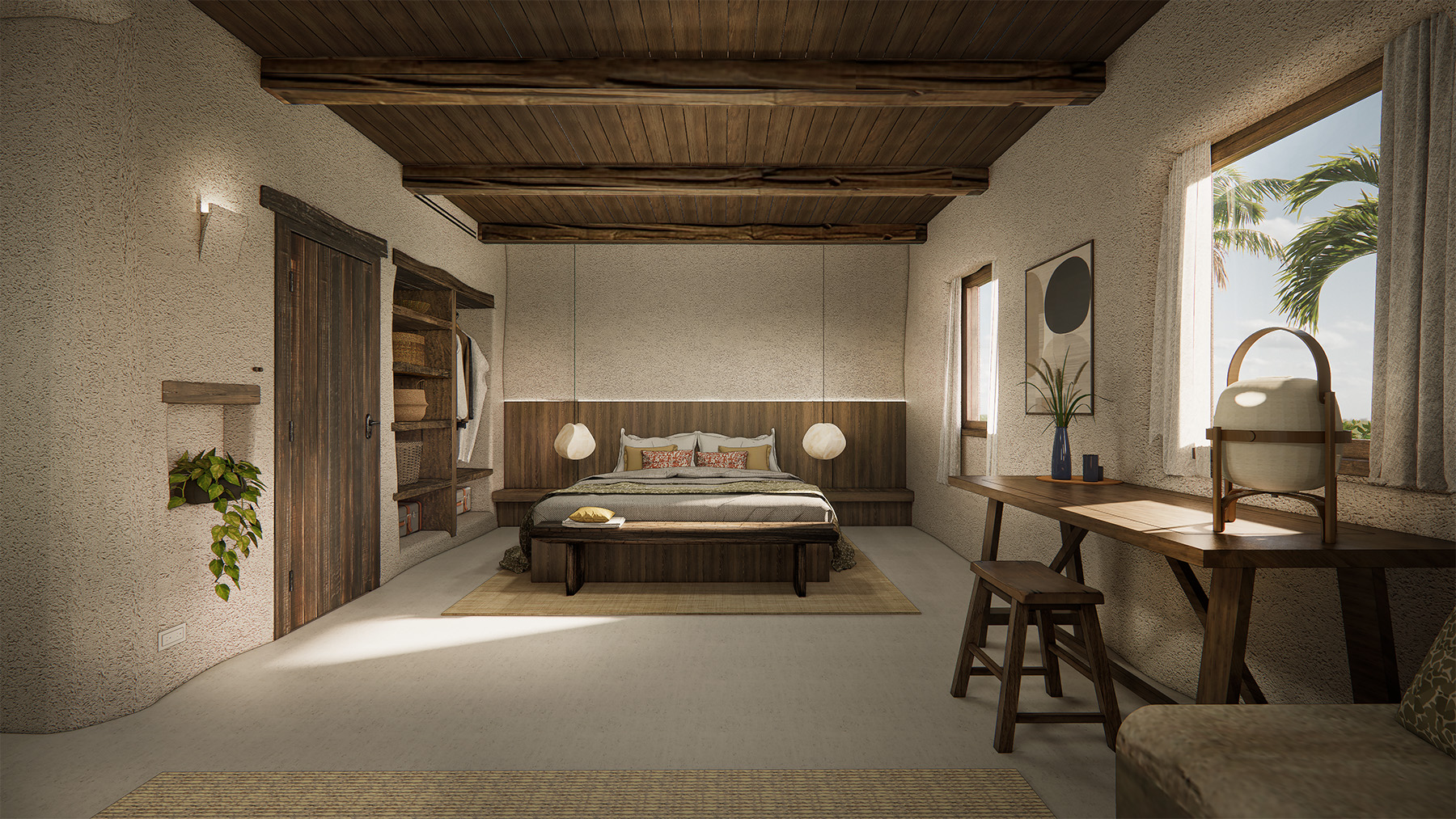
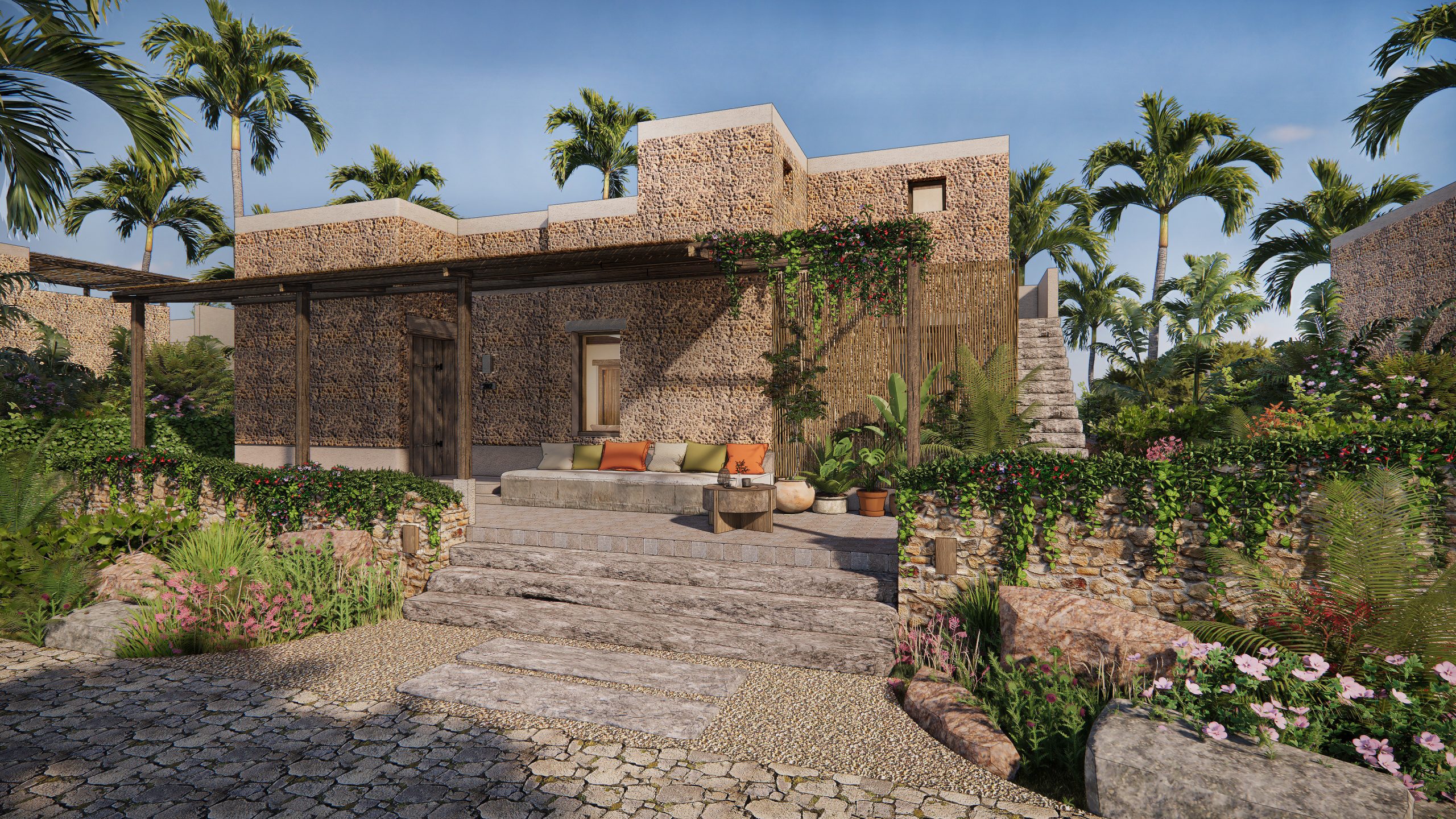
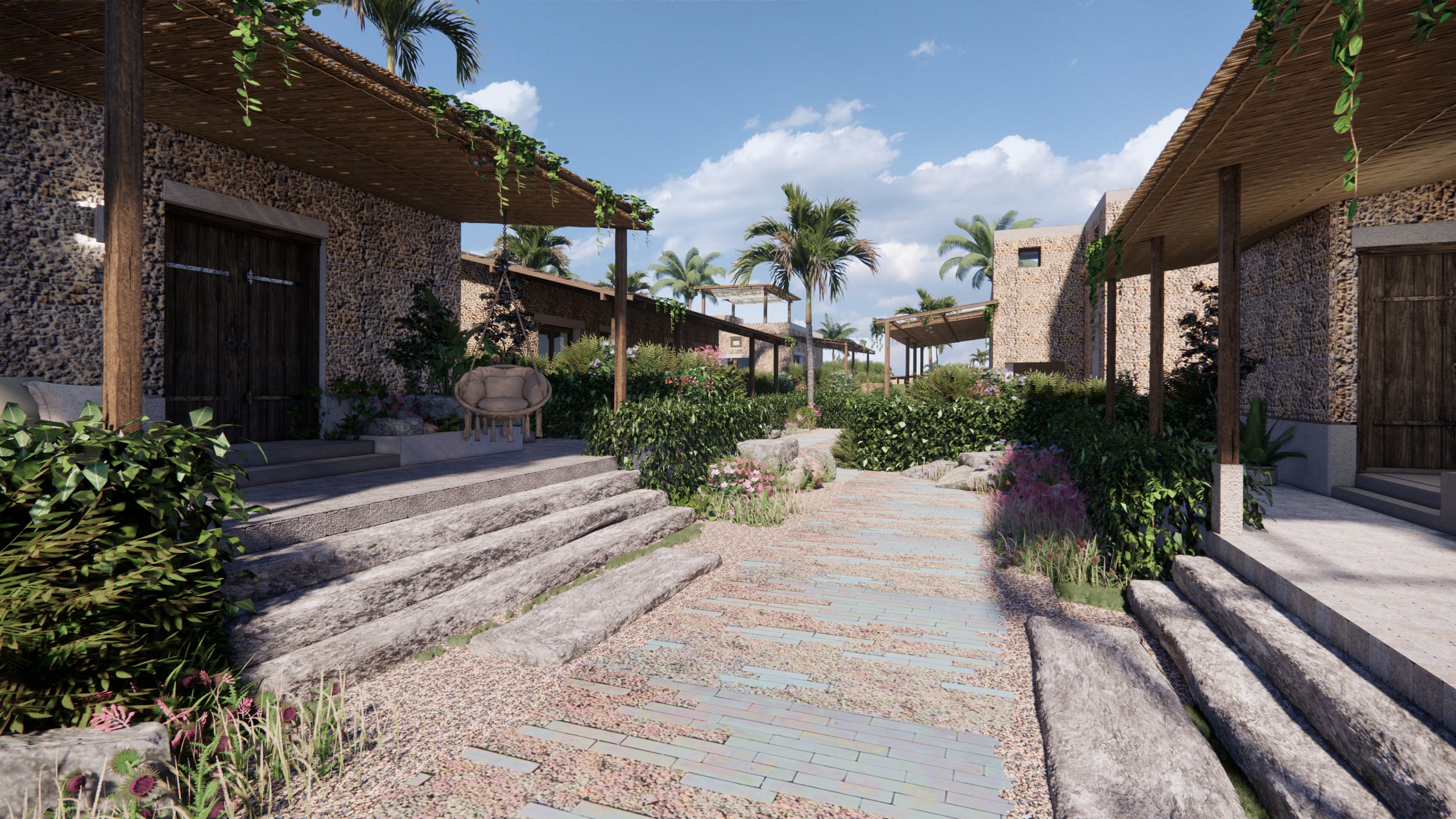
Kendwa combines the ease of Indian Ocean living with a village community and access to the wider East African region.
Why Kendwa, and Why Now
The question for Kendwa is therefore not whether it will develop. That process is already happening. The more important question is what kind of place it becomes as investment and international attention increase.
There is an opportunity here to create something more thoughtful than another collection of gated resorts along a beautiful beach. Kendwa already has the ingredients that developers elsewhere spend enormous amounts of money attempting to manufacture: an exceptional natural setting, an existing community, a strong sense of place and a hospitality market sophisticated enough to support international standards. The challenge is to add to that without flattening it.
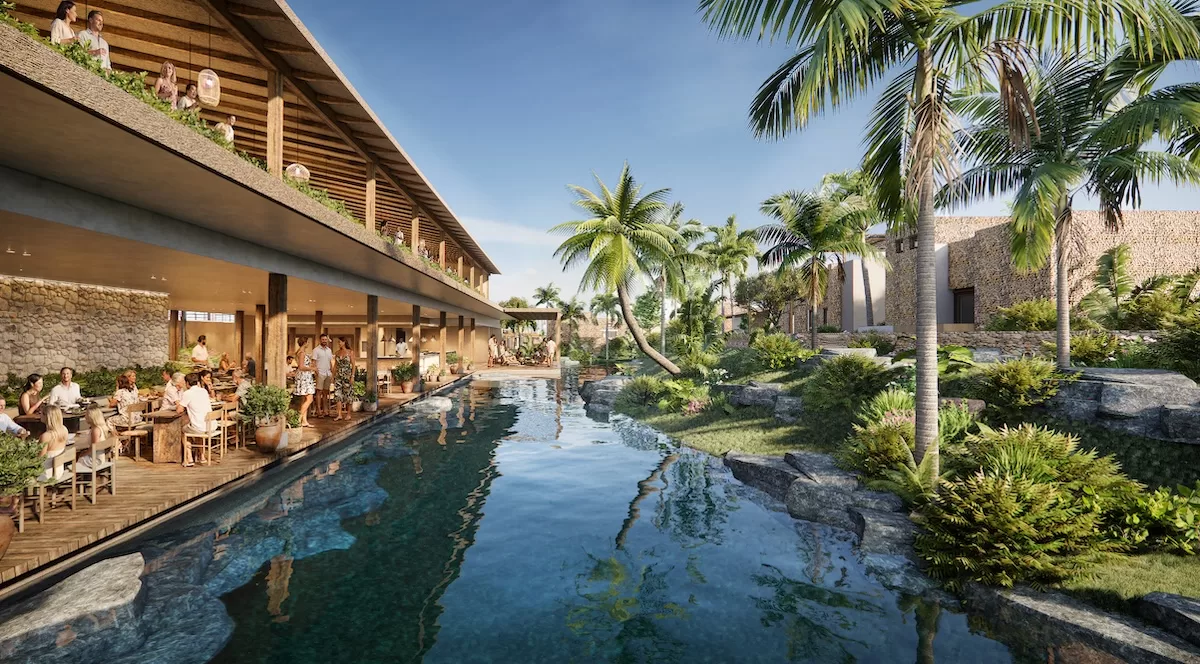
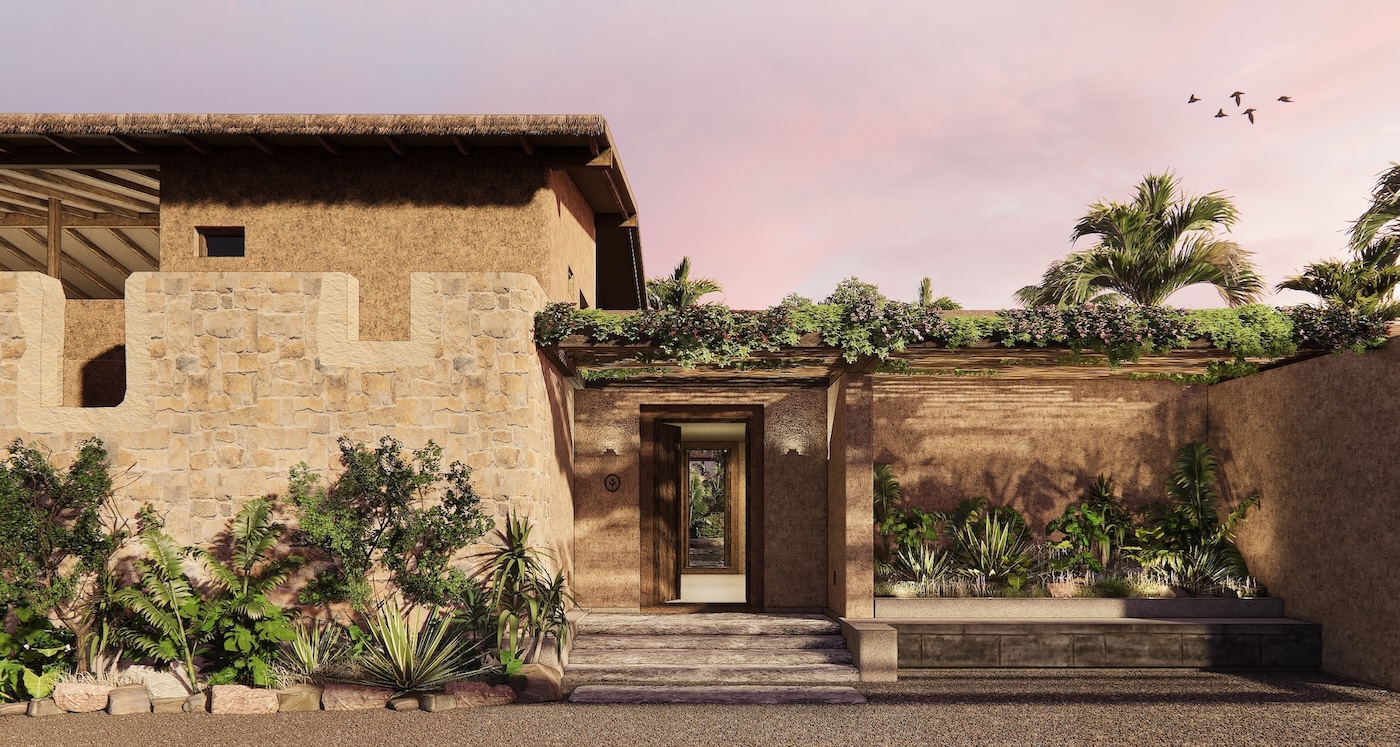
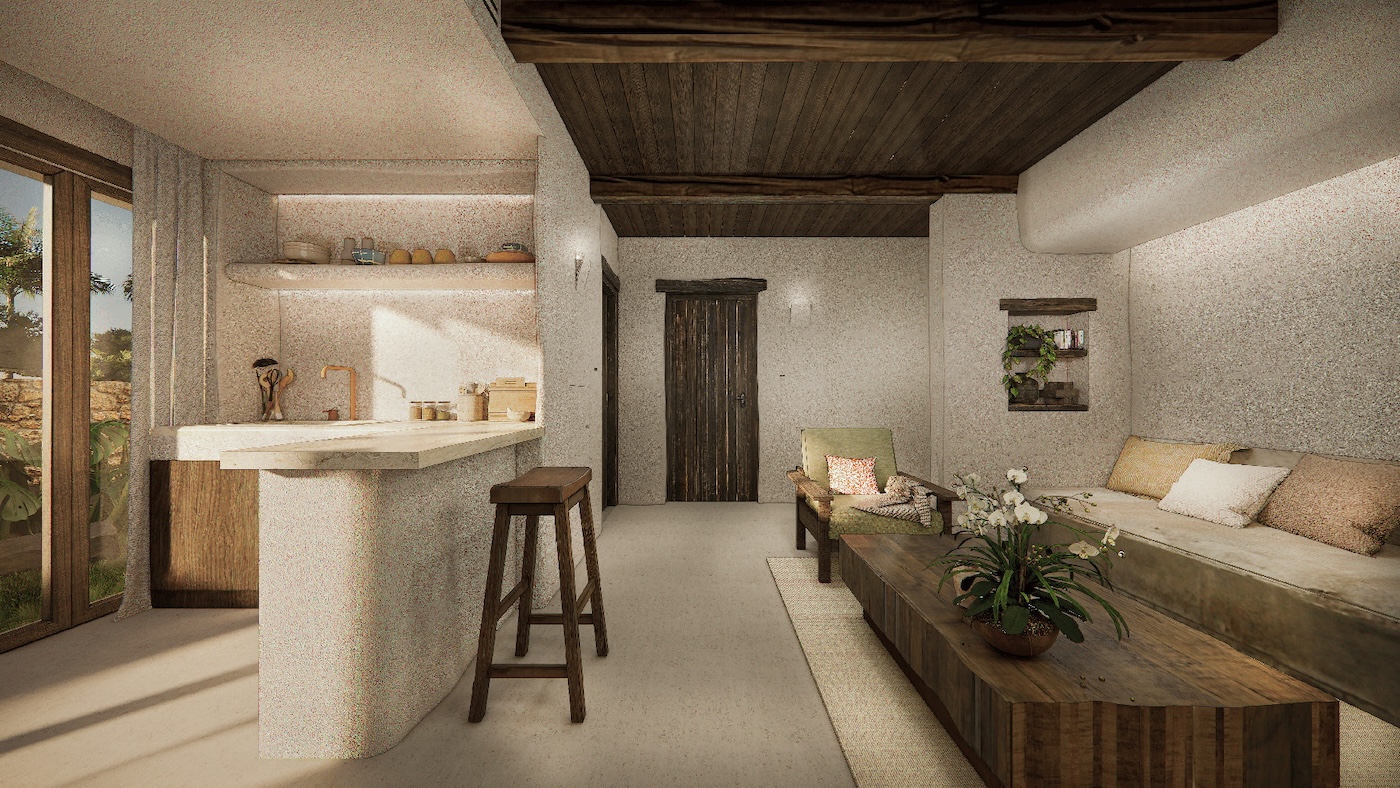
That is the context in which Liyongo is being developed. Set back from the immediate beachfront within Kendwa’s coastal landscape, the project has been conceived as a village within a village rather than an isolated resort compound. Its architecture draws from Swahili coastal traditions, with coral stone, lime render, shaded terraces, courtyards and gardens designed around natural ventilation and the social patterns of village life.
The decision to build away from the beach is particularly interesting. Rather than attempting to privatize the very thing that makes Kendwa desirable, Liyongo sits within walking distance of it, allowing the beach to remain part of the wider place rather than something contained inside the development. The project becomes one element of Kendwa rather than asking Kendwa to become an extension of the project.
Read More Like This: Why Serious Investors Are Looking at Zanzibar’s North Coast
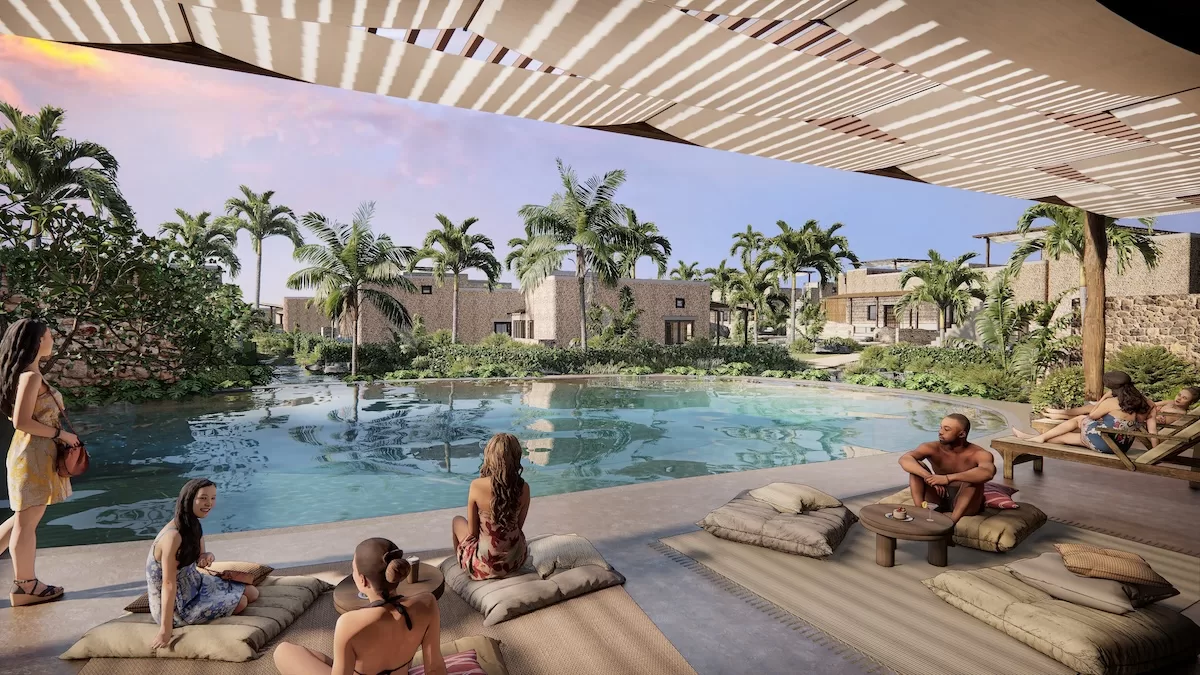
What Luxury Looks Like Here
Perhaps this is where Kendwa offers the clearest indication of what the next generation of luxury travel might look like. Not more separation, but greater confidence in the place itself. Not attempting to reproduce London, Dubai or New York beneath palm trees, but giving people enough comfort that they can relax into somewhere genuinely different.
The people increasingly drawn to Zanzibar do not necessarily want to disappear from their existing lives completely. Many still have businesses, families, homes and obligations elsewhere. What they are looking for is somewhere that can become another part of those lives, somewhere warm enough to return to during winter, connected enough to reach without enormous difficulty, comfortable enough to stay for longer periods and interesting enough that familiarity does not eventually become boredom.
Kendwa makes an unusually strong case for that kind of relationship. The beach gives it an obvious natural advantage, but the village gives it character, the hospitality market gives it comfort, and Zanzibar’s improving connectivity gives it relevance far beyond the island itself. Mainland Africa sits close enough to turn a beach stay into something infinitely larger, while the northwest coast remains calm enough that returning to it still feels like coming back to somewhere familiar.
The most successful destinations eventually become known for more than the thing that first put them on the map. Kendwa may have begun with the beach, but what is emerging around it now is far more interesting: a small corner of Zanzibar that increasingly has everything required not simply to visit well, but to live well.
————————————-
Liyongo is a new village-style residential retreat in Kendwa, designed as a contemporary interpretation of Zanzibar’s Swahili coastal architecture and slower rhythm of life. Set within the island’s northwest coastline, the project blends barefoot living, cultural authenticity, and community-centered design with the atmosphere of modern East African hospitality.
About the Author
Contact Author
"*" indicates required fields
Stay Ahead on Every Adventure!
Stay updated with the World News on Escape Artist. Get all the travel news, international destinations, expat living, moving abroad, Lifestyle Tips, and digital nomad opportunities. Your next journey starts here—don’t miss a moment! Subscribe Now !
Kendwa has spent years being known primarily for its beach, which is understandable when the beach in question is one of the best in Zanzibar. The sand is extraordinarily soft, the water remains calm and swimmable for most of the day, and unlike much of the island’s eastern coastline, the tide does not disappear hundreds of meters toward the horizon every few hours. Mornings begin with fishermen moving slowly across the water in wooden dhow boats, afternoons stretch easily into the sea, and by early evening the entire beach faces west as the sun drops directly into the Indian Ocean.
But Kendwa is becoming interesting for reasons that extend well beyond the quality of its coastline. Over the past few years, this small village on Zanzibar’s northwest coast has found itself at the meeting point of several changes happening across the island at once. Tourism is growing, the hospitality market is moving steadily upmarket, infrastructure is improving, and Zanzibar is becoming easier to reach from Europe, the Middle East and the rest of Africa. Kendwa, already home to some of the island’s most established high-end hospitality, is increasingly emerging as the place where those changes make the most sense.
If you'd like to read the full story, simply enter your email to subscribe to our newsletter.
For even more expert insights, unmissable resources, and exclusive invites, explore our premium subscription offers here.
OR
Already a Subscriber? Click here to login
Subscription required
You've reached your limit of free articles. For full access to Escape Artist, and all of our insights on travel, moving abroad, and the digital nomad life, click here to Subscribe.
Already a Subscriber? Log in here