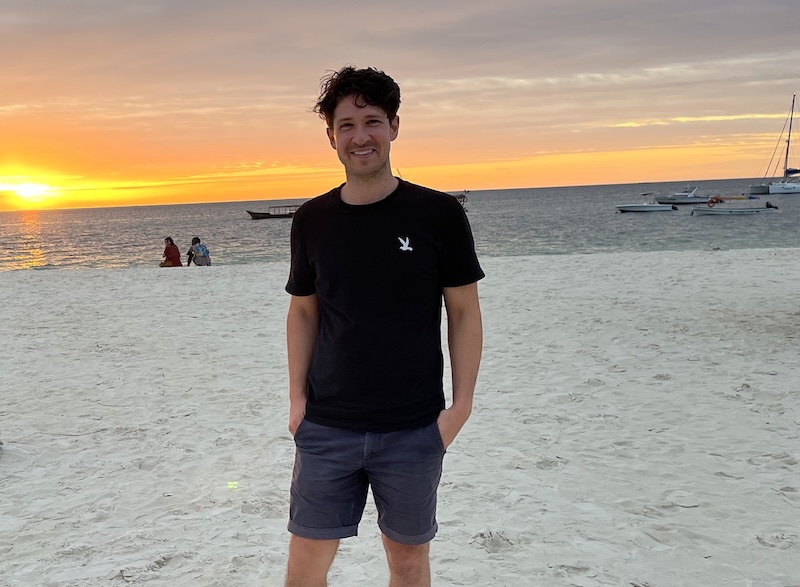
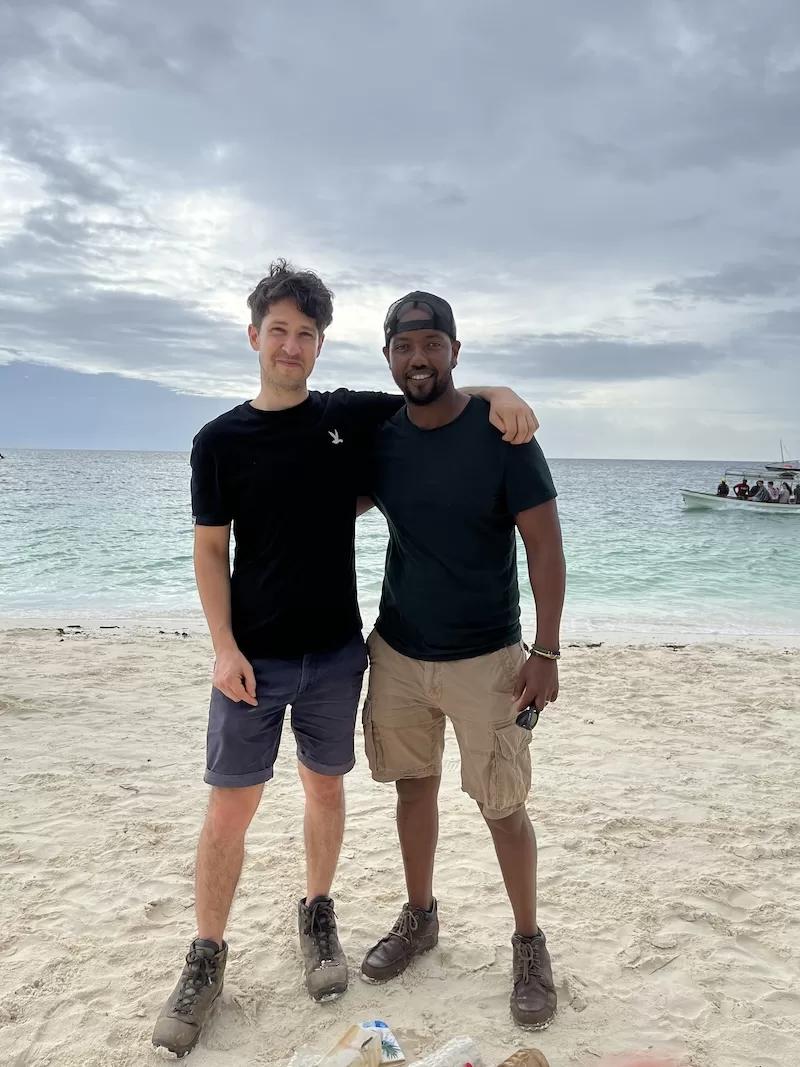
British entrepreneur Christopher Nash arrived in Zanzibar in 2021 having spent a year and a half staring at a bedroom wall. Like much of the world, he had been working relentlessly through the pandemic, attached to a screen, confined to a routine that had slowly hollowed out the texture of daily life.
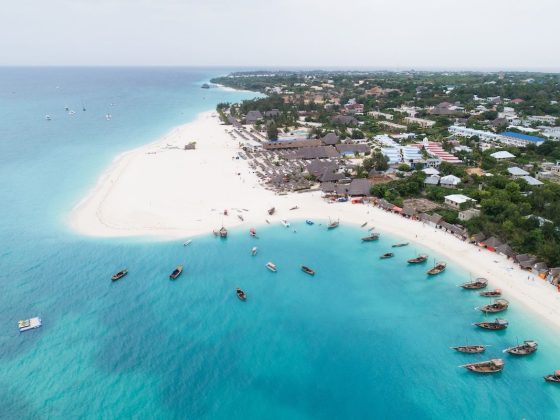
When restrictions finally loosened enough for him to leave the UK, he flew to Tanzania. His brother-in-law is from Arusha on the mainland, and has family in Kendwa, a small coastal village on Zanzibar’s north-west shore. Christopher had no particular plan beyond reconnecting with people and feeling the world again. What he found there, the energy, the community, the uncomfortable gap between what tourism was taking from the island and what it was giving back, would eventually become Liyongo, a new kind of resort rooted in the village rather than walled off from it.
What happened instead changed the direction of his life entirely.
Read More Like This: Summer Is Calling: Our Top 10 Destination Picks
Looking Up
There is a phrase Christopher uses when describing what Tanzania does to people who arrive from places built around acceleration and avoidance. He calls it looking up. In the UK, he explains, people appear to move through public space with their eyes down, sealed inside their own orbit.
In Zanzibar, that simply does not work. People greet you. Conversations happen without invitation. The social rhythm of the place pulls you into it whether you are ready or not. For someone who had spent eighteen months isolated and screen-bound, the contrast was almost disorienting in the best possible sense.
He describes coming back to life. Not metaphorically, but in the most physical and social way available to a human being: being present in a place, talking to people, noticing things again. His batteries, as he puts it, had been running on low power mode for so long that he had forgotten what full charge felt like. Zanzibar reminded him.
But alongside that reconnection came something else. A frustration, and then a quiet, building intention.
Every time I go back to Tanzania, I come back to life again. My batteries run out after a few months and then, after a few days there, I’m alive again.
Read More Like This: Life Beyond the Resort
The Divide That Bothered Him
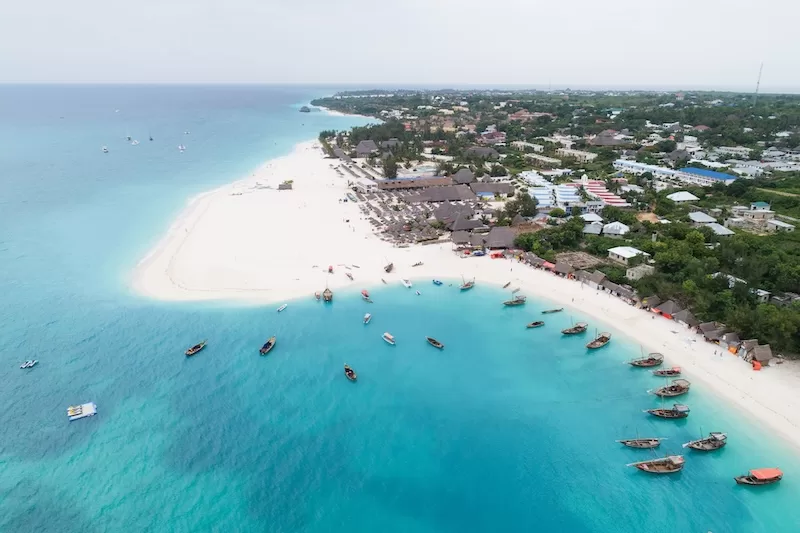
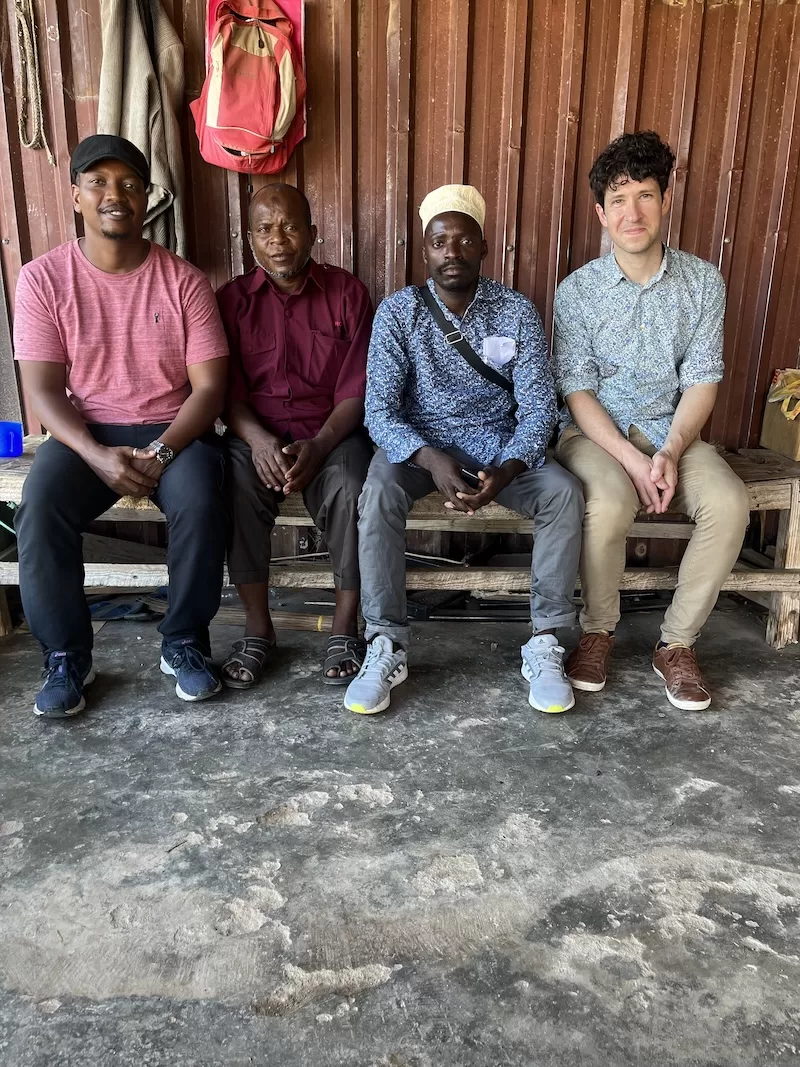
What Christopher observed during those three months in Kendwa was a stark and uncomfortable gap between two worlds that existed within walking distance of one another. On one side: beachfront resorts charging four hundred dollars a night, trying to keep their guests sealed inside walled compounds, insulated from local life, missing entirely the energy and texture that had so transformed his own experience.
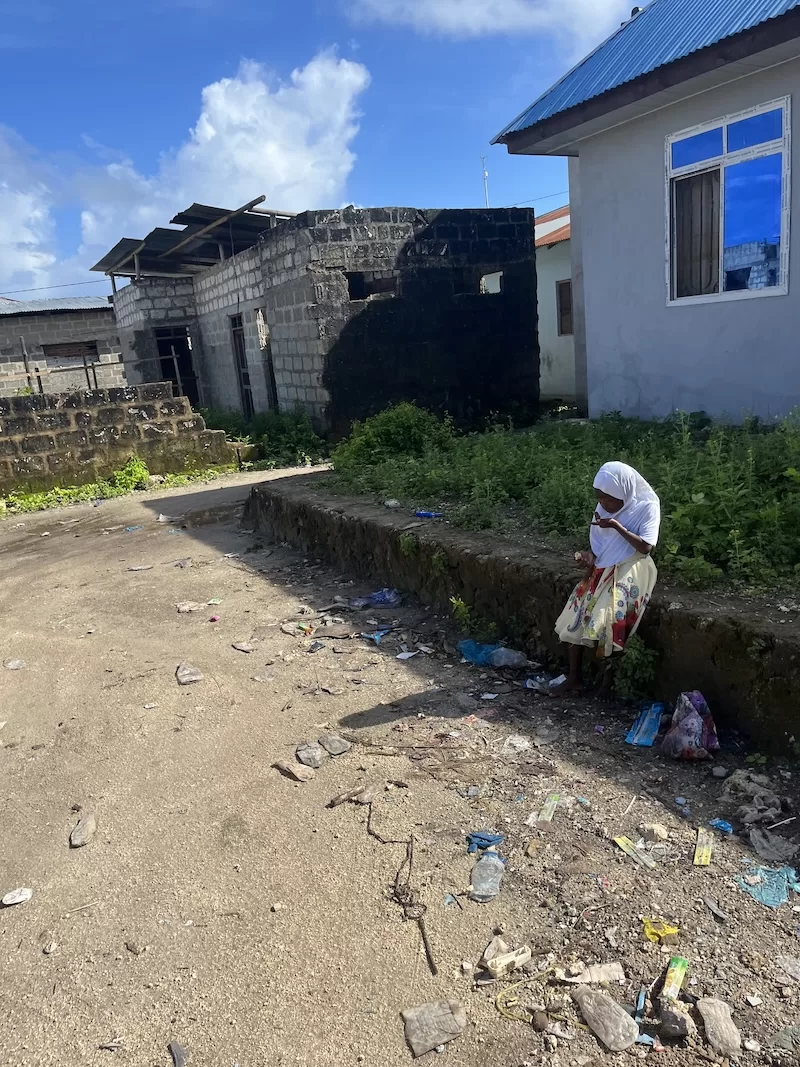
On the other: a local community that rarely saw meaningful benefit from the tourism happening at its doorstep. Children running barefoot through polluted backstreets that existed just beyond the perimeter of places selling paradise.
He was let down by it. The word he uses is frustrated. Not angry in a performative sense, but quietly, personally bothered by the dissonance between what Zanzibar was being sold as and what the reality looked like from inside the local community. He had two history of art degrees, a decade of project management experience working on large-scale transformation programmes, and eight years before that building community-focused hospitality businesses. He understood both design and delivery, and he could see, clearly, that what was being built in Zanzibar was not working for the place itself.
So he bought land, and then spent the next two years exploring how to do something genuinely different.
Read More Like This: Living Between Continents, Cultures, and Contradictions
Building Without Imposing
The philosophy behind Liyongo crystallised around three principles, each one a response to something Christopher had witnessed on the ground. The first concerns the guest experience: not escapism in the hollow, insulated sense, but something more textured and present-minded, designed to tease out curiosity and genuine connection with the place and its people.
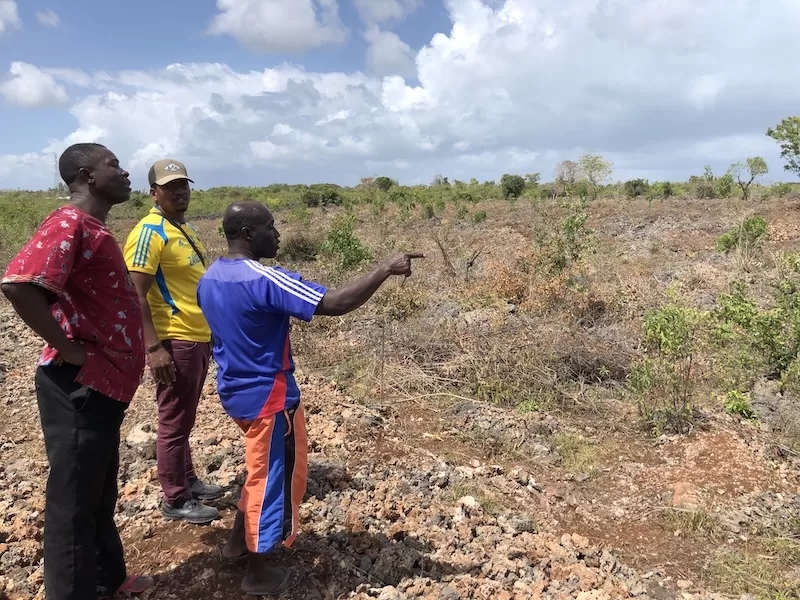
The second concerns the local community on-site: staff, artists, craftspeople, musicians, given a platform and a livelihood rather than simply observed from a distance. The third reaches beyond the resort walls entirely, working with Kendwa’s village leader, the Shehe, on initiatives addressing the three issues he identified as most pressing: water access, pollution, and school provisions.
The water solution is already built into the site design: a well that will supply a public fountain at the resort perimeter, accessible to any villager who needs it, for free. The school provisions commitment is more straightforward, and one Christopher approaches with characteristic humility, recognising that other resorts have contributed before and that the goal is to understand where the most meaningful difference can actually be made. The pollution challenge he describes with refreshing honesty as complicated, political, and without a simple solution yet, but something that deserves attention regardless.
What strikes you about all three is that none of them originated from Christopher. They came from a conversation with the Shehe. He was there to listen. That distinction matters more than it might initially seem.
We’re not there to enforce solutions. We’re just there to serve the local community as best we can with what they suggest.
Read More Like This: The World’s Best Hidden Gems for Going Off Grid
Untouched by Western Culture
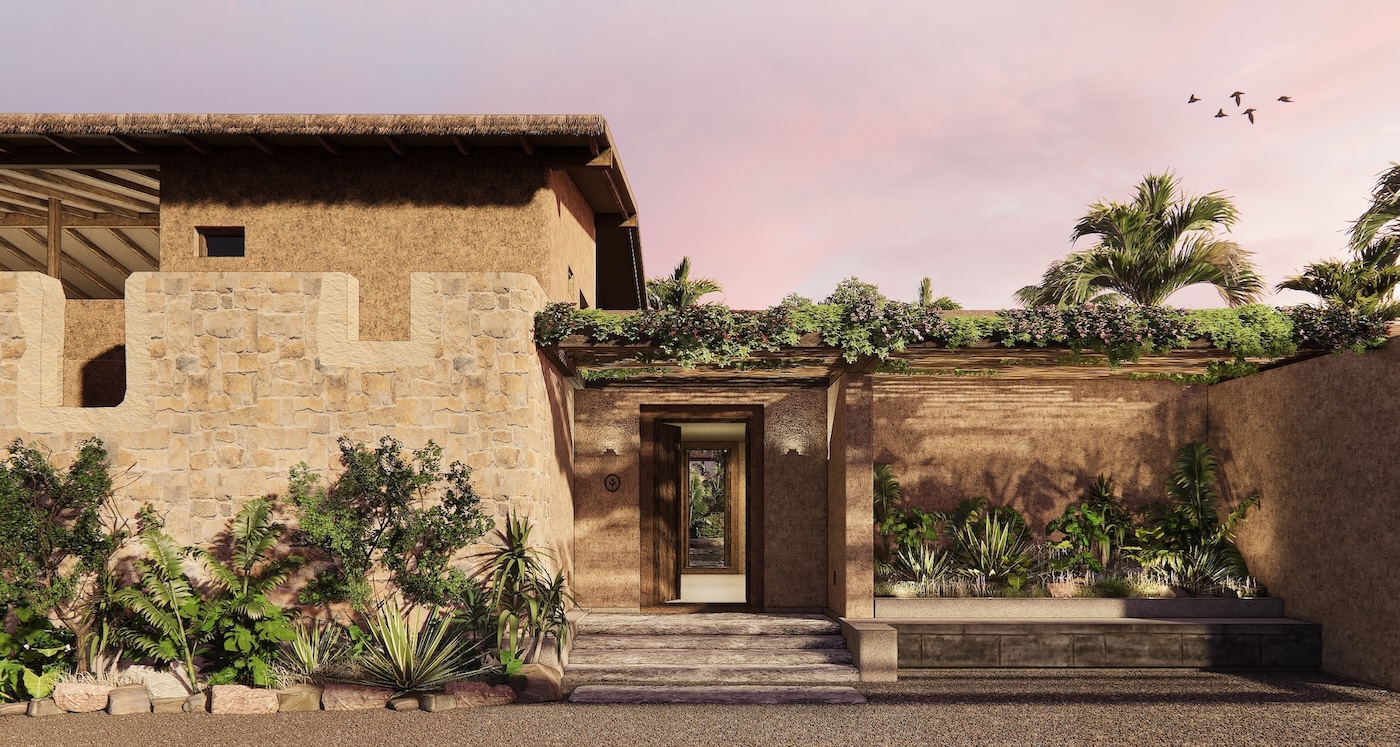
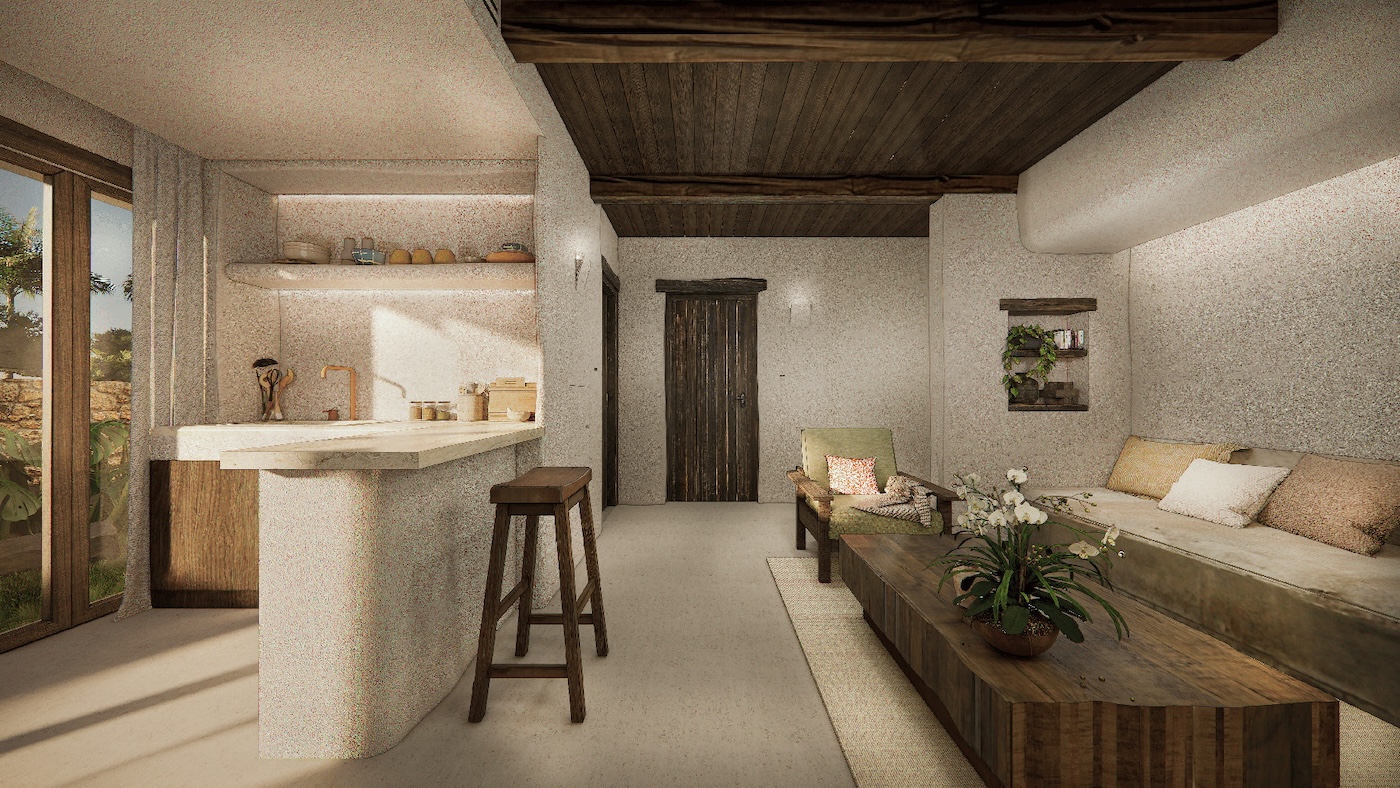
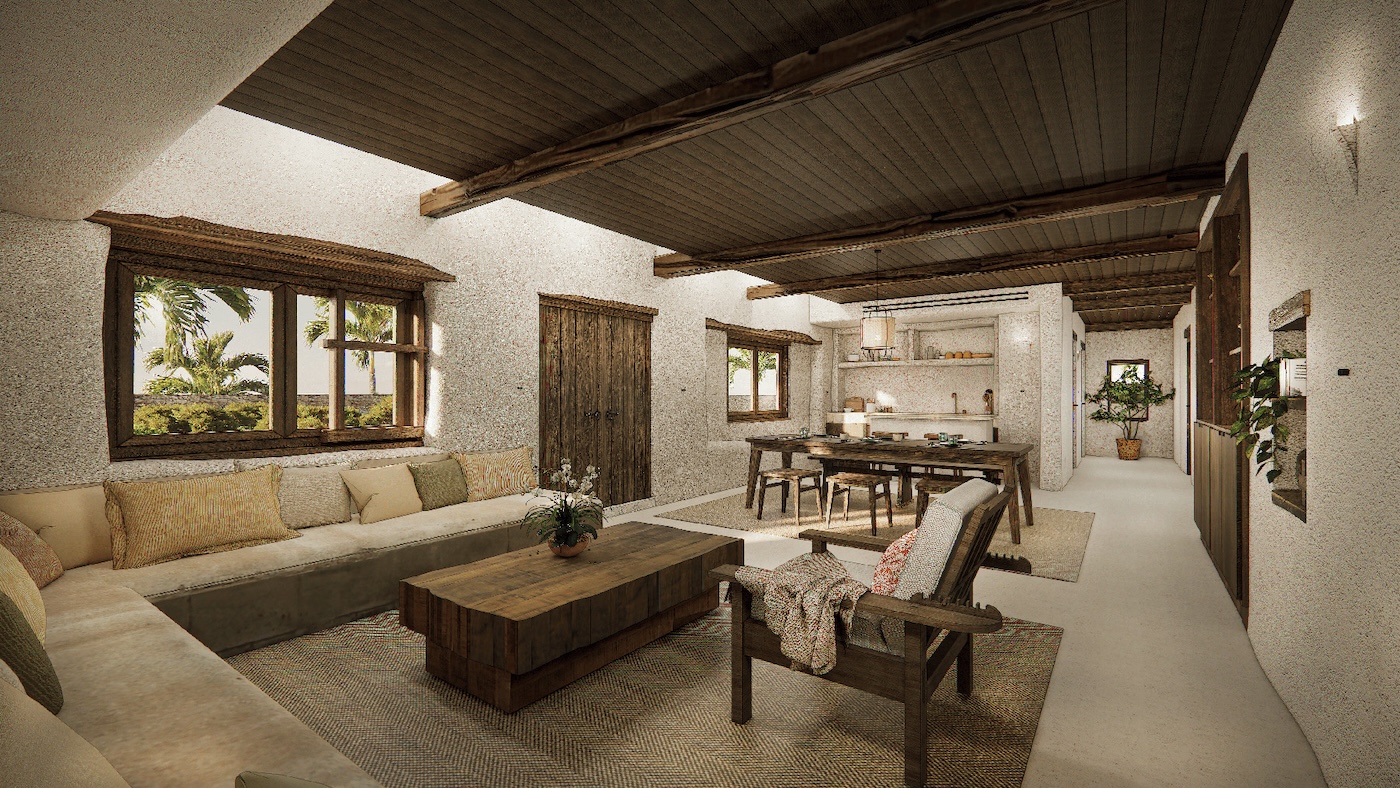
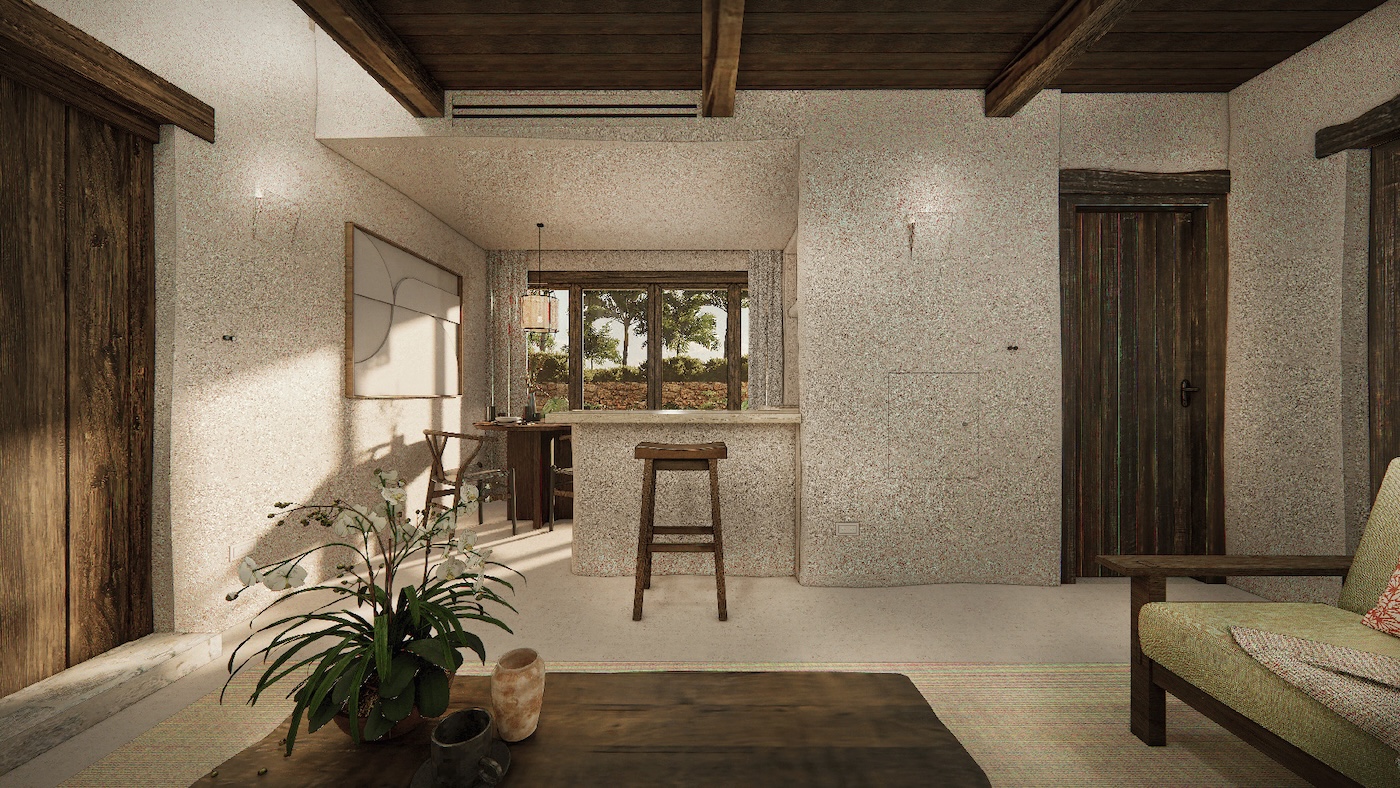
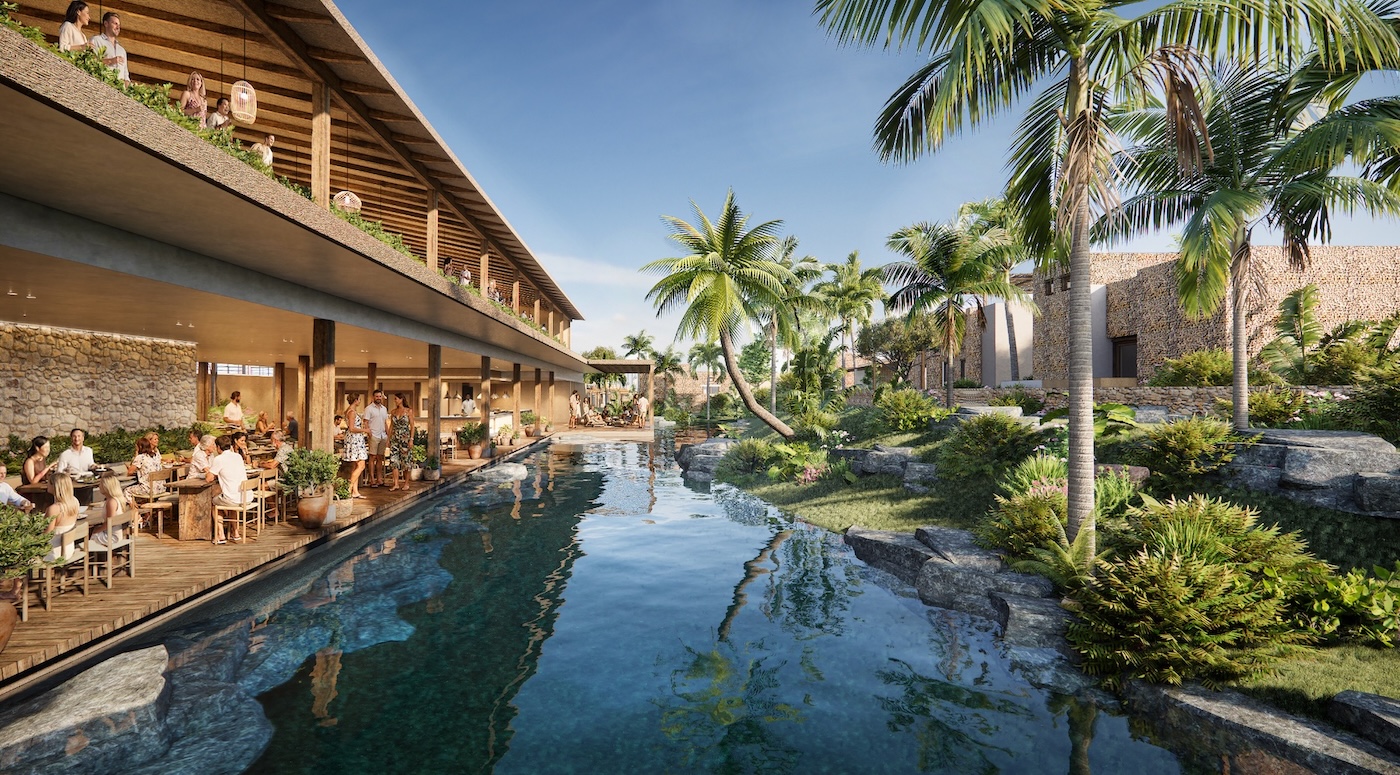
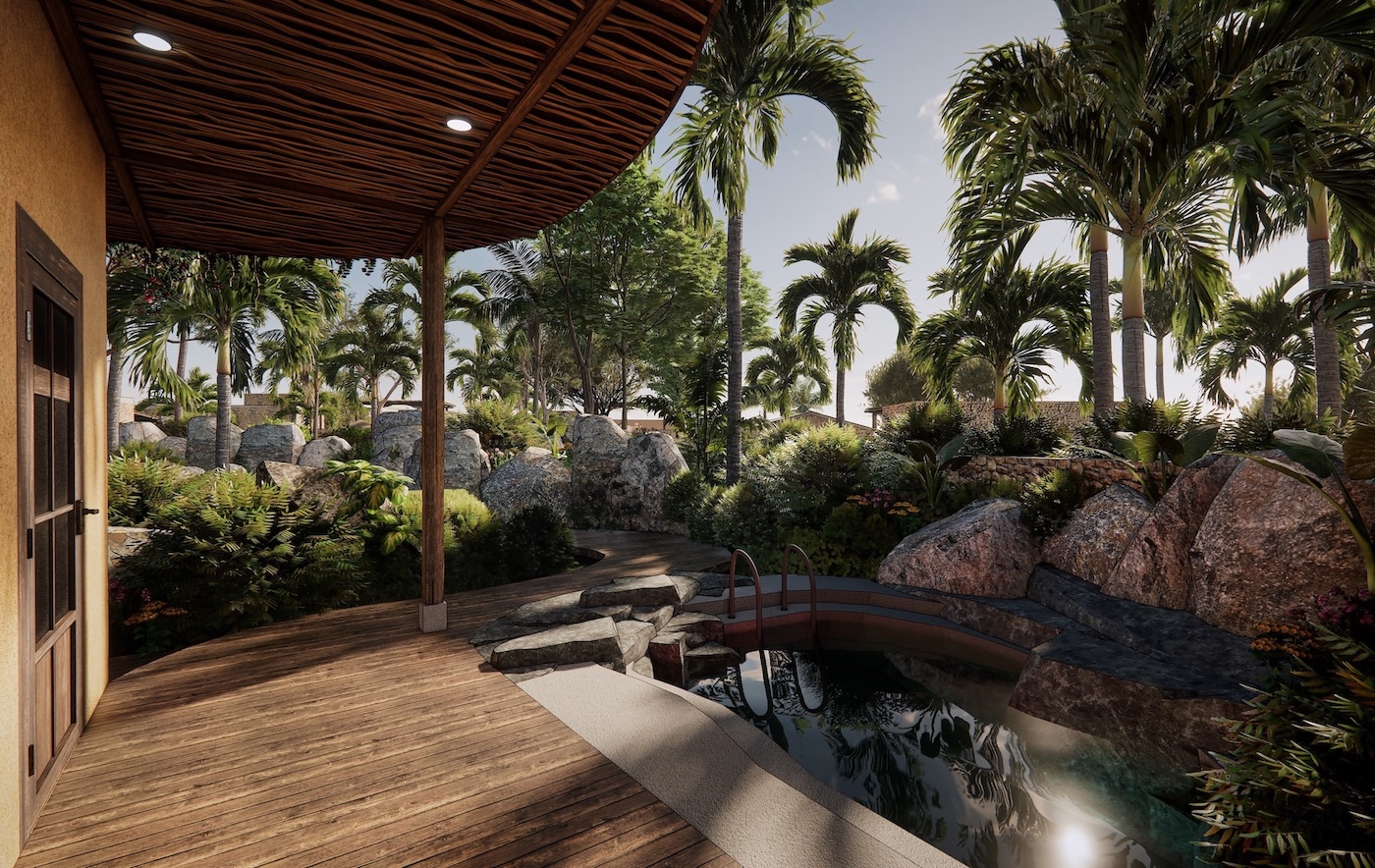
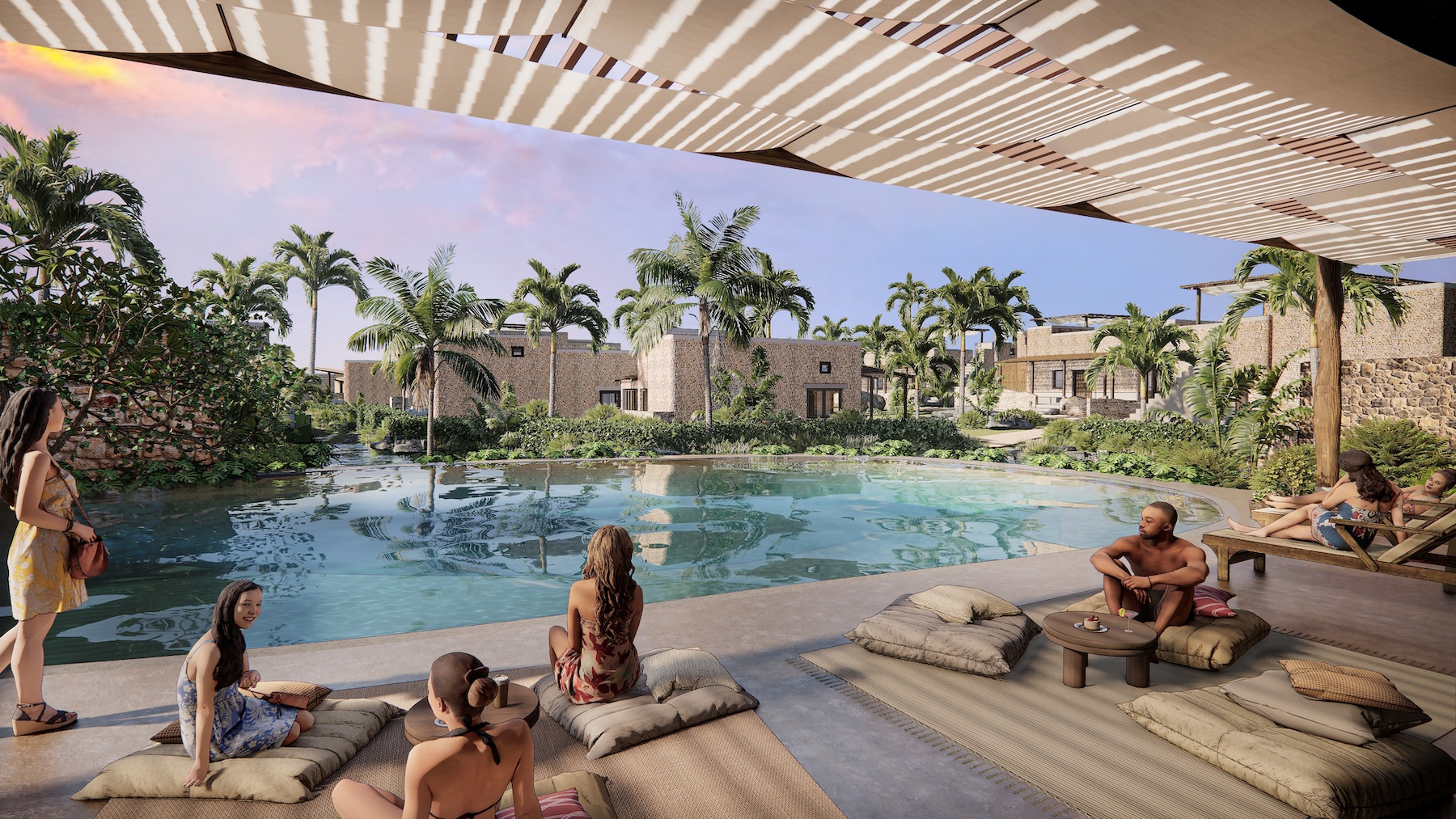
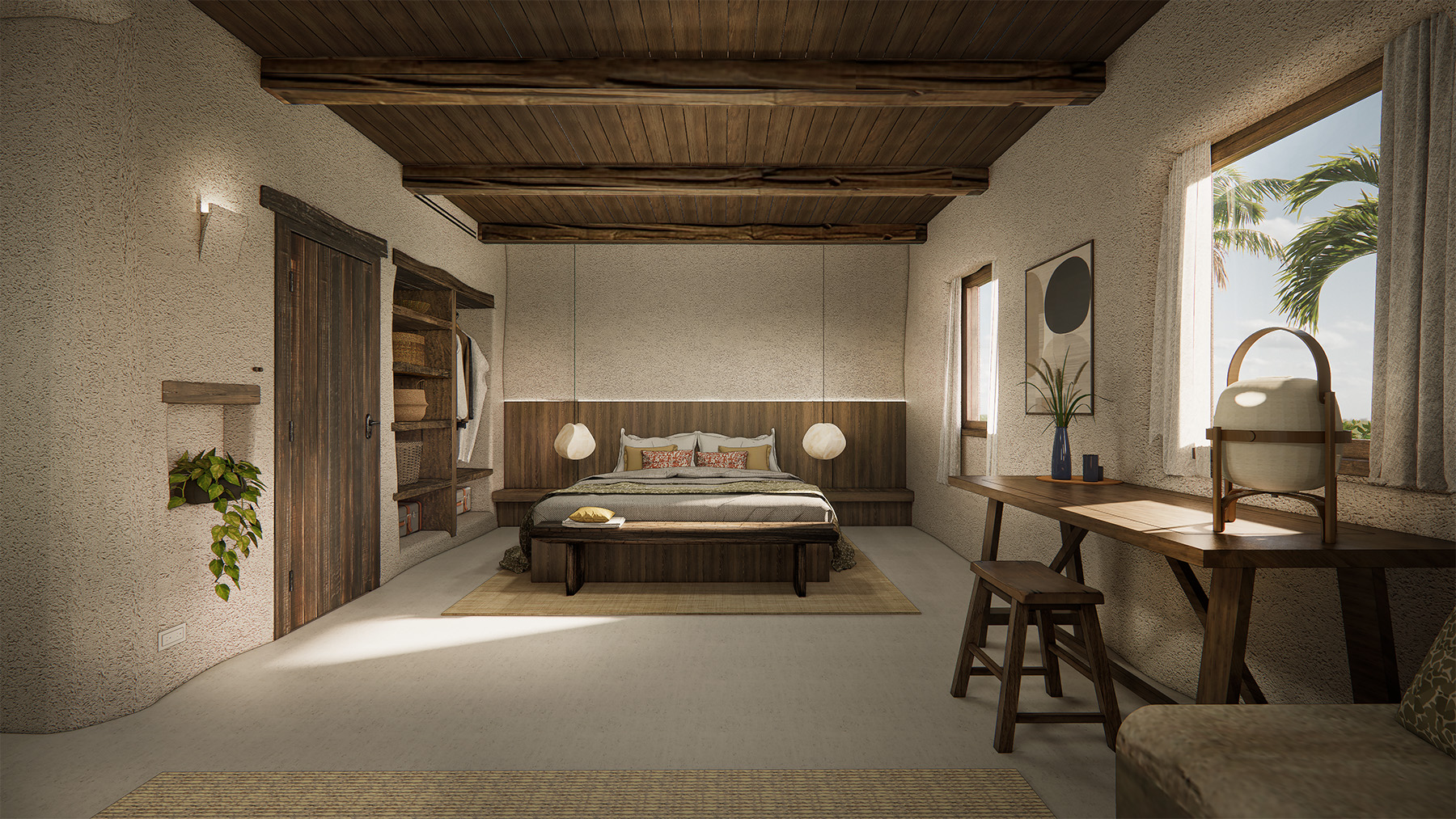
The architecture of Liyongo draws from Swahili coastal village tradition rather than the generic luxury resort vocabulary that has flattened so many beachside destinations around the world. Coral stone. Lime render. Shaded terraces designed to catch the breeze.
Courtyards that create intimacy without sacrificing privacy. A village within a village, as Christopher describes it, inspired directly by the close-knit communities of Zanzibar’s north-west coast, where the arrangement of space encourages encounter rather than isolation.
There is a design principle he articulates that perhaps best captures the entire intention behind Liyongo. He did not want any element within the resort that takes people away from where they are. An espresso machine that looks like a Starbucks counter. A light fitting that reads as modern European. Any object or aesthetic that triggers a memory of somewhere else, pulling the mind away from the specific texture of this place, at this time. The phrase he has landed on is untouched by Western culture. It is, as he acknowledges, an impossible task to achieve completely. But it is also the right ambition.
He talks about his two history of art degrees not as credentials but as lenses. Understanding the relationship between space, atmosphere, and human experience. Knowing that a wide table placed just so can make it easy to speak to the stranger beside you. That shade and light, positioned with intention, can slow a person down enough to actually arrive somewhere.
A Project That Belongs to More Than One Person
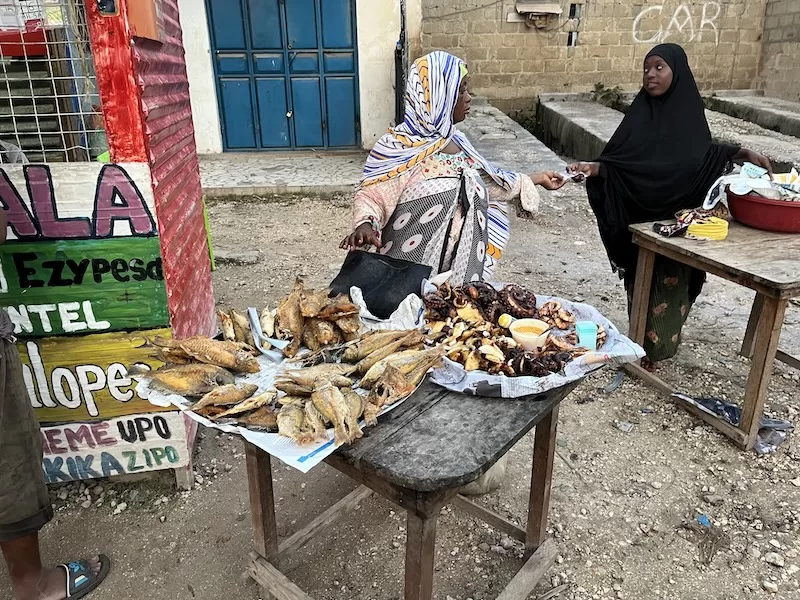
For all of Christopher’s vision and drive, Liyongo is not a project he describes as his alone. It is a British-Tanzanian partnership in the deepest sense. He has had to learn a kind of humility that does not come naturally to someone shaped by Western professional culture, where progress is measured in decisions made and processes followed. In Zanzibar, he explains, everything runs through reputation and relationship. Through network and conversation. Through trust that is built slowly and cannot be manufactured or shortcut.
Read More Like This: The Stability Test: What to Check Before You Relocate
He finds this genuinely freeing, even as it has at times been unnerving. The moments in his life where he has excelled, he says, have always been when someone backed and believed in him creatively and gave him room to work. Liyongo gives him the chance to offer that same thing to others: local artists, craftspeople, designers whose contributions he does not know in advance and whose creative input shapes the project in ways he could not have predicted or planned. He does not describe this as altruism. He describes it as the whole premise of the thing.
He goes back two or three times a year. He still comes back to life every time.
The times in life where I’ve always excelled is when someone has backed and believed in me creatively. That is the biggest gift anyone can give. And to be able to do that for others on this project — that is its own kind of blessing.
Read More Like This: Zanzibar as the New Ritual Escape
The Invitation Inside the Architecture
Liyongo is currently selling its villas off-plan, with construction set to begin later this year. For Christopher, the timeline has been stressful in the way that any project built on belief rather than a deep pool of capital tends to be stressful. But the intention has never wavered, because the place itself, and the community around it, keep pulling him back.
When asked what message he would want Liyongo to communicate to the world, he returns to that phrase. Looking up. Being somewhere so fully that the phone stays in a pocket, the walls come down a little, and the stranger at the next table becomes, unexpectedly, part of the story. Not because a resort programme engineered it. But because the space was designed to make it feel natural.
That, more than any amenity or architectural detail, is what Liyongo is trying to build. A place where people remember how to be present. And where Zanzibar itself, in all its warmth and complexity and unhurried rhythm, does the rest.
————————————-
Liyongo is a new village-style residential retreat in Kendwa, designed as a contemporary interpretation of Zanzibar’s Swahili coastal architecture and slower rhythm of life. Set within the island’s north-west coastline, the project blends barefoot living, cultural authenticity, and community-centred design with the atmosphere of modern East African hospitality.
Read More Like This: Why Serious Investors Are Looking at Zanzibar’s North Coast
Contact the team at Liyongo
"*" indicates required fields
Stay Ahead on Every Adventure!
Stay updated with the World News on Escape Artist. Get all the travel news, international destinations, expat living, moving abroad, Lifestyle Tips, and digital nomad opportunities. Your next journey starts here—don’t miss a moment! Subscribe Now !
British entrepreneur Christopher Nash arrived in Zanzibar in 2021 having spent a year and a half staring at a bedroom wall. Like much of the world, he had been working relentlessly through the pandemic, attached to a screen, confined to a routine that had slowly hollowed out the texture of daily life.
When restrictions finally loosened enough for him to leave the UK, he flew to Tanzania. His brother-in-law is from Arusha on the mainland, and has family in Kendwa, a small coastal village on Zanzibar’s north-west shore. Christopher had no particular plan beyond reconnecting with people and feeling the world again. What he found there, the energy, the community, the uncomfortable gap between what tourism was taking from the island and what it was giving back, would eventually become Liyongo, a new kind of resort rooted in the village rather than walled off from it.
What happened instead changed the direction of his life entirely.
If you'd like to read the full story, simply enter your email to subscribe to our newsletter.
For even more expert insights, unmissable resources, and exclusive invites, explore our premium subscription offers here.
OR
Already a Subscriber? Click here to login
Subscription required
You've reached your limit of free articles. For full access to Escape Artist, and all of our insights on travel, moving abroad, and the digital nomad life, click here to Subscribe.
Already a Subscriber? Log in here