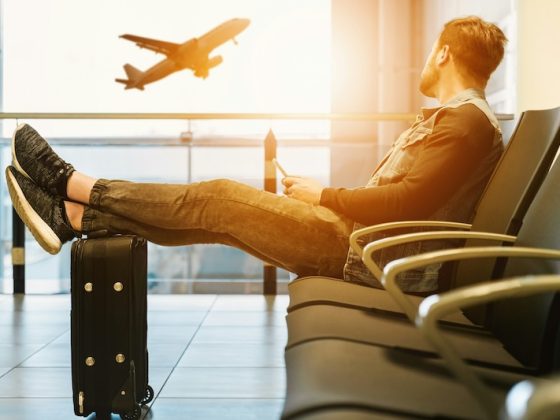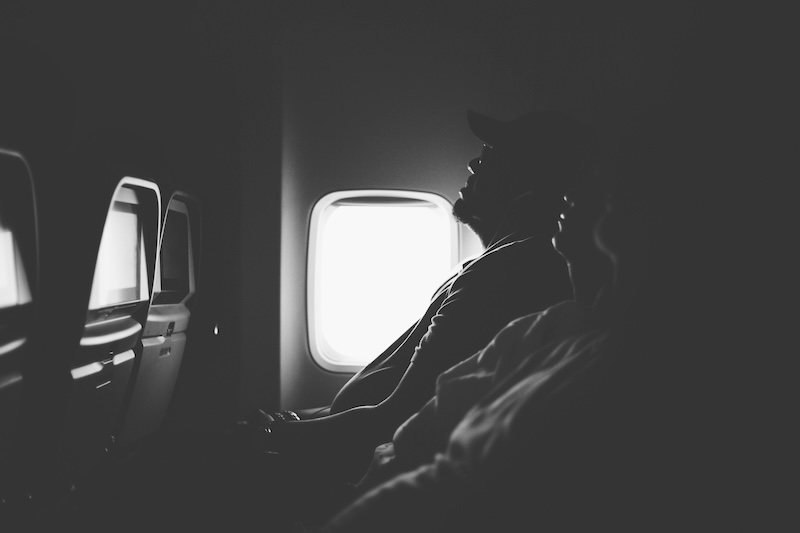
The first night in a new place is almost always the worst one. A traveller tosses and turns, surfaces at every unfamiliar creak and footstep, and wakes feeling thoroughly unrested no matter how tired they were when they lay down. Sleep scientists have a name for this, the first-night effect, and it describes a real phenomenon: in a strange environment, part of the brain stays lightly on guard through the night, monitoring the unfamiliar surroundings for threat. It is entirely normal, deeply annoying, and, helpfully, possible to soften with a few deliberate choices.
Bring a piece of home, and control the room
Bringing a small piece of home is one of the most effective tricks available. The brain settles faster when it is surrounded by familiar cues, so a handful of constants does genuine work against the first-night effect. A traveller’s own pillowcase carries a familiar scent and feel. The same podcast or playlist they fall asleep to at home signals that this is bedtime, wherever the bed happens to be. None of this is fussy or heavy to pack, and all of it quietly reassures the nervous system that the strange room is safe enough to switch off in.
Taking control of the room itself makes a measurable difference, because hotel rooms and rentals are rarely set up with good sleep in mind. A few minutes of adjustment buys a far better night. The heating is usually set too high, so turning it down towards the cool temperatures the body prefers for sleep is an easy win. The little glowing standby lights that seem to multiply in unfamiliar rooms can be covered or unplugged. The curtains should be pulled fully shut, with a spare pillow wedged to block any gap that leaks streetlight or corridor glow across the bed.
Keep your routine
Holding on to a familiar routine matters even when everything else about the day has changed. The strong temptation on a trip is to abandon every habit, eating late, staying up, sleeping in, but the body clock does not travel nearly as fast as the aeroplane does. Going to bed at roughly the usual hour, winding down in the same way as at home, and seeking out morning light on arrival all help the body reset more quickly, which is especially valuable when crossing time zones leaves the internal clock badly out of step with the local one.
It comes down to comfort and temperature
It is striking how much of good travel sleep comes down to comfort and temperature; aka the very things a sleep brand built around comfort technology tends to concentrate on for the bed back home. A traveller cannot rebuild a hotel room or swap out its mattress, but they can recreate the conditions that actually work for them: cool, dark, quiet, and as familiar as a few packed items can make it. The closer a strange room is brought to those conditions, the less the first-night effect has to grab onto, and the sooner real sleep arrives.
Manage caffeine, alcohol and light
Managing the body’s chemistry helps as much as managing the room. The temptation after a long journey is to lean on a strong coffee to push through the afternoon or a nightcap to drop off in the evening, but both tend to backfire. Caffeine lingers for hours and sabotages the night; alcohol may bring on drowsiness quickly but fragments sleep badly in the second half of the night. A traveller serious about resting well in an unfamiliar bed is usually better served by going easy on both, particularly in the hours before bed.
Light is the body’s master signal for sleep and waking, and travel scrambles it. Getting outside into natural daylight soon after arriving, especially in the morning, gives the body clock a powerful cue to sync with the new time zone. In the evening, dimming the lights and keeping screens to a minimum tells the body that night is approaching, even in a room and a city it has never encountered before. Using light deliberately, rather than letting an unfamiliar environment dictate it, speeds the adjustment considerably.

A wind-down ritual that travels
A short wind-down ritual carried intact from home anchors the whole effort. Whatever a person normally does in the last half hour before sleep, a warm shower, a few pages of a book, a stretch, some quiet music, doing the same thing in the new place tells the body that the sequence ending in sleep has begun. The ritual matters more than its content; it is the familiarity and the repetition that signal safety and rest to a brain that is otherwise on mild alert in unfamiliar surroundings.

Lower the bar for night one
Lowering the expectation for that first night is, paradoxically, one of the most useful things a traveller can do. Lying in a strange bed demanding perfect sleep of oneself only adds pressure, and pressure is among the surest enemies of sleep there is. Assuming in advance that the first night will be a little patchy, setting the room up as well as possible, and then letting go of the outcome takes the anxiety out of the equation, which often allows more sleep to arrive than a tense, determined effort ever would.
The second night is the good one
The reassuring pattern, familiar to anyone who travels regularly, is that the second night is usually the good one. The first-night effect fades as the brain learns that the new environment is safe, the body clock begins to catch up, and the familiar cues do their quiet work. A traveller who prepares the room, protects their routine, goes easy on caffeine and alcohol, and forgives a rough first night tends to find that proper, restorative sleep returns soon enough, leaving them free to actually enjoy wherever the trip has taken them.
Contact Author
"*" indicates required fields
Stay Ahead on Every Adventure!
Stay updated with the World News on Escape Artist. Get all the travel news, international destinations, expat living, moving abroad, Lifestyle Tips, and digital nomad opportunities. Your next journey starts here—don’t miss a moment! Subscribe Now !
The first night in a new place is almost always the worst one. A traveller tosses and turns, surfaces at every unfamiliar creak and footstep, and wakes feeling thoroughly unrested no matter how tired they were when they lay down. Sleep scientists have a name for this, the first-night effect, and it describes a real phenomenon: in a strange environment, part of the brain stays lightly on guard through the night, monitoring the unfamiliar surroundings for threat. It is entirely normal, deeply annoying, and, helpfully, possible to soften with a few deliberate choices.
Bring a piece of home, and control the room
Bringing a small piece of home is one of the most effective tricks available. The brain settles faster when it is surrounded by familiar cues, so a handful of constants does genuine work against the first-night effect. A traveller’s own pillowcase carries a familiar scent and feel. The same podcast or playlist they fall asleep to at home signals that this is bedtime, wherever the bed happens to be. None of this is fussy or heavy to pack, and all of it quietly reassures the nervous system that the strange room is safe enough to switch off in.
If you'd like to read the full story, simply enter your email to subscribe to our newsletter.
For even more expert insights, unmissable resources, and exclusive invites, explore our premium subscription offers here.
OR
Already a Subscriber? Click here to login
Subscription required
You've reached your limit of free articles. For full access to Escape Artist, and all of our insights on travel, moving abroad, and the digital nomad life, click here to Subscribe.
Already a Subscriber? Log in here