Added 10 September 2026. This piece is about the reality veterans meet in the Philippines and contains no figures at all. Here is the financial reality, which is a large part of it.
| Philippines | Per month |
|---|---|
| One-bedroom, city centre | about $323 |
| One-bedroom, outside centre | about $186 |
| Single person, before rent | about $510 |
A single person lives on roughly $700 to $835 a month all in. That is why a VA disability payment or a military pension stretches so far there, and it is also why the article’s warnings about isolation and healthcare access matter: the money works, and the money is not the hard part.
Figures crowd-sourced from residents, 3,956 submissions by 427 contributors, via Numbeo, updated 8 September 2026. Manila and Cebu run well above these national averages. Veterans Affairs services in Manila and the Special Resident Retiree’s Visa are both mentioned below without detail, and neither was verified here. Contact the VA Manila Regional Office and the Philippine Retirement Authority directly for current terms.
A Different Kind of Retirement
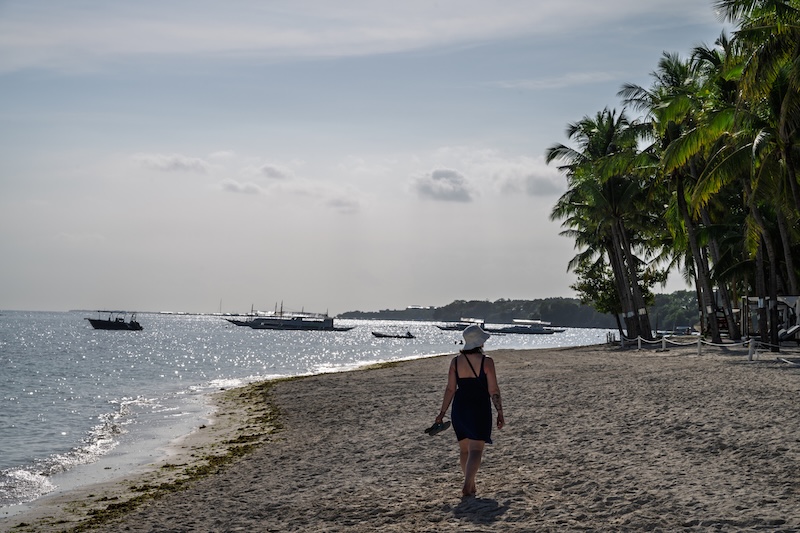
For decades, the Philippines has remained one of the most attractive destinations for American veterans retiring overseas. Lower living costs, warm weather, English-speaking communities, and strong cultural ties to the United States have drawn retirees from every branch of the military.
The move represents more than economics. It represents escape from stress, isolation, rising costs in America, and the search for peace after years of service.
The Philippines offers something veterans quietly crave after military life: community. In provinces and smaller cities, relationships feel personal. Families eat together. Neighbors know one another. Gratitude is openly expressed. Those who once felt disconnected in the United States often find themselves welcomed into homes, communities, and family circles in ways they never expected.
Most genuinely love it here. But life abroad also comes with realities that are rarely discussed honestly before relocation.
Read More Like This: Ready to Leave the US? These Countries Might Trump the American Dream
The Illusion of Simplicity
Americans arrive believing retirement in the Philippines will be simple. Online videos and social media personalities portray the country as a tropical paradise where a pension stretches endlessly and stress disappears overnight. The reality is more complicated.
Living abroad requires navigating unfamiliar systems, immigration procedures, healthcare limitations, financial restrictions, and cultural differences that can affect every aspect of daily life.
For disabled veterans especially, those challenges become magnified. Something as simple as resolving a banking issue, receiving imported medications, managing customs procedures, or obtaining medical documentation can quickly turn into weeks or months of confusion and delay.
Those who relocate may legally reside in the Philippines permanently under programs such as the Special Resident Retiree’s Visa, yet still find themselves limited in ways that prevent full financial or legal integration into society.
Foreigners typically cannot own land directly in the Philippines. Access to loans, mortgages, credit cards, and even bank accounts varies significantly depending on the institution. Some report being treated as financially temporary despite living in the country for years with stable retirement income. For retirees attempting to establish long-term stability, those limitations create constant uncertainty.
Healthcare Abroad and the Veteran Experience
Healthcare is one of the biggest concerns for those living overseas. While private hospitals in the Philippines provide excellent care in urban centres, the consistency and availability of specialized treatment varies depending on location. Those living outside Metro Manila may need to travel significant distances for advanced treatment or evaluations.
The Department of Veterans Affairs maintains services in Manila, but overseas veterans consistently express frustration with the complexity of managing disability claims, medical examinations, and administrative communication while living thousands of miles from the United States.
Unlike those living stateside, overseas veterans face additional logistical barriers involving records transmission, scheduling, coordination between agencies, and access to qualified examiners familiar with VA standards.
For those already struggling with PTSD, chronic fatigue, mobility limitations, or other service-connected conditions, repeated delays and communication breakdowns become emotionally exhausting. Too often, veterans living abroad feel forgotten. Not because they abandoned America, but because America sometimes seems unprepared to support those who choose to live outside its borders.
Read More Like This: Retirement Abroad and the New Cost of Living
Emotional Isolation
Another issue rarely discussed is the emotional isolation that can come with aging abroad. Veterans move to the Philippines searching for peace and a slower pace of life, but some eventually discover that living thousands of miles away from family, longtime friends, and familiar support systems becomes emotionally difficult during medical emergencies, financial hardship, or declining health.
Those dealing with PTSD, anxiety, depression, or chronic medical conditions may struggle quietly while attempting to maintain independence in a foreign country.
In provincial areas especially, access to veteran support networks, emergency resources, mental health services, and reliable transportation can be limited compared to what is available in the United States.
For some, the Philippines becomes a place of healing and renewed purpose. For others, it becomes a reminder of how vulnerable growing older overseas can feel without a strong personal support structure in place.
The Bureaucracy Problem
One of the least understood difficulties foreign retirees encounter involves bureaucracy and communication. Government employees and local offices are often helpful and respectful. The systems themselves, however, can appear fragmented, inconsistent, or difficult for foreigners to navigate.
Those dealing with customs, permits, package retrieval, import regulations, or documentation requirements may receive conflicting instructions depending on which office they contact. Communication delays are common. Email responses may not arrive for days or weeks. Phone numbers go unanswered. Procedures vary between regions or offices.
For someone unfamiliar with Philippine administrative systems, the process can feel overwhelming. This becomes particularly difficult for older or disabled veterans who may already struggle with mobility, mental health conditions, or cognitive stress related to years of military service.
Most are not frustrated by rules themselves. They understand every country has laws and procedures. The frustration comes from the absence of clear guidance and consistent communication. The difference between having rules and understanding how to navigate them is enormous.
Read More Like This: Building a Life Abroad That Lasts
Relationships, Family, and Cultural Adjustment
Another reality veterans encounter involves family structure and relationships. In the Philippines, family systems often operate differently than in the United States. Extended family connections are stronger and more financially interconnected. Younger adults frequently remain close to their parents and relatives well into adulthood. Financial support within families is culturally normalized.
This creates both positive and difficult experiences. Some find genuine love, loyalty, and emotional healing through relationships in the Philippines. Others discover that financial expectations become overwhelming if boundaries are unclear.
It is also common to enter relationships where children from previous relationships are involved. In these cases, men willingly step into fatherly roles by helping provide housing, education, food, and stability for children who may not otherwise have those opportunities.
For some, this becomes one of the most meaningful chapters of their lives. For others, the emotional and financial responsibilities become more complex than expected.
These realities are often tied to broader economic conditions rather than simple personal motivations. Poverty, absent parental support, limited employment opportunities, and cultural expectations all shape family dynamics in ways foreigners initially misunderstand. Those who adapt most successfully are usually those who learn to balance compassion with realistic expectations.
Read More Like This: 6 Reasons Why Expats Love the Philippines
Why Veterans Stay
Despite the challenges, thousands of veterans continue choosing the Philippines as home. That reality matters. Those who criticize certain systems or difficulties simultaneously express deep appreciation for the Filipino people themselves. The hospitality is real. The warmth is real. The sense of community is real.

Some describe finding greater peace in provincial Philippine life than they ever experienced after leaving military service in the United States. There is something deeply human about sitting in a small home surrounded by conversation, laughter, and gratitude after years of stress, deployment, and emotional isolation. The Philippines helped restore something they lost long ago. Not financially. Personally.
The Need for Honest Conversations
The growing population of overseas veterans in the Philippines deserves greater public attention and policy discussion. That does not mean portraying the Philippines negatively. It means acknowledging that relocating abroad involves serious realities that go undiscussed.
Better communication systems, clearer guidance for foreign residents, improved coordination involving veteran services, and stronger awareness of programs such as the Special Resident Retiree’s Visa could significantly improve the experience for both foreigners and Philippine agencies alike.
American veterans also need more honest information before relocating overseas. Too many retirement influencers online sell fantasy while ignoring the practical realities of healthcare access, legal restrictions, banking limitations, and long-term financial planning abroad.
The Philippines is not a perfect paradise. But neither is it the nightmare critics sometimes portray. The truth exists somewhere in between.
The Long-Term Reality of Living Overseas
Another reality veterans eventually confront is the long-term uncertainty surrounding aging, legal protection, and end-of-life planning while living abroad. Retirees arrive in the Philippines focused on immediate improvements in quality of life without fully understanding how complicated matters involving inheritance, medical emergencies, long-term assisted care, or legal authority can become in another country.
Those who become seriously ill may discover that family members in the United States are unable to quickly assist them due to distance, financial limitations, or lack of access to local legal systems. Questions involving property rights, beneficiary protections, guardianship, and medical decision-making become significantly more complex once someone permanently relocates overseas.
There is also the question of what happens if financial situations change unexpectedly due to inflation, medical costs, or delays involving benefits and compensation. A retirement that initially appeared secure can become fragile without proper planning.
Social media has played a significant role in shaping unrealistic expectations. Countless videos portray overseas retirement as effortless, inexpensive, and emotionally fulfilling without discussing the preparation required to live successfully abroad long term.
Those who struggle overseas are often not failing because of the country itself, but because they arrived unprepared for the realities of daily life outside the United States. Successful long-term expatriates are usually those who respect local culture, maintain financial safeguards, continue managing their healthcare responsibly, and build strong support systems rather than relying entirely on romantic relationships or internet expectations.
Living abroad can absolutely improve quality of life, but only when approached with maturity, preparation, and a clear understanding that every country, including paradise, comes with challenges.
Read More Like This: A Modern Blueprint for Retiring Abroad
Final Thoughts
Living in the Philippines as an overseas veteran can be deeply rewarding, emotionally healing, financially practical, and personally transformative. It can also be frustrating, confusing, and emotionally draining at times. Both realities can exist simultaneously.
Those who succeed overseas are often those who arrive with patience, humility, adaptability, and realistic expectations. They understand they are entering another culture, not recreating America abroad.
For veterans, the Philippines can become more than a retirement destination. It becomes a second chance at life, family, peace, and purpose.
But meaningful conversations about the challenges faced overseas are necessary if systems are ever going to improve. These stories reveal a growing reality that both the United States and the Philippines can no longer afford to overlook.
Read More Like This: A Digital Nomad’s Complete Guide to the Philippines
Key Takeaways
Why do many American veterans choose to live in the Philippines?
Many veterans are drawn to the Philippines because it offers a lower cost of living, warmer weather, English-speaking communities, and a stronger sense of daily connection than they may experience back home.
Is retiring in the Philippines as simple as it looks online?
No. The lifestyle can be rewarding, but veterans still need to prepare for immigration rules, healthcare access, banking limitations, bureaucracy, cultural differences, and long-term legal planning.
What healthcare issues should overseas veterans consider before relocating?
Veterans should think carefully about access to private hospitals, specialist care, VA coordination, medical records, disability evaluations, and how far they may need to travel for advanced treatment.
Can foreign retirees fully integrate financially in the Philippines?
Not always. Foreign residents may face limits around land ownership, loans, credit cards, mortgages, and banking access, even if they have stable retirement income.
Why is emotional support important for veterans retiring abroad?
Living overseas can bring peace and community, but distance from family, familiar systems, and veteran support networks can become difficult during illness, financial stress, or declining health.
What makes the Philippines worth it for many veterans despite the challenges?
For many, the warmth of Filipino communities, slower pace of life, family connection, and sense of belonging outweigh the complications of living abroad.
What should veterans do before moving to the Philippines long term?
They should research visa options, healthcare access, banking rules, emergency planning, family expectations, legal protections, and whether they have a reliable support system in place.
About the Author
Floyd O Hubbard writes about the realities of life overseas for American veterans and expats.
Contact Author
"*" indicates required fields
Stay Ahead on Every Adventure!
Stay updated with the World News on Escape Artist. Get all the travel news, international destinations, expat living, moving abroad, Lifestyle Tips, and digital nomad opportunities. Your next journey starts here—don’t miss a moment! Subscribe Now !
Added 10 September 2026. This piece is about the reality veterans meet in the Philippines and contains no figures at all. Here is the financial reality, which is a large part of it.
| Philippines | Per month |
|---|---|
| One-bedroom, city centre | about $323 |
| One-bedroom, outside centre | about $186 |
| Single person, before rent | about $510 |
A single person lives on roughly $700 to $835 a month all in. That is why a VA disability payment or a military pension stretches so far there, and it is also why the article’s warnings about isolation and healthcare access matter: the money works, and the money is not the hard part.
If you'd like to read the full story, simply enter your email to subscribe to our newsletter.
For even more expert insights, unmissable resources, and exclusive invites, explore our premium subscription offers here.
OR
Already a Subscriber? Click here to login
Subscription required
You've reached your limit of free articles. For full access to Escape Artist, and all of our insights on travel, moving abroad, and the digital nomad life, click here to Subscribe.
Already a Subscriber? Log in here