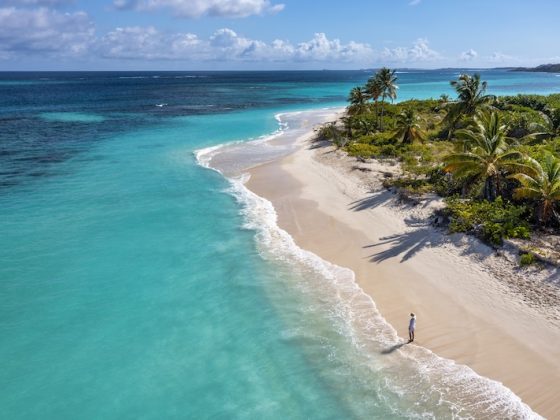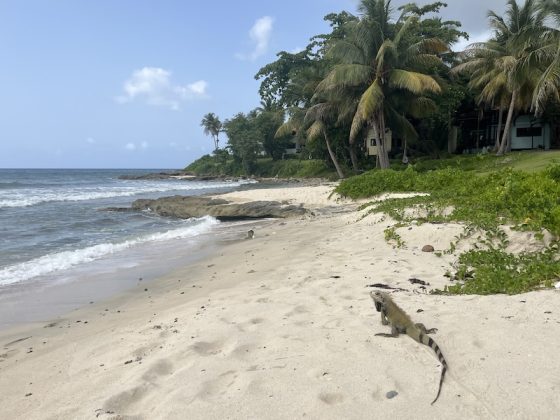
Before I Learned to Dream, I Learned to Work
I was born in Guanambi, Bahia, Brazil, and spent part of my childhood in a small town of around ten thousand people. Some of my earliest memories of responsibility are not from a classroom. They are memories of work.
I started working when I was seven. I would walk through the streets carrying a basin of bananas on my head, going door to door to sell them. The bananas were for my uncle. On Saturdays, I went to the market to sell papayas, and the money from the papayas was mine.
I did not like waking up early to go to the market. Today I can explain why in words I did not have then: I was simply a child who wanted to be a child. But life gave me adult responsibilities very early.
My grandmother raised me until I was around seven. After that, I went to live with an uncle in the countryside. I preferred the countryside to staying in town. I worked in the fields, planted, harvested, repaired bicycles, and did many other kinds of work. Without knowing it, I was already training abilities I would recognize much later: talking to people, negotiating, observing, persisting, solving problems, and continuing when things were difficult.
The School Where I Thought I Could Not Learn
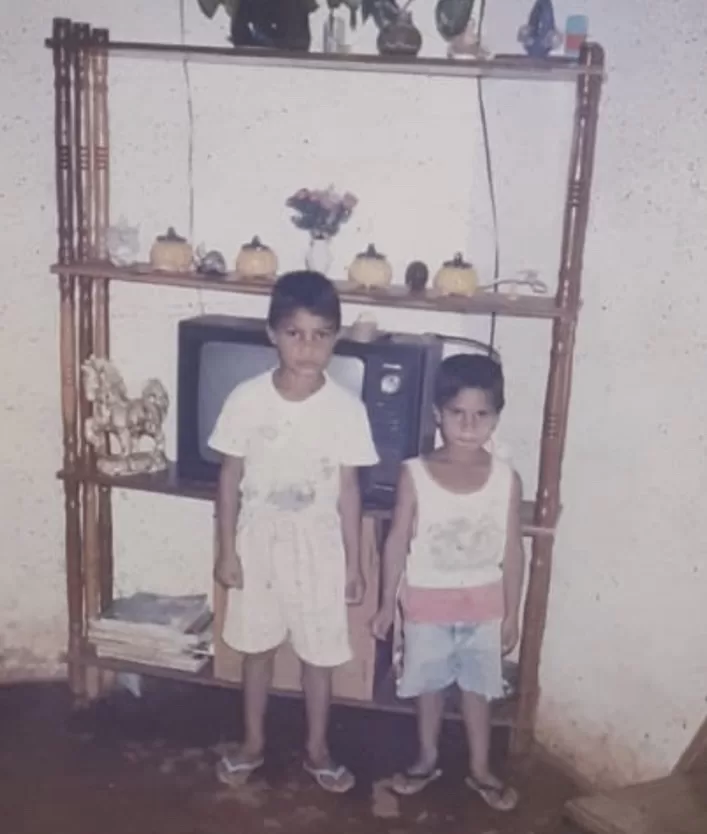
While I was learning so much from life, school made me feel the opposite. Teachers explained things and often I simply did not understand. My grades were poor, many of them marked in red. I repeated the third grade three times.
For a long time, that made me believe I might simply lack the ability to learn. Years later, I discovered that conclusion was wrong.
At around 22, I began to notice a change. I started understanding things that had once seemed distant, asking different questions, and seeing life in another way. I realized that learning does not happen in the same way or at the same time for everyone.
São Paulo at Seventeen
At around fifteen, I returned to live in town. At seventeen, I left for São Paulo, where my mother was already living. I would remain there for approximately sixteen years.
One of my first jobs was at a breadcrumb factory near my home. The noise of the machines was not what bothered me most. What stayed in my memory were bags of pasta and signs of rats I encountered in that environment. I thought about food eventually reaching family tables and wondered whether I wanted to be part of that. This is a memory from many years ago, and I do not know how that company operates today, but at the time it disturbed me deeply.
Eventually, I left and went to work in a call center, where I stayed for about three years. I liked being surrounded by people. There I trained my voice, observed people, and developed communication skills.
It was also there that I saw colleagues working while attending university. I thought: I can study too.
For someone who had repeated the third grade three times, that idea was enormous. I started nursing, realized it was not for me, and kept searching. Later, I became a hairdresser. It was a profession in which I finally felt I had found something that suited me, and it remained part of my life for several years. But I had not finished searching for who I could become.
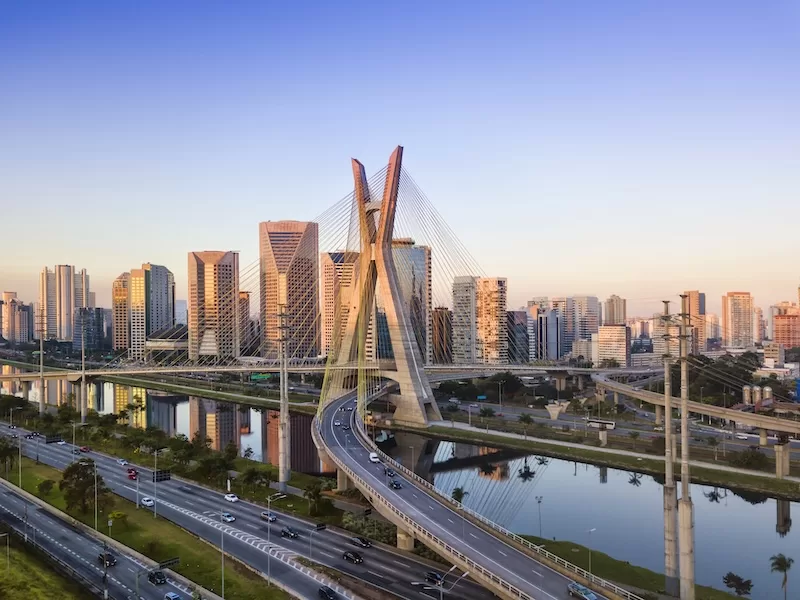
2018: The First Time I Crossed the Ocean
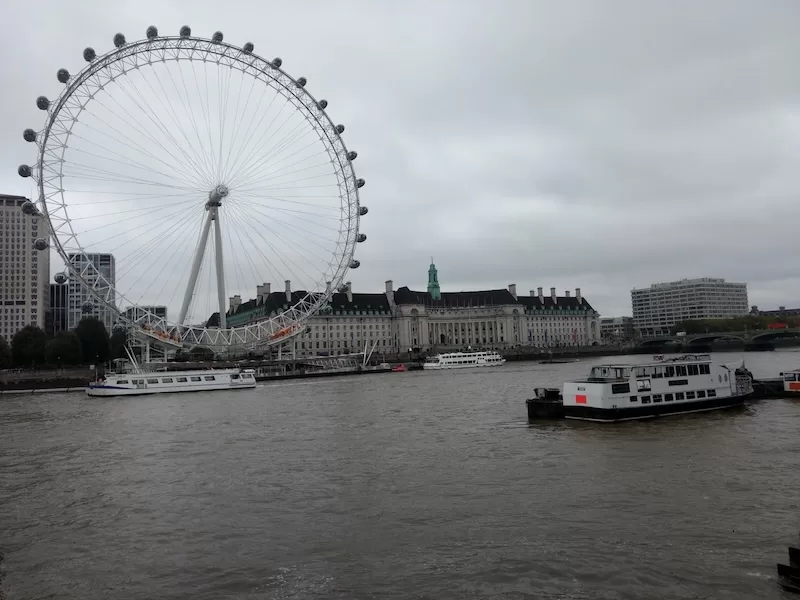
In 2018, my story took on a new dimension: I went to London. For someone whose life had begun in the interior of Bahia, arriving in London was not simply visiting another place. It was physically seeing the distance between where I had started and everything that might still be possible.
Europe stopped being a distant idea and became an experience. There were new languages, different ways of living, cultural differences, and the realization that the world was much larger than the one I had known while selling bananas door to door.
London was not the final destination. It became the beginning of a relationship with Europe shaped by departures, returns, and new beginnings between Brazil and this side of the Atlantic.
Portugal, Brazil, Portugal
After London, I went to Portugal. Later, I returned to Brazil. Then I went back to Portugal again.
When a life is summarized quickly, these moves can look like nothing more than a sequence of countries. In reality, every move means dismantling and rebuilding small parts of life: routines, relationships, work, documents, plans, and even your idea of home.
Returning to Brazil after experiencing Europe also taught me something important. Starting over does not happen only when we leave. Sometimes returning requires adaptation too. You come back to a place you know, but you are no longer exactly the same person who left.
When I returned to Portugal, I carried more experience with me, but also new questions. My international journey was never a straight line. It was made of forward movement, returns, and new attempts.
Then the COVID-19 pandemic arrived. Like so many people, I saw my plans interrupted by a period when the world seemed to slow down and the next step became much harder to predict. I used part of that time to study.
That carried a special meaning for me. I was the same person who, as a child, had believed he could not learn, who had collected red grades and repeated the third grade three times. As an adult, during one of the most uncertain periods of our generation, studying became a way of continuing to move forward.
While so much was suspended, I began looking more carefully at the direction I wanted to give my life. The more I studied, the more I realized that my professional path did not have to remain limited to what I already knew. Education and human development began to occupy a larger place in the choices I would make later. While the world seemed to be standing still, something in me was still moving.
And Then, Belgium
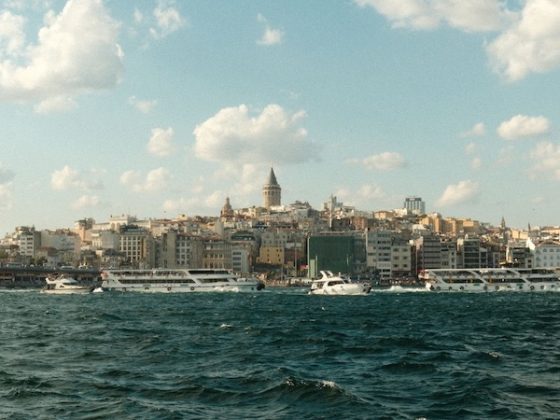
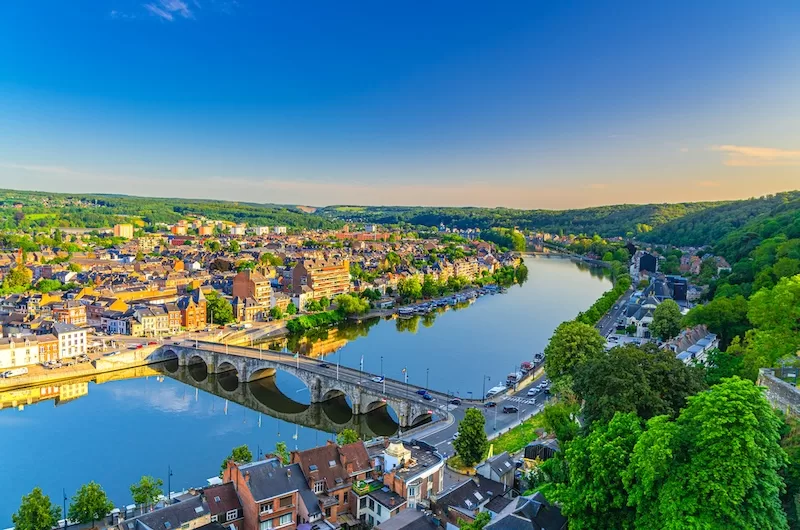
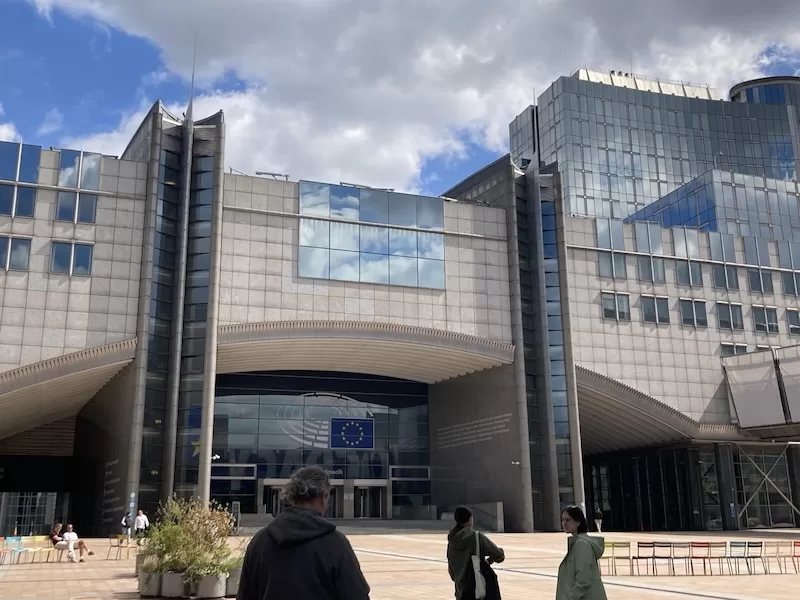
After that path through London, Portugal, and Brazil, I arrived in Belgium. Today I live in Brussels. I continue studying, working, and building projects connected with education, careers, mental health, well-being, and human development. I also study French and experience every day what it means to build a life in another cultural context. Moving countries does not erase who you were before.
When I arrived in Belgium, I did not arrive empty. The boy from Bahia came with me, as did the farm worker, the bicycle mechanic, the factory worker, the call center employee, the hairdresser, the student, and every version of myself that existed before. The insecurities came too.
Living in another country means relearning things that once seemed simple. Language, bureaucracy, professional relationships, and even the way you introduce yourself have to be rebuilt. There are moments when I know exactly what I want to say but still do not have all the words in French to say it.

That teaches humility.
When Even Walking Became Difficult
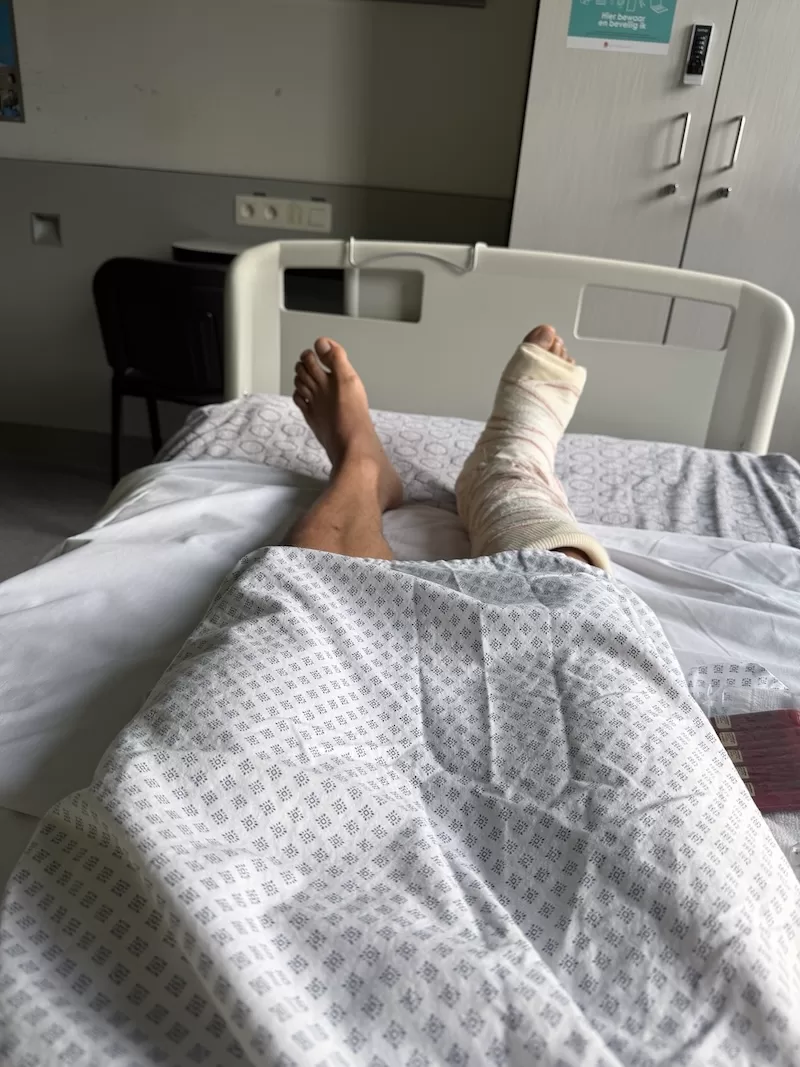
It was in Belgium that another event forced me to slow down: I broke my foot. Recovery included surgery and two pins, turning even simple tasks into part of the process of getting back on my feet.
There is an irony in that. My entire life had been defined by movement. Bahia. São Paulo. London. Portugal. Brazil. Portugal again. Belgium. I had crossed cities, countries, and an ocean. Suddenly, walking itself became difficult.
I could turn that episode into a beautiful story about strength, but that is not how it felt. There was pain, limitation, and frustration. I was far from the place where I was born, while still needing to take care of the life I was building.
My projects did not disappear because I was injured. My responsibilities did not stop. The process of adapting to another country continued. That was when I began to understand resilience differently.
Resilience is not being strong all the time. It is not smiling when everything is difficult, and it is not pretending pain does not exist. Sometimes it is simply continuing when you still do not know exactly how things will end.
At seven, I carried a basin of bananas on my head. Decades later, in Belgium, I had to learn again what it meant to take life one step at a time. The image is different. The lesson may be the same.
Everything I Did Brought Me Here
For a long time, I could have looked at my life as a collection of disconnected paths. What does a child selling bananas have to do with a call center? What does a factory have to do with hairdressing? What does repeating a school year have to do with going to university? What does Guanambi have to do with London, Portugal, or Brussels? Today I can see a line connecting those experiences.
Selling door to door forced me to speak to people. Working in the countryside taught me effort and reality. Repairing bicycles meant finding problems and making things work again. The call center trained my communication. Hairdressing brought me close to people’s stories. Studying as an adult showed me that a child’s difficulties at school did not have to determine an adult’s intellectual limits.
Later came other studies and professional paths connected with human development, psychoanalysis, education, careers, mentoring, and entrepreneurship. None of those experiences, by itself, explains who I am. Together, they explain a great deal.
I Am Still Building
My story does not end in Belgium because it has not ended yet. I am still studying. I am still building. I still make mistakes. I still change my mind. I still encounter situations in which I have to begin again.
Perhaps that is why I struggle with stories of overcoming adversity that look perfect once they are told. Life rarely respects such a tidy narrative.
I did not leave Bahia knowing I would live in São Paulo for so many years. I did not enter that call center knowing what I would learn there. When I went to London in 2018, I did not know all the paths that would still take me through Portugal, Brazil, and eventually Belgium. I understood things as I walked.
If I could speak today to that boy who did not want to wake up early on Saturdays to sell papayas at the market, I would not tell him that he needed to be strong. He was already being far too strong for his age.
I would simply tell him that one day he would understand that no red grade, no job, no mistake, and no place where he began would have the authority, on its own, to decide where his story would end. I just wanted to be a child. I could not be one for as long as I would have liked. But that boy came with me. From Bahia to São Paulo. From São Paulo to London. From London to Portugal. Back to Brazil. Then Portugal again. And now, Belgium. He is still here. And he is still learning how to dream.
Moving from Brazil to Europe: Common Questions
Where is Luciano Rodrigues Almeida from?
He was born in Guanambi, in the interior of Brazil’s Bahia state, spent part of his childhood in a small town of around ten thousand people, and lived roughly sixteen years in São Paulo before moving to Europe.
Which countries has he lived in since leaving Brazil?
His first trip across the Atlantic was to London in 2018. He then lived in Portugal, returned to Brazil, went back to Portugal, and now lives in Brussels, Belgium, where he is learning French.
What does he do now?
He studies and works in Brussels, building projects connected with education, careers, mental health, well-being, and human development, alongside his work as a psychoanalyst and entrepreneur.
About the Author
Luciano Rodrigues Almeida is a Brazilian university student, psychoanalyst, and entrepreneur currently living in Brussels, Belgium. Born in Guanambi, Bahia, and shaped by roughly sixteen years in São Paulo, he develops projects connected with education, careers, mental health, well-being, and human development.
Contact Author
"*" indicates required fields
Stay Ahead on Every Adventure!
Stay updated with the World News on Escape Artist. Get all the travel news, international destinations, expat living, moving abroad, Lifestyle Tips, and digital nomad opportunities. Your next journey starts here—don’t miss a moment! Subscribe Now !
Before I Learned to Dream, I Learned to Work
I was born in Guanambi, Bahia, Brazil, and spent part of my childhood in a small town of around ten thousand people. Some of my earliest memories of responsibility are not from a classroom. They are memories of work.
I started working when I was seven. I would walk through the streets carrying a basin of bananas on my head, going door to door to sell them. The bananas were for my uncle. On Saturdays, I went to the market to sell papayas, and the money from the papayas was mine.
If you'd like to read the full story, simply enter your email to subscribe to our newsletter.
For even more expert insights, unmissable resources, and exclusive invites, explore our premium subscription offers here.
OR
Already a Subscriber? Click here to login
Subscription required
You've reached your limit of free articles. For full access to Escape Artist, and all of our insights on travel, moving abroad, and the digital nomad life, click here to Subscribe.
Already a Subscriber? Log in here