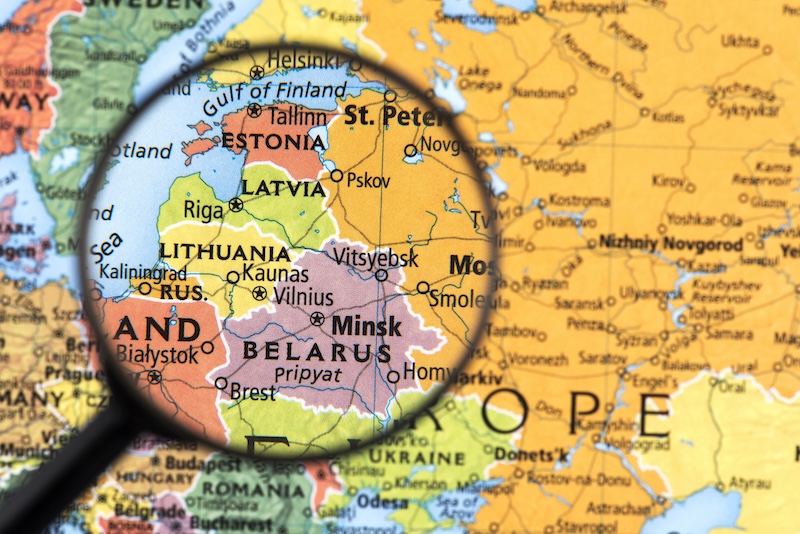
For over 10 years, the Northern European nation of Estonia has been undertaking a brave but controversial initiative. In 2014, Estonia announced it would allow anyone, anywhere in the world to become an “e-resident” of Estonia. What is an e-resident? Well, it’s not a citizen, it’s not a visa holder, and it’s not even a resident in the conventional sense. An e-resident is a holder of a state-issued digital identity granting access to its online government infrastructure. The first official e-resident was Edward Lucas, then a journalist at The Economist, and the message was clear: Estonia was experimenting with what a nation could be in a digital age.
More than ten years on, e-Residency has grown from a clever PR stunt into possibly the most ambitious digital nation-building project on the planet. As of 2025, more than 130,000 people from over 180 countries have become e-residents, founding around 38,000 “Estonian” companies in the process. According to figures published by Estonia’s Ministry of Economic Affairs, e-resident businesses contributed €67.4 million to the state budget in 2023 alone and well over €200 million since the program’s launch. For a country of 1.3 million people, those numbers are quite significant.
A Digital Identity, Not a Passport
Essentially, e-Residency is a government-issued digital identity. Applicants who apply undergo background checks by Estonian authorities, and if approved, they receive a cryptographic ID card that allows them to authenticate themselves online. Through this, they can digitally sign documents and access Estonia’s e-government services. The most popular use of that access is the ability to register and manage an Estonian private limited company entirely online from anywhere in the world.

Read More Like This: Sri Lanka Joins the Digital Nomad Visa Boom
The Limits Behind the Promise
What e-Residency is not matters just as much. It does not grant the right to live in Estonia or anywhere else in the European Union. It does not make you a tax resident of Estonia. It does not guarantee access to banking, visas, or payment processors. Estonia has been careful to be clear about this distinction. However, global marketing and word-of-mouth hype, mixed with a decade of digital nomad folklore, have blurred the lines of this.
Why Entrepreneurs Are Drawn In
The appeal of this for entrepreneurs based outside of the EU is obvious. Estonia has one of the most advanced digital governments on Earth. Ninety-nine percent of public services are available online, compared to the UK, where it is about 47%, or 37% in Germany. In Estonia, taxes can be filed in minutes, and digital signatures carry the same legal weight as handwritten ones. For entrepreneurs based in countries with weak institutions or hostile bureaucracy, plugging into Estonia’s digital infrastructure can take a lot of weight off their shoulders. You can form an EU-based company without flying to Europe, hire an accountant online, sign contracts remotely, and manage compliance from a laptop.
For consultants selling services globally or freelancers invoicing international clients, Estonia’s system is refreshingly efficient. Estonia’s flat corporate income tax on distributed profits is another draw, particularly for companies reinvesting rather than paying dividends. The program has also created an ecosystem of service providers who specialize in e-resident businesses and smooth the administrative edges.
The success story is real enough that other countries have tried to copy it. Lithuania, Portugal, and Dubai have all floated similar versions of digital residency or remote incorporation schemes. None have matched Estonia’s scale or integration with state services.

Read More Like This: Republic of Georgia e-Visa: Digital Nomad Visa
Where the System Begins to Fray
But the cracks appear once you move beyond the official pitch. One of the most persistent problems is banking. While forming a company online is easy, opening a business bank account often is not. Most traditional Estonian banks require a physical presence or a demonstrable economic link to Estonia.
For years, many e-residents relied on fintechs like Wise or Revolut as a workaround, but even these platforms have tightened their onboarding rules under EU anti-money-laundering regulations. For some e-residents, the inability to secure reliable banking renders the entire setup useless.
Scrutiny, Risk, and Reputation
This tension between digital openness and financial gatekeeping has been exacerbated by international scrutiny. In 2022, Moneyval, the Council of Europe’s anti-money-laundering watchdog, published a report sharply criticizing aspects of Estonia’s e-Residency program. The report warned that earlier versions of the vetting process had not sufficiently assessed the risk profiles of applicants, raising concerns that the program could be exploited for financial crime. While Estonia has since tightened background checks and increased rejection rates, the reputational damage lingers.
More sensational reporting has linked e-resident companies to some cryptocurrency scams and fraud cases. A lot of this occurred during the crypto boom of 2017–2021. These cases represent a tiny fraction of the overall program, but they highlight cracks in the system and have led to increased scrutiny from international organizations. Opening a state’s digital infrastructure to the world will inevitably invite bad actors alongside legitimate entrepreneurs. Estonia’s challenge has been to balance openness with trust, but when trust is lost, it is hard to fully restore.

Read More Like This: Republic of Estonia Digital Nomad Visa
The Reality of Tax and Compliance
Another source of frustration lies in tax and VAT expectations. Many applicants assume that setting up a business in Estonia may simplify global tax obligations. The reality is that it often complicates them. An Estonian company does not automatically mean Estonian tax residency, and corporate tax obligations still depend on where management and economic activity actually take place.
In recent years, e-residents have reported greater difficulty obtaining EU VAT numbers unless they can demonstrate real substance, such as locally based employees or offices. For digital nomads selling services worldwide, this has come as an unwelcome surprise.
The Friction Behind the System
There are also quieter forms of friction. Application processing times can stretch for months, and communication sometimes arrives only in Estonian. Mandatory accounting and compliance costs accumulate and can reach several thousand euros per year, even for small businesses.
Some e-residents report having their status revoked after years of inactivity or for failing to demonstrate that their business contributes meaningfully to Estonia’s economy.
A Question Bigger Than the Program
All of this raises a broader question about what e-Residency really represents. Is it a tool for global entrepreneurs, or is it a clever form of state branding and revenue extraction?

Critics argue that Estonia has effectively monetized its administrative capacity, selling access to its legal and digital systems while outsourcing much of the risk to banks and service providers. Supporters counter that the program has been remarkably transparent and beneficial for a small country with limited natural resources.

Read More Like This: 10 Digital Nomad Havens Offering a Path to Citizenship
Who It Really Works For
Estonia’s e-Residency program works best for a specific type of person: someone who is running a legitimate, internationally oriented business. It works poorly for those chasing a frictionless EU presence, a shortcut to banking, or a tax loophole.
An Experiment Still Unfolding
E-Residency reflects the realities of globalized work and increasingly digital states. It shows how far governments can go in decoupling services from territory and where classic physical, legal, and financial boundaries still reassert themselves.
A decade after launch, Estonia’s experiment has succeeded in one respect: it has forced the world to rethink what nationhood can look like in a networked era. Whether e-Residency is remembered as the foundation of future digital states or as a clever but limited innovation will depend on how well Estonia continues to manage its contradictions. For now, it remains one of the most interesting, imperfect, and revealing governance experiments of the 21st century.
Key Takeaways
What is Estonia’s e-Residency?
It is a government-issued digital identity that allows approved users to access Estonia’s online government services and manage an Estonian company remotely.
Does Estonia e-Residency give you citizenship or residency rights?
No. It does not grant citizenship, tax residency, a visa, or the right to live in Estonia or elsewhere in the EU.
Why are entrepreneurs attracted to the program?
It offers fast digital company management, online filings, legally valid digital signatures, and a more efficient administrative system than many traditional jurisdictions.
What is the biggest practical weakness in the system?
Banking remains one of the biggest problems, because opening and maintaining usable business accounts is often harder than the marketing suggests.
Does Estonia e-Residency simplify taxes?
Not automatically. Tax residency, VAT treatment, and compliance still depend on where management and economic activity actually happen.
Why has the program faced scrutiny?
International watchdogs and media reports have raised concerns about AML risk, weak earlier vetting, and misuse by a small number of bad actors.
Who is Estonia e-Residency actually best for?
It works best for legitimate international entrepreneurs who want an efficient digital business structure, not for people chasing residency, banking shortcuts, or tax loopholes.
About the Author
Ethan Rooney is an Irish journalist covering global communities, culture, and niche movements. You can find more of his work here.
Contact Author
"*" indicates required fields
Stay Ahead on Every Adventure!
Stay updated with the World News on Escape Artist. Get all the travel news, international destinations, expat living, moving abroad, Lifestyle Tips, and digital nomad opportunities. Your next journey starts here—don’t miss a moment! Subscribe Now !
For over 10 years, the Northern European nation of Estonia has been undertaking a brave but controversial initiative. In 2014, Estonia announced it would allow anyone, anywhere in the world to become an “e-resident” of Estonia. What is an e-resident? Well, it’s not a citizen, it’s not a visa holder, and it’s not even a resident in the conventional sense. An e-resident is a holder of a state-issued digital identity granting access to its online government infrastructure. The first official e-resident was Edward Lucas, then a journalist at The Economist, and the message was clear: Estonia was experimenting with what a nation could be in a digital age.
More than ten years on, e-Residency has grown from a clever PR stunt into possibly the most ambitious digital nation-building project on the planet. As of 2025, more than 130,000 people from over 180 countries have become e-residents, founding around 38,000 “Estonian” companies in the process. According to figures published by Estonia’s Ministry of Economic Affairs, e-resident businesses contributed €67.4 million to the state budget in 2023 alone and well over €200 million since the program’s launch. For a country of 1.3 million people, those numbers are quite significant.
A Digital Identity, Not a Passport
If you'd like to read the full story, simply enter your email to subscribe to our newsletter.
For even more expert insights, unmissable resources, and exclusive invites, explore our premium subscription offers here.
OR
Already a Subscriber? Click here to login
Subscription required
You've reached your limit of free articles. For full access to Escape Artist, and all of our insights on travel, moving abroad, and the digital nomad life, click here to Subscribe.
Already a Subscriber? Log in here