Solo travel has been one of the steadiest, fastest-growing trends in recent years, and it really exploded after the pandemic. In a recent global travel trends report, solo travel is shown to be a major trend among young travelers, with 76% of Millennials and Gen-Z planning solo trips back in 2024, and likely many more nowadays. Solo trips are easier to plan and allow travelers to pursue their interests without group compromises. For deep relaxation, knowledge development, researching new interests, or meeting new people, solo trips can be hard to beat.
For many folks, they are not about escape or adventure alone, but about clarity. Traveling alone means there are no buffers. You quickly see how systems actually work (or don’t), how locals respond in real moments, and how safe a place truly feels once the initial novelty wears off. You notice the small things that matter day-to-day: reliable Wi-Fi for a quick work session, a pharmacy that’s open late, a neighborhood where walking alone at night feels calm
That is precisely why solo travel has become an informal testing ground for bigger decisions. Destinations that once served as temporary stops now function as previews of possible futures. A city’s vibe, healthcare reliability, and social ease matter more than attractions. Safety stops being just about crime statistics and becomes about how confidently you can handle daily life without anyone else to lean on.
For Escape Artist readers, solo travel sits at the intersection of curiosity and contingency planning. It offers freedom, but also information. The question is not just where to go, but where it feels possible to stay.
Why Solo Travel Looks Different in 2026
Post-pandemic confidence and independent mobility
More people are choosing to travel solo these days, and it’s no longer just the classic backpacking gap year or long-haul adventure. Solo trips now cover everything from quick weekend beach getaways to months-long remote work stays. While the idea of doing it alone isn’t brand new, its scale and the reasons behind it have evolved dramatically in recent years, especially since the pandemic reshaped how we think about time, priorities, and independence.
The lockdowns definitely played a big part in this shift. For months, people were stuck at home, forced to manage their own schedules and make decisions without anyone else’s input. In some cases, that extended solitude built real comfort with being on your own, figuring out free time, entertainment, pursuing personal interests, and not having to compromise on plans. When borders finally reopened, that self-reliance carried straight into travel. Many found they were more than okay with doing things on their own terms, without waiting for friends’ schedules to align or budgets to match.
When travel bounced back, it came roaring, with a pent-up sense of limited time and missed opportunities. People weren’t willing to delay dream destinations anymore just because no one else could join. If going solo meant getting there sooner, that’s what they did.
Those chaotic early reopening years also forced practical changes that stuck. Constantly shifting entry rules, flight cancellations, and last-minute requirements meant everyone had to adapt fast, rebooking on the fly, decoding local regulations, solving issues without a group to lean on. For solo travelers, that adaptability became essential. It built confidence, too: learning to stay calm when plans changed and knowing how to navigate alone.
By now, many solo travelers have recalibrated what they want. Novelty for novelty’s sake has taken a backseat to efficiency, ease, and mental recharge. Confidence shows up in smart preparation (like solid insurance and backup plans) and the ability to roll with the punches without stress.
Remote income and longer stays
Remote work has fundamentally changed how people approach travel. When your job isn’t tied to a fixed office, travel stops being something squeezed into limited vacation windows and becomes a natural extension of everyday life. There’s freedom to choose where you base yourself without ever putting work on hold, blending productivity with exploration.
This flexibility reshapes both timing and costs in big ways. Instead of waiting for annual leave, solo travelers who work remotely can move gradually: spend weeks or months in one spot before heading to the next. One-way flights can replace pricey round-trips, short hops between nearby destinations become easy and cheap, and accommodation costs can drop with longer stays. The rise of digital nomads (with, as of 2025, are over 40 million people worldwide) has fueled this shift, turning slow, immersive travel into the norm rather than the exception.
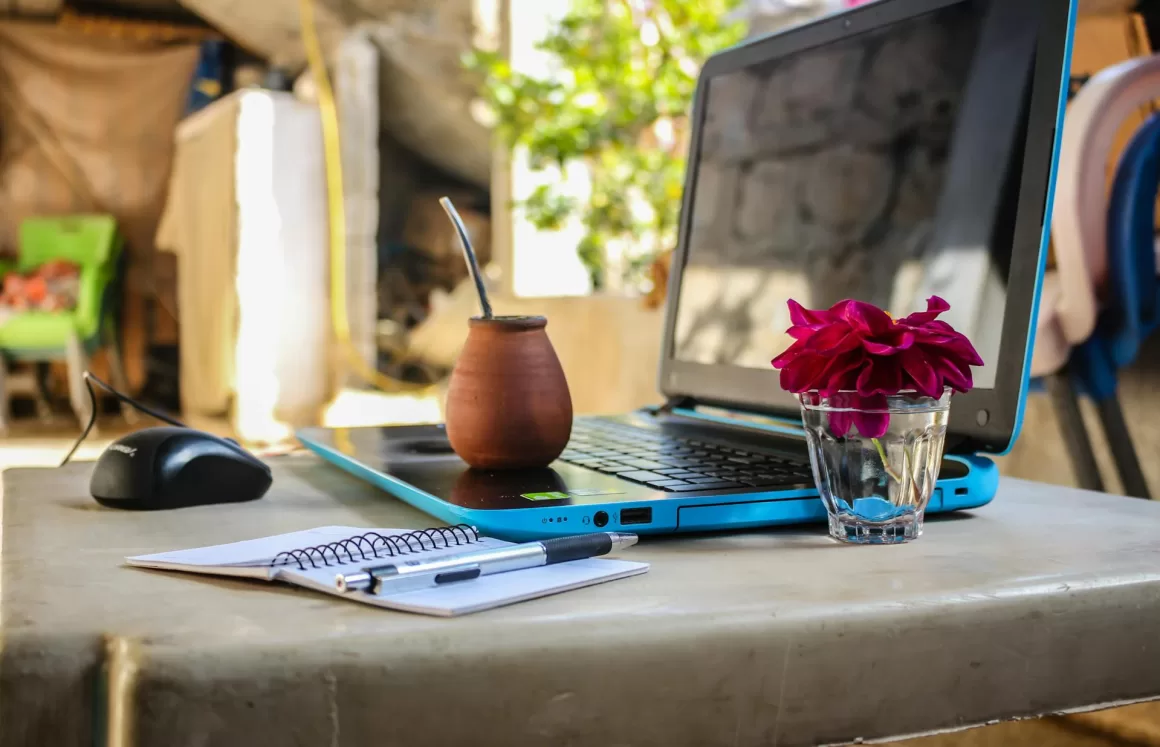
Longer stays also transform how places are experienced. Days aren’t crammed with sightseeing checklists; instead, they’re structured around work schedules, errands, and rest with exploration happening in the margins: evenings wandering familiar streets, weekends discovering hidden spots, or simple routines like grabbing coffee at the same local café. This creates a deeper, more authentic sense of place than short visits ever allow.
That deeper immersion brings new priorities into focus. Access to groceries, efficient public transport, fast and stable internet, and solid healthcare suddenly matters more than novelty or Instagram backdrops. Extended stays also influence risk, comfort, and overall confidence. Repetition builds familiarity: you learn the layout of your neighborhood, the flow of daily life, where to go if something goes wrong, and how systems (from visas to transport) work day-to-day. That consistency reduces stress, makes everything feel steadier, and turns independent mobility into something more intuitive over time.
Shifts in safety perception versus reality
Safety still plays a central role in where people choose to travel, especially when traveling alone. What has changed is how that safety is evaluated. Rankings and headlines continue to influence decisions, but they no longer carry the same weight on their own. Travelers increasingly rely on lived signals: how public spaces are used, how people move through cities at different times of day.
The rise of social media, and particularly of the “travel influencer”, has played a big part in this change. Watching how other solo travelers navigate a place offers context that statistics can’t provide. It shows how a destination feels in practice, not just how it looks on paper.

Despite the possible risks, most solo travelers aren’t deterred. Instead, they’re adjusting behavior. The overwhelming majority (93%) say maintaining situational awareness is their top priority, emphasizing habits such as staying alert in public spaces, limiting phone use while walking, avoiding poorly lit areas, and researching common local scams before arrival. Safety often comes down to how people move through space and how visible or predictable their behavior is. Over time, perception aligns more closely with reality.
This is where longer stays can be a major change driver. The longer you remain in one place, the clearer it becomes which destinations support solo life beyond first impressions. Some places feel thrilling at first and nerve-wracking later. Others grow cozier the longer you stay. In 2026, experienced solo travelers trust that difference.
What Makes a Destination Solo-Travel Friendly
Infrastructure and transport ease
Infrastructure often determines how easy it is to function alone in a new place, especially for travelers moving alone for the first time. Destinations with established tourism systems tend to lower the learning curve. Reliable transport, clear signage, and visible safety measures help solo travelers settle and move with confidence.
Technology reinforces that ease. Navigation apps, digital ticketing, ride-hailing platforms, and constant connectivity fill gaps that once required local knowledge or assistance. Even in unfamiliar environments, solo travelers can orient themselves and adjust plans in real time. This combination of physical infrastructure and digital support makes independent exploration more accessible than it was a decade ago.
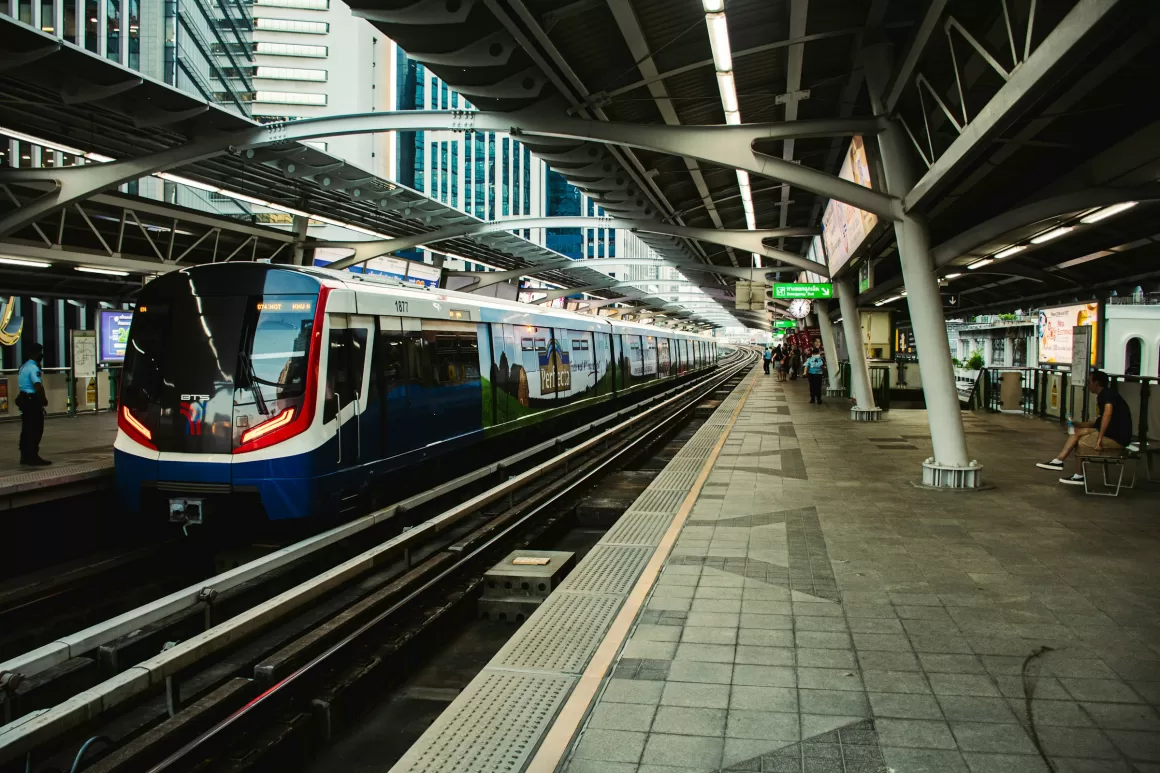
Public transport also plays a key role. Cities with frequent trains, metros, and buses allow travelers to move self-confidently without relying on taxis or rental cars. Walkability adds another layer of independence. Neighborhoods that cluster groceries, cafés, pharmacies, and daily services within a short radius support routine and reduce fatigue. When movement feels intuitive, solo travel becomes easier to sustain, particularly as demand grows among travelers seeking flexibility and autonomy.
Social openness and community access
Traveling alone does not automatically mean being lonely or isolated. In practice, many solo travelers report the opposite: many people say that traveling alone facilitates deeper and more authentic human connections, which motivates around 45% of solo travelers. Going solo often makes people more open to their surroundings and more approachable to others. Without the buffer of companions, interactions tend to happen more naturally, especially with locals and other travelers passing through.
This dynamic is shaped heavily by place. Some destinations make it easy to be alone in public without attracting attention or discomfort. Cultural norms around solo dining, shared tables, public seating, and everyday social interaction influence how welcome travelers feel. In cities where sitting alone at a café or having dinner by yourself is unremarkable, solo travelers can choose when to engage and when to stay private.
That flexibility matters. Not every solo traveler is looking for constant interaction. Many, including introverts, older travelers, or those on shorter trips, value destinations where independence does not come with social pressure. Feeling at ease alone often makes connection easier, not harder.
Access to informal community points also matters. Cafés, markets, coworking spaces, neighhborhood bars and gyms often become anchors for social interaction without requiring effort. If you’re moderately open and stay in social accommodations (hostels, group tours, social Airbnbs), solo travel often ends up being surprisingly communal, sometimes moreso than traveling with friends. These environments allow solo travelers to observe, participate lightly, or connect at their own pace. Destinations with visible everyday life tend to feel more supportive than places built primarily around short-term visitors.
Cost control and flexibility
Cost control and flexibility can carry a lot of weight for solo travelers because every decision sits with just one person. There is no shared budget, no cost splitting, and no buffer if plans change. That reality makes predictable expenses and the ability to adjust spending essential for staying comfortable over longer periods.
Recent travel surveys reveal that solo travelers (more precisely, 54% of them) consistently rank flexibility as one of the main advantages of traveling alone, with control over budget close behind. Flexibility is frequently called the “ultimate currency” in solo travel because there is no need to compromise with anyone else. This freedom directly translates to savings and richer experiences.
In practice, both show up in the way people plan their days. Destinations where rent stays consistent month to month, longer stays unlock better rates, and food prices remain stable across neighborhoods allow travelers to think beyond short visits.
Control over spending also comes from how easily costs can be adjusted. Access to a kitchen that allows cooking at home reduces reliance on eating out, public transport replaces frequent ride-hailing, local services offer alternatives to tourist-priced options. These choices matter more when one person carries the full financial load. For solo travelers, cost control keeps the adventure financially sustainable, while flexibility turns it into something cheaper and more spontaneous. The travelers who master both usually end up traveling more often, longer, and with less stress than those who don’t.
Read More Like This: How Flexibility Became the Ultimate Currency in Travel
Healthcare access and reliability
These two factors are extremely important for solo travelers, arguably one of the top safety factors that can make or break a trip. When you’re traveling with others, companions can help call for help, translate, or simply provide emotional and practical support during a medical issue. Solo? You’re on your own, which dramatically raises the stakes for even minor problems like food poisoning, a sprained ankle, or something more serious like an infection, injury, or sudden illness.
So, access to reputable clinics, well equipped hospitals, clear payment processes, and reliable emergency services shapes how secure a destination feels. Knowing where to go before something goes wrong removes uncertainty.
Countries with well-established private healthcare options or accessible public systems tend to rank higher for solo travelers, understandably so. Pharmacy availability, language access, and clear referral pathways also matter.

Over longer stays, confidence often grows through familiarity. Once systems are understood, healthcare becomes another manageable part of daily life, with clear expectations and rules, instead of a looming concern.
Top Solo Travel Destinations for 2026
Portugal
Portugal continues to rank highly with solo travelers because it’s a country where life is easy to manage on your own. In the bigger cities, buses, trains and metros are reliable, stations are clearly marked, and walking between neighborhoods, even if a little challenging depending on location (Lisbon, for example, is known as the “city of seven hills”, because it was built on seven hills overlooking the Tagus River, which while giving you stunning viewpoints can also leave you gasping for air and not just due to beauty alone), makes it up with their atmosphere.
Safety does play a role, of course. Portugal is one of the safest countries in the world for travelers in 2026, consistently ranking in the top 10–15 safest destinations globally according to sources like the Global Peace Index (7th in recent years), and major government advisories. The primary risk for tourists is petty theft — especially pickpocketing and bag-snatching — in crowded tourist spots, public transport, markets, and nightlife areas in Lisbon, Porto, and the Algarve. Crime stats show a slight uptick in some pickpocketing reports in recent years, but overall crime decreased in 2024–2025, and violent incidents remain rare.
Being alone in public is unremarkable. Solo dining is common, cafés are designed for lingering, and public spaces are used throughout the day by everyone from students to travelers to retirees. That normalcy means you’re free to engage when you want and disappear into routine when you don’t.
Healthcare in Portugal is pretty straightforward and easy to navigate. The public system is solid and covers a lot, but if you want faster or more specialized care, there are great private options too, and the whole process is clear. Costs stay reasonable (especially outside the most tourist-packed spots), and they’re even more manageable if you’re staying longer.
All in all, Portugal is a fantastic fit for solo travelers who want a comfortable European base where daily life feels relaxed and natural, without having to constantly readjust or fight the system.
Japan
Japan remains one of the most comfortable countries in the world to navigate alone. Infrastructure does much of the work: transport systems are precise, frequent, and well labeled. Payment is simple with IC cards like Suica or Pasmo. Timetables are reliable. You don’t have to stress about schedules or getting lost in chaos; it all feels predictable, which really takes the mental load off when you’re on your own for weeks or months.
Culturally, Japan is well suited to solo travel. Eating alone is absolutely normal and many places actually have booths tailored for people who prefer to eat in privacy, so there’s no stigma around that. Silence is valued. People respect your space and privacy, even in crowded cities. You can wander around all day, hop from spot to spot, and never really feel out of place or exposed.
Japan’s healthcare system is world-class with cutting-edge technology, highly skilled doctors, strict safety standards, and a huge emphasis on prevention and quality care. That said, a short-term traveler (under 90 days) is not covered by Japan’s public national health insurance so medical care can get pricey if paying out-of-pocket is necessary. Hospitals usually want payment upfront, which is why comprehensive travel insurance is basically non-negotiable for solo trips here.
Japan is widely regarded as one of the safest countries in the world for solo travelers and it’s often ranked in the top 10-15 globally for overall safety in 2026. With extremely low violent crime rates, a strong culture of respect and order, and genuinely helpful locals, many visitors report feeling safer walking alone at night in major cities like Tokyo or Kyoto than they do back home during the day.
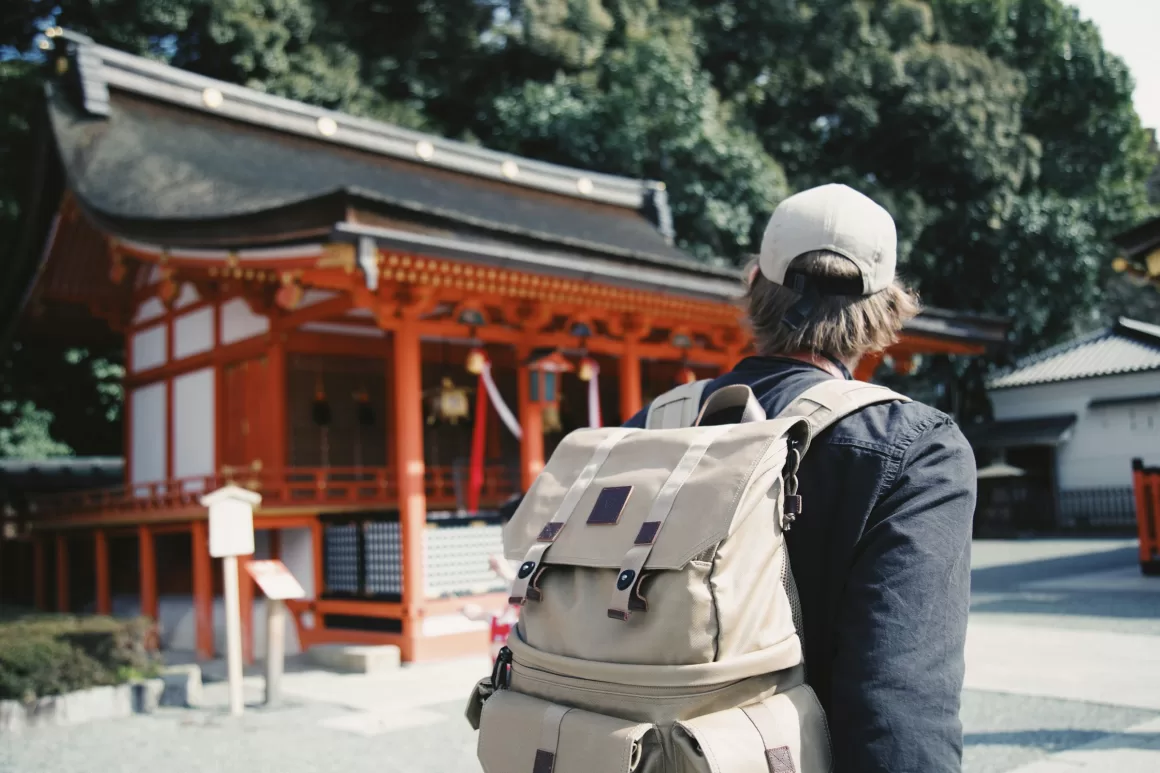
Streets are well lit, public behavior is consistent, and systems respond quickly when something goes wrong. Japan rewards preparation and attentiveness. For solo travelers who value structure, reliability, and calm, Japan remains hard to match.
Thailand
Thailand is one of the most popular and welcoming spots in the world for solo travelers right now and it’s often called a “beginner-friendly” destination in Southeast Asia. With exceedingly friendly locals (the famous “Land of Smiles” vibe is real), affordable everything, easy transport, and tons of other backpackers and solo folks around, many people say it’s where they felt the most empowered and relaxed traveling alone.
Infrastructure-wise, everything feels set up to make getting around straightforward, affordable, and low-stress, even when one is figuring out alone. The country has a well-developed tourism setup, with options (from domestic flights to overnight trains and speedboats) that let travelers hop from Bangkok’s chaos to Chiang Mai’s mountains or the southern islands without needing constant planning headaches. Public transport, ride apps, and booking tools do most of the heavy lifting. In Bangkok’s specifically, there is an efficient urban rail system (the BTS Skytrain and MRT subway) which is clean, air-conditioned, cheap and connect most tourist spots without dealing with the sometimes-chaotic traffic. They’re safe, have English signs, and run frequently, so travelers can zip around solo without stress.
Thailand’s health infrastructure is one of its strongest points and a big reason the country draws so many people for medical tourism alongside regular trips. Thailand is a global leader in medical tourism, with dozens of hospitals accredited by international bodies like JCI (Joint Commission International) thanks to English-speaking staff, modern tech, and quick service, combined with a relatively low cost. Places like Bumrungrad International Hospital in Bangkok treat hundreds of thousands of foreign patients every year and rank among the best in the world.
Thailand is very budget friendly and cost control is one of its biggest advantages. Daily expenses can be adjusted easily through housing choices, food options, and transport. Longer stays unlock better value and reduce pressure to constantly move.
Social life is optional, not imposed. Eating alone is completely normal and no one bats an eye. Street food stalls and little counters are basically designed for solo diners, just chilling with their pad thai or mango sticky rice.
For some low-key interaction without committing to big group stuff, there are plenty of natural hangout spots: coworking spaces, cozy cafés with good Wi-Fi, or local markets where people just vibe. It’s easy to dip in for a coffee or a workspace session and chat if you feel like it, or just keep to yourself. Thailand suits solo travelers who want that sweet spot: autonomy paired with comfort and flexibility.
Mexico
Mexico really appeals to solo travelers who pay close attention to neighborhoods, since safety, walkability, and cost can shift dramatically from one block to the next in the same city. Choose wisely like the leafy, vibrant areas of Roma Norte, Condesa, or Polanco in Mexico City, and daily life suddenly feels manageable, with tree-lined streets full of cafés, parks, and a nice mix of locals and expats.
Safety is highly location-dependent. It’s one of those places where popular tourist areas feel welcoming, but certain regions carry risks from crime, cartels, and occasional violence. Still, violent crime against tourists is rare in main spots but petty theft (pickpocketing, bag-snatching) is common in crowds. Being alert, as in any other place, pays off. Many popular destinations like Mexico City, Cancun/Riviera Maya (Quintana Roo), Los Cabos (Baja California Sur), Puerto Vallarta (Nayarit), and Mérida (often called one of the safest cities in Mexico) have dedicated tourist police, good infrastructure, and low rates of serious incidents for visitors. Solo travelers frequently report positive experiences in these hubs, feeling empowered and safe with basic precautions.
Getting around is straightforward: the Metro is cheap and extensive (though packed during rush hour), there are buses and the Ecobici bike-share for shorter trips, but most solo travelers prefer Uber or Didi for safe, trackable, and affordable rides without haggling.
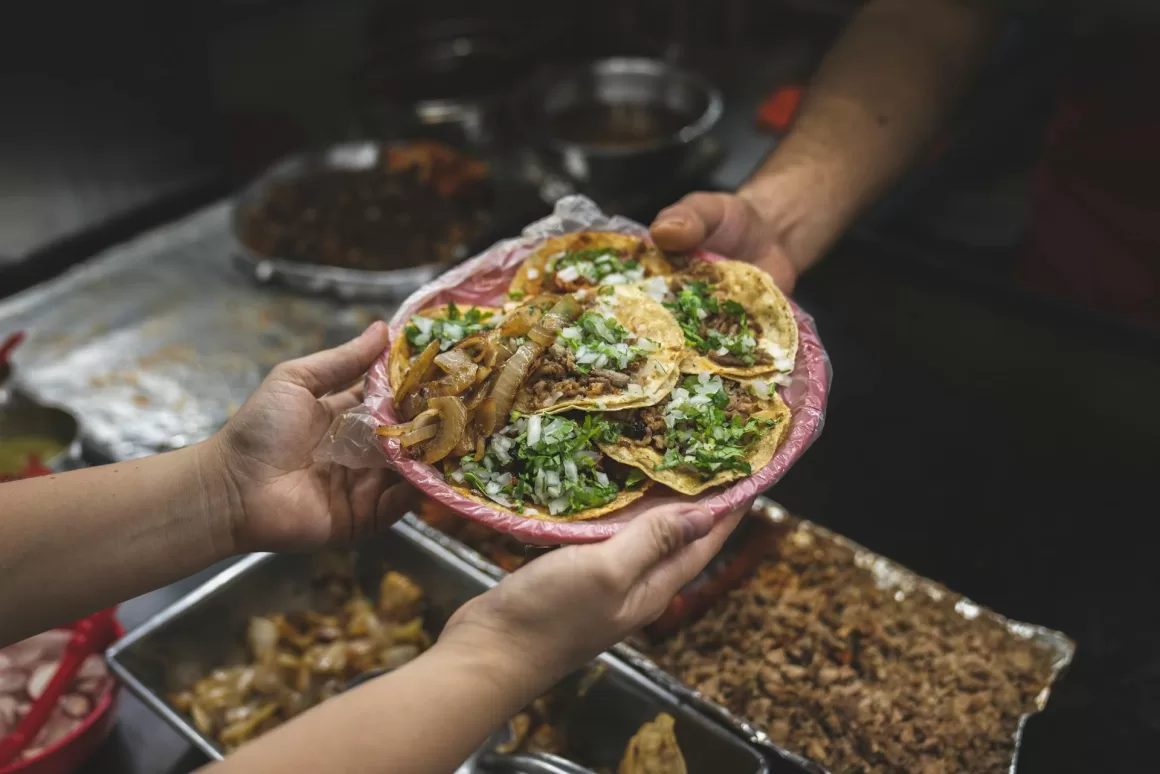
Food is one of the biggest joys: street tacos, markets, and casual counters are everywhere, and eating alone is 100% normal with zero awkwardness.
Healthcare in major cities is reliable and unexpectedly affordable, with top private hospitals and clinics (like ABC Medical Center or Médica Sur) offering modern facilities, English-speaking doctors, and quick service, often at 50-70% less than US prices, though insurance is still key for smooth billing.
Costs drop nicely for longer stays outside peak tourist zones, and the streets stay lively with buzzing markets and cozy cafés that create a natural social vibe, but being alone doesn’t really draw attention, and one can dip in for people-watching or a coffee whenever the will to do so strikes. For solo travelers who value culture, food, history and warmth, Mexico offers depth that can be slowly discovered over time.
Georgia
Georgia has emerged as a favorite for solo travelers craving affordability, plenty of breathing room, and a slower pace, especially in Tbilisi, where low daily costs pair beautifully with a thriving café culture. Walking around the historic streets is easy and enjoyable, public transport is straightforward with a clean metro (two lines, frequent trains from 6 AM to midnight), buses, and a handy MetroMoney card that covers everything.
Safety-wise, Tbilisi (and most of Georgia) is generally very safe for solo travelers, ranked among the safer spots in the region with low violent crime. Petty theft like pickpocketing can happen in crowds, so standard awareness applies, but many solo folks report feeling comfortable wandering day or night in central areas.
Healthcare access is improving fast and stays affordable by European standards: private clinics in Tbilisi offer modern care with English-speaking doctors, quick service, and costs often a fraction of what American citizens are used to paying. Public options exist but are busier; most solo travelers head to private spots for anything beyond basics.
Social life feels organic and low-pressure. Being alone is completely normal, with no uncomfortable stares if you’re dining solo at a khachapuri spot. Interaction happens naturally around food, wine, and shared spaces like cozy cafés, markets, or expat/digital nomad meetups (Tbilisi has a growing community of remote workers, with events, coworking spots, and groups that make connecting easy). The vibe suits independence perfectly, with that welcoming Georgian hospitality shining through, where people are genuinely helpful without being overbearing.
Costs are a huge draw for longer stays: daily expenses adjust easily (cheap street eats, affordable apartments for monthly rentals), and the longer you settle in one spot, the better the value. Residency rules have been historically flexible (visa-free for a year for many nationalities), encouraging extended time without constant movement.
All in all, Georgia (especially Tbilisi) is perfect for solo travelers who want independence, cultural depth, and a place that feels lived-in rather than tourist-polished. It’s got that sweet spot of affordability, ease, and warmth, ideal if you’re balancing exploration with some downtime or remote work.
Read More Like This: The Best Destinations for Solo Women Travelers
Safety in 2026: What Solo Travelers Actually Need to Think About
Crime statistics versus lived experience
In 2026, one of the most eye-opening truths about safety for solo travelers is the frequent gap between hard crime statistics and the lived, day-to-day experience on the ground. Official data—like the Global Peace Index (GPI) 2025 rankings (Iceland still tops the list as the world’s most peaceful country, followed closely by Ireland, New Zealand, Austria, and Switzerland) —paint a picture of overall national or city-level peacefulness based on homicide rates, violent crime, political stability, and militarization. These metrics are useful for broad comparisons, but they often feel abstract when a traveler is actually walking the streets alone.
What solo travelers report in real time tells a more nuanced story. Surveys from Berkshire Hathaway Travel Protection’s 2026 Safest Destinations report show American travelers ranking the Netherlands, Australia, and Austria as the top perceived safest spots, based not just on stats, but on how safe people felt during their trips over the past five years. Traveler forums, blogs, and recent polls echo this: many solo women say they feel safer wandering alone at night in Tokyo, Reykjavik, or Copenhagen than in some familiar big cities back home, even if official violent crime numbers aren’t zero.
But the disconnect cuts both ways. Countries with solid GPI scores can still have pockets of petty theft or harassment that hit solo travelers harder, while places with higher overall crime indices might feel surprisingly manageable in tourist-friendly zones thanks to dedicated tourist police, well-lit streets, and a culture that looks out for visitors.
The takeaway? Stats give a solid starting point but lived experience is shaped by hyper-local factors: the neighborhood in question, time of day, how travelers carry themselves, and the invisible support systems (like apps, insurance hotlines, or local kindness) that make a place feel safe. Solo travel is about informed intuition, preparation, and not the chase of zero-risk destinations, because let’s face it, risk always exists. When the numbers align with how people actually feel, that’s when the real peace of mind kicks in.
Digital safety and financial exposure
In 2026, digital safety has become every bit as critical as physical safety for solo travelers, perhaps even more so. Our phones are now our lifeline, holding boarding passes, banking apps, hotel bookings, digital IDs, insurance details, and more. A single breach, lost device, or hacked account can derail a trip faster than a missed connection.
Although the digitization of many services, like banking, has made life a lot easier for people on the move, the risks are real and evolving: public Wi-Fi in airports, cafés, or hotels remains a prime target for cybercriminals through Man-in-the-Middle attacks, fake hotspots (“evil twins“), or packet sniffing that steals passwords and card details, with reports showing that a significant portion of travelers still skip protections despite knowing the dangers. Add in phishing scams tailored with AI (cloned voices, fake booking confirmations, or urgent “security” alerts), and financial exposure skyrockets when there’s no companion to spot red flags or cover a frozen account.
Solo travelers mitigate this with smart defenses that have become standard practice:
- VPNs are non-negotiable for encrypting traffic on any public network: use one for banking, emails, or logins to scramble data from prying eyes.
- Two-factor authentication (2FA) (preferably app-based, not SMS) locks down accounts, while strong, unique passwords managed in a secure app add another barrier.
- Backup everything: digital copies of your passport, insurance, and emergency contacts stored encrypted in the cloud (or on an offline drive), plus regular data backups to avoid total loss if your phone vanishes.
- Mobile hotspots or your own data plan for sensitive tasks, skipping public Wi-Fi entirely when possible.
- Real-time alerts on cards and accounts: enable push notifications for every transaction so you catch fraud instantly and freeze cards via app.
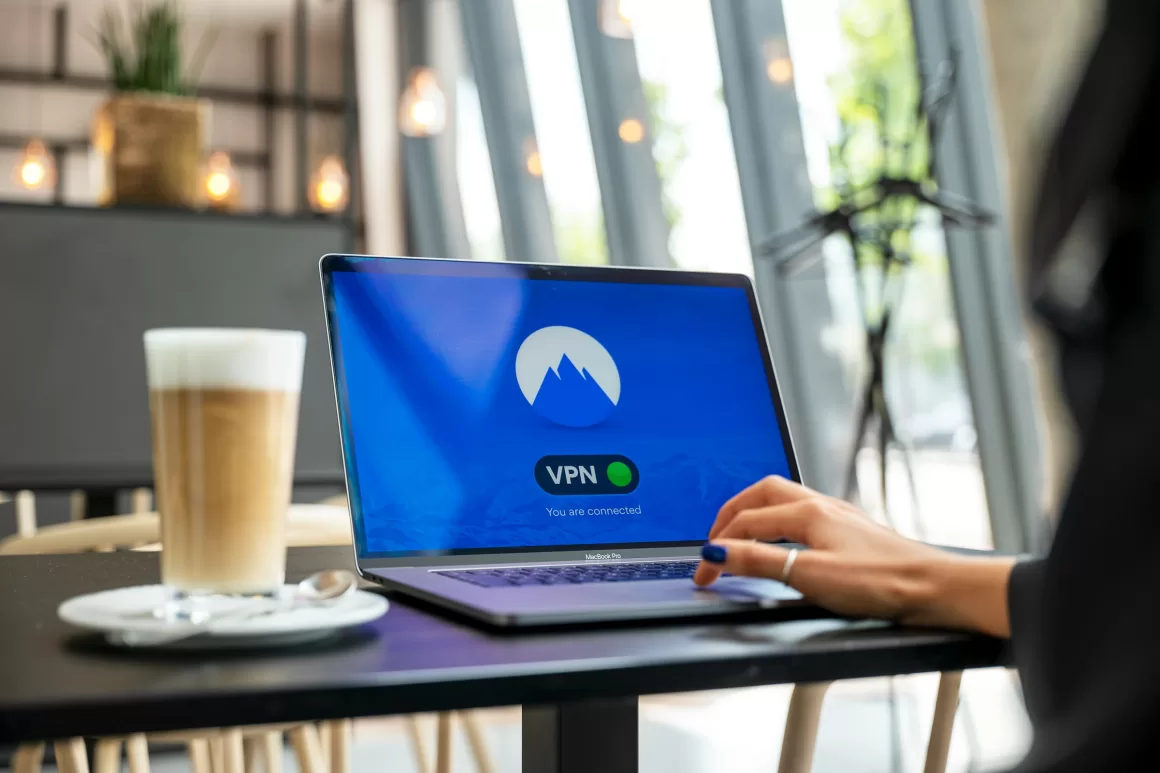
Financially, going solo means higher stakes: no one else to spot a scam, split costs, or front money during a disruption like a stolen wallet or card block. That’s why experienced travelers prioritize destinations with reliable banking (widespread card acceptance, easy ATMs, low fraud rates), and they pack redundancies: multiple cards, some local cash hidden separately, and apps like digital wallets for contactless, low-risk payments. Comprehensive travel insurance acts as a safety net, often including help with lost cards or emergency funds.
In short, digital and financial risks can be avoided (or at least minimized) with some clever preparation that lets a traveler stay independent without constant worry.
Healthcare, insurance, and evacuation realities
Healthcare planning is one of the most overlooked aspects of solo travel until it becomes urgent. What separates a minor scare from a major disruption is proactive research: scouting private clinics or hospitals in advance (especially in major cities where quality and English-speaking staff are more reliable), confirming 24/7 access, understanding payment processes (many facilities require upfront cash or card payment, even with insurance), and knowing local emergency numbers (like 112 in Europe or 911 equivalents elsewhere). Apps from organizations like the CDC or JNTO, plus embassy lists of vetted providers, make this easier than ever.
Insurance requirements are also evolving. More countries now require proof of health or accident coverage at entry, and enforcement has become stricter. Coverage limits, exclusions, and emergency evacuation terms matter more on longer stays, especially outside major cities.
Evacuation is rarely discussed, but it’s part of responsible planning. Solo travelers pay attention to proximity to major airports, quality of regional hospitals, and how quickly care can escalate if needed. When systems are transparent (reliable hospitals, clear insurance terms, and quick-response networks) healthcare shifts from intimidating to just another managed aspect of independence.
Lifestyle Tradeoffs Solo Travelers Should Anticipate
Loneliness versus autonomy
The push-pull between profound autonomy and the occasional wave of loneliness is a dynamic that defines the experience of solo traveling for many.
On the autonomy side, solo travel delivers a level of freedom that’s hard to match anywhere else: days are entirely free of negotiations over itineraries, meal times, or energy levels. Decisions happen in seconds: hop on that spontaneous train, linger in a museum until closing, or pivot to a beach day when you feel like it. For folks coming from years of structured jobs, family obligations, or group dynamics, this independence can feel deeply liberating. Recent trends show this is a huge draw: surveys indicate that 64% of solo travelers cite “freedom and spontaneity” as their top motivation, with many describing it as a path to self-trust and true personal growth. It’s no wonder the global solo travel market is booming toward $1 trillion by 2030. People crave that “I get to do exactly what I want” feeling more than ever.
At the same time, the flip side is real: without built-in companions, social connection stops being automatic. Chit-chat over shared meals or inside jokes vanishes, and some days (especially during transitions, jet lag, or in culturally distant spots) can feel isolating. Loneliness isn’t inevitable, but it’s common enough: 44% of solo travelers experience loneliness at some point during their trips, and 38% of potential solo travelers cite loneliness as a major fear (often phrased as a barrier for first-timers).
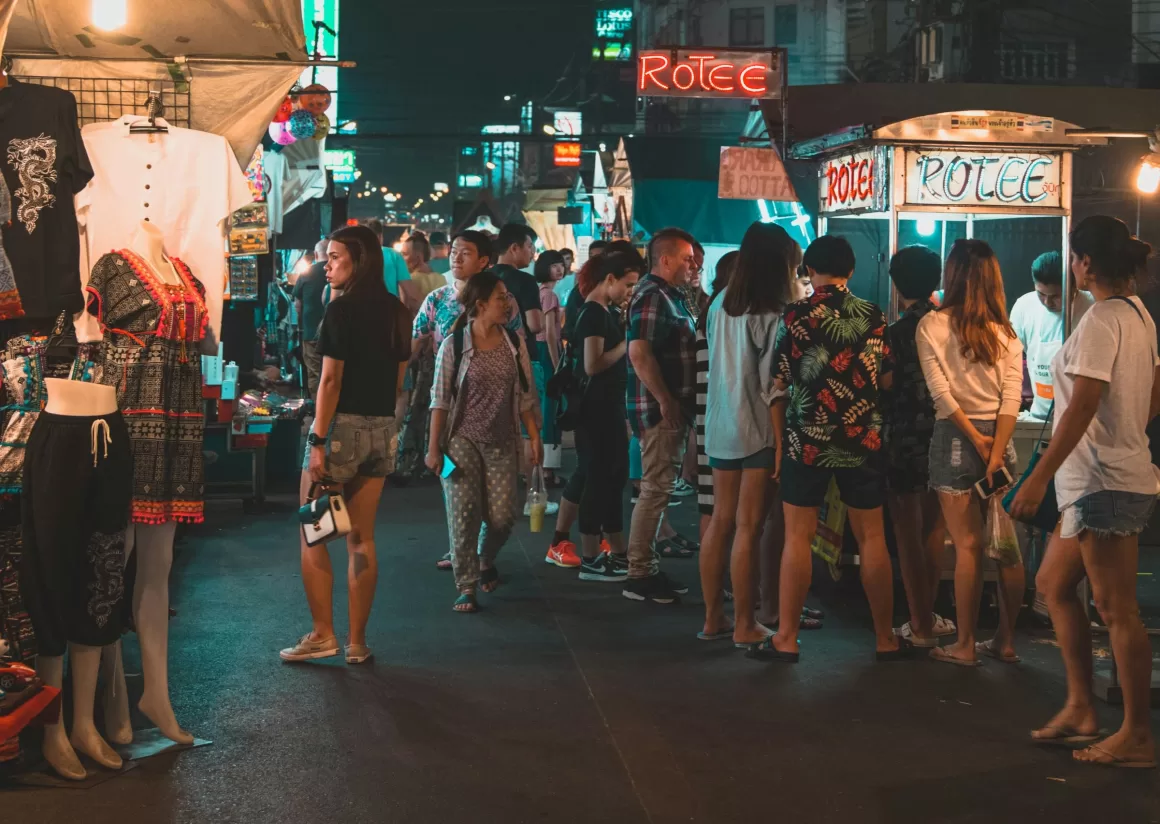
The travelers who thrive don’t try to eliminate solitude. They embrace it while gently curating “just enough” social texture to keep things balanced. They choose environments where casual interactions flow naturally: coworking spaces in hubs like Chiang Mai or Lisbon (where digital nomads mingle over coffee without pressure), neighborhood cafés with regulars and communal tables (cozy spots in Tbilisi or Porto for people-watching and easy chats), vibrant markets or street food scenes (where solo dining is the norm and conversations spark over shared plates), or low-key group activities like free walking tours, cooking classes, or hostel events. These are light, optional entry points that let independence stay intact while softening the edges of lonelier days.
In the end, this tradeoff is what can make going at it alone so transformative: autonomy builds resilience and self-reliance, while intentional moments of connection remind solo travelers they are part of something bigger. It’s rarely all freedom or all loneliness. It’s both, in doses each person has to learn to calibrate. And for most who embrace it, that balance becomes one of the most rewarding parts of the journey.
Short-term freedom versus long-term planning
In the short term, solo travel shines with unmatched flexibility: routes can pivot on a whim (that unexpected festival in a nearby town? Jump on it), stays extend or shorten without group consensus, and you follow curiosity, budget dips, or sudden opportunities. This spontaneity is a huge draw.
But over longer periods the same flexibility introduces practical hurdles that demand structure. Visa limits loom large (e.g., the classic 90/180-day Schengen rule in Europe, or 30–90-day tourist windows elsewhere), pushing travelers to track days carefully to avoid overstays, fines, or re-entry bans. Accommodation availability shifts too. Short-term hotels work for weeks, but months call for monthly rentals, co-living spaces, or Airbnb discounts to keep costs down. Healthcare access and insurance become critical (especially with stricter entry requirements like proof of coverage in places such as Georgia or Schengen countries), while budgeting for sustained expenses, potential tax implications from extended stays, and emergency buffers grows essential.
Experienced long-term solo travelers manage this by blending spontaneity with a little light structure: they leave buffers for changes (by booking refundable or flexible options), research visa/digital nomad pathways early, and prioritize bases with good infrastructure (reliable Wi-Fi, coworking, and healthcare) while keeping room for side trips.
Many report that this hybrid approach turns potential stress into freedom. In 2026, with the solo market booming toward $1 trillion by 2030 and more people embracing extended independent travel, mastering this balance is what separates short bursts of joy from the possibility of transformative, longer journeys.
When travel turns into relocation
One of the most transformative moments in solo travel is when a trip morphs into something that feels a lot like relocation. What starts as “just a few more weeks” turns into familiar routes, the same favorite café becoming a default morning spot, local errands (grocery runs, laundry, pharmacy visits) feeling completely normal, and even the small frustrations of the city starting to feel like a normal background. Suddenly the experience stops being about “exploring” and starts resembling temporary living.
This transition brings a new set of questions. Some destinations that dazzled for a month begin to show their limits once routine kicks in: inconsistent internet, high long-term rental prices, or a social scene that stays surface-level. Others, though, grow more comfortable and appealing the longer the stay: healthcare feels reliable, the neighborhood has the perfect vibe, and friendships start to build at the market or coworking space. The focus shifts from “where next?” to “does this feel sustainable here?”. And just like that, housing quality, healthcare access, cost of living, visa options, and social texture begin to matter far more than the next big landmark.
For many solo travelers, extended travel becomes a low risk testing ground for life abroad. Living alone in a new country reveals a lot about resilience, preferences, and what one needs to feel grounded. It’s often not a dramatic decision but a gradual realization. The rise of digital nomad visas (now offered by over 66 countries in 2026) makes it easier than ever to extend the experiment legally.
Not everyone wants to become a resident, of course. Many cherish the freedom to keep moving. But for those who do, the transition from “traveler” to “temporary local” is one of the most rewarding discoveries solo travel offers. And when that realization arrives, it often feels like the most natural next step.
Read More Like This: The Power of Solo Travel
From Solo Travel to a “Plan B”
Using travel as a testing ground for residency
For many solo travelers, extended travel becomes somewhat of a due diligence process. Short vacations show the highlights: the food, the views, the energy. But living alone in a place for weeks or months reveals the more subtle truths that short trips don’t really get to touch: how systems hold up when something goes wrong, how bureaucracy feels on a regular weekday, how easy (or hard) it is to settle into routines without a built-in support network.
Solo travel accelerates this learning curve because there’s no buffer. Traveling alone means handling housing searches, healthcare appointments, transport glitches, and daily logistics entirely on your own. This is often the moment when travelers start paying attention to details they once ignored: visa durations and renewal rules, healthcare access beyond emergency rooms, long-term rental norms (and hidden fees), tax residency thresholds. None of this requires immediate commitment, it’s just observation. Solo travel creates a unique space to gather real, lived information without pressure to decide right away.
Many who go through this process describe it as surprisingly organic: you’re not “planning to move” at first; you’re just staying a little longer, then a little longer still, and suddenly you’re researching visa extensions or local bank accounts almost by accident. In the end, this shift from “traveler” to “potential resident” is one of the most profound gifts solo travel offers.
When destinations become fallback options
Not every city or country visited turns into a long-term goal. Some fade after a week or two, while others linger because daily life there felt better than usual. These tend to be the places where systems worked predictably (reliable ATMs, straightforward healthcare, easy transport), where being alone didn’t feel like a disadvantage (solo dining was normal, cafés welcomed lingerers), and where stress was kept mostly at bay. You slept well, errands felt routine, and small disruptions resolved without drama. Over time, those impressions build into something solid, a mental note that “if needed, I could come back here and be okay.”
Fallback options become clearer through repetition: returning to the same city for a second or third time, noticing how much easier each visit feels, or simply how extending a stay felt possible and not stressful. A place where healthcare was quick and affordable, visas were flexible enough to renew, or the social vibe allowed for independence without isolation. These are gradual consolidations of small truths: “I handled a minor illness here,” “I built a routine without feeling lost,” “I know how to navigate the bureaucracy now.”
This means a shift from constant movement to something more introspective: mapping personal viability, gathering data on where you could thrive (or at least survive) if circumstances changed, forced by the loss of a job, changing family needs, or other life curveballs. The result isn’t always relocation; often, it’s simply the confidence of knowing there are options. That knowledge reduces fear of the unknown, adds resilience to life back home, and transforms travel from pure adventure into subtle preparation, all without forcing a concrete plan. In a world that can, at times, feel deeply uncertain, that kind of security is invaluable.
Key Takeaways
Q1. Is solo travel safe in 2026?
Safety depends more on context than headlines. Crime statistics offer a starting point, but day-to-day signals matter more. Active streets, reliable transport, predictable routines, and access to healthcare shape how safe a place feels over time. Solo travelers tend to rely on familiarity and pattern recognition, especially during longer stays.
Q2. Which destinations work best for first-time solo travelers?
Places with clear infrastructure, intuitive public transport, and visible everyday life tend to be easier to navigate alone. Countries where solo dining is normal, signage is clear, and services are used regularly by locals lower the learning curve quickly.
Q3. Is solo travel more expensive than traveling with others?
It can be, but it doesn’t have to be. Solo travelers carry the full cost of accommodation and logistics, which makes cost control and flexibility important. Destinations that support longer stays, predictable expenses, and adjustable daily spending often end up being more affordable over time.
Q4. How do solo travelers manage loneliness on longer trips?
Many travelers find that being alone sharpens awareness and encourages connection, but it still requires intention. Choosing environments with casual social contact such as cafés, coworking spaces, gyms, and markets helps balance independence without forcing interaction.
Q5. What should solo travelers think about beyond crime and personal safety?
Digital security, access to healthcare, insurance requirements, and financial exposure matter just as much. Phones now hold essential documents and banking access. Knowing where to go for medical care and how systems work before something goes wrong reduces stress significantly.
Q6. How long does solo travel usually last before it feels like living somewhere?
That shift often happens after a few weeks. Once routines form and logistics feel familiar, travel begins to resemble temporary living. This is when travelers start evaluating destinations differently, paying attention to housing quality, infrastructure, healthcare access, and daily comfort.
Q7. Can solo travel help with long-term relocation planning?
Yes. Extended solo travel provides real-world insight without commitment. Living alone abroad reveals how systems function, how bureaucracy feels, and how sustainable daily life is. Many travelers use this experience to identify fallback options, even if relocation isn’t an immediate goal.
Q8. Do solo travelers need special insurance in 2026?
Insurance requirements are becoming more common and more strictly enforced. Coverage limits, emergency care, and evacuation terms matter, especially for longer stays. Checking entry requirements and healthcare access in advance is now standard practice.
What Solo Travel Really Gives You
Traveling alone removes buffers. Over time, novelty fades and practical realities come into focus. Safety becomes about predictability, costs become about control, comfort becomes about consistency.
That added perception is the real value of traveling solo. It shows which destinations support independence and which ones wear you down. It reveals how healthcare works in practice, how convenient public transport is when you need it daily, how easy it is to settle into routines, and how resilient you feel navigating life abroad on your own. For many travelers, this knowledge doesn’t necessarily lead to relocation, but what it does is create options. Places where life can also feel great if circumstances shift. A firsthand experience of what living abroad can look like without guesswork.
If you’re using travel to think more clearly about how and where you want to live, subscribe to the our newsletter. You’ll get practical insight on international living, residency pathways, and long-term lifestyle planning based around how things actually work, not how they’re sold.
About the Author
Contact Author
"*" indicates required fields
Stay Ahead on Every Adventure!
Stay updated with the World News on Escape Artist. Get all the travel news, international destinations, expat living, moving abroad, Lifestyle Tips, and digital nomad opportunities. Your next journey starts here—don’t miss a moment! Subscribe Now !
Solo travel has been one of the steadiest, fastest-growing trends in recent years, and it really exploded after the pandemic. In a recent global travel trends report, solo travel is shown to be a major trend among young travelers, with 76% of Millennials and Gen-Z planning solo trips back in 2024, and likely many more nowadays. Solo trips are easier to plan and allow travelers to pursue their interests without group compromises. For deep relaxation, knowledge development, researching new interests, or meeting new people, solo trips can be hard to beat.
For many folks, they are not about escape or adventure alone, but about clarity. Traveling alone means there are no buffers. You quickly see how systems actually work (or don’t), how locals respond in real moments, and how safe a place truly feels once the initial novelty wears off. You notice the small things that matter day-to-day: reliable Wi-Fi for a quick work session, a pharmacy that’s open late, a neighborhood where walking alone at night feels calm
That is precisely why solo travel has become an informal testing ground for bigger decisions. Destinations that once served as temporary stops now function as previews of possible futures. A city’s vibe, healthcare reliability, and social ease matter more than attractions. Safety stops being just about crime statistics and becomes about how confidently you can handle daily life without anyone else to lean on.
If you'd like to read the full story, simply enter your email to subscribe to our newsletter.
For even more expert insights, unmissable resources, and exclusive invites, explore our premium subscription offers here.
OR
Already a Subscriber? Click here to login
Subscription required
You've reached your limit of free articles. For full access to Escape Artist, and all of our insights on travel, moving abroad, and the digital nomad life, click here to Subscribe.
Already a Subscriber? Log in here