
In recent years, there has been a surge of dissatisfied Londoners moving out of London for greener, calmer, and more affordable pastures. Although net migration numbers had been creeping upward for years, it seems the global pandemic in 2020 was the push many needed to reassess their lives and realize London was no longer serving their needs or interests.
During the height of the pandemic, almost half a million people relocated to other parts of the UK, and although those numbers are finally slowing, they remain higher than pre-pandemic levels. The question is: where did they go, and why? London, after all, is the Great British capital — the place where dreams of a modern, opportunity-filled lifestyle are supposed to come true, right? Let’s explore what’s causing the shift in mentality and where people’s priorities are taking them. If you’re thinking about moving out of London too, this might offer clarity on your next move.
For those considering a move to London, our Escape Artist’s Ultimate Guide to Moving to Europe provides a comprehensive roadmap for building a real life across the Atlantic.
Why Are More Londoners Moving out of London?
Unaffordable Housing for First-Time Buyers
Right now, the London housing market is pushing people out as average incomes fail to keep up with average house prices. According to the UK House Price Index, the average price of a typical three-bedroom terraced family home is around £634,000, while a semi-detached home costs roughly £710,000. To secure a mortgage, first-time buyers would need to earn over £120,000—far above most salaries. Not only is the gap between average income and average house prices widening, but so is the deposit gap. Londoners are being forced to put down increasingly large deposits because mortgage lenders won’t bridge the difference, and for many, it’s simply not feasible.
A Balanced Lifestyle
Although London is all about the grind, Londoners are learning to relax and unwind. After what feels like a mass millennial burnout, younger generations are placing greater emphasis on mental health and wellbeing. People are searching for balance, choosing places that offer easier access to nature, slower routines, and more affordable wellness options. We’re swapping rush hour on the Underground for morning countryside walks, a rigid five-day office week for more dynamic work arrangements, and overpriced nights out for early gym classes. While London offers all of these things, they’re far more accessible and affordable in smaller, quieter areas.
Whether you’re seeking early retirement or a lifestyle change, A Modern Blueprint for Retiring Abroad explores how global living is reshaping the next chapter of life.
Read more like this: Is London Unaffordable or Reassuringly Expensive?
Nobody Likes an Office
During the pandemic, many companies realized their employees could work remotely, saving time and money. While some returned to traditional office setups once restrictions were lifted, hybrid and remote arrangements have become the new normal. As a result, many workers are no longer tied to London and can move somewhere with more reasonable house prices and better lifestyle prospects. Since no one wants to battle rush hour traffic just to sit at the same desk every day, many remote workers have seized the opportunity to relocate.

Where Are Ex-Londoners Moving?
The Commuter Belt
Many ex-Londoners aren’t willing to pay London prices, but they aren’t ready to give up on London entirely either. With more affordable housing and direct links to the capital, the commuter belt, the area surrounding Greater London, allows them to enjoy the best of both worlds.
Below are some of the most popular commuter-belt destinations and why they’re in demand:
Maidenhead, Berkshire
Why move: More affordable housing, a balanced lifestyle, and direct London links
Since the Elizabeth Line opened in 2022, Maidenhead has benefited from a direct 45-minute journey to central London. The town’s appeal goes beyond transport: recently regenerated districts like The Landing, Waterside Quarter, and Nicholsons Quarter offer boutique shops, cafés, and restaurants. With easy access to countryside and riverside living, Maidenhead strikes a balance that appeals to young, mid- to high-income families.
Average property prices: Semi-detached ~£559,416; Terraced ~£474,563
St Albans, Hertfordshire
Why move: An upmarket city with superb transport links
St Albans is an affluent, medieval city near the M1 and M25, with fast access to King’s Cross and St Pancras via the Northern Line, plus proximity to Luton Airport and Watford Junction. Although its desirable location means higher prices, the excellent schools, community spirit, and abundant green space make it worthwhile. The historic high street is charming, with listed buildings, cafés, and plenty of pubs and events.
Average property prices: Semi-detached ~£759,000; Terraced ~£570,000
Reading, Berkshire
Why move: A well-connected commuter town with plenty of entertainment
Reading has grown increasingly popular thanks to its expanding tech hub and Elizabeth Line access. It may not be the prettiest town, but that’s part of why it’s more affordable. It offers theatres, comedy shows, cultural events, and plenty of green space — plus close proximity to the North Wessex Downs.
Average property prices: Semi-detached ~£436,000; Terraced ~£347,000
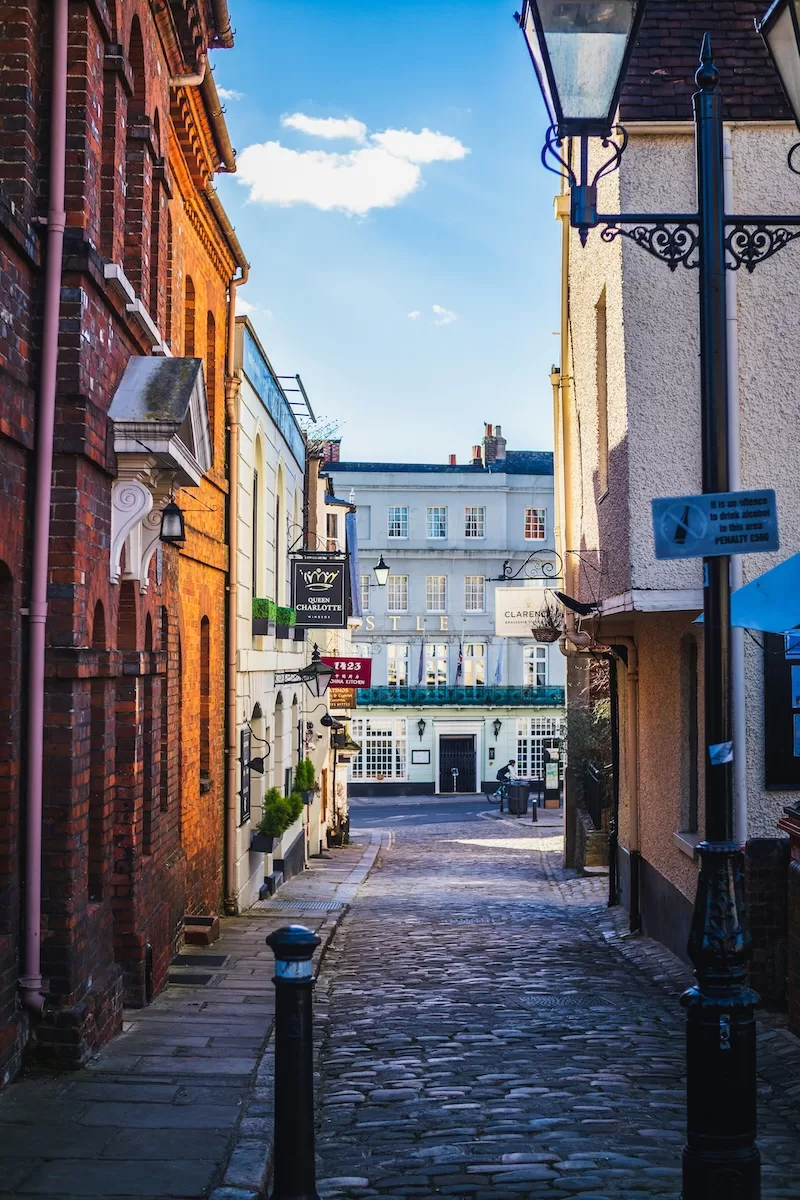
Epsom and Ewell, Surrey
Why move: A community-focused district prioritizing wellbeing
Epsom and Ewell has become one of the top choices for London buyers since 2024, though the influx has pushed prices up and made the area more accessible to affluent households. Still, residents enjoy strong connectivity, excellent amenities, plentiful green space, and long-term livability under the “Future 40” plan.
Average property prices: Semi-detached ~£625,000; Terraced ~£473,000
Flocking to the Coast
From Torquay to Whitby, Brits have been reviving coastal towns in search of an outdoorsy, more balanced lifestyle. For Londoners, the top choices are mostly in southern England, where culture and climate feel familiar.
Read morel like this: Top 10 Things to Know If You’re Moving to England
Margate, Kent
Why move: An affordable, up-and-coming creative hub
Nicknamed “Shoreditch-on-Sea,” Margate has undergone a cultural renaissance, attracting artists and young professionals. With the Turner Contemporary and the revived Dreamland amusement park, Margate now blends creativity, coastal charm, and relative affordability.
Average property prices: Semi-detached ~£320,000; Terraced ~£253,000
Exeter, Devon
Why move: A safe, well-rounded city in an enviable location
Exeter is increasingly popular thanks to its strong economy, good transport links, respected universities, and access to the Jurassic Coast, Dartmoor, and picturesque seaside towns.
Average property prices: Semi-detached ~£361,000; Terraced ~£293,000
Brighton, East Sussex
Why move: A creative, inclusive coastal hub
Brighton offers vibrant arts, music, and LGBTQ+ communities. It’s a favorite for mid- to high-earners who want coastal living without losing urban culture. The direct one-hour train to London adds to its appeal, though its rising prices may soon limit accessibility.
Average property prices: Semi-detached ~£568,000; Terraced ~£493,000
Escape to the Country
Many Londoners eventually crave what the capital simply can’t offer: space, calm, and fresh air. Rather than choosing commuter towns, they move deep into the countryside — with Cornwall, Wiltshire, and Oxfordshire topping the list.
For those seeking even more affordable options beyond the UK, explore Discovering Affordable Paradises: The Top 8 Countries for Easy Immigration and Low Cost of Living.
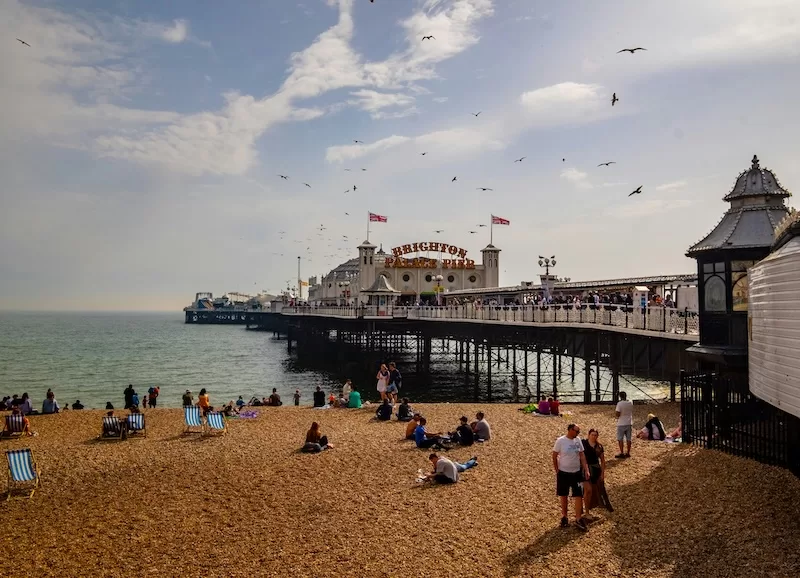
Cornwall
Why move: A quiet, remote outdoors haven
Cornwall’s remoteness is a major draw for those disillusioned with city life. Its 422-mile coastline supports surfing, hiking, wild swimming, and paddleboarding, attracting remote workers seeking space and adventure.
Average property prices: Semi-detached ~£291,000; Terraced ~£238,000
Read more like this: Life in Cornwall
Wiltshire
Why move: A quintessential rural setting with strong city connections
As buyers are priced out of London, Bath, and Bristol, Wiltshire has become an affordable alternative. North Wessex Downs and nearby towns like Frome and Bradford-on-Avon offer idyllic rural living.
Average property prices: Semi-detached ~£332,000; Terraced ~£267,000
South Oxfordshire
Why move: Picturesque living with excellent transport links
The Didcot and South Oxfordshire area has seen a dramatic 90% increase in ex-London arrivals. With quick connections to Paddington and Marylebone, plus pretty towns like Henley-on-Thames, Goring, and Thame, it remains one of the most desirable post-London moves.
Average property prices: Semi-detached ~£461,000; Terraced ~£375,000

How Ex-Londoners Are Breathing New Life into Forgotten Places
Although ex-Londoners have spread across a range of destinations, several themes stand out. Most are staying in southern England, where the lifestyle feels familiar. Access to nature is a priority — the more picturesque, the better, and proximity to London or another major city remains essential. People aren’t saying goodbye; they’re simply choosing places where life feels more balanced after moving out of London
Some of the most surprising beneficiaries have been once-overlooked towns like Margate, Reading, and Maidenhead, which have reemerged thanks to regeneration and improved transport links. As prices rise again, the question remains: where will Londoners moving out of London go next in their search for a more affordable, fulfilling life?
Similar to the London migration trend, The New Path for American Expats explores how people are finding new cities that better align with their lifestyle goals.
Key Takeaways
Is it worth moving out of London?
Whether moving out of London is worth it depends on your priorities and lifestyle goals. For many Londoners, the answer is a resounding yes. The capital offers career opportunities and urban energy, but it comes at a significant cost, both financially and in terms of quality of life. By relocating to commuter towns, coastal areas, or the countryside, you can access more affordable housing, better work-life balance, easier access to nature, and stronger community connections. The pandemic accelerated this trend, with nearly half a million people relocating to other parts of the UK. If affordability, space, mental health, and a slower pace of life are important to you, moving out of London could be one of the best decisions you make.
What are the best affordable towns to move to from London?
The best affordable towns near London depend on your priorities, but several stand out for their combination of affordability, connectivity, and lifestyle appeal. In the commuter belt, Maidenhead (Berkshire), Reading (Berkshire), and Epsom and Ewell (Surrey) offer direct transport links to London while providing significantly lower property prices. For those seeking coastal living, Margate (Kent) and Brighton (East Sussex) blend affordability with vibrant communities and cultural attractions. If you prefer rural living, South Oxfordshire, Wiltshire, and Cornwall offer picturesque settings with good transport connections or remote work flexibility. Property prices range from around £238,000 for terraced homes in Cornwall to £759,000 for semi-detached homes in St Albans, depending on location and amenities.
Can I still work in London if I move out?
Yes, absolutely. Many ex-Londoners maintain their London jobs while living elsewhere, thanks to improved transport links and flexible working arrangements. The Elizabeth Line, which opened in 2022, has been transformative for commuter towns like Maidenhead, offering a direct 45-minute journey to central London. Additionally, the shift toward hybrid and remote work, accelerated by the pandemic, means many workers are no longer required to commute daily. This flexibility has been a major driver of the London exodus, allowing people to enjoy lower living costs and better quality of life while maintaining their London salaries. Even for those who do commute, the time saved and money gained through lower housing costs often make the trade-off worthwhile.
How much does it cost to move out of London?
The cost of moving out of London varies significantly depending on your destination and circumstances. Property prices for a typical three-bedroom terraced home range from approximately £238,000 in Cornwall to £759,000 in St Albans. Moving costs themselves, including removal services, deposits, and setup, typically range from £1,000 to £5,000, depending on the distance and amount of belongings. However, the real savings come from lower ongoing living costs: housing is significantly cheaper, council tax is lower, and everyday expenses like groceries, dining out, and entertainment are more affordable. Many ex-Londoners report saving 20-40% on their overall cost of living after relocating, which quickly offsets initial moving expenses and makes the transition financially worthwhile.
Why are so many people leaving London?
The mass migration out of London is driven by several interconnected factors. First and foremost is affordability: London’s housing market has become increasingly unaffordable, with average house prices around £634,000 for terraced homes, requiring incomes over £120,000 to secure a mortgage, far above most salaries. Second, there’s a growing emphasis on work-life balance and mental health, particularly among younger generations experiencing burnout from the fast-paced London lifestyle. Third, the pandemic fundamentally changed work arrangements, with many companies adopting hybrid and remote models, freeing workers from geographic constraints. Fourth, improved transport links, particularly the Elizabeth Line, have made commuter towns more accessible. Finally, people are increasingly prioritizing access to nature, community, slower routines, and affordable wellness options, all of which are more readily available outside London. Together, these factors have created a perfect storm for London exodus, with migration numbers remaining higher than pre-pandemic levels.
Read more like this: Summer in London
About the Author
Emily Draper is an experienced travel and lifestyle writer and editor from the UK who has written for brands including Culture Trip, Hidden Compass, and tourism boards in Greenland, Luxembourg, and Copenhagen. She has travelled to over 70 countries across all seven continents, now calling Morocco her home.
Contact Author
"*" indicates required fields
Stay Ahead on Every Adventure!
Stay updated with the World News on Escape Artist. Get all the travel news, international destinations, expat living, moving abroad, Lifestyle Tips, and digital nomad opportunities. Your next journey starts here—don’t miss a moment! Subscribe Now!