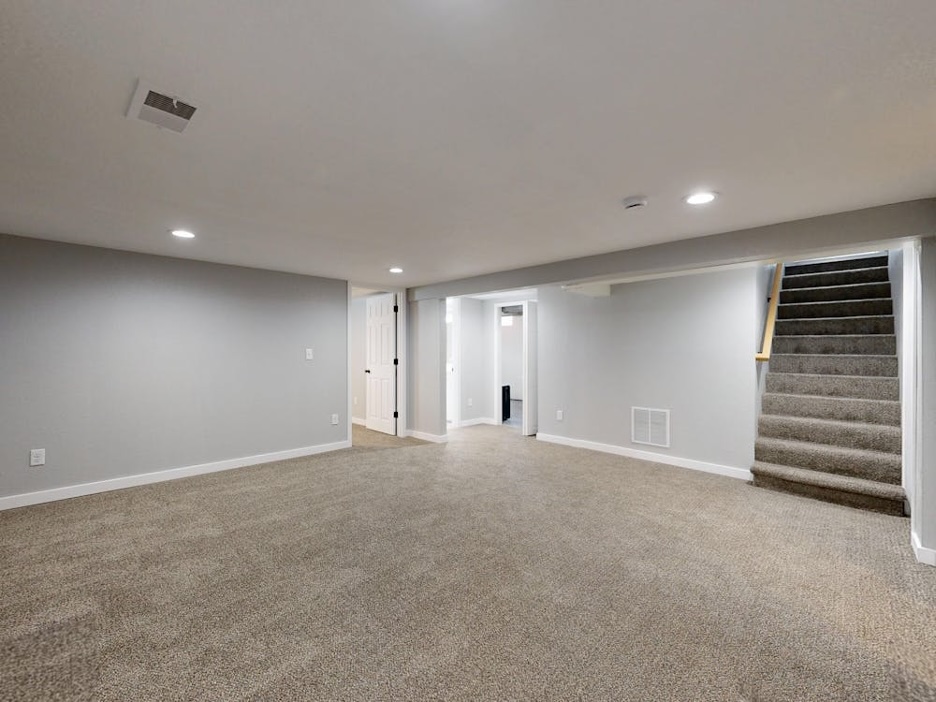
A basement remodel offers homeowners a practical way to expand usable living space without building an addition. Instead of letting this area remain underutilized, many homeowners are transforming basements into functional spaces that support modern lifestyles. In regions like Grand Rapids, where seasonal weather keeps people indoors for extended periods, having a comfortable, finished lower level can significantly improve daily life. It also adds measurable value to a property, making it a smart long-term investment.
However, a successful basement renovation requires more than design ideas. Homeowners need to think strategically about structure, moisture control, and compliance before any finishing work begins. Careful planning helps prevent costly repairs and ensures the space remains durable over time. Understanding these early steps lays the groundwork for a remodel that performs well and meets both lifestyle and resale goals.
Assessment and Moisture Control: Preparing the Foundation for Success
Before starting any remodeling work, homeowners must evaluate the current condition of their basement. This process begins with a close inspection of the foundation, as even small cracks or leaks can indicate deeper structural concerns. What may appear minor at first can quickly escalate if moisture spreads. As a result, ignoring these early warning signs often leads to mold growth and long-term damage.
Changing weather conditions can accelerate moisture buildup, making early assessment essential rather than optional. In places like Grand Rapids basement finishing requires careful moisture control, proper insulation, and materials designed to withstand the region’s seasonal humidity and temperature fluctuations. Addressing these requirements early helps create a reliable foundation for the entire project. It also ensures that potential issues are identified in advance, which is why working with professionals at this stage can make a meaningful difference.
Layout and Zoning: Defining the Purpose of Your Space
Once the basement is structurally ready, the next step is to define how the space will be used. Homeowners should identify their primary goals, whether that involves creating a guest suite, home office, or entertainment area. A clear purpose helps guide design decisions and ensures the finished space meets practical needs. Planning with intention also helps avoid wasted square footage or awkward layouts.
Effective zoning plays a key role in maximizing functionality. Dividing the basement into distinct areas improves organization and usability. For example, a family room can be separated from a workspace to reduce distractions. Traffic flow should remain smooth, with easy access to stairs and exits. By thinking through layout details early, homeowners can create a cohesive and adaptable space that evolves with changing needs.
Permitting and Building Codes: Navigating Legal Requirements
Basement remodeling projects must comply with local building codes to ensure safety and legality. Homeowners should research requirements related to ceiling height, electrical systems, and fire safety before starting construction. One of the most important considerations is installing proper egress windows or exits, especially if the basement includes a bedroom. These features are essential for emergency escape and are strictly enforced in most municipalities.
Contractors understand local regulations and can ensure that all work meets required standards. Electrical wiring, plumbing, and structural changes must be completed in accordance with code to pass inspections. Taking the time to secure permits and follow guidelines protects both the homeowner and the property’s long-term value.
Material Selection: Choosing Products That Last
Basements require materials that can handle moisture, temperature shifts, and limited airflow. Standard drywall, carpet, and untreated wood often fail in these conditions because they absorb moisture and degrade over time. Choosing the right materials from the start helps prevent costly repairs and extends the life of the remodel.
Homeowners should consider moisture-resistant drywall, vinyl or tile flooring, and insulated wall systems designed for below-grade spaces. These options resist mold and maintain their integrity in humid conditions. Durable finishes not only improve longevity but also reduce maintenance, making the basement a more practical and reliable living area.
Lighting and Ventilation: Creating a Comfortable Environment
Lighting plays a major role in making a basement feel inviting and functional. Since natural light is often limited, homeowners should use a combination of recessed lighting, wall fixtures, and task lighting to brighten the space. Layered lighting creates depth and ensures that each area serves its intended purpose effectively.
Ventilation is equally important for maintaining air quality. Without proper airflow, basements can feel damp and uncomfortable. Installing dehumidifiers, extending HVAC systems, and adding air returns help regulate temperature and moisture levels. These improvements create a healthier environment and make the space suitable for everyday use.

Budgeting and Timeline: Planning for a Realistic Investment
A basement remodel requires a well-defined budget that accounts for both expected and unexpected costs. Homeowners should include expenses for materials, labor, permits, and inspections to avoid financial surprises later. Since basement projects often involve structural and moisture-related work, setting aside a contingency fund is essential. Thinking of the remodel as a long-term investment also helps guide smarter spending decisions.
Beyond initial costs, homeowners should also consider the potential return on investment. Features such as additional bedrooms, bathrooms, or flexible living areas tend to deliver stronger resale benefits. Establishing a clear timeline further supports this investment approach by keeping the project organized and efficient. Each phase, from planning and approvals to construction and finishing, requires coordination and realistic expectations.
Storage and Utility Integration: Balancing Function and Practicality
Even with a focus on living space, basements often need to accommodate essential utilities. Water heaters, furnaces, and electrical panels should remain accessible while blending into the overall design. Planning around these elements early prevents layout disruptions later in the project.
Incorporating smart storage solutions helps maintain organization without sacrificing style. Built-in shelving, closets, and multi-purpose furniture can maximize available space. Thoughtful design ensures that the basement remains both functional and visually appealing, supporting everyday needs without clutter.
Turning Your Basement Into a Long-Term Asset
A successful basement remodel depends on careful planning at every stage. From selecting durable materials to ensuring proper lighting and ventilation, each decision contributes to the space’s overall performance. Attention to budgeting and layout further strengthens the outcome, helping homeowners avoid common pitfalls.
When done correctly, a finished basement becomes more than extra square footage. It adds meaningful functionality to the home while increasing property value. With the right approach, homeowners can transform an underused area into a reliable and versatile part of their living environment.
Contact Author
"*" indicates required fields
Stay Ahead on Every Adventure!
Stay updated with the World News on Escape Artist. Get all the travel news, international destinations, expat living, moving abroad, Lifestyle Tips, and digital nomad opportunities. Your next journey starts here—don’t miss a moment! Subscribe Now !
A basement remodel offers homeowners a practical way to expand usable living space without building an addition. Instead of letting this area remain underutilized, many homeowners are transforming basements into functional spaces that support modern lifestyles. In regions like Grand Rapids, where seasonal weather keeps people indoors for extended periods, having a comfortable, finished lower level can significantly improve daily life. It also adds measurable value to a property, making it a smart long-term investment.
However, a successful basement renovation requires more than design ideas. Homeowners need to think strategically about structure, moisture control, and compliance before any finishing work begins. Careful planning helps prevent costly repairs and ensures the space remains durable over time. Understanding these early steps lays the groundwork for a remodel that performs well and meets both lifestyle and resale goals.
Assessment and Moisture Control: Preparing the Foundation for Success
If you'd like to read the full story, simply enter your email to subscribe to our newsletter.
For even more expert insights, unmissable resources, and exclusive invites, explore our premium subscription offers here.
OR
Already a Subscriber? Click here to login
Subscription required
You've reached your limit of free articles. For full access to Escape Artist, and all of our insights on travel, moving abroad, and the digital nomad life, click here to Subscribe.
Already a Subscriber? Log in here