
The hard part is rarely finding extra space. The hard part is making sure the space actually reduces friction instead of creating another delay, another oversight, or another reporting headache. For households, small businesses, and property teams alike, storage sits at the intersection of real estate and finance: a physical asset with monthly costs, operational coverage, and a real effect on cash flow.
That is why the best decisions are usually not about the cheapest unit or the biggest footprint. They are about execution. Can items be accessed without downtime? Can records be kept clean enough to avoid drift? Can the person who needs the space today still trust the handoff three months from now? When those details hold, storage becomes a control point rather than a burden.
In practice, that means thinking beyond square footage. A storage decision affects how fast a move can happen, how much labor gets tied up, and whether assets remain usable when needed. Those are financial questions as much as logistical ones, which is why a practical approach has to account for both the physical setup and the way people will actually use it.
When Space Choices Hit the Balance Sheet
Storage often looks like a small line item until it starts affecting move timing, inventory handling, and tenant turnover. In real estate, that can mean a slower lease-up or a messier transition between occupants. In finance, it can mean carrying unnecessary overhead because assets are sitting in the wrong place or getting moved twice.
The operational side matters just as much. A clean facility with strong reporting reduces blind spots. A weak setup creates escalation problems: missing items, late access, duplicate charges, or staff spending time chasing simple answers. Those are not abstract issues. They show up in labor, customer satisfaction, and avoidable downtime.
There is also a risk-management angle that is easy to miss. When items are stored without a clear plan, they are more likely to be damaged, misplaced, or forgotten. That can lead to replacement costs, insurance complications, or delays when someone finally needs the contents back. A better storage decision protects not just the items themselves, but the financial plan built around them.
For business users, the effect can be even wider. Inventory tied up in the wrong place can slow fulfillment. Records that are hard to retrieve can complicate compliance. Equipment that is not accessible when needed can interrupt revenue. The monthly rent may look modest, but the real cost comes from lost speed and lost control.
What to Check Before You Commit
A useful storage decision starts with the actual use case, not with wishful thinking. Different needs call for different levels of coverage, climate control, access hours, and oversight.
It also helps to compare the space against the value of what is being stored. If the contents are easy to replace, the decision may lean toward simplicity and convenience. If the contents are expensive, sensitive, or tied to operations, the standard should be higher. The goal is to match protection and access with the real financial exposure.
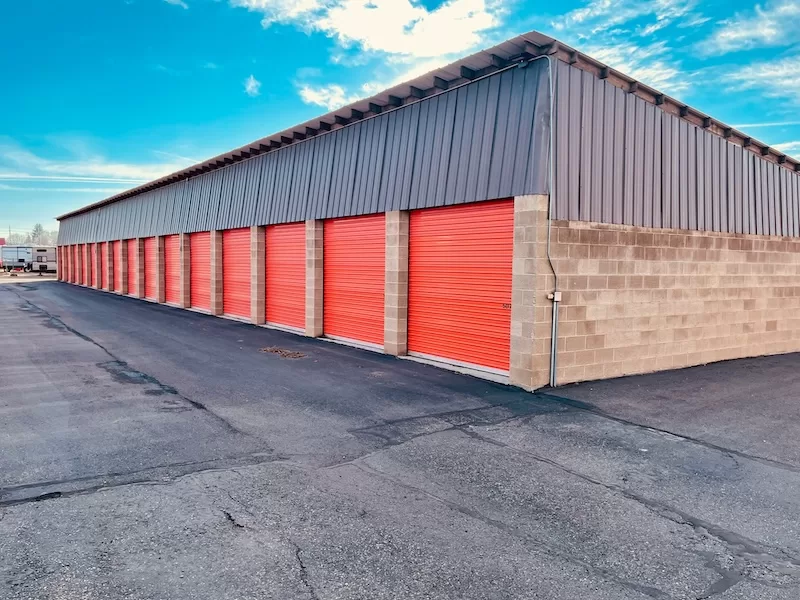
Match the space to the job:
If the items are seasonal household goods, the requirements are simple. If they are business records, retail inventory, or equipment tied to revenue, the tolerance for downtime drops fast. That is where climate control, drive-up access, or vehicle storage can be more than convenience features; they can be risk controls.
A practical fit means asking what would actually happen if access were delayed by a day. Would the business stall? Would a move-in schedule slip? Would the cost of a second trip outweigh the monthly savings? Those questions are tedious, but they keep people from overbuying or underestimating the operational load.
It is also worth considering the physical characteristics of the items. Heat, humidity, dust, and repeated handling all create wear that can be expensive later. Paper records, upholstered furniture, electronics, and tools all age differently in storage, so the environment should reflect the most sensitive item in the mix, not the least important one.
Look for oversight that reduces drift:
Storage works best when the process is easy to repeat. Clear move-in instructions, clean billing, and predictable reporting reduce the chance that staff or customers improvise their own workarounds. The issue is not perfection. The issue is whether the system stays stable after the first month.
Good oversight shows up in ordinary moments: a quick handoff, a clean escalation path, and a manager who can answer directly instead of passing the question along. That kind of coverage may not sound glamorous, but it keeps small problems from growing into account-level problems.
From a finance perspective, consistency matters because it lowers hidden costs. When people know where to go, what is allowed, and how charges are handled, there is less time lost to clarification and fewer billing disputes. That makes the arrangement easier to budget for and easier to defend when expenses are reviewed.

Do not buy on price alone:
The cheapest option can become the most expensive if it forces extra handling, longer travel, poor access, or higher loss risk. That is a common blind spot, especially when people are comparing monthly rates without pricing in labor or inconvenience.
- A lower rate does not help if access windows are too tight.
- A distant location can add fuel, time, and coordination costs.
- Weak security or poor maintenance can create expensive cleanup later.
A Simple Operating Playbook
The goal is not to build a perfect system. It is to make a choice that works on ordinary days, not just on the day you tour the place. In practice, this is where attention shifts toward Arcadia storage space that can handle real usage without friction.
A practical playbook keeps the decision tied to real usage. That means checking how often access is needed, who will be responsible, and whether the space supports the pace of the work or move. It also means treating the first month as a test period, not an afterthought.
- List what will be stored, how often it will be accessed, and who needs authority to retrieve it. That separates real requirements from guesswork.
- Compare total operating cost, not just rent. Include travel time, loading effort, access limits, and any risk tied to poor coverage or delayed access.
- Set a review point after the first month. Confirm billing, access, reporting, and condition of the contents. If anything is drifting, escalate early rather than waiting for the problem to compound.
Storage as a Financial Control, Not Just Extra Room
In both real estate and finance, the strongest systems are the ones that reduce surprises. Storage should do the same. It should preserve asset condition, make handoffs cleaner, and keep people from making rushed decisions under pressure. When that happens, the monthly fee becomes easier to justify because the space is actually supporting execution.
There is a trade-off, though. More control usually means more process: a little more documentation, a little more oversight, and sometimes a slightly higher monthly cost. That is not a flaw. It is the price of preventing drift. The mistake is thinking every dollar saved upfront is a win when the downstream handling is messy.
A better way to view storage is as part of the broader cost structure around an asset. If a property, business, or household transition benefits from smoother timing, lower damage risk, and clearer accountability, then storage is helping preserve value. That is especially true when multiple people touch the same items or when the contents must stay organized over time.
This perspective also encourages better decisions later. Once storage is treated as part of financial control, it becomes easier to set standards for labeling, access, and periodic review. Those small habits can prevent the kind of disorder that creates replacement expenses, missed deadlines, and avoidable stress.
The Best Fit Is the One That Holds Up Under Use
A storage decision should earn its keep through reliability, not promises. If the setup supports real work, keeps items protected, and gives you a clear line of accountability, it is doing its job.
For US readers balancing property costs, household transitions, or business operations, the right choice is usually the one that makes the next handoff easier. That is where the value shows up: fewer delays, fewer surprises, and less friction when the space is needed most.
Contact Author
"*" indicates required fields
Stay Ahead on Every Adventure!
Stay updated with the World News on Escape Artist. Get all the travel news, international destinations, expat living, moving abroad, Lifestyle Tips, and digital nomad opportunities. Your next journey starts here—don’t miss a moment! Subscribe Now !
The hard part is rarely finding extra space. The hard part is making sure the space actually reduces friction instead of creating another delay, another oversight, or another reporting headache. For households, small businesses, and property teams alike, storage sits at the intersection of real estate and finance: a physical asset with monthly costs, operational coverage, and a real effect on cash flow.
That is why the best decisions are usually not about the cheapest unit or the biggest footprint. They are about execution. Can items be accessed without downtime? Can records be kept clean enough to avoid drift? Can the person who needs the space today still trust the handoff three months from now? When those details hold, storage becomes a control point rather than a burden.
In practice, that means thinking beyond square footage. A storage decision affects how fast a move can happen, how much labor gets tied up, and whether assets remain usable when needed. Those are financial questions as much as logistical ones, which is why a practical approach has to account for both the physical setup and the way people will actually use it.
If you'd like to read the full story, simply enter your email to subscribe to our newsletter.
For even more expert insights, unmissable resources, and exclusive invites, explore our premium subscription offers here.
OR
Already a Subscriber? Click here to login
Subscription required
You've reached your limit of free articles. For full access to Escape Artist, and all of our insights on travel, moving abroad, and the digital nomad life, click here to Subscribe.
Already a Subscriber? Log in here