From Madison Avenue to Ecuador
In 1975, after graduating from the University of North Carolina at Chapel Hill, I moved to New York City. I knew no one, but I had a job at Federated Department Stores and a determination to make something of myself. Coming from a small North Carolina community that was little more than a tobacco patch and a gas station, moving to New York alone was quite a leap of faith.
My hometown was proud when the State of North Carolina erected a sign along Highway 421 celebrating its unlikely claim to fame: Spivey’s Corner, home of the National Hollerin’ Contest. Yours truly wrote the speech from which the name was born. Our goal was to attract visitors, and it worked. The contest grew over the years, drawing thousands of people to the community every first Saturday in June. It was even featured on Johnny Carson and PBS, alongside other wonderfully improbable stories.
That little piece of history seems fitting because moving from nowhere-ville to Madison Avenue, where I spent much of the next 35 years of my career, was no greater leap of faith than eventually building a home in Malacatos, Ecuador, using the voice of Google Translate. Both experiences required a certain willingness to embrace the unknown, although the latter came with considerably more surprises.
I’ve always been an adventurer, and some might call me a transformational artist. But packing up my husband, George, a Detroit-born motorhead with very little international travel experience, and moving to Ecuador during the pandemic in 2020 was an entirely different kind of adventure.
As a manager and shoe designer at Helene Arpels, and later as a custom dinnerware designer and director at Bernardaud New York, I had opportunities to travel throughout Europe. Over time, I learned to speak Italian and French through daily necessity. George had taken a different path, focusing on music and preferring to stay closer to home. He had visited Canada as a younger man, and we had spent six weeks together in Peru in 2018, but none of those experiences prepared us for what awaited us in Ecuador.
Why We Chose Ecuador
We didn’t exactly conduct exhaustive research before deciding to move. We chose Ecuador because a friend of George’s had recently settled there and said he liked it. Partly as a joke, I announced that I would sell our house. Then I did, and it sold in just 24 hours.
“It must be a sign,” our neighbors said. Others thought the pandemic and the general atmosphere of fear had clearly affected our judgment. Both explanations were probably true, but over a beer and almost overnight, we had decided to turn our entire existence upside down. We were going to pack up and move to Ecuador.
Childhood images of romantic journeys along the Pan-American Highway, endless bananas, orchids and hummingbirds had captured my imagination. Meanwhile, we were busy submitting fingerprints to US law enforcement agencies and assembling the paperwork required for our visa applications. The practicalities were rather less romantic than the dream, but eventually everything was ready.
On August 9, 2020, we drove away from Sequim on Washington’s Olympic Peninsula with a hotel reservation in Seattle, two first-class airline tickets to Quito for the following day, two suitcases, two bottles of spring water and a general destination: Vilcabamba, in Ecuador’s Loja province.
We arrived in Quito in the middle of the night and were immediately escorted into a quarantined waiting room. Exhausted from traveling and disoriented by the altitude, we encountered our first Ecuadorian surprise. Before entering the country, we were required to undergo what amounted to a shower of pure alcohol as part of the pandemic precautions. Covid craziness had followed us, and some of our romantic illusions about Ecuador were shattered almost immediately. It was becoming clear that we had very little idea what we had gotten ourselves into.
Building a Home Without Speaking the Language
After two weeks of mandatory quarantine, we traveled to Vilcabamba to find somewhere to live. The pandemic had kept most people at home, and suitable rental properties were scarce. We couldn’t find anything that worked for us, so less than a month later, we bought half an acre of land and embarked on an entirely different adventure.
What could possibly go wrong? As it turned out, quite a lot.
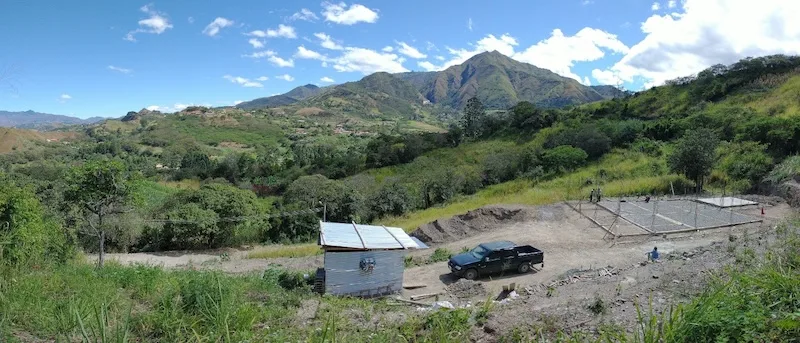
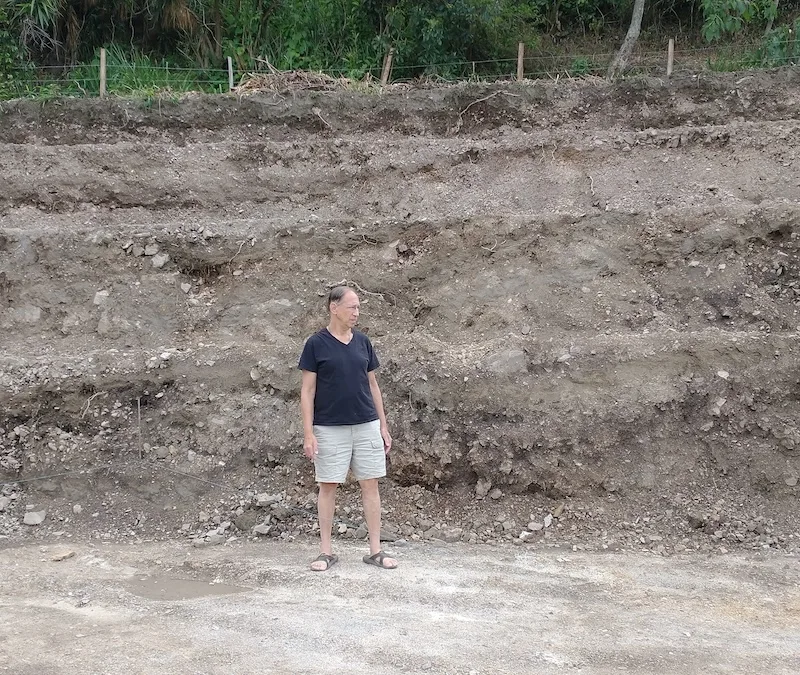
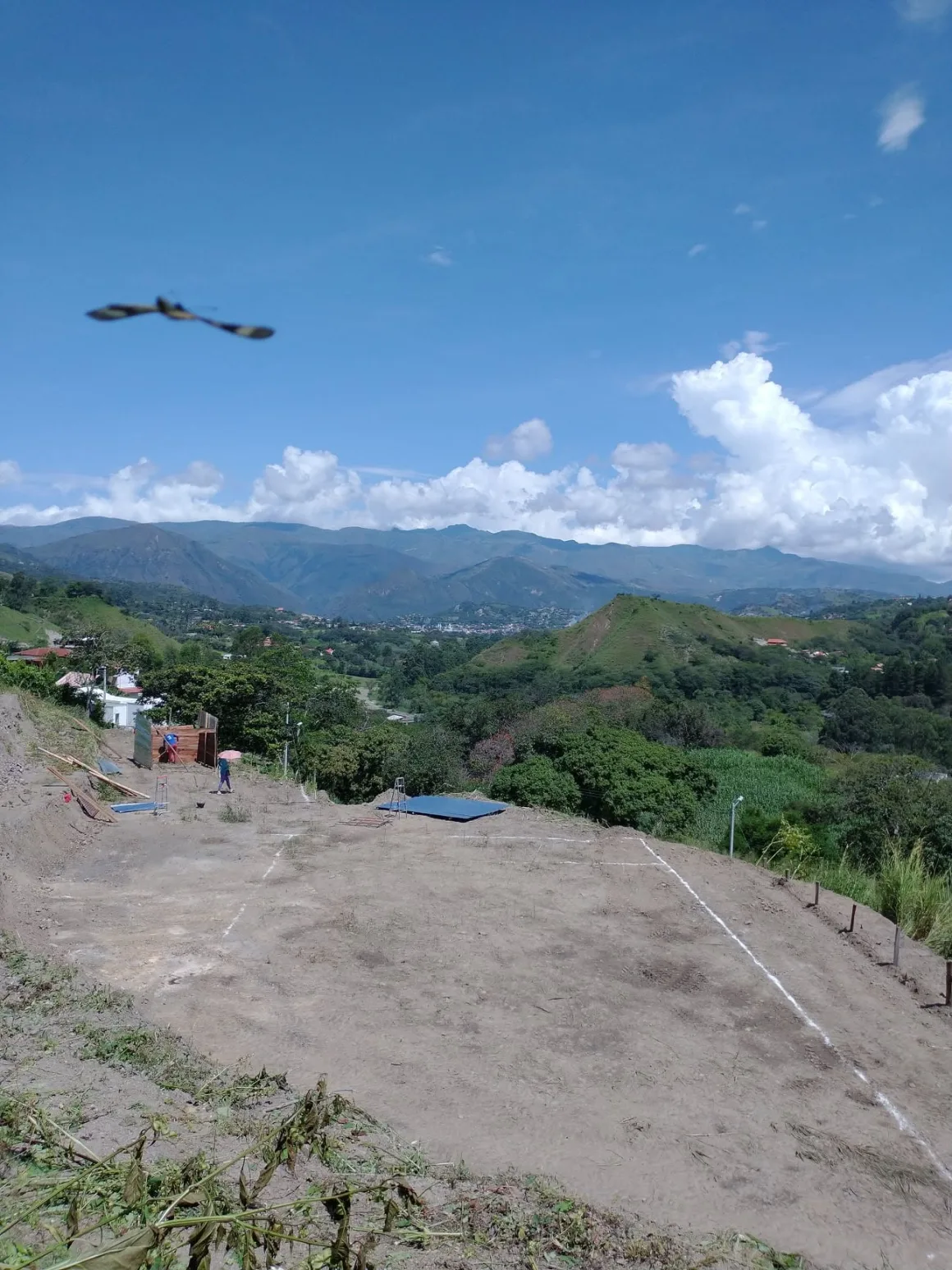
We believed we had purchased a peaceful meadow in the Malacatos Valley. What we actually owned was a steep, rocky hillside. Had Google Translate misunderstood the property description? We thought we were buying a meadow, but instead we appeared to have acquired a rock quarry.
Our first civil engineer planned a roadway that crossed a neighbor’s property. Then we discovered that the architect’s plans for our house didn’t actually fit the lot. It was a rocky beginning in every sense of the word, and we quickly learned to expect the unexpected, adjust our plans and keep moving forward.
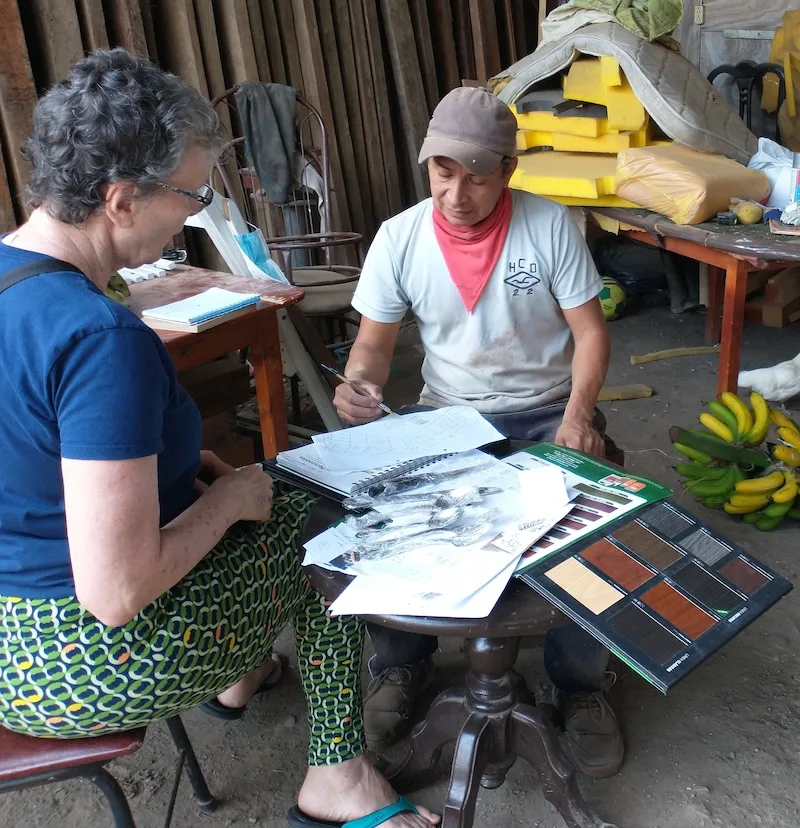
Eventually, our fortunes changed when we met Oscar Burneo, a native of Malacatos. Oscar described himself as a solution looking for a problem, which sounded exactly like the person we needed. We decided it would be wise to become friends quickly.
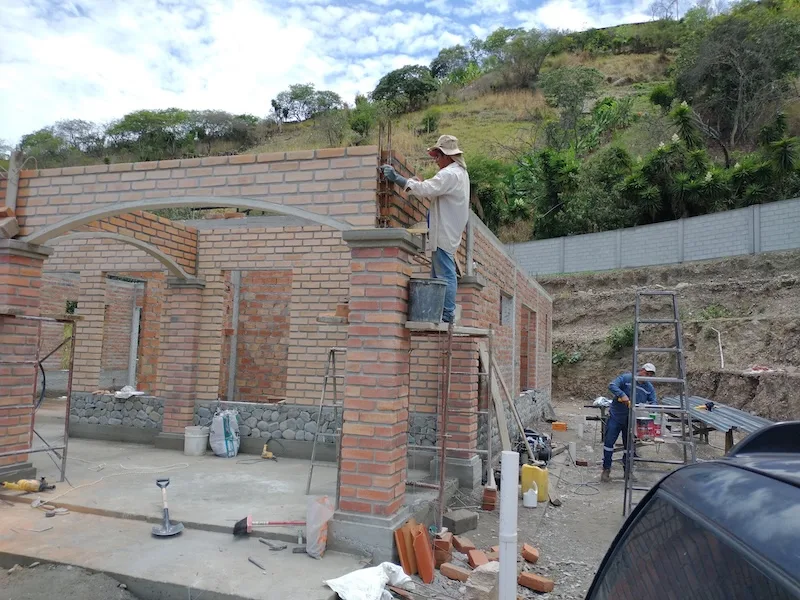
Oscar and his Ecuadorian construction crew spoke no English, while we spoke no Spanish. There was no bilingual project manager, no interpreter and no convenient way to bridge the cultural divide. So I did what seemed most sensible: I fed them.
Snacks and lunch became my strategy for getting everyone’s attention. Once the crew was sitting down, enjoying their food and, naturally, falling in love with us, we could bring out our smartphones and attempt to communicate. It wasn’t a conventional approach to managing a construction project, but it proved remarkably effective.
Six Years of Google Translate
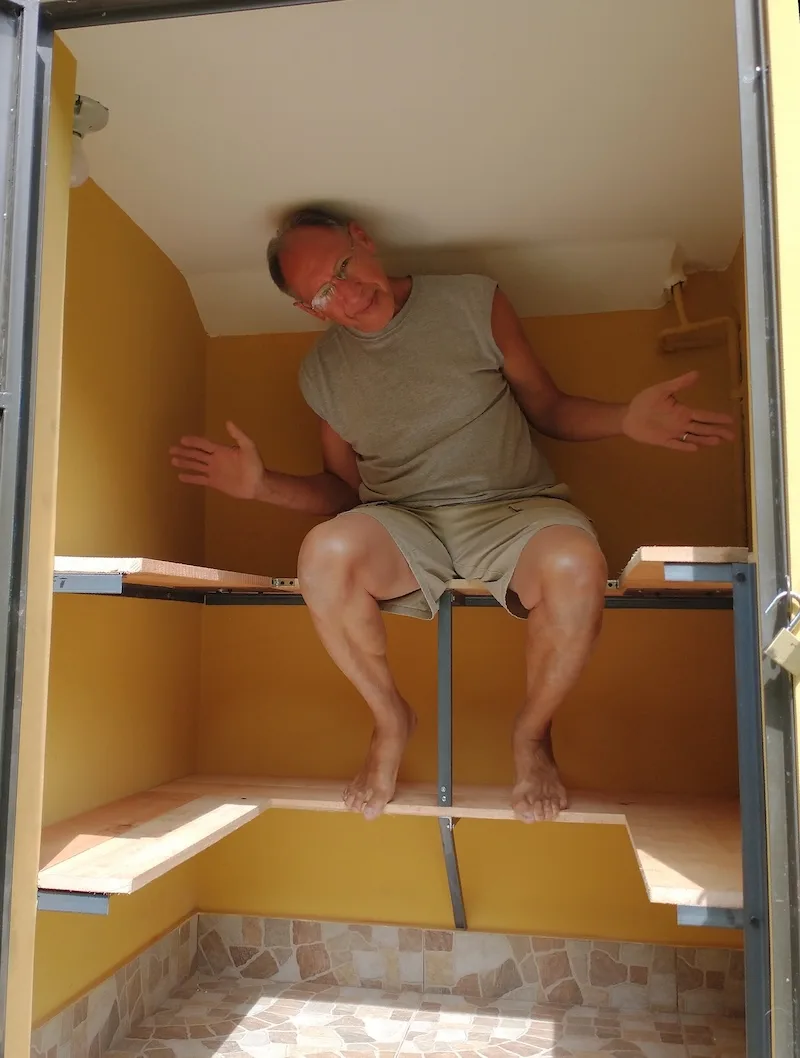
For six years, Google Translate became our Spanish-speaking voice. In the beginning, we used it constantly, although these days we rely on it much less. Imagine trying to build a house when you don’t speak the language of the people doing the construction.
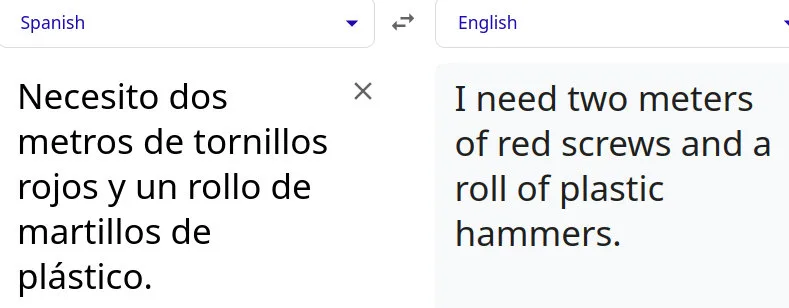
We used Google Translate to discuss structural engineering, retaining walls, bricks, roofing, cabinetry, plumbing, electrical work, irrigation, landscaping, materials, schedules and, occasionally, what we were having for lunch. Almost every decision required a translated conversation, and not every translation produced the intended result.
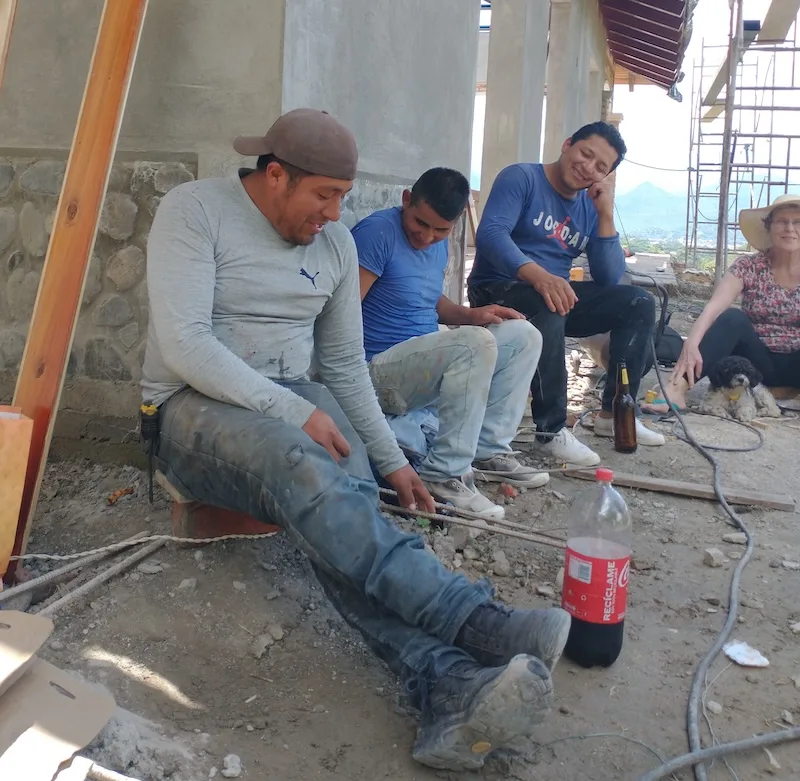
Once, we ordered ojos, meaning eyes, instead of huevos, meaning eggs. Construction instructions sometimes emerged from the app in such bizarre forms that everyone simply laughed and started again. Latin American expressions confused the translation software, and mobile phone reception had a habit of disappearing at precisely the wrong moment.
But those endless mistakes became part of the adventure. Eventually, we began joking that our house was being built with “giggles in the mortar.” What initially seemed like an enormous obstacle gradually became a source of shared amusement, and somewhere along the way, something much more important began to happen.
When the Construction Crew Became Family
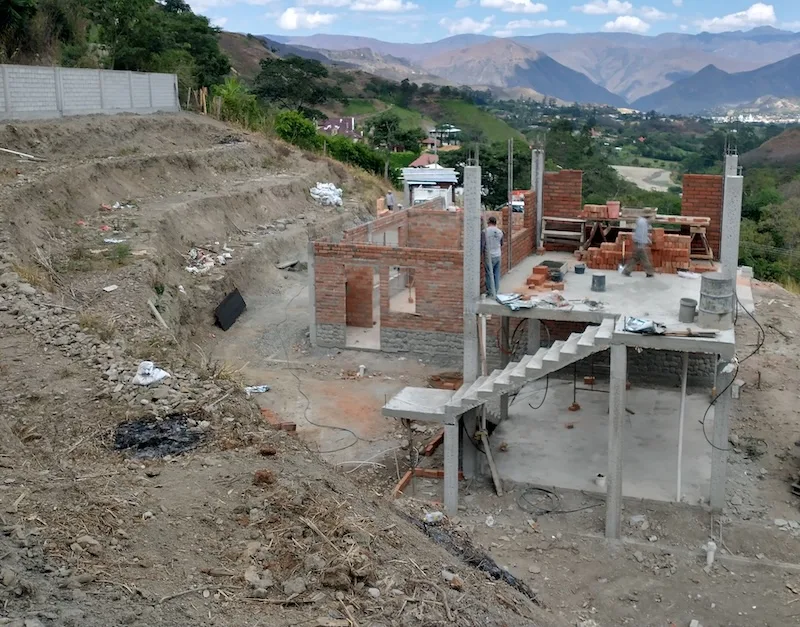
The people arriving at our property every morning to build our house gradually became far more than our construction crew. They became our teachers, problem-solvers, dinner guests and friends. What had started as a practical working relationship developed into something neither George nor I could have anticipated.
We learned to communicate differently, to listen more carefully and to laugh when something went spectacularly wrong. We discovered that making mistakes didn’t have to be embarrassing and that trying again was often more important than getting everything right the first time. Gradually, we came to see our vulnerability as an asset rather than a disadvantage.
Perhaps that is where the question “Are you ticklish?” belongs in this story.
Not because anyone actually asked me that question, but because Ecuadorians don’t seem to need much of a reason to giggle. They are curious about everything. They ask what things cost, what you’re doing, where you’re going, what you’re growing and what you’re building. Sometimes, they simply laugh.
At first, I didn’t always understand what was funny. Was I missing something? Had Google Translate left out the punchline? Eventually, I stopped trying so hard to understand every exchange and accepted that laughter could be its own kind of language.
Sometimes something is funny, sometimes it’s awkward, and sometimes there doesn’t seem to be a reason at all. You just laugh. Maybe being “ticklish” means being willing to let yourself be caught off guard, to remain curious when you don’t understand and to be the foreigner who gets things wrong but can laugh about it.
Google Translate could give us the words, but it couldn’t teach us that. We had to live here long enough to learn it, and the lesson extended far beyond our construction project.
Most importantly, we began to understand that moving abroad was never simply about choosing a beautiful place to live. It was about learning how to live there.
We Built More Than a House
We thought we were building a house, but we were actually building a life.
Living abroad often means stepping outside your comfort zone. That might mean moving beyond the familiar routines of an expat community, putting down the television remote or making the effort to communicate without the convenience of another English-speaking person. Truly becoming part of a place requires getting to know the people around you: the workers who build your home, the neighbors who look out for you, the local businesses where you become a regular and the people who gradually stop seeing you as a tourist or stranger.
Building the house isn’t really our story. The story is the community that emerged through the people who built it.
Looking back, I realize that the most important thing we constructed wasn’t made of brick or concrete. It was a network of relationships, built slowly, imperfectly and one translated sentence at a time. The house gave us a reason to meet these people, but it was our willingness to participate in their lives that allowed those relationships to grow.
Our experience is about what can happen when two retired expats who don’t speak the language find other ways to communicate, solve problems, laugh at their mistakes and create something alongside local artisans. We discovered a world of connection waiting for us, one that we might never have experienced had we remained within the comfortable boundaries of an English-speaking community.
Some of the most rewarding aspects of our Ecuadorian life have come from opening ourselves to our neighbors, workers, craftsmen and the wider community. They have taught us far more than how to build a house, and the friendships that developed have become an essential part of our everyday lives.
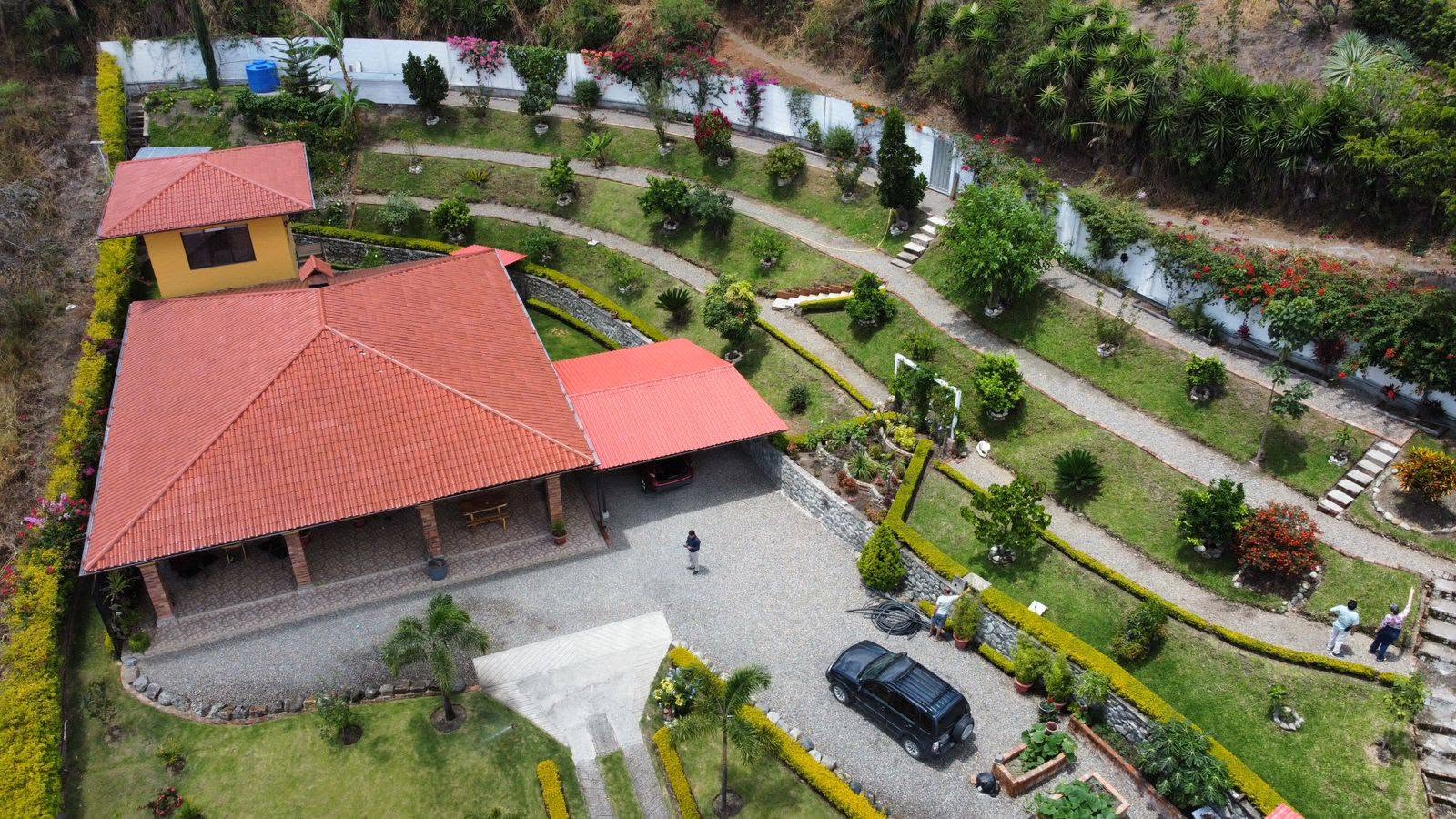
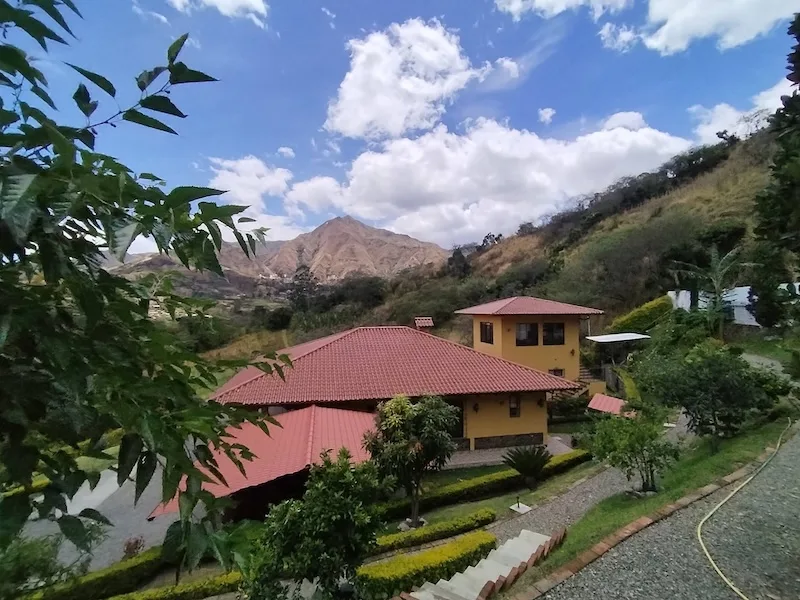
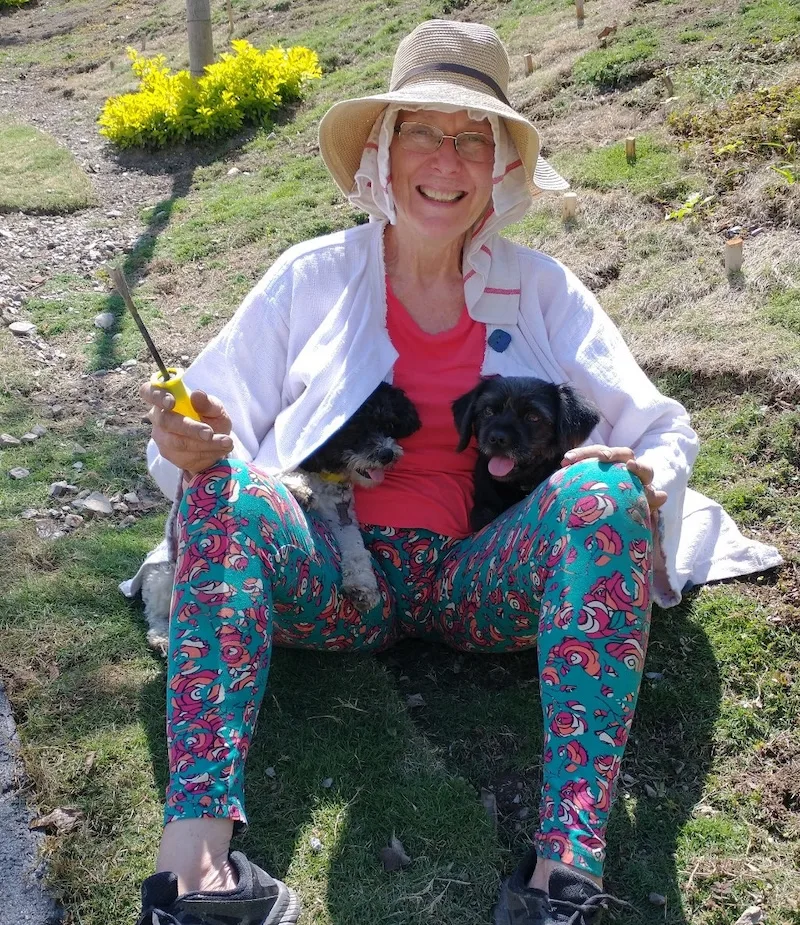
Six years later, that once-unmanageable hillside is Casa Libélula, surrounded by mature gardens, fruit trees, orchids, passionfruit vines, walking paths and backyard chickens. The property is filled with the laughter of the Ecuadorian friends and families who have become part of our own extended family.
The house is beautiful. It’s everything we dreamed of and more, but when I look at it now, I see much more than the finished building.
I see the Ecuadorians who taught us how things are done here, the mistakes we laughed about and the friendships that grew out of a construction project that neither language could adequately explain. I remember the patience of people listening to Google Translate and to me slaughtering their native tongue. I see the small, leggy saplings that have become tall, graceful trees, and I recognize how much we have grown alongside them.
Most of all, I’ve learned that belonging in Ecuador doesn’t happen simply because you move here. It happens because you participate.
That’s why our new family invites us to celebrations, brings us traditional dishes, offers us medicinal plant cuttings and arrives with fresh eggs. These are the everyday gestures that make a place feel like home, and they cannot be purchased along with a piece of land or designed into an architectural plan.
Building our home in Ecuador was simply the vehicle that carried us into the community. The house may have begun as an ambitious retirement project, but it became the foundation for a life richer in friendship, laughter and human connection than we could ever have imagined.
Casa Libélula is held together by bricks, mortar and the efforts of many talented hands. But I like to think there are still giggles in that mortar, and that the warmth of the people who helped build it will remain embedded in its foundations, just as they have become part of our lives.
Building a House in Ecuador: Common Questions
Can foreigners buy land and build a house in Ecuador?
Yes. Foreigners can own land and buildings in Ecuador with largely the same property rights as citizens. Extra government authorization can be needed in security zones near the borders, so check the location with a local lawyer before you buy.
Do you need to speak Spanish to build a house in Ecuador?
Not strictly. The author and her husband built their home with Google Translate and no bilingual project manager. It works, but expect mistakes and allow extra time. A local builder you trust matters more than fluent Spanish.
What should you check before buying land in Ecuador?
Walk the land yourself before you pay, because a listing can describe a steep hillside as a meadow. Have a surveyor confirm that the access road stays on your own land, and make sure the architect’s plans fit the lot before building starts.
Where is Malacatos?
Malacatos is a valley parish in Loja province in southern Ecuador, close to Vilcabamba. The area draws foreign retirees for its mild climate and rural setting.
About the Author
Mary Kaye Denning is a creative entrepreneur with a background in luxury design and manufacturing. Her career includes roles at Helene Arpels and Bernardaud in New York, as well as founding businesses supporting independent inventors. In 2020, she moved to Ecuador with her husband, where they built their dream home, Casa Libélula, in the Malacatos Valley.
Contact Author
"*" indicates required fields
Stay Ahead on Every Adventure!
Stay updated with the World News on Escape Artist. Get all the travel news, international destinations, expat living, moving abroad, Lifestyle Tips, and digital nomad opportunities. Your next journey starts here—don’t miss a moment! Subscribe Now !
From Madison Avenue to Ecuador
In 1975, after graduating from the University of North Carolina at Chapel Hill, I moved to New York City. I knew no one, but I had a job at Federated Department Stores and a determination to make something of myself. Coming from a small North Carolina community that was little more than a tobacco patch and a gas station, moving to New York alone was quite a leap of faith.
My hometown was proud when the State of North Carolina erected a sign along Highway 421 celebrating its unlikely claim to fame: Spivey’s Corner, home of the National Hollerin’ Contest. Yours truly wrote the speech from which the name was born. Our goal was to attract visitors, and it worked. The contest grew over the years, drawing thousands of people to the community every first Saturday in June. It was even featured on Johnny Carson and PBS, alongside other wonderfully improbable stories.
If you'd like to read the full story, simply enter your email to subscribe to our newsletter.
For even more expert insights, unmissable resources, and exclusive invites, explore our premium subscription offers here.
OR
Already a Subscriber? Click here to login
Subscription required
You've reached your limit of free articles. For full access to Escape Artist, and all of our insights on travel, moving abroad, and the digital nomad life, click here to Subscribe.
Already a Subscriber? Log in here