For years the competition between countries was over workers, investors, and tourists. In 2026 a different and more revealing contest has taken over. Governments are competing for families, and they are opening their wallets to win them.
The offers are remarkable once you start looking. Monthly payments for every child born, tens of thousands handed over to families who settle in a village, free childcare, and visas designed around parents rather than professionals. This is not charity, it is survival.
For anyone weighing a move with children, this is a rare moment of leverage. The whole calculation shifts when a country is actively trying to recruit your family. This is a guide to who is competing hardest, and how to tell a genuine opportunity from a gimmick.
Why the World Is Suddenly Fighting Over Families
The reason is demographic, and it is urgent. Birth rates across much of the developed world have fallen below the level needed to sustain a population, and the countryside is emptying fastest. A town without children loses its school, then its future.
Faced with that, governments have done the math. A young family that settles, enrolls children in the local school, and puts down roots is worth far more over time than almost any other kind of newcomer. So they have started paying to attract exactly that.
The result is a patchwork of incentives that did not exist a decade ago. Some are national, some are regional, and the most generous often come from small places with the most to lose. For a mobile family, that patchwork is a map of opportunity.
The Villages and Regions Paying Families to Arrive
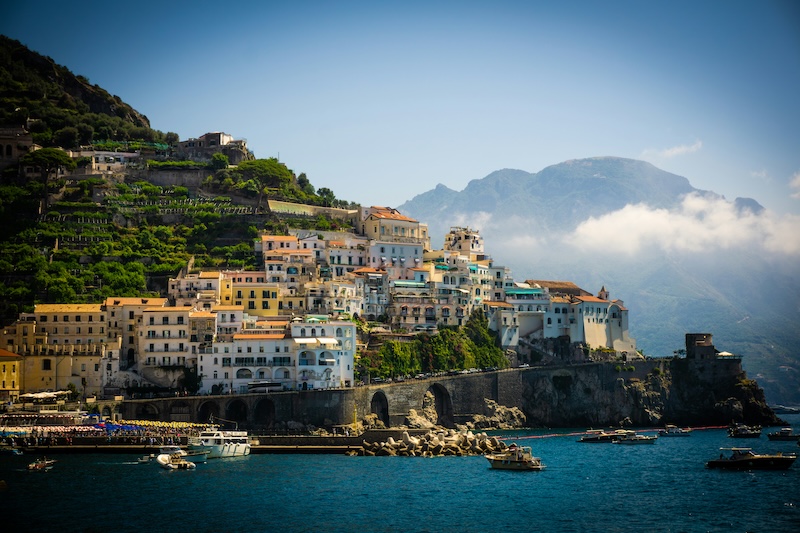
Italy has some of the most striking offers. On the island of Sardinia, several small towns pay around six hundred euros a month for a first child and four hundred for each additional one, in some cases until the child turns five. The catch is that these are tiny towns, you must live there, and the funds are limited.
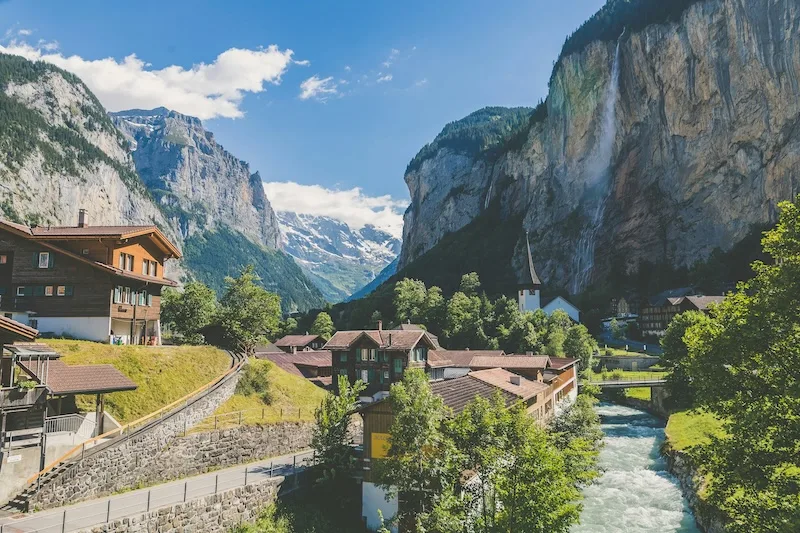
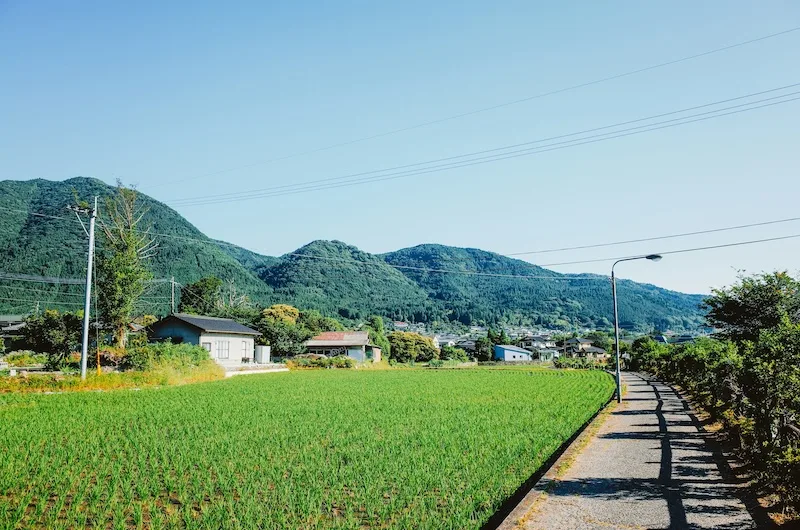
Switzerland offers the headline numbers. The alpine village of Albinen has paid roughly twenty five thousand francs per adult and ten thousand per child to families who settle, though it demands a property purchase and a ten year commitment. Japan, meanwhile, offers relocating families up to a million yen per household and a further million per child to leave Tokyo for the countryside.
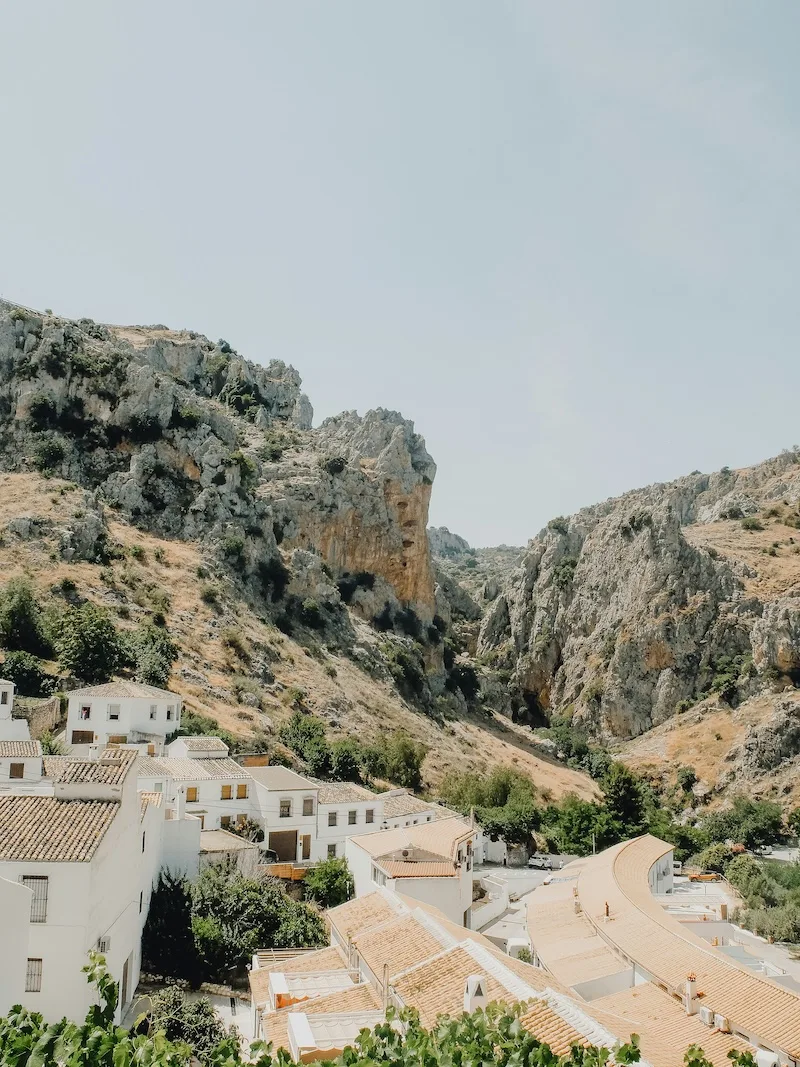
Spain has joined in with real money. In La Rioja, a regional plan pays buyers under 45 up to €40,000 toward a home in its smallest villages. Portugal’s interior relocation scheme adds a further payment for each accompanying family member on top of its base grant.
These village programs share a common logic. The money is almost always tied to a home you must buy or rent, a town below a certain size, and a promise to stay for a number of years. They are built to create permanent residents, not to fund a short experiment.
A word of realism belongs here. These payments are generous, but they come wrapped in conditions, deadlines, and residency requirements, and they are almost always tied to small, remote places. The money is real, and so is the quiet life that comes with it.
The Countries That Compete With Systems, Not Cash
The most powerful offers are not lump sums at all. They are entire systems built to make raising children easier, and they are the reason the Nordic countries and their neighbors top every ranking for family life. Here the incentive is the daily reality, not a one time check.
These countries provide heavily subsidized childcare, parental leave measured in months, universal child benefits paid every month, and public schools and healthcare of a standard most families cannot buy elsewhere. The Netherlands, Finland, Denmark, and Sweden lead this field by a wide margin. The downside is a higher cost of living and a demanding route to residency.
For a family that can access them, usually through skilled work, these systems are worth more than any village grant. A monthly payment ends, but a society organized around children lasts for the whole of a childhood. That is the richest incentive of all.
Education is a quiet part of this competition too. Many of these countries offer free, high quality public schooling and some of the best international schools in the world, and a few extend university at little cost to residents. For a family thinking a decade ahead, that schooling can outweigh any upfront payment.
The New Family Friendly Visas and Benefits
Beyond cash and systems, the competition is showing up in the visas themselves. More countries now design residency routes that welcome the whole family, letting a partner work and extending local child benefits and schooling to the children of residents.
Portugal and Spain stand out for how smoothly their visas based on income accommodate families, with time spent counting toward permanent residency and citizenship for everyone who moves. Several Latin American countries, from Panama to Uruguay, pair accessible residency with a deeply family centered culture. The door is being held open for parents in a way it simply was not before.

What to Weigh Before You Chase an Incentive
The first thing to understand is that an incentive is not a reason to move. It is a bonus on top of a place you would want to raise children anyway. A grant cannot compensate for a town with no school, no doctor, and no other families in it.
The second is that almost every one of these offers comes with strings. Residency requirements, minimum stays, repayment clauses, and tight deadlines are the norm, and someone from outside Europe usually needs to secure the right to live there before any regional grant applies. The money moves you in, not through immigration.
The third is to look past the headline to the life. A village paying handsomely for children is paying because young families have left, and it is worth asking honestly whether yours could be happy there for the years the incentive requires. The best answer is a place you would choose even without the check.
How to Find the Right Fit for Your Family
Start by deciding what your family actually needs most, because the competitors are strong in different things. If you want the best possible system and can access it through work, Northern Europe is unmatched. If you want warmth, affordability, and an easy welcome, Portugal, Spain, and parts of Latin America lead.
If a cash incentive genuinely fits your plans, treat it as the tiebreaker rather than the reason, and read the fine print before you fall in love with the number. Confirm the figures and conditions with the official regional source, because these schemes change and close without much warning.
The deeper truth is that the balance of power has shifted. For the first time in a long time, families with the freedom to move are being courted rather than merely tolerated, and the offers on the table are real.
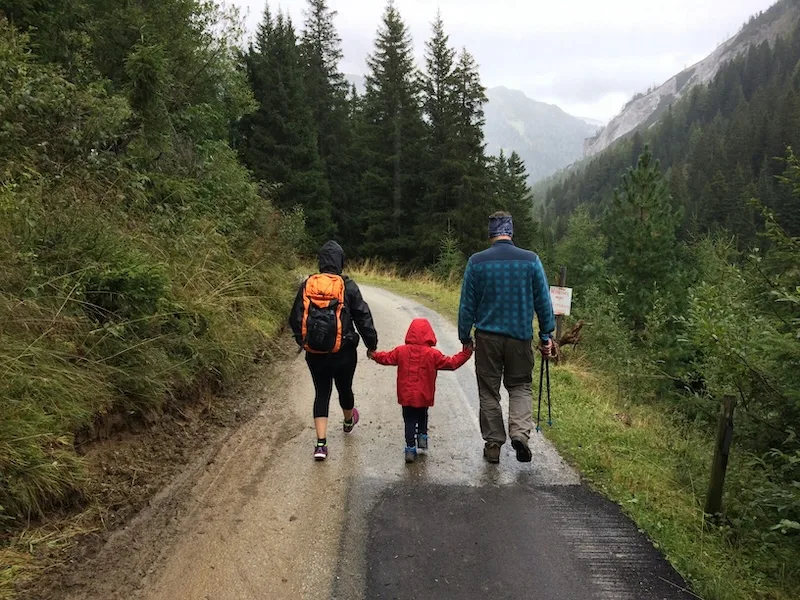
A generation ago, moving a family abroad meant fitting into whatever a country would allow. Today, a growing number of countries are competing to make it easy, affordable, and welcoming. For families ready to go, there has rarely been a better moment to let the world make its case.
Countries That Pay Families to Move: Common Questions
Which countries pay families to move there?
Offers in 2026 include baby bonuses in small Sardinian towns in Italy, relocation cash in Japan for families leaving Tokyo, home grants for young buyers in La Rioja, Spain, and an extra payment per family member under Portugal’s interior jobs scheme. Switzerland’s Albinen has also paid families to settle.
How much does Sardinia pay for each child?
Small Sardinian towns of up to 5,000 people pay about €600 a month for a first child and €400 a month for each additional child, for up to five years. You must live in the town.
Can Americans get these relocation payments?
Usually only after they have the right to live in the country. The payments do not come with a visa, so a non EU family needs a residence permit first, such as Spain’s non lucrative visa or Portugal’s D7.
What are the catches?
Most offers are tied to small, remote towns, a home you must buy or rent, and a promise to stay for several years. Some must be paid back if you leave early, and many close when the money runs out.
Contact Author
"*" indicates required fields
Stay Ahead on Every Adventure!
Stay updated with the World News on Escape Artist. Get all the travel news, international destinations, expat living, moving abroad, Lifestyle Tips, and digital nomad opportunities. Your next journey starts here—don’t miss a moment! Subscribe Now !
For years the competition between countries was over workers, investors, and tourists. In 2026 a different and more revealing contest has taken over. Governments are competing for families, and they are opening their wallets to win them.
The offers are remarkable once you start looking. Monthly payments for every child born, tens of thousands handed over to families who settle in a village, free childcare, and visas designed around parents rather than professionals. This is not charity, it is survival.
For anyone weighing a move with children, this is a rare moment of leverage. The whole calculation shifts when a country is actively trying to recruit your family. This is a guide to who is competing hardest, and how to tell a genuine opportunity from a gimmick.
If you'd like to read the full story, simply enter your email to subscribe to our newsletter.
For even more expert insights, unmissable resources, and exclusive invites, explore our premium subscription offers here.
OR
Already a Subscriber? Click here to login
Subscription required
You've reached your limit of free articles. For full access to Escape Artist, and all of our insights on travel, moving abroad, and the digital nomad life, click here to Subscribe.
Already a Subscriber? Log in here