There are towns in Europe that seem to have been painted rather than built. You see them first in a photograph and assume the colors have been enhanced, the reflections added, the crowds removed. Then you arrive, and find the real thing is somehow more beautiful still.
What these places share is more than good looks. They move to a slower rhythm, shaped by the lake or the mountain or the sea they sit beside, and they offer a glimpse of a life lived at a gentler pace. For anyone dreaming of a different kind of existence, they are a reminder of what is still out there.
Here are seven of them, scattered from the Alps to the Atlantic and up to the Arctic. Each one feels almost too good to be real, and each one, remarkably, is.
Hallstatt, Austria, Where a Village Floats Between Lake and Mountain
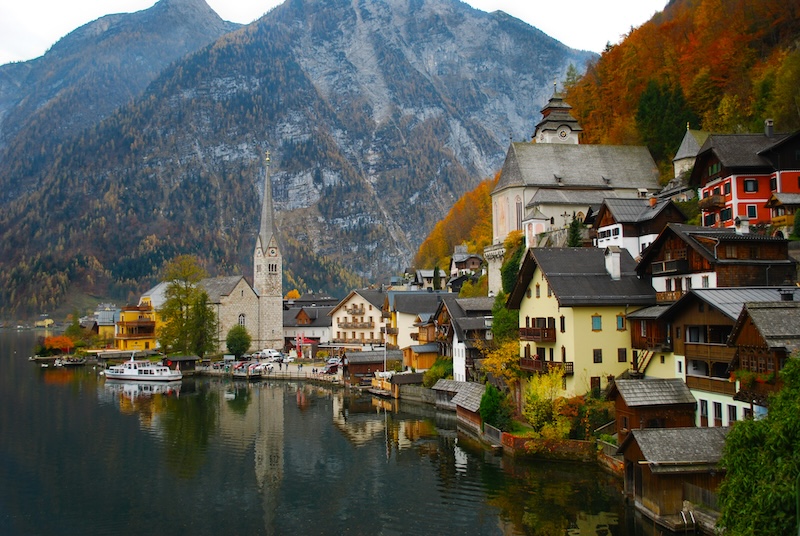
Hallstatt is the town that launched a thousand screensavers, and it earns every one. A cluster of pastel houses and a slender church spire sit pinched between a glassy alpine lake and a wall of almost vertical mountains. The whole scene doubles itself in the still water below.
It is tiny, and in summer it is busy, so the secret is to stay the night. Once the day visitors leave, the village empties into a profound alpine quiet, the lake turns to mirror, and you have one of the most beautiful places in Europe almost to yourself. Mornings here, with the mist lifting off the water, are unforgettable.
There is history under the beauty too. Hallstatt has been mined for salt for thousands of years, and that long, quiet prosperity is part of why it survives so perfectly preserved. Beauty here is not a recent accident but a very old inheritance.
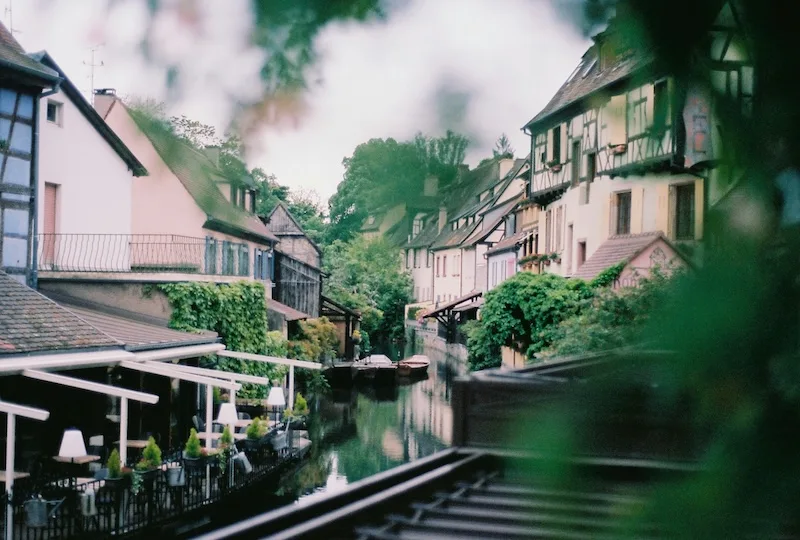
Colmar, France, a Storybook of Canals and Half Timbered Houses
If a fairy tale needed a set, it would look like Colmar. This Alsatian town is a riot of crooked, candy colored, half timbered houses leaning over narrow canals, their window boxes spilling flowers all summer long. The quarter known as Little Venice is the loveliest part of all.
Sitting on the border of France and Germany, Colmar carries both cultures at once, in its architecture, its wine, and its food. You can drift the canals by flat bottomed boat, then lose an afternoon in cobbled lanes that have barely changed in centuries. At Christmas, lit by markets and lanterns, it becomes something close to magic.
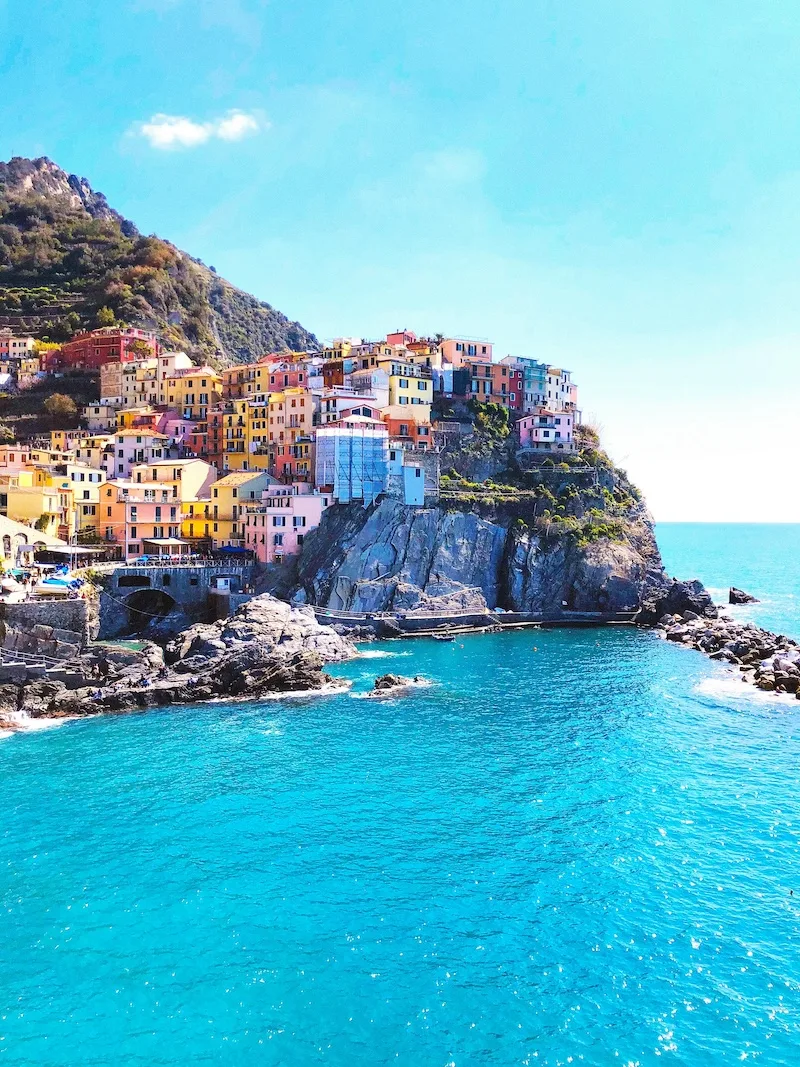
Manarola, Italy, Where Painted Houses Tumble Into the Sea
The five villages of the Cinque Terre cling to the cliffs of the Italian Riviera, and Manarola may be the most photogenic of them. Its tall, sun faded houses in ochre, pink, and coral stack improbably down a ravine to a tiny harbor and the blue Ligurian Sea. There are no cars, only steep lanes and the sound of water.
The classic view comes at dusk from the coastal path, when the lights flicker on and the whole village glows against the darkening sea. Between the villages run walking trails and a little train, linking vineyards, lemon groves, and swimming coves. It is the colorful coastal Italy of everyone’s imagination, made real.
Life here still clings to the old rhythms of the sea and the vine. The famous terraced vineyards, carved into the cliffs over centuries, produce a sweet local wine found almost nowhere else. To sip it at sunset, high above the water, is to taste the place itself.
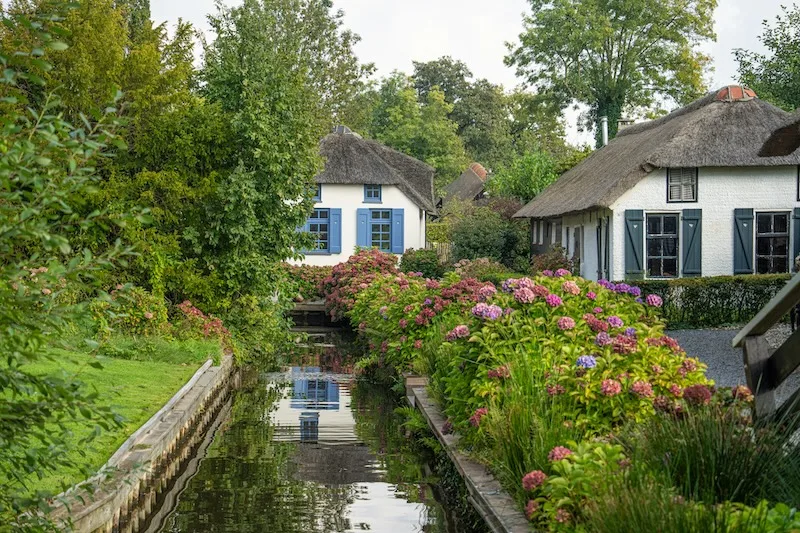
Giethoorn, the Dutch Village With Canals Instead of Roads
In the Dutch countryside sits a village with almost no roads at all. Giethoorn is laced with canals and arched wooden footbridges, its thatched cottages set on little green islands, and for much of it the only way to travel is by boat. The silence, broken only by birdsong and the lap of water, is the first thing visitors notice.
You explore it by gliding a quiet electric boat along the waterways, past gardens that run down to the water’s edge. There is no rush of traffic, no hurry of any kind, only a green and watery calm. It feels less like a village and more like a daydream someone decided to build.
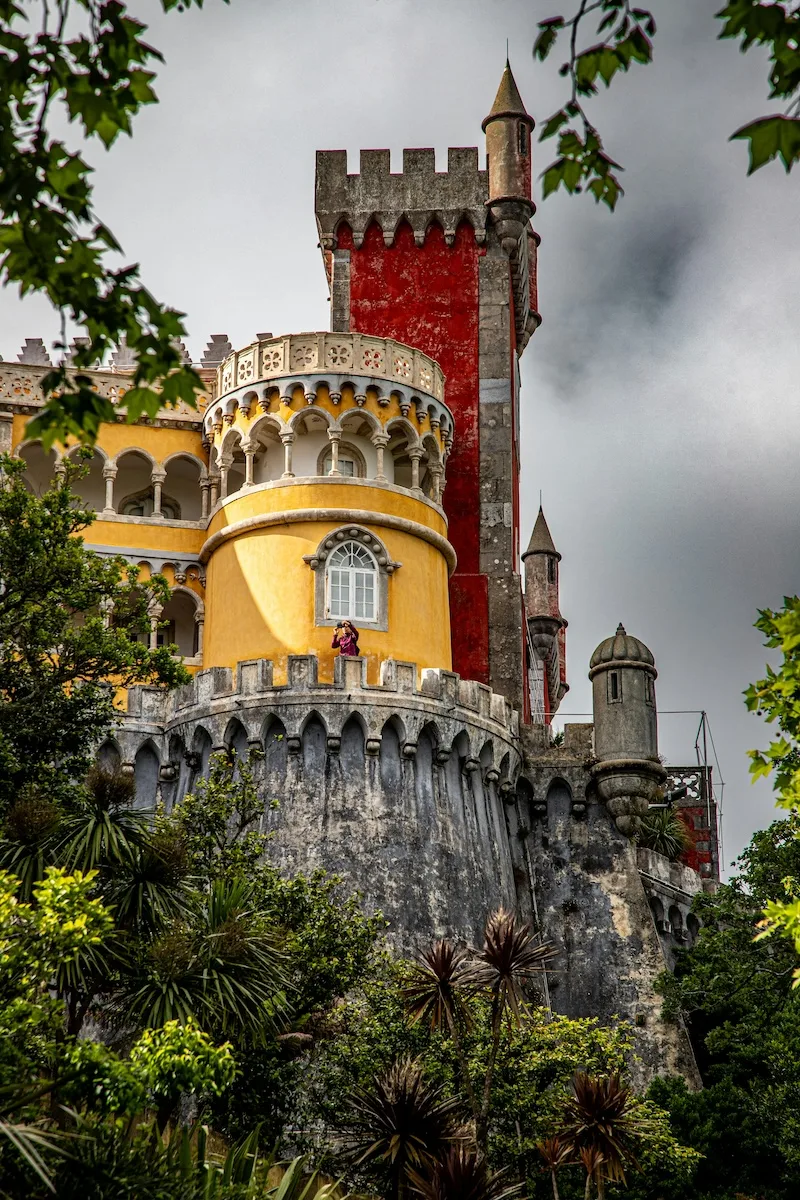
Sintra, Portugal, a Hillside of Palaces Wrapped in Forest
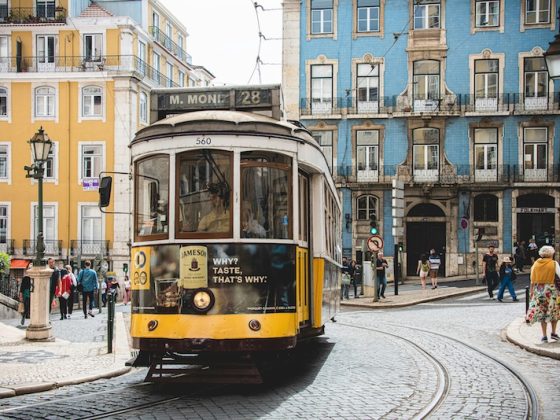
Just outside Lisbon, the hills of Sintra rise into cool, misty forest, and scattered through them is a collection of palaces that look invented. The most famous, the Pena Palace, is a wild burst of red and yellow turrets perched on a crag, half castle and half fantasy. Below it, the town itself winds prettily up the slope.
Sintra’s magic is in the mix of the grand and the green, the romantic estates and mysterious gardens tangled in Atlantic woodland. Kings and poets came here to escape the heat and the ordinary, and the spell still holds. A day is not nearly enough, which is exactly why people keep coming back.
Bled, Slovenia, and the Island Church on an Emerald Lake
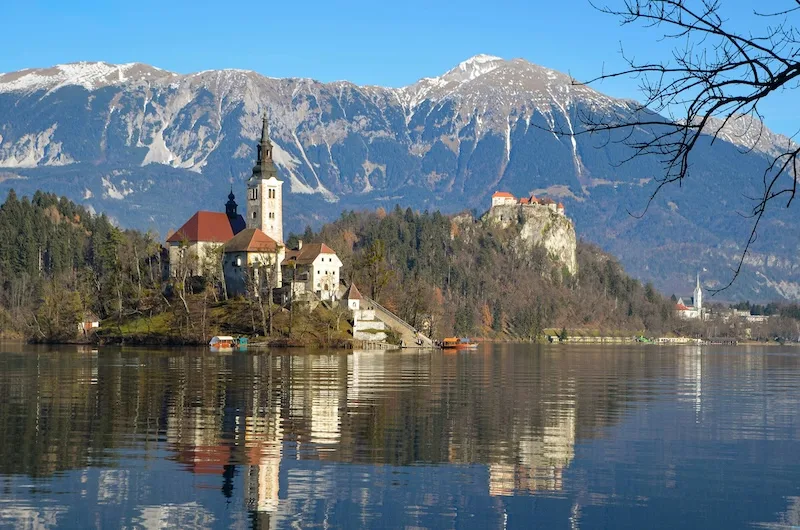
Lake Bled is almost absurd in its beauty. A small island sits at its center, crowned by a single church with a slender tower, and above it all a clifftop castle keeps watch while the Julian Alps rise behind. The water is a clear, impossible shade of green.

You reach the island on a traditional wooden boat called a pletna, rowed slowly across the still lake, and climb the steps to ring the church bell for luck. A path circles the shore for walkers, and the whole scene shifts with the light through the day. Few places pack so much wonder into so small a space.
Reine, Norway, Where Red Cabins Sit Beneath Arctic Peaks
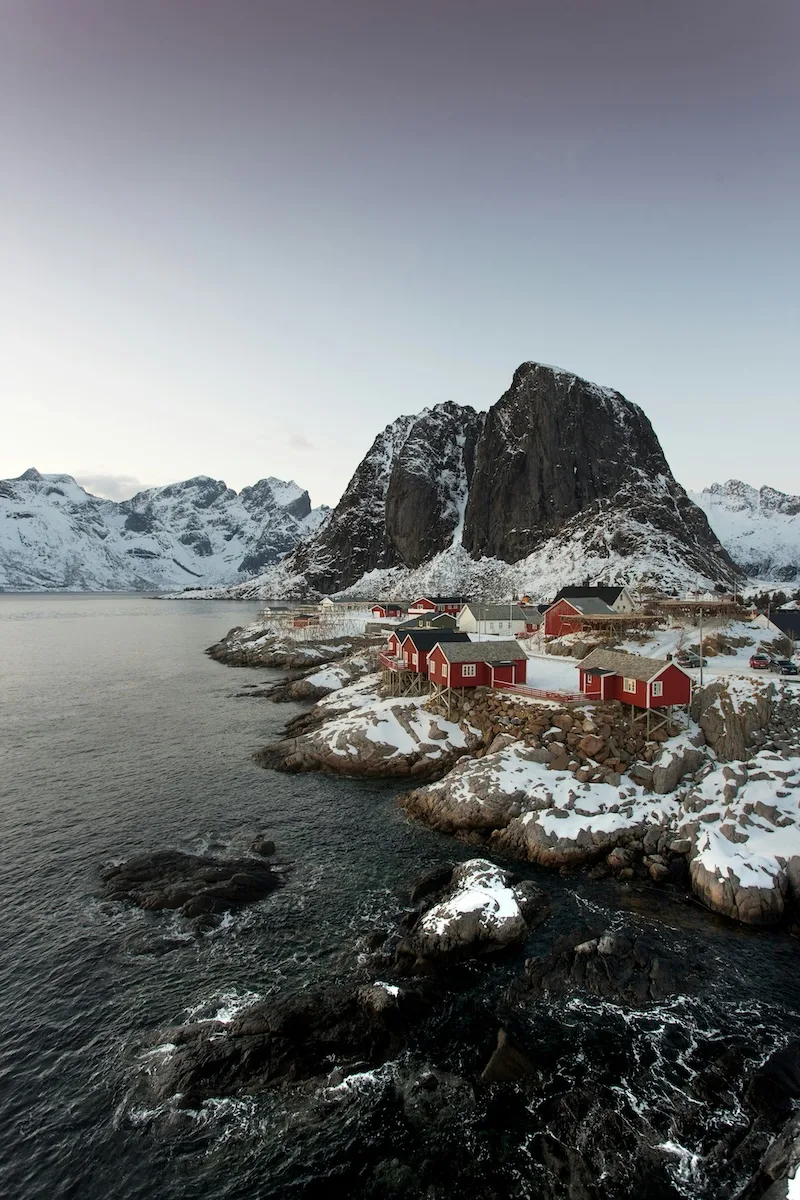
Far to the north, in Norway’s Lofoten Islands, the fishing village of Reine delivers drama of a different order. Scarlet wooden cabins stand on stilts above still water, dwarfed by black granite peaks that erupt straight out of the sea. It is wild, remote, and almost impossibly beautiful.
In summer the midnight sun keeps the sky glowing through the night, and in winter the northern lights ripple overhead. The pace here is set by the weather and the water, a life lived close to the raw edge of nature. For those drawn to beauty with an untamed heart, nowhere does it better.
The red cabins themselves tell a story. Known as rorbuer, they were once the simple huts of seasonal cod fishermen, and many now welcome travelers instead. Sleeping in one, with the peaks mirrored in the water outside, is as close as a place can bring you to living inside a painting.
What These Towns Really Offer, Beyond the View
It is easy to treat places like these as postcards, somewhere to photograph and leave. But the deeper draw is the pace they keep, the sense of a life organized around beauty and quiet rather than hurry and noise. That is the thing visitors remember long after the pictures fade.
None of them is a secret, and some are busy in high season, so the reward goes to those who come in the shoulder months or stay past the day crowds. Linger, and the magic that the photographs only hint at reveals itself in the early mornings and late evenings. That is when these towns stop being scenery and start feeling like somewhere you could live.
Europe is full of these almost unreal places, and this is only a beginning. They endure because enough people decided that beauty and a gentler rhythm were worth protecting. The best news of all is that they are still there, still real, and still waiting to be walked into.
Most Beautiful Towns in Europe: Common Questions
What is the most beautiful town in Europe?
It depends on what you love. Hallstatt in Austria is one of the most photographed, with its lake and mountains. Colmar, Manarola, Giethoorn, Sintra, Bled and Reine each offer a very different kind of beauty.
When is the best time to visit these towns?
The shoulder months, spring and autumn, are quieter than summer. In busy places like Hallstatt and the Cinque Terre, staying overnight means you see them early in the morning and late in the evening, after the day visitors leave.
Can you get around these towns without a car?
Yes. The Cinque Terre villages are linked by a train and walking trails, Giethoorn is best seen by electric boat or on foot, and Sintra is a short train ride from Lisbon.
Could you actually live in one of these towns?
Some are easier than others. Sintra and Colmar are working towns with shops, schools and good transport. Hallstatt and Reine are very small and depend on tourism, so they suit a quieter life.
Contact Author
"*" indicates required fields
Stay Ahead on Every Adventure!
Stay updated with the World News on Escape Artist. Get all the travel news, international destinations, expat living, moving abroad, Lifestyle Tips, and digital nomad opportunities. Your next journey starts here—don’t miss a moment! Subscribe Now !
There are towns in Europe that seem to have been painted rather than built. You see them first in a photograph and assume the colors have been enhanced, the reflections added, the crowds removed. Then you arrive, and find the real thing is somehow more beautiful still.
What these places share is more than good looks. They move to a slower rhythm, shaped by the lake or the mountain or the sea they sit beside, and they offer a glimpse of a life lived at a gentler pace. For anyone dreaming of a different kind of existence, they are a reminder of what is still out there.
Here are seven of them, scattered from the Alps to the Atlantic and up to the Arctic. Each one feels almost too good to be real, and each one, remarkably, is.
If you'd like to read the full story, simply enter your email to subscribe to our newsletter.
For even more expert insights, unmissable resources, and exclusive invites, explore our premium subscription offers here.
OR
Already a Subscriber? Click here to login
Subscription required
You've reached your limit of free articles. For full access to Escape Artist, and all of our insights on travel, moving abroad, and the digital nomad life, click here to Subscribe.
Already a Subscriber? Log in here