For most of modern history, a country that wanted economic growth went looking for large companies to build factories and offices. That logic has quietly flipped. In 2026, a growing number of governments have decided that the people they most want to attract are individual founders and creators, and they are designing visas specifically to win them.
This is one of the most useful developments in years for anyone with a business idea and the freedom to build it anywhere. These are not the old investor visas that asked for half a million dollars. They are built for the person with a laptop, a plan, and the ambition to turn it into something.
The result is a genuine menu of options, scattered across Europe and beyond, each with its own flavor and its own front door. This is a guide to the most compelling of them in 2026, and to how to think about choosing the right one.
Why Countries Suddenly Want Your Startup, Not Just Your Savings
The shift is driven by a simple realization. A founder who builds a successful company in your country creates jobs, pays taxes, and anchors talent in a way a passive investor never does. Nations have come to understand that the next important business could be started by almost anyone, from almost anywhere.
So instead of screening for wealth, these new programs screen for potential. They ask for a viable idea, the backing of a recognized incubator or agency, and enough money to support yourself while you build. The bar is ambition and credibility, not a large bank balance.
For the globally minded, this is a quiet revolution. It means a second residency, and sometimes a path to a second passport, can now be earned by building something rather than simply buying in. The door that used to open only for the wealthy now opens for the capable.
Europe’s Flagship Founder Visas, From Lisbon to Tallinn
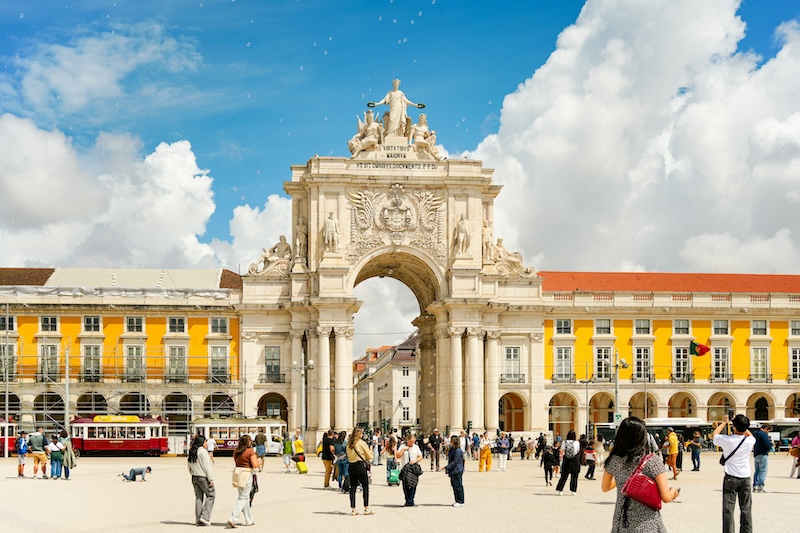
Portugal has built one of the most attractive programs through its StartUP Visa. It runs through certified incubators, asks for own funds of around six and a half thousand euros, and grants an initial residence permit for two years that renews in blocks of three years. Crucially, the years count toward permanent residency and eventually citizenship.
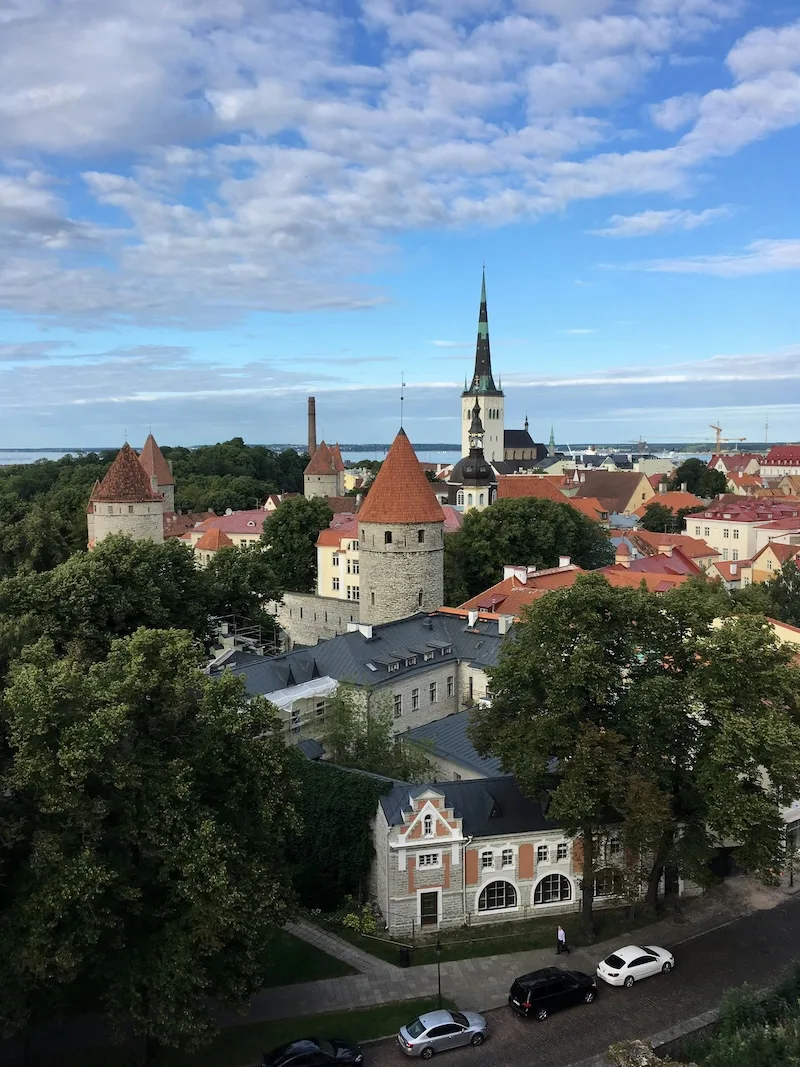
Estonia, the original digital state, offers its well known Startup Visa for innovative, scalable ventures. Approval comes from a dedicated Startup Committee, usually within about ten working days, and the standard €65,000 business investment requirement is waived for qualifying startups. A founder can secure a long stay visa and then a residence permit for up to five years.
Spain and France round out the flagship tier. Spain’s entrepreneur route runs on a favorable report from its public innovation agency rather than a fixed investment, granting an authorization for three years that leads toward permanent residence after five. France folds founders into its prestigious Talent Passport, offering a permit of up to four years for a project recognized by a competent public body.
The Programs Built for the Smaller, Scrappier Venture
Not every founder is building the next unicorn, and several countries have designed programs with that in mind. Italy’s Startup Visa asks for around fifty thousand euros in funds behind an innovative venture, offering a clean route into one of Europe’s most desirable countries. Ireland’s STEP program sits at a similar level of funding and requires the founder to work full time in the business.
At the more accessible end, the numbers get genuinely modest. Latvia’s startup founder permit can be built on minimum capital starting from very little, and Lithuania asks for no investment threshold at all, only proof of living funds for the year. These are real residency routes for a founder with more idea than capital.
Beyond the European Union, the choices widen further. The United Kingdom’s Innovator Founder visa backs an endorsed business and can lead to settlement in as little as three years, while the Nordic countries run their own respected schemes. Finland and Denmark both vet founders through expert panels and grant permits for several years to those who pass.
A special mention goes to the Netherlands and its DAFT arrangement, open to Americans. Under this longstanding treaty, a US citizen can establish a Dutch business with an investment of around four and a half thousand euros and gain residence on that basis. For an American founder, it is one of the simplest front doors into Europe that exists.
What the Creator Economy Is Quietly Unlocking
The word founder no longer means only a tech entrepreneur. The explosion of the creator economy has produced a whole class of people who run genuine businesses as writers, designers, filmmakers, consultants, and online educators, and the visa world is slowly catching up to them.
Much of this still runs through two existing doors. The self employed and freelance permits, strong in countries like Germany and the Netherlands, are built for independent professionals and fit many creators well. The fast spreading digital nomad visas, meanwhile, welcome anyone with remote income, which describes most of the creator economy by definition.
Germany’s arrangement is worth singling out. Its freelance permit, built for the liberal professions, has long been a favorite of writers, artists, and consultants drawn to Berlin, and it asks for a credible client base and the means to support yourself rather than a lump of capital. It is one of Europe’s most established routes for the independent creator.
The direction of travel is clear, and it favors the independent. As more governments compete for mobile talent, the line between founder, freelancer, and creator keeps blurring, and the programs keep widening to let more of them in. Anyone who earns from their own skills has more legitimate routes abroad today than at any point before.

What These Visas Ask, and What They Give Back
The requirements rhyme across most of these programs. Expect to show a credible business idea, usually validated by an approved incubator, agency, or expert panel, along with proof that you can support yourself while you build. A clean record and health insurance are almost universal.
What you get back is where these visas shine. Beyond the right to live and build in a new country, most offer a renewable stay of several years, the ability to bring your family, and a genuine path toward permanent residency. In the European programs, that path can ultimately lead to a passport.
The timelines and the fine print vary, and they change often, so every figure here is a starting point rather than a promise. The thresholds, fees, and rules should always be confirmed with the official agency before you build a plan around them. But the shape of the opportunity is real and durable.
How to Choose the Right Launchpad for Your Idea
The right program depends on what you are building and what you want from the move. If your aim is a scalable tech startup and a fast system that is friendly to founders, Estonia and Portugal lead the field. If you want to build in a major market with a clear road to permanence, Spain and France are hard to beat.
If your venture is smaller or your capital is limited, look to Lithuania, Latvia, or Italy, and if you are American, the Dutch DAFT route deserves a long look. And if you are a creator rather than a classic founder, the freelance permits and digital nomad visas may be the cleaner fit for how you actually earn.

Whatever the choice, the deeper point is the same. The world has changed its mind about who deserves a welcome, and the answer increasingly includes the independent builder with a good idea. That is an extraordinary shift, and it is happening right now.
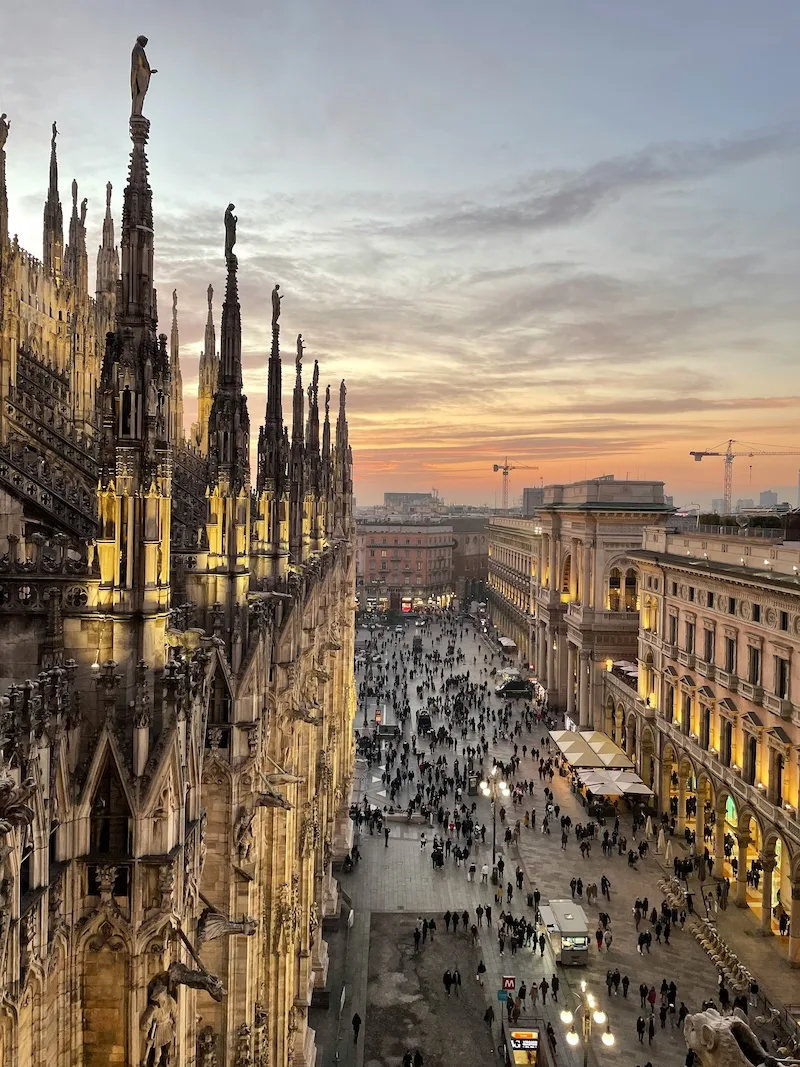
For anyone who has ever dreamed of building their own thing from somewhere new, 2026 is a remarkable moment. The visas exist, the countries are competing, and the path from idea to a life abroad has never been shorter. The only missing ingredient is the decision to begin.
Startup Visas in Europe: Common Questions
What is a startup visa?
It is a residence permit for people who want to build an innovative business in a new country. Instead of a large investment, you usually need approval from an incubator, agency or expert panel, plus enough money to live on while you build.
Which European startup visa is the easiest to get?
Lithuania and Latvia ask for no investment up front. Estonia is known for speed, with its Startup Committee deciding in about ten working days. For Americans, the Dutch DAFT route needs a business investment of only about €4,500.
Can a startup visa lead to citizenship?
Often, yes. In most European programs the years count toward permanent residency, usually after five years, and later toward citizenship. Citizenship rules vary: Portugal, for example, now asks for ten years of legal residence.
Is there a visa for content creators?
Few countries have a visa just for creators. Most use freelance or self employed permits, such as Germany’s freelance permit, or a digital nomad visa if your income comes from clients or platforms abroad.
Contact Author
"*" indicates required fields
Stay Ahead on Every Adventure!
Stay updated with the World News on Escape Artist. Get all the travel news, international destinations, expat living, moving abroad, Lifestyle Tips, and digital nomad opportunities. Your next journey starts here—don’t miss a moment! Subscribe Now !
For most of modern history, a country that wanted economic growth went looking for large companies to build factories and offices. That logic has quietly flipped. In 2026, a growing number of governments have decided that the people they most want to attract are individual founders and creators, and they are designing visas specifically to win them.
This is one of the most useful developments in years for anyone with a business idea and the freedom to build it anywhere. These are not the old investor visas that asked for half a million dollars. They are built for the person with a laptop, a plan, and the ambition to turn it into something.
The result is a genuine menu of options, scattered across Europe and beyond, each with its own flavor and its own front door. This is a guide to the most compelling of them in 2026, and to how to think about choosing the right one.
If you'd like to read the full story, simply enter your email to subscribe to our newsletter.
For even more expert insights, unmissable resources, and exclusive invites, explore our premium subscription offers here.
OR
Already a Subscriber? Click here to login
Subscription required
You've reached your limit of free articles. For full access to Escape Artist, and all of our insights on travel, moving abroad, and the digital nomad life, click here to Subscribe.
Already a Subscriber? Log in here