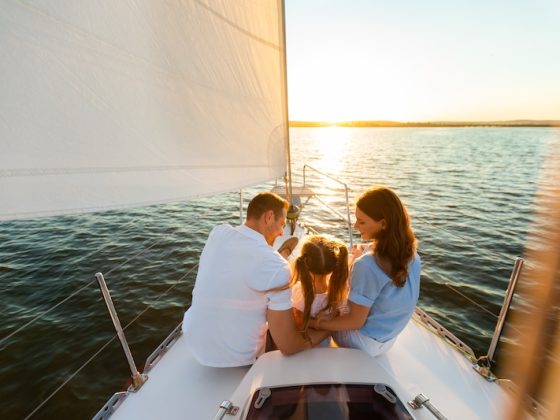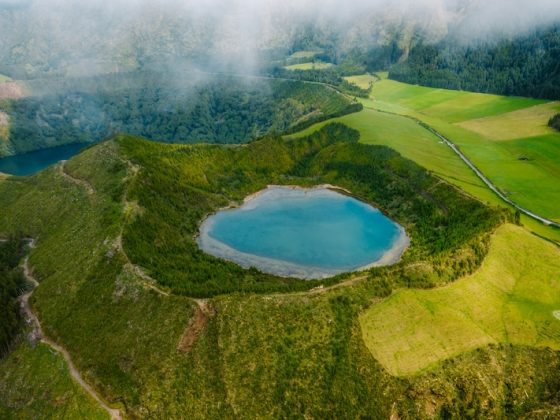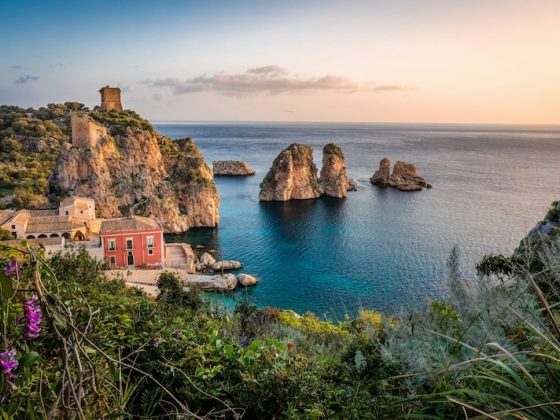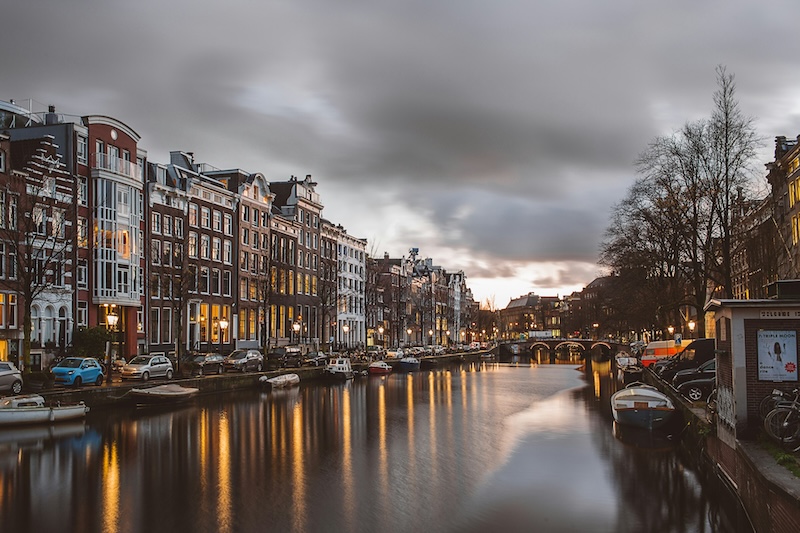
Moving abroad as a single person is a question of lifestyle. Moving abroad as a family is a question of everything, because the decision now has to answer to the smallest and most important people in the household.
The calculation changes entirely. Schools matter more than nightlife, a good pediatric hospital outweighs a good beach bar, and safety and stability move to the very top of the list. The best place for a nomad in their twenties is rarely the best place for a family of four.
The good news is that some of the finest places on earth to raise children are also realistic to move to. This is a guide to where families actually thrive abroad, and to what separates a good destination from a merely beautiful one.
Northern Europe, Where the System Does the Work
If the measure is simply the quality of childhood a country provides, Northern Europe has no real rival. The Nordic countries and their neighbors consistently top the global rankings for child wellbeing, education, and family support, and the reasons are structural rather than accidental.
Finland sits at or near the top of almost every list. [UNICEF’s 2025 ranking moved Finland from 5th to 17th. Suggested fix in section 1, point 1.] Its schools are among the best in the world, its healthcare is public and excellent, and its childcare is heavily subsidized. The Netherlands is just as compelling, routinely ranked first for child wellbeing, with happy, independent children and a famously balanced pace of life.
Denmark, Sweden, and Norway offer variations on the same theme. Generous parental leave measured in months rather than weeks, universal healthcare, strong schools, and a deep cultural priority placed on family time. The downside is cost, since life in these countries is expensive and the winters are long and dark.
Switzerland and Austria sit just alongside them for families who can access them. Switzerland pairs some of the world’s best healthcare and schools with famous order and safety, while Vienna is regularly named among the most livable cities anywhere. Both come with a high price tag and a demanding residency bar.
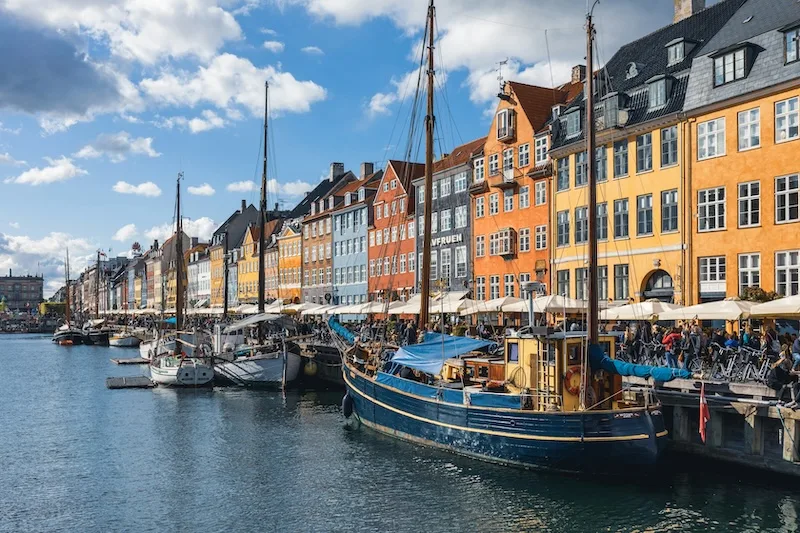
The practical catch for families from outside Europe is residency. These are not countries you move to casually, and most routes run through skilled employment or EU rules rather than simple income visas. For a family with a qualifying job offer, though, few places on earth give children a better start.
The Mediterranean Middle Ground
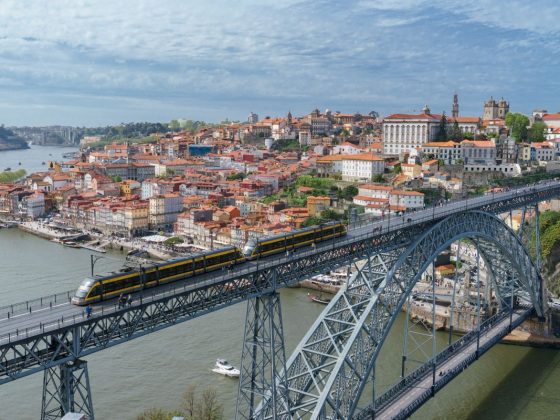
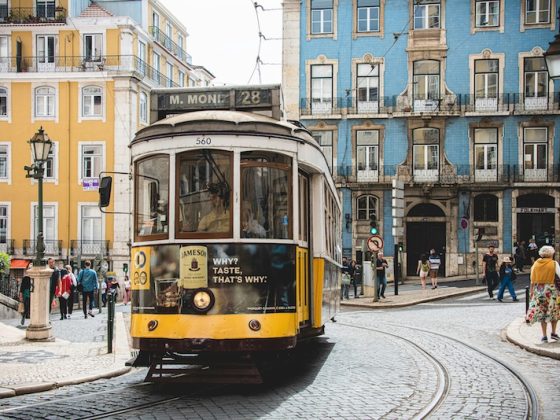
For many families, the sweet spot is further south, where a gentler climate and a lower cost of living meet societies that are genuinely friendly to families. Portugal has become the clear leader, and deservedly so.
It is one of the safest countries in the world, its cost of living sits below most of Western Europe, and it offers a large network of international schools alongside an affordable public health service. Its D7 and D8 visas give families with passive or remote income a realistic route in, and time spent there counts toward permanent residency and citizenship.
Spain offers much the same appeal on a larger canvas. It is safe, warm, and deeply welcoming to children, who are included in public life far more than in many Northern cultures. Both countries share a rhythm, built around long meals, outdoor living, and extended family, that suits the raising of children in a way that is hard to quantify but easy to feel.
Italy and Greece belong in the same conversation for the right family. Both are strikingly safe, both treat children as the center of social life, and both offer a slower, more rooted upbringing than most wealthy countries now manage. What they ask in return is patience with bureaucracy and a willingness to learn the language.

Beyond Europe, Where Lifestyle Leads
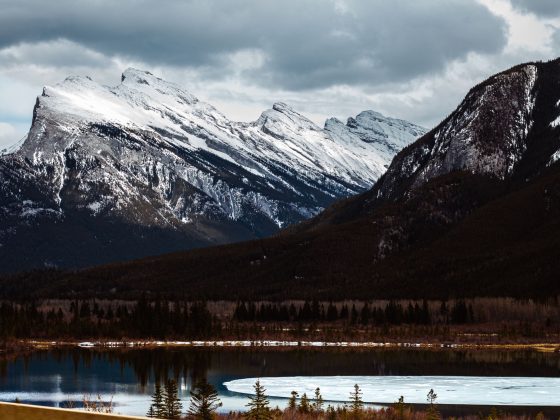
Europe does not have a monopoly on raising families well. New Zealand consistently ranks among the safest and happiest countries anywhere, with excellent schools, vast open space, and an outdoor childhood that is increasingly rare in the developed world.
Closer to the Americas, Costa Rica has drawn families for decades with its stability, its strong healthcare, and a national philosophy of pura vida that places wellbeing above hurry. Its lack of a standing army and its deep environmental ethic make it a gentle place to grow up. Panama and Uruguay offer their own versions, pairing stable societies built around family with accessible residency for those with modest income.
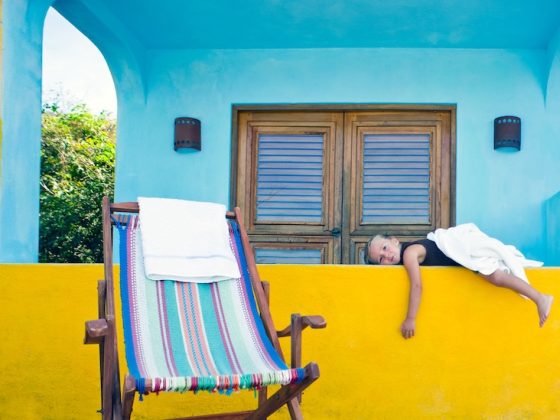
Mexico deserves a mention of its own for North American families. Its proximity, its warm culture that openly loves children, and its straightforward residency make it one of the easiest first moves a family can make, with grandparents only a short flight away.
These destinations share something the Nordic model cannot offer, which is affordability. A family can often live on one income, afford help at home, and give their children space and time that would be unthinkable at the same budget in Northern Europe or the United States. For many families, that trade of systems for freedom is the whole point.

The Adjustment No One Prepares You For
There is a part of moving abroad with children that no ranking captures, which is the adjustment itself. Children are more adaptable than parents fear, but the first months in a new country, a new school, and sometimes a new language are genuinely hard.
The research and the lived experience point the same way, though. Children who move young tend to settle fastest, pick up languages almost effortlessly, and grow into adults with a confidence and openness that is difficult to teach any other way. The hard season is real, and it is also short.
What eases it most is community, a soft landing among other families who have made the same move. The destinations that already hold settled international families are the ones where a child finds a friend, and a parent finds an ally, within the first difficult weeks.
What Actually Matters When You Move With Children
The brochure sells climate and scenery, but families live and die by the practical details. Four things matter more than any view.
The first is schooling, and it is worth deciding early whether you want your children in international schools, which ease the transition but cost money, or local ones, which integrate them deeply but demand a new language. The second is healthcare, where what matters is not just quality but access, proximity, and whether a serious pediatric case can be handled locally or means a flight.
The third is safety and stability, the quiet foundation that lets children roam and parents sleep. The fourth is community, because a family needs a network far more than a single traveler does, and the places that already hold settled international families are the ones where a newcomer finds their feet fastest.
How to Choose the Right One
The right country depends entirely on what your family values most and can realistically access. If you have a skilled job offer and want the very best system money and taxes can build, Northern Europe is unmatched.
If you want warmth, affordability, and an accessible residency route, Portugal and Spain lead in Europe, while Costa Rica, Mexico, Panama, and Uruguay lead in the Americas. If you dream of space and safety above all, New Zealand is hard to beat. The honest first step is to rank your own priorities before you rank the countries.

What no ranking can decide for you is the texture of daily life, the thing a child will actually remember. That is found only on the ground, which is why every serious family move should begin with a long visit in the ordinary season, not the holidays.
The reward for getting it right is the rarest thing a parent can give. Not a bigger house or a better salary, but a childhood spent somewhere safe, open, and kind, and the quiet certainty that the move was made for them.
Best Countries to Raise a Family: Common Questions
Which country is best for raising children?
In UNICEF’s 2025 child wellbeing ranking of rich countries, the Netherlands came first, followed by Denmark and France. The Nordic countries, Switzerland and Austria also score well on schools, healthcare and family support, but they are expensive and hard to move to without a job offer.
What is the safest country to raise a family?
In the 2026 Global Peace Index, Iceland ranks first and New Zealand second. Portugal is 7th, which makes it one of the safest choices that is also affordable and open to families with remote or passive income.
Can I move my family to Portugal on a remote income?
Yes. The D8 visa is for remote workers and the D7 for people with passive income such as pensions or rent. A spouse and children can join you. Permanent residency comes after 5 years, but citizenship now takes 10 years of legal residence.
Should my children go to an international school or a local school?
International schools make the move easier because lessons are often in English, but they cost more. Local schools are cheaper and help children fit in faster, but they mean learning a new language. Many families start international and switch later.
Contact Author
"*" indicates required fields
Stay Ahead on Every Adventure!
Stay updated with the World News on Escape Artist. Get all the travel news, international destinations, expat living, moving abroad, Lifestyle Tips, and digital nomad opportunities. Your next journey starts here—don’t miss a moment! Subscribe Now !
Moving abroad as a single person is a question of lifestyle. Moving abroad as a family is a question of everything, because the decision now has to answer to the smallest and most important people in the household.
The calculation changes entirely. Schools matter more than nightlife, a good pediatric hospital outweighs a good beach bar, and safety and stability move to the very top of the list. The best place for a nomad in their twenties is rarely the best place for a family of four.
The good news is that some of the finest places on earth to raise children are also realistic to move to. This is a guide to where families actually thrive abroad, and to what separates a good destination from a merely beautiful one.
If you'd like to read the full story, simply enter your email to subscribe to our newsletter.
For even more expert insights, unmissable resources, and exclusive invites, explore our premium subscription offers here.
OR
Already a Subscriber? Click here to login
Subscription required
You've reached your limit of free articles. For full access to Escape Artist, and all of our insights on travel, moving abroad, and the digital nomad life, click here to Subscribe.
Already a Subscriber? Log in here