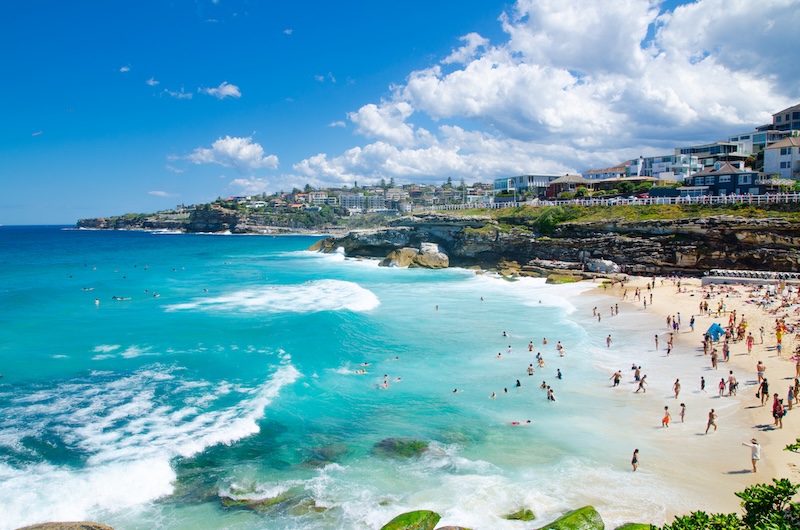
For decades, Australia has sat near the top of almost everyone’s list of where they would move if they could. The image is irresistible, a country of endless coastline, year round sunshine, and a relaxed outdoor life that the rest of the world only gets on holiday.
That reputation was built on something real, and much of it still holds. Australia routinely ranks among the ten best countries in the world for quality of life, and the daily experience of living there can feel like a permanent exhale.
But the picture in 2026 is more complicated than the postcard. Housing has grown painfully expensive, the doors to migration are narrowing, and the sheer distance from the rest of the world is a cost that never quite goes away. The honest question is whether the dream still adds up, and the answer depends on what you are looking for.
The Lifestyle That Built the Reputation, and Still Delivers
Start with what Australia unambiguously gets right, because it is the heart of the appeal. The climate across much of the country is close to ideal, with mild winters, long warm summers, and a quality of light that shapes the entire way of life. People live outdoors here in a way that is rare in the developed world.
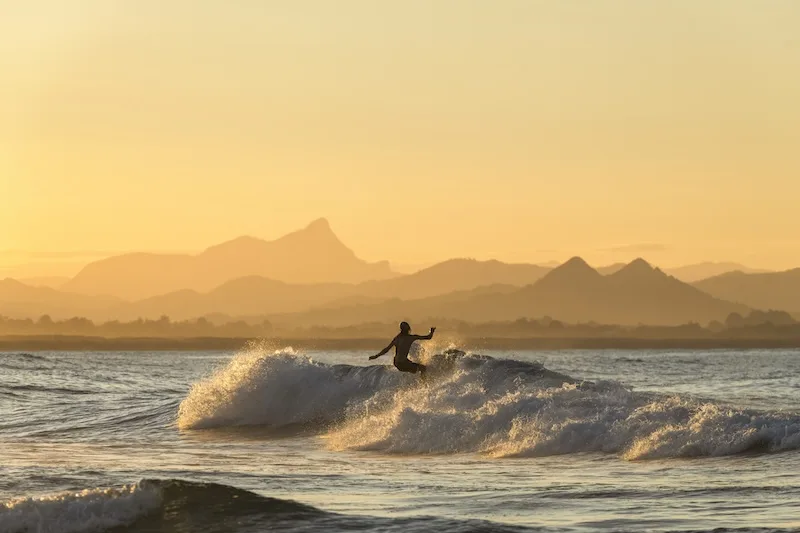
The lifestyle that follows is the real product. Beaches that would be world famous elsewhere sit half empty at the end of ordinary suburbs, and weekends revolve around the ocean, the barbecue, and the national parks. Balance between work and life is not a slogan but a cultural expectation, and Australia consistently ranks among the best places on earth for it.
This is the thing visitors feel immediately and residents rarely take for granted. The space, the sunshine, and the unhurried pace remain exactly as advertised. For anyone whose priority is how daily life actually feels, Australia still delivers the dream.
A Healthcare System That Ranks With the World’s Best
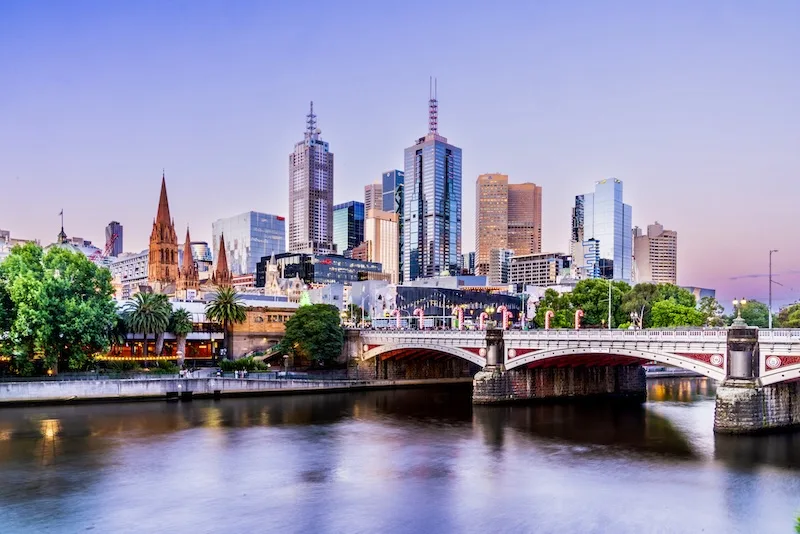
Beneath the lifestyle sits a serious foundation, and healthcare is a big part of it. Australia’s public system, Medicare, provides free or heavily subsidized care to residents, and the standard is genuinely world class. In the respected Commonwealth Fund comparison of wealthy nations, Australia has ranked at or near the very top.
Most residents combine Medicare with private health insurance, which buys faster access to specialists and elective procedures. The result is a system that covers everyone while still offering choice to those who want it. For families in particular, that security is a major part of the country’s draw.
Education follows a similar pattern, with strong public schools and several universities that rank among the world’s best. Taken together, the systems that underpin a life, the hospital and the school, are among the most reassuring anywhere. This is the quiet substance behind the sunny image.
An Economy and Quality of Life Few Countries Can Match
Australia’s prosperity is the other half of the story. The economy has proved remarkably resilient, with unemployment low at around four percent and steady growth forecast to continue through 2026. Wages are high, and the minimum wage is among the most generous in the world.
That prosperity translates into real buying power for those earning a local salary. Purchasing power in Australia sits well above the global average, and cities like Adelaide, Perth, and Canberra combine high incomes with genuine safety and calm. Inflation, which spiked in recent years, has been easing back toward normal levels.
None of this is to say the cost of living is low, because it is not. Groceries, energy, and services are all expensive by global standards, and the headline numbers can surprise newcomers. But matched against the high wages, the overall equation has long worked in residents’ favor.
The Housing Problem Nobody Can Ignore
Here the dream meets its hardest test. Australian housing has become genuinely unaffordable, with the national median house price now approaching one million dollars and the major cities stretching far beyond it. For a generation of younger Australians, ownership has moved out of reach.
Renting offers little relief. Weekly rents for a family home run to around eight hundred dollars in Sydney, and even the more affordable capitals have seen rents climb sharply, rising more than twenty percent in some markets over just four years. Energy bills and insurance premiums have jumped alongside them.
This is the single biggest crack in the Australian promise, and it is real. The lifestyle may be world class, but paying to live inside it has become a serious burden, especially in Sydney and Melbourne. Anyone weighing a move has to look at this number first, not last.
Getting In Is Harder Than It Used to Be
The second obstacle is the door itself. Australia has been tightening its immigration system, cutting its net migration target toward around two hundred and twenty five thousand a year and sharpening the focus of who it lets in. The welcome is narrower than it was even a couple of years ago.
The skilled migration points test, the main route for working age migrants, is being rewritten to favor younger, higher skilled applicants in priority fields. Healthcare, construction, education, and a handful of other sectors now receive priority processing, reflecting the country’s actual shortages. For those outside the favored categories, the path is longer and less certain.
Other routes have tightened too, from student visas to working holidays, which are now allocated by ballot. None of this makes migration impossible, and the right profession still opens doors quickly. But the days of Australia waving in almost anyone with skills are over, and the fine print now matters enormously.

The Distance That Never Quite Goes Away
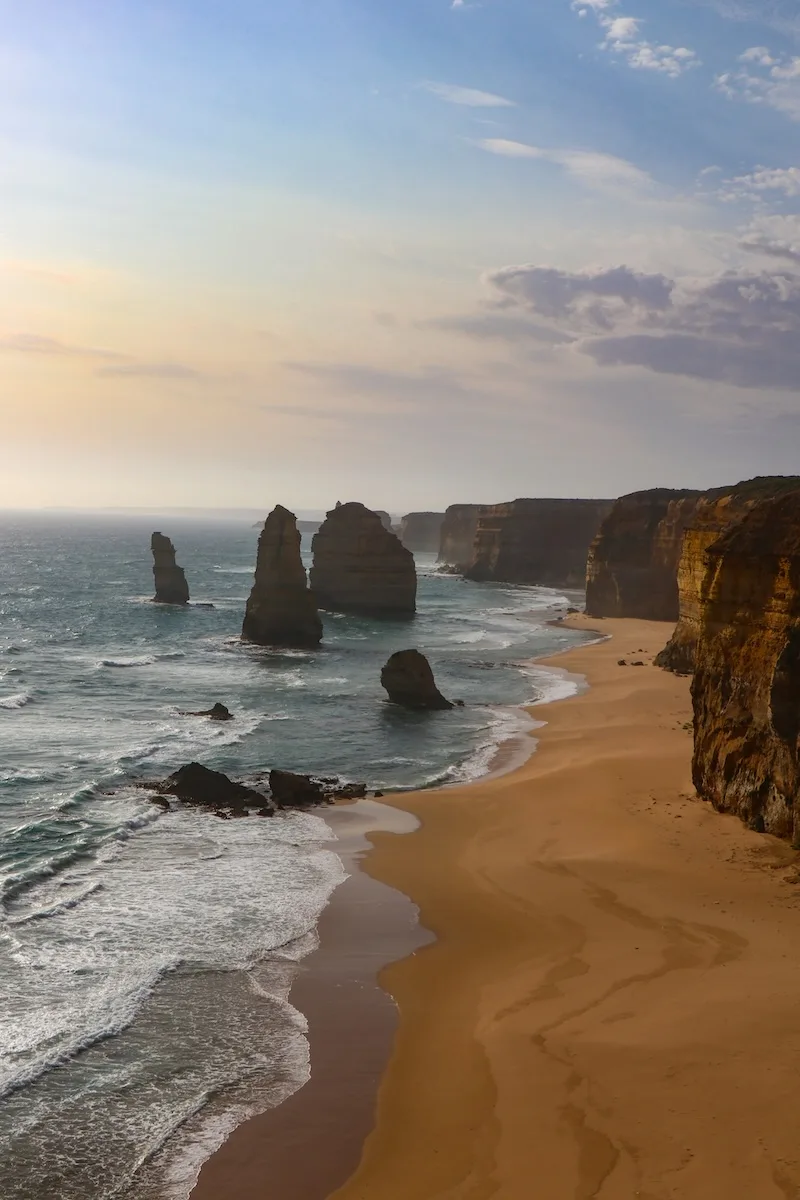
The last factor is the one no policy can change. Australia is a very long way from almost everywhere, and for migrants with family and roots on the other side of the world, that distance is a permanent emotional cost. A trip home is a major undertaking, not a quick weekend.
Flights to Europe or the Americas are long and expensive, and the time difference makes even a phone call a matter of planning. For many who move, the hardest part of Australian life is not the housing or the visas but the ache of being so far from aging parents and old friends. It is the price of paradise that the brochures never mention.
Within the country, the distances are vast as well, and life outside the major cities often means real car dependency and isolation. For some, that remoteness is the whole appeal, a chance to live closer to nature and further from the noise. For others, it is a slow and quiet strain.
So, Is It Still One of the World’s Most Desirable Places to Live?
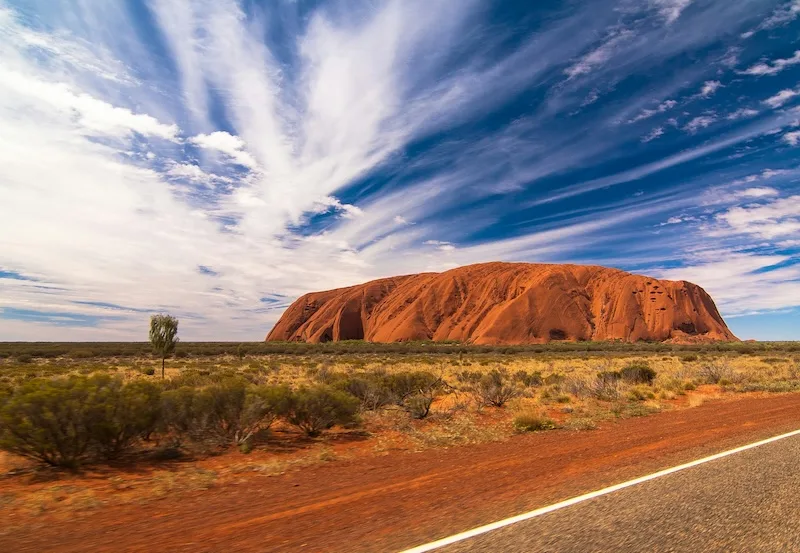
The honest answer is yes, but with clearer eyes than before. For the right person, Australia remains one of the finest places on earth to build a life, pairing a world class lifestyle with serious healthcare, a strong economy, and a safety and calm that are increasingly rare.
But the dream now comes with a harder edge. You need either a strong income or a favored profession to clear the housing and the visa hurdles, and you need to make real peace with the distance from home. Australia rewards those who arrive with the means and the mindset to meet it on its own terms.
Desirable, then, is not the same as easy, and in 2026 that is the whole truth of it. The country still offers one of the best lives in the world to those who can reach it. The only question left is whether you are ready to pay what that life now costs, in dollars and in miles.
Pros and Cons of Living in Australia: Common Questions
What are the main pros and cons of living in Australia?
The pros are the outdoor lifestyle, beaches and climate, one of the best health systems in the world, and high wages. The cons are very expensive housing, a high cost of living, tighter visa rules and the long distance from Europe and the Americas.
Is it hard to move to Australia in 2026?
Harder than a few years ago. The government is cutting migration and redesigning the skilled points test to favor younger, higher skilled applicants. People in shortage fields such as healthcare and the trades still have good chances.
Is healthcare free in Australia?
Medicare gives residents free or low cost public care, and most people add private insurance for faster access to specialists. Australia ranked first overall in the Commonwealth Fund’s 2024 comparison of health systems in wealthy countries.
Is Australia expensive to live in?
Yes. Housing is the biggest cost, especially in Sydney and Melbourne, and groceries, energy and services are expensive too. High wages help, but only if you earn a local salary.
About the Author
Contact Author
"*" indicates required fields
Stay Ahead on Every Adventure!
Stay updated with the World News on Escape Artist. Get all the travel news, international destinations, expat living, moving abroad, Lifestyle Tips, and digital nomad opportunities. Your next journey starts here—don’t miss a moment! Subscribe Now !
For decades, Australia has sat near the top of almost everyone’s list of where they would move if they could. The image is irresistible, a country of endless coastline, year round sunshine, and a relaxed outdoor life that the rest of the world only gets on holiday.
That reputation was built on something real, and much of it still holds. Australia routinely ranks among the ten best countries in the world for quality of life, and the daily experience of living there can feel like a permanent exhale.
But the picture in 2026 is more complicated than the postcard. Housing has grown painfully expensive, the doors to migration are narrowing, and the sheer distance from the rest of the world is a cost that never quite goes away. The honest question is whether the dream still adds up, and the answer depends on what you are looking for.
If you'd like to read the full story, simply enter your email to subscribe to our newsletter.
For even more expert insights, unmissable resources, and exclusive invites, explore our premium subscription offers here.
OR
Already a Subscriber? Click here to login
Subscription required
You've reached your limit of free articles. For full access to Escape Artist, and all of our insights on travel, moving abroad, and the digital nomad life, click here to Subscribe.
Already a Subscriber? Log in here