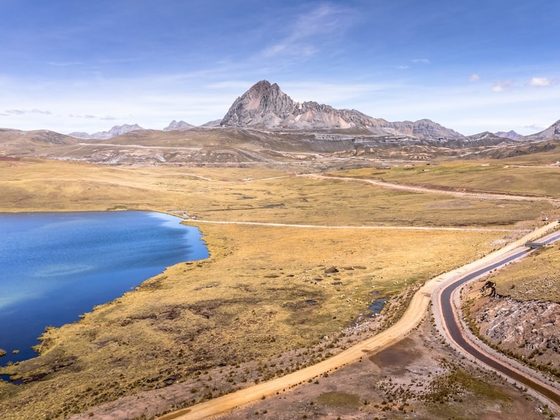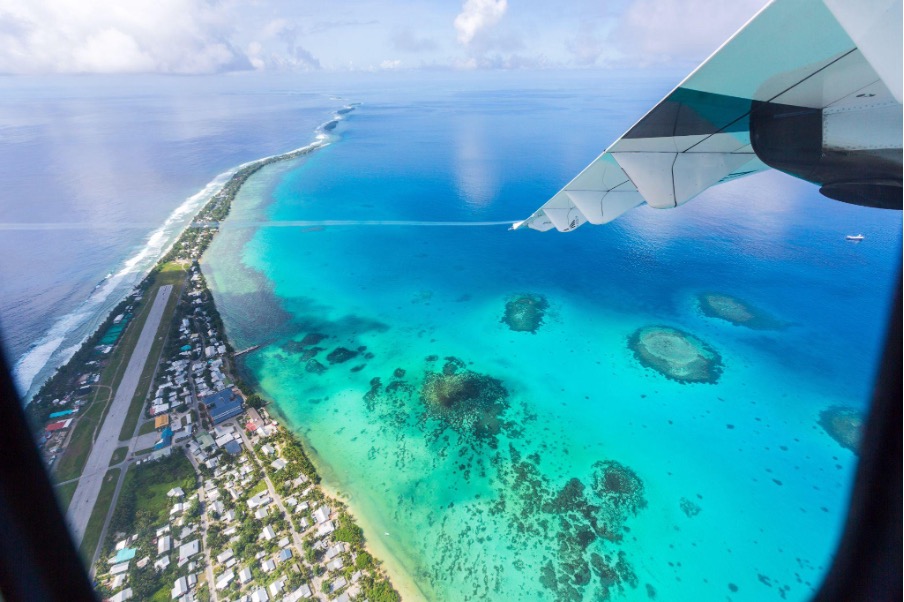
A hidden destination is not just a remote one. In most cases, it may be hidden because it has limited infrastructure for tourist visits, restricted air access, or lower demand that doesn’t support consistent commercial routes. There’s also the fact that some locations operate with short runways, while others rely on seasonal flights that rotate in and out throughout the year.
You can still reach many of these places commercially. It just takes planning, multiple connections, and flexibility. For travelers balancing business, property scouting, or multi-country itineraries, gaining greater control over that process is a clear advantage.
Why Private Jets Are Great for Hidden Destination Travel
The real advantage in using a private jet for locations that are remote or otherwise difficult to get to is the control you gain over your flight plans. You no longer have to stick to fixed commercial schedules or layovers, since you can route directly to your destination. What’s more, you can adjust your timing around weather or local conditions.
And this is more significant than it sounds: it means that you can keep entire flights within a single day rather than allowing it to span multiple days and airports. This way, timing becomes something you manage rather than work around.
For travelers working with private jet charter companies, this flexibility often extends across multiple stops, allowing several remote locations to be visited within a single, tightly planned trip.
The Cyclades Beyond Mykonos, Greece
Most travelers stop at Mykonos or Santorini because they’re easy stops for private plans. Islands like Sifnos or Serifos operate on a smaller scale. No major airports, and ferry schedules that shift with seasonal conditions. If you are traveling commercially, the final leg can take as much time as the flight from London to Athens. Landing at nearby airstrips such as Milos will allow for a short onward transfer by boat, allowing what would have been a multi-stage journey to become a single, well-timed arrival, especially useful when visiting multiple properties or planning longer stays.
Courchevel and Direct Alpine Access, France
Most people focus on the flight into Geneva, but they forget that the final leg into Courchevel is where timing is the most important.
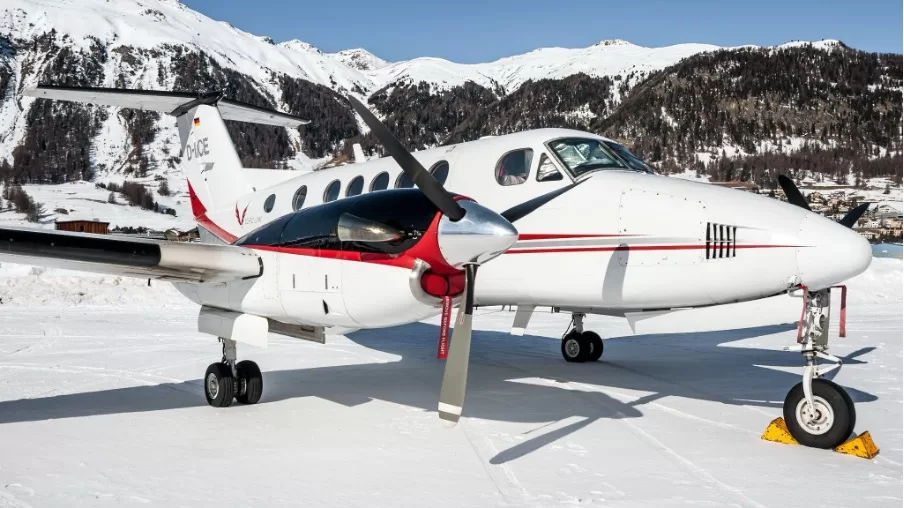
Transfers regularly take more than 3 hours during peak winter periods, even in good conditions. Courchevel’s altiport, however, offers a different approach. The runway is short, steep, and not accessible to commercial airlines. Only specialised aircraft with certified pilots can land there. When you step off the plane, you are already at the resort, which simplifies travel between Alpine locations.
The Atlas Mountains and Southern Morocco
Leave Marrakech, and the pace changes quickly. Estates in the Atlas foothills or desert camps near Zagora sit well beyond the main transport network.
That distance makes direct access especially valuable, particularly for shorter, more focused visits. Smaller aircraft can reach regional airstrips much closer to these locations. This allows journeys to be planned more efficiently and opens up parts of Morocco that are otherwise reserved for longer itineraries.
Lamu Archipelago, Kenya
Lamu looks close on a map, but access operates on a smaller scale. Most routes connect through Nairobi, followed by a domestic flight with limited daily service. More direct regional access allows smoother coordination with boat transfers to villas and development sites. When you are visiting multiple locations along the coast, that consistency makes planning much easier.
Northern Sardinia’s Less Accessible Coastlines
Sardinia attracts attention in summer, but not all of it is structured for high-volume travel. Some of the more interesting coastal areas are served by smaller airstrips or regional airports with limited commercial capacity.
During peak season, commercial schedules into Olbia can become tightly fixed.

Private charters, however, allow for arrivals and departures to instead align with your itinerary, not the airline’s. For those managing property across the Mediterranean or combining multiple destinations in one trip, having that flexibility is a gamechanger.
Patagonia’s Remote Land Holdings
In Patagonia, the defining factor is scale. Distances are wide, infrastructure is sparse, and many estancias sit far beyond the main airport network.
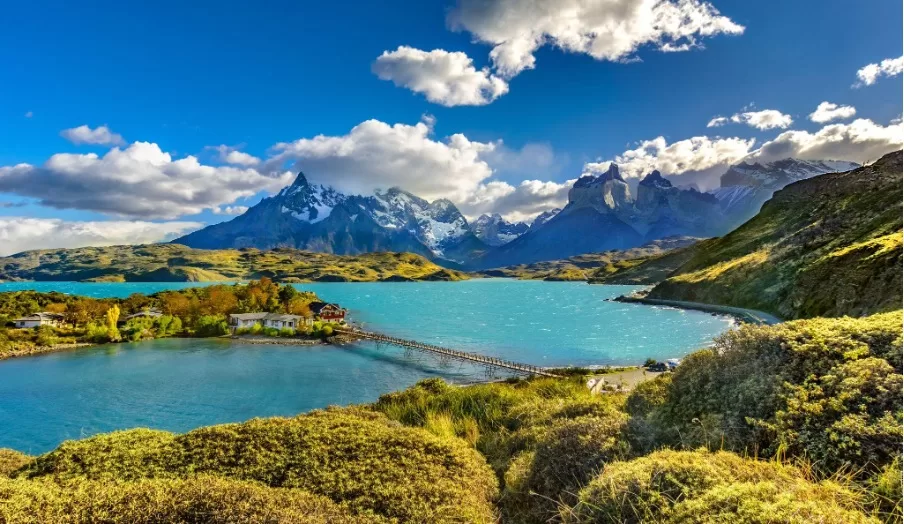
In many cases, the final leg becomes the longest part of the journey.
Regional airstrips closer to these properties become accessible, often combined with smaller connecting aircraft. This allows you to move between locations efficiently and assess multiple opportunities in a single trip.
Cost, Value, and Environmental Considerations
This type of travel comes at a cost, but the value lies in time, access, and flexibility. When travel is condensed into a single day rather than spread across several, the overall experience shifts. You save time on both travel and admin, you have fewer days of jetlag to recover from, and you get to move between locations efficiently.
What’s more, environmental impact remains part of the conversation, especially across Europe. Many operators now offer carbon offset programmes and are investing in more efficient aircraft, allowing travelers to make more considered choices.
Access as a Strategic Advantage
These destinations remain under the radar because access is limited. That constraint helps preserve lower visitor numbers and more controlled development. For globally mobile individuals, access is more than just a convenience; it shapes how and where you spend your time, and where you get to go next.
In this context, private jet travel functions as an extension of infrastructure. It connects places that sit outside standard routes, turning them into viable options for living, investing, or simply spending time with greater flexibility.
Contact Author
"*" indicates required fields
Stay Ahead on Every Adventure!
Stay updated with the World News on Escape Artist. Get all the travel news, international destinations, expat living, moving abroad, Lifestyle Tips, and digital nomad opportunities. Your next journey starts here—don’t miss a moment! Subscribe Now !
A hidden destination is not just a remote one. In most cases, it may be hidden because it has limited infrastructure for tourist visits, restricted air access, or lower demand that doesn’t support consistent commercial routes. There’s also the fact that some locations operate with short runways, while others rely on seasonal flights that rotate in and out throughout the year.
You can still reach many of these places commercially. It just takes planning, multiple connections, and flexibility. For travelers balancing business, property scouting, or multi-country itineraries, gaining greater control over that process is a clear advantage.
Why Private Jets Are Great for Hidden Destination Travel
If you'd like to read the full story, simply enter your email to subscribe to our newsletter.
For even more expert insights, unmissable resources, and exclusive invites, explore our premium subscription offers here.
OR
Already a Subscriber? Click here to login
Subscription required
You've reached your limit of free articles. For full access to Escape Artist, and all of our insights on travel, moving abroad, and the digital nomad life, click here to Subscribe.
Already a Subscriber? Log in here