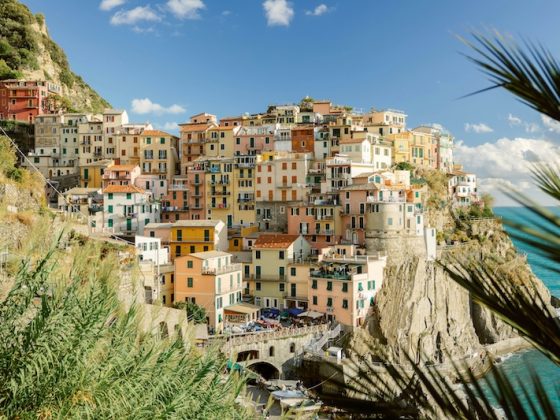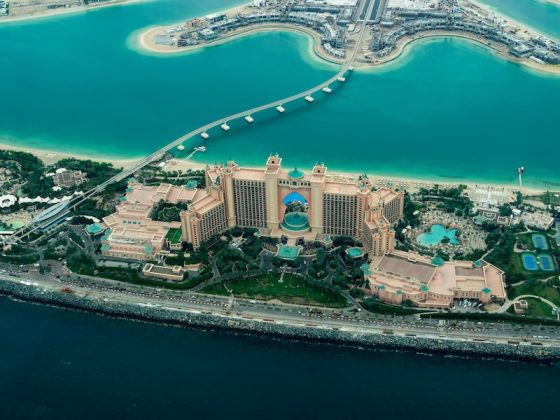
Group travel across Europe thrives on shared moments, smooth logistics, and easy movement between cities. Friends, families, and work teams usually choose this region for its compact geography, strong transport networks, and variety of experiences packed into short distances. Coordinating plans for multiple people becomes easier when routes, attractions, and daily schedules stay flexible. Reliable digital access plays a quiet but important role here, since maps, bookings, and communication tools help groups stay aligned while exploring busy cities and crossing borders together.
Connectivity adds structure to group travel planning in this region. Many travelers now rely on a Europe eSIM to support navigation, ticket access, and quick updates during multi-city trips. This approach removes the need for physical SIM swaps and helps groups stay connected as plans evolve across destinations. When everyone has steady access, coordination becomes simpler and travel days feel far less stressful.
Paris for Culture and Shared Experiences
Paris works well for group adventures thanks to its walkable neighborhoods and dense collection of landmarks. Groups enjoy exploring museums, river walks, and historic streets without long travel gaps. Public transport links simplify movement between districts, which helps larger groups stay together. Dining options range from casual cafes to group-friendly bistros. Timed entry tickets and planning help avoid queues. Paris offers a balance of culture, food, and relaxed pacing that suits varied group interests.
Barcelona for Food, Beaches, and Social Energy
Barcelona attracts groups with its mix of coastal views, food culture, and vibrant public spaces. Beach areas provide downtime between sightseeing stops, which helps manage group energy levels. Shared meals feel central here, with tapas-style dining suited to social travel. City layouts allow easy transitions between attractions. Groups usually plan flexible days that mix structured visits with open time. Barcelona supports relaxed group travel that blends activity with leisure.
Amsterdam for Compact Group Exploration
Amsterdam suits group travel due to its compact layout and efficient transport system. Walking and cycling routes keep travel times short, which helps maintain group cohesion. Canal tours provide shared experiences that require minimal planning. Museum districts cluster attractions close together. Accommodation options cater well to groups of different sizes. Amsterdam’s design reduces logistical pressure while offering varied experiences in a small area.
Prague for Budget-Friendly Group Adventures
Prague offers strong value for group travel with affordable dining and attractions. Historic centers remain walkable, which simplifies coordination. Public transport systems cover wider areas without complexity. Groups enjoy shared walking tours, river cruises, and cultural performances. The city supports slower pacing, which benefits mixed-age or multi-interest groups. Prague allows groups to stretch budgets while still enjoying rich cultural experiences.

Rome for History-Focused Group Trips
Rome rewards group travelers who plan structured routes through historic sites. Major landmarks sit within reasonable distances, which helps manage group timing. Guided tours work well for large parties and reduce confusion. Dining culture favors long, shared meals that suit social travel. Planning entry times helps avoid crowd delays. Rome delivers depth and storytelling that keep groups engaged throughout the visit.
Lisbon for Relaxed Group Itineraries
Lisbon appeals to groups seeking scenic views and relaxed movement. Neighborhoods offer varied experiences within short distances. Trams and viewpoints add character to shared travel days. Food culture supports casual group dining with flexible schedules. Coastal access allows day trips without complex planning. Lisbon works well for groups that value comfort, scenery, and steady pacing.
Connectivity Support for Group Travel Planning
Reliable access helps groups coordinate routes, tickets, and schedules across cities. An eSIM supports seamless connectivity without relying on local Wi-Fi networks. This consistency becomes valuable when plans change or groups split briefly.
Why Connectivity Matters for Groups
- Shared maps keep everyone aligned during transit.
- Ticket access reduces delays at attractions.
- Messaging supports quick plan updates.
Practical Digital Travel Tools
- Offline navigation for busy areas
- Cloud storage for bookings and passes
- Real-time transport updates
Safety, Timing, and Group Coordination Tips
Group travel benefits from shared expectations around timing and meeting points. Clear schedules reduce waiting and confusion. Day planning with buffer time supports smoother transitions. Public transport awareness helps avoid peak congestion. Shared digital calendars support coordination. Access through a Europe eSIM allows fast updates during delays. Simple habits improve safety and efficiency while keeping the experience enjoyable.
Group travel thrives when destinations offer variety, walkability, and easy coordination. Cities across Europe deliver cultural depth, social spaces, and efficient transport that suit shared adventures. Reliable connectivity strengthens these experiences by supporting navigation, communication, and flexibility. Tools such as a Europe eSIM help groups stay aligned without physical SIM changes or roaming concerns. With thoughtful planning and steady access, group journeys become smoother, more social, and far more rewarding.
Contact Author
"*" indicates required fields
Stay Ahead on Every Adventure!
Stay updated with the World News on Escape Artist. Get all the travel news, international destinations, expat living, moving abroad, Lifestyle Tips, and digital nomad opportunities. Your next journey starts here—don’t miss a moment! Subscribe Now !
Group travel across Europe thrives on shared moments, smooth logistics, and easy movement between cities. Friends, families, and work teams usually choose this region for its compact geography, strong transport networks, and variety of experiences packed into short distances. Coordinating plans for multiple people becomes easier when routes, attractions, and daily schedules stay flexible. Reliable digital access plays a quiet but important role here, since maps, bookings, and communication tools help groups stay aligned while exploring busy cities and crossing borders together.
Connectivity adds structure to group travel planning in this region. Many travelers now rely on a Europe eSIM to support navigation, ticket access, and quick updates during multi-city trips. This approach removes the need for physical SIM swaps and helps groups stay connected as plans evolve across destinations. When everyone has steady access, coordination becomes simpler and travel days feel far less stressful.
Paris for Culture and Shared Experiences
If you'd like to read the full story, simply enter your email to subscribe to our newsletter.
For even more expert insights, unmissable resources, and exclusive invites, explore our premium subscription offers here.
OR
Already a Subscriber? Click here to login
Subscription required
You've reached your limit of free articles. For full access to Escape Artist, and all of our insights on travel, moving abroad, and the digital nomad life, click here to Subscribe.
Already a Subscriber? Log in here