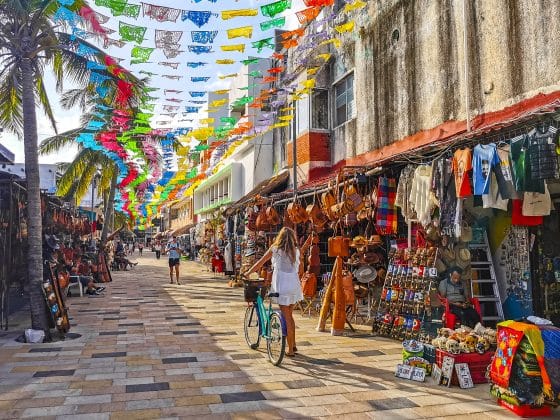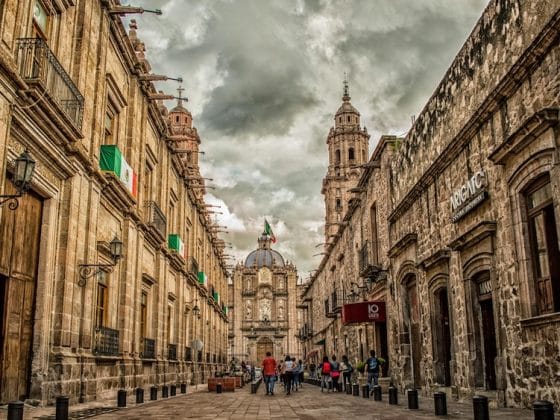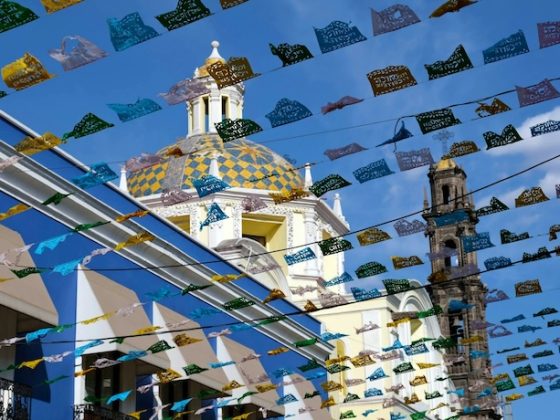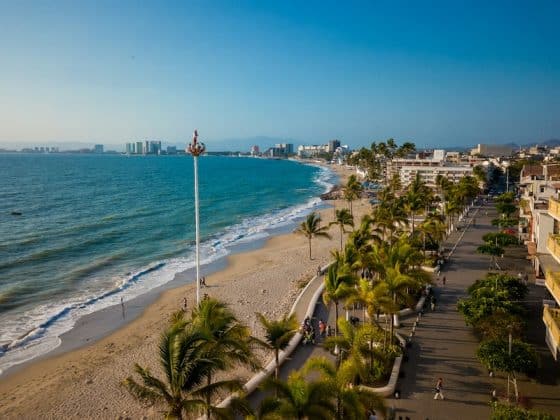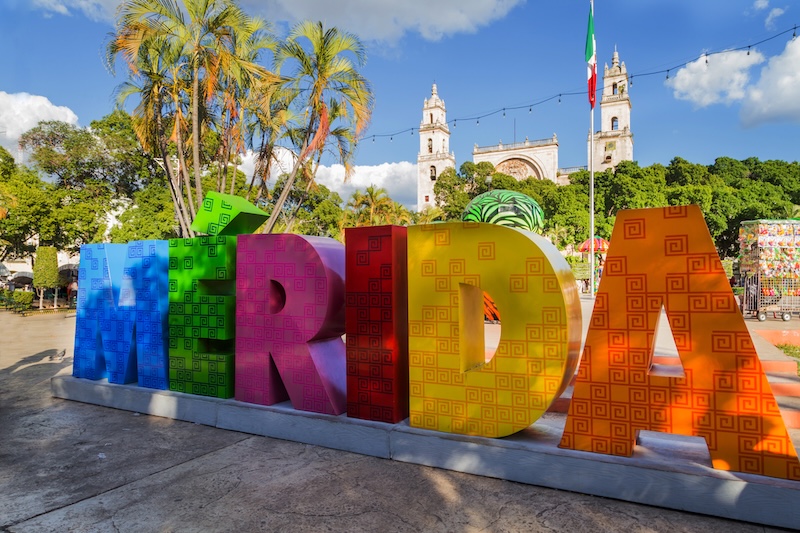
If you’re searching for a distinctive locale in Mexico where daily life unfolds against a backdrop of vital historical traditions and colorful colonial architecture, trek south to Mérida. The Yucatán capital sits in the center of a broad limestone plain surrounded by Maya communities, cenotes, archaeological sites, and the warm waters of the Gulf. Within its limits, colonial streets traverse signature colorful facades and elegant nineteenth-century mansions, producing an atmosphere both cosmopolitan and characteristically Mexican.
In recent years, Mérida has become a hub for expats, retirees, remote workers, and families seeking beachside tranquility without sacrificing access to cultural institutions and modern conveniences. However, the city’s appeal extends beyond practical considerations; Mérida prides itself on its active historical neighborhoods, where local markets still anchor community life and centuries-old traditions coexist comfortably alongside contemporary restaurants and galleries.
Arrival in the Yucatán Capital
Reaching Mérida is straightforward through local and international transportation centers. Mérida International Airport offers connections to Mexico City and other major Mexican destinations, as well as international routes to cities in the United States. An expanding rail network also connects the city to the wider Peninsula, making destinations such as Campeche, Valladolid, and Cancún more accessible for residents.
The immediate journey into the city provides an immediate introduction to the Yucatán landscape. Unlike Mexico’s mountainous regions, the peninsula is remarkably flat having been shaped by limestone deposits, tropical vegetation, and a vast underground network of rivers and sacred cenotes.
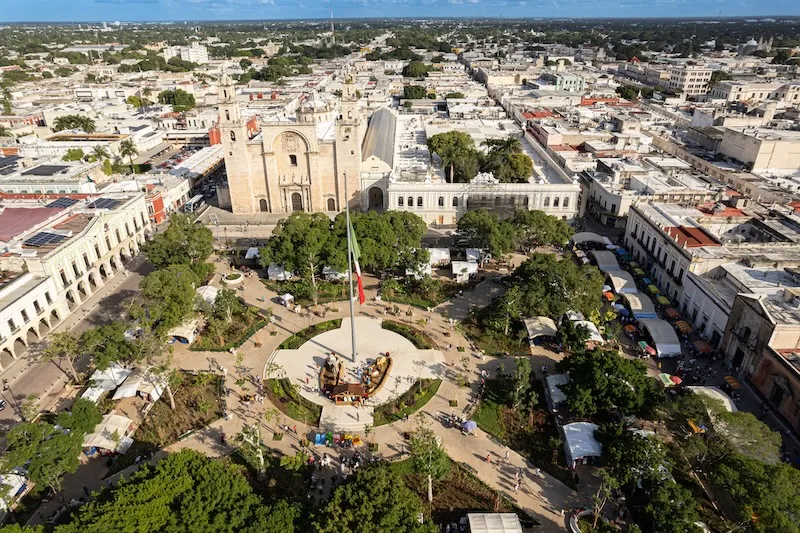
Upon arrival, visitors quickly discover that Mérida is a city conducive to travel on foot. The historic center (one of the largest in Mexico) is organized on a walkable grid of named and numbered streets centered around verdant plazas, colonial churches, and lively cultural venues. The Plaza Grande, which leads to the Catedral de San Ildefonso, serves as the traditional heart of the city with nearby streets branching toward Parque Santa Lucía, Parque de Santiago, Parque de Santa Ana, and the neighborhood of La Ermita. Many residents choose to live in or near Centro Histórico because daily errands can easily be completed without a vehicle. Others prefer quieter residential neighborhoods farther north, such as Altabrisa, Temozón Norte, Montebello, and Santa Gertrudis Copó, where larger modern developments provide a different style of living.
Maya Foundations and Colonial Layers
Mérida’s history long predates its Spanish colonial architecture. The city was established in the sixteenth century on the site of T’Hó, an important Maya settlement, and the influence of Maya civilization remains central to the cultural identity of the Yucatán. Powerful vestiges of the Maya also continue to define the landscape beyond the city. Uxmal, one of the region’s most renowned archaeological sites due to its monumental architecture and elaborate stonework, lies within day-trip distance. Chichén Itzá, farther east, showcases other important remnants of the ancient Maya world. Throughout the peninsula, modern Maya communities abide as an active regional force, reflected in the daily cadence of the Maya language, local traditional embroidery and architecture, and the unique regional dishes.
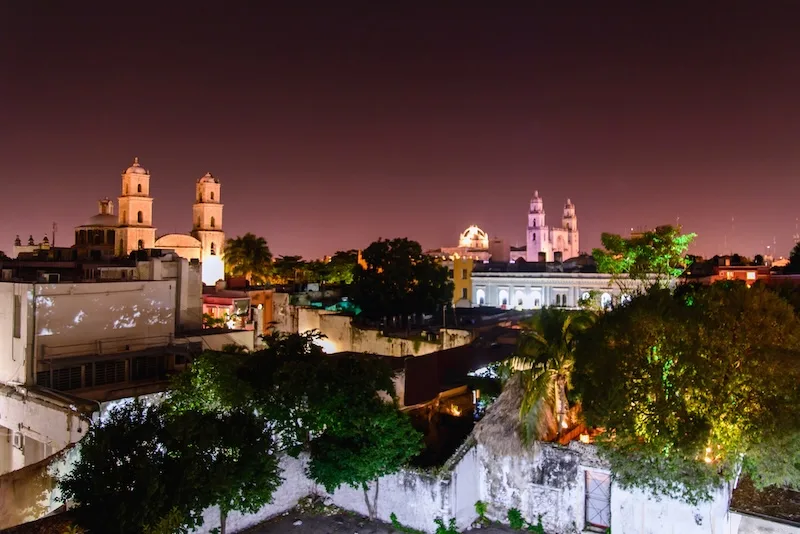
Within Mérida proper, the elegant architecture conveys complexly interwoven histories. Spanish colonial architecture dominates the historic center; while churches, shaded plazas, and latticed private residences demonstrate centuries of adaptation to the warm Yucatán climate. The city’s historical wealth stems from the production of henequen, an agave fiber that was once exported throughout the world, and the prosperity of that era is particularly evident along Paseo de Montejo, Mérida’s most stunning boulevard. Historic mansions line the avenue, where museums, restaurants, hotels, and various cultural institutions now occupy some of the buildings that once belonged to the region’s wealthiest families.
A City of Markets, Food, and Public Life
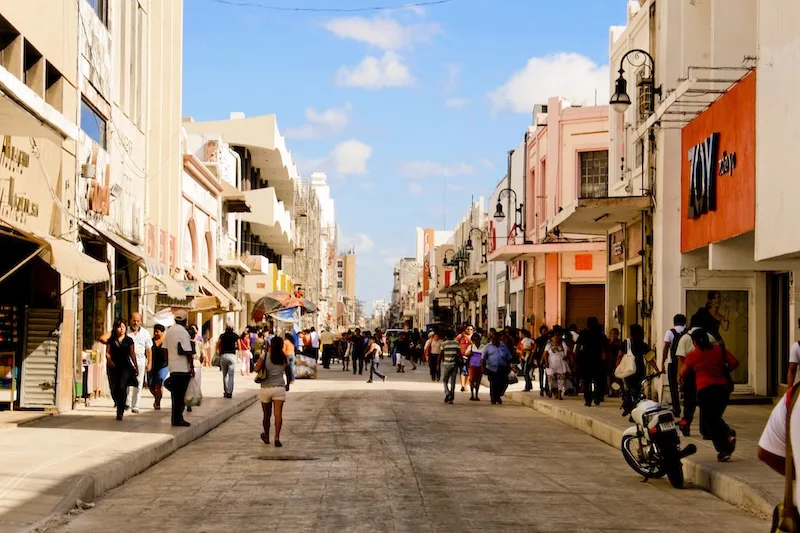
Mérida’s markets provide an integral slice of life for understanding the city’s everyday culture. Mercado Lucas de Gálvez, near the historic center, serves as a sprawling commercial marketplace where residents can shop for produce, spices, meat, flowers, prepared foods, and household necessities. Food is central to Yucatecan identity, and much of the cuisine reflects traditional Maya ingredients and techniques. The region is particularly known for dishes such as cochinita pibil, sopa de lima, panuchos, salbutes, and relleno negro.
For newcomers, eating in Mérida can provide an easy introduction to the region. A breakfast at a neighborhood restaurant, a plate of panuchos at a market counter, or an evening meal in one of Centro’s fine dining restaurants offer intimate perspectives on the city’s daily life. Mérida has developed a formidable food scene in recent years, boasting restaurants ranging from traditional family establishments to modern interpretations of Yucatecan cuisine.
Comfortable Living with Considerations
While property prices and rental rates in Mérida have risen due to growing international demand, the city still provides exceptional value compared to North American or European metropolitan areas. A one-bedroom apartment outside Centro can often be found for approximately $400 to $700 per month, while apartments in central neighborhoods such as Santa Ana, Santiago, or García Ginerés may range from roughly $700 to $1,100. Furnished two-bedroom properties near Paseo de Montejo, however, can reach prices of $1,200 to $1,800 or more.
For a single expat, a monthly budget of approximately $1,400 to $2,200 can provide a modest to comfortable lifestyle, depending heavily on rent and use of amenities such as air conditioning. Mérida’s climate is hot and humid, and air conditioning can become essential during the summer months. Other amenities, such as reliable internet service, are generally affordable and comparable to other urban centers in Mexico.
Mérida has developed an extensive private medical sector, with facilities including Star Médica, Centro Médico de las Américas, Clínica de Mérida, and Christus Muguerza Faro del Mayab. Private specialist consultations are generally far less expensive than care in the United States, although costs vary by physician and specialty.
Lush Tranquility and a Growing International Community
Mérida cultivates a lively and visible social life; in the evening, plazas around the historic center fill with musicians, families, and friends. Parque Santa Lucía hosts frequent performances of Yucatecan trova; while the streets surrounding the Plaza Grande regularly entertain public celebrations, cultural events, and community activities.
Mérida particularly appeals to prospective expats who prioritize safety: it consistently ranks among the Mexican cities where residents feel safest in INEGI’s national urban security survey. In addition to its thriving local communities, Mérida’s international population concentrates in neighborhoods such as Centro, Santa Ana, Santiago, García Ginerés, and Itzimná. English is widely spoken in businesses that cater to foreign residents, but Spanish remains important for navigating everyday life with neighbors, market vendors, tradespeople, and local businesses, providing access to a much broader experience of Mérida.
The city is not without challenges: the intense heat can be difficult for those accustomed to cooler climates, and newcomers may need time to adjust to the idiosyncrasies of local bureaucracy and infrastructure. Rising housing costs have also altered parts of the city’s residential landscape.
Beyond the City: Cenotes, Ruins, and the Gulf Coast
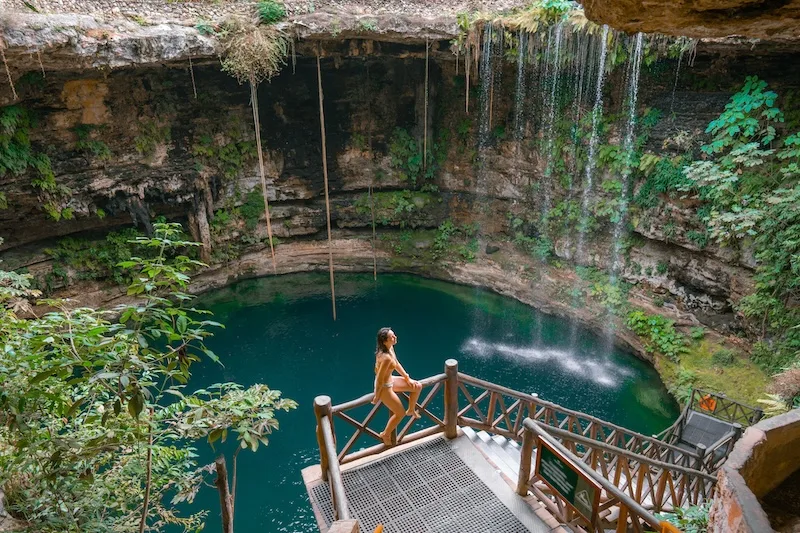
One of Mérida’s greatest advantages is its regional accessibility, encouraging new residents to explore its rich cultural and geological history. The Yucatán Peninsula is famous for its cenotes: natural limestone pools formed through the region’s underground water system. The communities around Homún for example, to the southeast of Mérida, contain dozens of cenotes that can be visited via day trips, providing relief from sweltering temperatures.
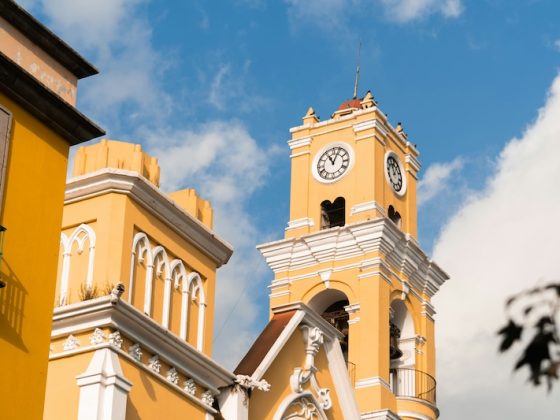
Other Gulf Coast towns are also within easy reach. Progreso, approximately forty minutes from central Mérida depending on traffic, is the city’s closest major beach destination, as well as a popular weekend escape. Farther west, Celestún is known for its wetlands, coastal ecosystems, and seasonal concentrations of flamingos. Izamal, recognizable for its yellow-painted colonial buildings, combines a historic town center with important Maya archaeological remains. Valladolid, farther east, provides another glimpse into the colonial and Maya character of the peninsula, while also serving as a gateway to Chichén Itzá.
Final Thoughts
Mérida’s broad international appeal lies in its idiosyncrasies, providing a cradle for the coexistence of enduring histories and diverse cultural influences. Maya traditions remain profoundly embedded in the region; colonial architecture defines the historic center as nineteenth-century commerce does the Paseo de Montejo; and the city itself continues to evolve through its expanding network of contemporary restaurants, galleries, cafés, and creative spaces.
For many expats, the urban center’s regional accessibility and distinct Maya traditions offset the city’s rising living costs. Mérida offers access to strong and affordable modern amenities, an increasingly international cultural scene, established residential neighborhoods, and the remarkable landscapes of the Yucatán Peninsula.
However, Mérida requires compromises: the climate demands adjustment and the city’s popularity has placed pressure on local housing and infrastructure. Ultimately, Mérida rewards those who approach it with patience as its tranquil character necessitates gradual discovery. For those willing to accommodate its Gulf Coast rhythms, Mérida grants access to a distinctly Yucatecan way of life.
Living in Mérida: Common Questions
Is Mérida safe?
It consistently ranks among the Mexican cities where residents feel safest in INEGI’s national urban security survey (ENSU). In the July 2026 round it was among the 15 cities with the lowest perception of insecurity, at 38.2%.
How much does it cost to live in Mérida?
A one-bedroom outside the center often rents for about $400 to $700 a month, and $700 to $1,100 in central neighborhoods such as Santa Ana, Santiago or García Ginerés. A single expat can live modestly to comfortably on roughly $1,400 to $2,200 a month, with air conditioning the swing cost in summer.
Is Mérida near the beach?
Yes. The city itself sits on the Yucatán’s limestone plain, about 35 km from the Gulf of Mexico, and Progreso, its closest major beach town, is around forty minutes away by road. Celestún’s wetlands and flamingos lie farther west along the coast.
How do you get to Mérida?
Mérida International Airport has flights to Mexico City and other Mexican cities, plus international routes to the United States. The Tren Maya connects Mérida with Campeche, Valladolid and Cancún.
About the Author
Ulrich Baer is an author, freelance writer, and experienced traveler. His work focuses on the myriad ways history manifests itself in contemporary culture and architecture. After completing his MFA in Literary Arts at Brown University, he began exploring different regions of the world and currently calls Mexico home.
Contact Author
"*" indicates required fields
Stay Ahead on Every Adventure!
Stay updated with the World News on Escape Artist. Get all the travel news, international destinations, expat living, moving abroad, Lifestyle Tips, and digital nomad opportunities. Your next journey starts here—don’t miss a moment! Subscribe Now !
If you’re searching for a distinctive locale in Mexico where daily life unfolds against a backdrop of vital historical traditions and colorful colonial architecture, trek south to Mérida. The Yucatán capital sits in the center of a broad limestone plain surrounded by Maya communities, cenotes, archaeological sites, and the warm waters of the Gulf. Within its limits, colonial streets traverse signature colorful facades and elegant nineteenth-century mansions, producing an atmosphere both cosmopolitan and characteristically Mexican.
In recent years, Mérida has become a hub for expats, retirees, remote workers, and families seeking beachside tranquility without sacrificing access to cultural institutions and modern conveniences. However, the city’s appeal extends beyond practical considerations; Mérida prides itself on its active historical neighborhoods, where local markets still anchor community life and centuries-old traditions coexist comfortably alongside contemporary restaurants and galleries.
Arrival in the Yucatán Capital
If you'd like to read the full story, simply enter your email to subscribe to our newsletter.
For even more expert insights, unmissable resources, and exclusive invites, explore our premium subscription offers here.
OR
Already a Subscriber? Click here to login
Subscription required
You've reached your limit of free articles. For full access to Escape Artist, and all of our insights on travel, moving abroad, and the digital nomad life, click here to Subscribe.
Already a Subscriber? Log in here