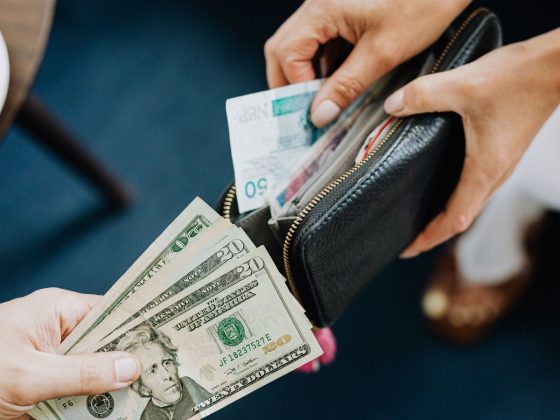
Then the paperwork finishes, and a different set of problems starts. None of them are serious. All of them are irritating, and almost nobody is warned about any of them.
The pattern is consistent enough across destinations that it can be described in advance. Here is what tends to go wrong in the first ninety days, and why.
Month One: Everything Is Blamed on Stress
The first month masks its own causes.
Skin behaves differently. Hair feels heavier or drier. Sleep is poor. Energy is inconsistent. All of it gets attributed to the move, which is reasonable because a move is genuinely stressful.
Some of it is not stress. Two environmental variables changed the day of arrival, and both operate invisibly.
The first is water. The USGS classifies water as soft below 60 milligrams per liter of calcium carbonate and very hard above 180, and the variation between two cities in the same country routinely covers that whole span.
Nobody lists water hardness on a rental agreement. It is one of the larger uncontrolled changes in an international move.
The second is indoor climate. The EPA recommends keeping indoor humidity between 30 and 50 percent, and suggests verifying with an inexpensive gauge rather than guessing.
Homes in heated northern climates frequently sit well below that range in winter. Homes in humid subtropical ones sit well above it in summer. A routine calibrated for one is being run in the other.
Month Two: The Routine Stops Working
By week five or six, it becomes clear something specific has changed rather than something general.
Products that worked for a decade stop performing. Lather is poor. Hair feels coated within a day of washing. Skin is tight in a way it never was.
The common mistake at this point is replacing everything at once, which guarantees that nothing useful is learned.
The more efficient move is to identify which variable is responsible, because the responses differ. Hard water leaves mineral deposits on the hair shaft, which is a weight and buildup problem. Dry air is a moisture retention problem. They call for opposite interventions.
This is also where product availability becomes a practical issue rather than a preference. Davines publishes a hair oil range on its US store, and hair oils are a useful example of the category problem facing anyone relocating, because salon-distributed lines operate country by country and the specific product available in one market frequently is not sold in another.
That is worth checking before a move rather than discovering afterward. If a brand matters, look for a local store in the destination country. Five minutes of checking saves a month of substitution.
Mineral content is a real mechanism rather than a marketing one. Water treatment research indexed through the WHO guidance library addresses indoor environmental conditions in similar terms, noting for instance that dust mites require relative humidity above roughly 45 to 50 percent, which is why damp and dry homes produce entirely different sets of complaints.
Month Three: Adjustment, Mostly
Most people report that things settle somewhere in the second or third month, and the reasons are unromantic.
By then a local product has been found. Washing frequency has been adjusted. A humidifier or dehumidifier has appeared. Someone has worked out which rooms in the home are the problem.

The other factor is that the acute phase of relocation has ended. Sleep normalizes, diet normalizes, and a share of what was blamed on water was attributable to a genuinely difficult two months.
Timing helps here too. Dermatologists advise applying moisturizer while skin is still damp after washing, and keeping showers to five or ten minutes in warm rather than hot water.
Those two adjustments cost nothing and frequently resolve more than a new product would.
What to Ship and What to Replace
The shipping calculation for personal care is mostly unfavorable, with narrow exceptions.
Worth bringing: anything prescription, in original packaging with documentation. One or two products you know you tolerate, as a bridge for the first month. Anything verified as unavailable locally.
Not worth bringing: bulk quantities of anything sold in the destination. Liquids in volume, which are heavy and often restricted. Anything you were already ambivalent about.
Worth buying on arrival: products formulated for local conditions, which local brands usually are. A clarifying product if the water is hard. A humidity gauge.
That last item is the one people skip and later wish they had bought in week one.
The Wider Point About Settling In
None of this is consequential in the way a visa error is consequential. It is, however, among the most commonly reported frustrations of the first quarter abroad, and among the least anticipated.
The reason is structural. Relocation advice is produced by people who deal with the transaction, which ends at arrival. The adjustment period belongs to nobody professionally, so nobody writes about it.
Two additions to a moving checklist would remove most of the surprise. Look up the destination city’s water hardness, which utilities usually publish. And check whether the products you depend on have a local presence.
Small questions, asked in advance. They will not make the move easier in any meaningful sense, but they remove a persistent low-grade irritation from a period that already has enough of them.
Contact Author
"*" indicates required fields
Stay Ahead on Every Adventure!
Stay updated with the World News on Escape Artist. Get all the travel news, international destinations, expat living, moving abroad, Lifestyle Tips, and digital nomad opportunities. Your next journey starts here—don’t miss a moment! Subscribe Now !
Then the paperwork finishes, and a different set of problems starts. None of them are serious. All of them are irritating, and almost nobody is warned about any of them.
The pattern is consistent enough across destinations that it can be described in advance. Here is what tends to go wrong in the first ninety days, and why.
Month One: Everything Is Blamed on Stress
If you'd like to read the full story, simply enter your email to subscribe to our newsletter.
For even more expert insights, unmissable resources, and exclusive invites, explore our premium subscription offers here.
OR
Already a Subscriber? Click here to login
Subscription required
You've reached your limit of free articles. For full access to Escape Artist, and all of our insights on travel, moving abroad, and the digital nomad life, click here to Subscribe.
Already a Subscriber? Log in here