Checked 10 September 2026. For a guide to a residency process, this piece is unusually short of specifics. It contains no fees, no income thresholds and no processing times at all, only two dates: a start in January 2023 and a two-year transition to January 2025. Neither could be verified, because Costa Rica’s migration service refused every request we made to it.
If you are here because you need to know what the digital DIMEX costs, how long it takes and what you must show, this article will not tell you and neither can we today. Go to Costa Rican migration directly, or to a Costa Rican immigration lawyer, and get the current figures in writing before you travel.
The Pura Vida Approach to Progress
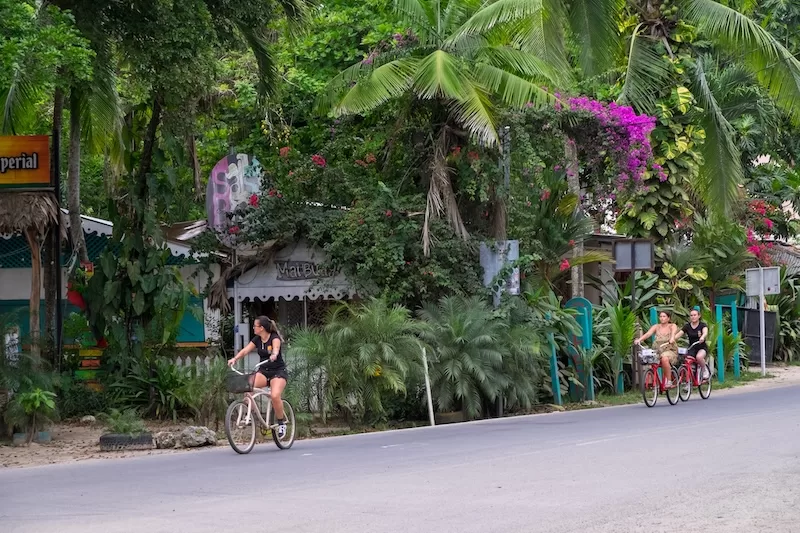
Anyone who has spent time in Costa Rica quickly learns that the local rhythm is guided by a unique internal compass. Here, life is not measured by the rigid ticking of a clock, but by the Pura Vida philosophy. This mindset prioritizes well-being, connection, and presence over the frantic speed of modern administrative systems. In this landscape, paperwork follows its own natural flow, and the word mañana represents a hopeful openness to the future rather than a hard deadline.
For residents, adapting to this unhurried pace is part of embracing the country’s charm. It is a reminder that the most important things in life do not require instant, automated accuracy. This cultural context is essential for understanding Costa Rica’s transition toward digital residency cards, as the move is not just a technical upgrade, but a careful step toward modernization that seeks to preserve the warmth and patience at the heart of the Tico spirit.
Why the DIMEX Matters
Foreign residents depend on their residency card for almost everything. The DIMEX is more than an identification document. It opens doors in a literal sense. Banks require it. Employers request it. Public health enrollment depends on it. Driver licenses depend on it. Border agents expect it. Life without it becomes complicated very fast.
For years, that proof came in the form of a plastic card that could be held, copied, and shown when needed. Even if the process to obtain it felt slow, once it arrived it felt solid. You could place it in your wallet and move on.
Understanding the Transition
That sense of certainty is part of what makes the transition to digital feel significant. When the Costa Rican government announced the shift toward a digital DIMEX, reactions ranged from cautious hope to genuine excitement. Some people welcomed the idea of fewer delays and less paperwork. Others wanted reassurance about how the system would work in practice, especially at airport counters or when dealing with institutions still adapting to the change.
These questions did not come from resistance alone. They came from years of lived experience inside a system that continues to evolve.
The Digital DIMEX Arrives
On January 2, 2023, Costa Rica’s Dirección General de Migración y Extranjería began issuing digital Residency Identity Cards. The DIMEX entered a new phase of its existence. From that date forward, new residency approvals and renewals resulted in a PDF document sent by email.
This file contained personal details and a QR code that linked back to the immigration database. According to immigration authorities, this digital version held full legal validity. It replaced the physical card as the primary proof of legal residency.
The Vision Behind Digitalization
From a policy standpoint, the change made sense. Immigration offices faced massive backlogs. Printing cards took time. Delivering them through the postal system added more delays. Residents waited months after approval just to receive a piece of plastic.
A digital document promised faster access to proof of status and less pressure on an already strained system. It also reduced plastic use, which aligned with Costa Rica’s environmental commitments. On paper and in practice, it represented meaningful progress.
Immigration officials also made a point to reassure current residents. Anyone holding a valid physical DIMEX could continue using it until expiration. No one needed to rush into action. No one would lose status because of the change. The announcement aimed to build confidence and trust. In many cases, the transition has felt manageable.

How the Digital DIMEX Works
The digital DIMEX itself is simple. It arrives as a PDF. It lists your name, identification number, residency category, and expiration date. A QR code allows authorities to confirm authenticity through the immigration system. You can store it on your phone, print copies, or save backups in multiple places.
From a design perspective, it works well. The file does what it claims to do. The larger opportunity sits beyond the document. A system thrives when the people and institutions that interact with it are aligned. Banks, government offices, employers, police officers, airlines, and border agents all play a role. As more of them embrace the digital format, residents benefit from a smoother experience.
The Transition Period
To ease the learning curve, immigration authorities announced a transition period of two years. During this time, residents would receive both a digital DIMEX and a physical card. The hybrid approach acknowledged reality. Costa Rica still relies on physical documents, stamps, and in-person verification in many contexts.
The transition period was initially set to end on January 2, 2025. Instead, it continues. Physical cards are still issued, though delays remain a factor. The extension reflects the practical realities of rolling out a major system change. Residents have adapted, as they often do, with patience and preparation.
Navigating the Hybrid System
The gap between intention and experience is narrowing as more institutions adopt the digital format. Many residents receive their digital document soon after approval. That part often works smoothly. The wait for a physical card can take longer. Several months is not uncommon.
Banks provide a helpful example of progress. Some accept the digital DIMEX without issue. Others still request the plastic card or ask for additional proof such as approval emails or appointment receipts. Policies differ not just between banks, but between branches.
Driver license renewals are also adapting. In many cases, the physical DIMEX remains a requirement for now. Residents with only a digital version may need to wait for their card to arrive. Explaining the situation often helps, especially when paired with patience and courtesy.
Travel is also becoming a more seamless part of the digital transition. Many residents are already finding success using the digital DIMEX to move across borders with ease. Carrying a digital backup alongside a printed copy offers added security and peace of mind.


Staying Informed
Communication during the process adds to the strain. After applying for or renewing residency, many residents receive little information about the status of their physical card. Notifications remain rare. Online portals do not always update.
Language barriers can increase the challenge. Instructions often appear in Spanish only. Misunderstandings happen. Several residents interviewed were unaware they already had a valid digital DIMEX, assuming the PDF was temporary. This confusion often stemmed from language gaps or unclear explanations.
Understanding the Broader Context
The digital DIMEX did not create these issues. It exposed them. Costa Rica has seen a sharp increase in foreign residents, including retirees, remote workers, investors, and families. Systems designed for smaller volumes are being updated to meet current realities.
Experienced expats offer consistent advice: apply early, keep copies of everything, save emails, print documents, and store backups. Consider hiring an immigration lawyer—not to speed things up, but to avoid mistakes.
Security and Trust in Digital Systems
Security concerns add another layer. A digital residency card exists within a broader digital world of data breaches and identity theft. Trust grows through repetition and positive outcomes. Each successful interaction builds confidence.
Costa Rica is also rolling out an optional digital ID system for citizens, placing additional strain on institutions managing two major transitions at once. Confusion is part of the process. The system feels unfinished because it is still evolving.
Looking Forward
Despite the challenges, the digital DIMEX remains a strong idea. Digital identity systems are becoming the global norm. Costa Rica has taken a meaningful step forward. The challenge lies in execution, and progress is ongoing.
For now, residents live within a hybrid system blending digital tools with traditional processes. Success depends on preparation, patience, and realistic expectations.
Keeping Perspective
In the end, it helps to remember that Costa Rica is the land of Pura Vida. When paperwork feels heavy, stepping outside—into nature, into stillness—often restores perspective. Courtesy and patience remain powerful tools. Problems may not disappear immediately, but they almost always feel more manageable when met with kindness and an open heart.
Key Takeaways
What is the Digital DIMEX and how does it work?
The Digital DIMEX is a PDF residency identification document issued by Costa Rica’s immigration department. It contains your personal details and a QR code that links directly to the official immigration database for instant verification by authorities.
Is the digital version legally valid for daily life in Costa Rica?
Yes, the digital DIMEX holds full legal validity and is intended to replace the physical plastic card. However, Costa Rica is currently in a hybrid transition period where some institutions may still request a physical card for certain processes.
Can I still use my physical DIMEX card if it hasn’t expired?
Absolutely. If you hold a valid physical DIMEX card, you can continue to use it until its expiration date. There is no need to rush to convert it to a digital version until your residency is up for renewal.
Will I still receive a physical card during the transition period?
Currently, Costa Rica is issuing both a digital PDF and a physical plastic card to help residents navigate the hybrid system. While the digital version arrives quickly via email, the physical card may still take several months to be delivered.
What are the main challenges when using the digital DIMEX?
The primary challenge is the inconsistent adoption across different institutions. While many banks and border agents accept the digital version, some offices, particularly for driver’s license renewals, may still require the physical plastic card.
About the Author
Semi-retired teacher and theater professional Tam Matthews moved to Costa Rica in January of 2023 with her two dogs. She writes about expat life on Substack.
Contact Author
"*" indicates required fields
Stay Ahead on Every Adventure!
Stay updated with the World News on Escape Artist. Get all the travel news, international destinations, expat living, moving abroad, Lifestyle Tips, and digital nomad opportunities. Your next journey starts here—don’t miss a moment! Subscribe Now !
Checked 10 September 2026. For a guide to a residency process, this piece is unusually short of specifics. It contains no fees, no income thresholds and no processing times at all, only two dates: a start in January 2023 and a two-year transition to January 2025. Neither could be verified, because Costa Rica’s migration service refused every request we made to it.
If you are here because you need to know what the digital DIMEX costs, how long it takes and what you must show, this article will not tell you and neither can we today. Go to Costa Rican migration directly, or to a Costa Rican immigration lawyer, and get the current figures in writing before you travel.
The Pura Vida Approach to Progress
If you'd like to read the full story, simply enter your email to subscribe to our newsletter.
For even more expert insights, unmissable resources, and exclusive invites, explore our premium subscription offers here.
OR
Already a Subscriber? Click here to login
Subscription required
You've reached your limit of free articles. For full access to Escape Artist, and all of our insights on travel, moving abroad, and the digital nomad life, click here to Subscribe.
Already a Subscriber? Log in here