This week’s World News Roundup moves between tradition and tension. As communities across the world welcome the Year of the Horse, Cuba faces intensifying shortages under renewed US pressure. China uses its biggest television spectacle to showcase technological ambition, while Pyongyang sends one of its clearest signals yet about succession. Beijing deepens its economic pivot toward Africa, decades-old plastic resurfaces on a Scottish shore, and in London a familiar feline quietly marks fifteen years in office. Here is what is making headlines this week.
Year of the Horse
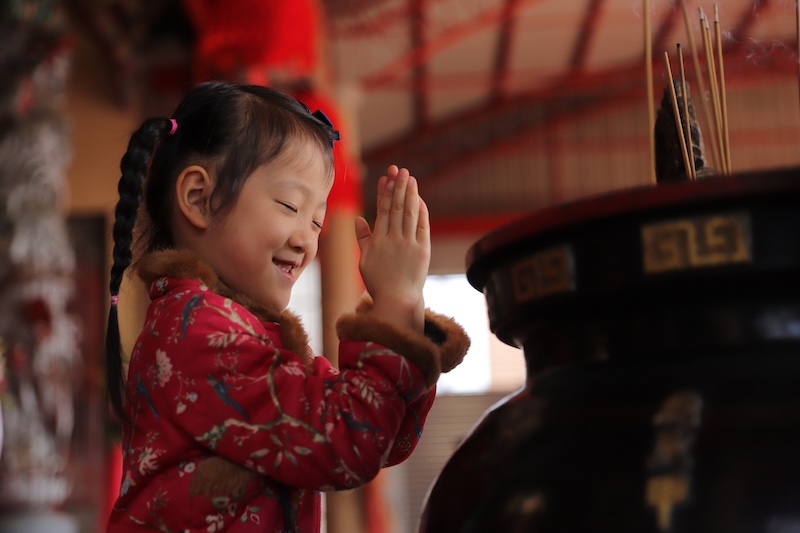
Millions across China, Southeast Asia, and the global diaspora are marking the Lunar New Year, ushering in the Year of the Horse with parades, temple visits, fireworks, and extended family gatherings. In Chinese tradition, the horse symbolizes drive, endurance, and momentum, qualities that many hope will define the year ahead amid economic headwinds and geopolitical uncertainty.
Major cities from Beijing to Bangkok staged elaborate celebrations blending ancient rituals with modern spectacle, while overseas communities in Europe and North America held cultural festivals that drew large crowds. For many, the holiday offered not only celebration but also a reaffirmation of cultural continuity at a moment of global flux.
Cuba Squeezed
Under renewed pressure from Washington, life in Cuba has slowed dramatically as tightened restrictions on oil shipments, tourism, and financial flows deepen an already fragile economic situation. Fuel shortages have disrupted public transportation and electricity supply, while food and medicine remain difficult to access in many regions.
With fewer visitors arriving and imports constrained, small businesses have struggled to operate and long lines have returned outside state-run stores. Cuban officials blame US policy for exacerbating hardship, while analysts say the renewed squeeze is reshaping daily life on the island in ways that may have long-term social consequences.

Robot Spotlight
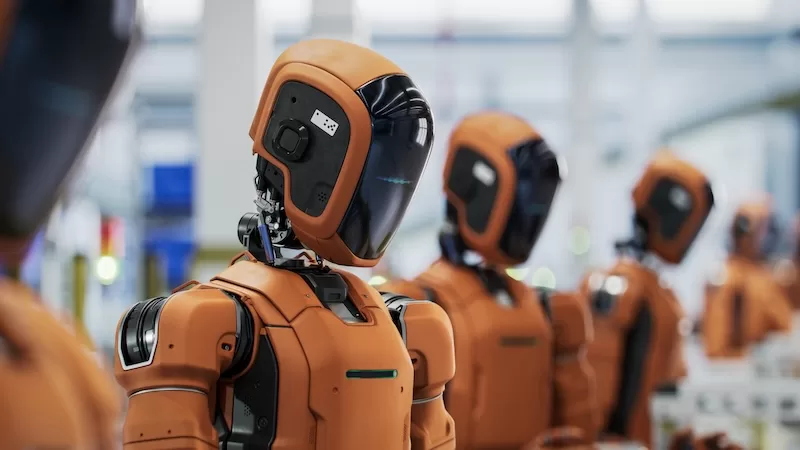
China’s annual Spring Festival Gala, the most-watched television event in the country, placed a humanoid robot at the center of its spectacle this year. The machine performed alongside dancers in a carefully choreographed segment that quickly became one of the night’s most discussed moments.
The prominence of the robot was widely interpreted as a statement about China’s technological ambitions and its drive to lead in artificial intelligence and robotics. At a time of intensifying competition in emerging technologies, the display reinforced a message of innovation and self-reliance to both domestic and international audiences.
Dynastic Signal
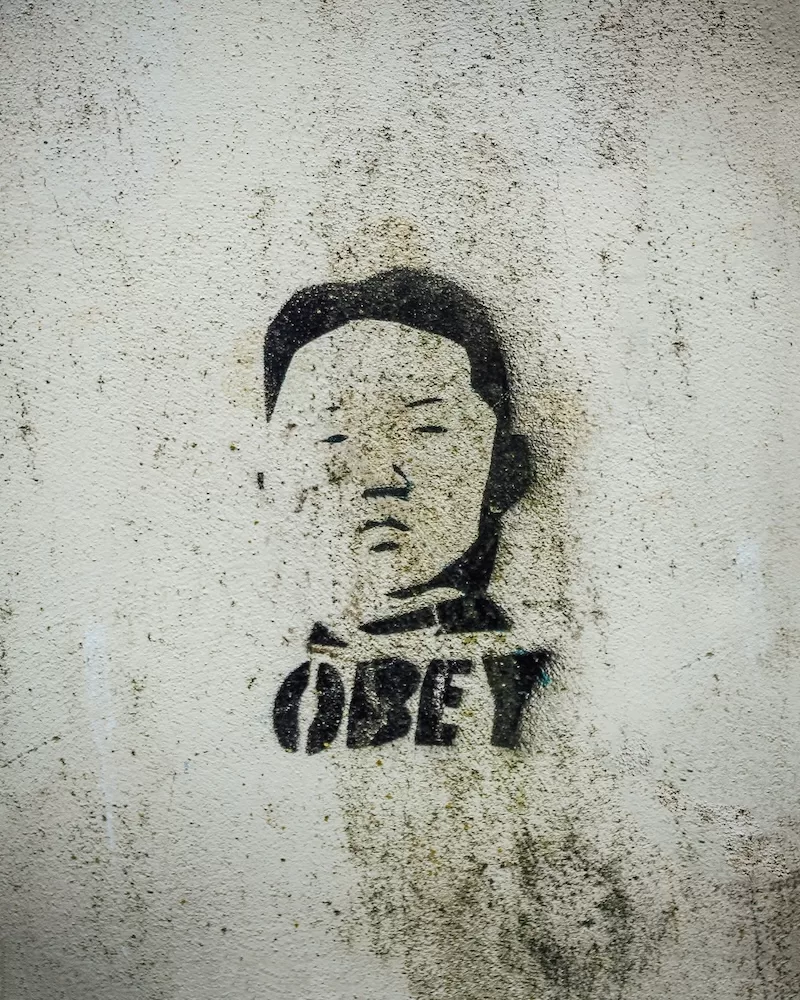
North Korean leader Kim Jong Un has again appeared publicly with his daughter, referring to her in language that many analysts interpret as signaling a future leadership role. Her repeated presence at military inspections and state ceremonies has fueled speculation that Pyongyang may be preparing for a fourth-generation transfer of power.
State media coverage has increasingly elevated her profile, portraying her as a figure of continuity within the ruling family. Observers note that while no formal declaration has been made, the symbolism surrounding her appearances suggests the regime is laying groundwork for eventual succession.
Trade Pivot
China has scrapped tariffs on imports from 53 African countries, expanding preferential trade access in a move that deepens its economic ties across the continent. Officials framed the decision as support for development and a commitment to strengthening South-South cooperation.
Analysts say the move reinforces Beijing’s long-term strategy of positioning itself as a central economic partner for African nations, particularly as global supply chains continue to shift. The policy change could stimulate exports from African economies while further embedding China’s influence in key markets.
Plastic Time Capsule
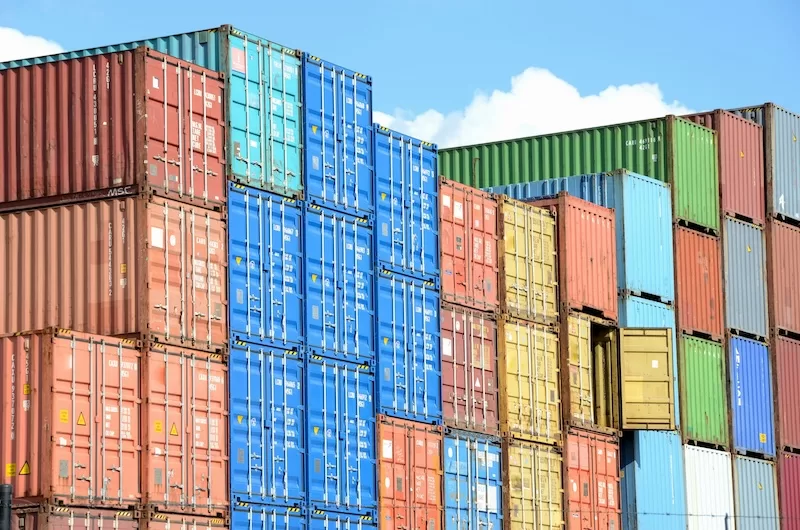
Plastic debris originating from 1960s Canada has washed up on a beach in Orkney, Scotland, illustrating the remarkable persistence of marine pollution. The packaging, still partially intact after decades at sea, traveled thousands of miles before resurfacing on the remote shoreline.
Environmental groups say the discovery highlights the enduring nature of plastic waste and the global circulation patterns that carry it across oceans. What was once treated as disposable now serves as a stark reminder of how long human-made materials can linger in the natural world.

Chief Mouser
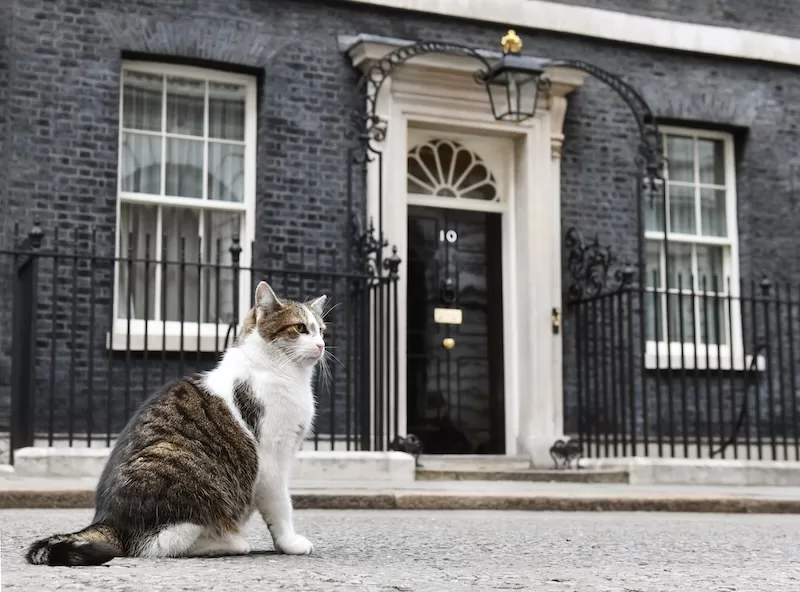
Larry the Cat has marked fifteen years as Chief Mouser at 10 Downing Street, serving under six British prime ministers during a period of considerable political change. First adopted from a rescue center in 2011, the tabby has become an enduring presence outside Britain’s seat of government.
Though officially responsible for pest control, Larry’s longevity has turned him into a symbol of continuity in an era marked by leadership turnover and policy shifts. As administrations have come and gone, the Chief Mouser has remained a steady fixture on the famous black doorstep.
Contact Author
"*" indicates required fields
Stay Ahead on Every Adventure!
Stay updated with the World News on Escape Artist. Get all the travel news, international destinations, expat living, moving abroad, Lifestyle Tips, and digital nomad opportunities. Your next journey starts here—don’t miss a moment! Subscribe Now!