
Every January brings a fresh crop of relocation lists, and every year they recommend more or less the same handful of places. Portugal for the lifestyle. Spain for the sunshine. Costa Rica for the pura vida. These are lovely countries and there is nothing wrong with any of them, but there is a growing gap between the destinations that top the lists and the destinations where people are genuinely relocating, and that gap is worth paying attention to.
The relocation data from 2025 and 2026 tells a quietly different story from the brochures. According to global migration analysis published this year, the traditional favourites are losing some of their pull, with the United Kingdom and Australia seeing declining appeal largely because of housing costs, while a set of second-tier destinations has been attracting record interest from people who are actually packing their bags rather than simply daydreaming. The places absorbing that movement are not always the ones you would guess.
What follows is not another ranking of where you should want to go. It is a look at where people are actually going in 2026, and the specific reasons the movement is real in each case. Some of these will be familiar. Others have been building momentum quietly, away from the lists, which is often exactly where the best opportunities sit.

Read More Like This: The Full Picture for Retiring in Malaysia
Germany, the Surprise at the Top
Germany is not the first place that comes to mind when people picture a fresh start abroad, which is precisely why its recent surge is so telling. In 2025 it overtook Canada to become the second-largest immigrant destination in the world, driven by a single deliberate policy decision. The Chancenkarte, or Opportunity Card, launched in mid-2024, is a points-based visa that lets skilled workers move to Germany to look for a job rather than needing an offer in hand first.
The response has been dramatic. The card drew 48,000 applications in its first full year against projections of just 15,000, a sign that the demand for a straightforward, skills-based route into a major European economy was far greater than anyone expected. For people who want the stability of a large, wealthy country with genuine career infrastructure rather than a lifestyle-first move, Germany has quietly become one of the most practical destinations available, and the numbers show that people are acting on it.
What makes Germany different from most of the lifestyle-driven picks is that it is a functional destination rather than an aspirational one. The healthcare is excellent, the public infrastructure works, salaries in skilled fields are strong, and the path from arrival to settled residency is well defined. It asks more of newcomers, including a serious effort at the language over time, but it offers a genuine long-term future in return, which is exactly what a growing share of relocators say they are actually looking for.
Malaysia, the Quiet Winner in Asia
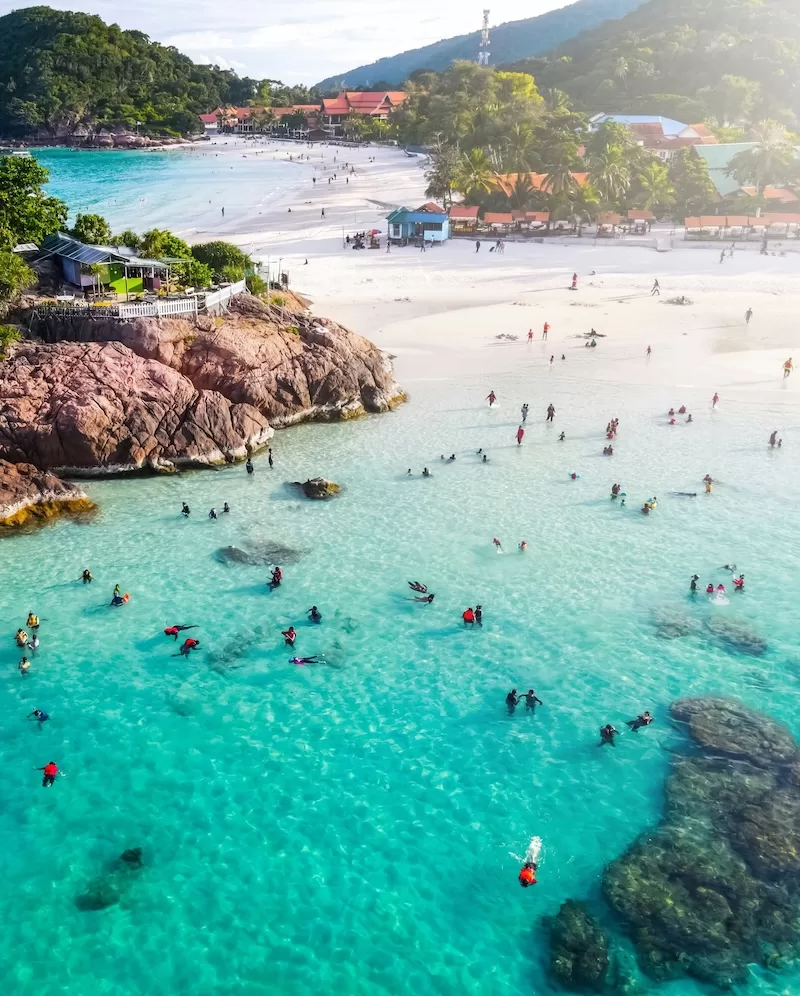
Malaysia keeps appearing in the actual movement data even when it is absent from the aspirational lists, and the reasons are consistent. It offers a high quality of life at a genuinely low cost, some of the best private healthcare in Southeast Asia, and a multicultural society where English is widely spoken, which lowers the barrier to settling in considerably. For cost-conscious relocators, particularly retirees and remote workers, it hits a balance that few destinations match.
The country has been actively courting new arrivals through its DE Rantau nomad programme and its revised My Second Home residency tiers, and it continues to draw people looking to stretch a Western income without sacrificing infrastructure or comfort. Read More Like This: US Retiree Malaysia MM2H Visa: Your Complete 2025 Guide A couple can live well in Kuala Lumpur or Penang for two to three thousand dollars a month. It is worth noting that Malaysia adjusted its Employment Pass framework in June 2026, so anyone planning a work-based move should confirm the current rules, but as a destination of real and sustained movement, it remains one of Asia’s strongest.
Read More Like This: Uruguay: A Favorite for Investment, Residency, & Citizenship
Uruguay, South America’s Understated Choice
Uruguay rarely makes the loud lists, and yet it consistently appears among the destinations attracting record interest from cost-conscious emigrants who have done their research. It is one of the most stable, democratic, and quietly prosperous countries in South America, with a reputation for safety, functioning institutions, and a calm pace of life that stands in genuine contrast to the volatility of some of its neighbours.
For relocators, its appeal is practical rather than flashy. Residency is relatively accessible, the tax system is territorial in a way that benefits those with foreign income, and the country offers a temperate climate, a real middle-class society, and a coastline that includes some of the continent’s most pleasant places to live. It is the kind of destination people choose after they have moved past the excitement of the exotic and started thinking seriously about where a life actually works, which is why the movement toward it is steady rather than sudden.
Read More Like This: How to Get Residency in Uruguay
Montevideo, the capital, offers a walkable, safe, and culturally rich urban life at a cost well below most North American cities, while the coastal towns around Punta del Este draw those who want something quieter. The country consistently ranks near the top of Latin America for press freedom, low corruption, and social stability, which are precisely the qualities that matter to people making a permanent move rather than a temporary one. It does not sell itself loudly, and that is part of why the people who choose it tend to be the ones who have looked hardest.
Vietnam, Leading Southeast Asia’s Next Wave
Vietnam has been rising in the actual relocation figures for several years, and 2026 has cemented its position as one of the region’s most compelling value destinations. Cities like Ho Chi Minh City and Da Nang offer fast-developing urban living at remarkably low cost, with many expats living comfortably on fifteen hundred to two thousand dollars a month, and an energy that comes from being in one of the fastest-growing economies in the world.
Until recently the country was mostly a base for people on renewable tourist visas, but it has been building more durable pathways, including an investor visa and a newer talent visa aimed at skilled professionals. That shift matters, because it signals a country moving from a place people pass through to a place people can genuinely settle. For those who moved on from Thailand and Bali years ago and want the next affordable, high-energy Asian base before the rest of the crowd arrives, Vietnam is where a lot of that movement is now heading.

Read More Like This: Best Countries for Second Residency: The Ultimate Guide!
The United Arab Emirates, Where the Money Is Moving
At the other end of the spectrum from the budget destinations, the UAE has become the clear magnet for wealth migration, drawing a significant share of the high-net-worth individuals relocating across borders each year. The combination of zero personal income tax, a stable and safe environment, world-class infrastructure, and a Golden Visa that now extends well beyond investors to cover professionals, freelancers, and remote workers has made Dubai and Abu Dhabi genuine bases rather than mere postings.

The movement here is not aspirational, it is happening at scale. The UAE has deliberately expanded its long-term residency options to capture exactly this flow, and for high earners and entrepreneurs who want a tax-efficient base with real global connectivity, it has become the default rather than an outside choice. A family of four can live very comfortably, though not cheaply, and the appeal is the structure and the tax position rather than the cost of living.
New Zealand, and the American Wave
One of the more striking data points of the past two years has been the surge of Americans moving to New Zealand. In February 2025 alone, a record 63,700 Americans arrived in the country in a single month, an increase of more than nine thousand on the same month the year before, and the trend has continued into 2026. The appeal is a familiar one: safety, space, stunning natural surroundings, a functioning society, and a sense of distance from the pressures people are trying to leave behind.
New Zealand is not a budget destination, and its residency pathways, including the Skilled Migrant Visa, are more demanding than those of the cheaper options on this list, but the sheer scale of the movement toward it tells you something the lists often miss. For a certain kind of relocator, particularly families prioritising safety and quality of life over cost, it has become one of the most actively chosen destinations in the world, and the numbers make that impossible to ignore.

Read More Like This: Your 2025-2026 Guide to Which Countries Offer Retirement Visas
What the Real Movement Tells Us
Look across these destinations and a pattern emerges that the standard lists tend to miss. The places absorbing real movement in 2026 are the ones that made a specific, deliberate change, a new visa, an expanded residency route, a tax position worth structuring around, and then delivered on it. Germany built the Opportunity Card. The UAE widened its Golden Visa. Vietnam and Malaysia opened more durable pathways. The movement followed the substance, not the marketing.
It also tells us that there is no single best place to relocate, only the best place for a particular person and a particular set of priorities. The high earner structuring around tax is moving to a different country than the retiree stretching a pension, who is moving to a different country than the skilled worker chasing a career or the family prioritising safety. The lists flatten all of that into one ranking. The real movement pulls it apart into the specific, and the specific is where the useful decisions are actually made.
The lesson for anyone thinking about their own move is not to ignore the popular destinations, which are popular for real reasons, but to look past the ranking to the mechanism underneath. Ask not where a country sits on a list, but what it has actually changed, who is actually moving there, and why. The places people are genuinely choosing in 2026 are sending a clear signal to those paying attention, and it is usually a more honest one than any list of recommendations.
Key Takeaways (FAQs)
Are Portugal, Spain, and Costa Rica still where people are actually moving?
Not as much as the lists suggest. The UK and Australia are seeing declining appeal due to housing costs, while a set of second-tier destinations — Germany, Malaysia, Uruguay, Vietnam, the UAE, and New Zealand — is attracting record real movement.
What makes Germany’s Opportunity Card different from a typical work visa?
The Chancenkarte lets skilled workers move to Germany to search for a job rather than needing an offer first. It drew 48,000 applications in its first full year against projections of just 15,000.
Why is Malaysia attracting so many relocators despite being absent from aspirational lists?
It combines a high quality of life with a genuinely low cost, strong private healthcare, and widely spoken English. A couple can live well in Kuala Lumpur or Penang for two to three thousand dollars a month.
What makes Uruguay appealing to cost-conscious emigrants?
Relatively accessible residency, a territorial tax system that benefits foreign income, political stability, and a reputation for low corruption and press freedom that ranks near the top of Latin America.
How affordable is Vietnam for new arrivals?
Many expats live comfortably in cities like Ho Chi Minh City and Da Nang on fifteen hundred to two thousand dollars a month, with newer investor and talent visas making longer-term settlement more viable.
What’s driving wealth migration to the UAE?
Zero personal income tax, safety, world-class infrastructure, and a Golden Visa expanded to cover professionals, freelancers, and remote workers, not just investors.
How many Americans moved to New Zealand in early 2025?
A record 63,700 Americans arrived in February 2025 alone, an increase of more than nine thousand over the same month the year before.
What pattern connects all six destinations?
Each made a specific, deliberate policy change, a new visa, an expanded residency route, or a favorable tax position, and then delivered on it. The movement followed the substance, not the marketing.
Contact Author
"*" indicates required fields
Stay Ahead on Every Adventure!
Stay updated with the World News on Escape Artist. Get all the travel news, international destinations, expat living, moving abroad, Lifestyle Tips, and digital nomad opportunities. Your next journey starts here—don’t miss a moment! Subscribe Now !
Every January brings a fresh crop of relocation lists, and every year they recommend more or less the same handful of places. Portugal for the lifestyle. Spain for the sunshine. Costa Rica for the pura vida. These are lovely countries and there is nothing wrong with any of them, but there is a growing gap between the destinations that top the lists and the destinations where people are genuinely relocating, and that gap is worth paying attention to.
The relocation data from 2025 and 2026 tells a quietly different story from the brochures. According to global migration analysis published this year, the traditional favourites are losing some of their pull, with the United Kingdom and Australia seeing declining appeal largely because of housing costs, while a set of second-tier destinations has been attracting record interest from people who are actually packing their bags rather than simply daydreaming. The places absorbing that movement are not always the ones you would guess.
What follows is not another ranking of where you should want to go. It is a look at where people are actually going in 2026, and the specific reasons the movement is real in each case. Some of these will be familiar. Others have been building momentum quietly, away from the lists, which is often exactly where the best opportunities sit.
If you'd like to read the full story, simply enter your email to subscribe to our newsletter.
For even more expert insights, unmissable resources, and exclusive invites, explore our premium subscription offers here.
OR
Already a Subscriber? Click here to login
Subscription required
You've reached your limit of free articles. For full access to Escape Artist, and all of our insights on travel, moving abroad, and the digital nomad life, click here to Subscribe.
Already a Subscriber? Log in here