The nature of work and global travel has shifted over the last few years. Digitization has expanded remote work and helped create a generation of digital nomads. Since the pandemic, more than 40 countries have launched visas specifically designed for remote workers, hoping to convert itinerant professionals into longer-term residents.
Now Sri Lanka, an island nation still recovering from years of economic turbulence, has introduced its own digital nomad visa as part of its rebuilding strategy. In early 2026, the government officially unveiled the program, positioning the island as a base for remote professionals. Tourism Sri Lanka promoted the visa with images of young professionals working on laptops along palm-lined beaches. The target audience is clear: globally mobile workers drawn to lifestyle, scenery, and the possibility of staying longer.
A Global Trend Arrives in Sri Lanka
Digital nomad visas have become one of the defining travel trends of the post-pandemic era. Countries from Portugal to Indonesia to Barbados have introduced schemes allowing remote workers to live legally in their territories while earning income from abroad. Unlike traditional migrant workers, digital nomads do not compete directly in local labor markets. They bring foreign income, spend it locally, and often remain for months at a time.
As of mid-2024, more than 40 jurisdictions worldwide offered some form of remote work visa. About half allow stays of up to one year.
Sri Lanka’s program fits within that broader movement. After a severe financial crisis in 2022 that saw inflation surge and tourism collapse, the country has been searching for ways to stabilize its economy and restore international confidence. Tourism remains one of Sri Lanka’s most important industries, and officials view digital nomads as a new category of long-stay visitors.
What the New Visa Offers
Under the new scheme, foreign remote workers can apply for a special visa that allows them to live in Sri Lanka while working for overseas employers or clients. One of the key requirements is a minimum monthly income threshold of around $2,000. The purpose is to ensure applicants can support themselves without entering the local job market, which would require a different visa.
The process is intended to be straightforward. Applicants must provide proof of employment or freelance contracts abroad, demonstrate financial stability, and hold valid health insurance. Once approved, they may legally reside in the country for an extended period instead of relying on short-term tourist entries.
Sri Lankan officials have positioned the program as part of a broader effort to shift the country toward long-stay tourism. In recent years, the government has also extended tourist visa durations in an attempt to increase visitor numbers.
Why Digital Nomads Matter to Sri Lanka
For Sri Lanka, the appeal of digital nomads goes beyond tourism statistics. Unlike short-term vacationers, remote workers rent apartments, use coworking spaces, dine regularly at local restaurants, and often integrate into neighborhoods.
A single remote professional earning in dollars or euros can spend significantly more per month than the average tourist. That spending flows into restaurants, transportation, accommodation, and small businesses, sectors that were hit particularly hard during the country’s economic downturn.
There is also a signaling effect. A steady stream of international remote workers suggests stability and safety, two factors that influence investment and broader tourism. If professionals are willing to live somewhere for months at a time, shorter-term visitors often feel more confident traveling there as well.
The Appeal of the Island
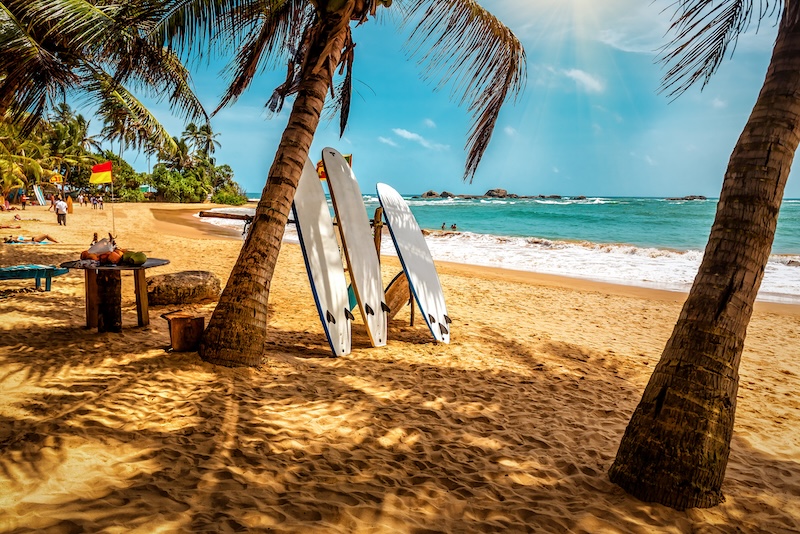
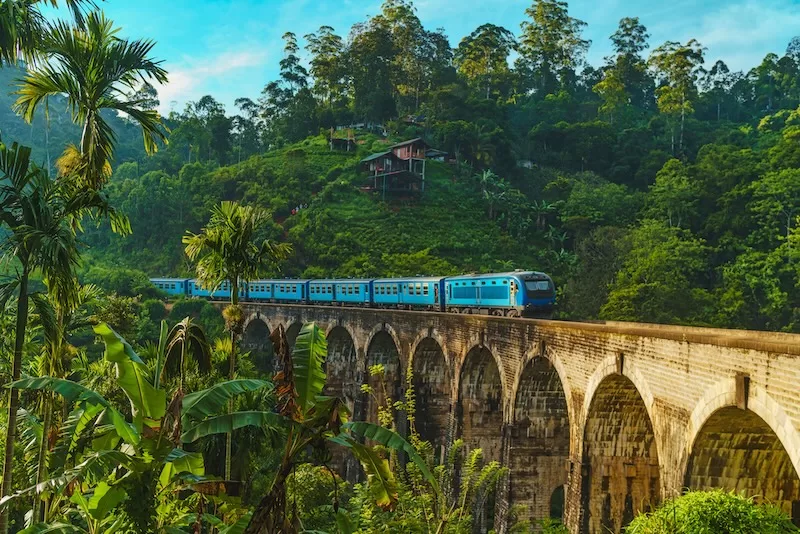
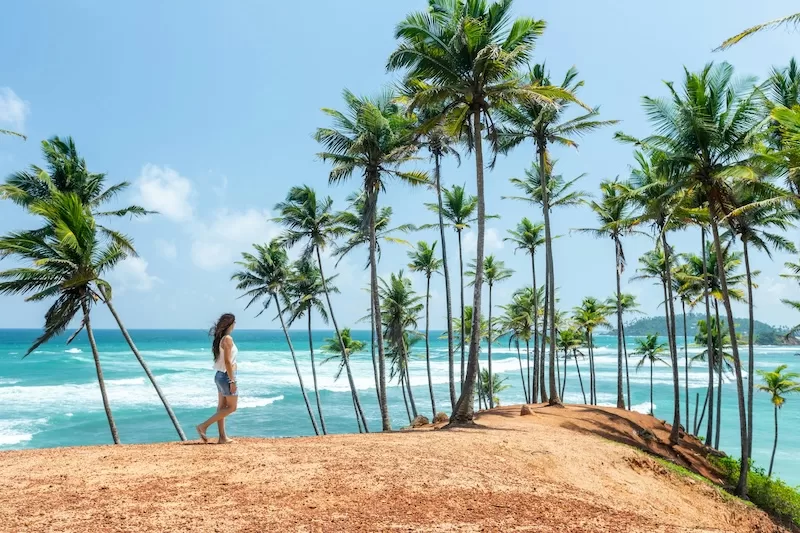
Sri Lanka’s pitch centers on its compact diversity. The island offers a remarkable range of landscapes within a relatively small area. There are surf beaches along the southern coast, mist-covered tea plantations in the central highlands, dense jungles, and UNESCO-listed historic sites.
Major tourist towns such as Weligama, Hiriketiya, and Arugam Bay have already seen an increase in coworking spaces and cafe offices. More continue to open as the remote work community grows.
Although the cost of living has risen in recent years, it remains significantly lower than in Western Europe or North America. A beachfront guesthouse can cost less than a studio apartment in a major Western city. Meals at local restaurants are often just a few dollars. English is widely spoken in urban and tourist areas, which lowers the barrier for international residents.
Applying for the Visa
The application process has not yet officially opened, but it is expected to follow the structure used by other digital nomad programs. Applicants will likely complete an online form, submit passport details, provide proof of remote employment or freelance work, and include bank statements showing the required income level. Health insurance coverage for the duration of the stay will also be mandatory.
Processing times are not yet known, but governments typically aim to keep these visas relatively fast and simple, since convenience is part of their appeal. Once approved, the visa allows legal residence in Sri Lanka without local employment sponsorship.
For many remote workers, clarity is the primary benefit. Instead of entering on a tourist visa, where remote work can exist in a legal gray area, the digital nomad visa provides explicit permission to live and work online from within the country.
Sri Lanka is one of several Asian nations responding to the remote work trend. Thailand, Indonesia, and Malaysia have all introduced or expanded long-stay visas targeting remote professionals. Each offers a different balance of cost, infrastructure, and lifestyle.
Sri Lanka’s long-standing advantage has been its compact diversity. In a single week, one can surf in the morning, hike through tea estates in the afternoon, and visit ancient ruins the next day. The country also remains less saturated than destinations such as Bali or Phuket, which many argue have become overcrowded.
Digital nomads tend to choose destinations based on cost, visa simplicity, internet quality, and overall livability. Competition across Asia is strong. Sri Lanka’s success may depend on how efficient the application process proves to be and whether political and economic stability continues.
The Bigger Picture
The introduction of digital nomad visas reflects a broader shift in how governments think about residency and economic strategy.
For smaller or tourism-dependent economies, remote workers require relatively little additional infrastructure and tend to spend directly in local businesses rather than international chains. The model is attractive for countries seeking diversified, year-round revenue.
Sri Lanka’s visa is part of that wider rethinking. By welcoming remote workers, the country is attempting to evolve its tourism sector into something more stable and less seasonal.
The long-term success of the program will depend on infrastructure, reliable electricity, political stability, and consistent internet access. These practical factors matter more to remote professionals than marketing images.
Early indicators suggest continued global interest in remote work, with many professionals looking beyond established hotspots in search of new destinations.
For Sri Lanka, the new visa functions as both economic policy and branding. It signals that the country is open again to visitors, to business, and to a new kind of traveler who may stay not just for a week, but for a season.
If the strategy succeeds, the image of a laptop on a beach could shift from marketing cliché to a small but meaningful part of the island’s recovery story.
Key Takeaways
What is Sri Lanka’s digital nomad visa?
Sri Lanka introduced a digital nomad visa in early 2026 that allows foreign remote workers to live on the island while earning income from overseas employers or clients. The visa is designed for long-stay residency rather than short-term tourism, and it is part of the government’s broader strategy to attract globally mobile professionals and stabilize the economy after years of financial turbulence.
Who is eligible for the Sri Lanka digital nomad visa?
Applicants must demonstrate a minimum monthly income of approximately $2,000, provide proof of remote employment or freelance contracts with overseas clients, show financial stability through bank statements, and hold valid health insurance for the duration of their stay. The visa is intended for professionals who work remotely and do not enter the local Sri Lankan job market.
Why is Sri Lanka launching a digital nomad visa now?
Following a severe economic crisis in 2022 that saw inflation surge and tourism collapse, Sri Lanka has been looking for new ways to attract foreign spending and restore international confidence. Digital nomads bring foreign income, spend it locally on accommodation, food, and services, and tend to stay for months rather than days. The visa positions Sri Lanka within a growing global trend, with more than 40 countries now offering similar programs.
What makes Sri Lanka appealing to digital nomads?
Sri Lanka offers compact geographic diversity, including surf beaches, tea plantations, jungles, and UNESCO heritage sites, all within a relatively small island. The cost of living remains significantly lower than in Western Europe or North America. Coworking spaces are growing in towns such as Weligama, Hiriketiya, and Arugam Bay, and English is widely spoken in urban and tourist areas.
How does Sri Lanka’s digital nomad visa compare to other Asian options?
Thailand, Indonesia, and Malaysia have all introduced or expanded long-stay visas for remote workers. Sri Lanka differentiates itself through its compact diversity and lower saturation compared to destinations such as Bali or Phuket. However, its long-term competitiveness will depend on the efficiency of the application process, internet reliability, and continued political and economic stability.
About the Author
Ethan Rooney is an Irish journalist covering global communities, culture, and niche movements.
Contact Author
"*" indicates required fields
Stay Ahead on Every Adventure!
Stay updated with the World News on Escape Artist. Get all the travel news, international destinations, expat living, moving abroad, Lifestyle Tips, and digital nomad opportunities. Your next journey starts here—don’t miss a moment! Subscribe Now!


