It sounds like the setup to a scam. Move to this village, and we will hand you tens of thousands of euros. Buy this house for a single euro.
And yet, in 2026, a surprising number of these offers are entirely real. They are backed by regional governments, town councils, and national relocation schemes across Europe, Asia, and the Americas. The money is genuine, the houses exist, and people really are being paid to move.
The reason is not generosity. It is demographics. Across much of the developed world, rural towns and small islands are emptying out as young people leave for the cities and the birth rate falls.
A village with a shrinking population loses its school, then its shop, then its bus route, and eventually its reason to exist. Paying a few newcomers to arrive, renovate a derelict house, and register as residents is often cheaper than watching the whole community disappear. The incentives are a survival strategy dressed up as an opportunity.
For anyone building a Plan B, that opportunity is worth understanding properly, because the headline number is never the whole story. Behind every free house and every grant sits a set of conditions that decides whether the deal is a gift or an expensive obligation. This is a guide to where the money actually is, and to the fine print that comes with it.
Europe’s Villages Fighting to Survive
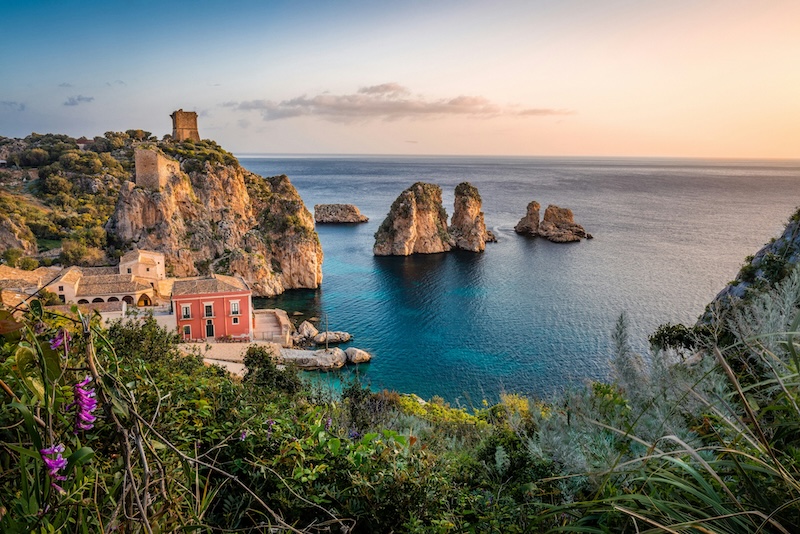
Europe is where the relocation-incentive map is richest, and Italy leads it. The famous one-euro home schemes, now running across Sicily, Sardinia, and Abruzzo, really do sell crumbling houses for about a dollar. But the euro is the smallest number you will deal with.
Buyers typically post a deposit of several thousand euros, start renovation within a year, finish within three, and face fines for missing the deadlines. Elsewhere in Italy the cash is more direct.
Several Calabrian villages have offered newcomers under forty around eight hundred to a thousand euros a month for two to three years. The region of Trentino has advanced grants of up to one hundred thousand euros split between buying and renovating. Small towns like Candela and Santo Stefano di Sessanio have run their own packages for families and young residents willing to settle.
Spain offers a quieter version of the same idea. The Asturian mountain village of Ponga has paid around three thousand euros to families who move in and register, with more for a baby born there. The region of Extremadura has offered digital nomads grants of up to fifteen thousand euros to relocate and work from its towns.
Greece has gone further in at least one striking case. On the tiny island of Antikythera, home to only a few dozen people, a repopulation scheme has offered newcomers a house, a plot of land, and a monthly stipend of around five hundred euros for up to three years.
Ireland runs one of the most generous property schemes in Europe. Its Vacant Property Refurbishment Grant provides up to seventy thousand euros to restore a derelict home, rising to around eighty-four thousand on certain offshore islands.

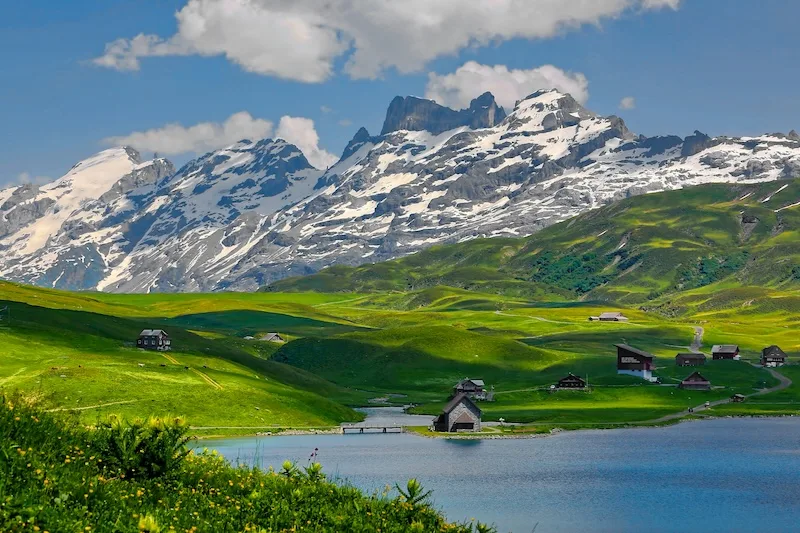
The most eye-catching European offer of all may be Swiss. The alpine village of Albinen has offered newcomers tens of thousands of francs per adult and a further sum per child to settle there.
The conditions, though, are demanding. You must be under forty-five, buy or build a property worth at least two hundred thousand francs, and commit to staying at least ten years, with full repayment if you leave early. The grant is real, and so is the multi-year leash attached to it.
The Deals Built for Remote Workers
The second wave of incentives is aimed squarely at the location-independent, and it stretches well beyond Europe. The logic is simple. A remote worker earning a city salary while living in a small town spends that salary locally without taking a local job, which is exactly the kind of resident a shrinking place wants.
Towns across the United States have built entire programs around the idea. Tulsa, Oklahoma, has offered remote workers up to ten thousand dollars plus community perks, and Topeka, Kansas, has paid up to five thousand to remote arrivals. [Understated: up to $15,000 for buyers. See section 1, point 5.] Smaller programs in Vermont and Bemidji, Minnesota, offer their own sums to people who move in and pay local taxes.
The same thinking drives programs much further afield. Japan has paid households up to roughly ten thousand dollars to leave Tokyo for the countryside. The tiny Channel Island of Sark has dangled a lump sum and a visa to attract new residents.
A number of Caribbean and Asian destinations have folded soft incentives into their digital nomad visas, from tax holidays to fee waivers. The common thread is that these deals reward people who can bring an income with them, rather than those who need to find one on arrival.
The Catch Nobody Puts in the Headline
Here is the part the viral lists leave out. Almost none of these incentives come with the one thing an international mover actually needs, which is the legal right to live in the country.
A Spanish village grant does not give a non-European residency in Spain. An Italian one-euro house does not come with an Italian visa.
For citizens of the country or bloc in question, this is irrelevant. But for an American or a South African eyeing a Calabrian cottage, the grant is useless without a separate residency route secured first, with its own income requirements and cost. The money moves you into a house, not through immigration.
The second catch is the obligation attached. These are not gifts, they are contracts. The free Swiss money must be repaid in full if you leave before ten years are up.
The Italian house must be renovated to a schedule, with fines for delay and real costs for engineers, permits, and builders. Many grants require you to register as a local taxpayer, make the place your primary residence, and stay for a defined number of years.
Walk away early and you can owe the money back. The incentive is designed to buy commitment, not to fund a trial run. Treating it as free money is how people end up worse off than when they started.
The third catch is the place itself. These programs exist precisely because these towns are losing people, and they are losing people for reasons.
Remote islands mean long journeys, hard winters, and thin services. Dying inland villages can mean no school, no doctor, and no real community to join.
The incentive is a payment for taking on a genuine hardship, not a windfall for stumbling onto a secret. Anyone tempted should ask why the town needs to pay people to live there, and whether they could build a life in the answer.

How to Actually Use These
Used well, these schemes are a real advantage rather than a gimmick, and the difference comes down to sequence. Choose the country and the residency route first, on their own merits. Only then look for an incentive that rewards a move you were already going to make.
A digital nomad visa to Spain or Portugal can be paired with a regional relocation grant once you are legally entitled to live there. An ancestry passport or an EU residency already in hand turns the whole European menu of village grants and one-euro homes from a fantasy into a genuine option. The incentive should be the bonus on top of a sound decision, never the reason for an unsound one.
It also pays to do the arithmetic honestly. A one-euro house with a fifty-thousand-euro renovation bill, three years of deadlines, and a ten-year residency requirement is a serious commitment with a token price tag, not a bargain. A ten-thousand-dollar grant will not by itself justify uprooting a life to a town you have never visited.
The incentives are best understood as a tilt in favor of places that already appeal to you, a reason to look closely at a region you might otherwise overlook. The countries paying people to move in 2026 are not offering something for nothing. They are offering a fair trade to the right person, and the skill lies in knowing whether that person is you.
The deeper point is that these schemes are a signal worth reading. All over the world, places are competing openly for residents, dropping the price of entry and sweetening the terms for anyone willing to show up and stay.
For the globally minded, that is a shift in the balance of power. The door to a new life abroad is wider and cheaper to walk through than it was even a few years ago.
The free house is rarely the real prize. The real prize is the growing number of places that would be glad to have you, if you are ready to go.
Countries That Pay You to Move: Common Questions
Which countries pay you to move there in 2026?
Italy has one-euro homes and Trentino grants of up to €100,000. Ireland pays up to €70,000 to restore a derelict home, or €84,000 on offshore islands. Spain’s Extremadura region offers remote workers up to €15,000. In Switzerland, the village of Albinen pays new residents, and in the US, Tulsa offers remote workers $10,000. Japan pays families to leave Tokyo.
Does a relocation grant give you the right to live there?
No. A village grant or a one-euro house does not come with a visa. Non-EU citizens need their own residency route first. Extremadura’s grant, for example, is only open to non-EU applicants who already hold Spain’s digital nomad visa.
Do you have to pay the money back?
Often, yes, if you leave early or miss the conditions. Albinen asks for ten years. Ireland’s grant must be repaid if you sell within ten years. Japan’s must be returned if a family leaves within five.
What does a one-euro house in Italy really cost?
Far more than a euro. Expect a deposit of several thousand euros, a renovation that must usually be finished within three years, and fees for engineers, permits and builders. Renovation bills of tens of thousands of euros are normal.
Contact Author
"*" indicates required fields
Stay Ahead on Every Adventure!
Stay updated with the World News on Escape Artist. Get all the travel news, international destinations, expat living, moving abroad, Lifestyle Tips, and digital nomad opportunities. Your next journey starts here—don’t miss a moment! Subscribe Now !
It sounds like the setup to a scam. Move to this village, and we will hand you tens of thousands of euros. Buy this house for a single euro.
And yet, in 2026, a surprising number of these offers are entirely real. They are backed by regional governments, town councils, and national relocation schemes across Europe, Asia, and the Americas. The money is genuine, the houses exist, and people really are being paid to move.
The reason is not generosity. It is demographics. Across much of the developed world, rural towns and small islands are emptying out as young people leave for the cities and the birth rate falls.
If you'd like to read the full story, simply enter your email to subscribe to our newsletter.
For even more expert insights, unmissable resources, and exclusive invites, explore our premium subscription offers here.
OR
Already a Subscriber? Click here to login
Subscription required
You've reached your limit of free articles. For full access to Escape Artist, and all of our insights on travel, moving abroad, and the digital nomad life, click here to Subscribe.
Already a Subscriber? Log in here