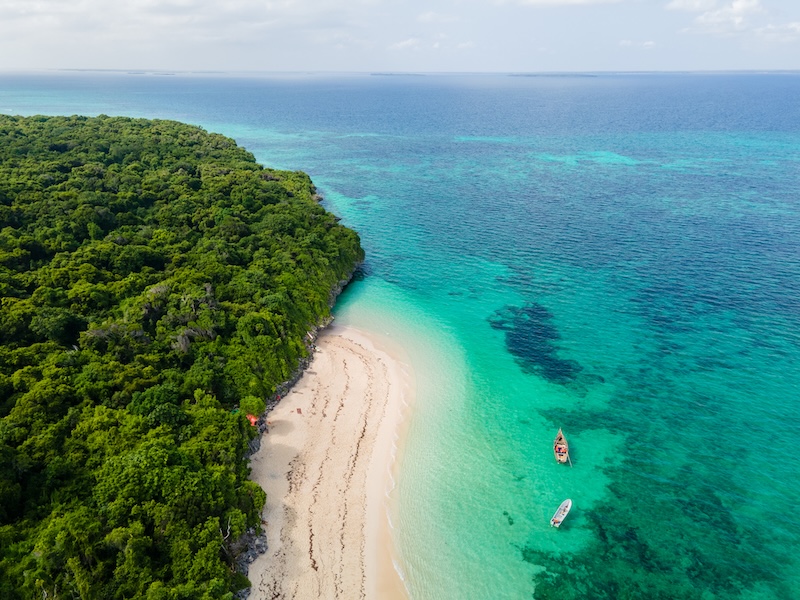
There are few places in the world where the possibility of spending the morning beside a turquoise ocean and the following day surrounded by some of the most extraordinary wildlife on earth feels quite so natural. Zanzibar has long been celebrated for its white-sand beaches, warm Indian Ocean waters and distinctive Swahili culture, but there is another side to the island that deserves considerably more attention. Its location, just off the coast of mainland Tanzania, makes it an exceptional starting point for exploring Africa, combining the pleasures of tropical island living with access to some of the continent’s most remarkable landscapes, wildlife and cultural experiences.
For years, Zanzibar was largely treated as the final chapter of an African holiday. Travelers would spend several days on safari in Tanzania or Kenya before flying to the island for a few nights of relaxation. It was a familiar combination, often described as beach and bush, and one that remains enormously appealing. But as Zanzibar becomes better connected internationally and attracts a more diverse community of visitors, investors and longer-term residents, that relationship is beginning to work in both directions.
Rather than simply being somewhere to finish an African adventure, Zanzibar has the potential to become the place from which those adventures begin. A beautiful, comfortable and increasingly accessible base where people can spend extended periods, return throughout the year and explore the wider continent without giving up the familiarity of somewhere that feels like home.
It is a different proposition from the traditional island escape, and one that makes Zanzibar particularly interesting at this stage in its development.
Where the Beach Meets the Bush
What makes Zanzibar so unusual is the extraordinary contrast between the island and the mainland immediately beyond it. The distance between them is relatively small, yet the experiences they offer could hardly be more different.
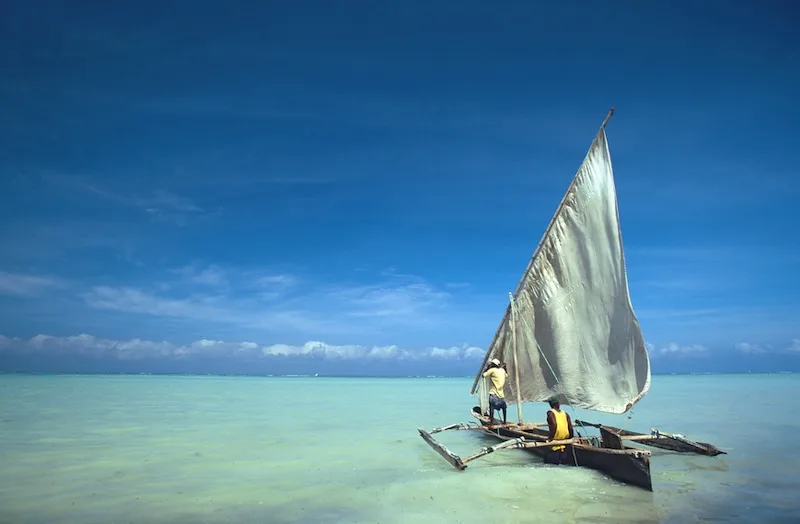
On Zanzibar, life revolves around the Indian Ocean. Traditional wooden dhows move along the coastline, fishing villages maintain rhythms that have existed for generations, and the island’s beaches offer the kind of tropical beauty that has made destinations such as the Maldives, Mauritius and the Seychelles internationally famous. Inland, spice farms, historic settlements and the narrow streets of Stone Town reveal a much more complex cultural history, shaped by African, Arab, Indian and European influences.
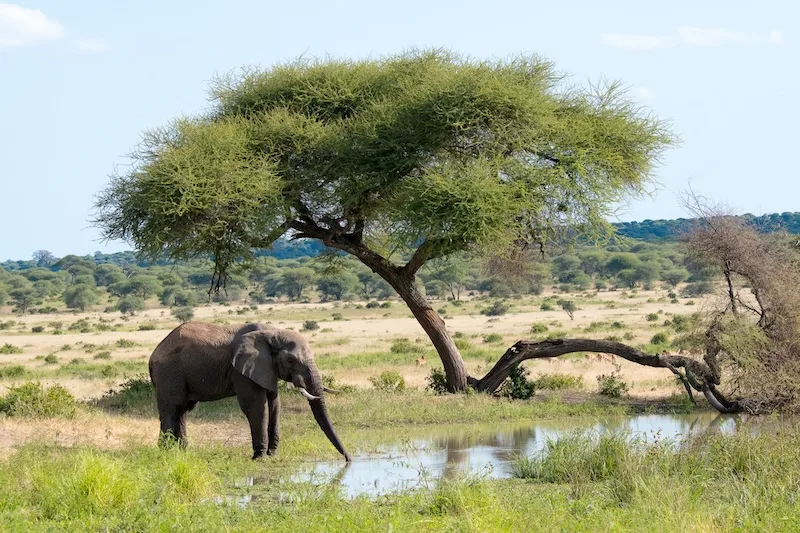
Across the water lies mainland Tanzania, home to some of Africa’s most celebrated natural attractions. The Serengeti, Ngorongoro Crater, Tarangire National Park and Lake Manyara offer very different safari experiences, from vast open plains and extraordinary wildlife migrations to volcanic landscapes and dense concentrations of animals.
The traditional safari-and-beach itinerary already demonstrates how well these destinations complement one another. What is changing is the possibility of making that combination a recurring part of life rather than a once-in-a-lifetime holiday.
Someone spending several weeks or months in Zanzibar can organize a safari around the seasons, return to a favorite national park or introduce visiting friends and family to mainland Africa without having to build an entire international holiday around the experience. The island becomes a place to return to between adventures, offering the comfort of a familiar environment alongside the excitement of a much larger continent waiting to be explored.
That is an unusually compelling combination, particularly for people who want more from international living than simply a beautiful view.
Kilimanjaro and the Extraordinary Landscapes of Tanzania
Beyond the wildlife reserves, Tanzania is home to another of Africa’s great landmarks: Mount Kilimanjaro. Rising to 5,895 meters (19,341 feet), Kilimanjaro is the highest mountain in Africa and one of the continent’s most recognizable natural wonders. Its snow-capped summit above the plains of northern Tanzania has captured the imagination of travelers for generations, while the surrounding region offers everything from serious mountain expeditions to walking, cultural experiences and access to some of East Africa’s most beautiful landscapes.
Climbing Kilimanjaro is not something to undertake casually. It requires preparation, appropriate fitness, experienced guides and sufficient time to acclimatize. But the mountain’s proximity to Tanzania’s northern safari circuit makes the wider region an extraordinary destination even for those with no intention of reaching the summit.
Arusha, the gateway to many of northern Tanzania’s most celebrated parks, provides a starting point for exploring this part of the country. From here, travelers can arrange journeys into the Serengeti, visit the Ngorongoro Conservation Area, explore the landscapes around Mount Meru or continue toward Kilimanjaro.
For visitors based in Zanzibar, these experiences can form part of a broader relationship with Tanzania. A week on the island might be followed by several days on safari, a longer expedition in the mountains or a journey through the mainland’s smaller towns and communities.
It is this variety that distinguishes Zanzibar from many other tropical destinations. The island provides the beach, but the country to which it belongs offers an extraordinary range of experiences beyond it.
A Gateway to the Wider African Continent
Zanzibar’s appeal as a base for exploring Africa extends beyond Tanzania itself. East Africa is one of the world’s most geographically and culturally diverse regions. Kenya offers the Maasai Mara, Nairobi’s increasingly sophisticated urban culture and its own Indian Ocean coastline. Rwanda has become internationally recognized for mountain gorilla trekking and conservation tourism, while Uganda offers remarkable national parks, forests and wildlife experiences. Further afield, southern Africa brings an entirely different collection of landscapes, cities and safari destinations.
For travelers with a genuine interest in the continent, the possibilities are considerable. Africa is not a single travel experience, and treating it as one overlooks the enormous differences between its countries, cultures and regions. Zanzibar’s potential lies partly in making it easier to explore those differences over time, rather than attempting to compress an entire continent into one ambitious itinerary.
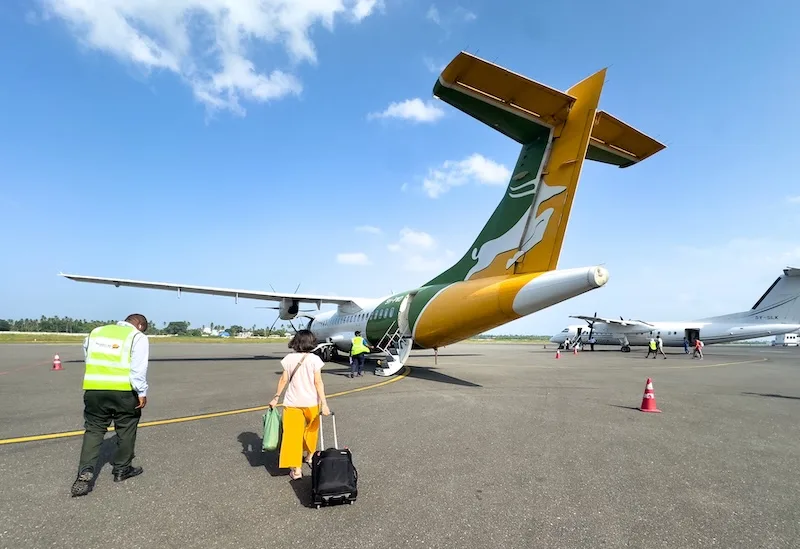
The island’s growing aviation connections are important to that proposition. Zanzibar International Airport has expanded considerably, with a modern international terminal supporting the island’s ambitions as a more accessible destination. Connections through Dar es Salaam, Nairobi, Addis Ababa and major Middle Eastern aviation hubs create opportunities to travel beyond Tanzania, although individual journeys still require careful planning and some destinations involve connecting flights.
Dar es Salaam, in particular, provides an important link between Zanzibar and mainland Tanzania. The city is accessible by air and ferry and serves as a major commercial and transport center, with onward connections to other parts of the country and the wider region.
This growing network changes the way Zanzibar can be understood. It is no longer necessary to think of the island solely as somewhere remote and separate from the rest of the world. Its location allows it to offer a peaceful coastal lifestyle while remaining connected to a much larger geography. For internationally mobile people, that balance between retreat and accessibility is increasingly valuable.
International Connections Are Changing the Island’s Appeal
One of the most important developments in Zanzibar’s recent evolution has been the improvement in its international accessibility.
Historically, reaching the island from many parts of the world required traveling through mainland Tanzania or making several connections. That inevitably shaped the type of visitor Zanzibar attracted and the length of time people were prepared to spend there.
Today, the island is increasingly integrated into international aviation networks. Routes through major hubs such as Dubai, Doha, Addis Ababa and Nairobi have made Zanzibar more accessible to travelers from Europe, Asia, the Middle East and other parts of Africa.
British Airways and other major international carriers are also relevant to the wider conversation about access to East Africa, even where travelers need to connect through another airport rather than fly directly to Zanzibar. Similarly, Egypt’s role as an important aviation gateway through Cairo provides additional possibilities for linking journeys between northern and eastern Africa.
The distinction between direct flights and convenient connections matters, but the broader trend is clear: Zanzibar is becoming easier to incorporate into an international lifestyle. For someone considering a second home or spending several months of the year overseas, connectivity can be as important as the destination itself. A beautiful island becomes considerably more practical when family and friends can visit, business travel remains manageable and the surrounding region can be explored without excessive logistical difficulty. It also makes the island more attractive to people whose lives are not organized around a single permanent location.
The Appeal of a More Nomadic Lifestyle
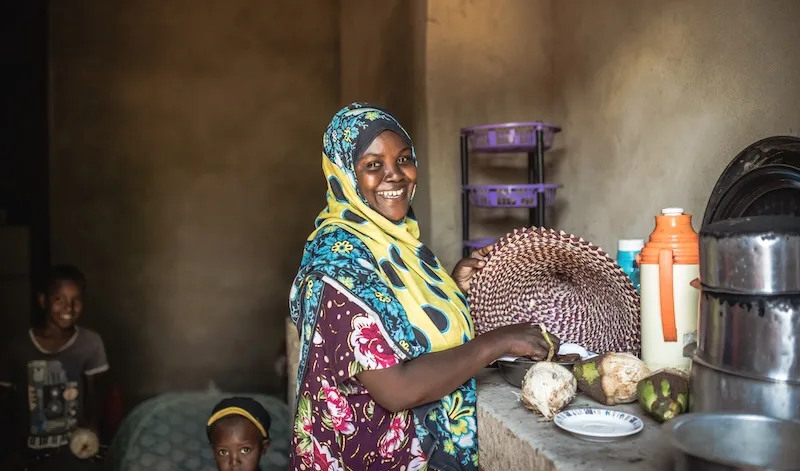
The way people live and work internationally has changed considerably over the past decade. Remote working, flexible careers, international businesses and greater familiarity with long-term travel have created a growing audience for destinations that can function as more than conventional holiday resorts.
For some, that means spending part of the year in Europe and the remainder somewhere warmer. Others divide their time between several countries, maintaining professional and personal relationships across borders. There are also retirees and financially independent individuals who no longer need to organize their lives around one location.
Zanzibar offers an interesting possibility for this increasingly mobile population. It has the natural beauty and slower rhythm associated with an Indian Ocean escape, but it also offers cultural depth, an established tourism industry and access to the wider East African region.
That does not mean the island is without practical challenges. Internet reliability, electricity, healthcare, transport and the requirements for longer-term residency all deserve careful consideration. A destination that works beautifully for a two-week holiday may require a different level of planning for someone intending to spend several months there.
Yet the appeal of a more flexible lifestyle is not necessarily about finding a perfect destination. It is about finding somewhere that offers a distinctive combination of experiences and enough practical infrastructure to make returning worthwhile.
For Zanzibar, that combination is becoming increasingly compelling. The island can provide a sense of familiarity and continuity while allowing people to explore a part of the world that remains extraordinarily rich in possibilities.

Why Kendwa Makes Sense as a Home Base
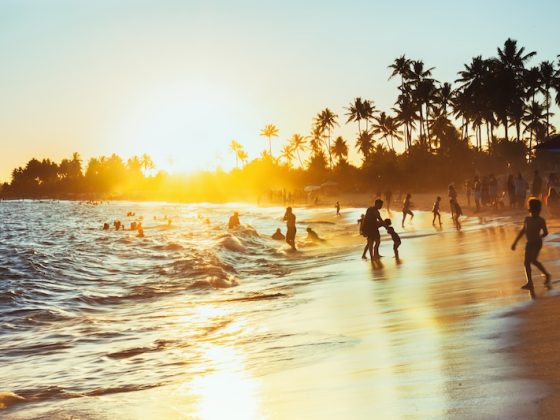
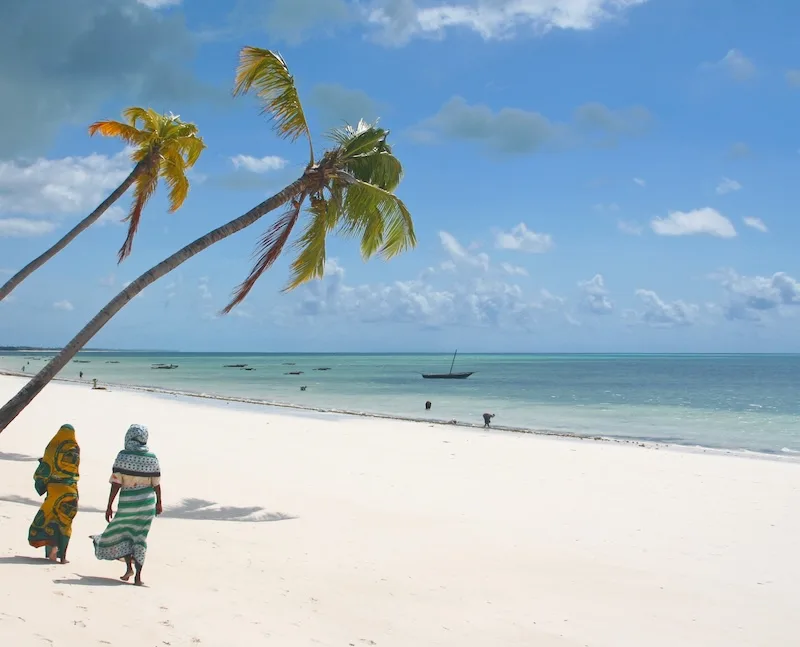
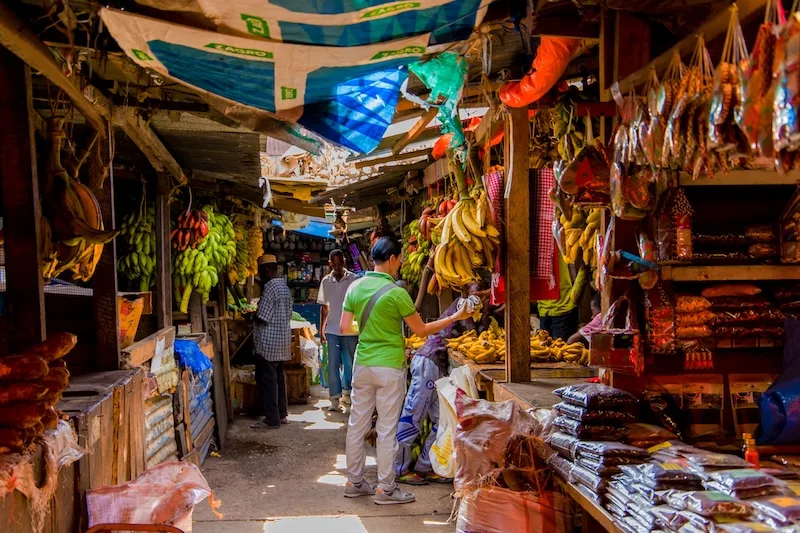
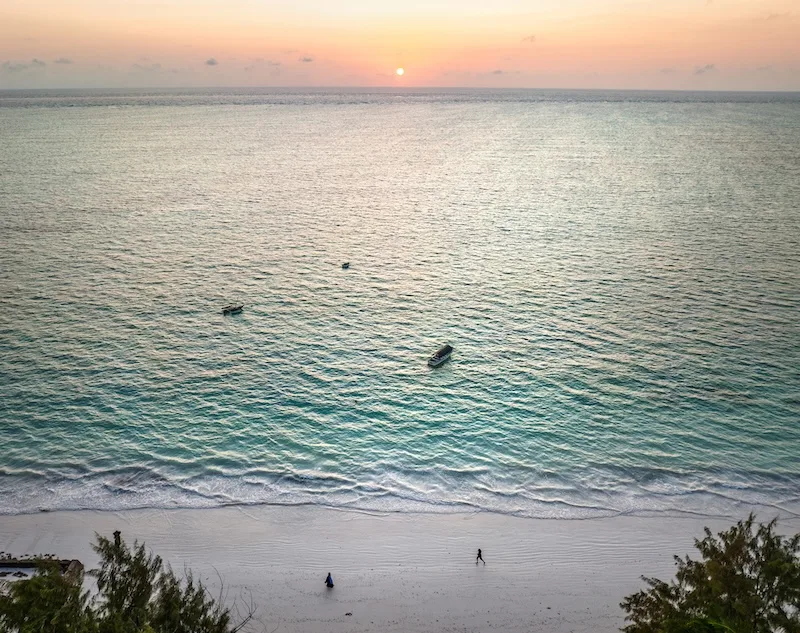
Within Zanzibar itself, the choice of location becomes particularly important for anyone considering longer stays. Kendwa, on the island’s northwest coast, has several advantages that distinguish it from other parts of Zanzibar. Its beach is among the island’s most celebrated, with soft white sand, relatively calm water and swimming conditions that are less affected by the dramatic tidal changes experienced along much of the eastern coastline.
The area also benefits from an increasingly sophisticated hospitality market, with established resorts and restaurants nearby, while retaining the character of a functioning coastal village. Fishing, family life and local businesses remain visible beyond the beachfront, giving Kendwa a sense of place that cannot easily be reproduced in a purpose-built resort destination.
These qualities matter differently when a destination becomes somewhere to return to regularly rather than somewhere to visit once. A beautiful beach might be enough to attract someone for a holiday, but longer stays require a broader relationship with the place. Familiar restaurants, local friendships, comfortable accommodation, access to services and the ability to settle into a daily routine all become increasingly important.
Kendwa offers the possibility of combining those everyday pleasures with a much larger travel experience. A resident might spend several weeks enjoying the island before traveling to the mainland for a safari, returning to the same familiar coastal setting afterwards. Visiting family could combine time on the beach with a journey to northern Tanzania, while those interested in exploring Africa more extensively could use Zanzibar as a recurring point of departure. The result is a lifestyle that feels both settled and adventurous, something that relatively few island destinations can offer so convincingly.
Where Liyongo Fits Into Zanzibar’s Next Chapter
It is within this changing understanding of Zanzibar that Liyongo becomes particularly interesting.
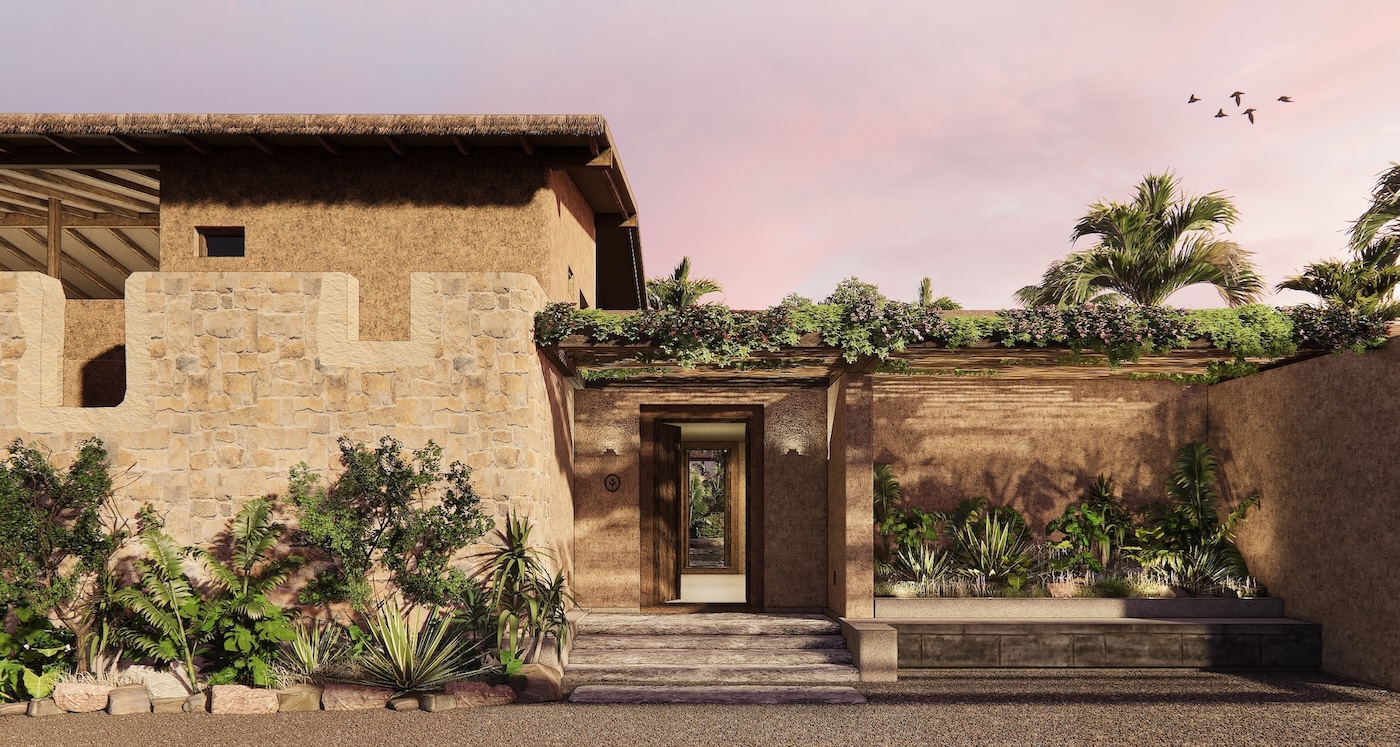
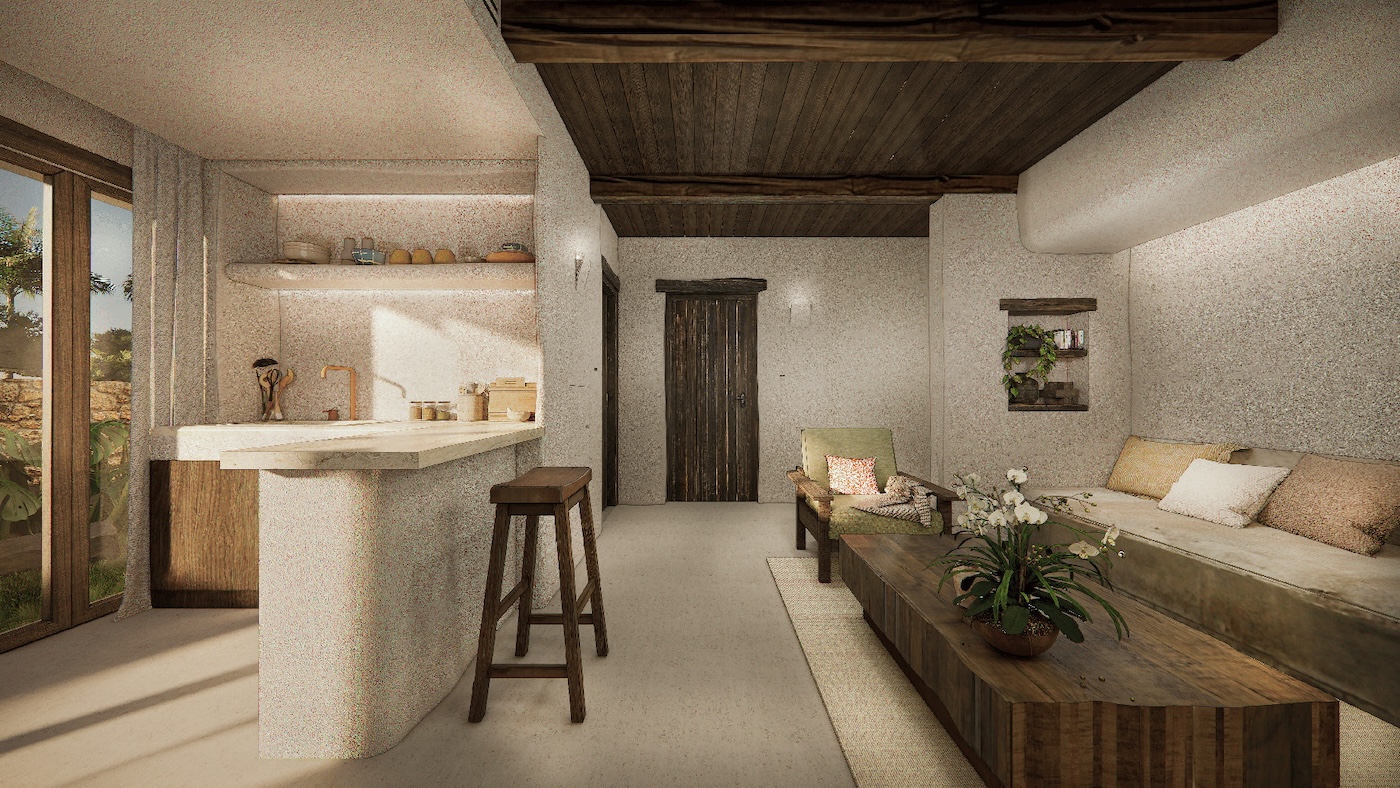
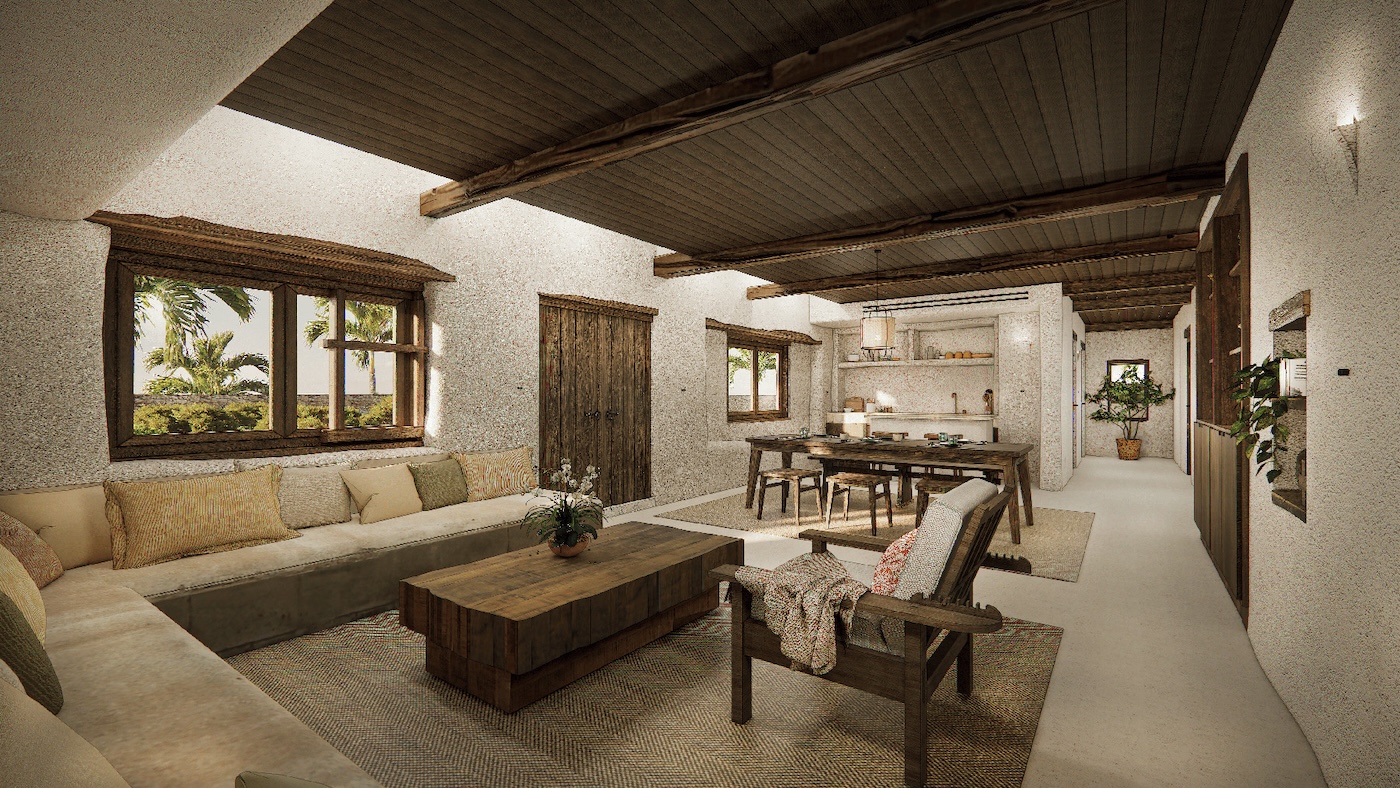
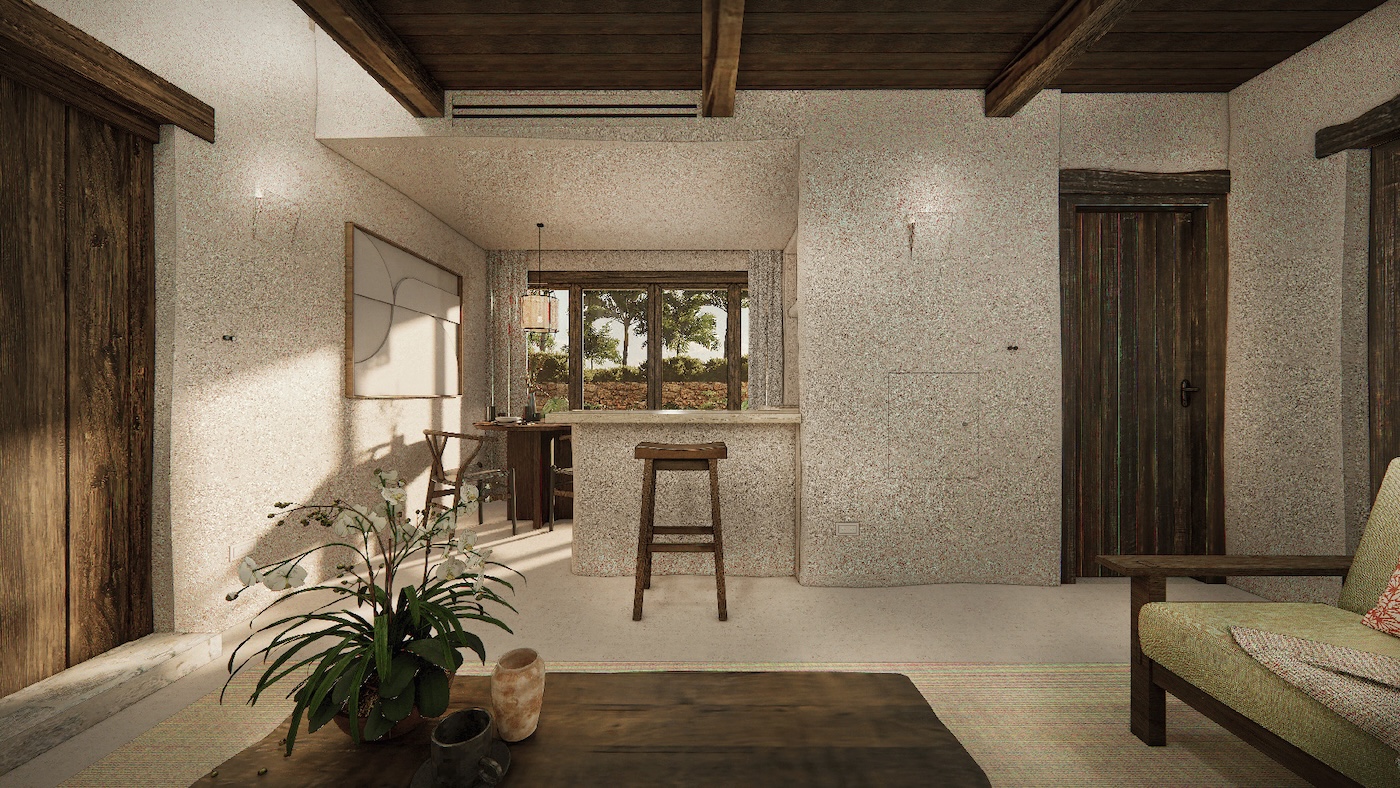
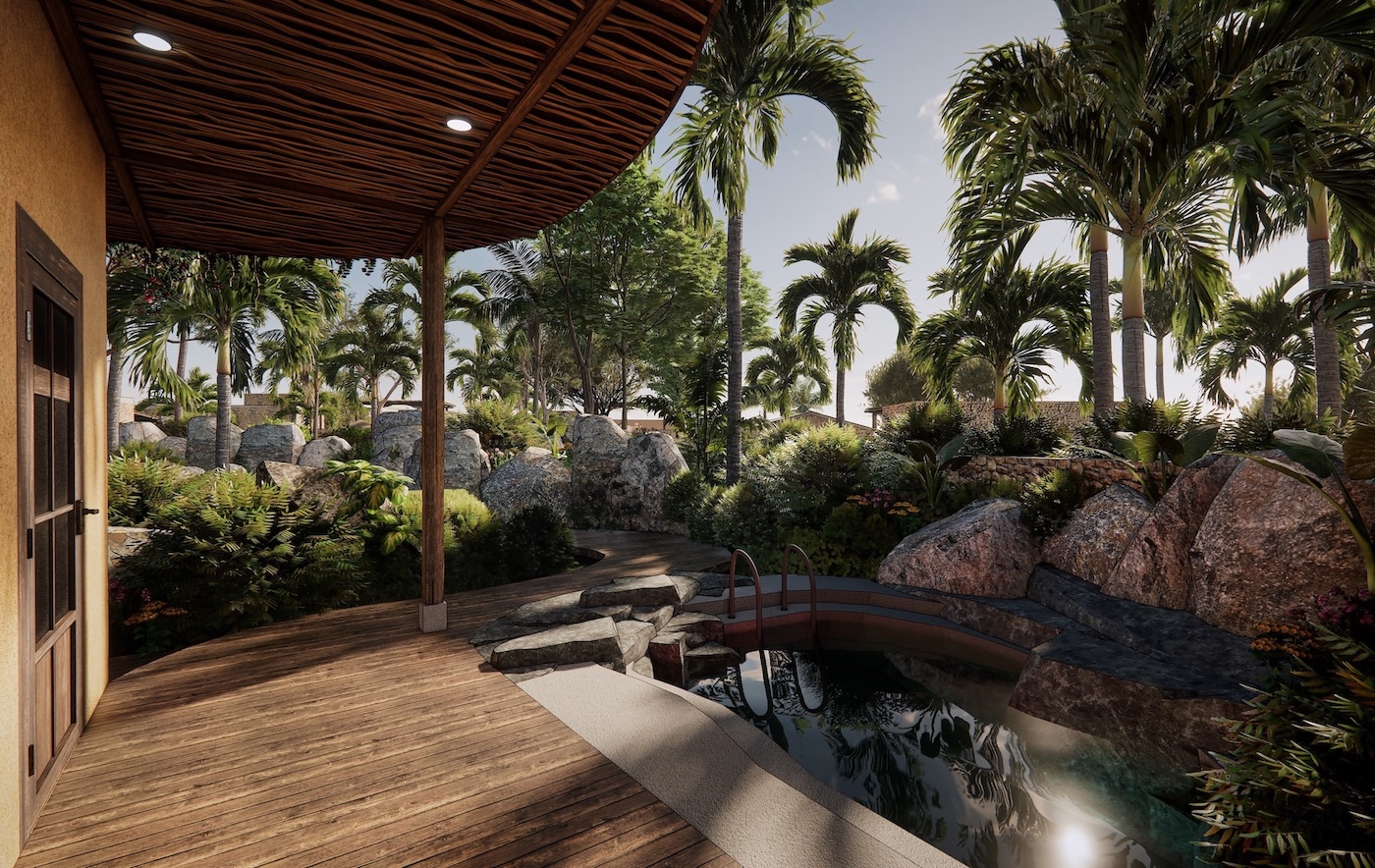
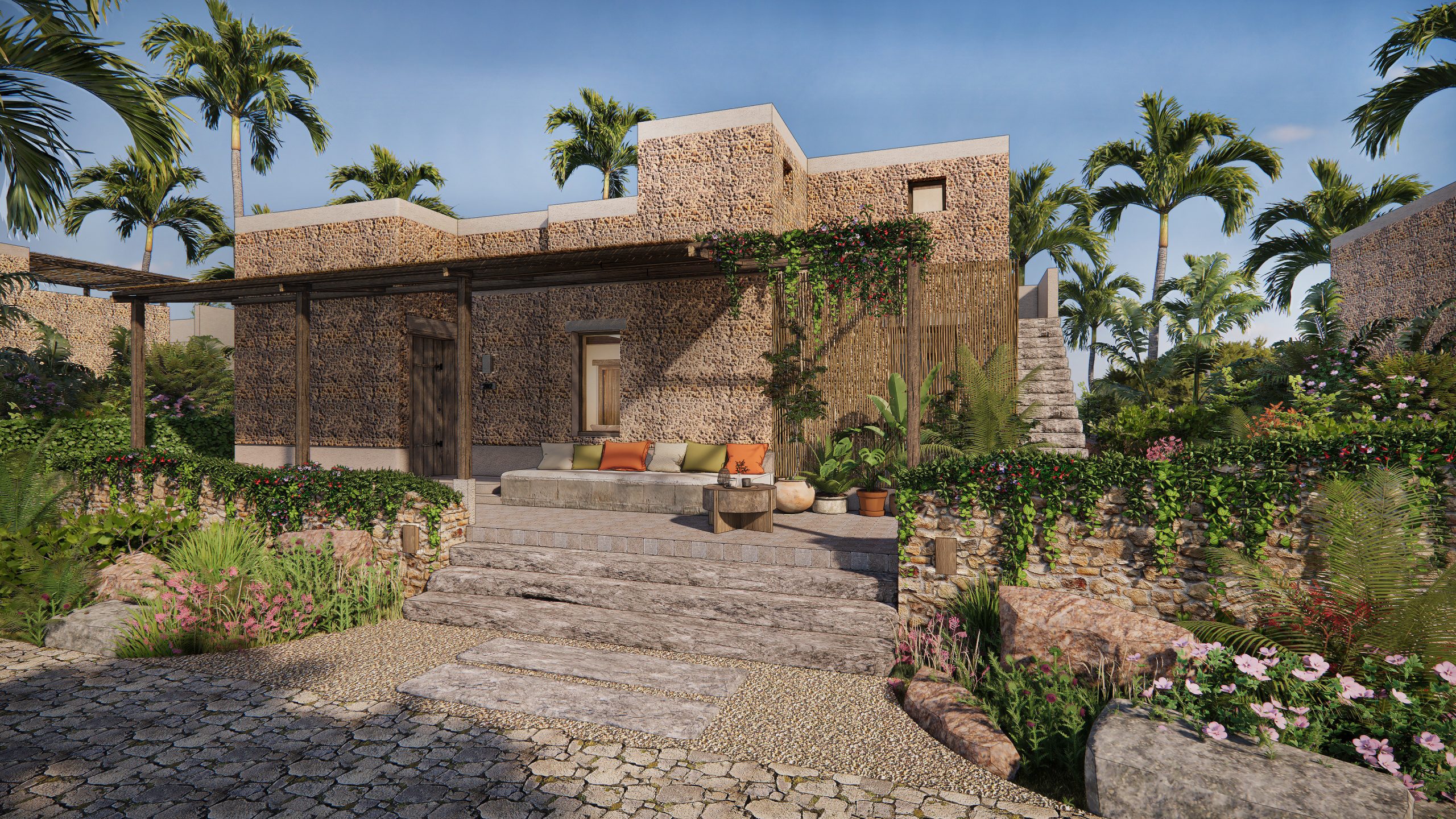
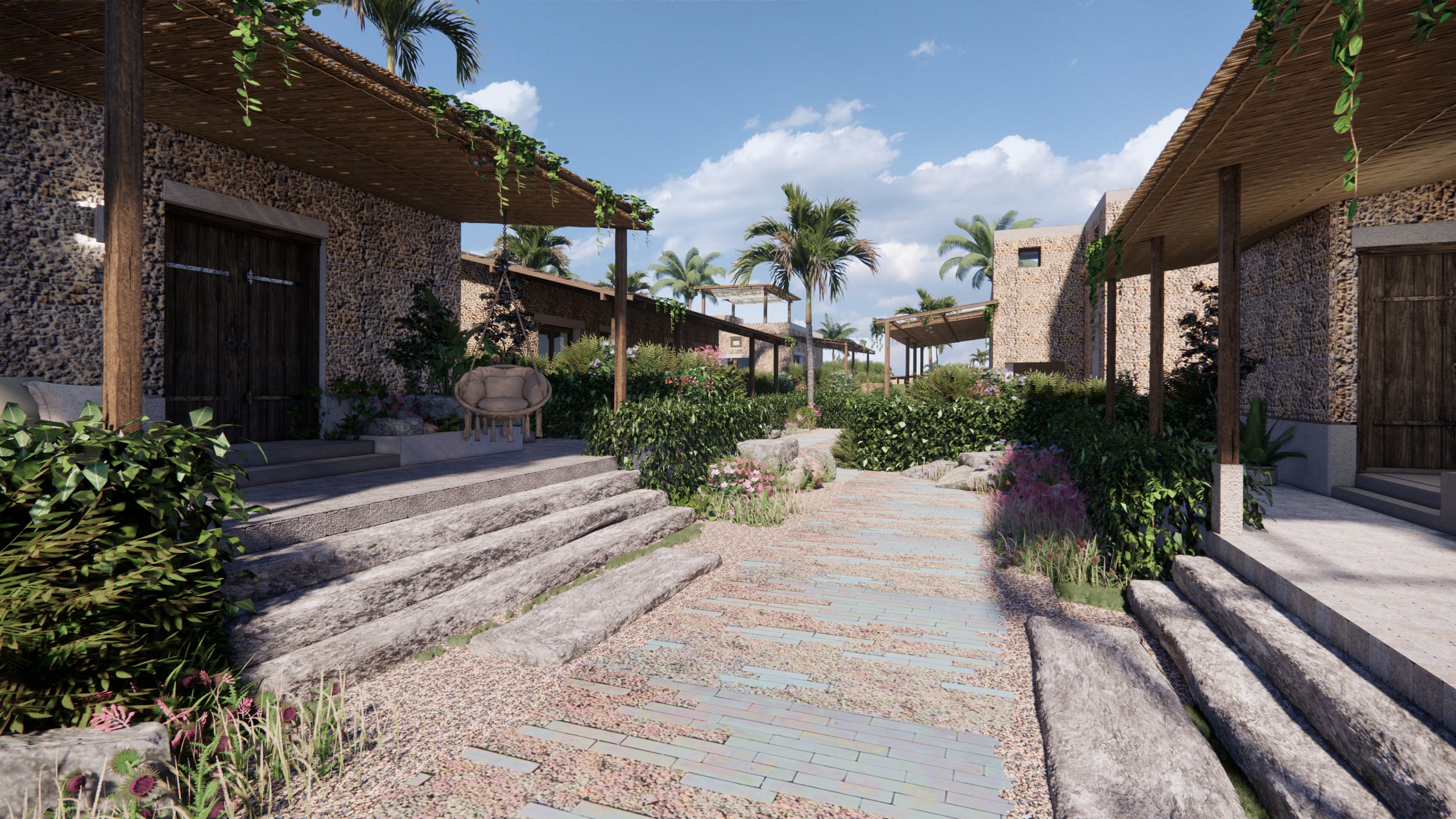
Located in Kendwa, Liyongo is being developed as a village-style residential retreat that draws upon the architectural traditions and social character of Zanzibar’s Swahili coast. Rather than creating an isolated resort compound, the project has been conceived as a village within a village, with an emphasis on community, local identity and a more natural relationship with its surroundings.
Its design incorporates elements associated with traditional coastal architecture, including coral stone, lime finishes, shaded terraces, courtyards and gardens. The intention is to create a residential environment that feels connected to Zanzibar rather than simply reproducing the appearance of an international luxury resort.
That approach is particularly relevant to the idea of Zanzibar as a home base. People spending extended periods on the island may be looking for something different from a hotel, however beautiful or luxurious it might be. They want the comfort and privacy of their own space, the ability to establish routines and somewhere familiar to return to after traveling.
Liyongo’s residential concept speaks to that desire for a more lasting relationship with the destination. Set within walking distance of Kendwa’s celebrated coastline, it aims to combine the atmosphere of contemporary East African hospitality with the sense of belonging associated with village life.
The project also reflects a broader question facing Zanzibar as international interest grows. Can the island develop more sophisticated residential and hospitality offerings without losing the local culture and community that make it distinctive?
For destinations around the world, that balance has often proved difficult. Growth can bring investment, employment and improved infrastructure, but poorly considered development can also weaken the very qualities that first attracted visitors.
Liyongo’s emphasis on Swahili architectural traditions and its position within the existing village represent an attempt to approach that balance more thoughtfully. For internationally minded buyers and long-term visitors, the proposition extends beyond the residential development itself. It is about having a place within Zanzibar from which the island, mainland Tanzania and the wider African continent become part of an ongoing experience.

A Different Kind of Island Destination
The most interesting destinations are often those that offer more than the qualities for which they first became famous. Zanzibar will always be associated with its beaches, and understandably so. The Indian Ocean coastline is extraordinary, the climate attracts visitors from around the world and the island’s cultural heritage gives it a character quite different from many other tropical escapes. But its position alongside mainland Africa gives it another dimension.
Few destinations allow visitors to move so naturally between tropical beaches, historic Swahili towns, mountain landscapes and some of the world’s most celebrated wildlife reserves. Fewer still offer the possibility of turning those experiences into a recurring part of life, with a familiar place to return to between journeys.
As international connectivity improves and the island’s residential and hospitality offerings continue to evolve, Zanzibar has an opportunity to establish itself as something more than a holiday destination. It can become a gateway to Africa, a place where longer stays and a more nomadic way of life feel increasingly possible.
For Kendwa, that creates an especially interesting future. The village already has an exceptional beach, a strong local identity and an established hospitality environment. Developments such as Liyongo are now exploring how those qualities might support a more permanent relationship with the island.
The appeal is not simply the opportunity to live beside one of the Indian Ocean’s most beautiful coastlines. It is the possibility of making that coastline a starting point for discovering an entire continent.
And that is what makes Zanzibar’s next chapter so interesting.
Safari From Zanzibar: Common Questions
Can you go on safari from Zanzibar?
Yes. The closest parks to the island are Mikumi and Nyerere (formerly the Selous), both reachable by short flights, so a two- or three-day fly-in safari is possible. The northern circuit of the Serengeti, Ngorongoro, Tarangire and Lake Manyara means flying to Arusha or Kilimanjaro first, then continuing by road or light aircraft.
How do you get from Zanzibar to mainland Tanzania?
By fast ferry to Dar es Salaam, which takes under two hours, or by a short flight of around 20 minutes. Dar es Salaam has onward flights and road connections to the rest of the country, and there are direct flights from Zanzibar to Arusha and Kilimanjaro for the northern parks.
Which airlines fly to Zanzibar?
Zanzibar has direct services from Dubai, Doha, Nairobi, Addis Ababa and Dar es Salaam. EgyptAir began flying direct from Cairo twice a week in September 2026, and British Airways plans a seasonal London Gatwick service via Kilimanjaro, three times a week from May 29 to October 31, 2027.
How high is Mount Kilimanjaro?
Kilimanjaro rises to 5,895 meters (19,341 feet), the highest point in Africa. Climbing it needs a licensed guide and several days to acclimatize, but the region around it can be visited without attempting the summit.
Is Kendwa a good base for exploring Tanzania?
Kendwa is on Zanzibar’s northwest coast, about an hour by road from the airport. Its beach stays swimmable at low tide, unlike much of the east coast, and the airport has flights to the mainland and the wider region.
About Liyongo
Liyongo is a village-style residential retreat being developed in Kendwa, on Zanzibar’s northwest coast. Inspired by Swahili coastal architecture and the island’s community traditions, the project combines contemporary residential living with the atmosphere of a traditional East African village, within walking distance of Kendwa’s celebrated beach.
About the Author
Contact Author
"*" indicates required fields
Stay Ahead on Every Adventure!
Stay updated with the World News on Escape Artist. Get all the travel news, international destinations, expat living, moving abroad, Lifestyle Tips, and digital nomad opportunities. Your next journey starts here—don’t miss a moment! Subscribe Now !
There are few places in the world where the possibility of spending the morning beside a turquoise ocean and the following day surrounded by some of the most extraordinary wildlife on earth feels quite so natural. Zanzibar has long been celebrated for its white-sand beaches, warm Indian Ocean waters and distinctive Swahili culture, but there is another side to the island that deserves considerably more attention. Its location, just off the coast of mainland Tanzania, makes it an exceptional starting point for exploring Africa, combining the pleasures of tropical island living with access to some of the continent’s most remarkable landscapes, wildlife and cultural experiences.
For years, Zanzibar was largely treated as the final chapter of an African holiday. Travelers would spend several days on safari in Tanzania or Kenya before flying to the island for a few nights of relaxation. It was a familiar combination, often described as beach and bush, and one that remains enormously appealing. But as Zanzibar becomes better connected internationally and attracts a more diverse community of visitors, investors and longer-term residents, that relationship is beginning to work in both directions.
Rather than simply being somewhere to finish an African adventure, Zanzibar has the potential to become the place from which those adventures begin. A beautiful, comfortable and increasingly accessible base where people can spend extended periods, return throughout the year and explore the wider continent without giving up the familiarity of somewhere that feels like home.
If you'd like to read the full story, simply enter your email to subscribe to our newsletter.
For even more expert insights, unmissable resources, and exclusive invites, explore our premium subscription offers here.
OR
Already a Subscriber? Click here to login
Subscription required
You've reached your limit of free articles. For full access to Escape Artist, and all of our insights on travel, moving abroad, and the digital nomad life, click here to Subscribe.
Already a Subscriber? Log in here