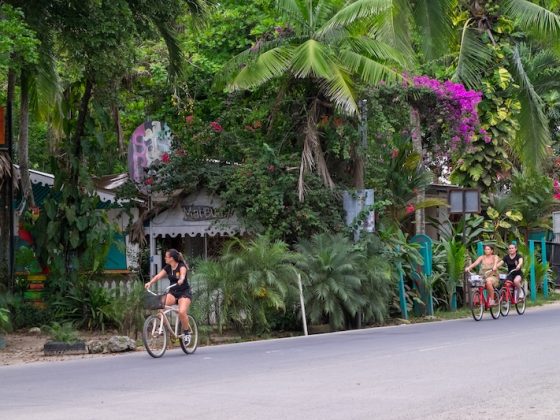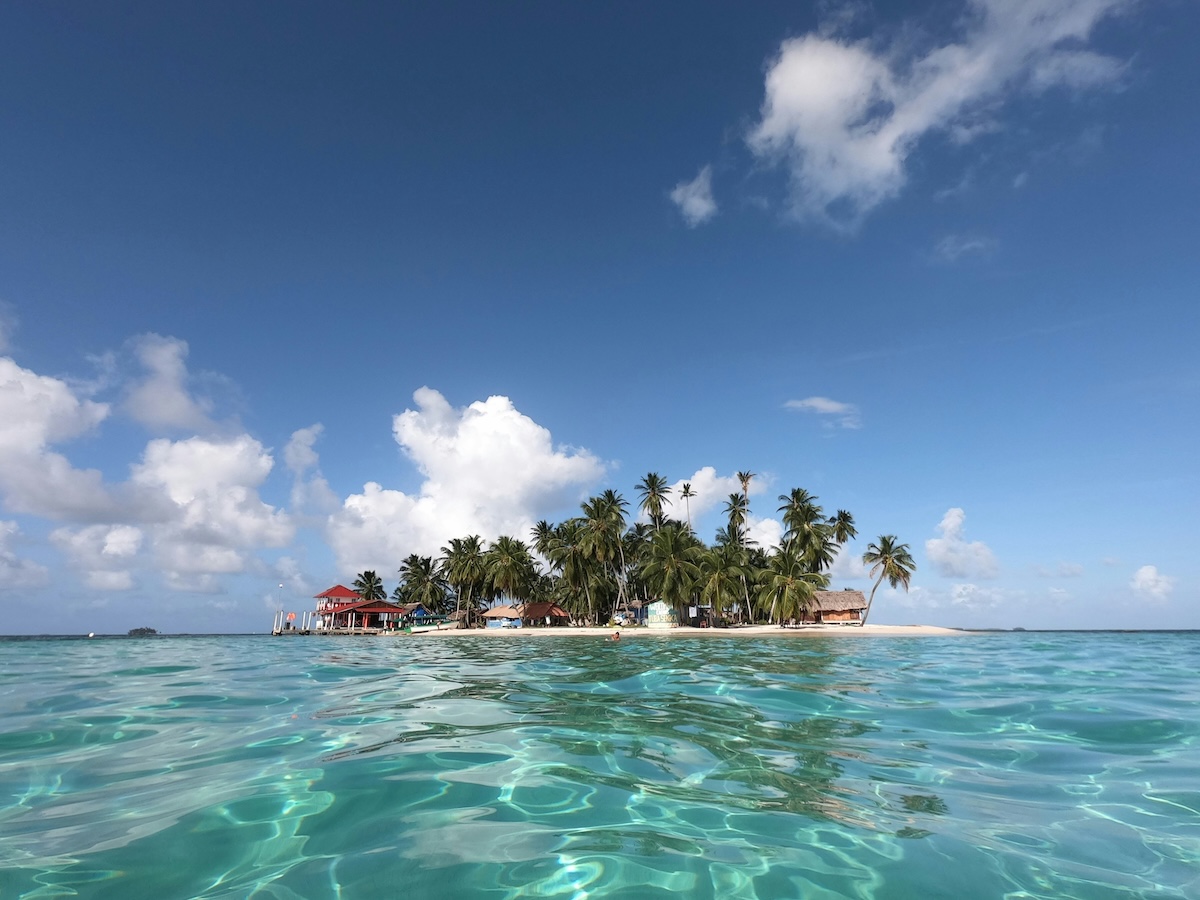
There is a version of retirement that most people in Western countries have quietly stopped believing in. The version where the pension covers the lifestyle. Where the savings last as long as they need to.
That version is still available. It just does not tend to be available in the same country where the pension was earned.
The arithmetic is straightforward. A pension that struggles to cover rent and groceries in London, New York, or Sydney delivers a genuinely comfortable life in a growing list of countries where costs are lower, climate is better, healthcare is accessible, and residency pathways are designed to welcome exactly this kind of steady, predictable income.
Read More Like This: 7 Financial mistakes expats make in their first year abroad (and how to avoid them)
Panama: The Dollar Economy That Works in Your Favour
Panama runs entirely on the US dollar, which removes currency risk for American retirees and makes financial planning straightforward. The Pensionado Visa requires just $1,000 a month in lifetime pension income, and the benefits that come with it are substantial.
Pensionado holders receive a 25% discount on utility bills, 15% off hospital bills, 10% off prescription drugs, 20% off medical consultations, and 25% off airline tickets. Panama taxes no foreign income whatsoever, meaning the pension arrives and stays intact.
A couple living comfortably in Boquete, which topped multiple global retirement indexes for 2026, can do so on $2,500 to $3,500 a month including rent, food, transport, healthcare, and a social life. Private healthcare in Panama City, with Hospital Punta Pacifica affiliated with Johns Hopkins, competes with anything available in North America at a fraction of the price.
Greece: The 7% Flat Tax That Changed the Retirement Conversation
Greece topped the 2026 Global Retirement Index for the first time. Under its non-domicile tax program for foreign retirees, all foreign-source income is taxed at a flat rate of 7%. That covers pensions, dividends, rental income, and capital gains from outside the country, for up to 15 years.
An annual pension and investment income of $80,000 produces a Greek tax bill of approximately $5,600. A couple can live comfortably on the Greek mainland for between $1,800 and $2,600 a month.
Greece’s Golden Visa program, starting at 250,000 euros for qualifying properties, provides a formal residency pathway for those who want to anchor their presence with a property investment. Healthcare in Athens and the major centres is accessible and inexpensive by Northern European and North American standards.

Read More Like This: How to Legally Pay Less Tax Abroad | Offshore Tax Planning
Portugal: The Long Game That Still Makes Sense
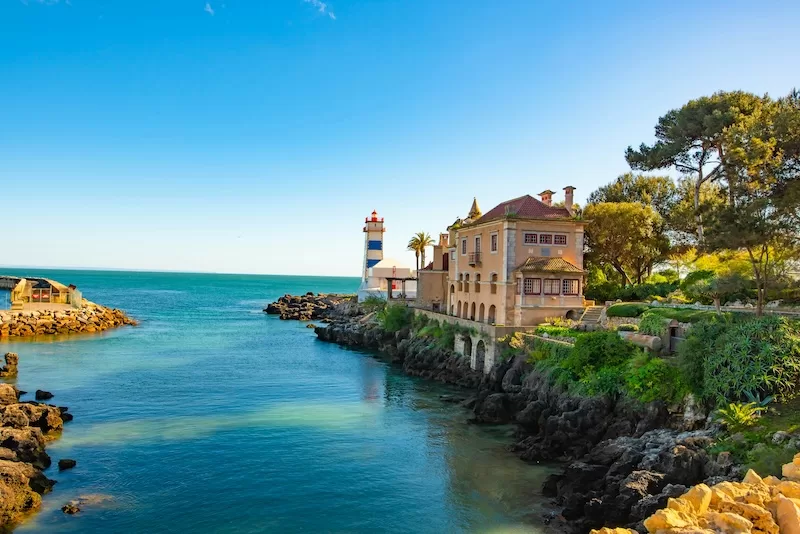
Portugal’s D7 Passive Income Visa requires demonstrated passive income of approximately 920 euros a month for a single applicant. The threshold is low relative to most Western pension incomes, and the visa leads to permanent residency after five years.
Portugal’s parliament amended the nationality law in April 2026, extending the path to citizenship to up to ten years from the previous five. The D7 itself remains unchanged and accessible. A couple living in the Algarve can budget comfortably for between $2,200 and $3,200 a month all in.
Portugal ranks among the safest countries in Europe on the Global Peace Index. Private supplemental healthcare plans are available at prices well below comparable coverage in North America. Towns like Lagos, Tavira, and Vilamoura offer beaches, golf, and well-developed expat infrastructure without the crowds and pricing that now characterise Lisbon and Porto.
Costa Rica: Pura Vida With a Budget That Holds Up
Costa Rica’s Pensionado Visa requires $1,000 a month in lifetime pension income, matching Panama’s threshold. The country runs on a territorial tax system, meaning foreign pension income is not taxed locally.
A single person living comfortably outside the most expensive areas can do so for $1,500 to $2,000 a month. The healthcare system, open to legal residents through the Caja Costarricense de Seguro Social, provides genuine coverage at very low cost.
The country’s Pacific and Caribbean coastlines, volcanic highlands, and consistently pleasant climate create a quality of daily environment that most retirees describe as one of the more unexpected pleasures of the move. San Jose handles the urban necessities, while towns around the Central Valley offer a balance of expat infrastructure and local character.

Read More Like This: Australian Expat Guide – How Do You Contest a Will Overseas?

Malaysia: The Programme That Rewards Patience
Malaysia’s My Second Home programme, relaunched in 2023 with revised tiers after its 2021 suspension, requires a minimum offshore income of $2,500 a month for the Silver tier. All tiers provide multi-year renewable residency and access to Malaysia’s excellent private healthcare system.
Foreign pension income is entirely exempt from local tax in Malaysia. A couple can live comfortably in Kuala Lumpur, Penang, or Johor Bahru on $2,000 to $3,000 a month, with Penang at the higher end of that range for lifestyle-focused retirees.
The country’s private healthcare is considered among the best in Southeast Asia. English is widely spoken in business and professional contexts, and the multicultural character of Malaysian society creates a social environment that most Western retirees find more navigable than destinations where the cultural gap is wider.
The Questions Worth Asking Before You Choose
Healthcare quality varies within countries as much as between them. The relevant question is not the national average but the standard available in the specific area where you plan to live.
Currency risk is real everywhere except Panama. A pension denominated in US dollars, pounds, or euros will buy different amounts of local comfort as exchange rates move, and that variability needs to be factored into planning over a retirement that may span decades.
For US citizens, the obligation to file US taxes on worldwide income does not change regardless of destination. A cross-border tax professional familiar with both the destination country and US obligations is the necessary first conversation, not an optional one.

Read More Like This: Offshore Trust or Panama Foundation?
Key Takeaways (FAQs)
Which country lets a pension go furthest right now?
Greece topped the 2026 Global Retirement Index, largely due to its 7% flat tax on foreign-source income for qualifying retirees, locked in for 15 years.
What’s the minimum pension income to qualify for Panama’s Pensionado Visa?
$1,000 a month in lifetime pension income, with discounts on utilities, healthcare, prescriptions, and airfare included.
Does Panama tax foreign pension income?
No. Panama taxes no foreign income at all, and running on the US dollar removes currency risk for American retirees.
How much does Portugal’s D7 visa require?
Around 920 euros a month in passive income for a single applicant, with a path to permanent residency after five years.
Has Portugal’s citizenship timeline changed?
Yes. Portugal’s parliament extended the path to citizenship from five to ten years in April 2026, though the D7 visa itself is unchanged.
What does Costa Rica’s Pensionado Visa require?
$1,000 a month in lifetime pension income, matching Panama’s threshold, with foreign pension income untaxed under Costa Rica’s territorial system.
What are Malaysia’s MM2H income tiers?
The Silver tier requires a minimum offshore income of $2,500 a month, with all tiers offering multi-year renewable residency and tax-exempt foreign pension income.
Do US citizens still owe US taxes after retiring abroad?
Yes. The obligation to file US taxes on worldwide income doesn’t change based on where you retire, regardless of the destination’s own tax rules.
Contact Author
"*" indicates required fields
Stay Ahead on Every Adventure!
Stay updated with the World News on Escape Artist. Get all the travel news, international destinations, expat living, moving abroad, Lifestyle Tips, and digital nomad opportunities. Your next journey starts here—don’t miss a moment! Subscribe Now !
There is a version of retirement that most people in Western countries have quietly stopped believing in. The version where the pension covers the lifestyle. Where the savings last as long as they need to.
That version is still available. It just does not tend to be available in the same country where the pension was earned.
The arithmetic is straightforward. A pension that struggles to cover rent and groceries in London, New York, or Sydney delivers a genuinely comfortable life in a growing list of countries where costs are lower, climate is better, healthcare is accessible, and residency pathways are designed to welcome exactly this kind of steady, predictable income.
If you'd like to read the full story, simply enter your email to subscribe to our newsletter.
For even more expert insights, unmissable resources, and exclusive invites, explore our premium subscription offers here.
OR
Already a Subscriber? Click here to login
Subscription required
You've reached your limit of free articles. For full access to Escape Artist, and all of our insights on travel, moving abroad, and the digital nomad life, click here to Subscribe.
Already a Subscriber? Log in here