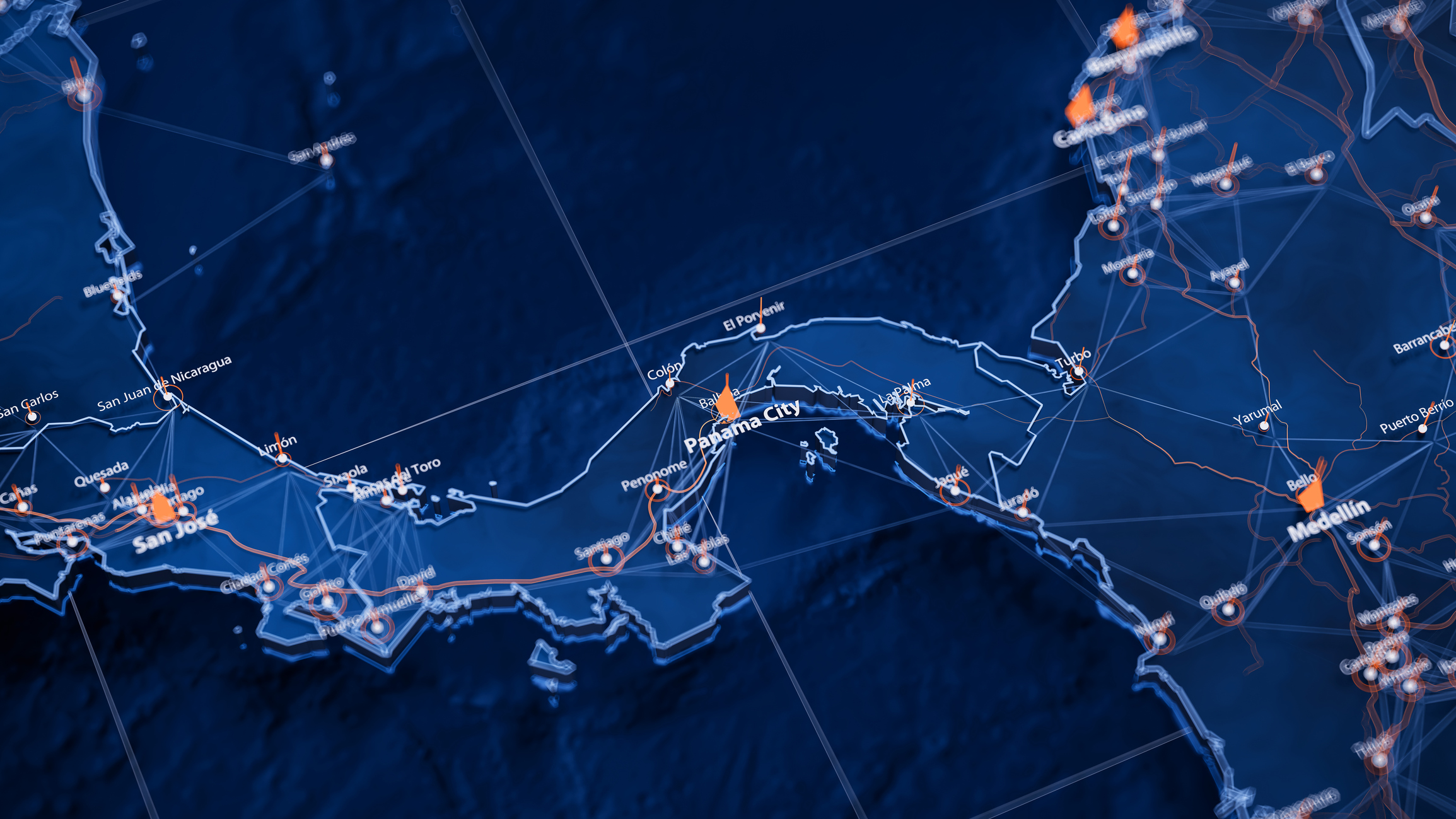
Central America has emerged as one of the most compelling, yet misunderstood frontiers for financing in the Western Hemisphere. From infrastructure and tourism to fintech and cross-border trade, capital is flowing into the region at an accelerating pace. But while opportunity is abundant, so too are the complexities. Financing here is not a one-size-fits-all exercise; it is a jurisdiction-specific strategy that requires precision, patience, and perspective.
For investors, lenders, and entrepreneurs alike, understanding the do’s and don’ts of financing in Central America can be the difference between unlocking long-term value and encountering avoidable friction.

The Do’s: What Smart Capital Gets Right
1. Do Prioritize Jurisdictional Due Diligence
Central America is not a monolith. Each country operates under its own regulatory framework, banking culture, and legal infrastructure. While countries like Panama offer scale and international connectivity, others such as Belize distinguish themselves through flexibility, accessibility, and a well-established international financial services ecosystem. Belize, in particular, has carved out a niche as a pragmatic jurisdiction for cross-border financing. Its legal system, based on English common law, provides familiarity for international investors, while its financial institutions are often more agile in structuring bespoke solutions.
2. Do Build Relationships – Not Just Transactions
In Central America, financing is as much about relationships as it is about numbers. Local banking institutions and financial service providers place significant emphasis on trust, reputation, and long-term engagement. Investors who take the time to build meaningful connections, whether with bankers, legal advisors, or regulators, tend to navigate the system far more effectively. This is especially true in Belize, where the financial community is tightly interconnected. Decision-making processes can be more streamlined when there is a foundation of trust and clear communication.
3. Do Structure for Flexibility
One of the defining characteristics of successful financing in the region is adaptability. Market conditions, regulatory interpretations, and cross-border considerations can shift quickly. Financing structures that incorporate flexibility, whether through adjustable covenants, multi-currency capabilities, or phased funding are better positioned to succeed. Belizean financial institutions, particularly those focused on international clients, are often well-versed in structuring flexible solutions tailored to complex, cross-border needs.
4. Do Align with Regulatory Expectations Early
Compliance is not a box-ticking exercise; it is a foundational pillar. Anti-money laundering (AML) requirements, know-your-customer (KYC) protocols, and reporting standards are rigorously enforced across the region, albeit with varying degrees of efficiency. Engaging early with regulatory expectations and ensuring documentation is both thorough and transparent can significantly reduce delays. Jurisdictions like Belize benefit from a clear and predictable regulatory environment, which, when approached correctly, can facilitate smoother onboarding and execution.
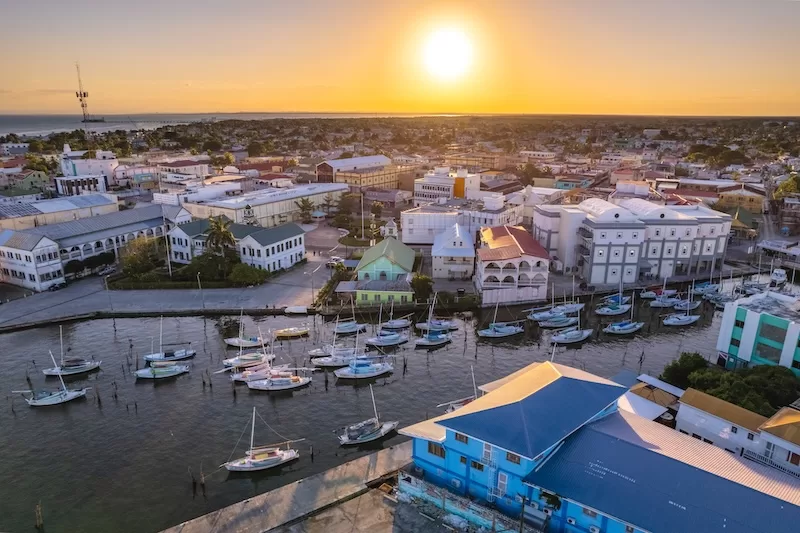
Read More Like This: Why Belize Is Becoming a Standout for Living and Investment
The Don’ts: Where Financing Strategies Go Wrong
1. Don’t Assume Uniformity Across the Region
A common misstep is treating Central America as a single, homogenous market. Financing strategies that work seamlessly in Panama may encounter friction in Costa Rica or Guatemala, where regulatory processes, documentation standards, and risk appetites differ. Belize stands out precisely because it does not attempt to mirror its larger neighbors. Instead, it leverages its unique positioning as a specialized international financial center, something investors should recognize and strategically utilize.
2. Don’t Underestimate Compliance Timelines
While opportunities may move quickly, compliance processes often do not. Delays in documentation, insufficient due diligence, or unclear source-of-funds explanations can stall financing arrangements. Attempting to rush the process is a mistake. In fact, jurisdictions like Belize reward preparedness; clients who approach the process with complete and well-organized documentation often experience significantly faster turnaround times compared to larger, more bureaucratic markets.
3. Don’t Overlook Currency and Correspondent Banking Dynamics
Cross-border financing in Central America is heavily influenced by correspondent banking relationships and currency considerations. U.S. dollar transactions, in particular, require careful structuring to ensure smooth processing through international banking channels. While larger jurisdictions may offer broader networks, they can also introduce additional layers of complexity. Belize’s international banking sector, though more specialized, often provides a more direct and client-focused approach, particularly for those who understand how to structure transactions efficiently.
4. Don’t Ignore Local Expertise
Attempting to navigate financing structures without local insight is a costly error. Legal nuances, regulatory expectations, and even cultural considerations can materially impact outcomes. Engaging experienced advisors, whether in Belize or elsewhere in the region is not optional; it is essential. In Belize, the advantage lies in the accessibility of senior decision-makers and the ability to work directly with institutions that understand international client needs.

Read More Like This: The Banking Opportunity of Belize
A Strategic Perspective: Why Belize Deserves a Closer Look
While each Central American jurisdiction offers distinct advantages, Belize occupies a particularly interesting position in the financing landscape. It combines elements of accessibility, regulatory clarity, and international orientation in a way that is difficult to replicate.
Its financial services sector is purpose-built for cross-border activity. Institutions are accustomed to working with international clients, structuring multi-jurisdictional transactions, and navigating the complexities of global compliance frameworks. Moreover, the ability to engage directly with decision-makers, rather than navigating layers of bureaucracy can materially accelerate execution.
This is not to suggest that Belize is a universal solution. Larger markets such as Panama will continue to play a critical role for large-scale infrastructure and institutional financing. However, for private clients, mid-market transactions, and bespoke financing structures, Belize often provides a more efficient and responsive alternative.

Conclusion: Precision Over Assumption
Financing in Central America rewards those who approach it with nuance. The region’s diversity is both its strength and its challenge. Success lies in recognizing that jurisdiction matters, relationships matter, and preparation matters.
The do’s and don’ts are not merely operational guidelines, they are strategic imperatives. Investors who prioritize due diligence, build trusted relationships, and align with regulatory expectations will find significant opportunity across the region.
And for those willing to look beyond the obvious, jurisdictions like Belize offer a compelling proposition: a financial ecosystem that is not only internationally connected, but also agile, accessible, and increasingly relevant in a world where tailored solutions matter more than ever.
Read More Like This: The Future of Global Finance Runs Through Central America

Key Takeaways
What makes financing in Central America complex?
Each country has its own regulatory framework, banking culture, legal environment, and risk profile, so financing strategies cannot be applied uniformly across the region.
Why is jurisdictional due diligence so important?
Because the right jurisdiction can improve execution speed, compliance clarity, banking access, and transaction flexibility, while the wrong one can create friction and delays.
Why does Belize stand out in this article?
The article positions Belize as a practical jurisdiction for cross-border financing due to its English
common law system, international orientation, agility, and established financial services ecosystem.
What are the biggest financing mistakes in the region?
Treating Central America as one market, underestimating compliance timelines, ignoring correspondent banking dynamics, and trying to operate without local expertise.
What is the central strategic message of the piece?
Jurisdiction, preparation, relationships, and regulatory alignment matter more than assumptions when financing across Central America.
About the Author
Dr. Luigi Wewege is the President of Caye International Bank, where he has led its growth to become the largest international bank in Belize. He is an accomplished author and global thought leader in financial technology and serves on several diverse international advisory boards. He holds a PhD doctorate with additional advanced degrees in international business and finance management.
Contact Author
"*" indicates required fields
Stay Ahead on Every Adventure!
Stay updated with the World News on Escape Artist. Get all the travel news, international destinations, expat living, moving abroad, Lifestyle Tips, and digital nomad opportunities. Your next journey starts here—don’t miss a moment! Subscribe Now !
Central America has emerged as one of the most compelling, yet misunderstood frontiers for financing in the Western Hemisphere. From infrastructure and tourism to fintech and cross-border trade, capital is flowing into the region at an accelerating pace. But while opportunity is abundant, so too are the complexities. Financing here is not a one-size-fits-all exercise; it is a jurisdiction-specific strategy that requires precision, patience, and perspective.
For investors, lenders, and entrepreneurs alike, understanding the do’s and don’ts of financing in Central America can be the difference between unlocking long-term value and encountering avoidable friction.
If you'd like to read the full story, simply enter your email to subscribe to our newsletter.
For even more expert insights, unmissable resources, and exclusive invites, explore our premium subscription offers here.
OR
Already a Subscriber? Click here to login
Subscription required
You've reached your limit of free articles. For full access to Escape Artist, and all of our insights on travel, moving abroad, and the digital nomad life, click here to Subscribe.
Already a Subscriber? Log in here