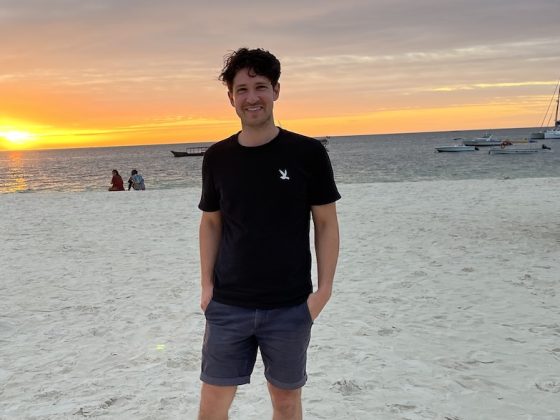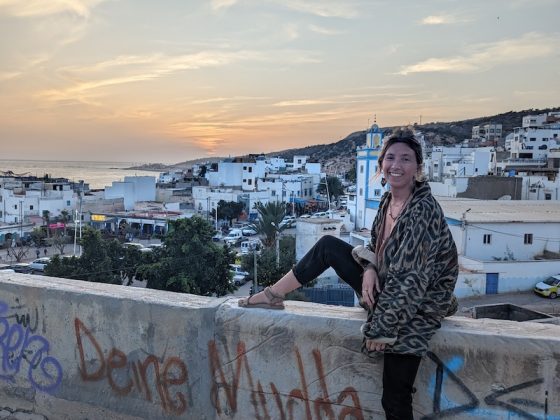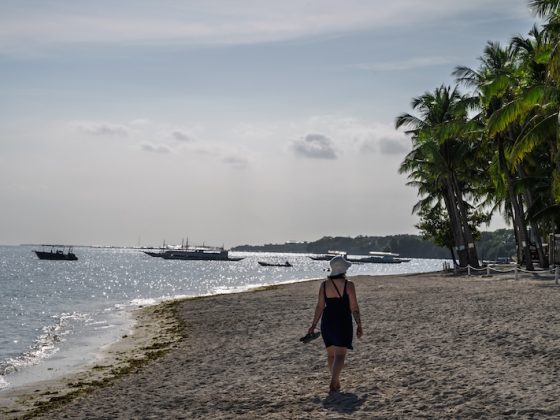
A Life Shaped by Travel
As an avid traveler, I find it ironic that I was raised by parents whose world rarely extended beyond American borders. Yet two of their four children grew up to spend decades roaming the globe. My brother and I shaped our lives around travel, and in time, both of us retired outside the United States.
My brother Walter, much older than I am, made the leap first. He settled in Bali, a place he came to love, and one I have visited many times over the years. Those visits left a deep impression on me, so when my retirement approached, I faced a difficult choice. Bali felt familiar and comforting, rich with beauty and spirituality. However, I had traveled often to Costa Rica and was drawn to its landscapes and lifestyle as well.
Deciding where to live as a U.S. expat is rarely just about scenery. Tropical beaches and warm weather may ignite the dream, but long-term contentment abroad depends on practical realities. Visas, healthcare, safety, cultural integration, cost of living, distance from the United States, and the often underestimated challenge of relocating with pets all play a role in shaping daily life.
At first glance, Bali and Costa Rica seem alike. Both are lush and tropical, more affordable than the United States, and home to large international communities. In reality, however, they offer very different experiences for those considering a permanent or long-term move.

Life in Bali
Life in Bali is often described as magical, spiritual, and freeing. The island’s rhythm is shaped by Balinese Hinduism, which infuses daily life with ceremony and ritual. Offerings appear on sidewalks and doorsteps. Temple celebrations are frequent and elaborate. Religious holidays fill the calendar. As part of Indonesia, Bali is also home to a significant Muslim population, and in places such as Denpasar, the call to prayer drifts across the city alongside temple bells.
In Bali, spirituality is not something set apart from ordinary life. It’s woven into everyday life. Temples appear every few blocks, sometimes grand and ornate, sometimes small and hidden behind stone walls or shaded by frangipani trees. Carved gateways rise from quiet streets, their details softened by time, moss, and incense smoke.
Each day begins and ends with an offering. Small baskets woven from palm leaves are placed on sidewalks, doorsteps, shrines, and even scooters. Inside are flowers arranged with intention, grains of rice, pieces of fruit, and occasionally a cookie or a bit of candy. Incense smolders, releasing thin streams of smoke into the warm air. The scent lingers everywhere, sweet and earthy, encouraging mindfulness and respect with every step.
Holidays and celebrations transform the island. Streets fill with color as people dress in white lace blouses, bright sashes, and traditional sarongs. Some ceremonies are joyful and communal, marked by laughter, shared meals, and long processions to the temple. Others are quiet and introspective, defined by prayer, chanting, and stillness. During major holy days, the island seems to slow its breath. Roads close, businesses pause, and attention turns inward. Even visitors sense they are meant to observe with humility rather than take part.
One of the most profound of these observances is Nyepi, the Balinese Day of Silence and the Hindu New Year on the Saka calendar. For twenty-four hours, the entire island shuts down. Airports close, streets empty, lights are extinguished, and silence is strictly enforced. The purpose is to cleanse the island and to convince wandering spirits that Bali is uninhabited, prompting them to move on.
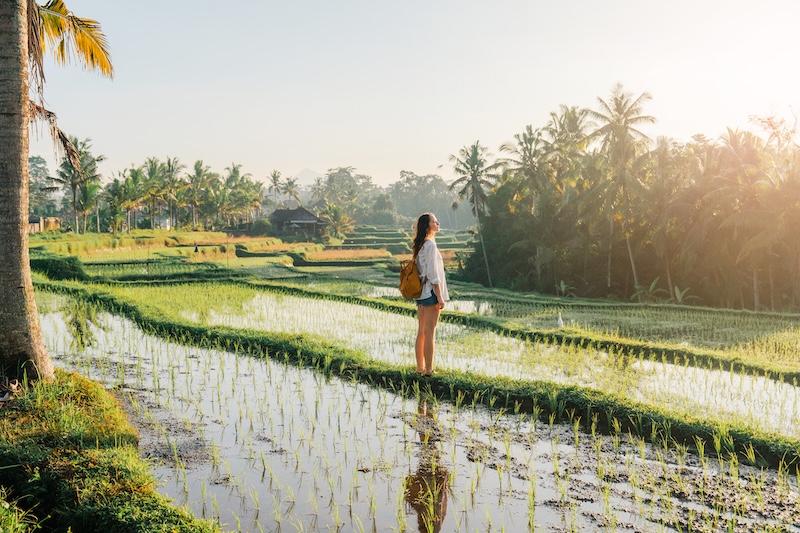
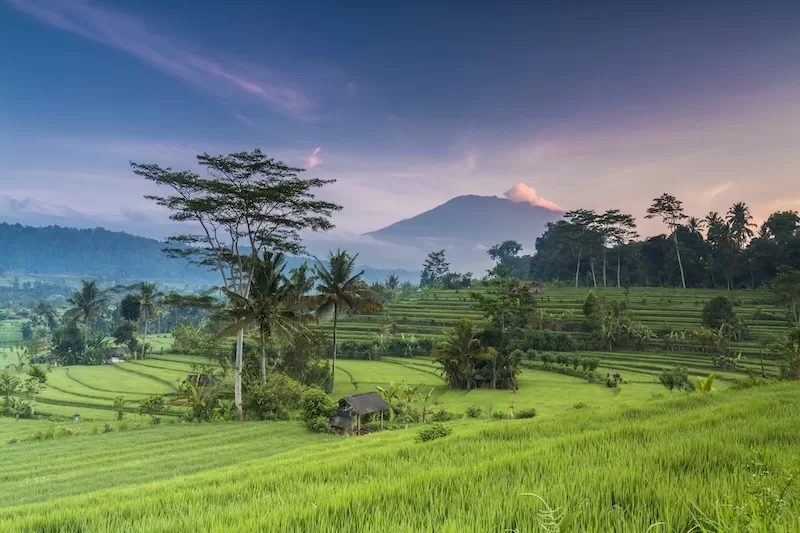
Bali attracts expats for many reasons. Its wellness culture is established, with yoga studios, meditation retreats, and holistic healing centers scattered across the island. The scenery is breathtaking, from terraced rice paddies and dense jungles to dramatic coastlines. Towns such as Ubud and Canggu are magnets for digital nomads, entrepreneurs, artists, and remote workers drawn to cafe culture and a low cost of living.
English is spoken in these areas, but beyond the expat hubs, cultural and language barriers become more apparent. Bali offers an escape. It can feel like a break from Western pressures. However, bureaucracy can be frustrating.
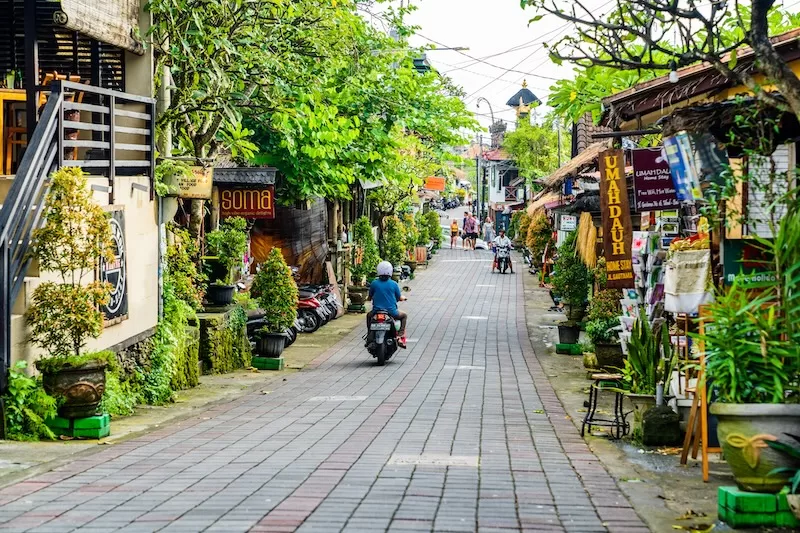
Life in Costa Rica
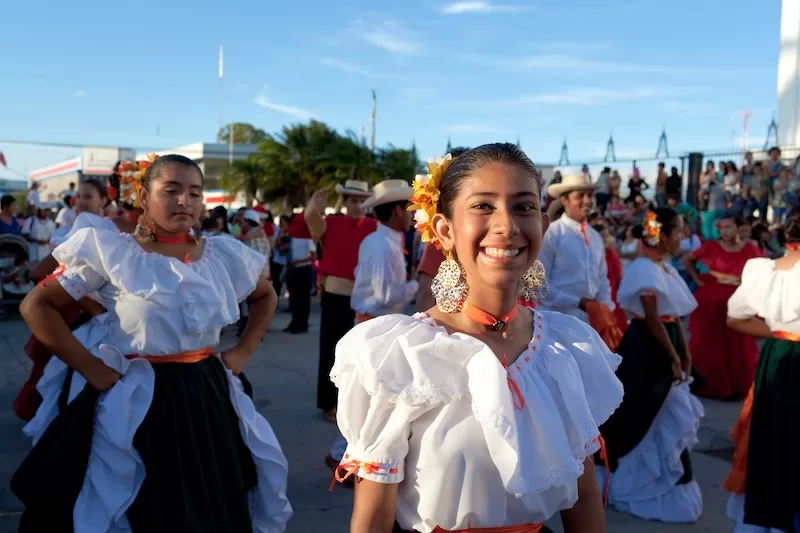
Costa Rica feels far more familiar to most Americans. The country’s “Pura Vida” philosophy reflects a relaxed but practical approach to life, and cultural integration is smoother for US expats. While Spanish is important, English is spoken in expat-heavy areas, and daily life, from banking to healthcare, feels closer to US norms. Costa Rica attracts a broad range of expats, including families, retirees, and remote workers who are looking for a balance between tropical living and long-term stability.
The allure of Costa Rica lies in its deep respect for nature and its strong sense of community. From the moment you arrive, it is clear that the natural world is not something to be conquered or controlled, but something to be protected, honored, and lived alongside. Rainforests, beaches, volcanoes, and rivers are not just scenery. They are part of daily life, shaping how people think, work, and connect with one another.
That respect for the natural world extends into the way communities function. Life in Costa Rica places a strong emphasis on togetherness, cooperation, and looking out for one another. Neighbors know each other. People stop to talk. Help is offered without expectation.
This sense of connection is reflected in the country’s slower, more intentional pace of life. The phrase “pura vida” is more than a slogan. It expresses gratitude, resilience, and appreciation for simple pleasures. Time is made for family, for shared meals, for celebrations, and for showing up when someone needs support.
Cost, Visas, and Practical Realities
Bali offers a low cost of living. A single person can get by on a minimum of $2,000 per month. This often includes housing like villas with pools and daily cleaning. Eating out is cheap. Transportation is inexpensive. Domestic help is affordable. However, imported goods are expensive. Western comforts can also increase costs.
Many people underestimate Costa Rica’s cost of living; monthly expenses can exceed $2,500. This figure, however, assumes a lifestyle quite different from what’s typical in the US. Homes equipped with amenities like dishwashers and dryers will inflate costs. Expect higher prices for utilities and some groceries.
Visas and residency present a key distinction between Bali and Costa Rica. Indonesia’s visa regulations can complicate extended stays in Bali, with many expatriates resorting to short-term visas, subsequent extensions, and “visa runs” that require flying out of the island. While KITAS allows foreigners to live in Bali for periods ranging from six months to five years, its approval is contingent on a sponsor and consent of the local Banjar, which can make the process challenging.
In contrast, Costa Rica is recognized worldwide as an expat-friendly nation. American tourists can remain for up to 180 days, and visa runs are straightforward, involving brief border crossings into Nicaragua or Panama. Costa Rica offers a digital nomad visa and residency options based on retirement or income, providing clear legal avenues, long-term stability, and the possibility of eventual citizenship for permanent residents.
Healthcare further distinguishes the two countries. Bali offers decent private clinics for basic medical needs, but serious conditions often require travel to places like Singapore or Australia. Comprehensive health insurance is essential, and advanced treatments are limited. Costa Rica has one of the strongest healthcare systems in Latin America, with excellent private hospitals, affordable insurance options, and many doctors trained in the United States. Residents can also access the public healthcare system, making Costa Rica especially appealing for families and retirees.
Transport, Safety, and Everyday Life
In Bali, motorbikes are the primary mode of transportation. They’re affordable and offer the quickest way to navigate congested and narrow streets. Cars are also prevalent, but traffic jams can be severe, and public transport options are scarce. Ride-sharing services and private drivers cover alternate transportation needs, simplifying travel without personal vehicle ownership. However, foreigners cannot purchase motorbikes, cars, or property; you’ll need a trusted local friend to make these purchases on your behalf.
Costa Rica, by contrast, relies much more on cars and buses, although many locals drive motorbikes and ATVs are prevalent at the beach. The public bus system is extensive, affordable, and connects cities, towns, and even remote areas. While renting or owning a car offers more freedom, especially for reaching beaches or rural destinations, many people get by using buses. Traffic can still be heavy in urban areas, but overall the system feels more structured and predictable than in Bali.
Both destinations are safe, but they present different risks. Bali has low rates of violent crime, though traffic accidents, often involving scooters, are a significant concern. Natural disasters like earthquakes and volcanic activity are common occurrences on the island. Costa Rica, a stable democracy without a military, has manageable crime levels, most often petty theft. However, infrastructure outside of urban areas can be challenging, with roads unpaved and the water system, while drinkable, strained by a growing population because of immigration.
Climate and natural beauty are strengths in both places. Bali is warm and humid year-round, with distinct wet and dry seasons, and offers dramatic landscapes in a compact island setting. It tends to be cooler than Costa Rica, with the temperatures hovering around 80 degrees Fahrenheit.
Costa Rica has extraordinary biodiversity and a range of microclimates, from beaches and rainforests to cooler mountain towns, allowing expats to choose environments that suit their preferences. Proximity to the United States is another major consideration. Bali requires long flights and major time zone differences, making family visits and emergencies difficult. Costa Rica is just a few hours away from most US cities and shares similar time zones, making travel easy and frequent. Costa Rica’s average temperature is about 5 degrees hotter than Bali.
The Deciding Factor
Despite their geographic distance, the people of Bali and Costa Rica share a similar spirit. In both places, friendliness feels genuine rather than performative, offered without expectation. Daily interactions reveal shared humility, a quiet grace manifesting as patience, politeness, and unspoken respect. Though expressed differently, the sweetness of the people in both places creates an immediate sense of welcome, making newcomers feel less like outsiders and more like guests.
For pet owners, however, the comparison becomes far less balanced. Bringing a dog or cat to Bali is difficult if not impossible. The island enforces strict rabies controls, and direct import of dogs into Bali is prohibited. Expats who attempt it must route pets through other parts of Indonesia, undergo government quarantine, complete expensive rabies titer tests months in advance, and navigate a confusing, frequently changing legal landscape. The process can cost thousands of dollars, take many months, and still carry risks.
Costa Rica, by contrast, is pet-friendly and has a clear, legal process for importing animals. With proper vaccinations, a USDA-endorsed health certificate, and standard paperwork, dogs and cats can enter without quarantine. Veterinary care is excellent and affordable, pet-friendly housing is common, and pets are integrated into daily life.
Ultimately, Bali and Costa Rica serve different purposes. Bali offers creativity, spiritual exploration, and a lower cost of living. Costa Rica excels as a sustainable expat base, providing legal clarity, strong healthcare, cultural familiarity, and an environment where families and pets can thrive.
As the owner of two beloved dogs, I couldn’t imagine leaving them behind, so the choice was made for me. We’re now living our best lives in Costa Rica. I plan on visiting my brother often and soaking up the peace and spirituality of Bali.
Key Takeaways
Is Bali or Costa Rica better for expats?
Costa Rica is generally better for long-term stability, healthcare, and legal residency, while Bali offers a more spiritual and affordable lifestyle but with more bureaucratic complexity.
Which is cheaper, Bali or Costa Rica?
Bali is significantly cheaper overall, especially for housing, food, and daily services, while Costa Rica tends to have higher living costs.
Is healthcare better in Bali or Costa Rica?
Costa Rica has a stronger and more reliable healthcare system, with both public and private options, while Bali often requires travel abroad for serious medical care.
Can you bring pets to Bali or Costa Rica?
Costa Rica is far more pet-friendly with a straightforward import process, while Bali has strict restrictions that make bringing pets extremely difficult.
Which is safer, Bali or Costa Rica?
Both are relatively safe, but Bali has lower violent crime rates, while Costa Rica has more petty theft but better infrastructure and stability.
Which is closer to the US?
Costa Rica is only a few hours away and shares similar time zones, while Bali requires long-haul flights and major time differences.
About the Author
Semi-retired teacher and theater professional Tam Matthews moved to Costa Rica in January of 2023 with her two dogs. She writes about expat life on Substack.
Contact Author
"*" indicates required fields
Stay Ahead on Every Adventure!
Stay updated with the World News on Escape Artist. Get all the travel news, international destinations, expat living, moving abroad, Lifestyle Tips, and digital nomad opportunities. Your next journey starts here—don’t miss a moment! Subscribe Now !
A Life Shaped by Travel
As an avid traveler, I find it ironic that I was raised by parents whose world rarely extended beyond American borders. Yet two of their four children grew up to spend decades roaming the globe. My brother and I shaped our lives around travel, and in time, both of us retired outside the United States.
My brother Walter, much older than I am, made the leap first. He settled in Bali, a place he came to love, and one I have visited many times over the years. Those visits left a deep impression on me, so when my retirement approached, I faced a difficult choice. Bali felt familiar and comforting, rich with beauty and spirituality. However, I had traveled often to Costa Rica and was drawn to its landscapes and lifestyle as well.
If you'd like to read the full story, simply enter your email to subscribe to our newsletter.
For even more expert insights, unmissable resources, and exclusive invites, explore our premium subscription offers here.
OR
Already a Subscriber? Click here to login
Subscription required
You've reached your limit of free articles. For full access to Escape Artist, and all of our insights on travel, moving abroad, and the digital nomad life, click here to Subscribe.
Already a Subscriber? Log in here